



Portugal Travel Guide (2026): A Complete Guide to Europe’s Hidden Gem
Portugal, perched on the western edge of Europe, offers a captivating mix of historic cities, stunning coastlines, world-class wines, and warm hospitality. From the hilly streets of Lisbon to the dramatic cliffs of the Algarve and the vine-covered terraces of the Douro Valley, this compact country packs in remarkable diversity. It’s affordable compared to many Western European destinations, making it ideal for first-timers and repeat visitors alike.
Best Time to Visit Portugal
The sweet spots are spring (April–June) and early fall (September–October). You’ll enjoy mild temperatures (20–27°C/68–81°F), fewer crowds than peak summer, and lower prices, with swimmable seas in the south.
Spring (March–May): Wildflowers bloom, perfect for hiking and city exploration. May is often highlighted as ideal.
Summer (June–August): Hot and sunny, best for beaches in the Algarve, but expect crowds and higher prices, especially in July–August.
Fall (September–October): Harvest season in wine regions like Douro Valley—golden light, festivals, and warm water.
Winter (November–March): Milder than northern Europe, budget-friendly, great for cities and fewer tourists, though rainier in the north.
Wildfires are a risk in summer (April–October); check local alerts.
Top Destinations
Lisbon
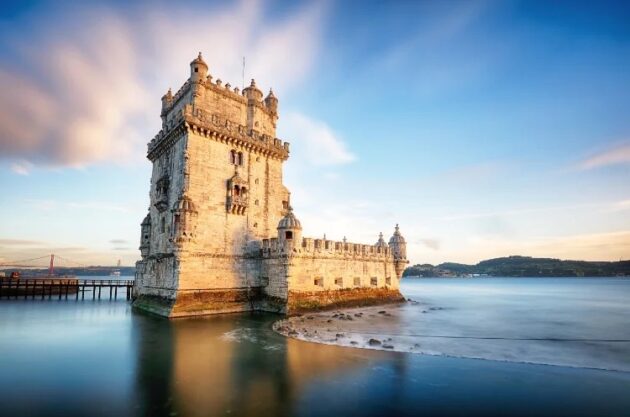
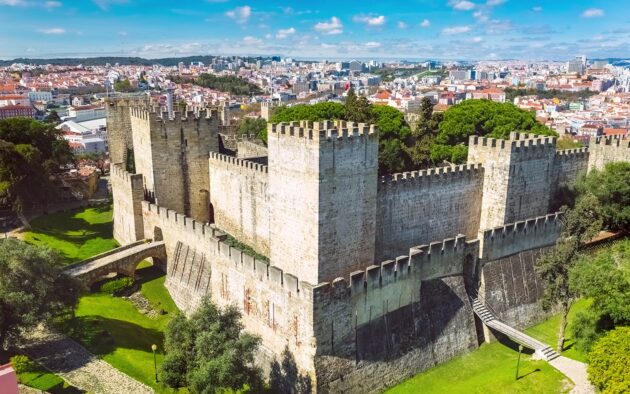
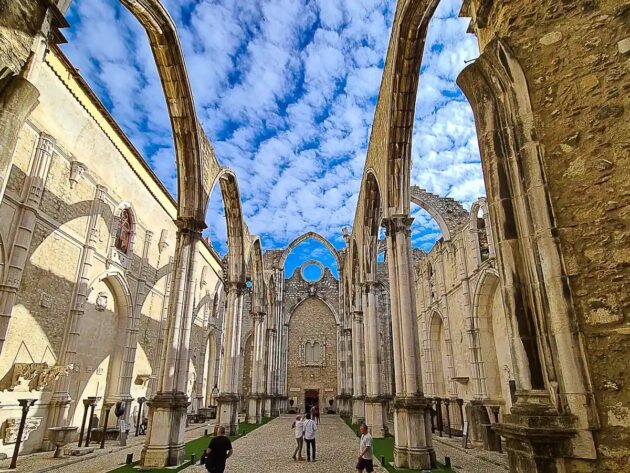
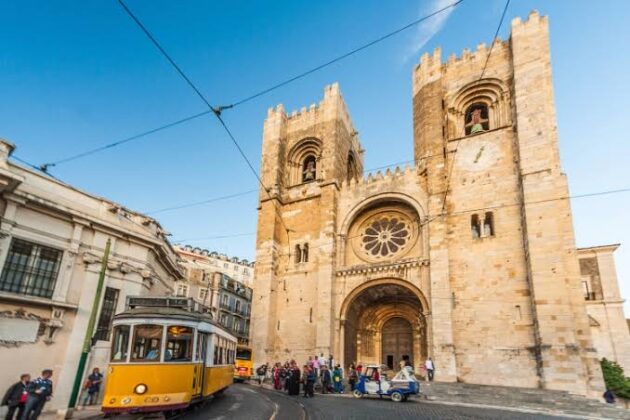
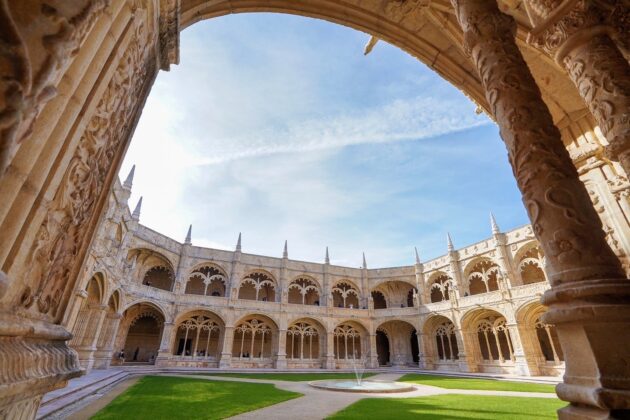
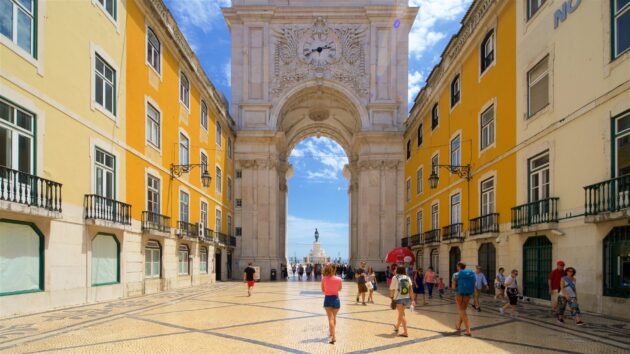
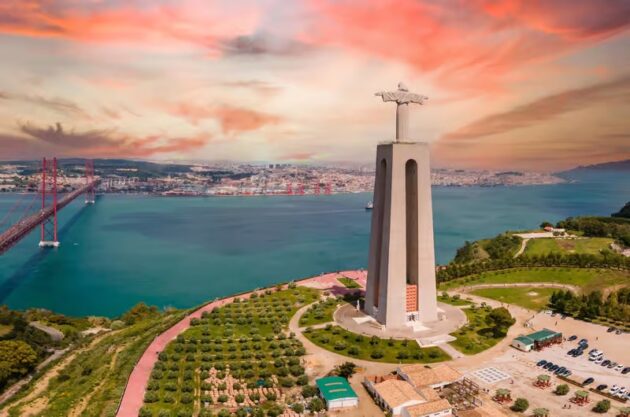
Portugal’s vibrant capital sits on seven hills overlooking the Tagus River. Explore the colorful Alfama district (oldest neighborhood, fado music), Belém (Tower of Belém, Jerónimos Monastery, and the original pastéis de nata), and viewpoints (miradouros). Ride iconic Tram 28.
Porto
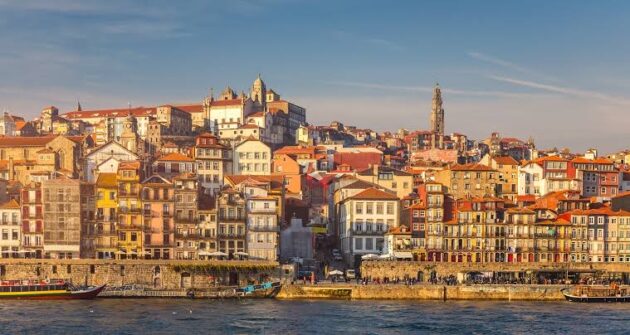
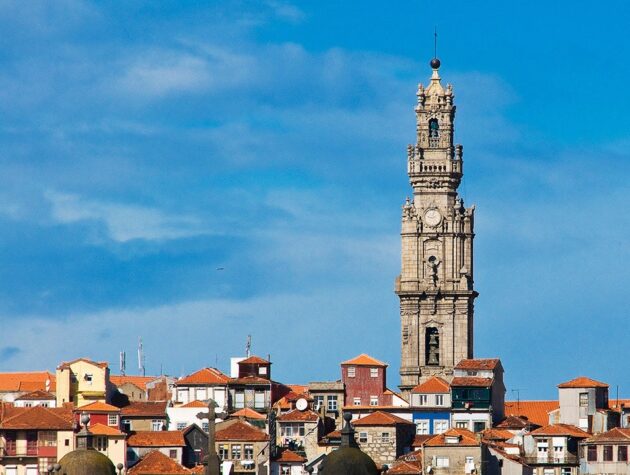
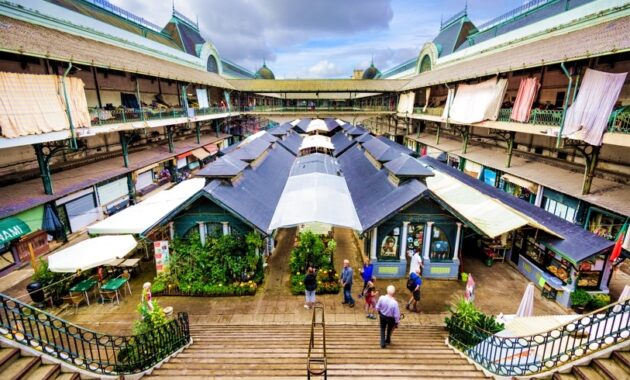
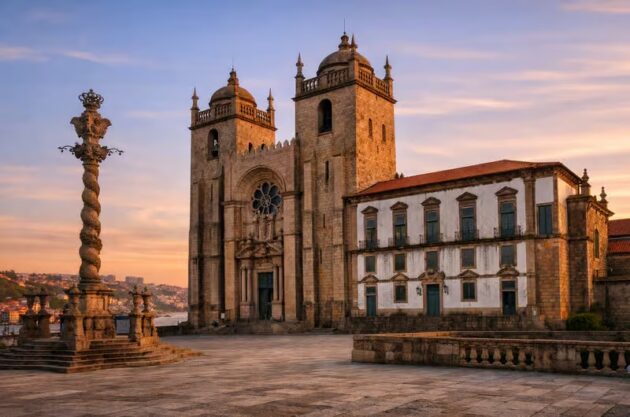
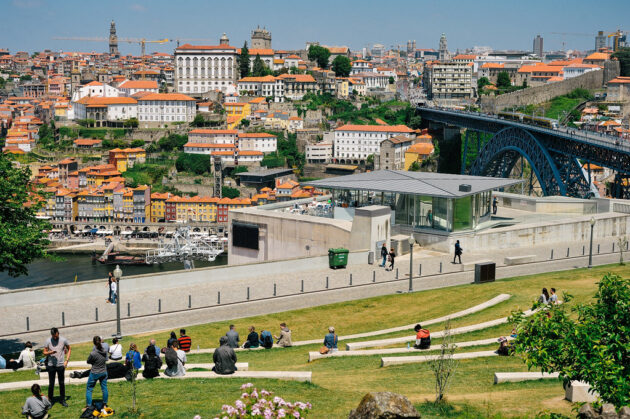
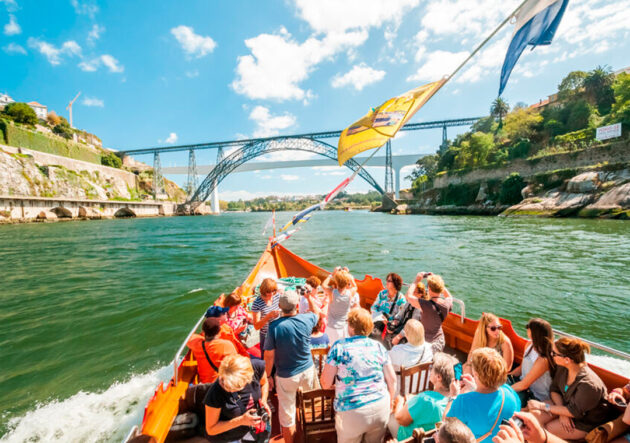
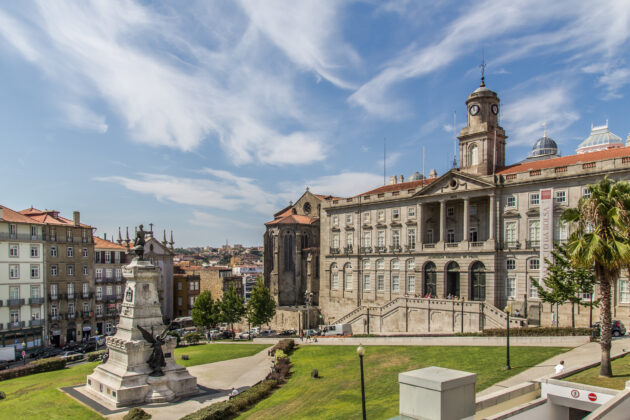
Porto (also known as Oporto) is Portugal’s second-largest city and one of Europe’s most charismatic destinations. Famous for its UNESCO-listed historic center, world-renowned Port wine, stunning riverside views along the Douro River, colorful azulejo-tiled buildings, and hearty cuisine, Porto offers a perfect mix of history, culture, food, and natural beauty. It’s more compact and often more affordable than Lisbon, with a laid-back yet vibrant atmosphere.
Lagos
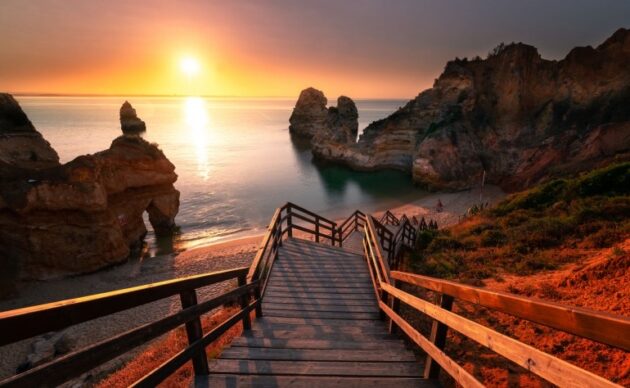
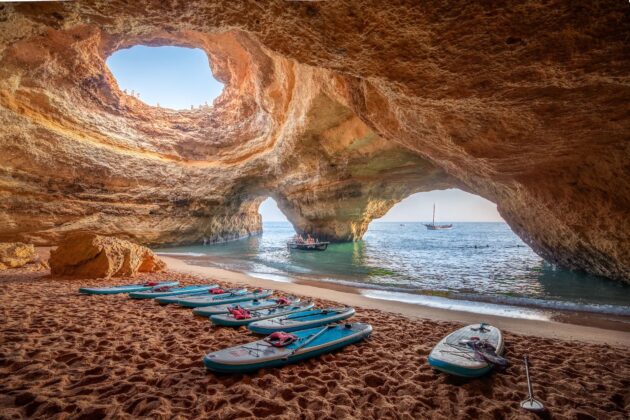
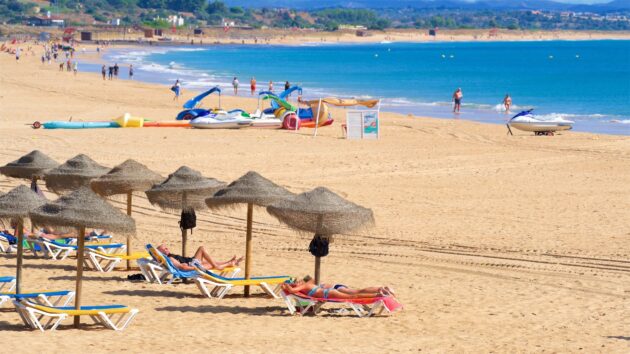
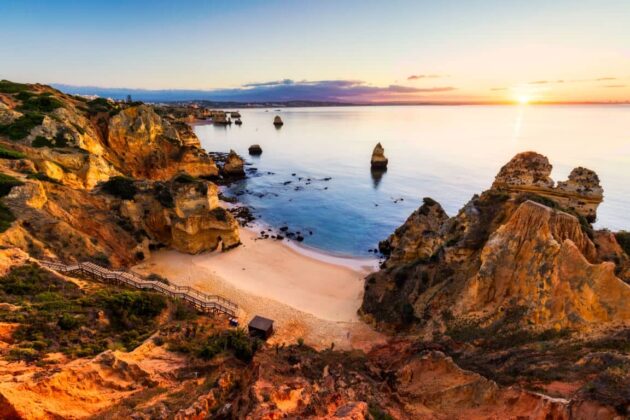
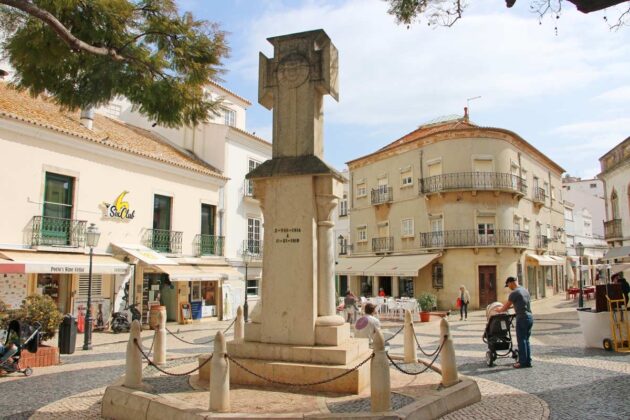
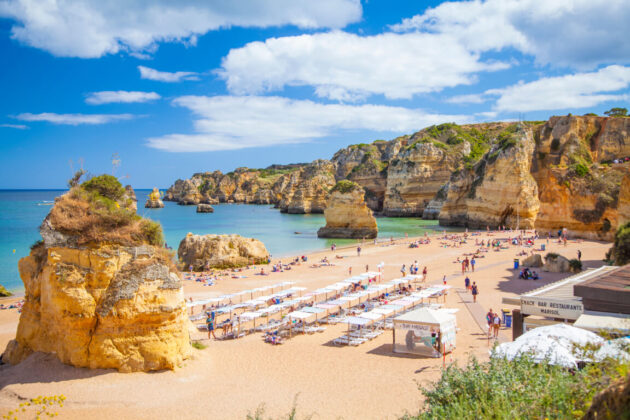
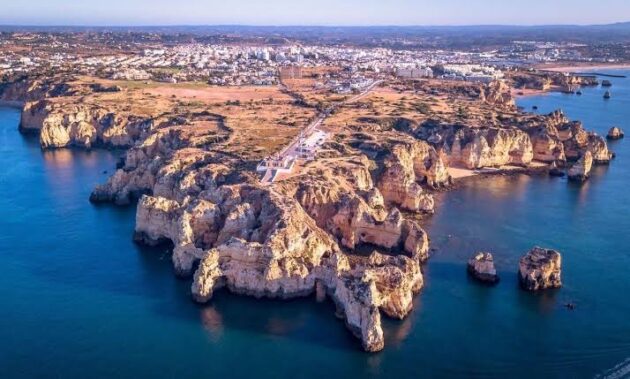
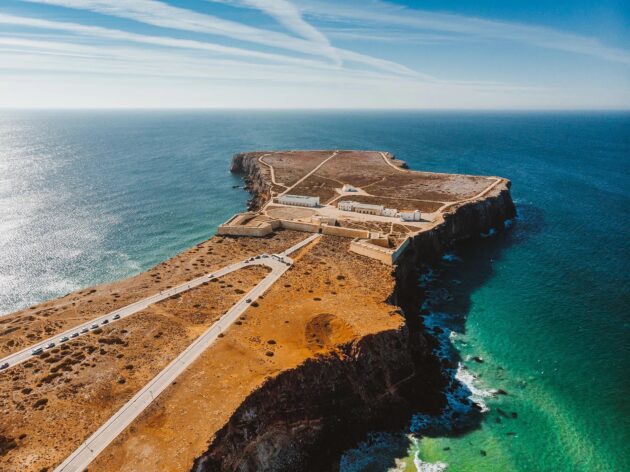
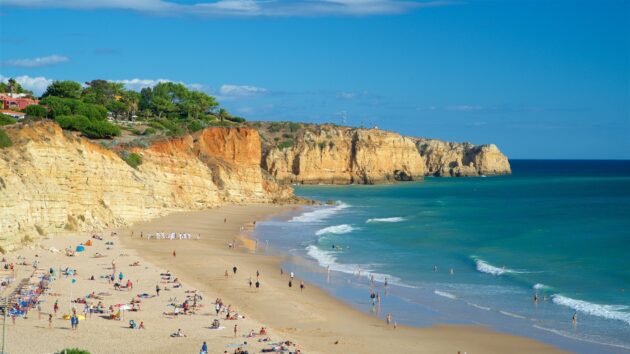
Lagos, located in the western Algarve, is one of Portugal’s most captivating coastal towns. It perfectly blends dramatic golden cliffs, stunning beaches, a charming historic old town, and excellent water activities. With its lively yet relaxed atmosphere, Lagos serves as an ideal base for exploring the Algarve’s western highlights.
Évora
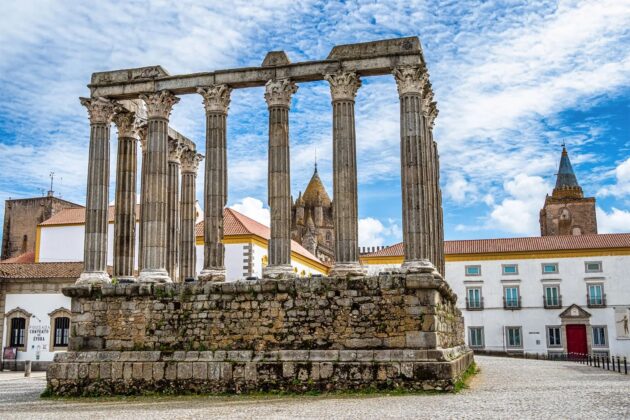
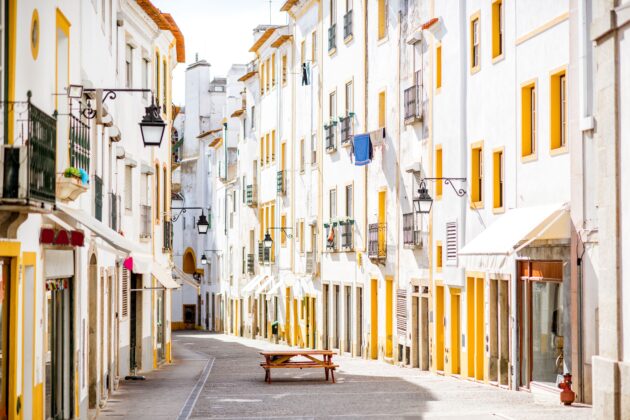
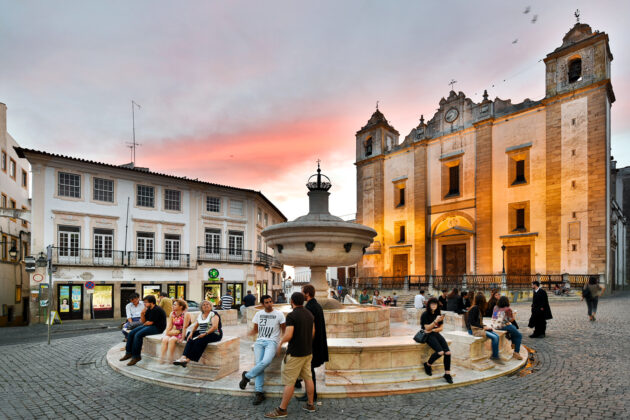
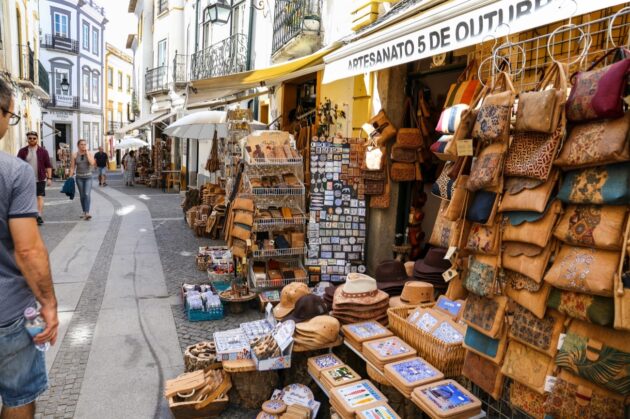
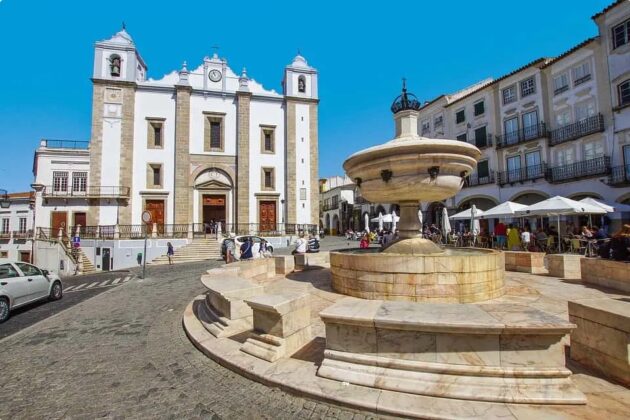
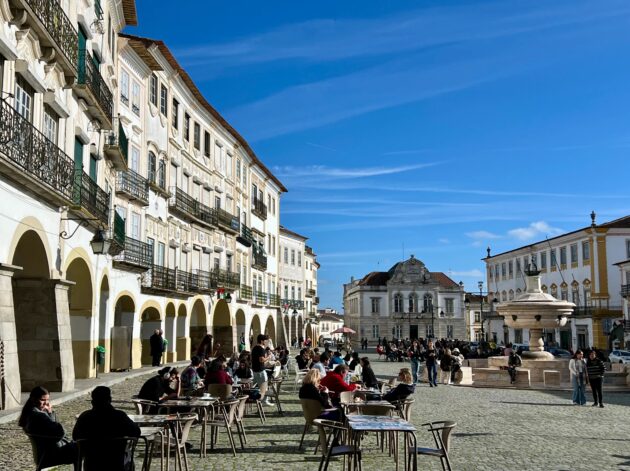
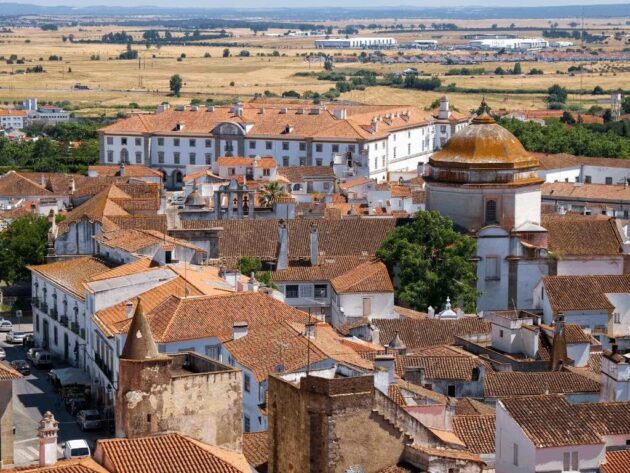
Évora (pronounced EH-voh-rah) is a captivating UNESCO World Heritage city and the capital of Portugal’s Alentejo region. Known for its remarkably preserved historic center, Roman ruins, medieval architecture, and rich culinary traditions, it offers a perfect blend of history, culture, and relaxed charm.

Madeira
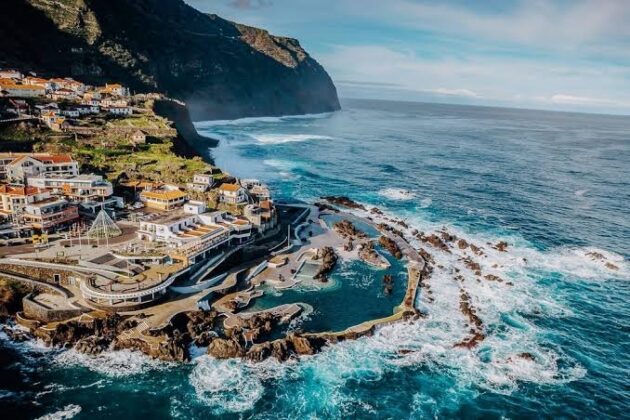
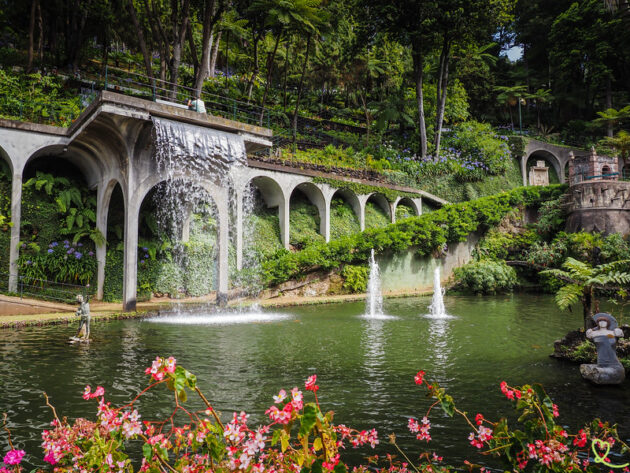
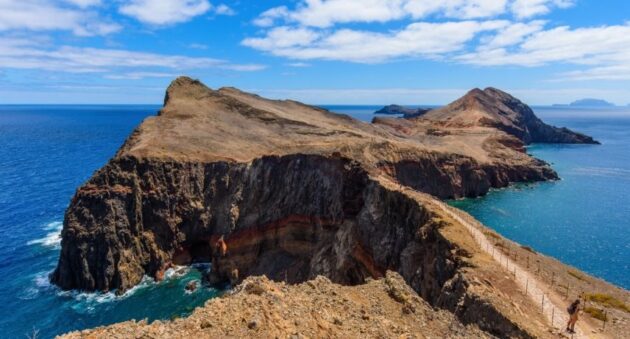
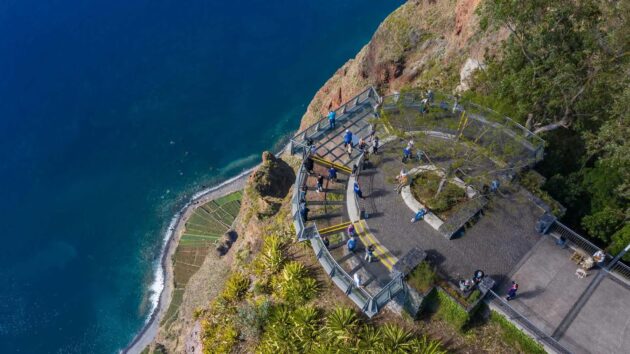
Madeira, often called the “Pearl of the Atlantic,” is a Portuguese archipelago known for its dramatic volcanic landscapes, lush levada trails, stunning cliffs, and mild subtropical climate. Located about 900 km southwest of mainland Portugal, this island offers a perfect mix of adventure, nature, culture, and relaxation.



Things to Do
Cultural: Listen to fado in Lisbon or Porto, visit castles and monasteries, explore azulejo tile art.
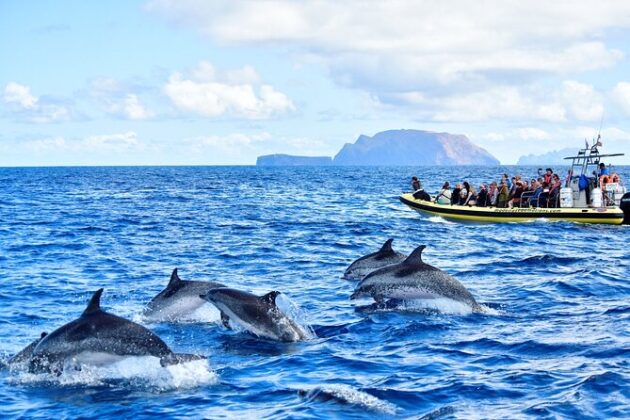
Nature: Hike levadas in Madeira, surf in the Algarve or Nazaré (big waves), or cruise the Douro.
Food & Wine: Wine tastings everywhere; port in Porto, Vinho Verde in the north.
Beaches: From cosmopolitan Cascais to wild Costa Vicentina.
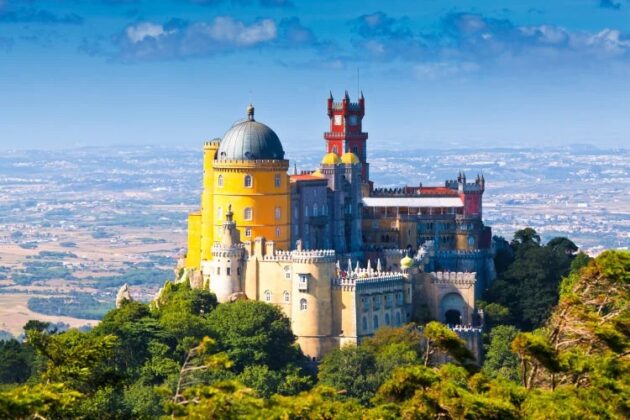
Day Trips: From Porto—Braga, Guimarães; from Lisbon—Sintra, Cascais.
Portuguese Food & Drink Highlights
Portuguese cuisine emphasizes fresh seafood, simple preparations, and regional specialties.
Pastel de nata: Iconic egg custard tarts (try Pastéis de Belém in Lisbon).
Bacalhau: Salt cod prepared in hundreds of ways (e.g., à Brás).
Seafood: Grilled sardines, cataplana (stew in copper pot), octopus (polvo à Lagareiro).
Meats: Francesinha sandwich (Porto), leitão (roast suckling pig).
Wines: Port, Douro reds, Alentejo wines, and Madeira wine.
Snacks: Bifana (pork sandwich), pastéis de bacalhau (cod fritters).
Try petiscos (small plates) for sharing. Vegetarian options are growing but seafood dominates.
Getting There & Around
Flights: Major airports in Lisbon (LIS), Porto (OPO), and Faro (FAO). TAP Air Portugal is the national carrier.
Trains: Efficient CP (Comboios de Portugal) network; scenic routes like Lisbon–Porto or Douro line.
Buses: Rede Expressos for intercity.
Driving: Excellent highways (tolls via Via Verde—rentals often include it). Drive on the right; international permit recommended for non-EU. Cities have narrow streets—better use public transport there.
Within cities: Metro, trams, Uber/Bolt, and walkable historic centers.
Practical Tips
Currency: Euro (€). Cards widely accepted; ATMs common.
Language: Portuguese (English widely spoken in tourist areas).
Visa: Schengen rules apply—many nationalities visa-free for 90 days.
Safety: Very safe overall (high Global Peace Index ranking). Watch for pickpockets in crowded tourist spots like Tram 28 or beaches. Normal precautions suffice.
Accommodation: From boutique guesthouses to luxury hotels. Book ahead for summer. Consider the Lisboa Card or Porto Card for discounts.
Costs: Mid-range daily budget €80–150 per person (accommodation, food, transport). More affordable than many neighbors.
Health/Safety: Tap water safe in most places. Summer heat and sun protection needed; wildfire awareness.
Final Thoughts
Portugal rewards slow travel—wander neighborhoods, enjoy sunsets with a glass of wine, and chat with locals. It’s a country that feels both timeless and vibrant. Safe travels!
For the latest updates, check official tourism sites like VisitPortugal. Bon voyage!