
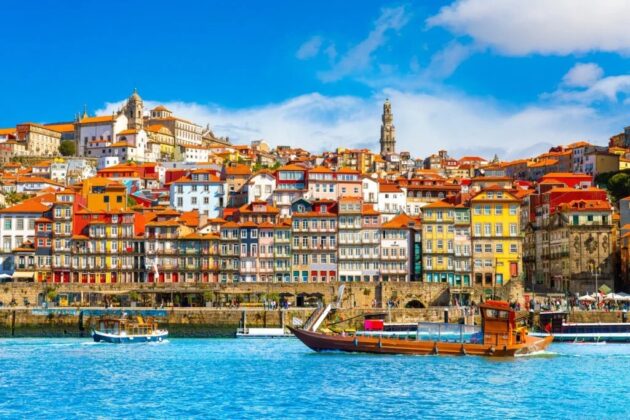
Porto Travel Guide (2026)
Porto (also known as Oporto) is Portugal’s second-largest city and one of Europe’s most charismatic destinations. Famous for its UNESCO-listed historic center, world-renowned Port wine, stunning riverside views along the Douro River, colorful azulejo-tiled buildings, and hearty cuisine, Porto offers a perfect mix of history, culture, food, and natural beauty. It’s more compact and often more affordable than Lisbon, with a laid-back yet vibrant atmosphere.
Best Time to Visit
Spring (April–June) and Fall (September–October): Ideal weather (15–25°C/59–77°F), fewer crowds, and pleasant temperatures for walking and exploring.
Summer (July–August): Warmest and best for beaches and river activities, but busier and hotter. Don’t miss the lively São João Festival in late June.
Winter: Milder and cheaper, with potential rain, but great for indoor wine tastings and cozy vibes.
Porto has a maritime climate—expect some rain year-round, so pack layers and a waterproof jacket.
How to Get There and Around
Airport: Francisco Sá Carneiro Airport (OPO) is well-connected. Take the Metro Line E (purple) directly to the city center (about 30–40 minutes, €2+).
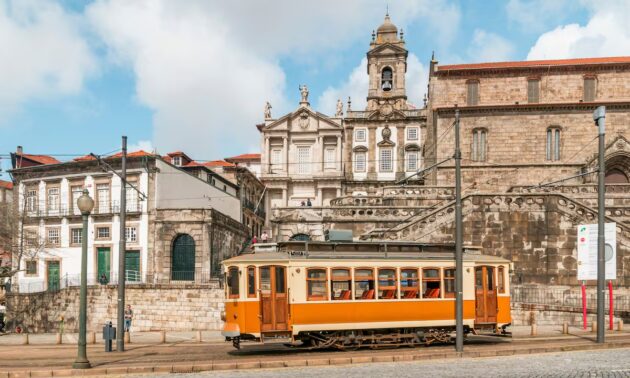
Public Transport: Use the Andante card for metro, buses, trams, and funiculars. It’s efficient and affordable. Historic Tram 1 along the river to Foz do Douro is scenic but slow.
Walking: The best way to experience the hilly historic center (wear comfortable shoes!).
Rideshares: Uber/Bolt are cheap and convenient.
Taxis/Trams/Funicular: Useful for steep hills.
Driving in the historic center is not recommended due to narrow streets and parking challenges.
Top Things to Do
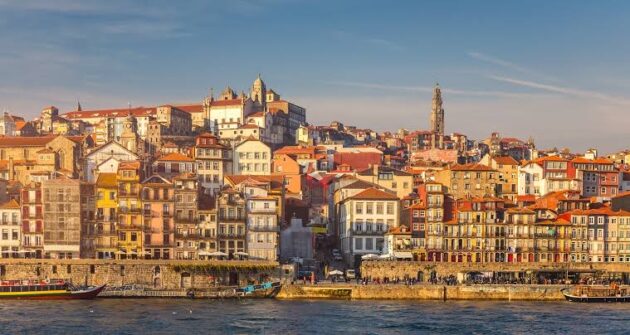
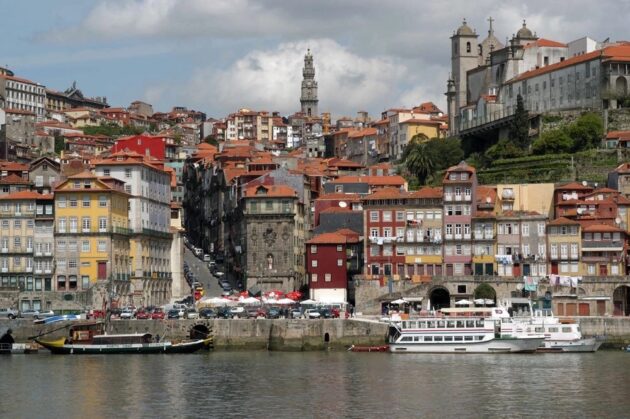
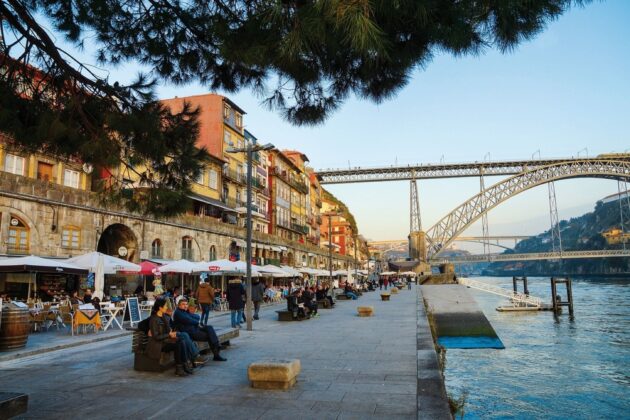
Ribeira District & Douro Riverfront
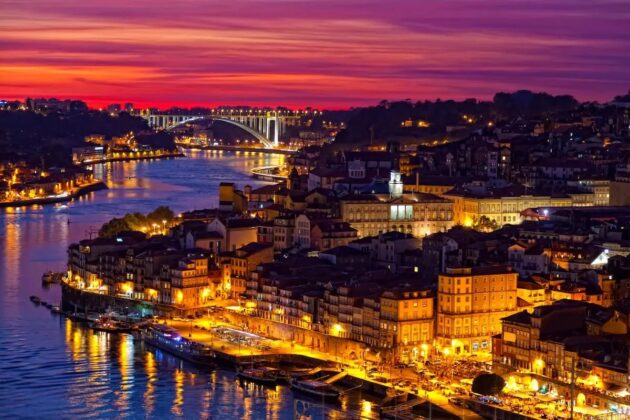
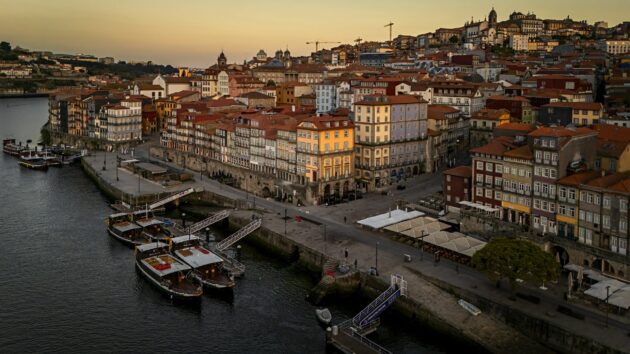
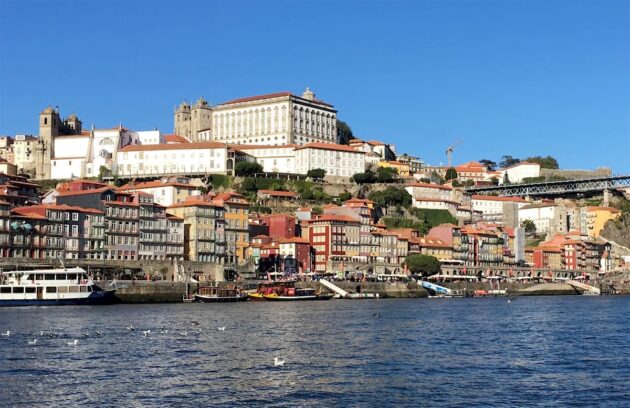
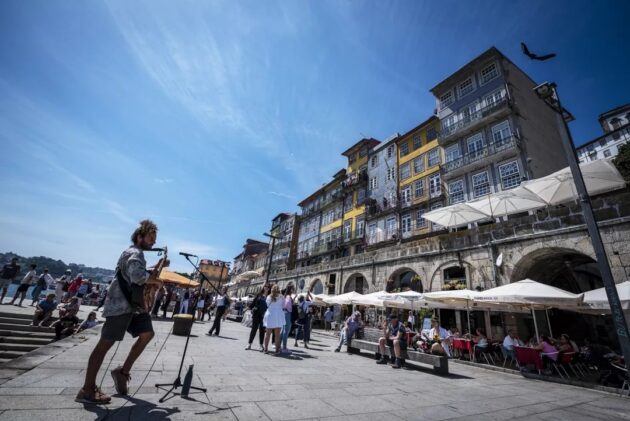
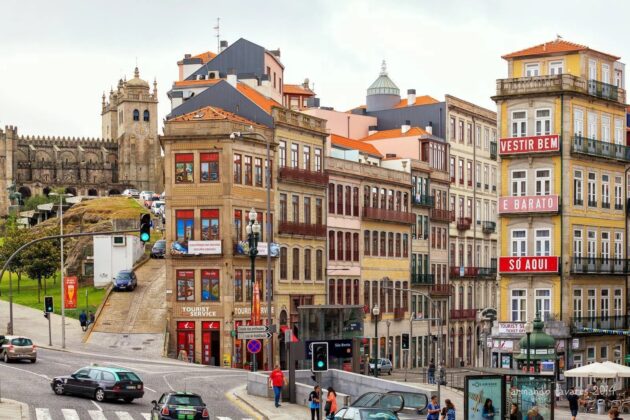
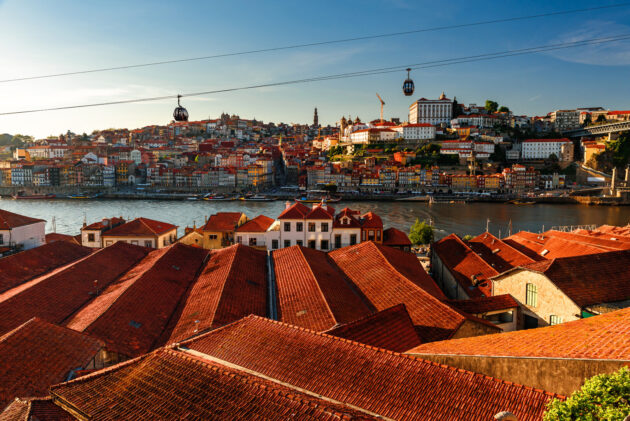
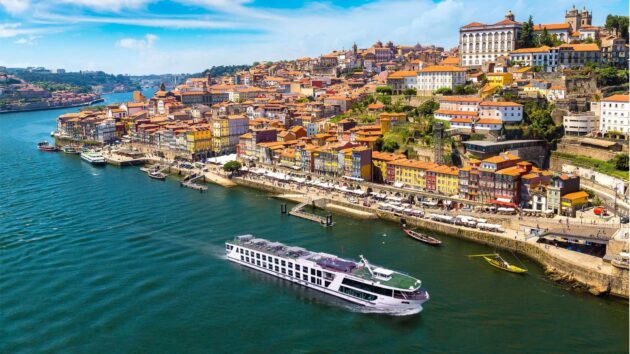
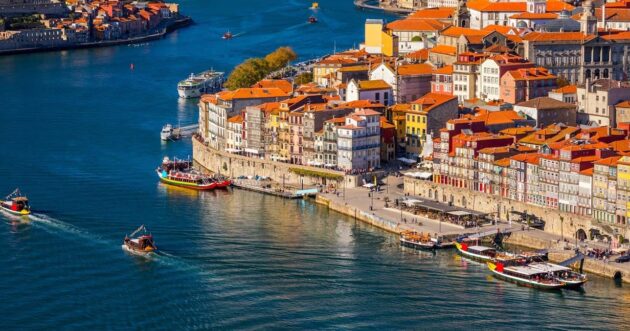
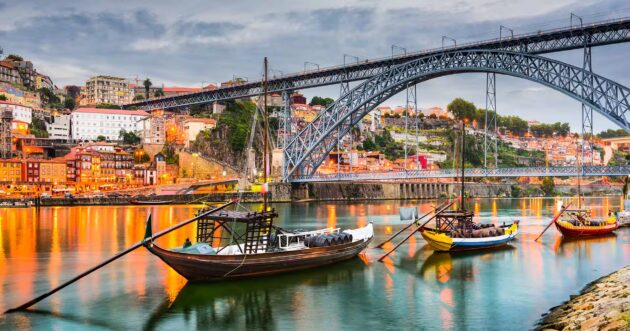
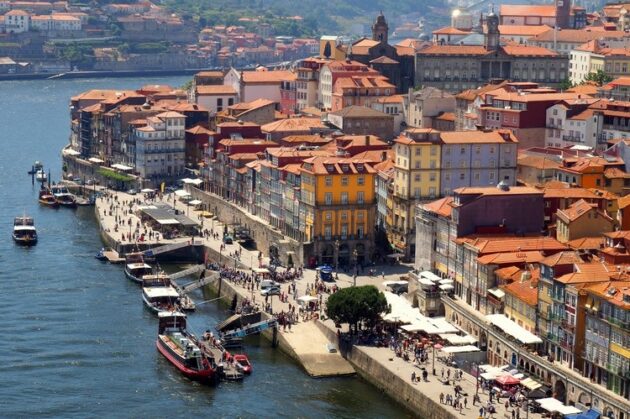
Ribeira is the vibrant, historic riverside heart of Porto, a UNESCO World Heritage Site since 1996. Its colorful stacked houses, cobblestone alleys, and stunning views of the Douro River and Dom Luís I Bridge make it one of Portugal’s most iconic and photogenic neighborhoods. Once a bustling medieval trading port, Ribeira blends authentic local life with tourist energy, offering history, great food, wine, and unforgettable sunsets.
Port Wine Tastings in Vila Nova de Gaia
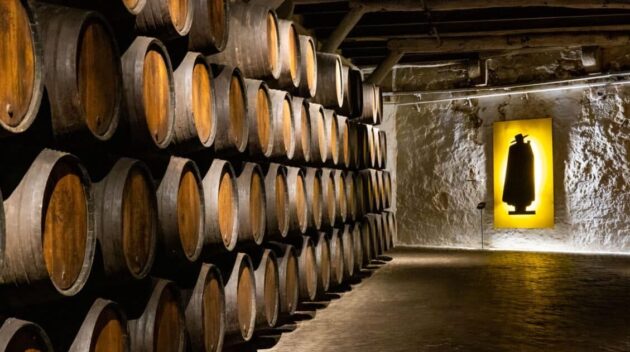
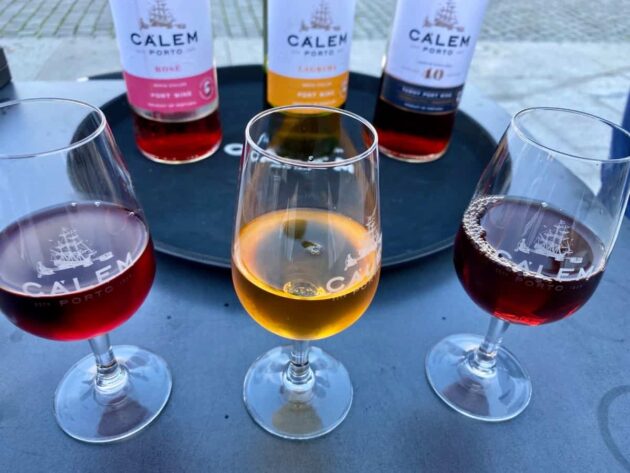
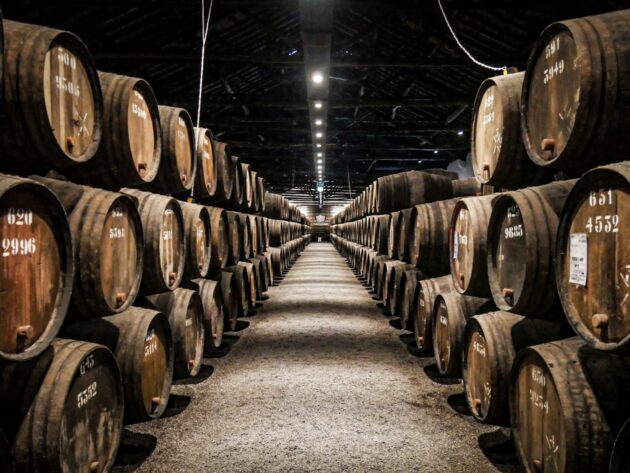
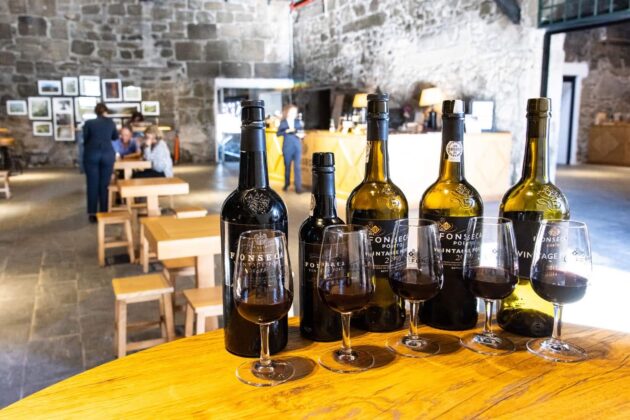
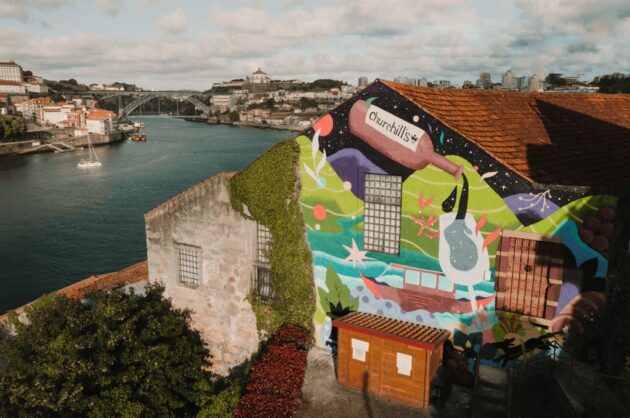
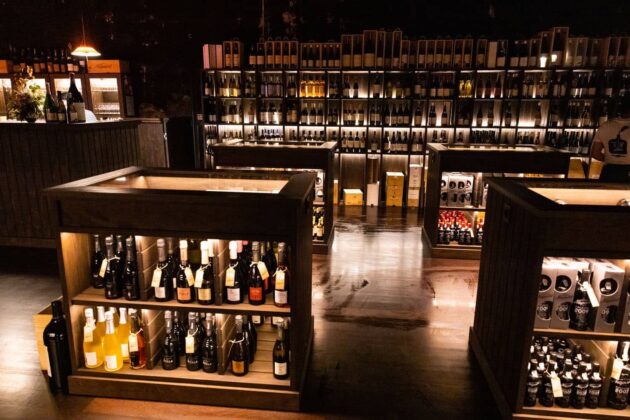
Vila Nova de Gaia (often just called Gaia) sits directly across the Douro River from Porto’s historic Ribeira district. It serves as the heart of Portugal’s iconic port wine industry, where centuries-old caves (cellars) age and mature the fortified wine under ideal cool, humid conditions. A visit here combines history, scenic views, and delicious tastings—making it an essential stop for any Porto itinerary.
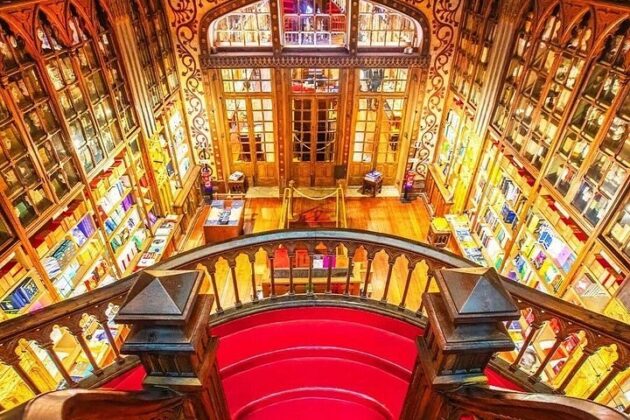
Livraria Lello
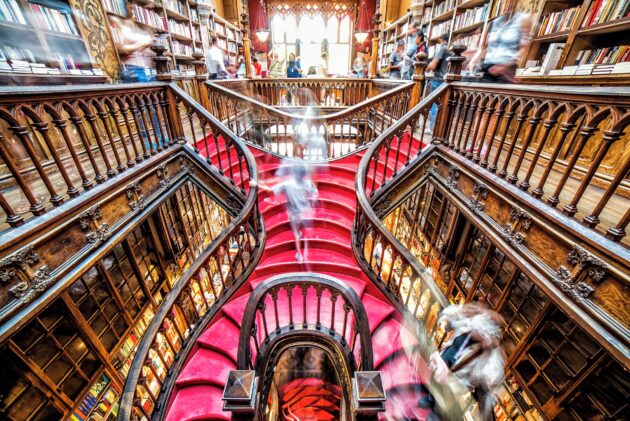
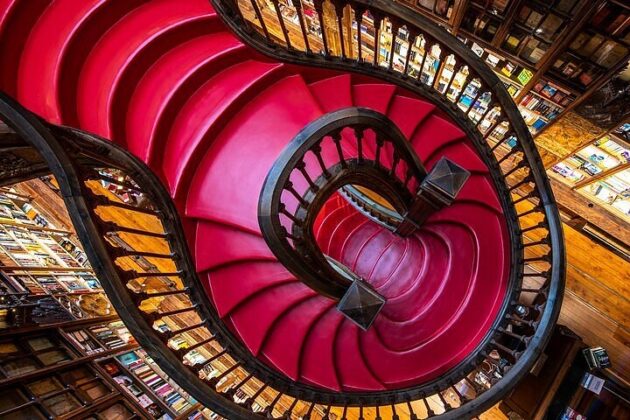
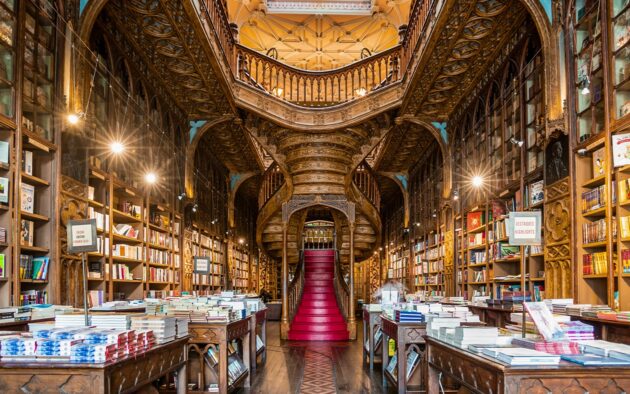
Livraria Lello, often called one of the world’s most beautiful bookstores, is a must-visit gem in Porto’s historic center. Its breathtaking neo-Gothic and Art Nouveau interior feels more like a literary cathedral than a shop. Opened in 1906, it continues to operate as a working bookstore while drawing visitors from around the globe for its stunning architecture.
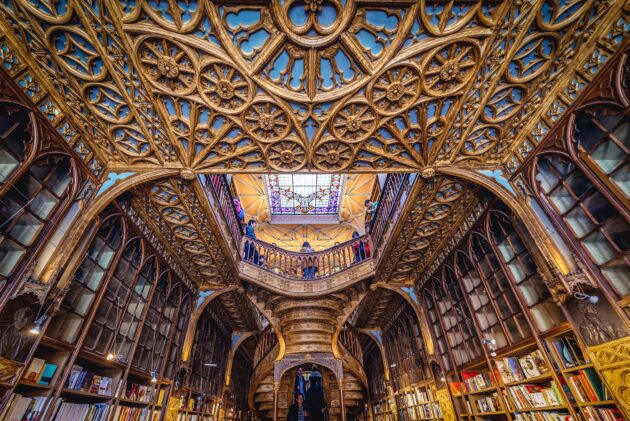
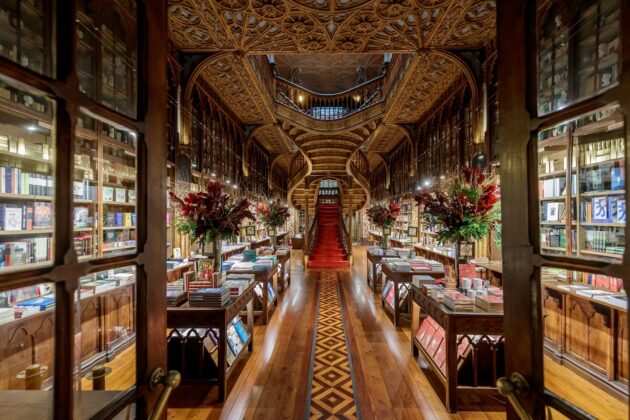
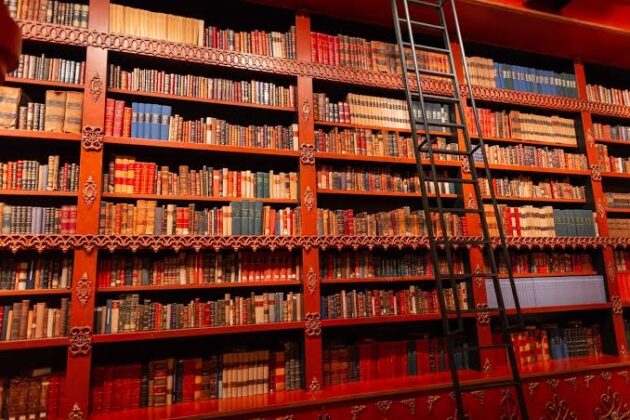
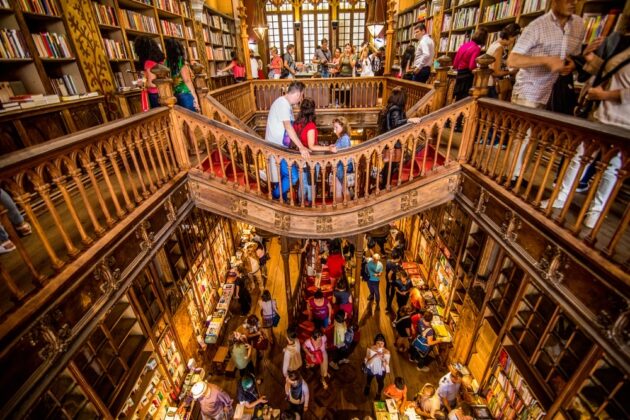
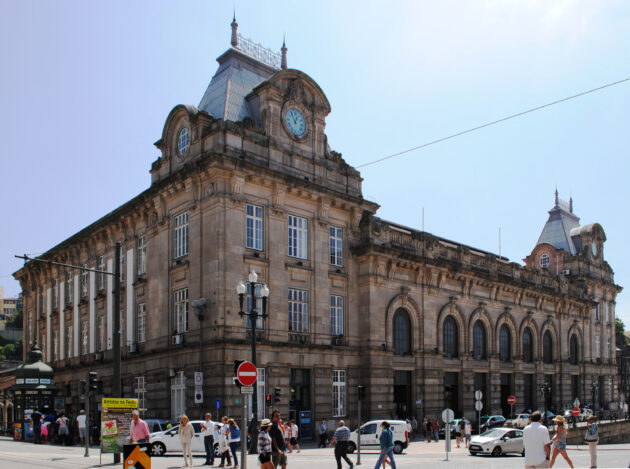
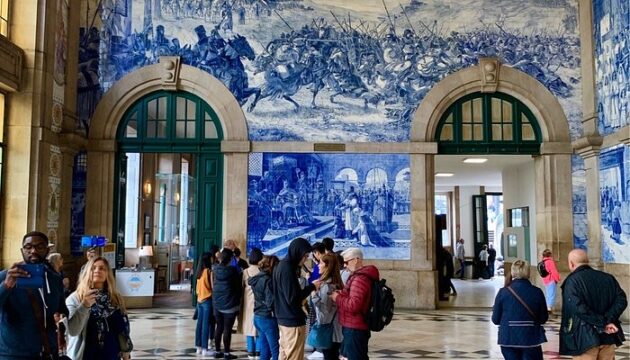
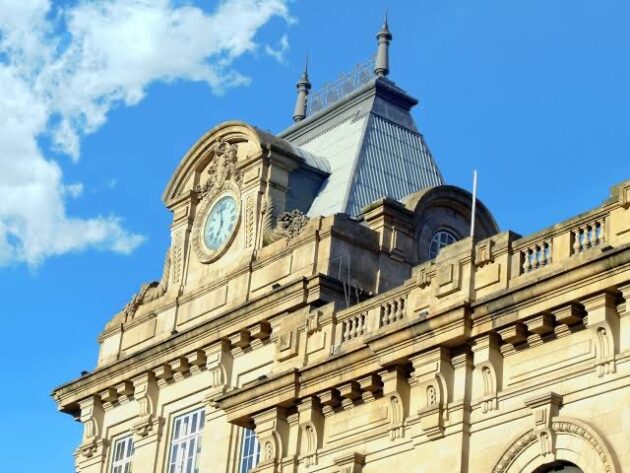
São Bento Train Station
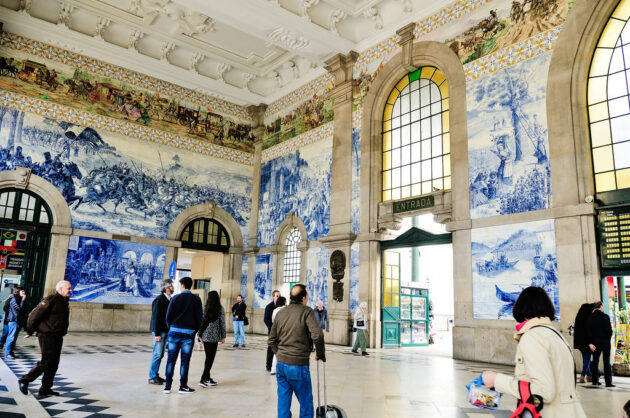
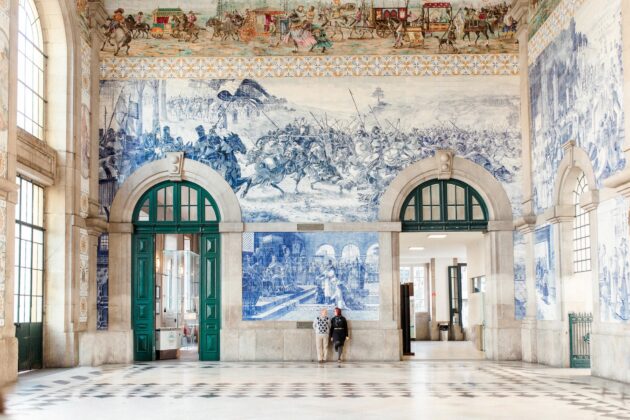
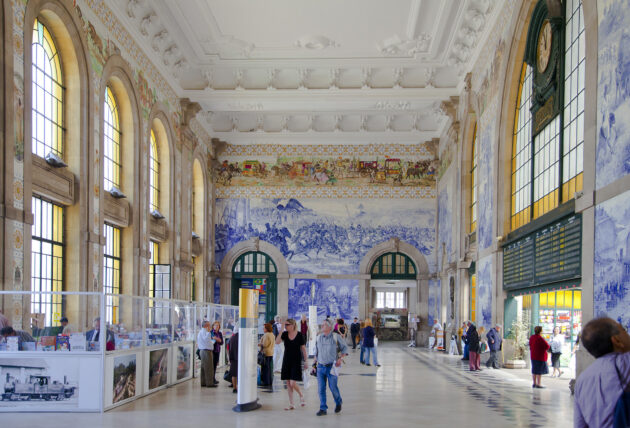
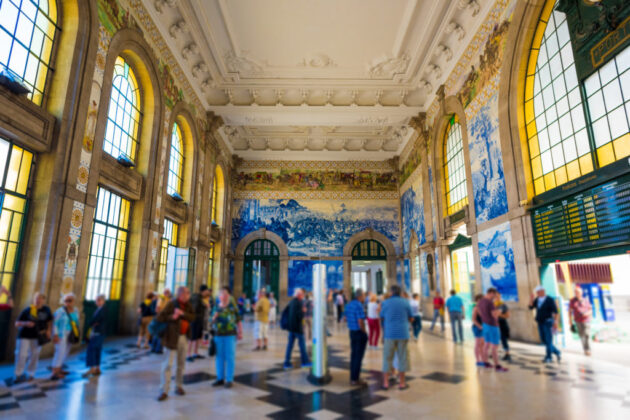
São Bento Train Station is one of the most beautiful railway stations in the world and a must-visit landmark in Porto. While it remains a fully functional transport hub, its breathtaking interior—covered in over 20,000 hand-painted azulejo tiles—transforms it into a living museum of Portuguese history and art. Many visitors come just to admire the tiles, even if they’re not catching a train.

Clérigos Tower
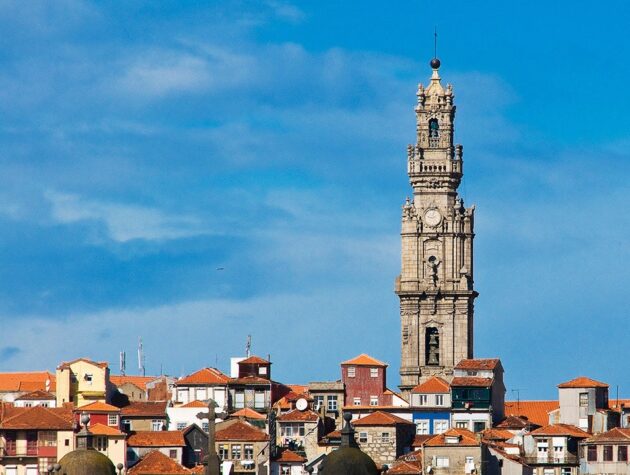
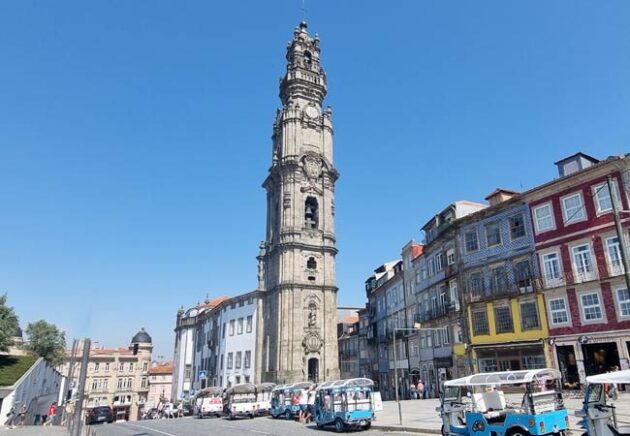
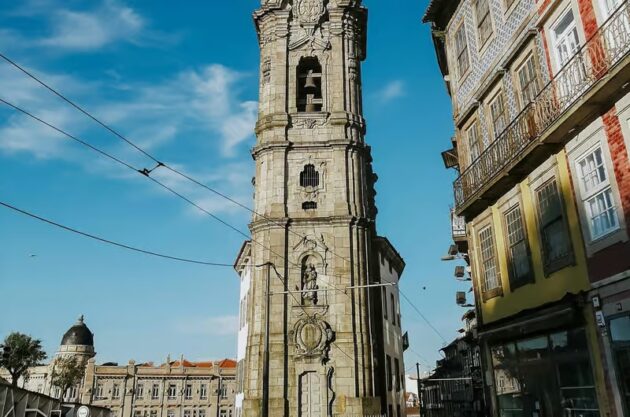
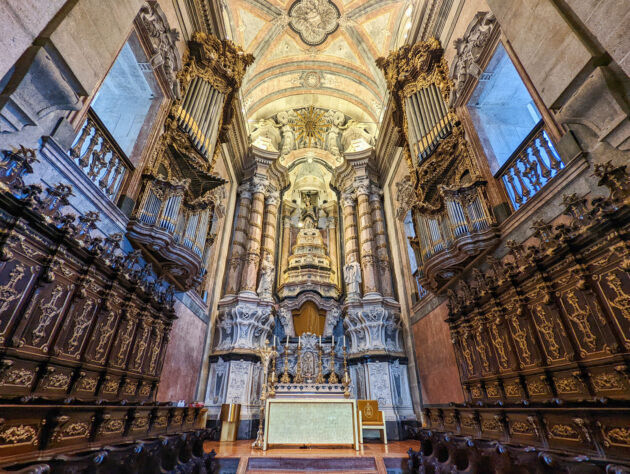
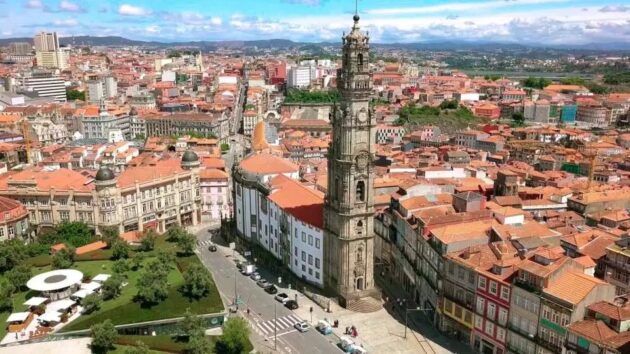
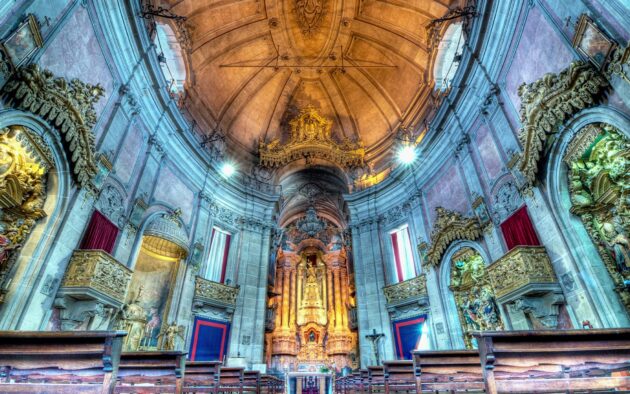
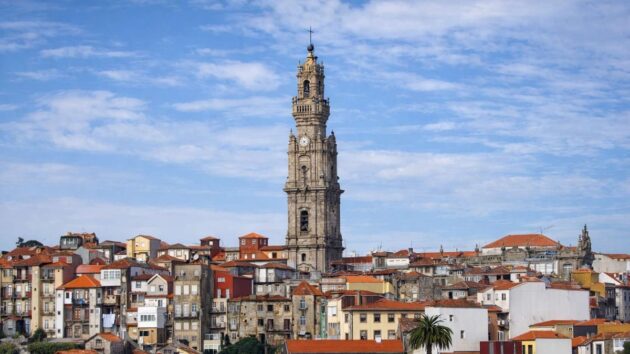
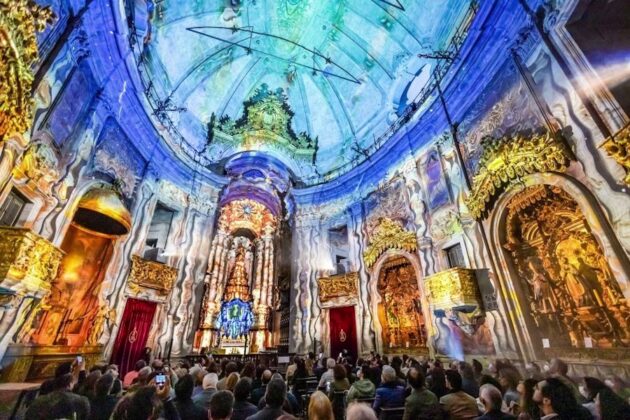
The Clérigos Church (Igreja dos Clérigos) and its iconic Torre dos Clérigos form one of Porto’s most recognizable landmarks. This Baroque masterpiece, designed by Italian architect Nicolau Nasoni, stands as a symbol of the city with its towering granite spire visible from many viewpoints across Porto.
Mercado do Bolhão
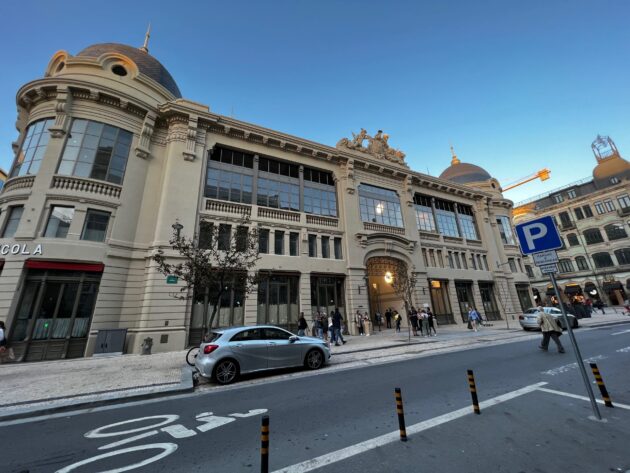
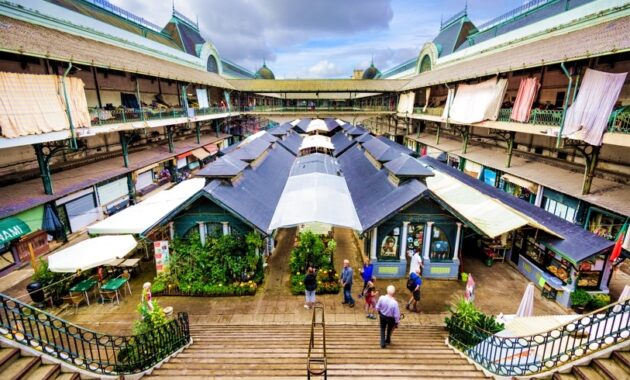
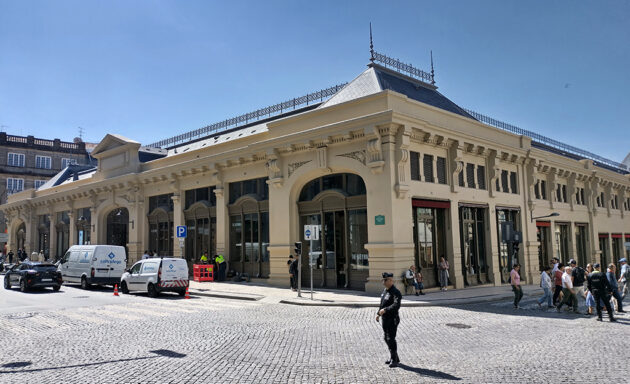
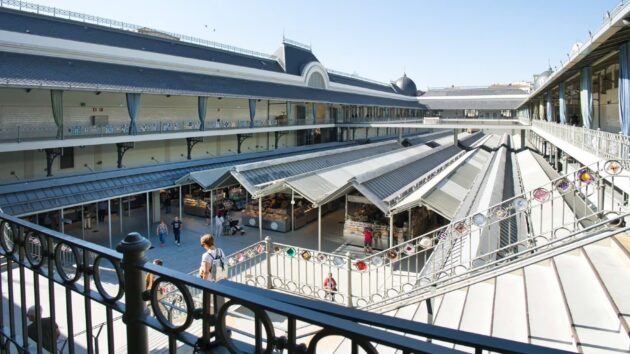
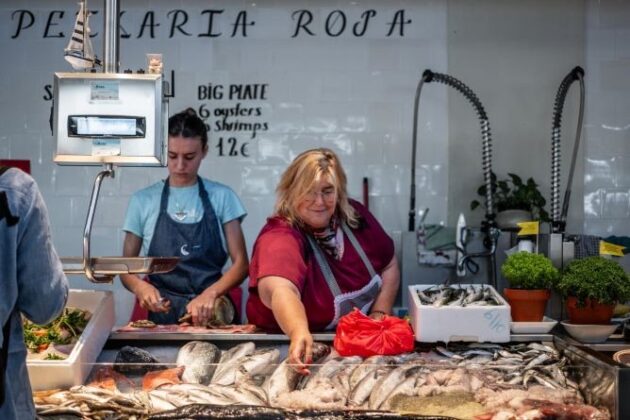
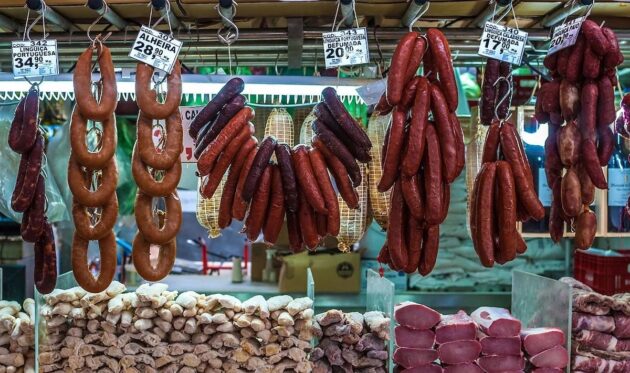
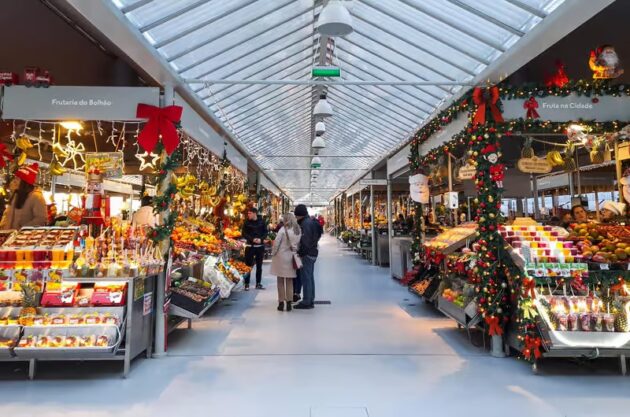
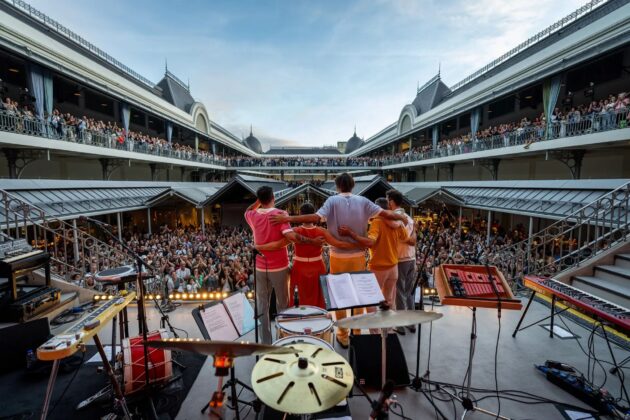
Mercado do Bolhão is one of Porto’s most iconic landmarks and a must-visit for anyone wanting to experience the city’s authentic food culture, local life, and architectural charm. Located in the heart of Baixa (downtown Porto), this bustling two-story neoclassical market hall offers fresh produce, seafood, cheeses, cured meats, and more—blending tradition with a modern restoration that reopened in 2022.
Foz do Douro
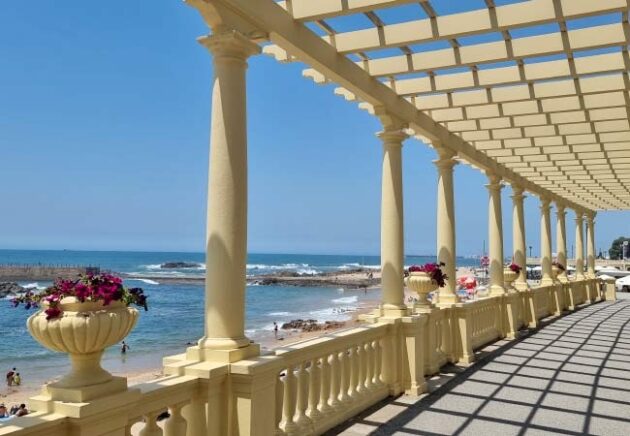
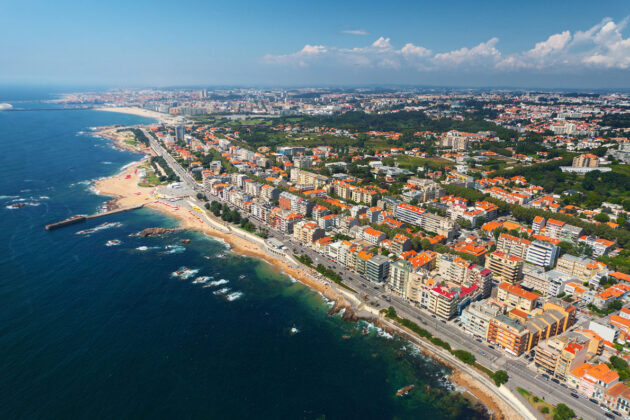
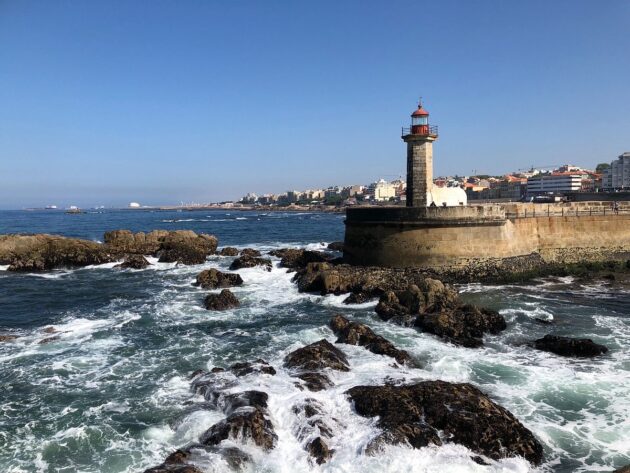
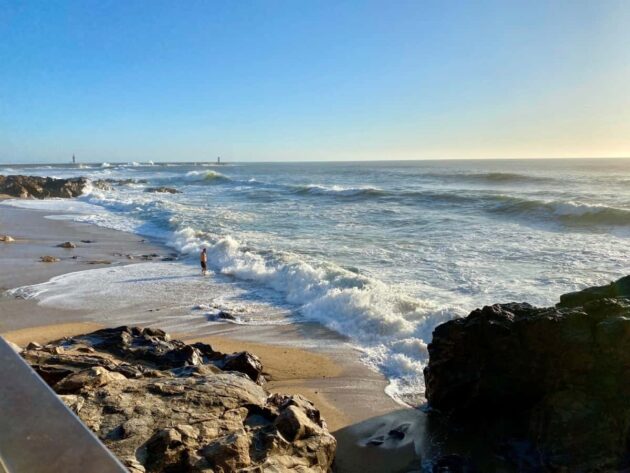
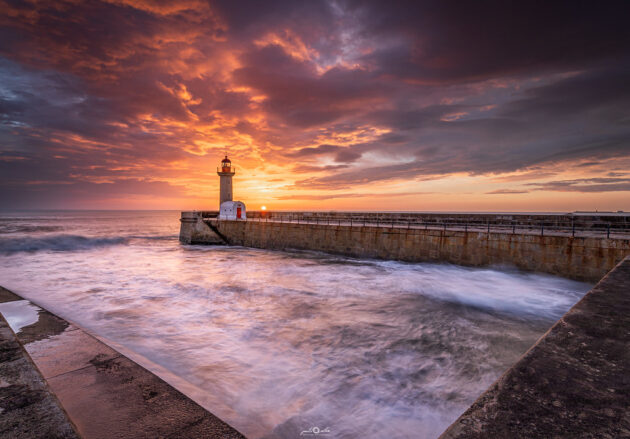
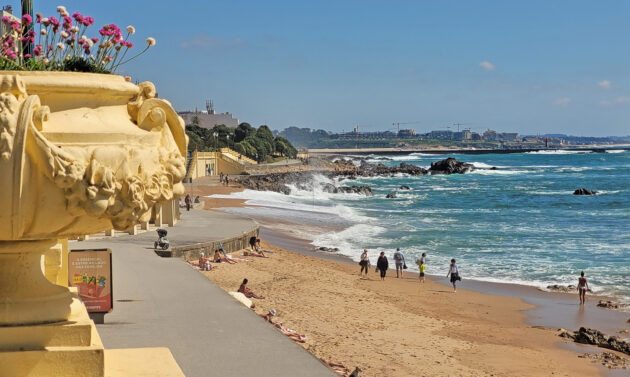
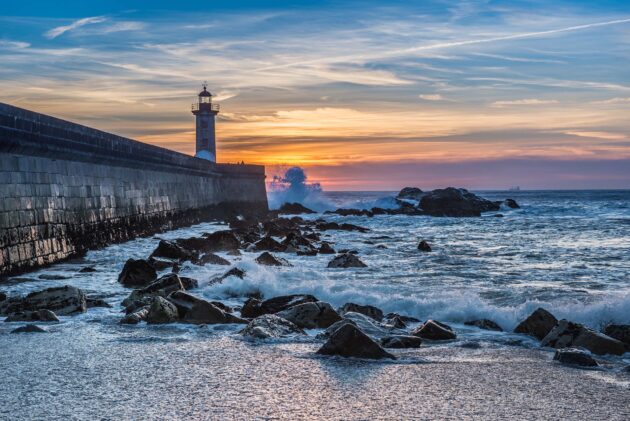
Foz do Douro (literally “Mouth of the Douro”) is where the Douro River meets the Atlantic Ocean in western Porto, Portugal. This affluent, relaxed seaside neighborhood offers a refreshing contrast to the bustling historic center of Porto. Expect wide promenades, sandy beaches, ocean breezes, fresh seafood, elegant 19th-century villas, and beautiful sunsets—ideal for a half-day escape or relaxed base.
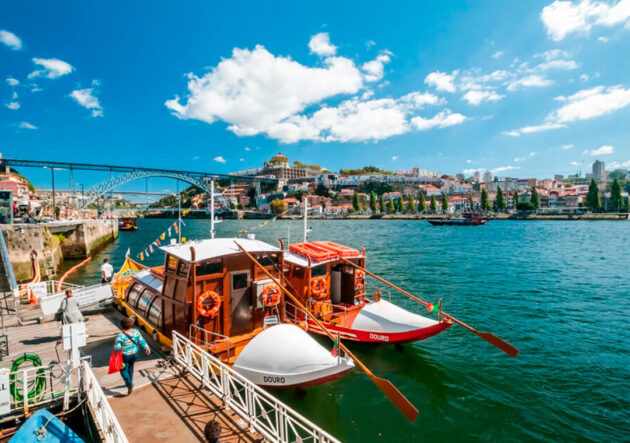
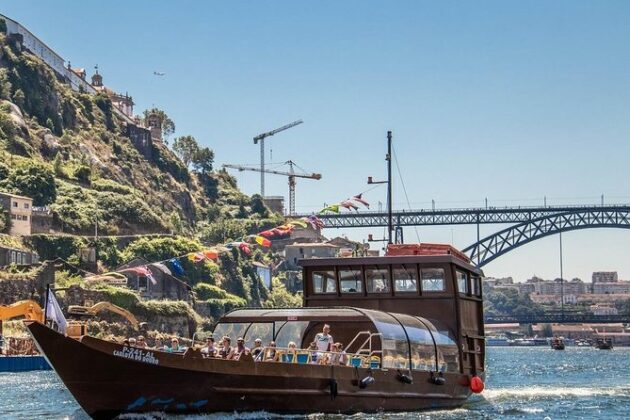
River Cruise
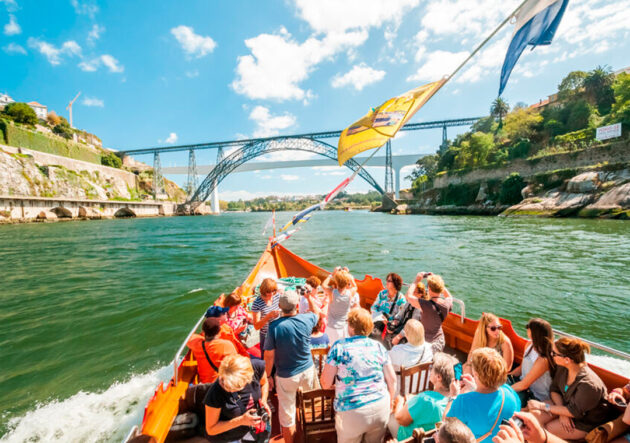
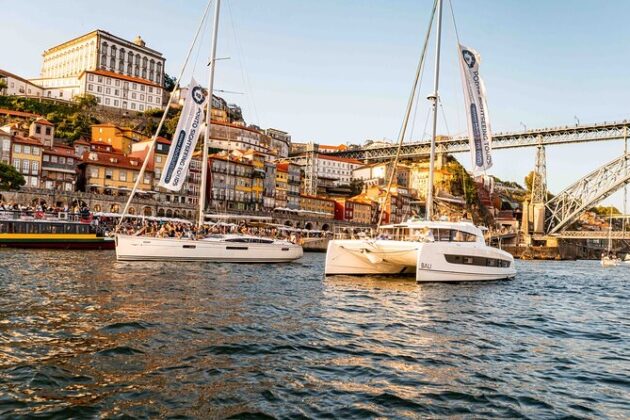
Porto’s Douro River cruises offer one of the most scenic and relaxing ways to experience Portugal’s second city and its iconic wine region. The Douro (meaning “golden” river) winds through dramatic terraced vineyards, historic bridges, and UNESCO-listed landscapes, providing views of colorful riverside houses, port wine lodges, and engineering marvels that you simply can’t get from land.
Porto Cathedral
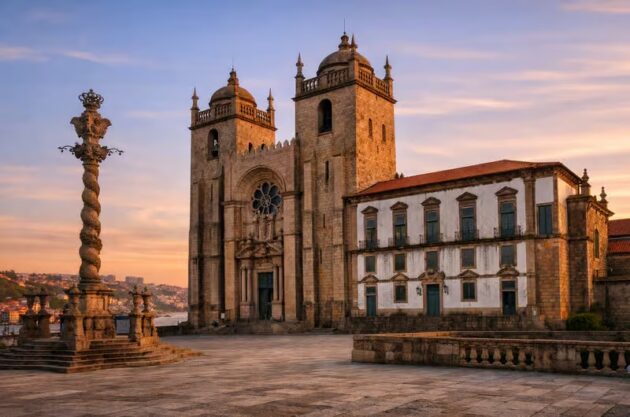
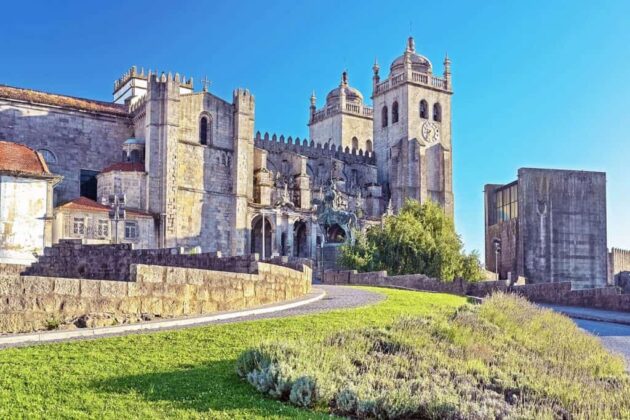
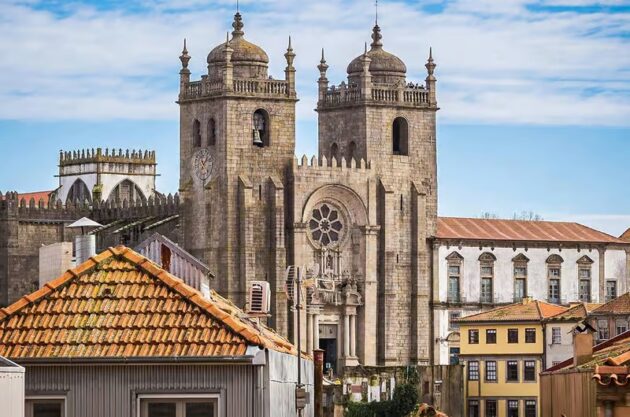
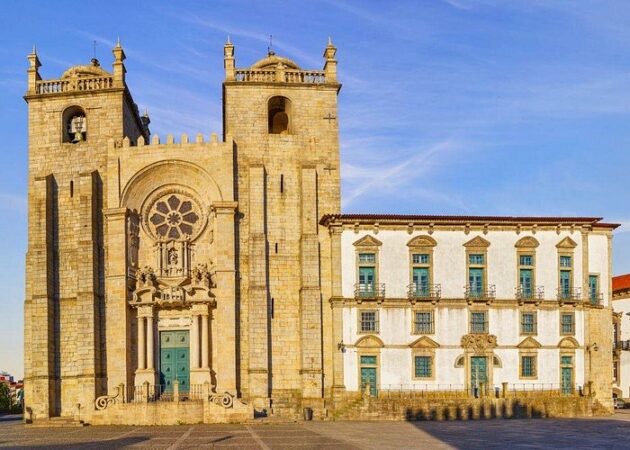
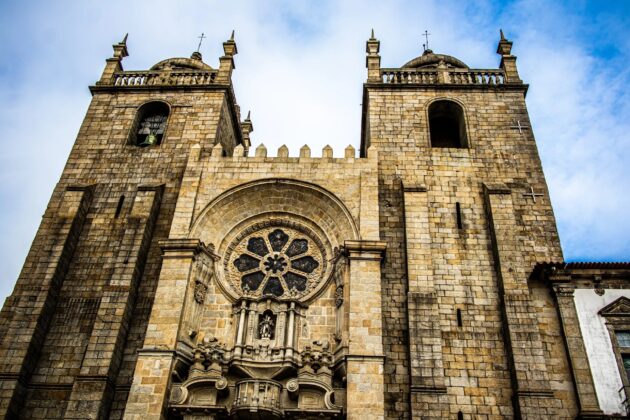
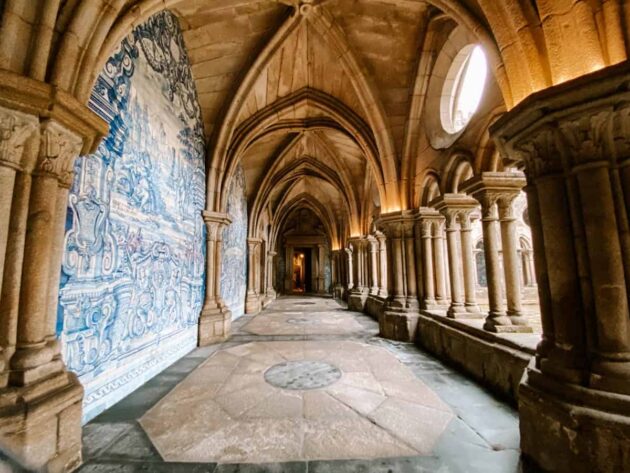
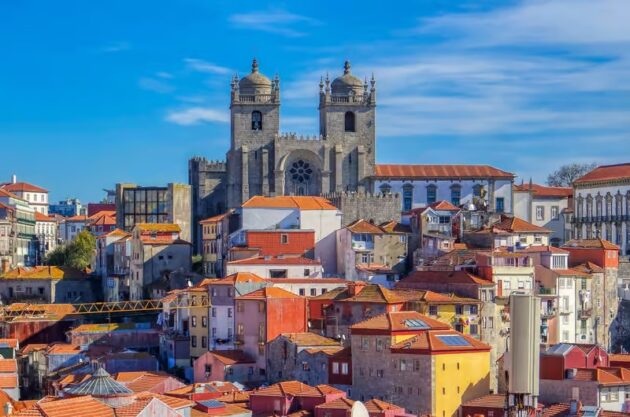
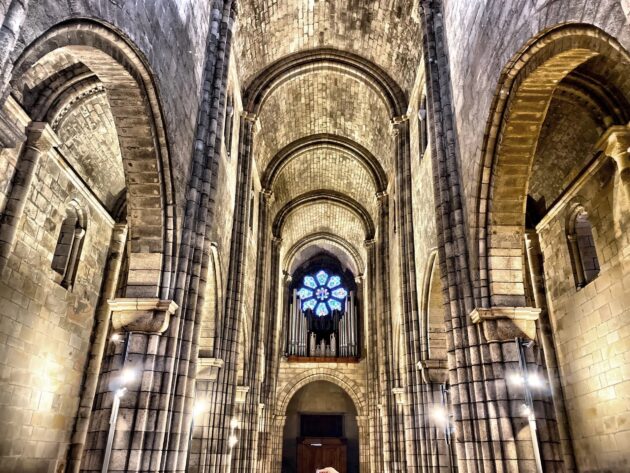
Porto Cathedral, or Sé do Porto, is one of the oldest and most iconic landmarks in Porto. Perched on a hilltop in the historic centre at Terreiro da Sé, it offers commanding views over the city, the Douro River, and the port wine lodges of Vila Nova de Gaia. As part of Porto’s UNESCO World Heritage Historic Centre, this monumental cathedral blends Romanesque, Gothic, and Baroque architecture and has played a central role in Portuguese history.
Church of Saint Francis
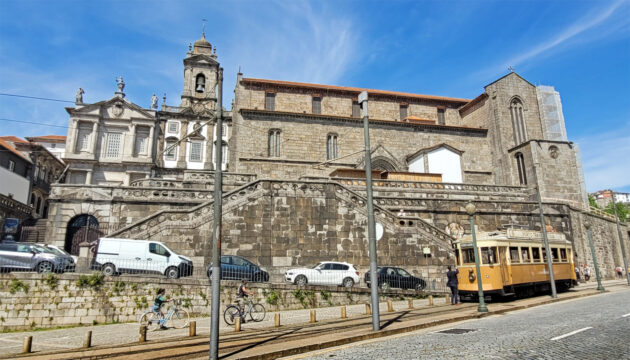
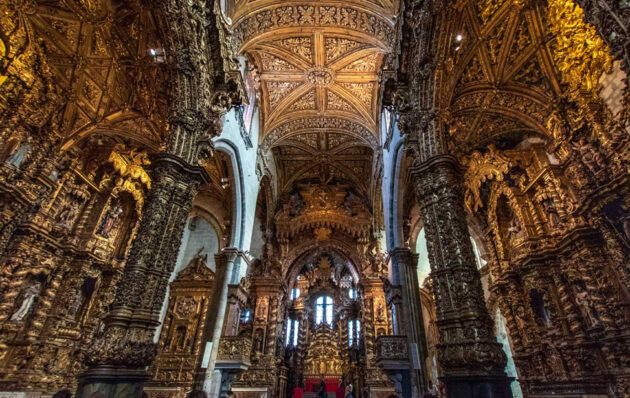
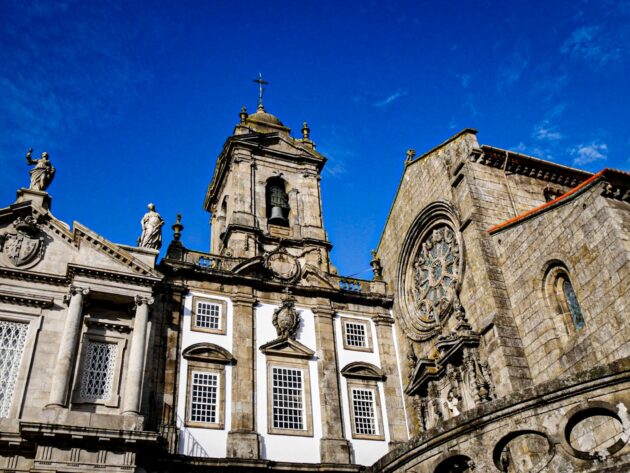
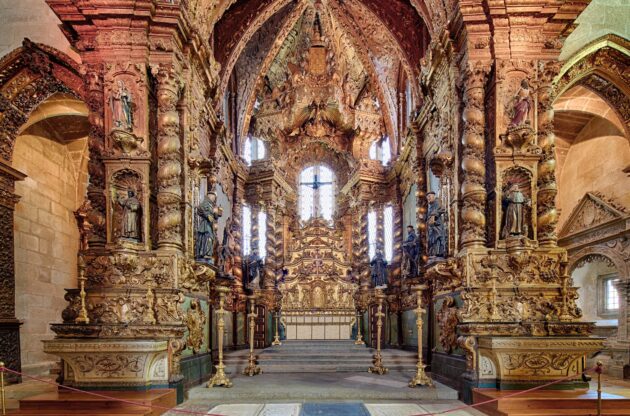
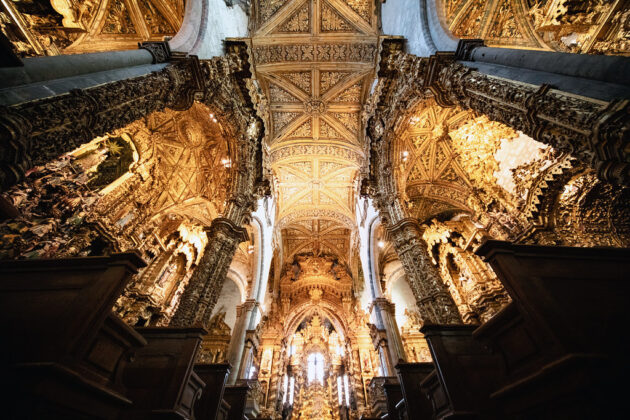
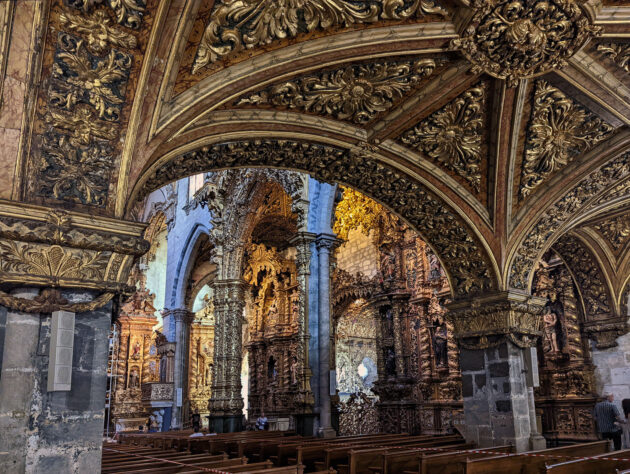
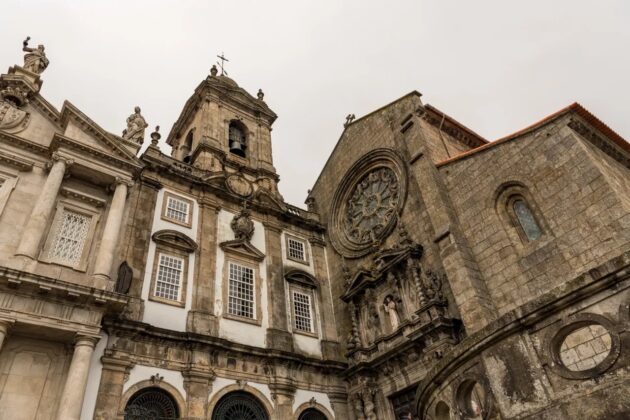
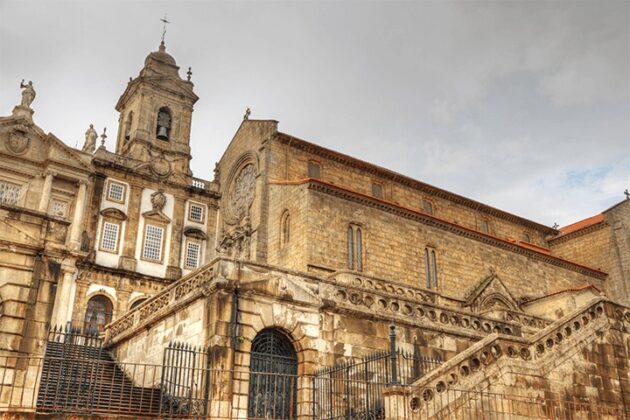
The Church of Saint Francis (Igreja de São Francisco), often called the “Golden Church,” is one of Porto’s most spectacular religious landmarks. Located in the heart of the historic Ribeira district, its modest Gothic exterior hides one of the most extravagant Baroque interiors in Portugal — a dazzling display of gilded woodwork that justifies its reputation as a must-see attraction.
Palácio da Bolsa
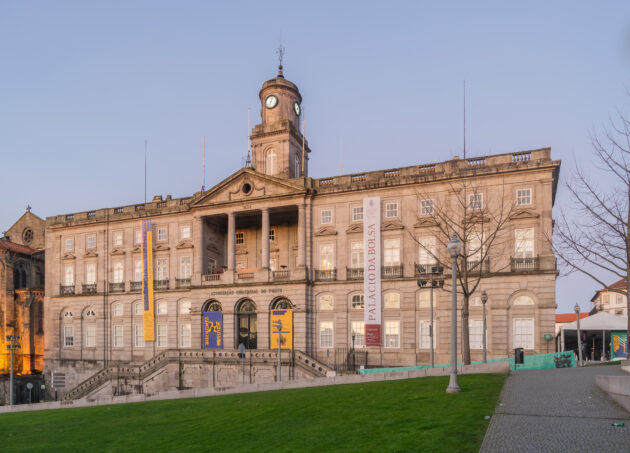
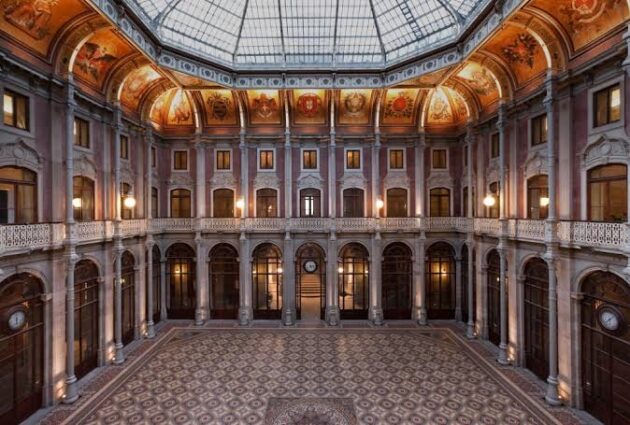
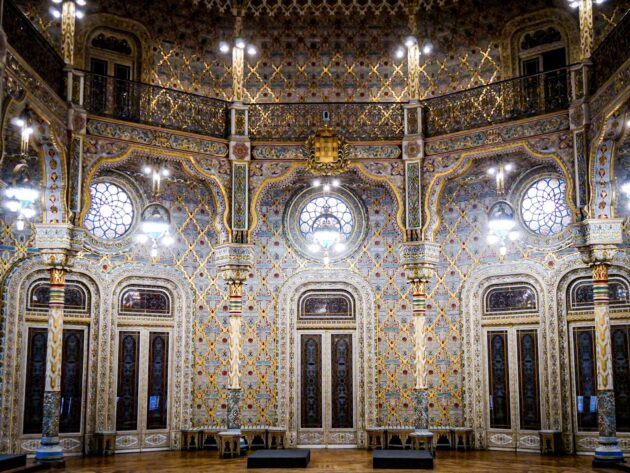
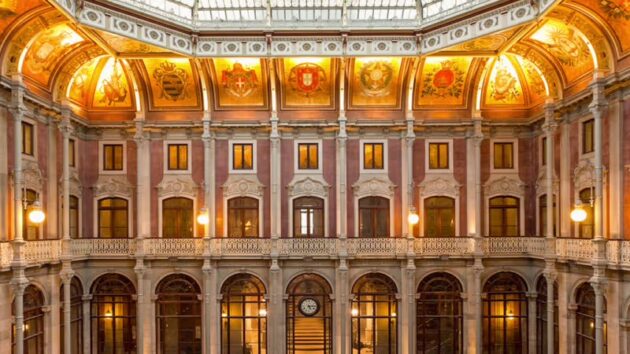
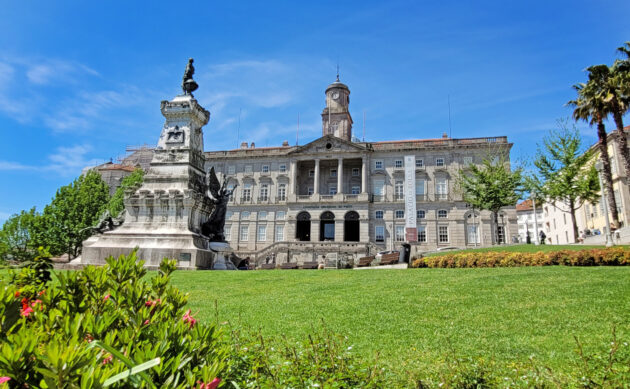
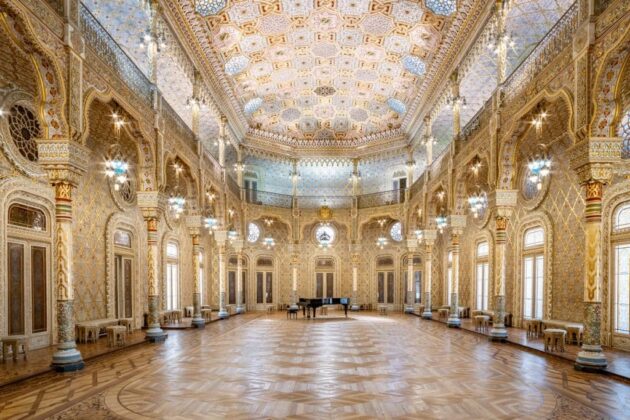
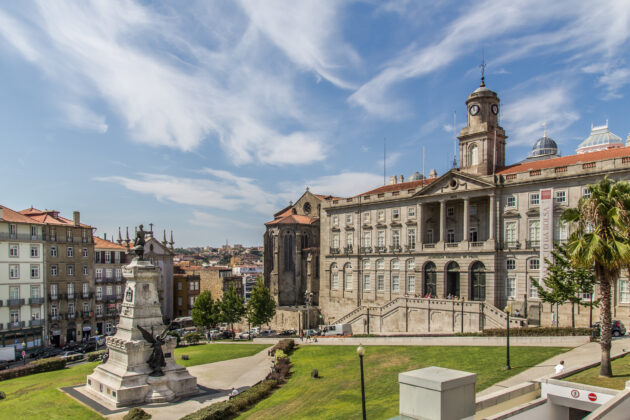
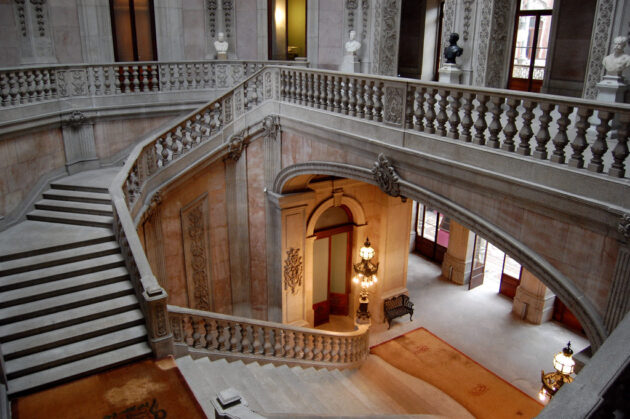
The Palácio da Bolsa, or Stock Exchange Palace, is a magnificent 19th-century Neoclassical landmark in Porto’s historic Ribeira district. Built as the headquarters of the Porto Commercial Association, it symbolizes the city’s golden age of commerce and trade. Its opulent interiors, especially the breathtaking Arabian Hall, make it one of Porto’s most visited attractions and a highlight of the UNESCO World Heritage Historic Centre.
Chapel of Souls
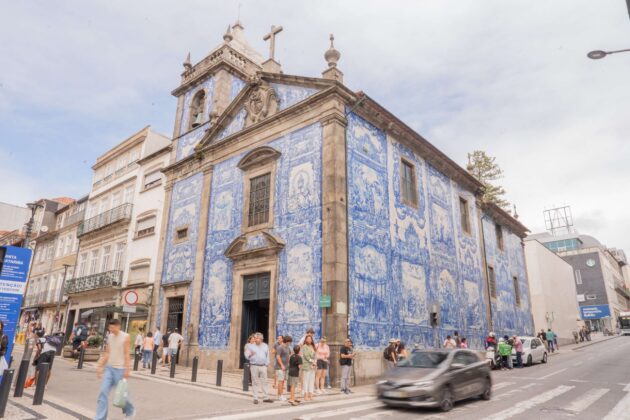
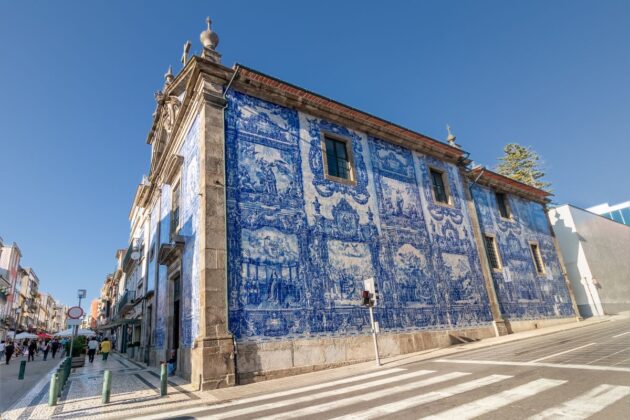
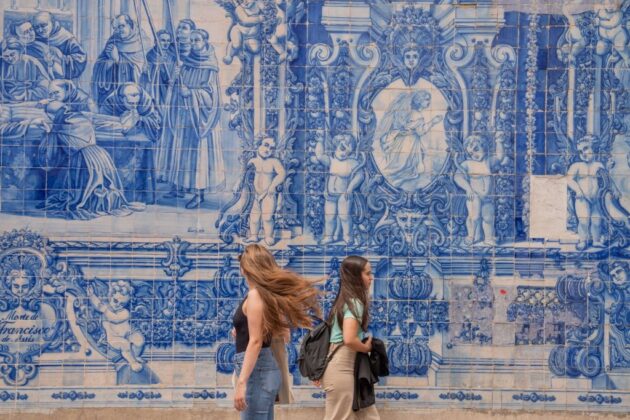
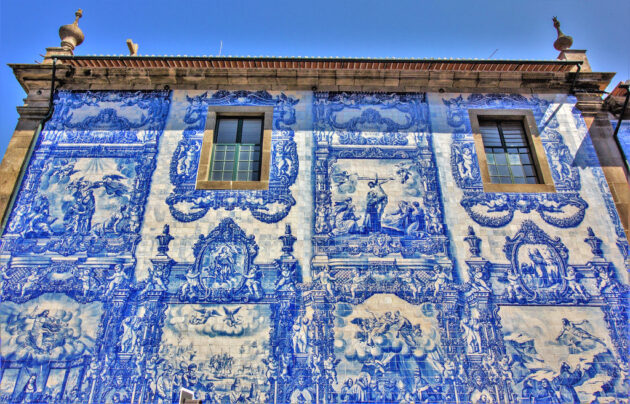
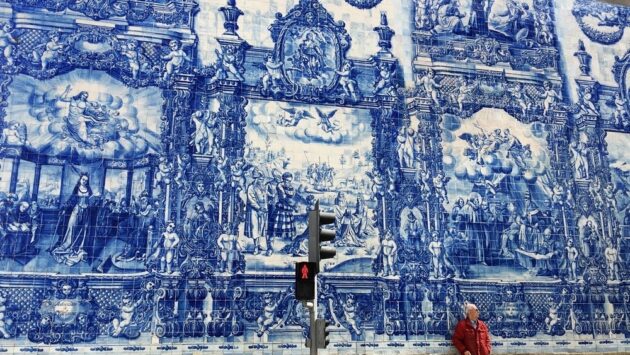
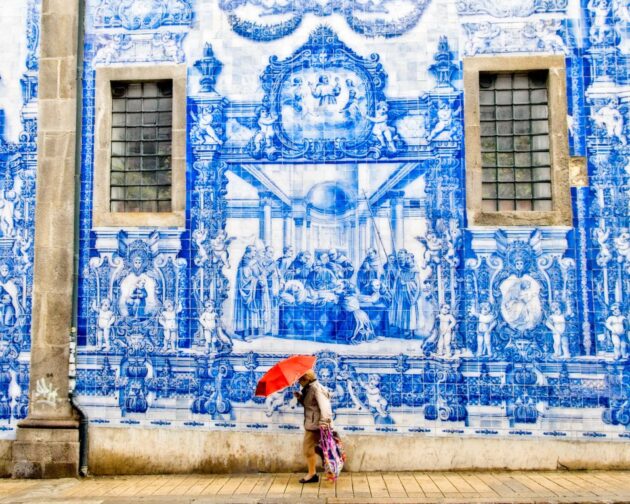
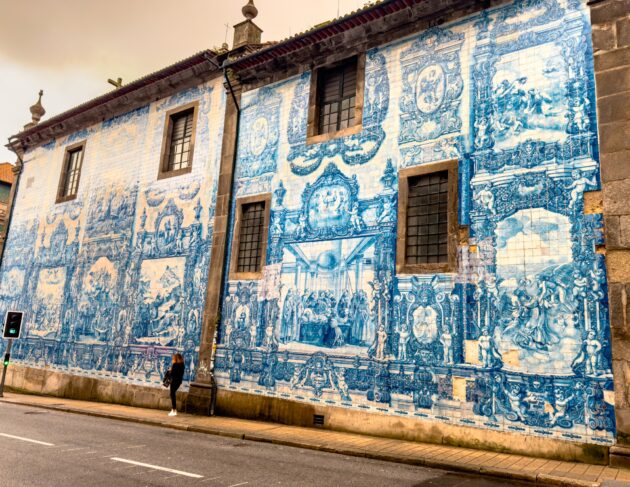
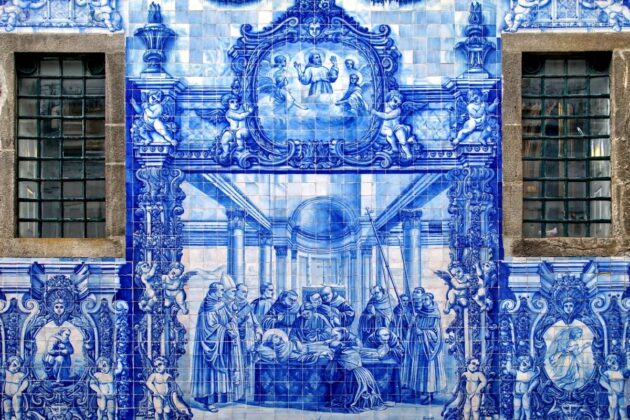
The Chapel of Souls, or Capela das Almas (also known as the Chapel of Saint Catherine), is one of Porto’s most visually striking churches. Located on the bustling Rua de Santa Catarina, its exterior is almost entirely covered in stunning blue-and-white azulejo tiles, making it a favorite photo spot and a perfect example of Portuguese tile art. Despite its modest size, it stands out as an iconic landmark in the city center.
Casa da Música
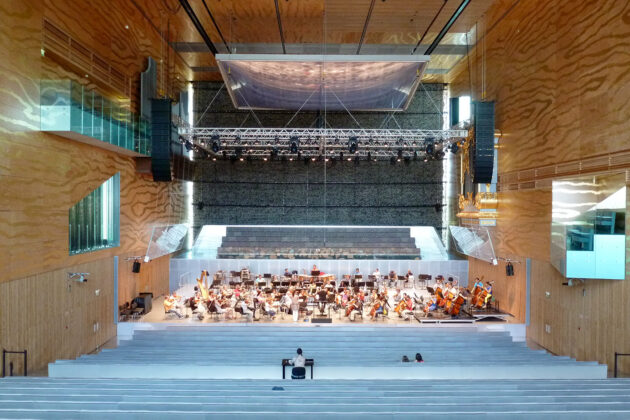
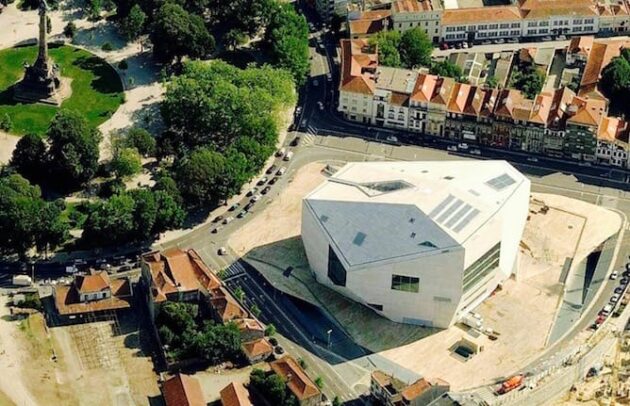
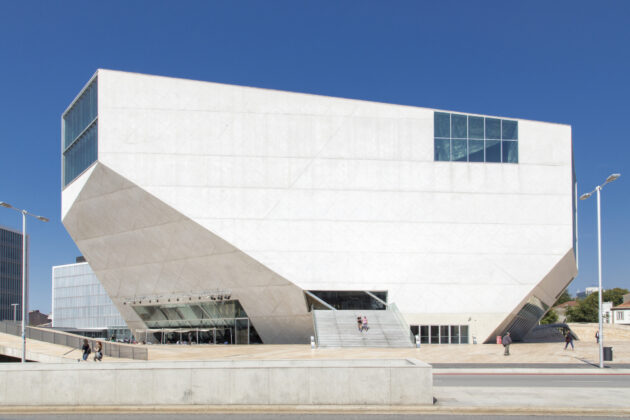
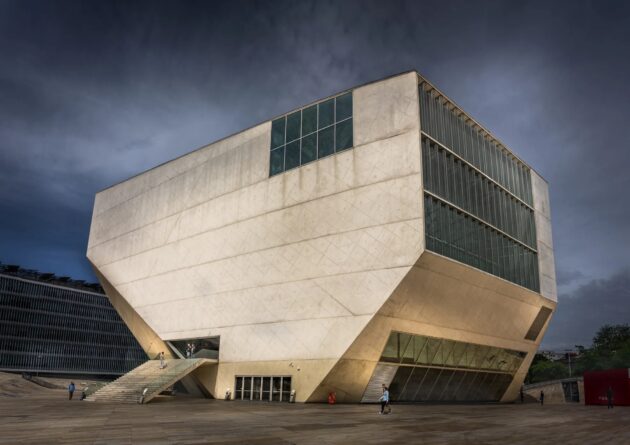
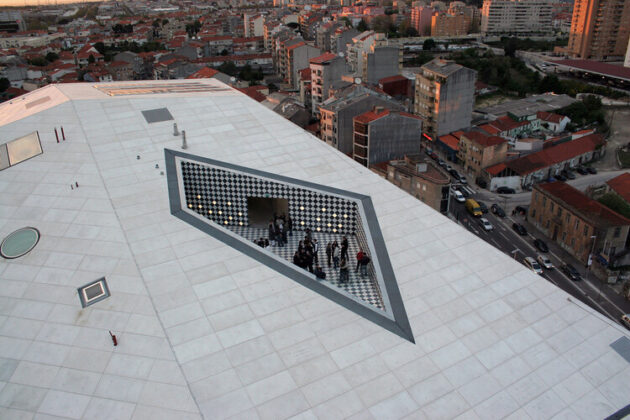
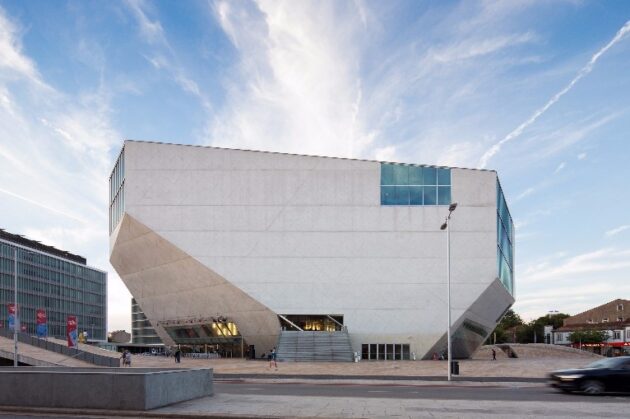
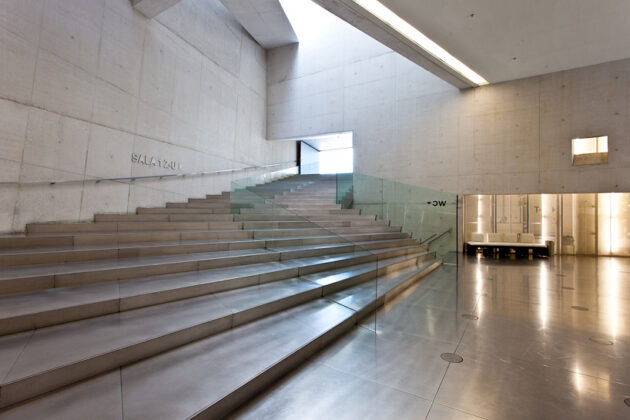
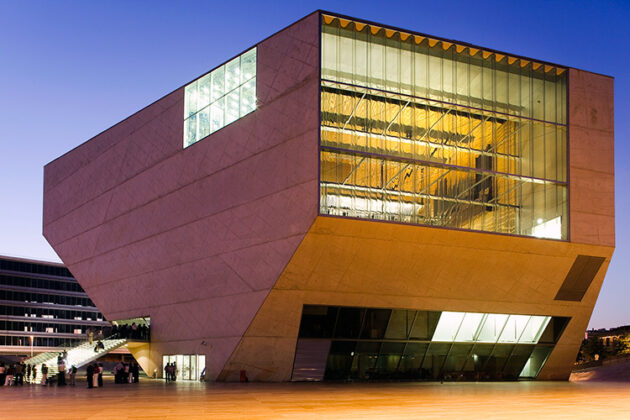
Casa da Música (House of Music) is one of Porto’s most iconic modern landmarks and a premier cultural destination. Designed by renowned Dutch architect Rem Koolhaas (OMA), this striking contemporary concert hall opened in 2005 and stands as a bold architectural statement amid the city’s historic fabric. It serves as the home of the Orquestra Sinfónica do Porto Casa da Música and hosts a vibrant year-round program of classical, jazz, world music, contemporary, and experimental performances.
Jardim do Morro
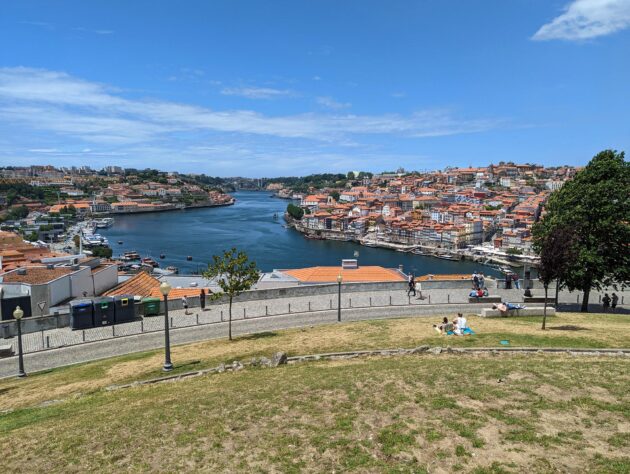
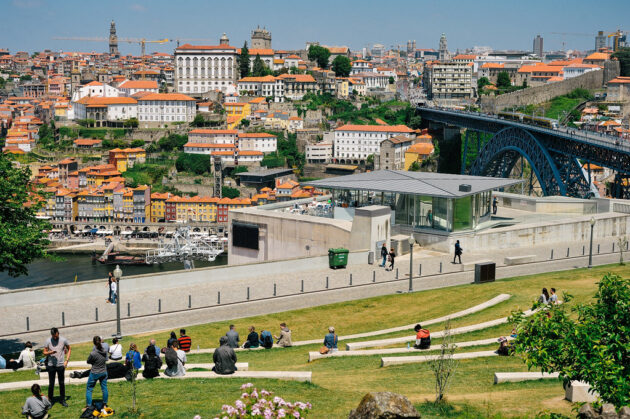
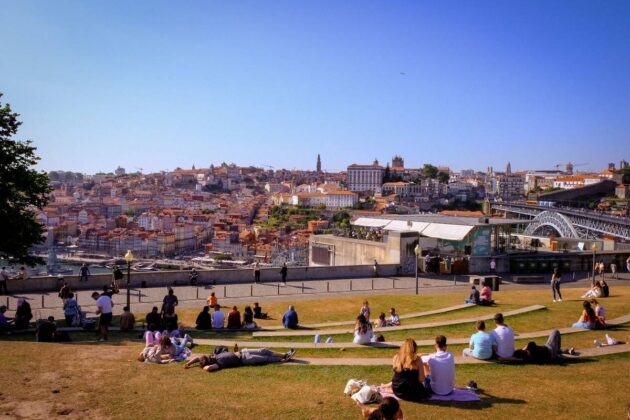
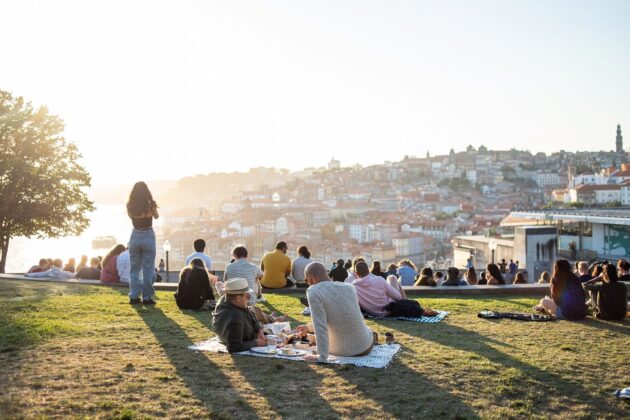
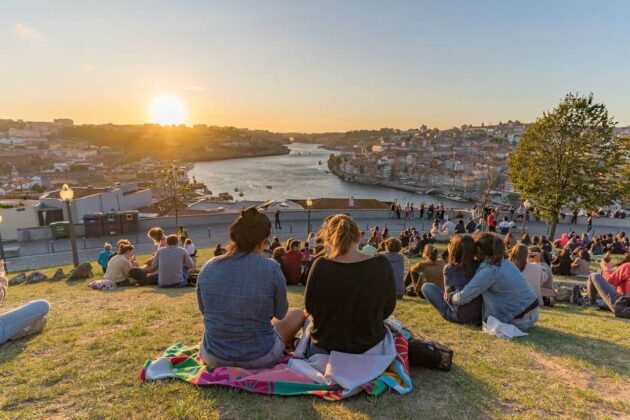
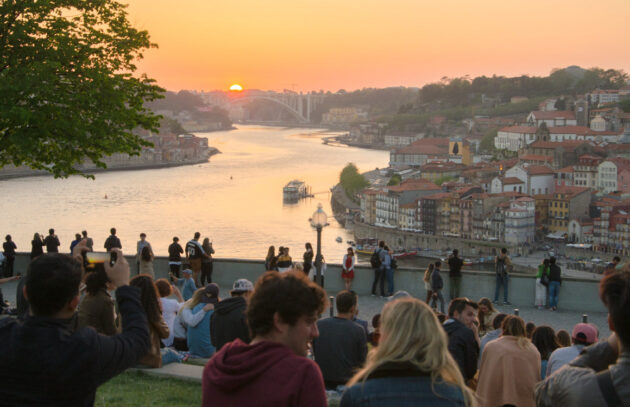
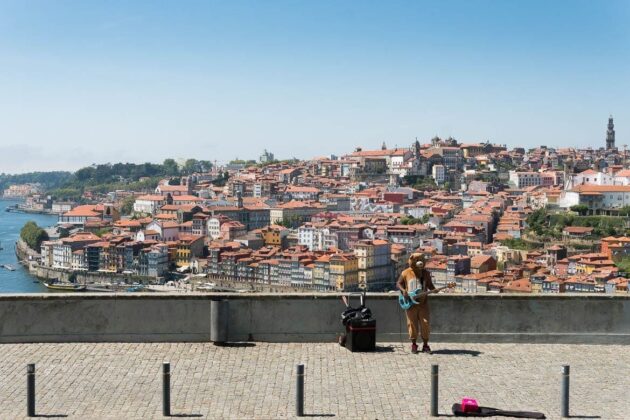
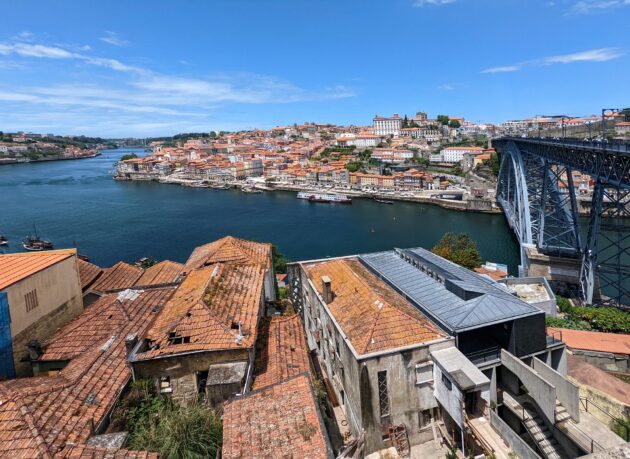
Jardim do Morro (Garden on the Hill) is a beautiful hilltop park in Vila Nova de Gaia, just across the Douro River from Porto’s historic centre. Famous for its panoramic views, it serves as one of the best viewpoints (miradouros) in the region, offering stunning vistas of the Ribeira district, the iconic Dom Luís I Bridge, and the Douro River.
Palácio de Cristal
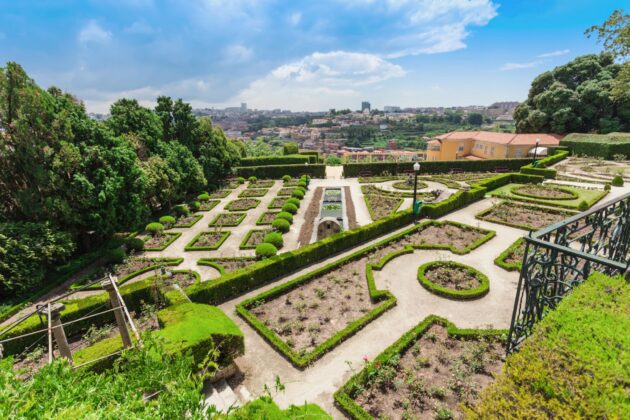
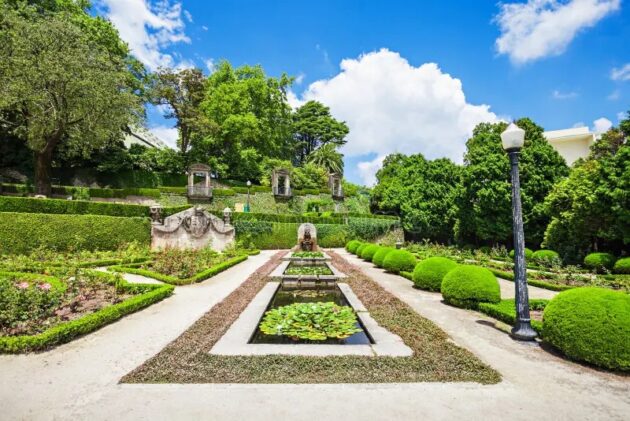
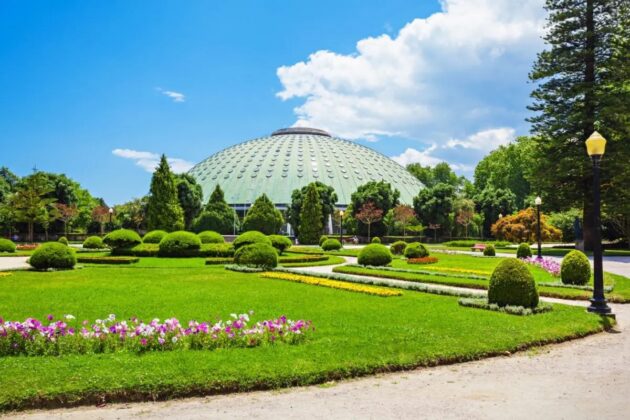
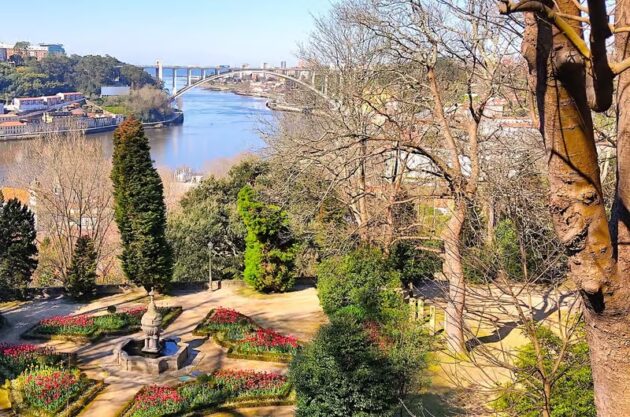
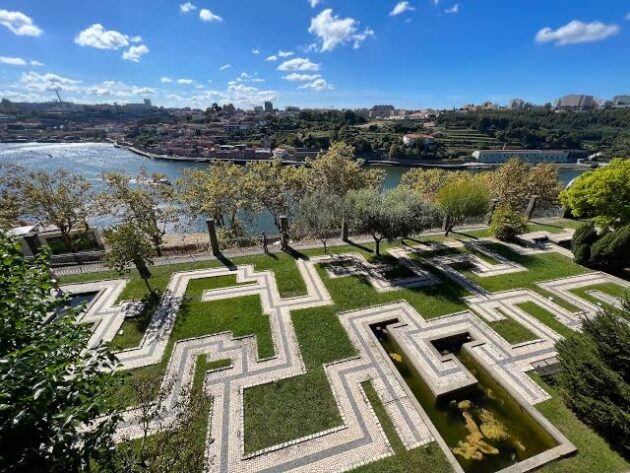
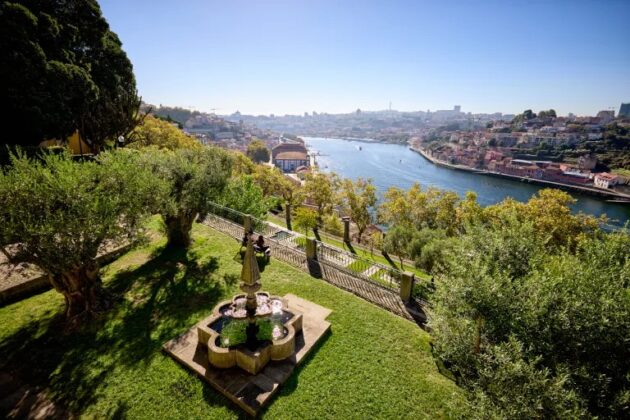
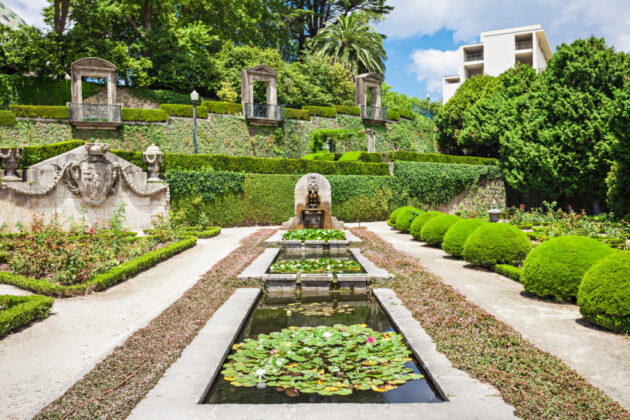
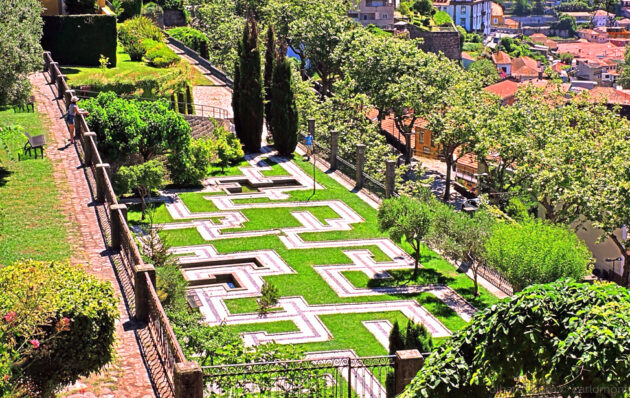
The Jardins do Palácio de Cristal (Crystal Palace Gardens) is one of Porto’s most beloved green spaces and a perfect escape from the bustling city centre. Located on a hilltop in the Boavista area, these romantic 8-hectare gardens offer shaded paths, themed flowerbeds, fountains, free-roaming peacocks, and some of the best panoramic views over the Douro River and Porto.
Food & Drink Highlights
Porto’s cuisine is rich and comforting:
Francesinha: Iconic layered meat sandwich with cheese and beer-tomato sauce (try Café Santiago).
Bacalhau (salt cod) dishes, fresh seafood, and Tripas à moda do Porto.
Pastel de nata (custard tarts) and other pastries.
Bifana (pork sandwich) at places like Casa Guedes.
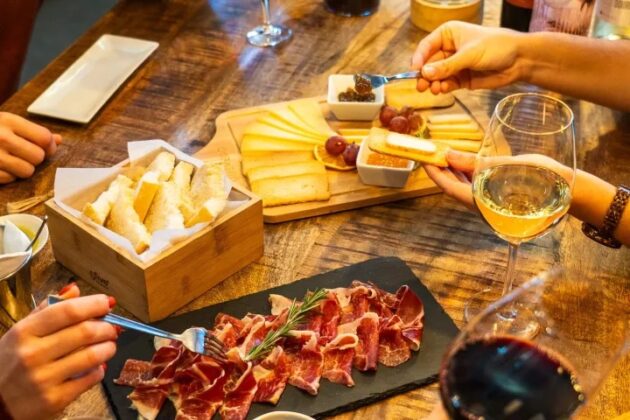
Port wine (ruby, tawny, white) and Port tonic cocktails.
Markets and tabernas for authentic meals; upscale options like Cozinha das Flores for modern twists.
Don’t miss seafood in Foz or a food tour.
Suggested 3–4 Day Itinerary
Day 1: Historic center (Ribeira, São Bento, Livraria Lello, bridge crossing).
Day 2: Gaia for port tastings and river cruise.
Day 3: Foz do Douro + beaches or Serralves.
Day 4 (optional): Douro Valley day trip.
Where to Stay
Ribeira: Central, atmospheric, great for first-timers (mix of boutique hotels and apartments).
Aliados/Cedofeita: Vibrant, good transport.
Gaia: Quieter with river views.
Foz do Douro: Beachy and relaxed.
Options range from budget guesthouses to luxury like The Yeatman.
Practical Tips
Safety: Generally very safe; watch for pickpockets in crowded tourist spots like trams and markets.
Currency: Euro (€). Cards widely accepted; carry some cash for small vendors.
Language: Portuguese; English is common in tourist areas.
Porto Card: Good value for transport + attractions if visiting multiple sites.
Hills: The city is steep—pace yourself.
Sustainability: Support local businesses and use public transport.
Final Thoughts
Porto rewards slow exploration—stroll the alleys, sip wine by the river, and soak in the golden light. It’s authentic, photogenic, and deeply welcoming. Whether you’re here for a weekend or longer, you’ll leave with memories of breathtaking views, incredible food, and warm hospitality.
Enjoy your trip to Porto! 🇵🇹