
Lisbon Travel Guide (2026): Portugal’s Charming Capital of Seven Hills
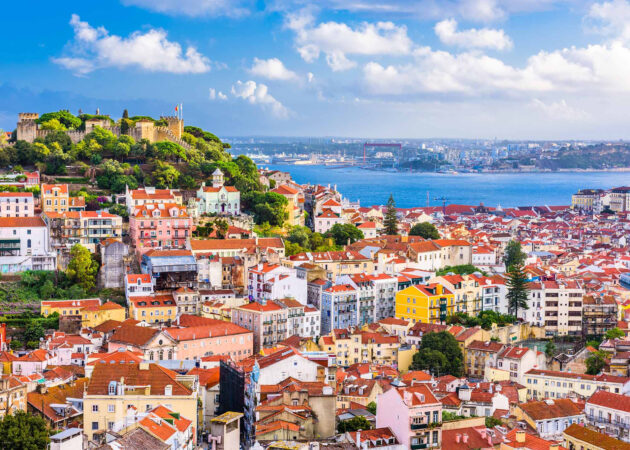
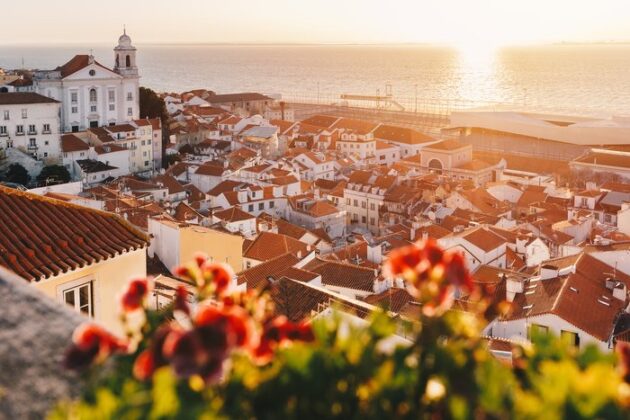
Lisbon (Lisboa) is one of Europe’s most captivating cities. Perched on seven hills overlooking the Tagus River (Tejo), it blends ancient history, vibrant neighborhoods, stunning viewpoints (miradouros), and a relaxed yet lively atmosphere. Known for its colorful tiled buildings (azulejos), melancholic fado music, and delicious seafood, Lisbon offers a perfect mix of culture, food, and coastal vibes. It’s compact enough to explore on foot (with some steep climbs) but full of surprises.
Best Time to Visit
Spring (March–May) and Autumn (September–October): Ideal periods with mild weather (15–22°C/59–72°F), blooming jacaranda trees, fewer crowds, and reasonable prices.
Summer (June–August): Warm and sunny, great for beach days, but hot, crowded, and more expensive. June features the lively Festas de Lisboa.
Winter (November–February): Mild (10–16°C/50–61°F), quieter, and budget-friendly, though rainier. Still pleasant for city exploration.
Aim for 3–5 days to cover the highlights comfortably.
How to Get There
Lisbon Humberto Delgado Airport (LIS) is well-connected with direct flights from many cities. It’s only about 7 km (20–30 minutes) from the city center:
Metro (Aeroporto station on the red line).
AeroBus or taxis/Uber/Bolt.
Trains connect to Porto, Coimbra, and the Algarve.
Top Attractions
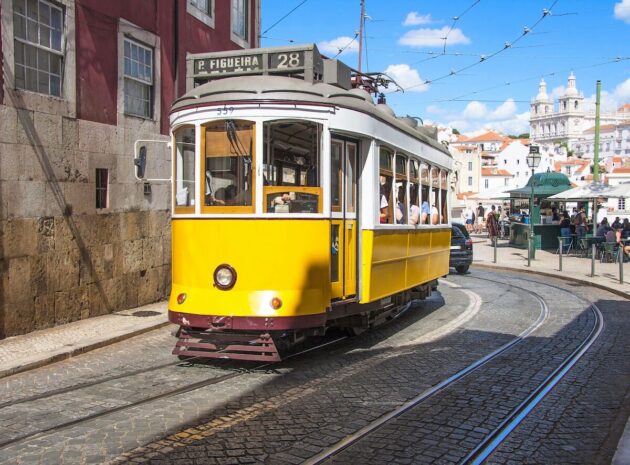
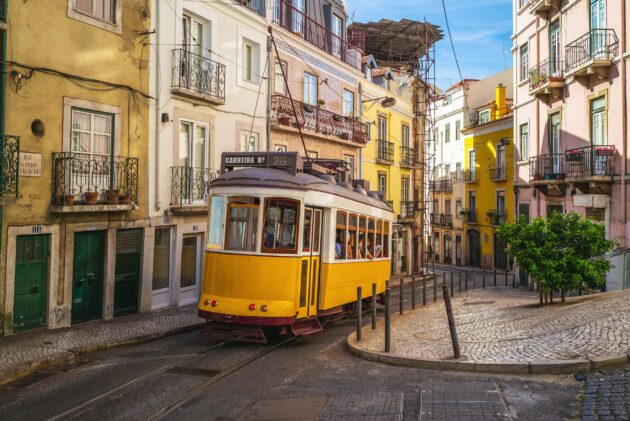
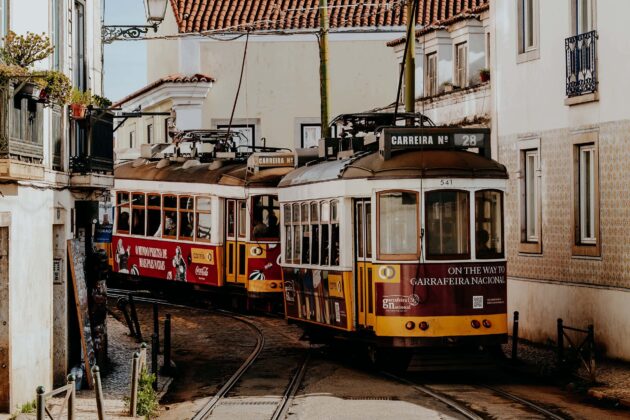
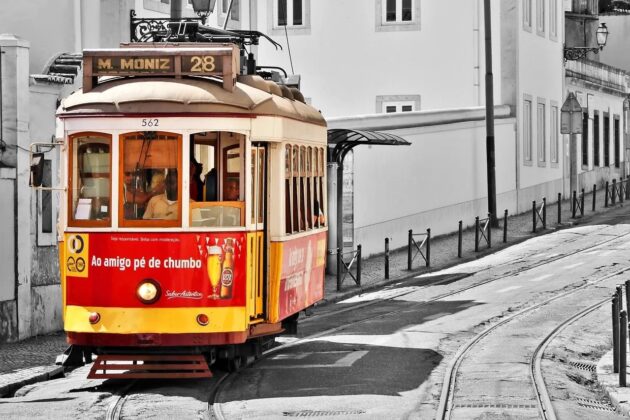
Tram 28
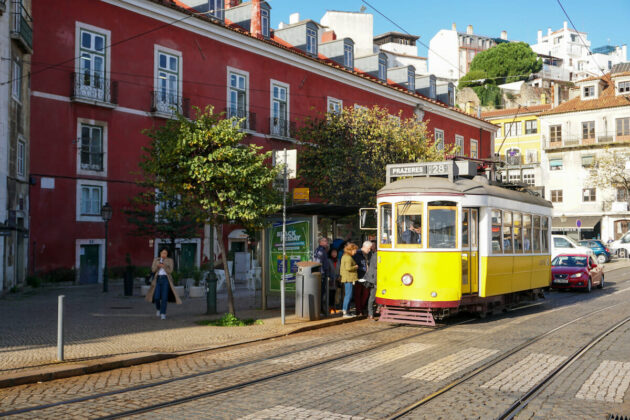
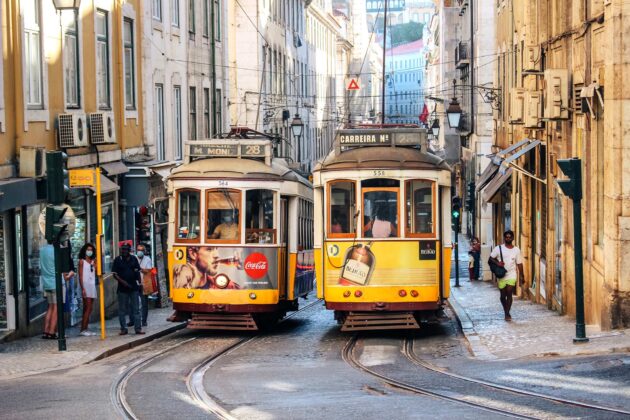
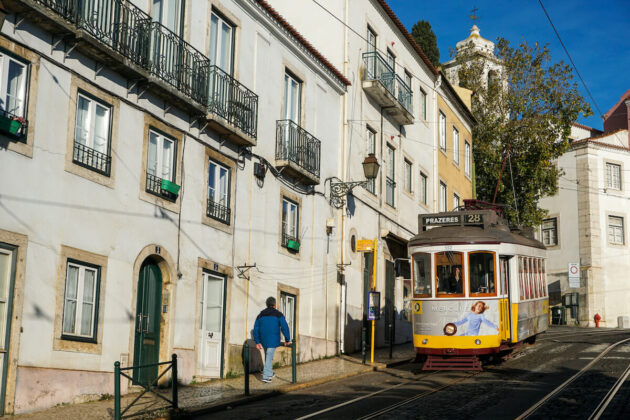
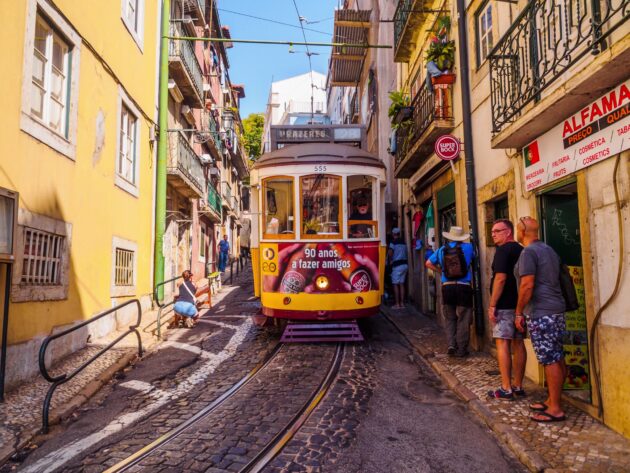
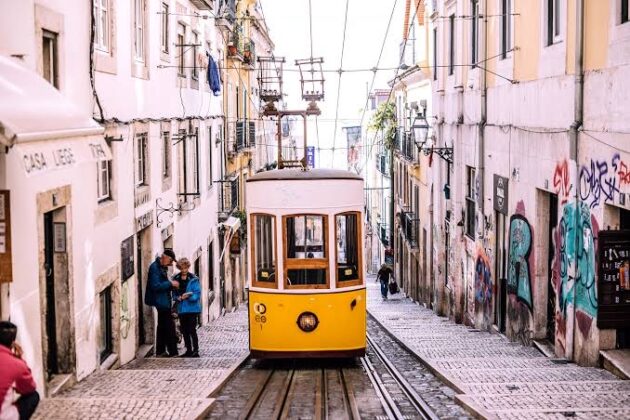
Tram 28 is one of Lisbon’s most iconic experiences. This vintage yellow tram rattles through the city’s historic hills, offering a scenic, atmospheric ride that feels like a journey through time. Operating since 1914, it remains a working public transport line while serving as a major tourist attraction. It winds through narrow medieval streets, past viewpoints, cathedrals, and charming neighborhoods, giving riders a perfect cross-section of Lisbon’s soul.

Castelo de São Jorge (St. George’s Castle)
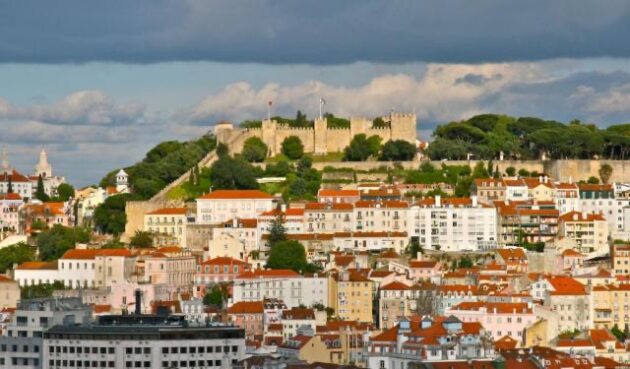
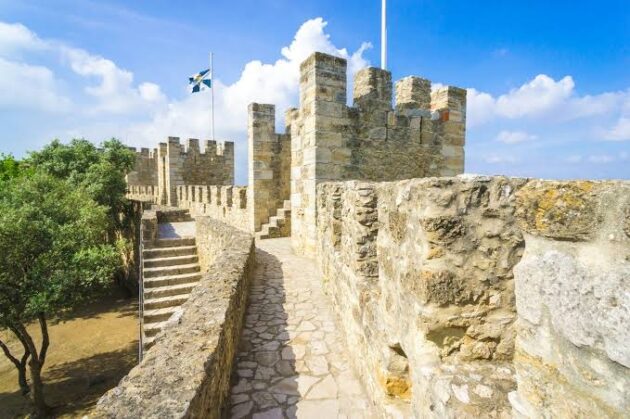
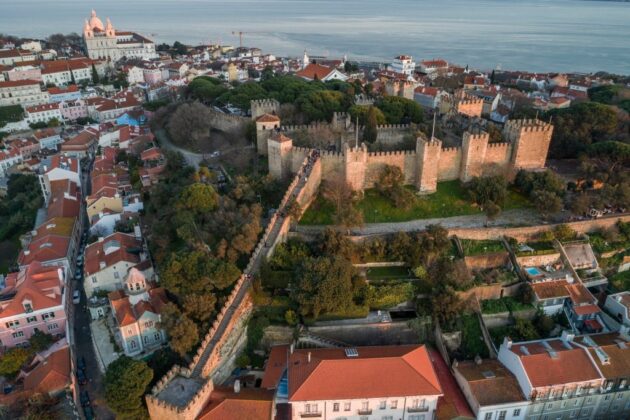
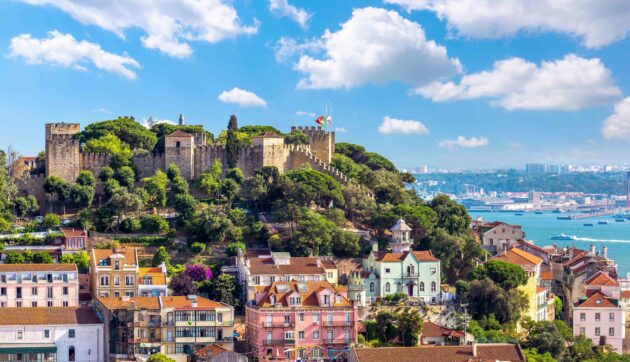
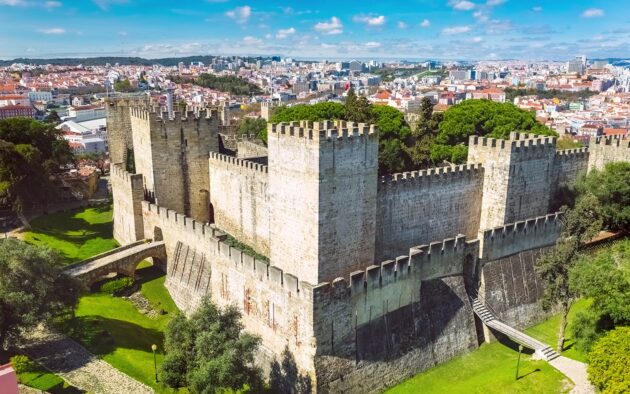
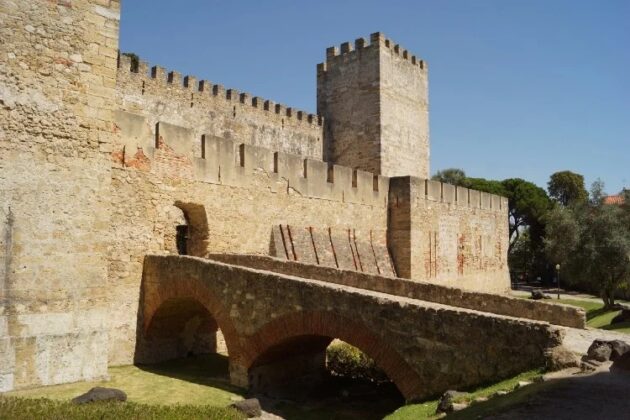
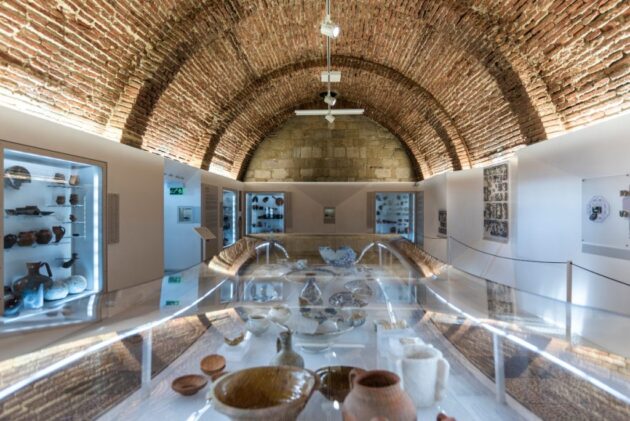
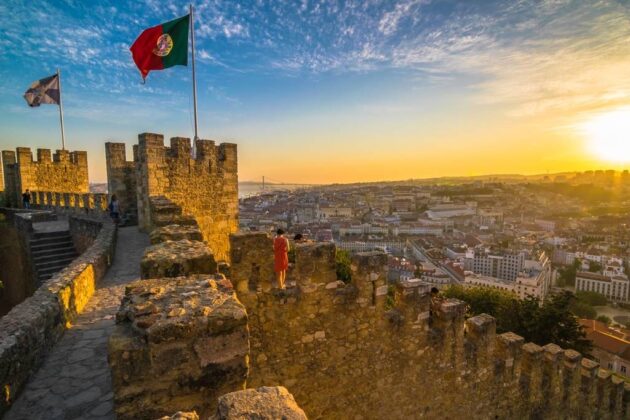
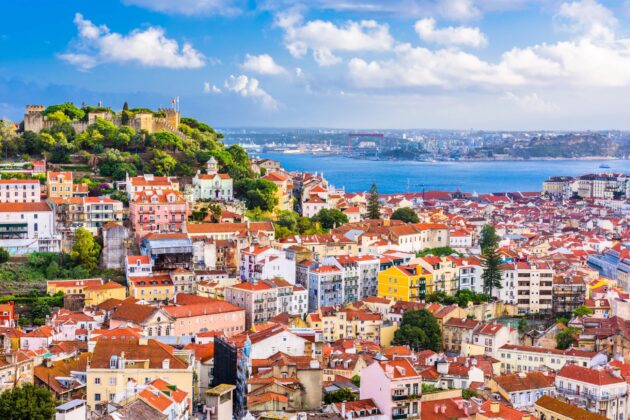
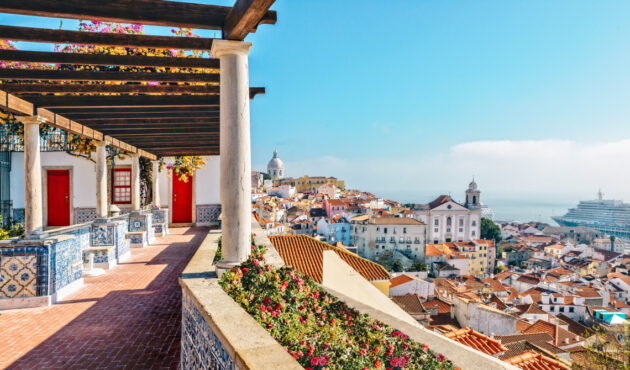
Perched atop Lisbon’s highest hill in the historic Alfama district, Castelo de São Jorge is one of the city’s most iconic landmarks. Offering sweeping panoramic views over red-tiled rooftops, the Tagus River, and landmarks like the 25 de Abril Bridge, this medieval fortress blends rich history, walkable ramparts, gardens with resident peacocks, and archaeological discoveries. It’s a must-visit for first-timers and history lovers alike.
Alfama
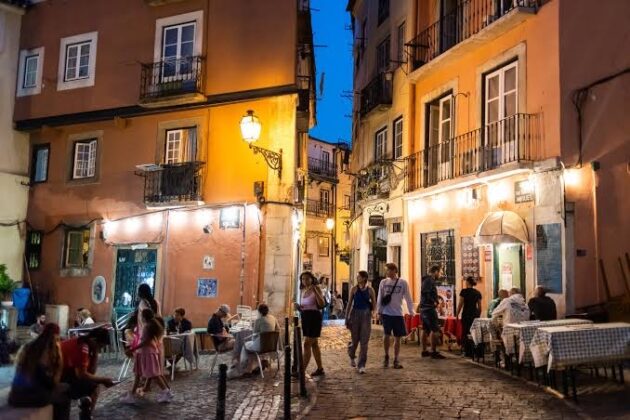
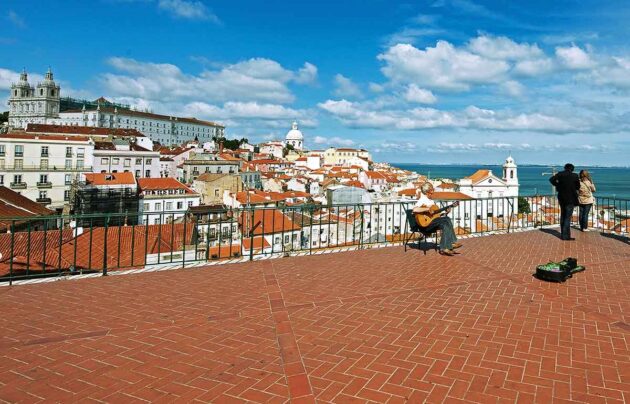
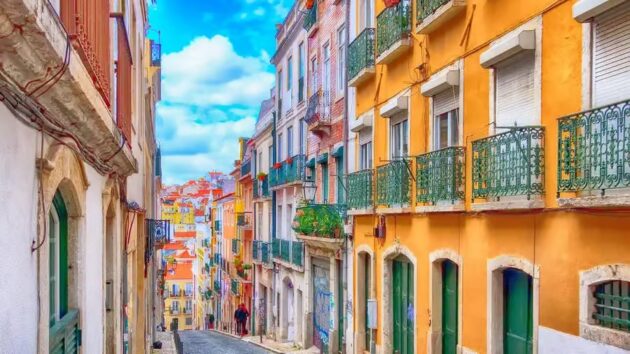
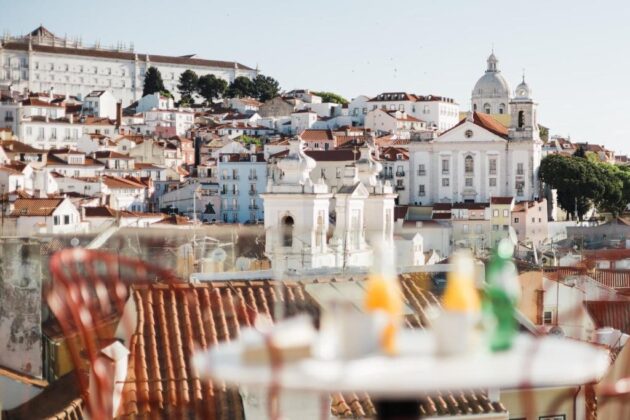
Alfama is Lisbon’s oldest district, a captivating maze of narrow cobblestone streets, colorful tiled houses, steep staircases, and hidden courtyards perched on a hillside between the Tagus River and Castelo de São Jorge. Dating back to the Moorish era (8th century), its name derives from the Arabic al-hamma (hot springs or baths). It miraculously survived the devastating 1755 earthquake that leveled much of the city, preserving its medieval layout and authentic soul.
Rua Augusta Arch
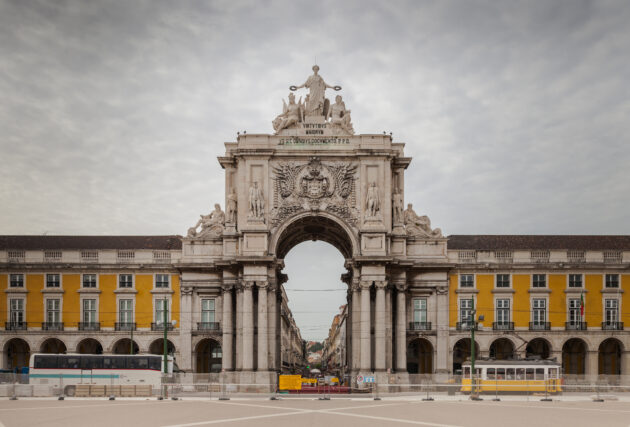
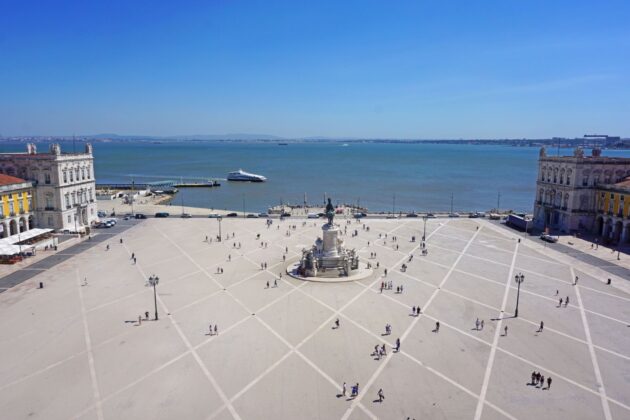
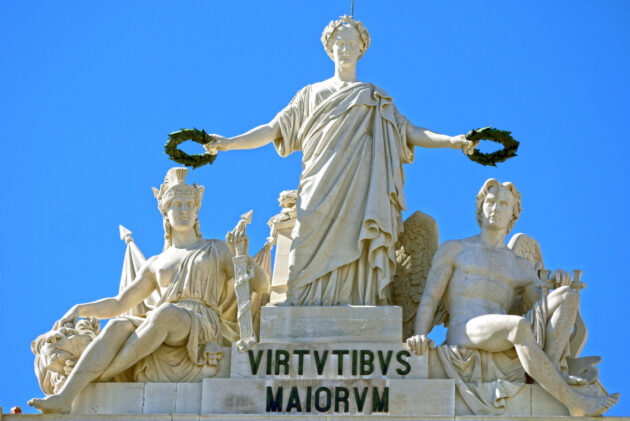
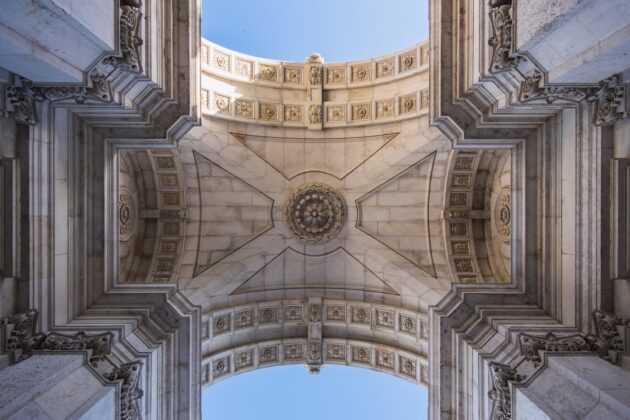
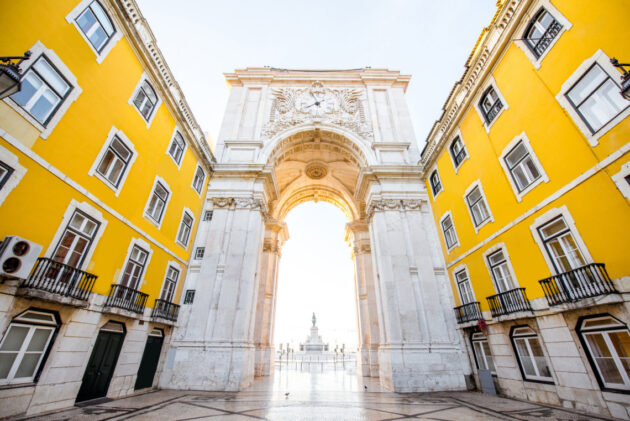
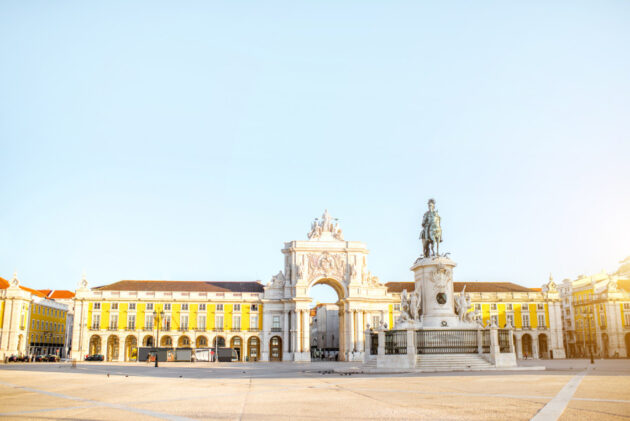
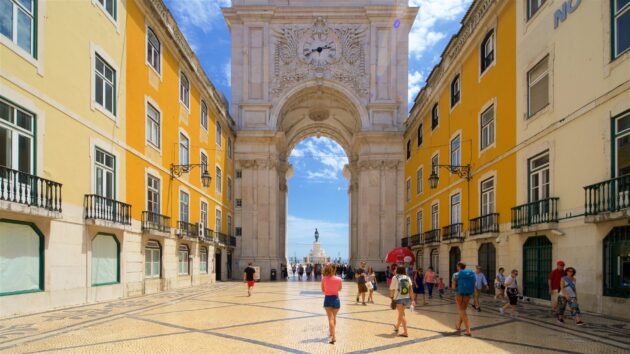
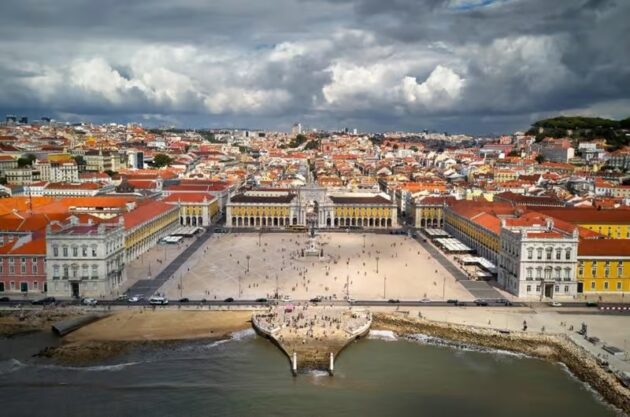
The Rua Augusta Arch is one of Lisbon’s most iconic landmarks and a powerful symbol of the city’s resilience. Located at the northern end of Praça do Comércio (Commerce Square), where the vibrant pedestrian street Rua Augusta meets the Tagus River waterfront, this neoclassical triumphal arch commemorates Lisbon’s rebirth after the devastating 1755 earthquake, tsunami, and fires.
Carmo Archaeological Museum
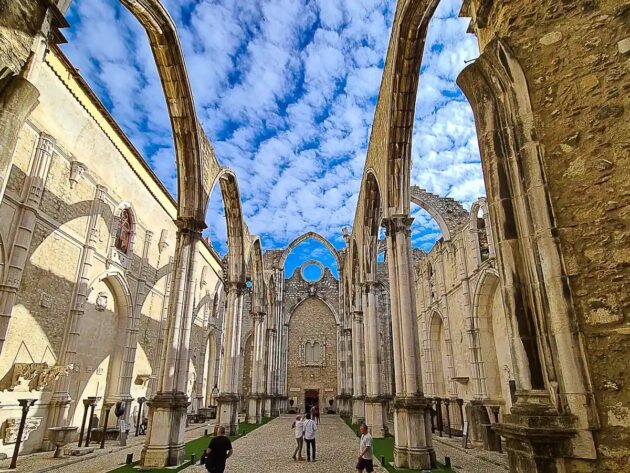
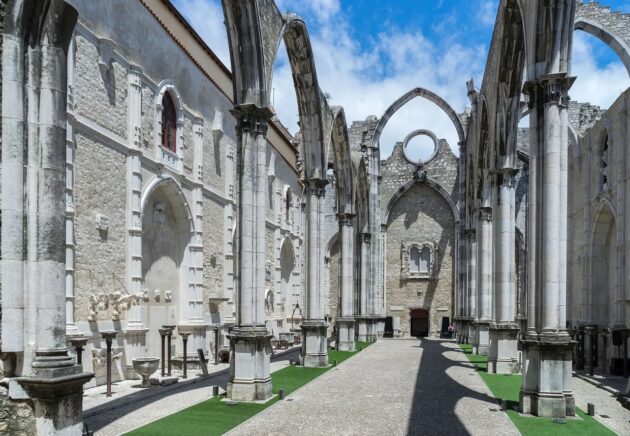
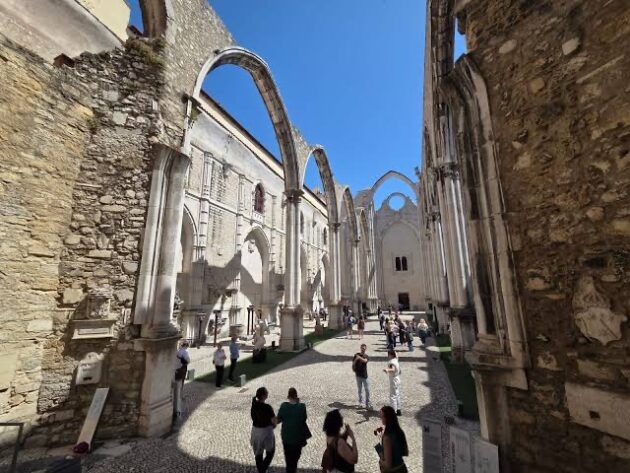
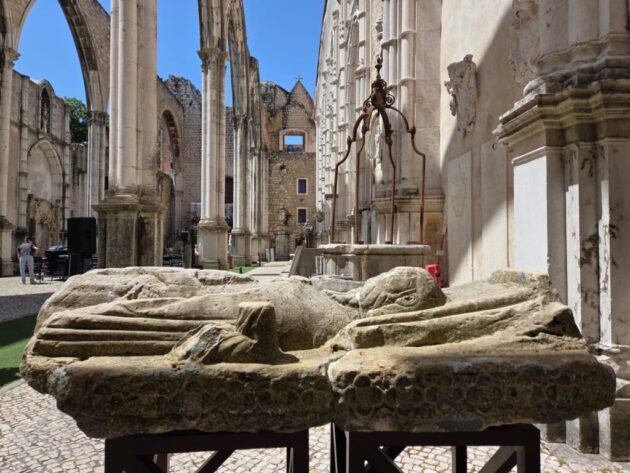
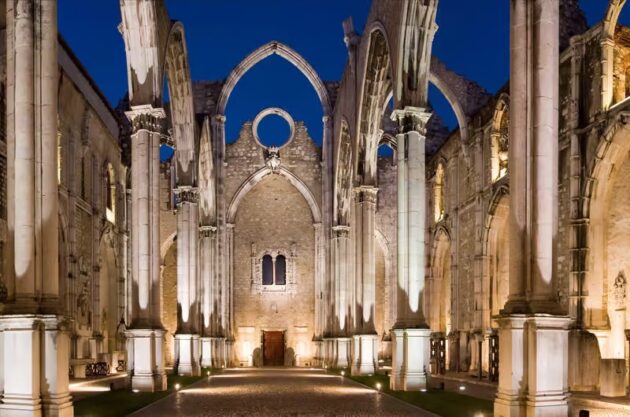
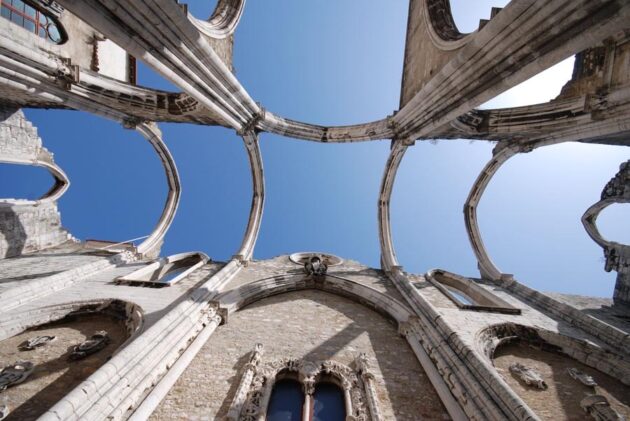
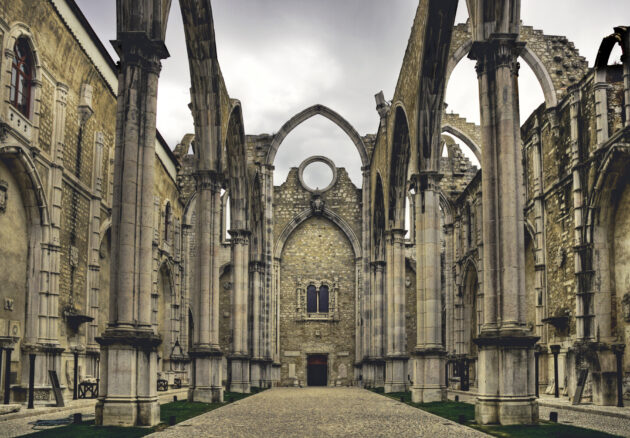
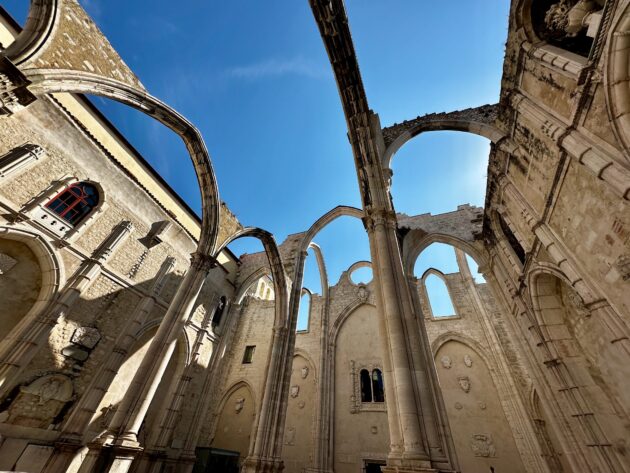
The Carmo Archaeological Museum is housed within the hauntingly beautiful ruins of the 14th-century Convento do Carmo (Carmo Convent) in Lisbon’s Chiado district. Its roofless Gothic nave, with soaring arches open to the sky, stands as one of the city’s most powerful memorials to the devastating 1755 Lisbon earthquake. What was once a grand church is now an atmospheric open-air monument and Portugal’s first archaeological museum (founded in 1864).
Jerónimos Monastery
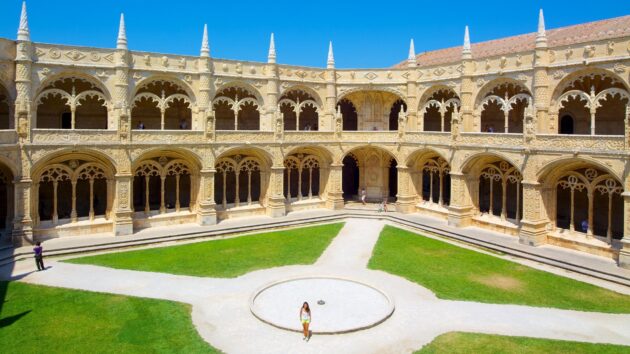
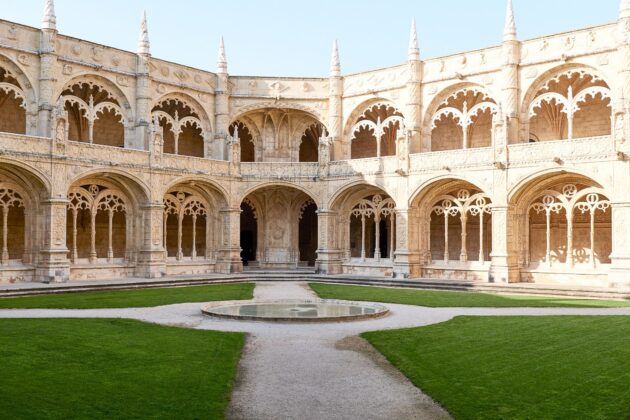
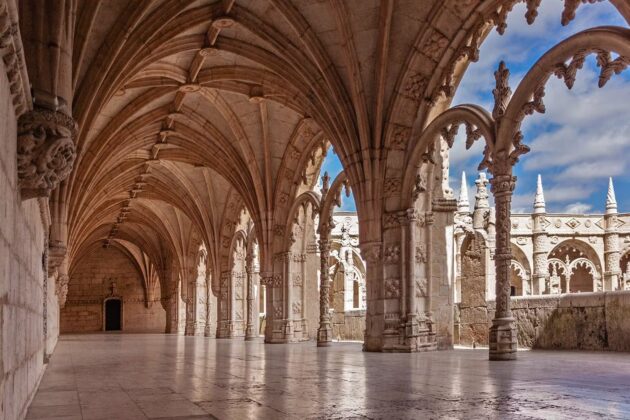
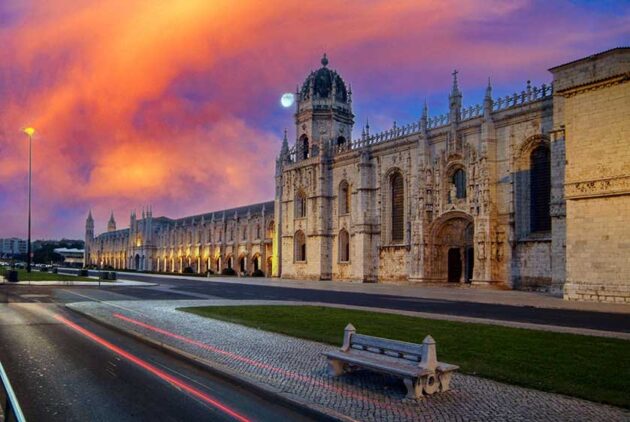
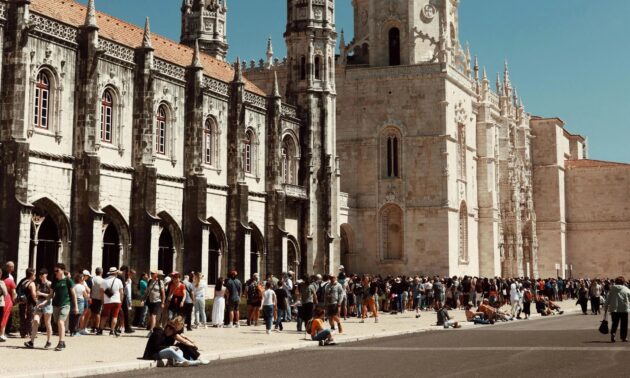
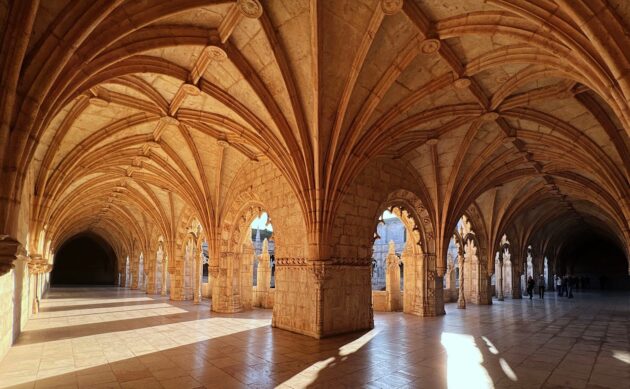
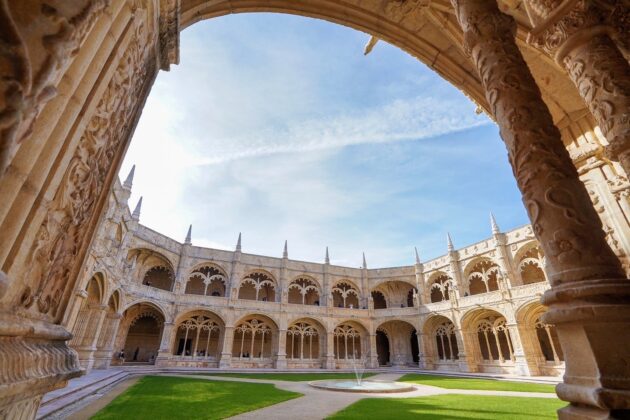
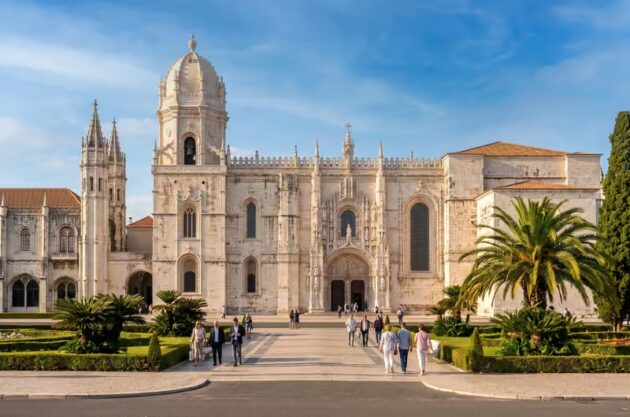
The Jerónimos Monastery in Lisbon’s Belém district is one of Portugal’s most iconic landmarks and a UNESCO World Heritage Site (inscribed in 1983 alongside the nearby Belém Tower). This 16th-century masterpiece of Manueline architecture celebrates Portugal’s Age of Discoveries, funded largely by taxes on the lucrative spice trade.
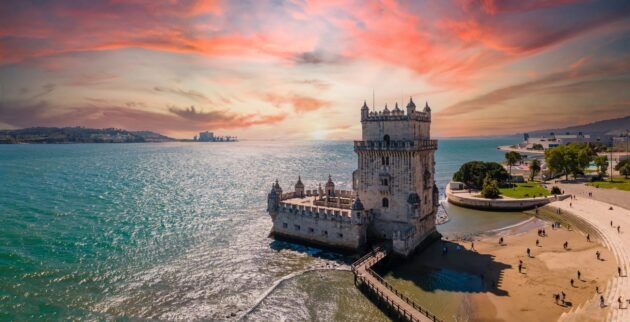
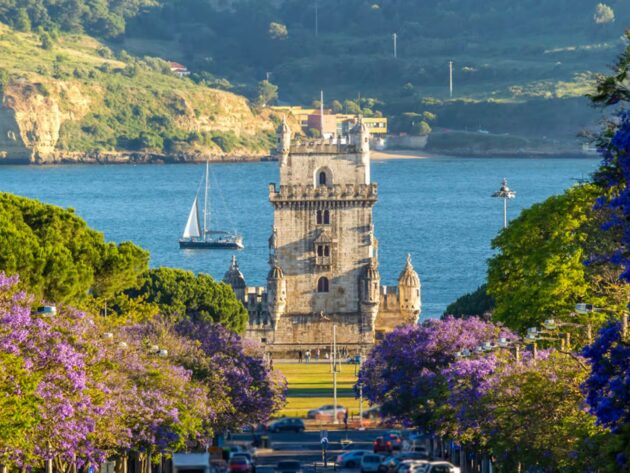
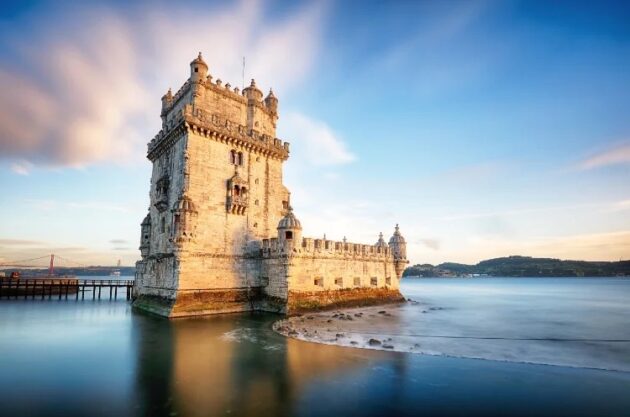
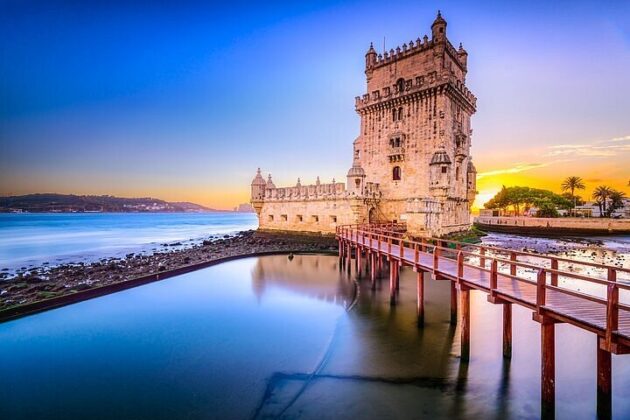
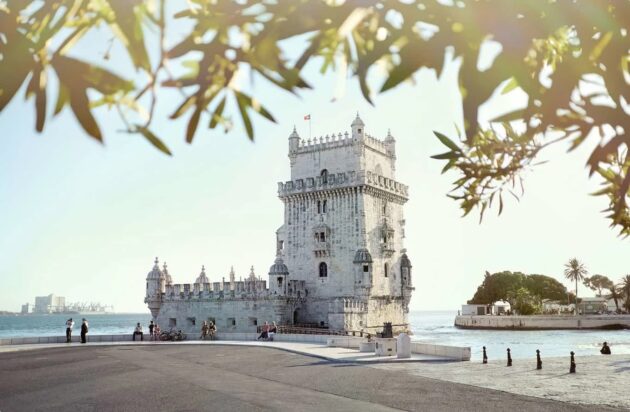
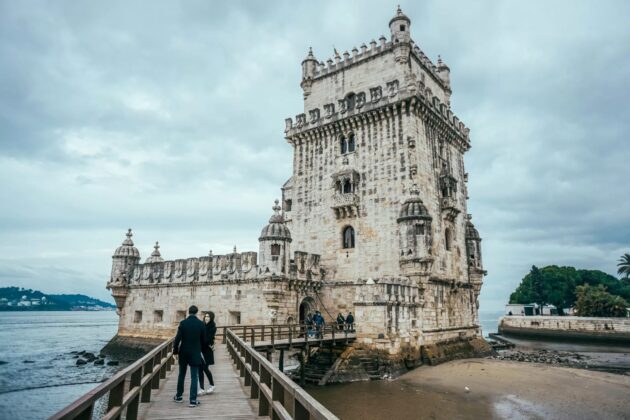
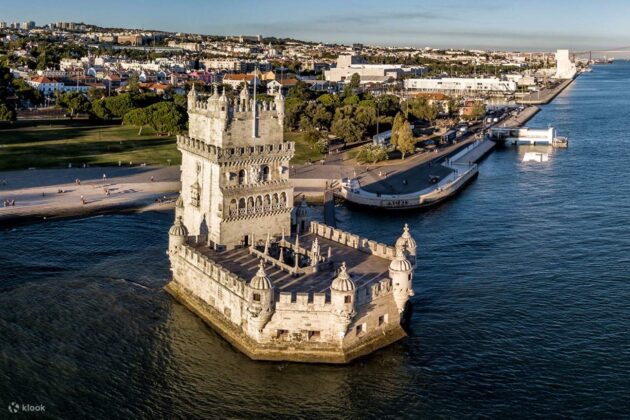
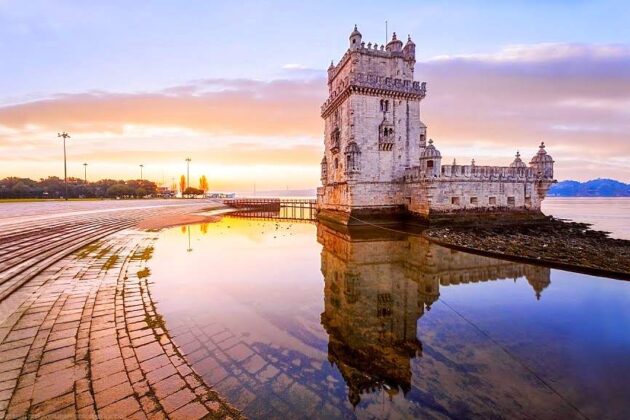
Belém Tower
Belém Tower is one of Lisbon’s most iconic landmarks and a UNESCO World Heritage Site (along with the nearby Jerónimos Monastery). This elegant 16th-century Manueline-style fortress rises gracefully from the banks of the Tagus River, symbolizing Portugal’s Golden Age of Discoveries. Its ornate stonework, watchtowers, and riverside setting make it a must-visit for history buffs, architecture lovers, and photographers.
Food & Drink
Portuguese cuisine is hearty and flavorful:
Pastel de nata: Flaky custard tarts (best warm with cinnamon).
Bacalhau: Salt cod in 365+ ways — try à Brás (with eggs and potatoes).
Fresh seafood, grilled sardines, bifana (pork sandwich), and caldo verde soup.
Wine: Vinho Verde, Port, or Moscatel de Setúbal. Try ginjinha (cherry liqueur).
Eat at local tascas for value; look for prato do dia (daily special) lunches around €10–14.
Vegetarian/vegan options are growing, especially in Chiado and Príncipe Real.
Getting Around
On foot: Best for the center, but wear comfortable shoes — hills and cobblestones are challenging.
Public transport: Metro, trams, buses, and funiculars via Carris/Metropolitano. Get a Navegante card or Lisboa Card (unlimited transport + attractions discounts).
Tram 28 is scenic but slow and crowded.
Uber/Bolt for convenience; taxis are reliable.
Rent a bike or e-scooter for flatter areas.
Day Trips
National Palace of Pena
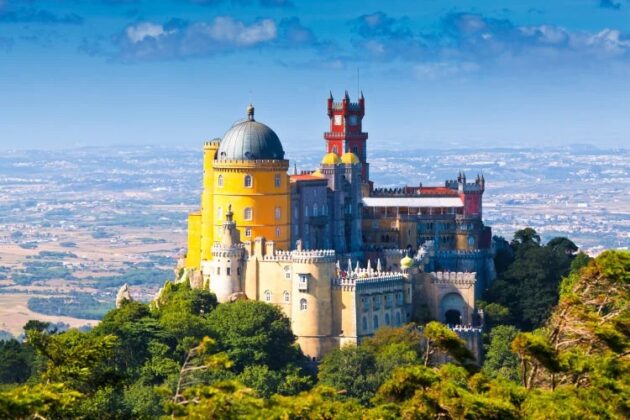
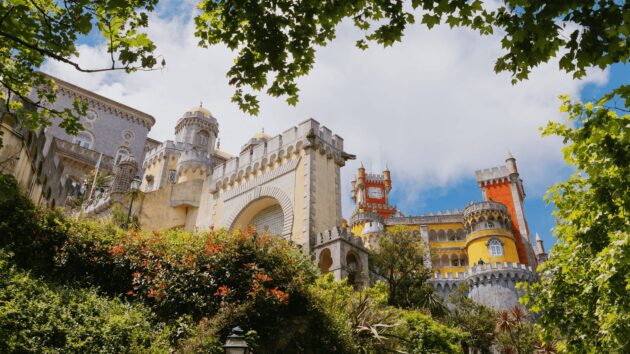
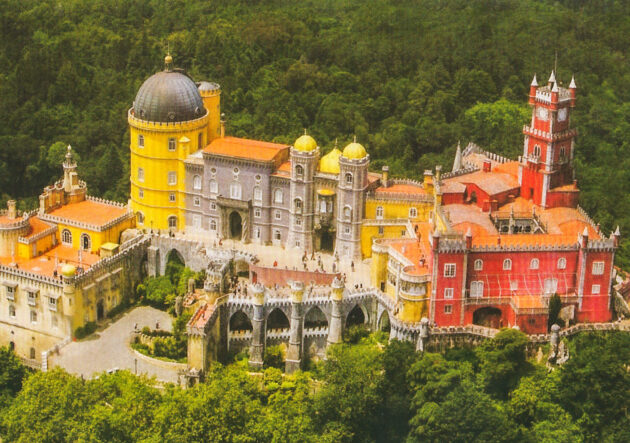
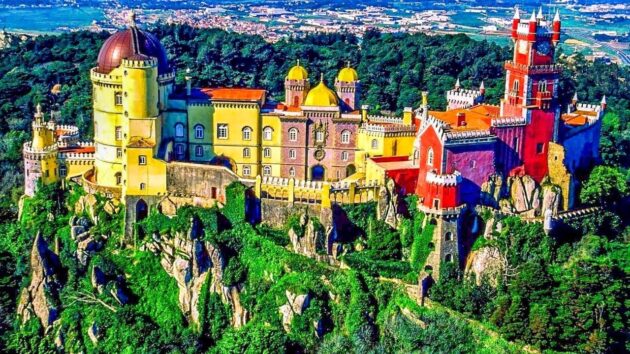
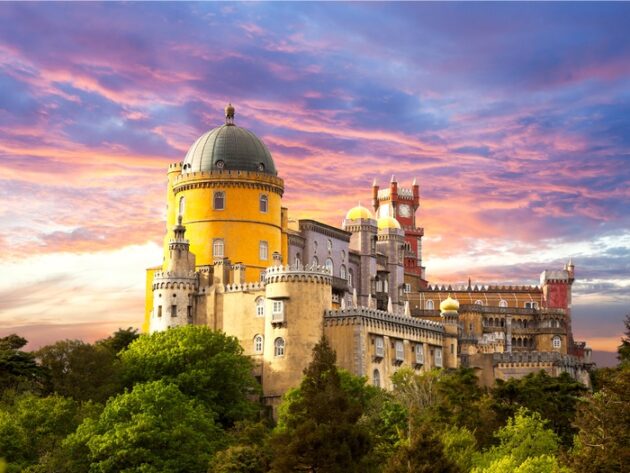
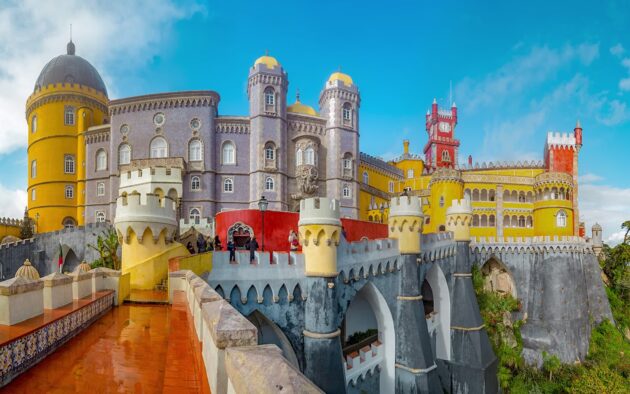
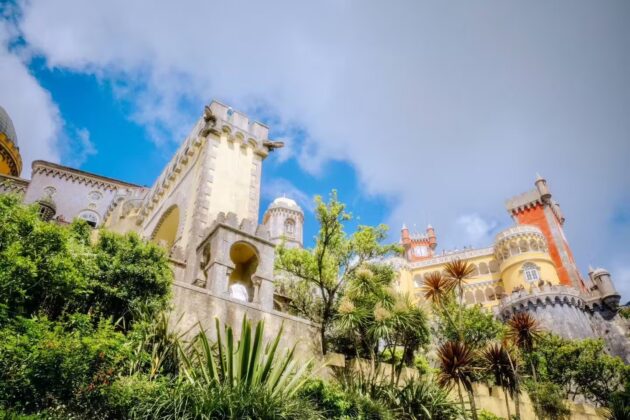
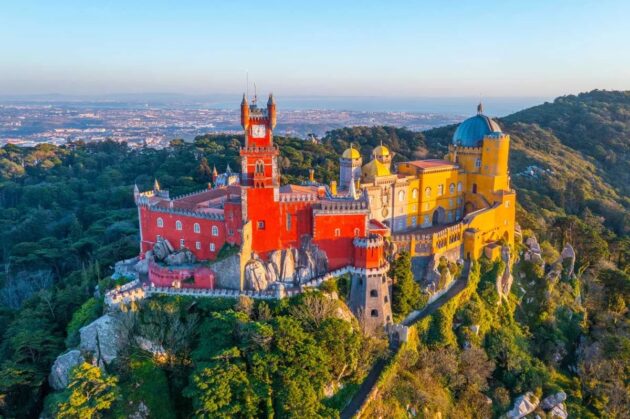
The National Palace of Pena is one of Portugal’s most iconic landmarks and a pinnacle of 19th-century Romantic architecture. Perched dramatically on a forested peak in the Serra de Sintra (about 30 km west of Lisbon), this colorful, fairy-tale castle blends Moorish, Manueline, Gothic, and Renaissance elements into a whimsical masterpiece.
Cape Roca
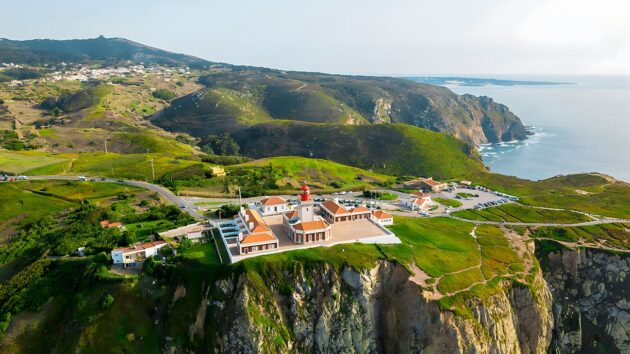
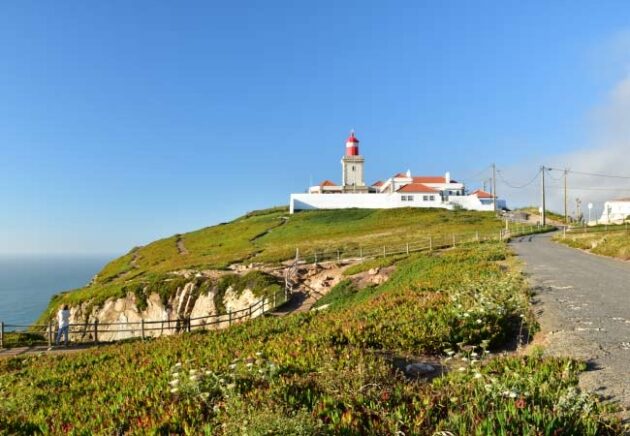
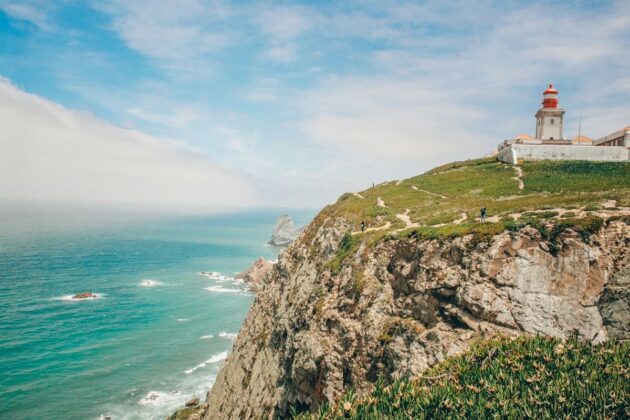
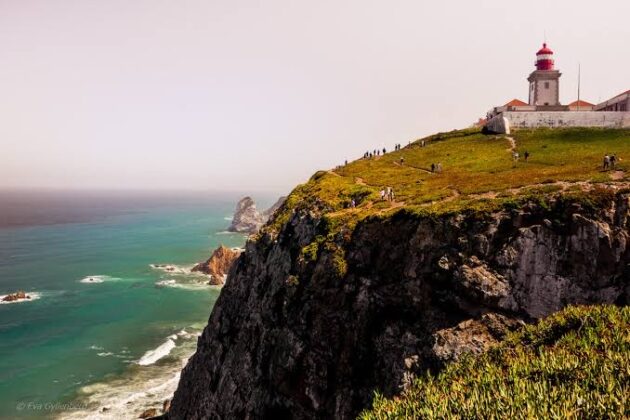
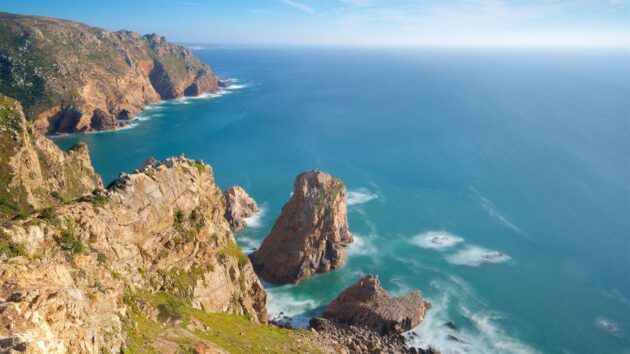
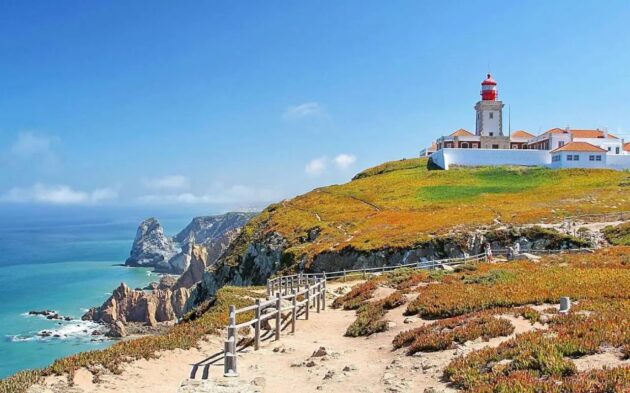
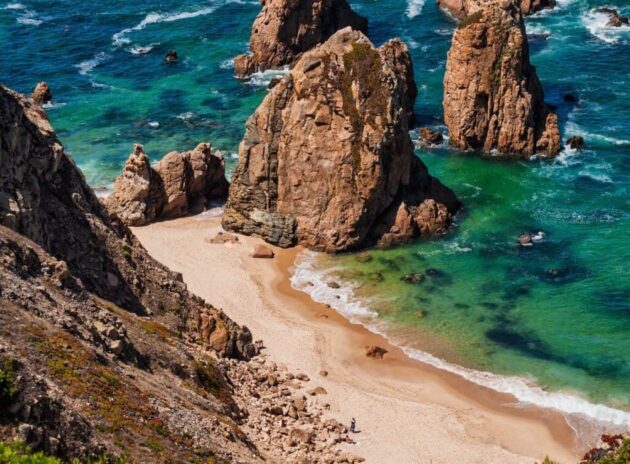
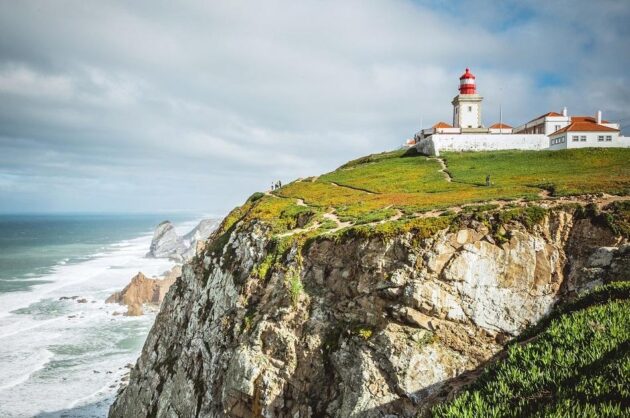
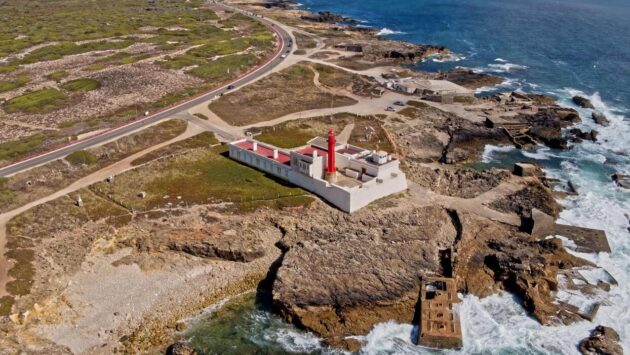
Cape Roca, or Cabo da Roca, is the westernmost point of mainland Europe (and the Eurasian landmass). Located in the Sintra-Cascais Natural Park, about 40 km west of Lisbon, it features dramatic 140-meter cliffs plunging into the Atlantic Ocean, a historic lighthouse, and sweeping coastal views. The poet Luís de Camões famously described it as the place “where the land ends and the sea begins.”
Cascais
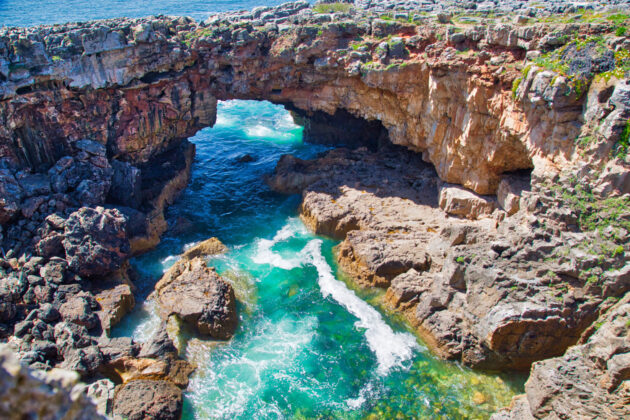
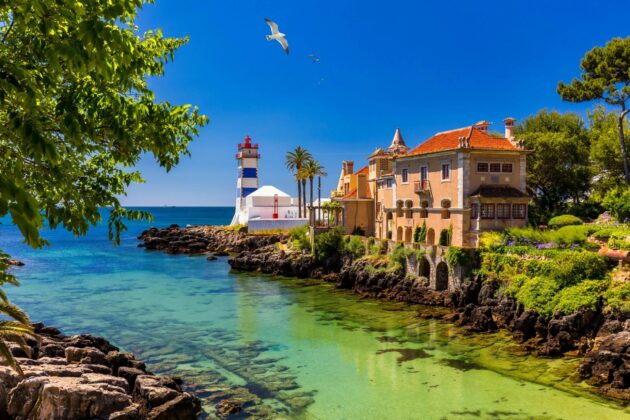
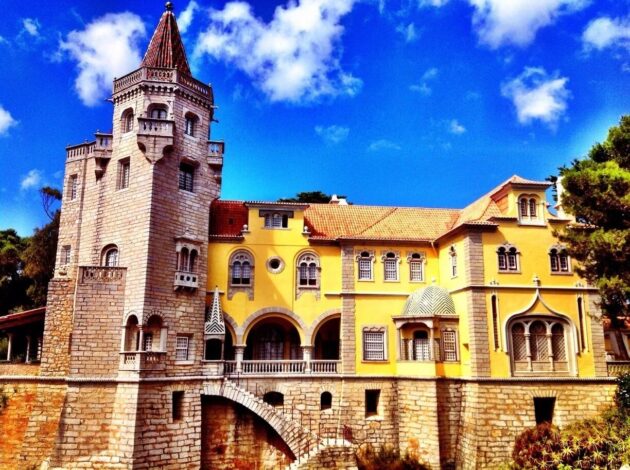
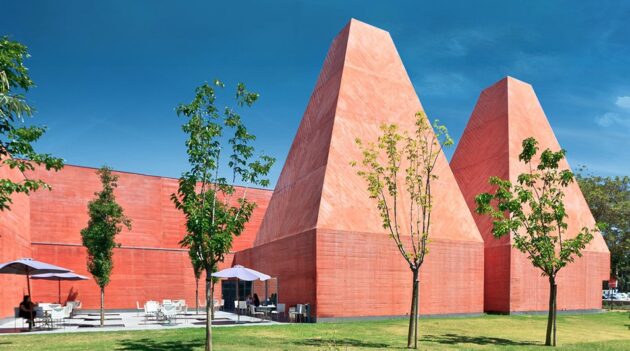
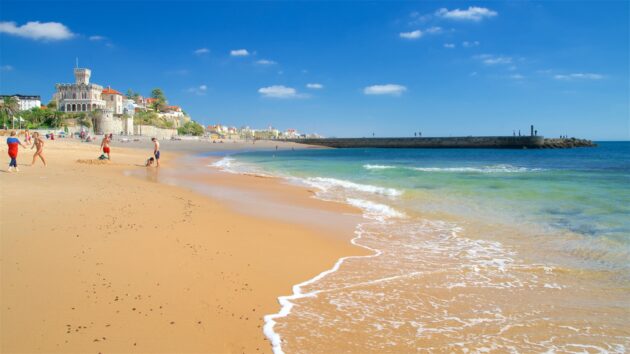
Cascais (pronounced “kush-kaish”) is a picturesque former fishing village turned elegant seaside resort on Portugal’s Lisbon Coast, just 30-40 minutes west of Lisbon. Known for its golden beaches, dramatic Atlantic cliffs, historic center with colorful mansions, and vibrant marina, it offers the perfect mix of relaxation, culture, and adventure. Once a favorite summer spot for Portuguese royalty and European aristocracy, it retains a sophisticated yet laid-back vibe.
Castelo de Óbidos
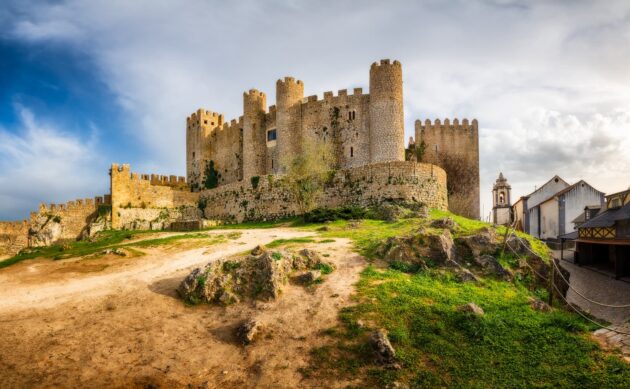
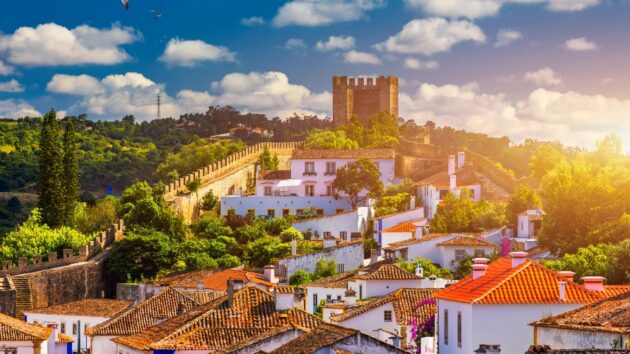
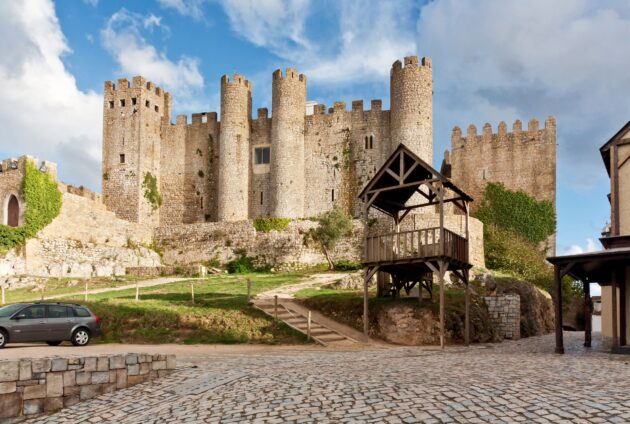
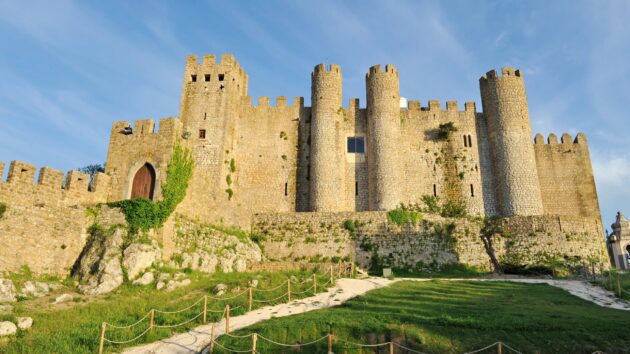
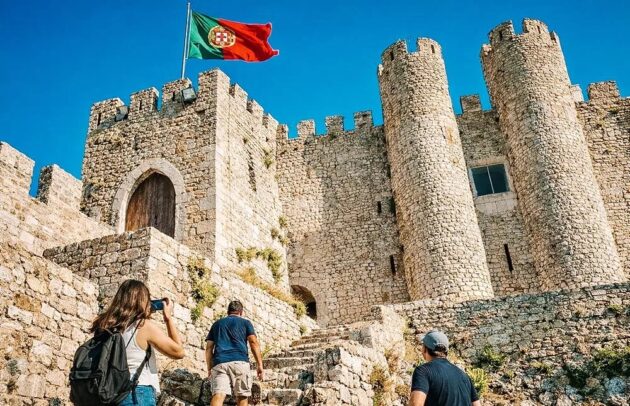
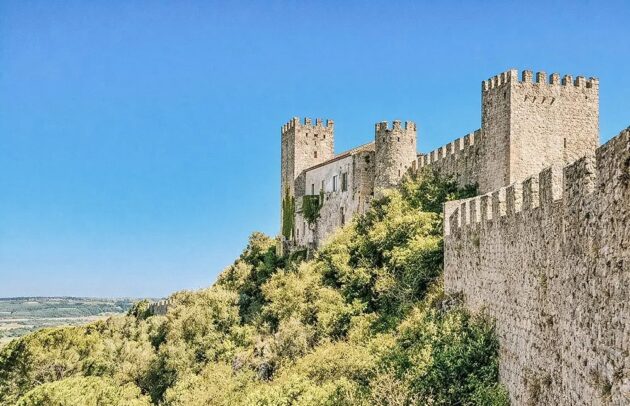
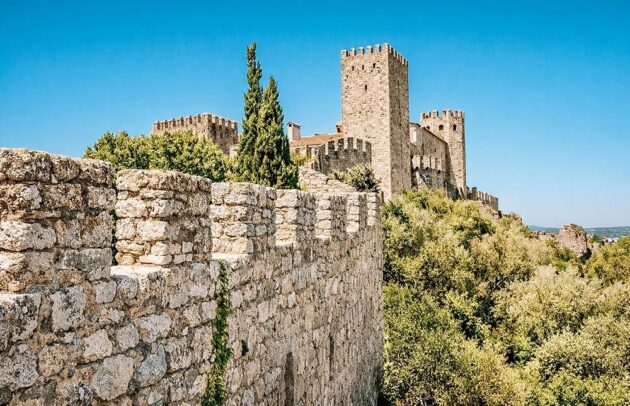
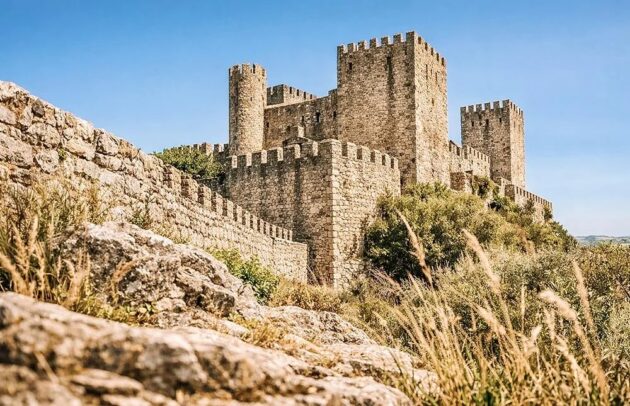
Castelo de Óbidos, a well-preserved 12th-century fortress perched on a hill, surrounded by nearly 1.5 km of imposing stone walls that encircle the entire whitewashed town. Often called a “fairytale village,” Óbidos combines history, romance, stunning views, and charming streets lined with flower-adorned houses, artisan shops, and churches.
Parque Natural da Arrábida
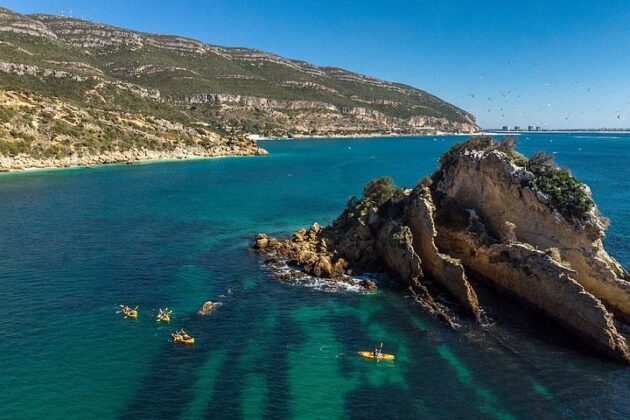
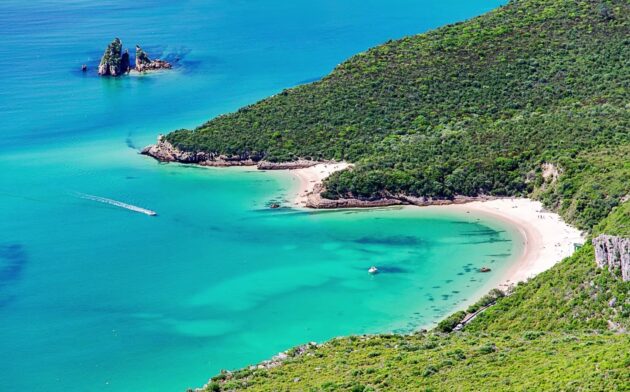
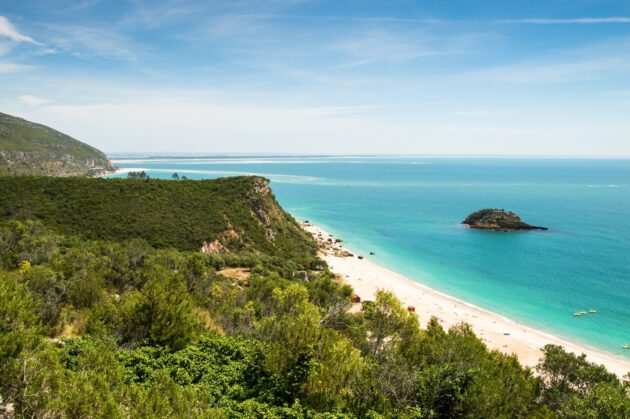
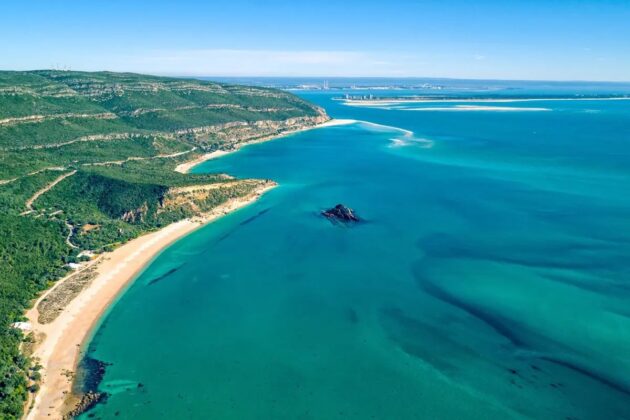
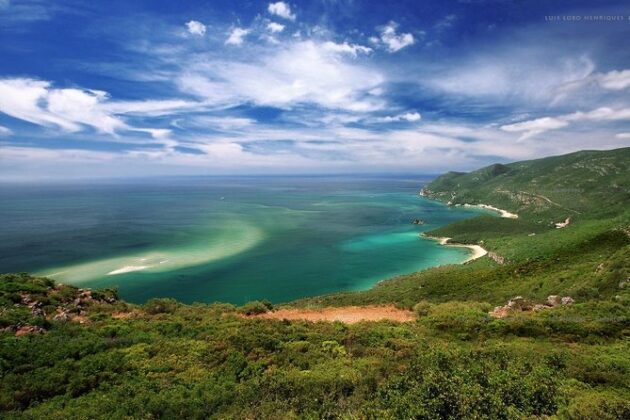
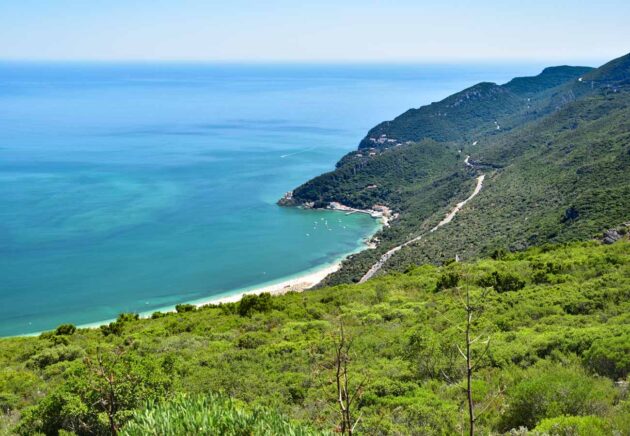
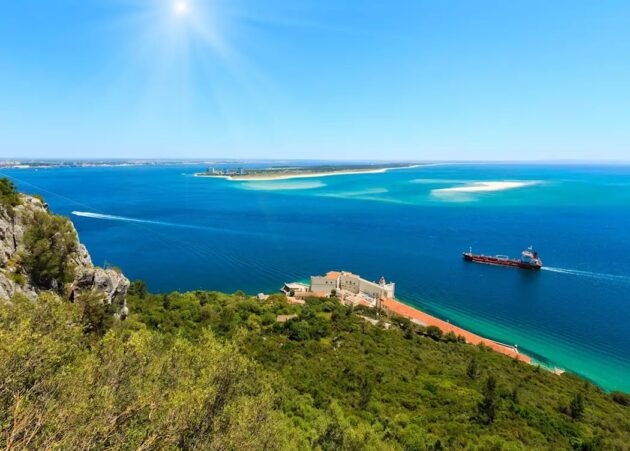
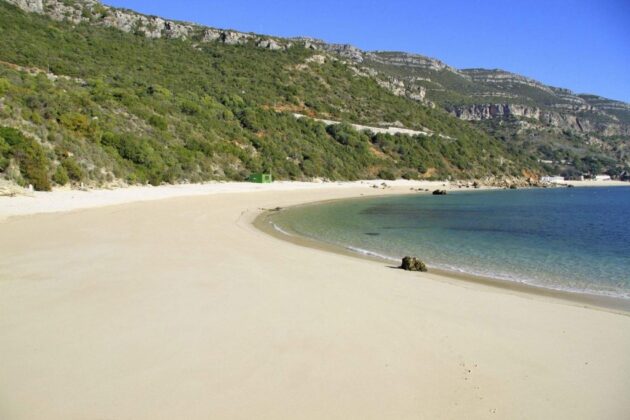
Parque Natural da Arrábida is a stunning protected natural park on the Setúbal Peninsula, just 40–60 minutes south of Lisbon. Established in 1976, it spans about 176 km² (including a significant marine reserve) and features dramatic limestone cliffs, turquoise bays, Mediterranean vegetation, and white-sand beaches often ranked among Europe’s best.
Évora
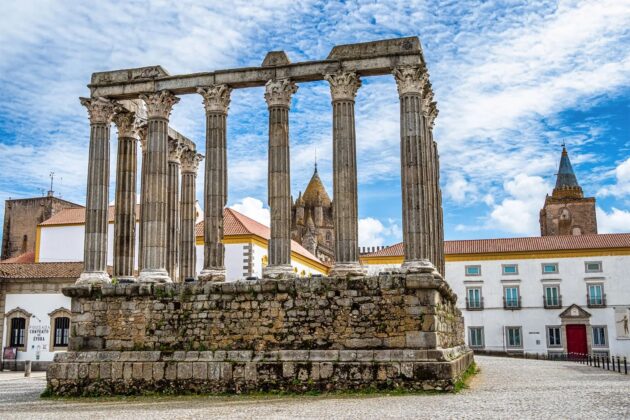
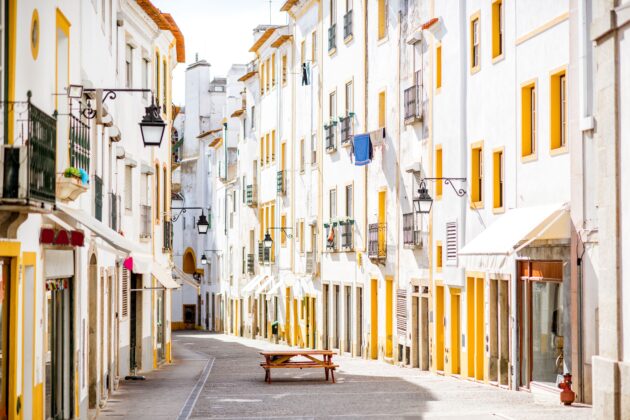
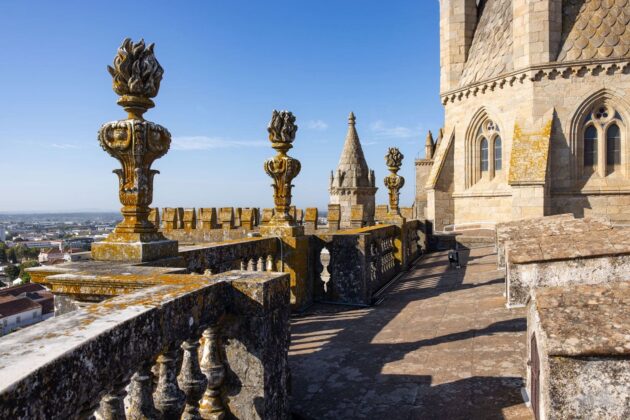
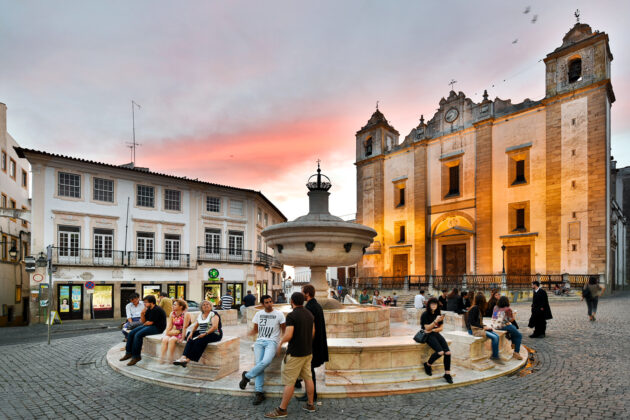
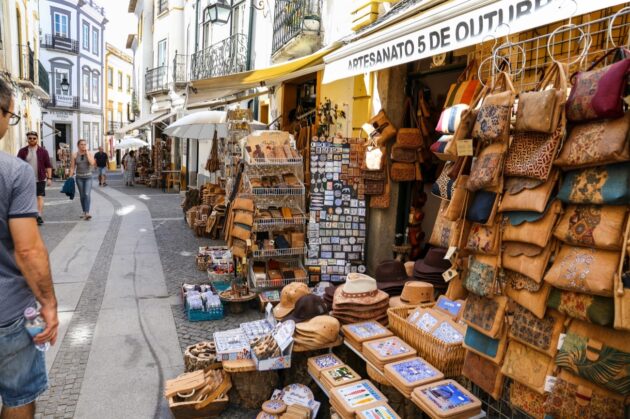
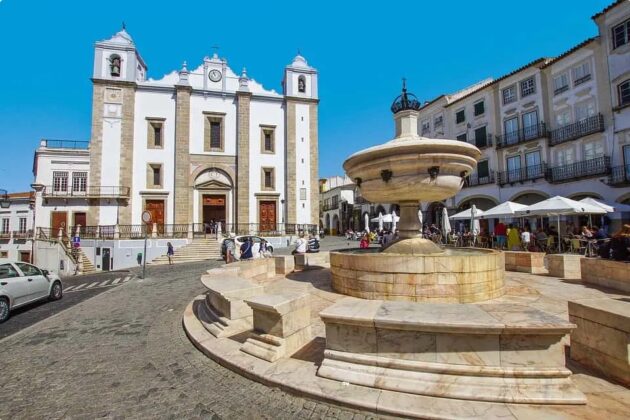
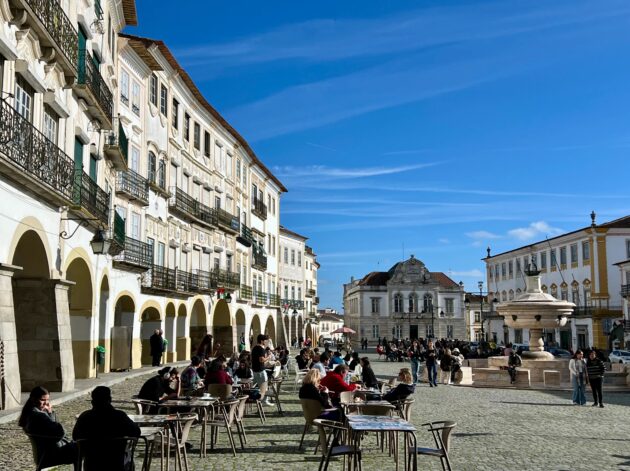
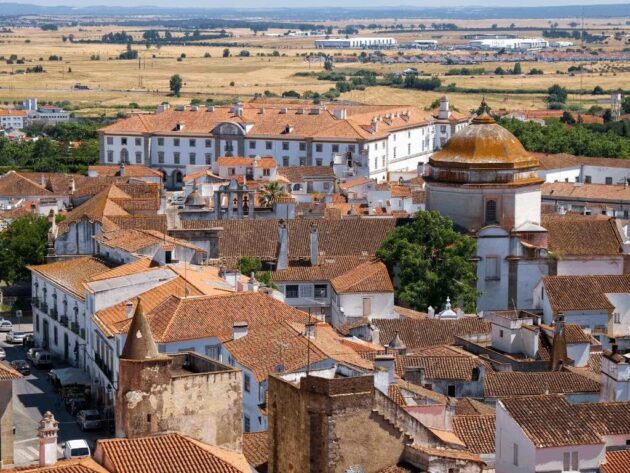
Évora (pronounced EH-voh-rah) is a captivating UNESCO World Heritage city and the capital of Portugal’s Alentejo region. Known for its remarkably preserved historic center, Roman ruins, medieval architecture, and rich culinary traditions, it offers a perfect blend of history, culture, and relaxed charm. Often called a “museum city,” Évora’s whitewashed buildings, winding cobblestone streets, and ancient monuments make it feel like a step back in time, while its vibrant university atmosphere and excellent food scene keep it lively.
Where to Stay
Baixa/Chiado: Central, convenient for first-timers.
Alfama: Atmospheric, but hilly and quieter at night.
Bairro Alto/Príncipe Real: Trendy, great for food and nightlife.
Avenida da Liberdade: Upscale hotels.
Options range from boutique guesthouses to luxury (e.g., near Time Out Market or river views).
Practical Tips
Currency: Euro (€). Cards widely accepted, but carry cash for small places/markets. Use bank ATMs and decline DCC.
Language: Portuguese; English is common in tourist areas. Learn basics like obrigado/a (thank you) and por favor.
Safety: Very safe overall, but watch for pickpockets on Tram 28, in crowds, and Baixa. Use common sense.
Tipping: 5–10% optional for good service.
Lisboa Card: Great value for 24/48/72 hours.
Sustainability: Respect locals — tourism has increased costs. Support small businesses.
Budget: €60–120/day per person (mid-range, including food & attractions). Lisbon remains relatively affordable.
Final Thoughts
Lisbon’s magic lies in its saudade (nostalgic longing), golden sunsets over the Tagus, and effortless blend of old and new. Wander slowly, eat well, and soak in the views — you’ll leave wanting to return. Safe travels!