

Cascais Historic Old Town Travel Guide (2026)
Cascais, a charming coastal town on Portugal’s Portuguese Riviera (about 30 km west of Lisbon), blends historic fishing village roots with elegant 19th-century aristocratic flair. Its compact, pedestrian-friendly Historic Old Town (Centro Histórico) features cobblestone streets, colorful tiled buildings, lively squares, boutique shops, cafés, and easy access to beaches and the sea.
Once a quiet fishing port, Cascais became a royal summer retreat in the 1870s and later a haven for European exiles during WWII. Today, it offers a relaxed yet vibrant atmosphere perfect for strolling, dining on fresh seafood, and soaking in Atlantic views.
Getting There
The easiest and most scenic way from Lisbon is the Cais do Sodré to Cascais train (Linha de Cascais). It takes about 40 minutes, runs frequently (every 15–20 minutes), hugs the coastline, and drops you right in the heart of town near Praia da Rainha. Use a Navegante card or contactless payment for cheap fares (around €2–3 one way).
From Lisbon Airport, take the metro to Cais do Sodré or opt for a taxi/Uber (30–45 minutes, €25–40). Driving via the A5 motorway or scenic N6 coastal road is possible but parking in the center is limited—public transport is recommended for day trips.
Exploring the Historic Old Town
The Old Town is highly walkable and best explored on foot. Key highlights include:
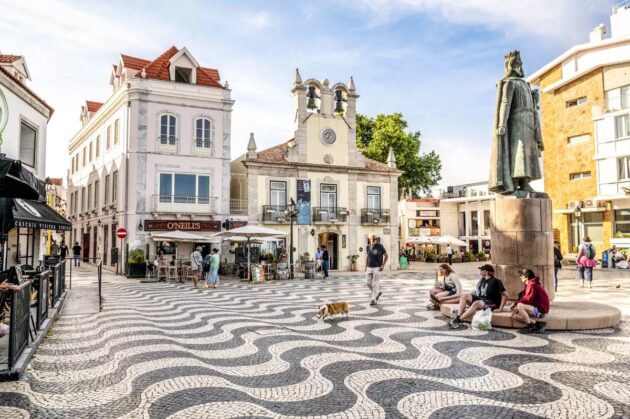
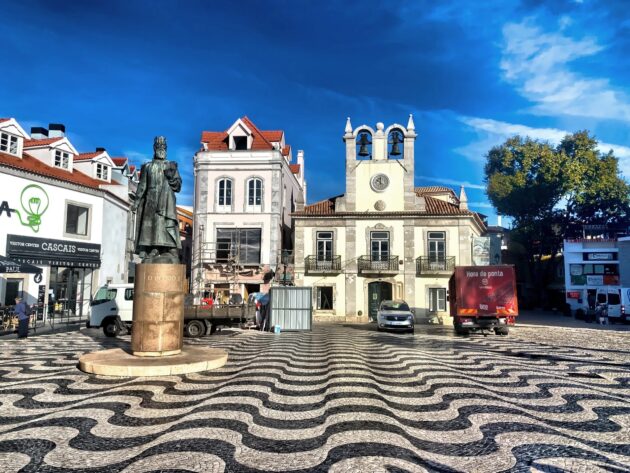
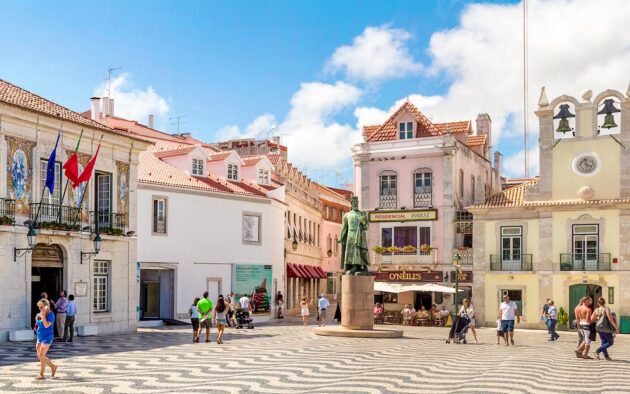
Praça 5 de Outubro: The vibrant main square with the Town Hall (housing the free Museu da Vila for local history), a statue of King D. Pedro I, and views over Praia da Ribeira (Fishermen’s Beach). It’s a great people-watching spot with outdoor cafés.
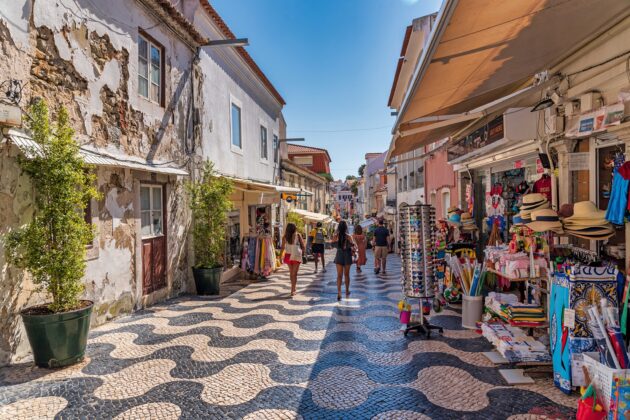
Rua Frederico Arouca: The main pedestrian shopping street with wavy Portuguese cobblestone pavement (calçada portuguesa), boutiques, souvenirs, and restaurants. It connects beaches and squares.
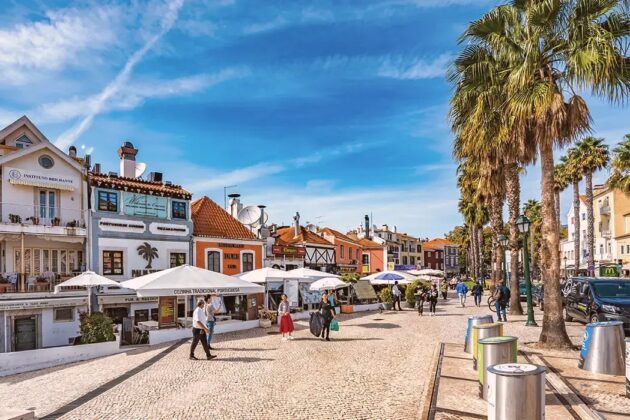
Largo Luís de Camões: A charming square surrounded by cafés and traditional houses—ideal for a coffee break.
Igreja de Nossa Senhora da Assunção: A 17th-century church with beautiful azulejo tiles inside. Climb the bell tower for panoramic views (check opening hours).
Cascais Citadel (Cidadela de Cascais): A 16th–17th century fortress that later served as a royal summer residence. Now it includes museums, art galleries, a luxury hotel (Pestana Cidadela), and public areas with marina views. Parts are free to wander.
Casa de Santa Maria and Santa Marta Lighthouse: One of Cascais’ most photographed spots—an elegant early 20th-century mansion next to a striped lighthouse. The lighthouse has a small museum on maritime navigation with great sea views.
Nearby, the Museum Quarter (Bairro dos Museus) clusters several sites, including Museu Condes de Castro Guimarães (ornate mansion with art and gardens in Parque Marechal Carmona) and Casa das Histórias Paula Rego (striking modern building dedicated to the renowned Portuguese artist).
Beaches and Promenades
Praia da Rainha and Praia da Ribeira: Small, sheltered central beaches perfect for swimming or watching fishermen.
Stroll the Passeio Dom Luís I promenade along the bay for scenic views.
For a longer walk, head west toward Boca do Inferno (a dramatic cliff formation) or east along the coast to Estoril.
Food and Drink
Cascais excels in fresh seafood. Try local spots in the Old Town or marina for grilled fish, cataplana, or pastéis de nata. Popular recommendations include traditional Portuguese fare at places like Taberna da Praça (in the Citadel) or waterfront dining. For ice cream, Santini is a classic. Many cafés line Rua Frederico Arouca and squares—enjoy people-watching with a pastel de nata and coffee.
Suggested Itinerary (1 Day)
Morning: Arrive by train, stroll Rua Frederico Arouca and squares, visit Praça 5 de Outubro and the church.
Midday: Explore the Citadel and marina; lunch nearby.
Afternoon: Visit Casa de Santa Maria/Lighthouse, then museums or relax on a beach.
Evening: Sunset promenade walk, dinner, and return train (or extend with a night in town).
Practical Tips
Best Time to Visit: June or September for pleasant weather and fewer crowds. Summers are warm but busy; shoulder seasons are ideal.
Getting Around: Everything in the Old Town is walkable. Bikes or scooters are available for farther spots like Guincho Beach.
Accessibility: Mostly flat promenades and pedestrian areas, but cobblestones can be uneven—wear comfortable shoes.
Day Trip from Lisbon: Feasible and popular; combine with nearby Sintra if you have more time.
Pack sunscreen, a light jacket (Atlantic breezes), and comfortable walking shoes.
Final Thoughts
Cascais Historic Old Town offers the perfect mix of history, culture, beaches, and laid-back charm. Whether for a day trip or longer stay, its welcoming vibe and stunning setting make it a highlight of the Lisbon region. Enjoy your visit!