

Alfama Travel Guide (2026): Lisbon’s Oldest and Most Atmospheric Neighborhood
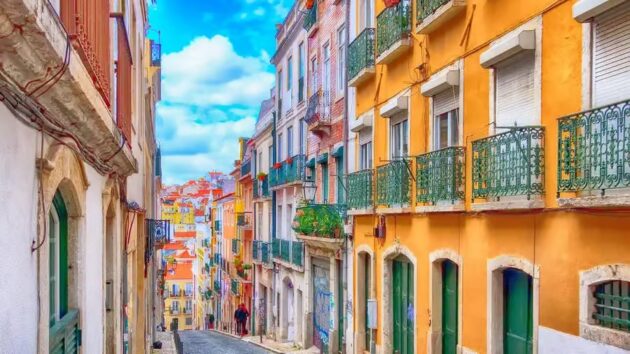
Alfama is Lisbon’s oldest district, a captivating maze of narrow cobblestone streets, colorful tiled houses, steep staircases, and hidden courtyards perched on a hillside between the Tagus River and Castelo de São Jorge. Dating back to the Moorish era (8th century), its name derives from the Arabic al-hamma (hot springs or baths). It miraculously survived the devastating 1755 earthquake that leveled much of the city, preserving its medieval layout and authentic soul.
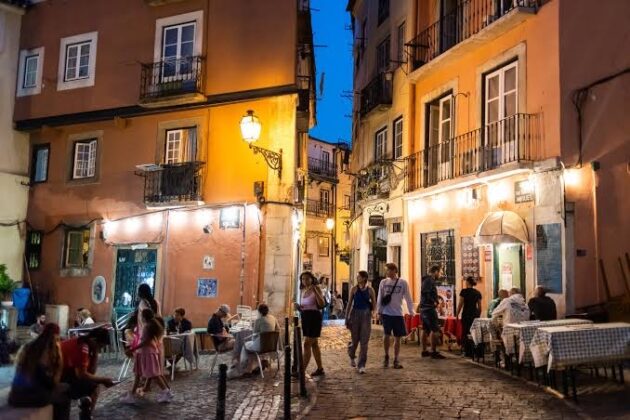
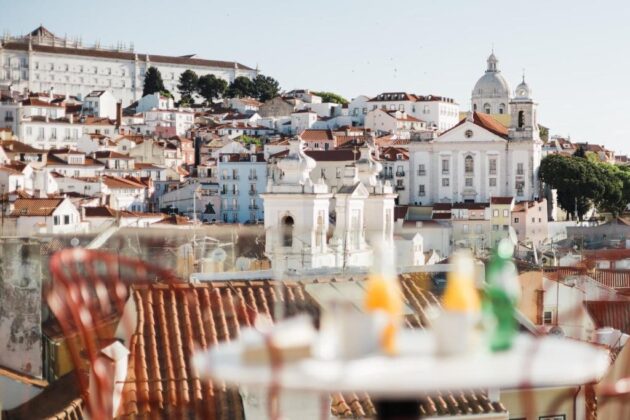
This is the birthplace of fado, Portugal’s soulful, melancholic music. Expect laundry fluttering between buildings, the scent of grilled sardines, children playing in tiny squares, and breathtaking viewpoints (miradouros) over terracotta rooftops and the river. Alfama feels like a living village within the city—romantic, atmospheric, and best explored by wandering without a strict plan.
Getting There and Around
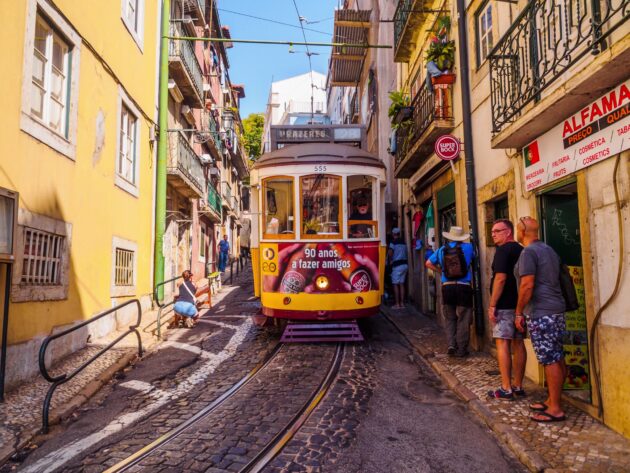
Tram 28E: The iconic yellow vintage tram rattles through Alfama’s steep streets. Board early (before 9am) or late (after 5pm) at Praça Martim Moniz to avoid long queues and pickpockets. Tram 12E offers a shorter circular route.
On foot: Walk uphill from Baixa (15–20 minutes from Praça do Comércio) or descend from the castle. Wear comfortable shoes with good grip—hills and cobblestones are challenging.
Other options: Bus 737 to the castle; metro to Santa Apolónia (then walk uphill); Uber/Bolt; or tuk-tuks for a fun (but pricier) ride.
Tip: Start at the top (castle or Portas do Sol) and wander downhill to save energy.
Top Attractions and Things to Do
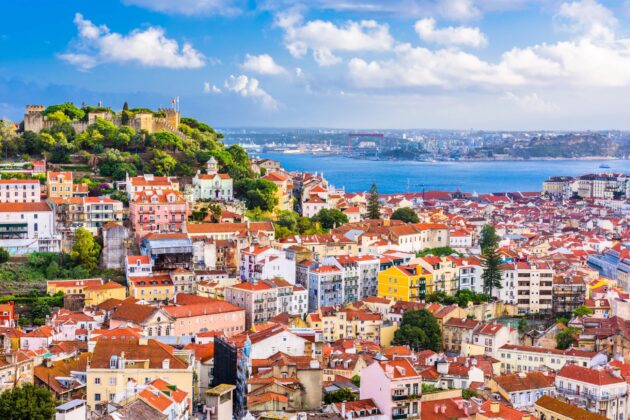
Castelo de São Jorge (St. George’s Castle): Moorish fortress with panoramic 360° views, peacocks, gardens, and archaeological ruins. Tickets ~€15; arrive early or book timed entry. Open daily.
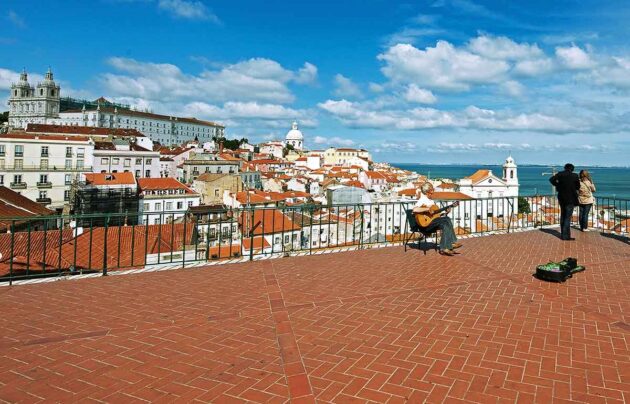
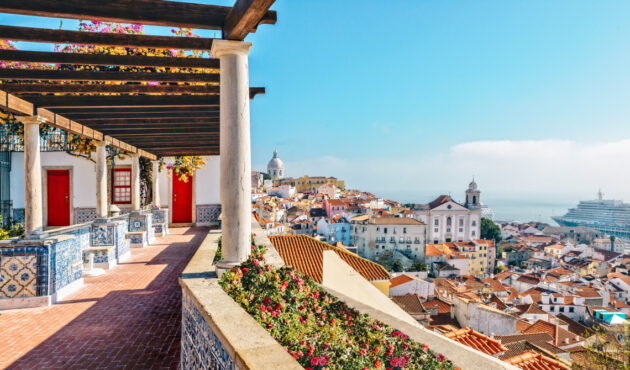
Miradouro de Santa Luzia and Miradouro das Portas do Sol: Iconic viewpoints with azulejo (tile) panels, sweeping river and rooftop vistas. Perfect for golden hour photos. Free and magical at sunrise or sunset.
Sé de Lisboa (Lisbon Cathedral): Romanesque fortress-like cathedral from 1147 with a cloister and treasury. Free entry to main area; small fee for cloister.
Museu do Fado: Learn about fado’s history, legends like Amália Rodrigues, and instruments. Great intro before an evening show (~€5).
Other highlights: Panteão Nacional (National Pantheon) for rooftop views; Igreja de São Vicente de Fora; Feira da Ladra flea market (Tuesdays & Saturdays); Roman Theatre ruins; and simply getting lost in the alleys.
Pro tip: Visit early morning for quiet charm or late afternoon/evening for golden light and fado vibes. Midday in summer can be hot and crowded.
Fado Experience
Fado is UNESCO-listed and central to Alfama. Enjoy it in intimate casas de fado where locals sing. Options range from tourist-oriented dinner shows to authentic small venues. Try Clube de Fado, Parreirinha de Alfama, A Baiuca, or Mesa de Frades. Silence is expected during performances. Book ahead for evenings.
Where to Eat and Drink
Traditional tascas: Look for handwritten menus and locals. Try sardinhas assadas (grilled sardines in summer), bacalhau à brás, or carne de porco à alentejana. Affordable and authentic.
Notable spots: Taberna Sal Grosso, Santo António de Alfama, or Casa São Miguel for pastries.
With a view: Chapitô à Mesa or rooftops like Memmo Alfama.
Fado dinner: Combine with music at the venues above (expect higher prices).
Pastries like pastel de nata pair perfectly with a bica (espresso). Avoid the most tourist-trap spots right on viewpoints; venture a street or two away.
Best Time to Visit
Shoulder seasons (April–June, September–October): Mild weather, fewer crowds.
Anytime: Mornings for exploration, evenings for fado and sunsets. June features the lively Santo António festivals with street parties.
Practical Tips
Stay safe: Watch for pickpockets on crowded trams and viewpoints. Alfama is generally safe but hilly.
Accommodation: Charming guesthouses and boutique hotels abound, but note the stairs and potential noise from nightlife.
Budget: Many viewpoints and wandering are free. Castle and museum are affordable. Meals range from budget tascas to pricier fado experiences.
Accessibility: Steep terrain; consider taxis or tours if mobility is limited.
Sustainability: Support local businesses and respect residents—Alfama is a living neighborhood.
Final Thoughts
Alfama captures Lisbon’s essence like nowhere else: historic yet vibrant, melancholic yet joyful. Take your time, get lost, listen to the music, and soak in the views—you’ll leave with unforgettable memories of Portugal’s soul.
Enjoy your trip! 🇵🇹