
Carmo Archaeological Museum (Museu Arqueológico do Carmo) Travel Guide (2026)
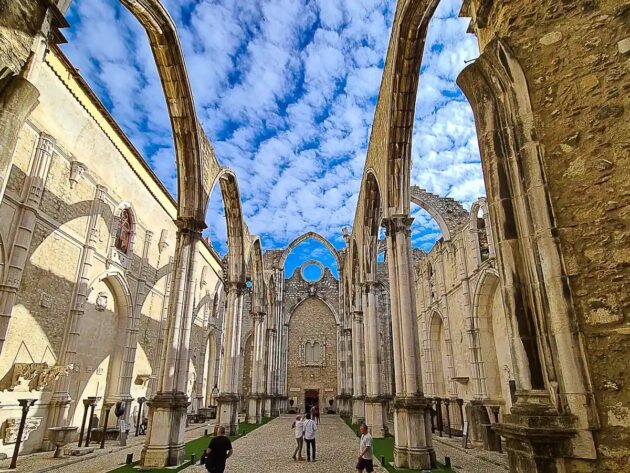
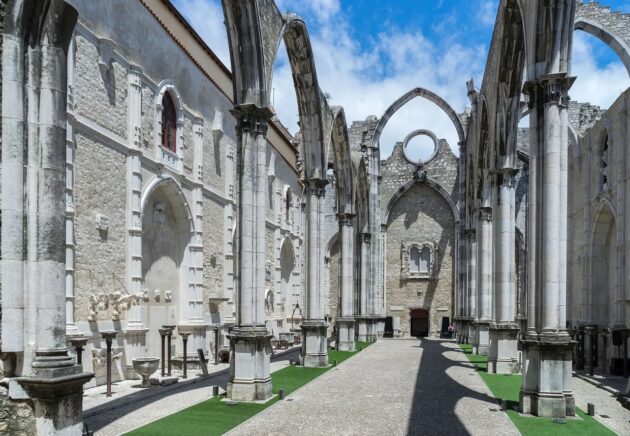
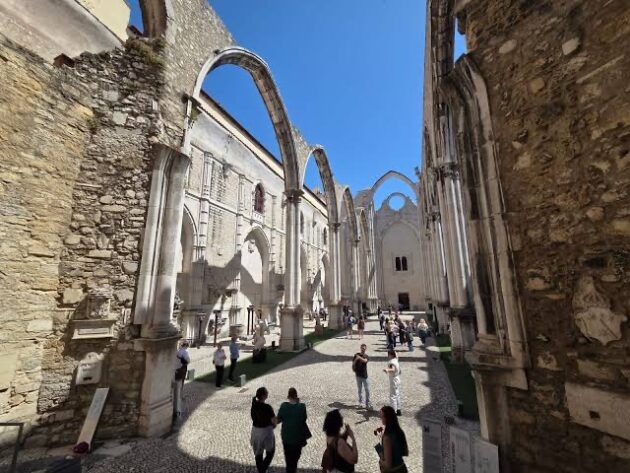
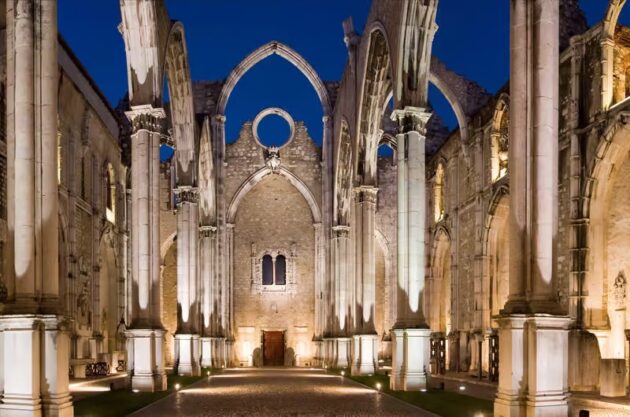
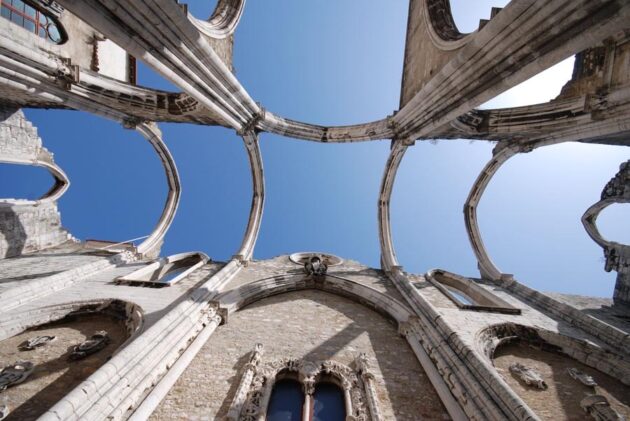
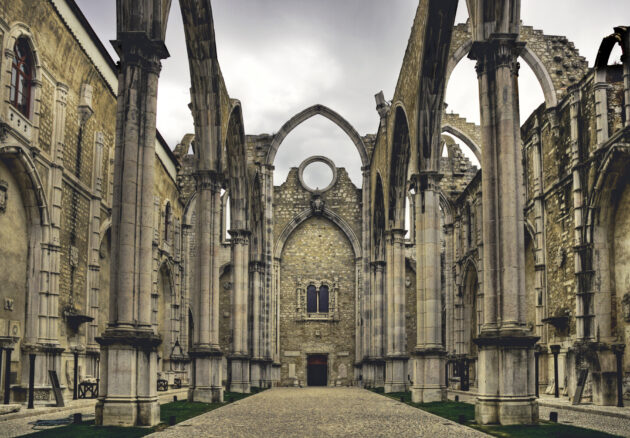
The Carmo Archaeological Museum is housed within the hauntingly beautiful ruins of the 14th-century Convento do Carmo (Carmo Convent) in Lisbon’s Chiado district. Its roofless Gothic nave, with soaring arches open to the sky, stands as one of the city’s most powerful memorials to the devastating 1755 Lisbon earthquake. What was once a grand church is now an atmospheric open-air monument and Portugal’s first archaeological museum (founded in 1864).
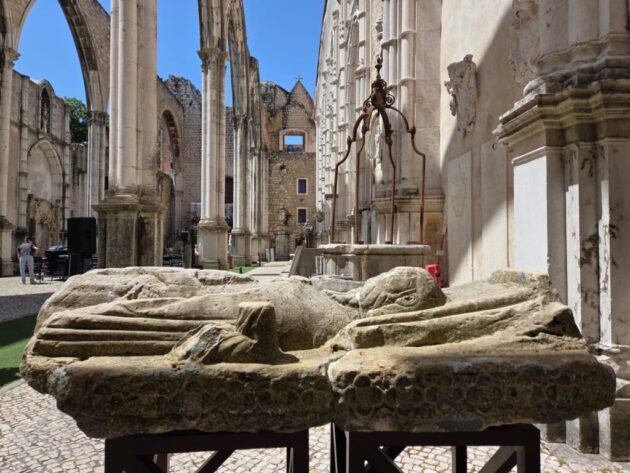
Visitors come for the dramatic ruins, medieval tombs, eclectic artifacts, and two rare pre-Columbian Peruvian mummies. It’s a compact yet unforgettable stop that blends history, architecture, and archaeology in a romantic setting.
History in Brief
Founded in 1389 by Nuno Álvares Pereira (a key figure in Portuguese history and later beatified), the Carmelite convent featured one of Lisbon’s finest Gothic churches.
On All Saints’ Day 1755, the earthquake and subsequent fires caused the roof to collapse, killing many inside. Reconstruction attempts were abandoned after the 1834 suppression of religious orders.
The ruins were preserved as a symbol of resilience, and in 1864 the Association of Portuguese Archaeologists established the museum in the surviving sacristy and side chapels.
What to See and Do
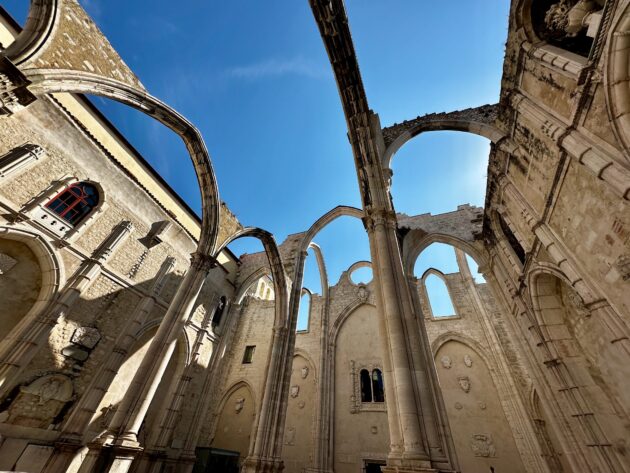
The Roofless Nave: The star attraction. Wander among Gothic arches framing the Lisbon sky — perfect for photos, especially in soft morning or late afternoon light.
Key Artifacts and Exhibits (spread across several rooms): Gothic tomb of King Ferdinand I (a masterpiece of Portuguese Gothic sculpture). Roman “Sarcophagus of the Muses” (3rd–4th century). Two Peruvian pre-Columbian mummies (a boy and a girl, displayed upright — one of the museum’s biggest draws and rare in Europe).
Egyptian sarcophagi, Visigothic pieces, azulejo tiles, medieval religious items, coins, and fragments from destroyed buildings.
The site offers a peaceful, reflective atmosphere with views toward São Jorge Castle. In summer, check for immersive video-mapping shows like “Lisbon Under Stars” projected on the ruins.
Recommended Time: 45–90 minutes. It’s not huge, but you’ll want time to linger in the nave and read labels (many in English).
Practical Information
Address: Largo do Carmo, 1200-092 Lisboa.
Opening Hours (Monday–Saturday only): May–October: 10:00–19:00 (last entry 18:40); November–April: 10:00–18:00 (last entry 17:40); Special periods (Easter week, late December/early January) often follow summer hours. Closed: Sundays, January 1, May 1, December 25.
Tickets (purchased on-site): Adults: €7; Students (with ID), seniors (65+), Portuguese residents, Lisboa Card: €5; Children under 14: Free; Reduced mobility visitors: Free (plus one companion).
Facilities: Toilets, baby-changing area. No large luggage (limited storage). No eating, drinking, smoking, or touching exhibits. Photography is allowed (no flash/tripods).
How to Get There
Central Location: In Chiado, between Baixa and Bairro Alto.
Best Approaches:
Take the Santa Justa Lift (Elevador de Santa Justa) from Baixa and walk a short distance.
Metro: Baixa-Chiado station (Blue/Green lines), then a short uphill walk.
Tram 28 (get off at Chiado) or Bus 758.
Combine with nearby sights: Santa Justa Lift, Rossio Square, Chiado shops, or a walk to the Castle.
Visitor Tips
Best Time to Visit: Weekday mornings or late afternoons for better light and fewer crowds. Avoid midday summer heat in the open nave.
Photography: The arches create stunning natural frames. Golden hour or overcast days yield the best results.
Accessibility: Some ramps and adapted facilities, but the ruins have uneven surfaces — not ideal for wheelchairs or strollers in all areas.
Weather Note: The nave is open to the elements, so bring sun protection or a light rain jacket if needed.
Nearby: Pair it with a meal in Chiado or a visit to the National Tile Museum for more Portuguese history and azulejos.
Lisboa Card: Great value if you’re sightseeing heavily (discount + free public transport).
Final Thoughts
The Carmo Archaeological Museum is more than just ruins or artifacts — it’s a living reminder of Lisbon’s resilience and a peaceful, photogenic escape in the heart of the city. Whether you’re a history buff, architecture lover, or casual traveler, it’s a must-visit for its unique atmosphere and story.