


Castelo de Óbidos (Óbidos Castle) Travel Guide (2026)
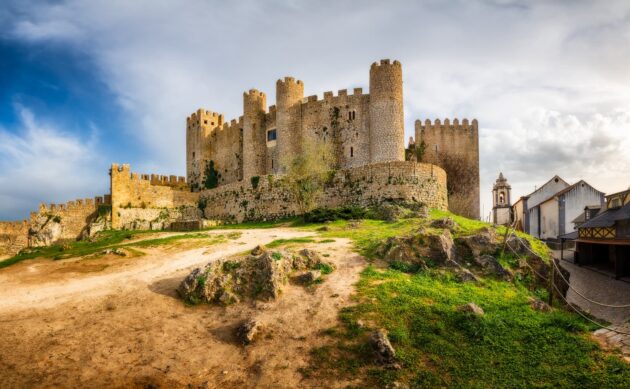
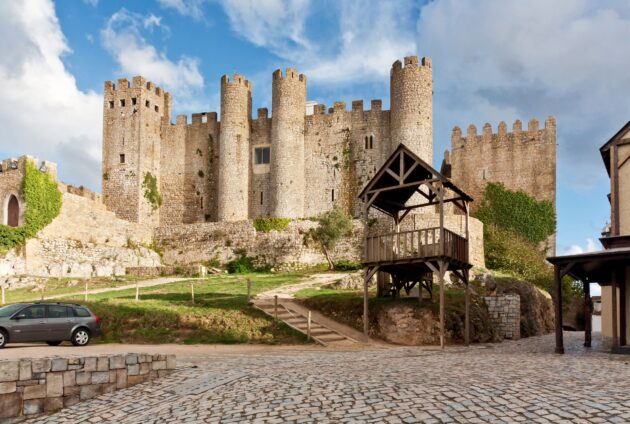
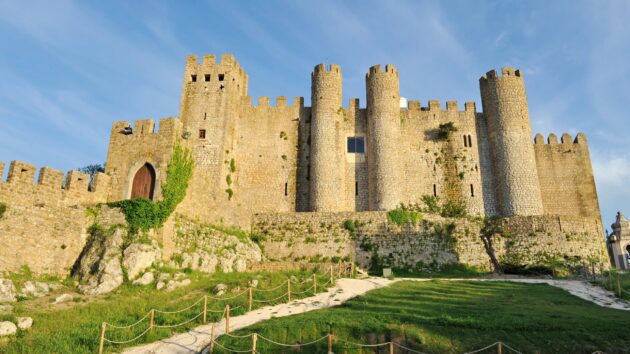
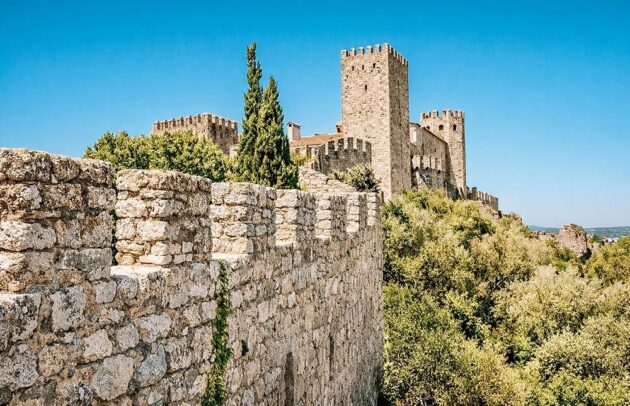
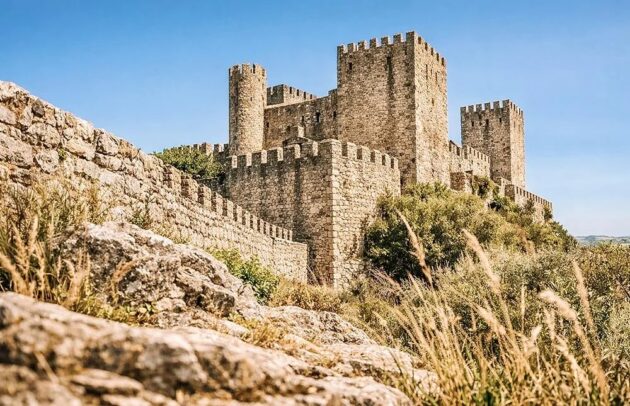
Óbidos is one of Portugal’s most enchanting medieval villages, located about 80–85 km north of Lisbon on the Silver Coast (Costa de Prata). The star attraction is the Castelo de Óbidos, a well-preserved 12th-century fortress perched on a hill, surrounded by nearly 1.5 km of imposing stone walls that encircle the entire whitewashed town. Often called a “fairytale village,” Óbidos combines history, romance, stunning views, and charming streets lined with flower-adorned houses, artisan shops, and churches.
A Brief History
The site dates back to Roman times (Eburobrittium), but the current castle and walls largely reflect Moorish fortifications from the 8th century. It was conquered by King Afonso I in 1148. Over the centuries, Portuguese kings expanded it, turning parts into a royal palace. In 1282, King Dinis gifted the town to his queen, Isabel, establishing a tradition where Óbidos belonged to Portuguese queens (“Vila das Rainhas”) for nearly 600 years.
The castle suffered damage in the 1755 earthquake but was restored in the 20th century. Today, the main palace building operates as the luxury Pousada Castelo de Óbidos, a historic hotel. The village and walls are a National Monument.
Top Things to Do
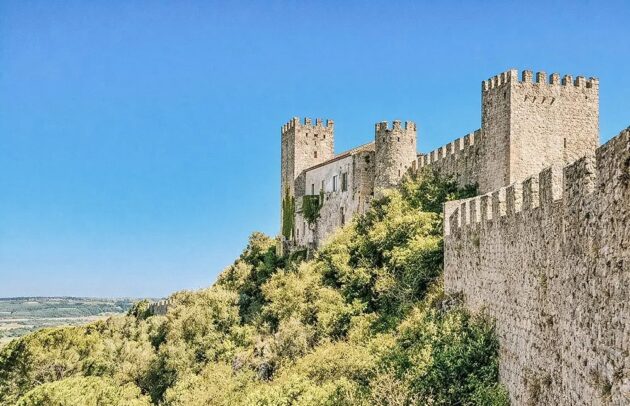
Walk the Medieval Walls: The highlight for most visitors. Stroll the 1.5 km ramparts (about 13m high in places) for panoramic views over red-tiled roofs, rolling countryside, vineyards, and distant Óbidos Lagoon. No handrails in many sections—wear sturdy shoes, go slowly, and avoid with young children or if you have vertigo. Best at sunrise, early morning, or sunset for fewer crowds and golden light.
Explore Castelo de Óbidos: Wander the castle grounds, courtyards, terraces, and “Old Arms Square” (Praça de Armas) behind the castle for views. The interior is a private pousada, but you can often access public areas. For a deeper experience, stay overnight or dine at the restaurant.
Wander the Walled Village: Enter through the grand Porta da Vila (with beautiful azulejo tiles and a chapel). Stroll Rua Direita, the main street, filled with shops selling ceramics, handicrafts, and souvenirs. Discover narrow alleys, flower-filled courtyards, and hidden squares.
Visit Churches and Museums: Igreja de Santa Maria (free) — features azulejos and works by local artist Josefa de Óbidos. Museu Municipal de Óbidos (small fee, ~€2) for local history.
Taste Ginjinha de Óbidos: The town’s signature sour cherry liqueur, traditionally served in edible chocolate cups. Try it at various bars and shops—highly recommended!
Other Attractions: Nearby Óbidos Lagoon for nature walks, the aqueduct, or bookshops (Óbidos is a UNESCO City of Literature).
Best Time to Visit
Spring (April–June) and Autumn (September–October): Mild weather, blooming flowers or golden light, and fewer crowds.
Early morning or late afternoon: Avoid midday tour buses.
Summer: Busy but festive (medieval fairs).
Winter: Quiet and magical, especially for the Christmas Village (Vila Natal).
Major events include the International Chocolate Festival (March/April) and medieval festivals in summer.
How to Get There
From Lisbon: ~1 hour by car via A8 motorway. Buses (Rede Expressos) from Campo Grande or Sete Rios take ~1–1.5 hours.
Parking: Paid lots (€2–3) outside the walls—cars are restricted inside.
Ideal as a day trip or combined with Nazaré, Batalha, or Fátima.
Where to Stay
Pousada Castelo de Óbidos: Sleep inside the castle—romantic, historic rooms with stone walls and views. Rates ~€250–€360/night (higher in peak season). Breakfast and restaurant on site.
Guesthouses and boutique hotels inside the walls for charm.
Options outside the walls for easier parking and lower prices.
Overnight stays are highly recommended to experience the village after day-trippers leave.
Where to Eat
Try regional Portuguese dishes: caldeirada (fish stew), leitão (roast suckling pig), fresh seafood, and pastéis de nata.
Local taverns for casual meals (€15–20/person); the pousada restaurant for a splurge with ambiance.
Don’t miss ginjinha and local wines.
Practical Tips
Entry: Free to the village, walls, and castle exterior/grounds. No general castle tickets needed.
Duration: 4–6 hours for a day trip; 1–2 days to relax.
Accessibility: Cobblestones and steep walls—challenging for mobility issues.
Safety: Watch steps on walls; secure cameras and belongings.
Tourist Office: Near the main gate for maps and info.
Final Thoughts
Óbidos feels like stepping into a storybook. Whether for a romantic getaway, photography, history, or a quick escape from Lisbon, Castelo de Óbidos and its village deliver unforgettable medieval charm. Pack comfortable shoes, arrive early, and savor the slow pace of this Portuguese gem!