
Lagos Travel Guide (2026)
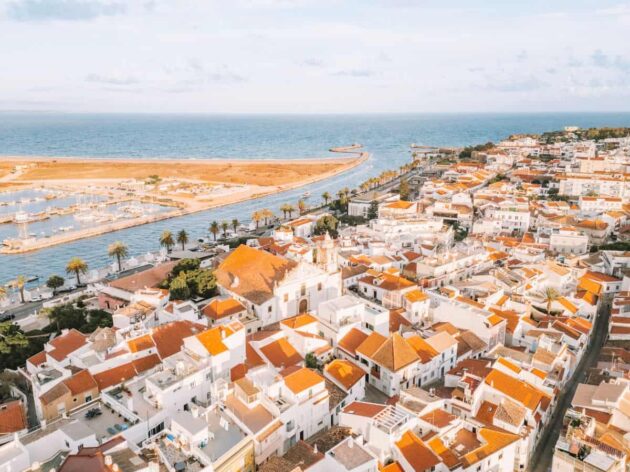
Lagos, located in the western Algarve, is one of Portugal’s most captivating coastal towns. It perfectly blends dramatic golden cliffs, stunning beaches, a charming historic old town, and excellent water activities. With its lively yet relaxed atmosphere, Lagos serves as an ideal base for exploring the Algarve’s western highlights.
Why Visit Lagos?
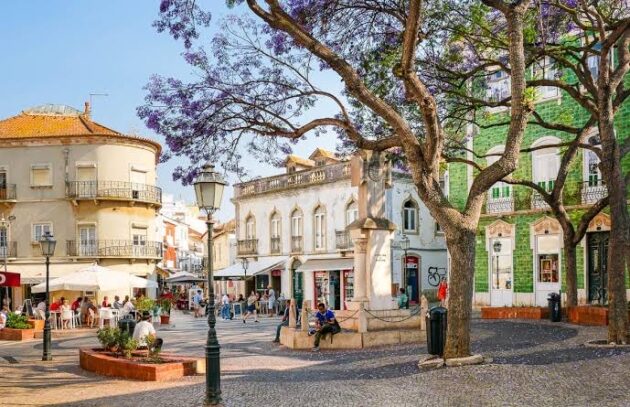
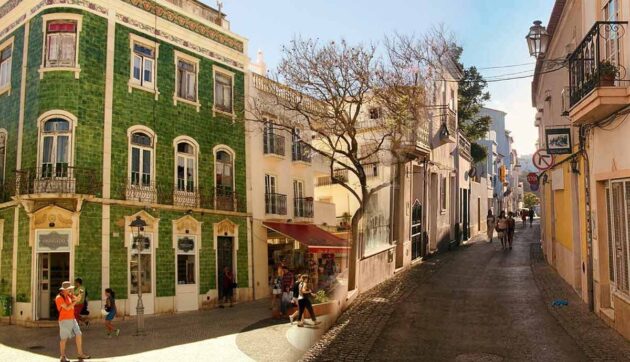
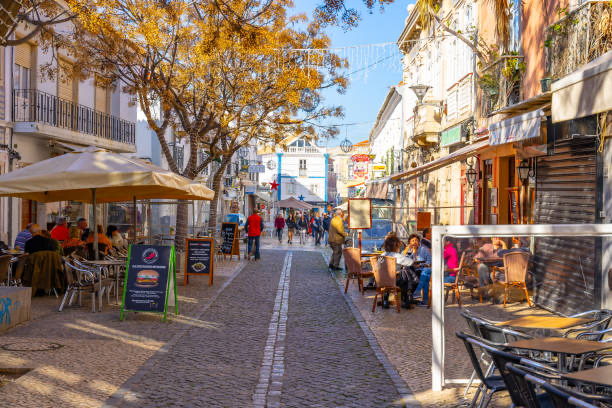
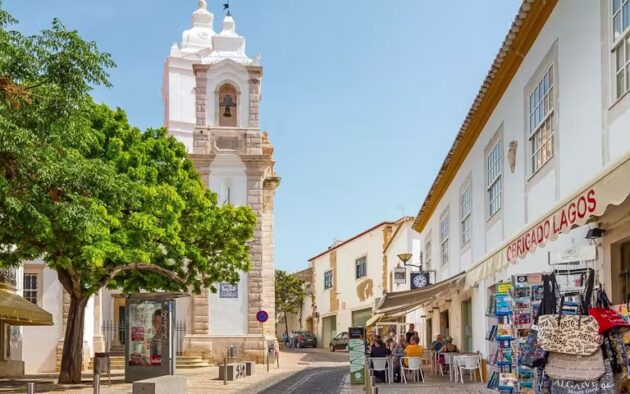
Lagos stands out for its mix of natural beauty and history. The town features one of the Algarve’s most picturesque coastlines, with limestone cliffs, sea caves, and golden sands. Its compact, walkable old town retains authentic Portuguese charm with cobbled streets, whitewashed buildings, churches, and lively squares. It’s a great spot for beach lovers, history buffs, and adventure seekers alike.
Top Attractions & Things to Do
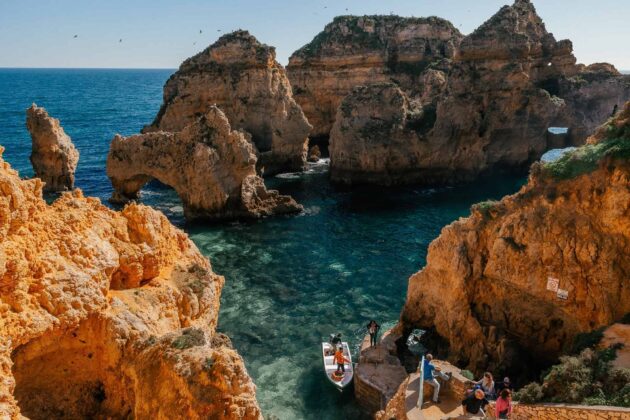
Ponta da Piedade
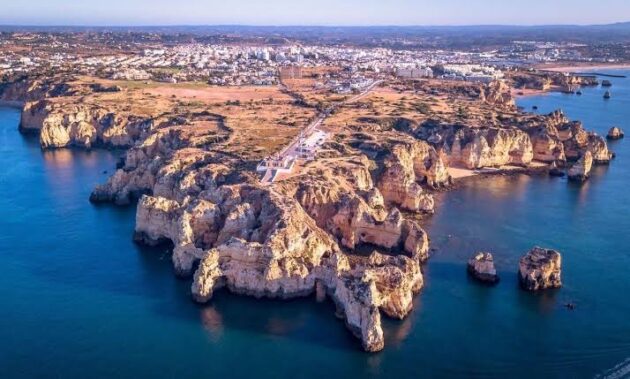
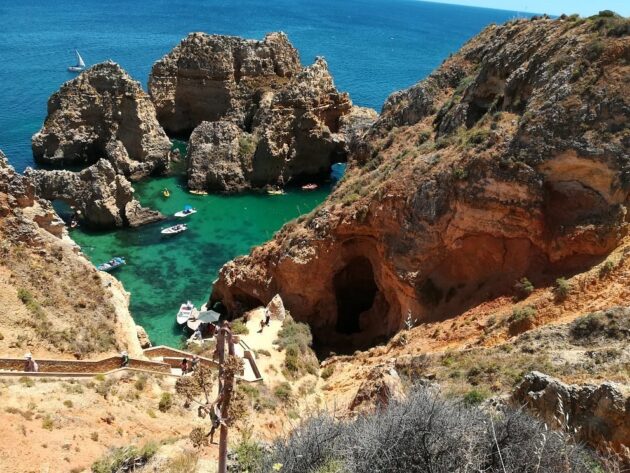
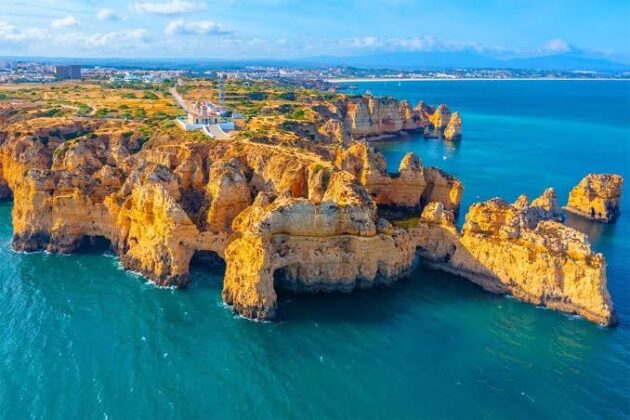
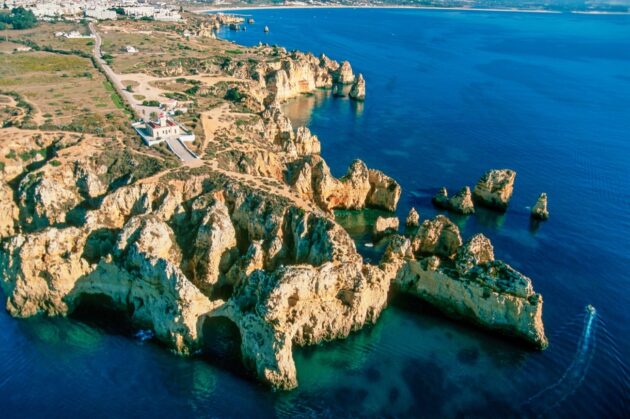
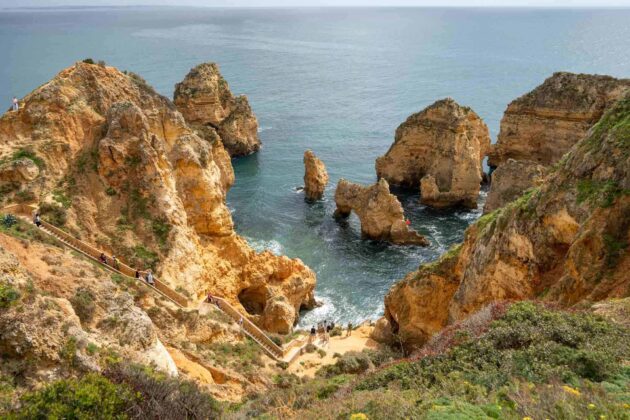
Ponta da Piedade (Point of Mercy) is one of the most spectacular coastal landmarks in the Algarve. This dramatic headland near Lagos features golden limestone cliffs, sea arches, caves, grottoes, and turquoise waters sculpted by the Atlantic. It’s a paradise for hikers, photographers, and boat enthusiasts, offering some of Portugal’s most postcard-perfect scenery.
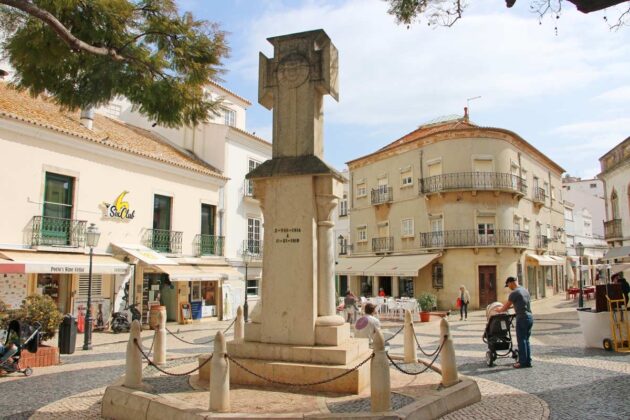
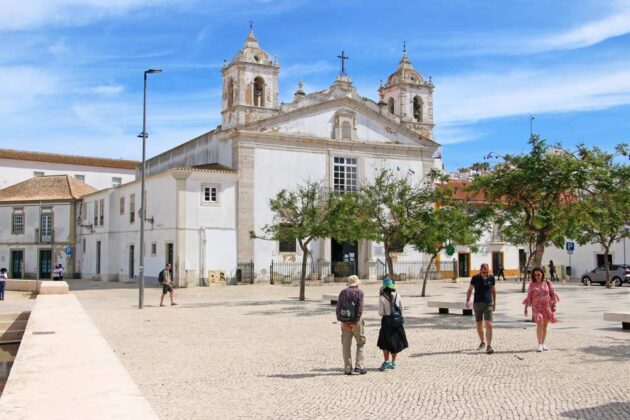
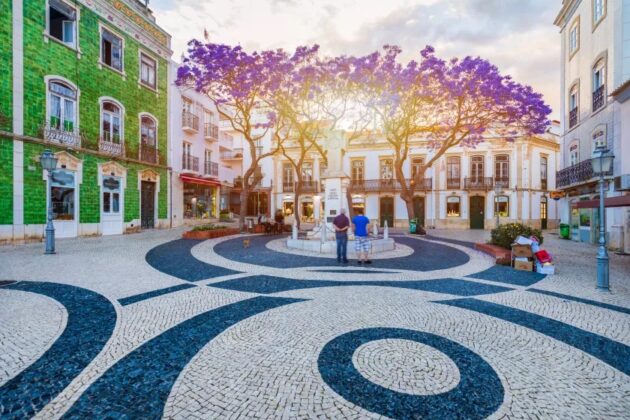
Historic Old Town
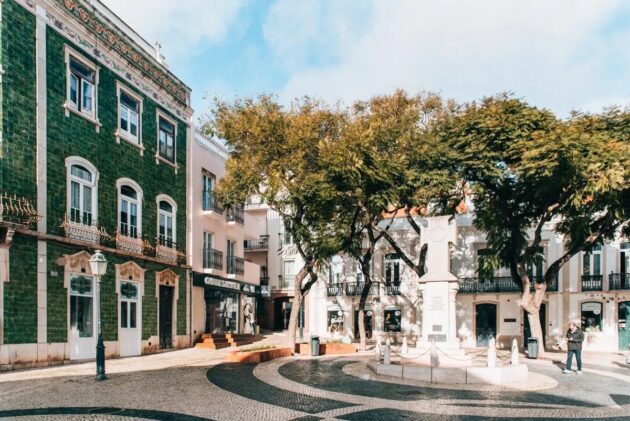
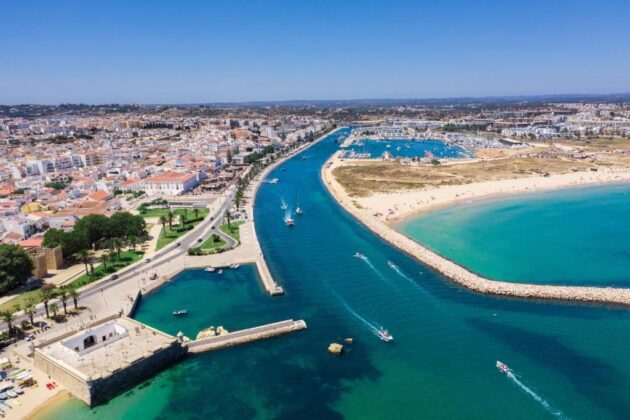
Lagos Historic Old Town is a charming, walled medieval quarter in the heart of Lagos, one of the Algarve’s most popular destinations. With its cobbled streets, whitewashed buildings, historic monuments, and proximity to stunning beaches and dramatic cliffs, it perfectly blends history, culture, and coastal beauty. Lagos played a key role in Portugal’s Age of Discovery in the 15th century and remains a vibrant base for exploring the western Algarve.
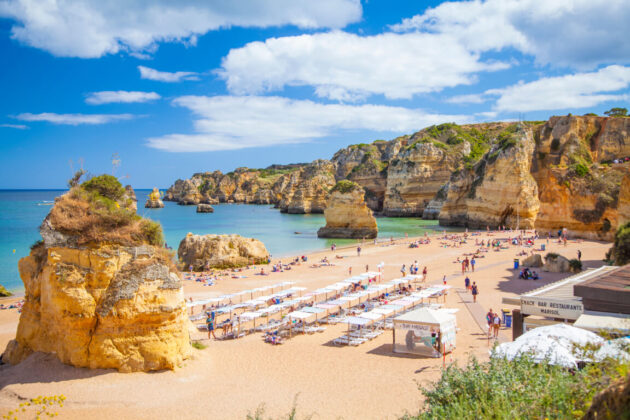
Praia da Dona Ana
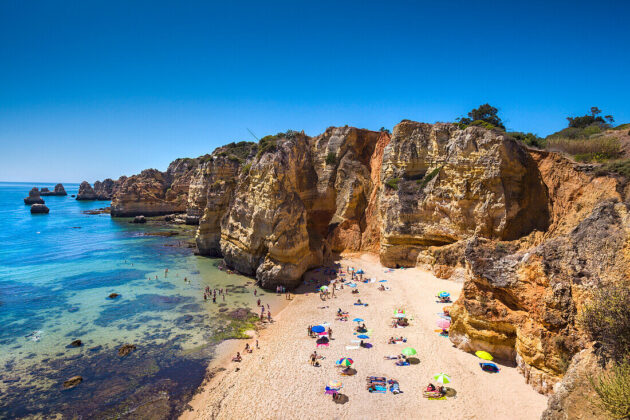
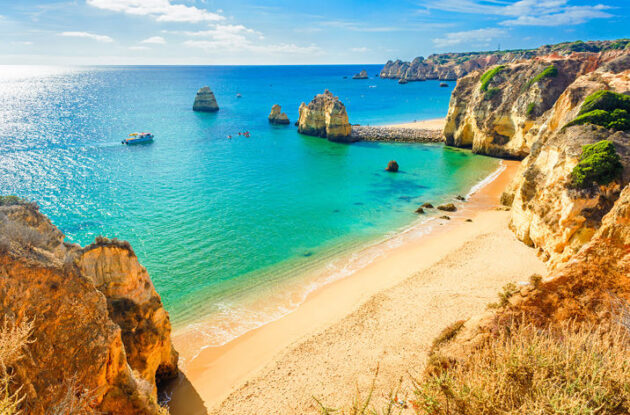
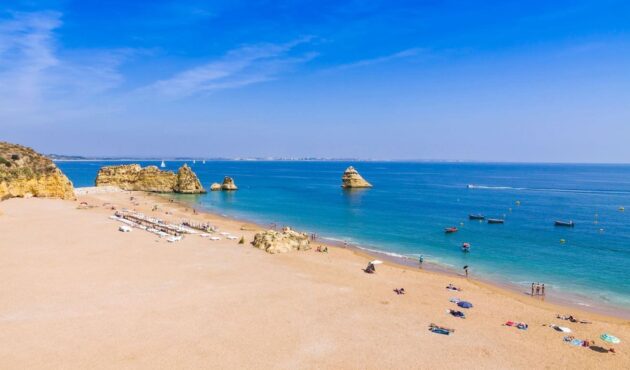
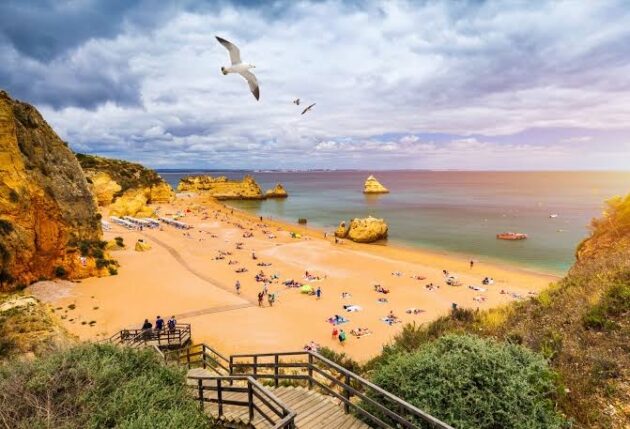
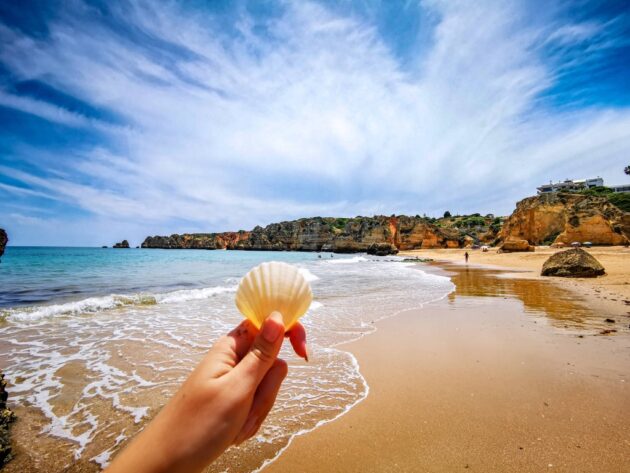
Praia da Dona Ana is one of the most iconic and picturesque beaches in the Algarve, often featured in postcards and travel guides for its dramatic golden limestone cliffs, turquoise waters, and soft golden sand. Located just south of the historic town of Lagos, it combines natural beauty with convenient access, making it a favorite for families, couples, photographers, and beachgoers.
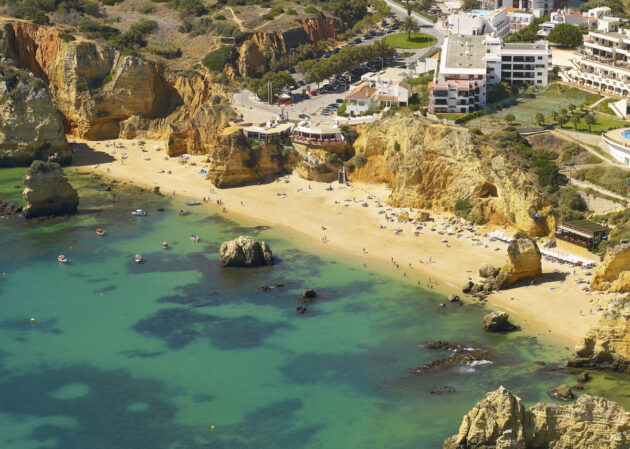
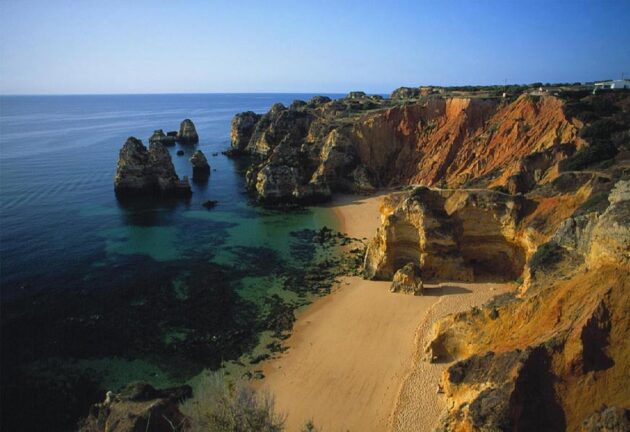
Praia do Camilo
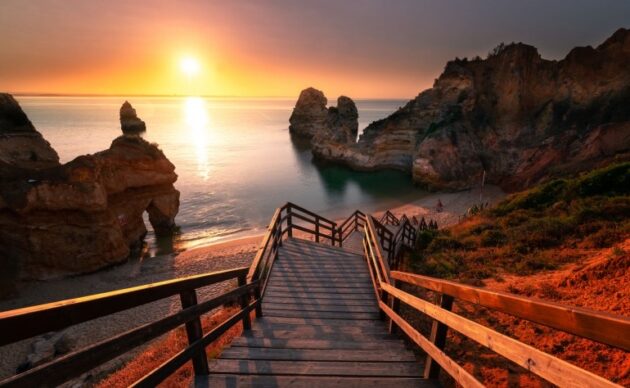
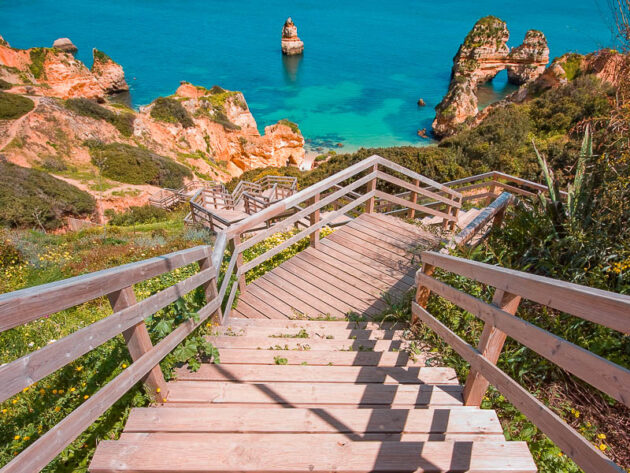
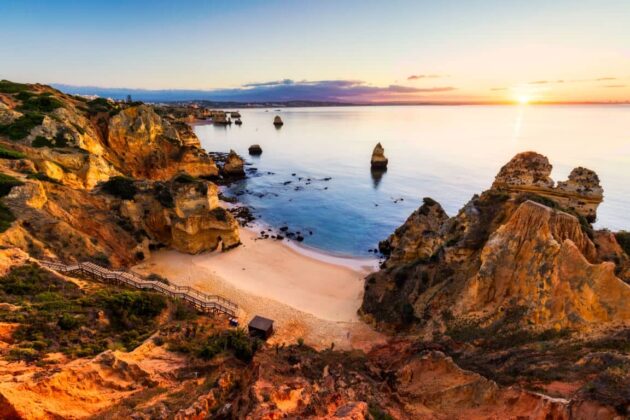
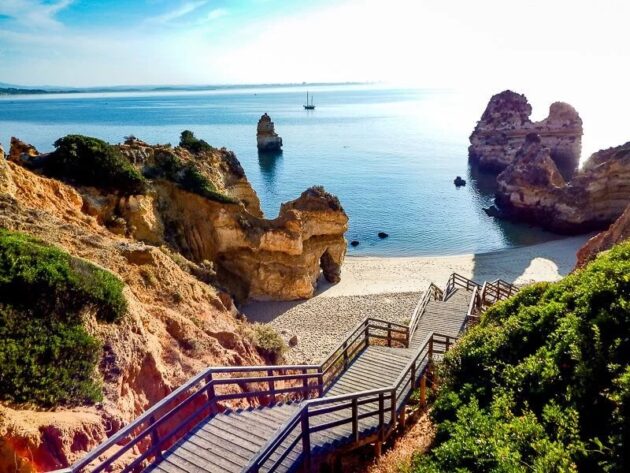
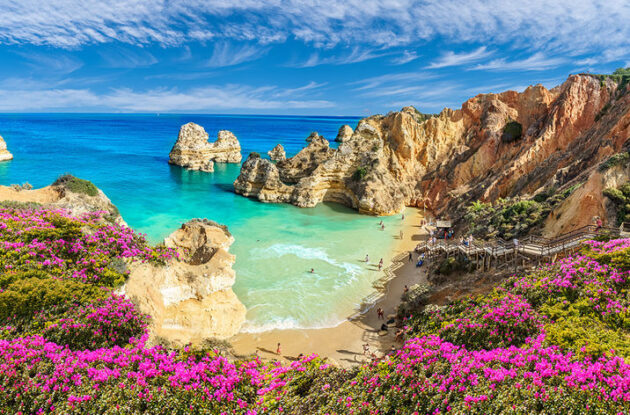
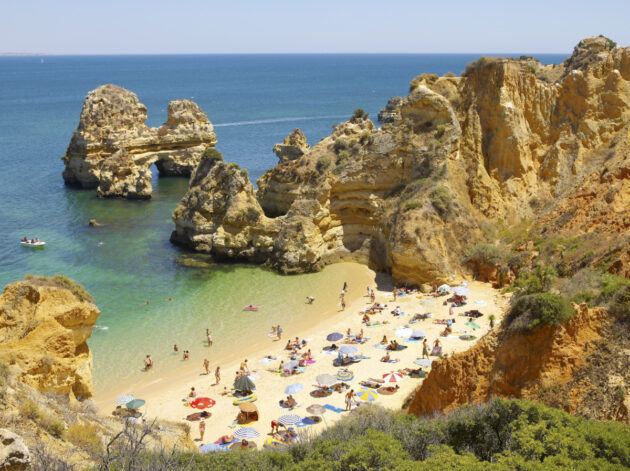
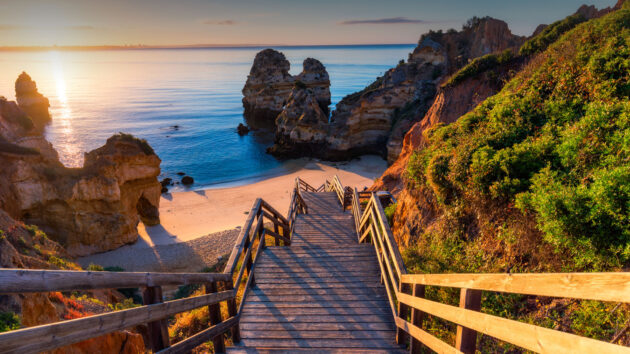
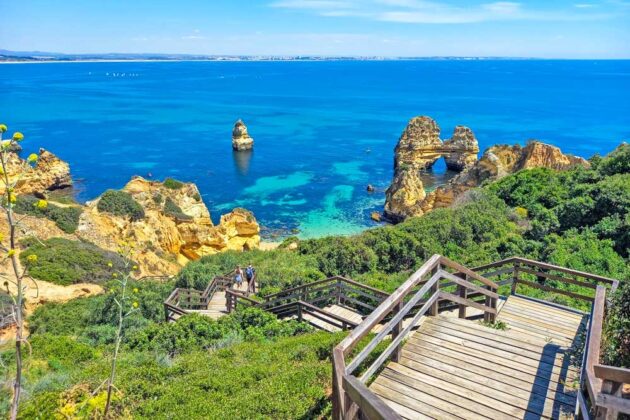
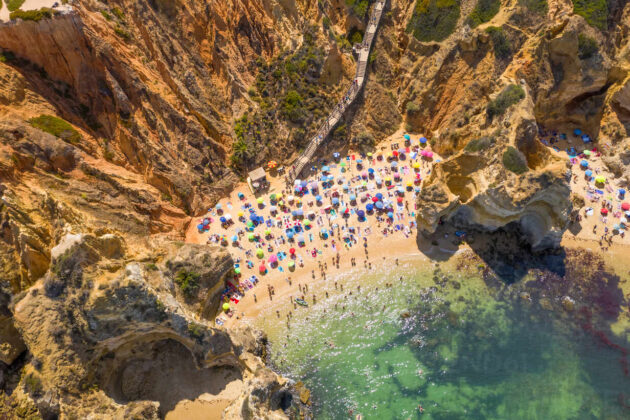
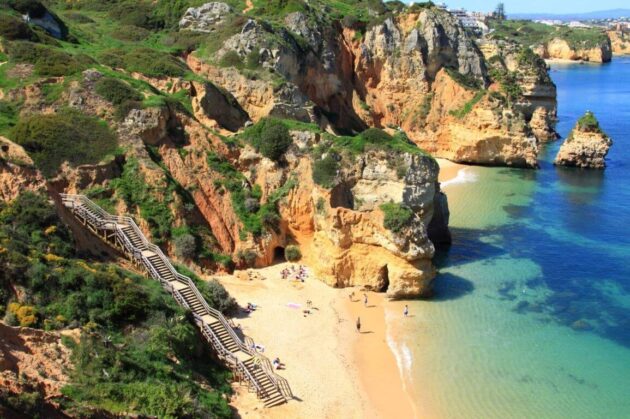
Praia do Camilo is one of the most picturesque and iconic beaches in the Algarve. Tucked between towering golden-ochre cliffs, this small, sheltered cove offers crystal-clear turquoise waters, dramatic rock formations, and one of the most photogenic descents in Portugal: a long wooden staircase zigzagging down the cliff face.
Meia Praia
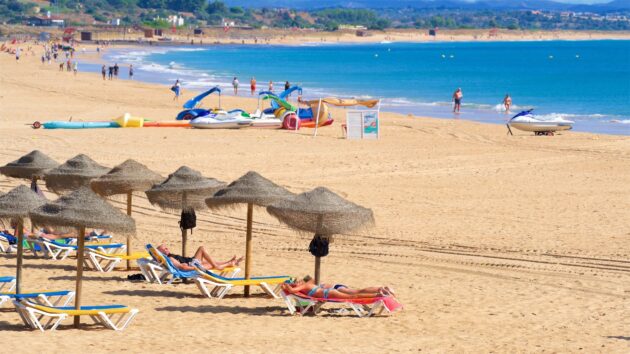
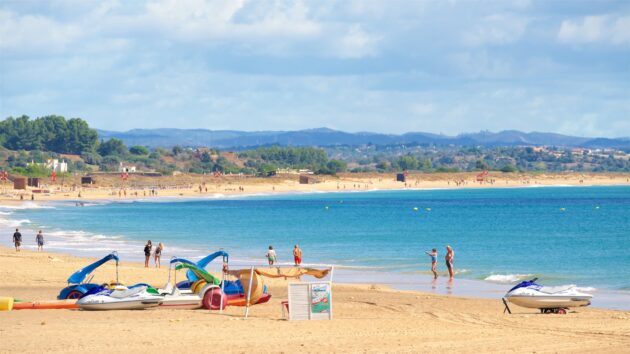
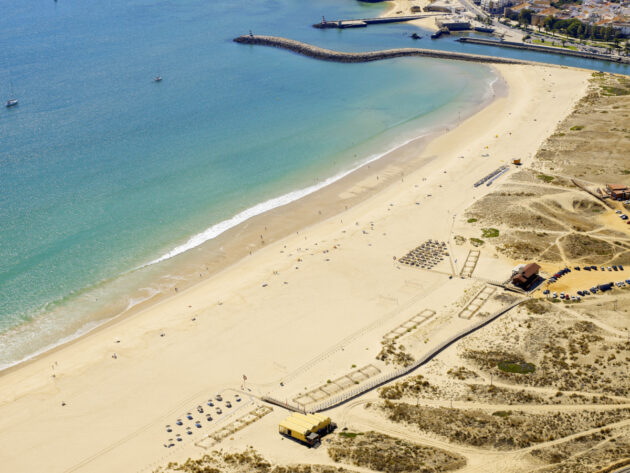
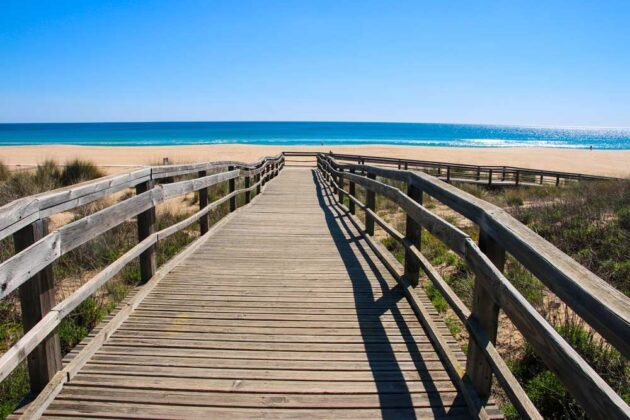
Meia Praia (meaning “Half Beach”) is one of the longest and most spacious beaches in the Algarve, stretching approximately 4–4.5 km of golden sand from the Lagos marina area eastward toward the Ria de Alvor estuary. It offers a relaxed, family-friendly vibe with calm, shallow waters, excellent water sports opportunities, and plenty of room even in peak season—unlike the more compact cliff-backed coves elsewhere in Lagos.
Praia do Porto de Mós
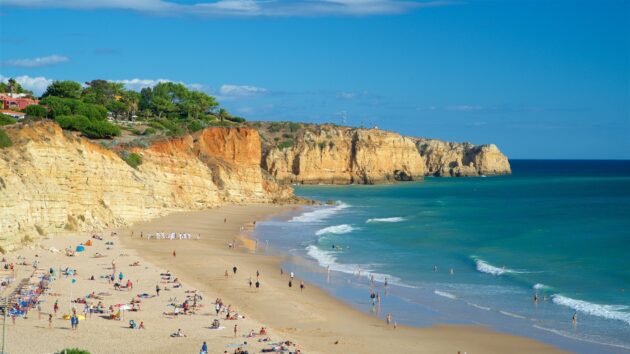
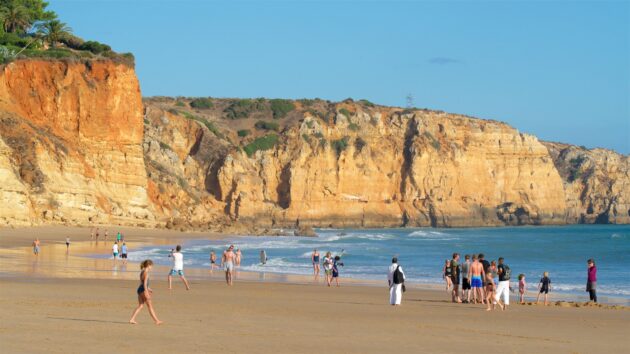
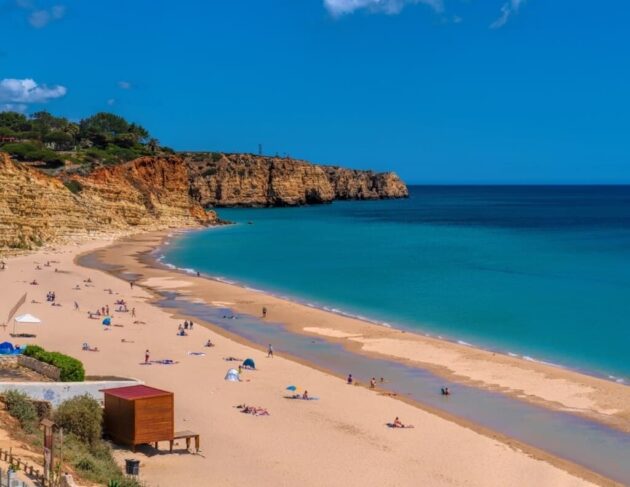
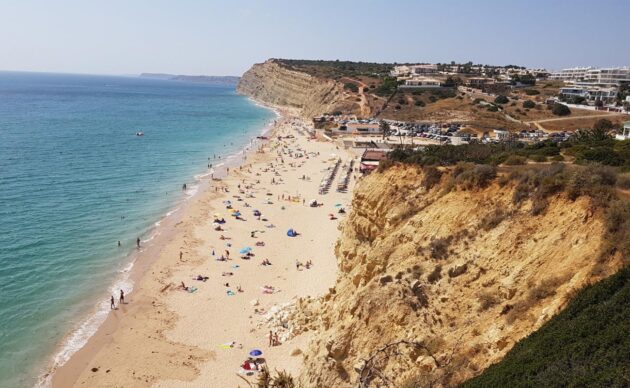
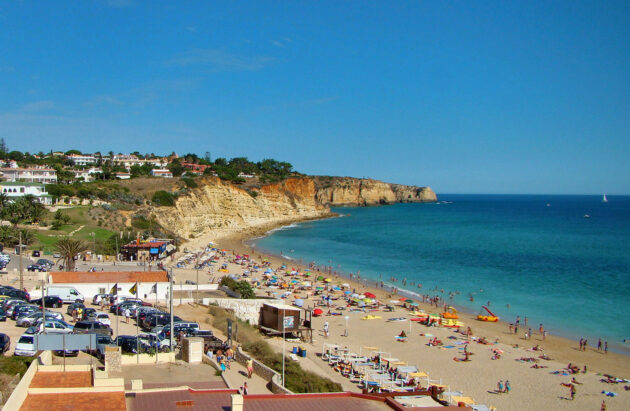
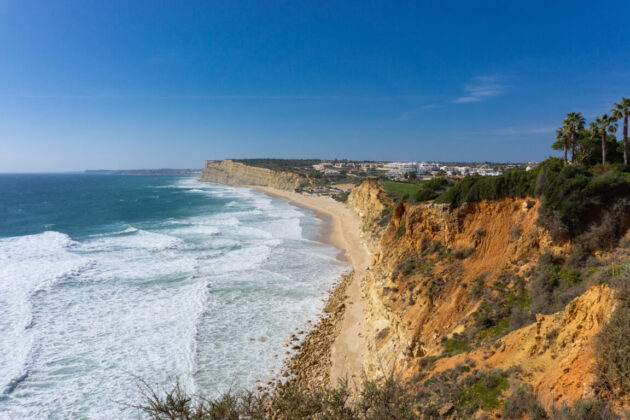
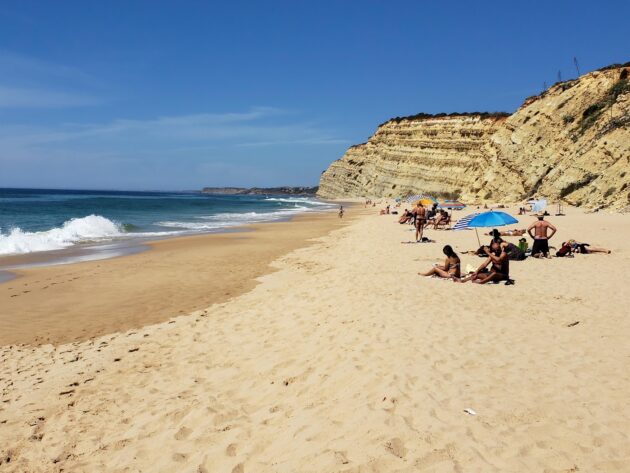
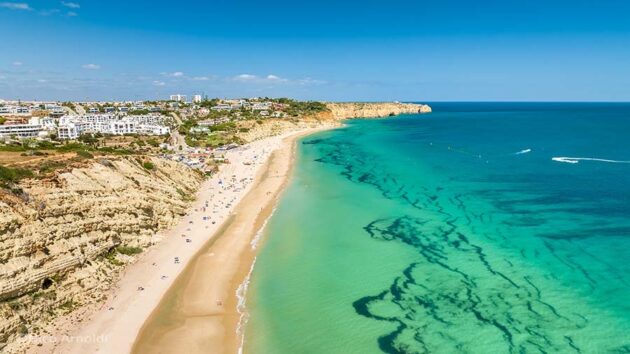
Praia do Porto de Mós is one of the best beaches near Lagos in Portugal’s Algarve region. It offers a long stretch of golden sand, dramatic cliffs, and Atlantic waves. As Lagos’ second-longest beach (after Meia Praia), it provides plenty of space even in peak summer, making it ideal for families, surfers, and those seeking a less crowded alternative to the town’s famous cove beaches.
Benagil Cave
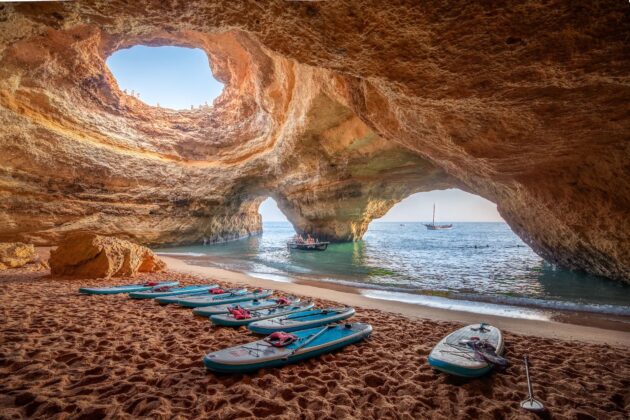
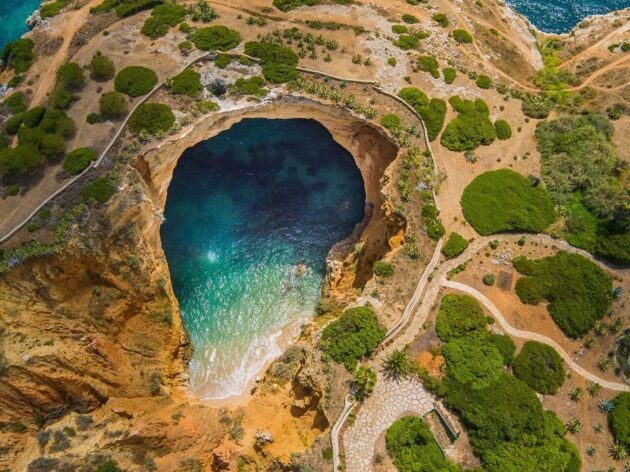
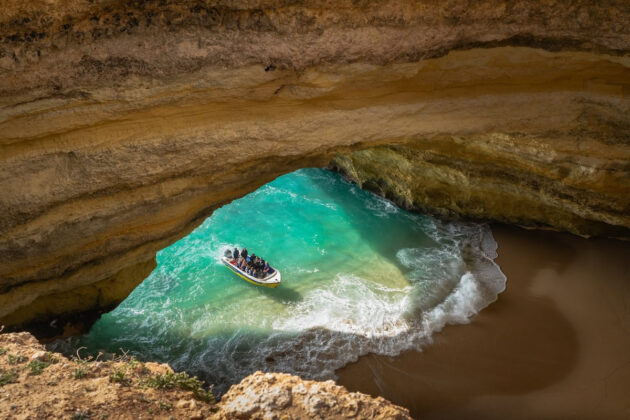
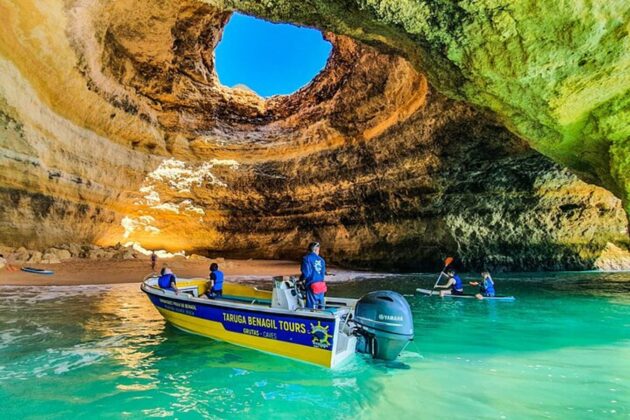
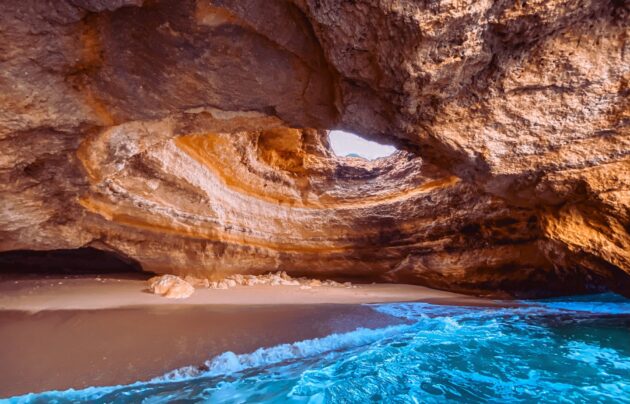
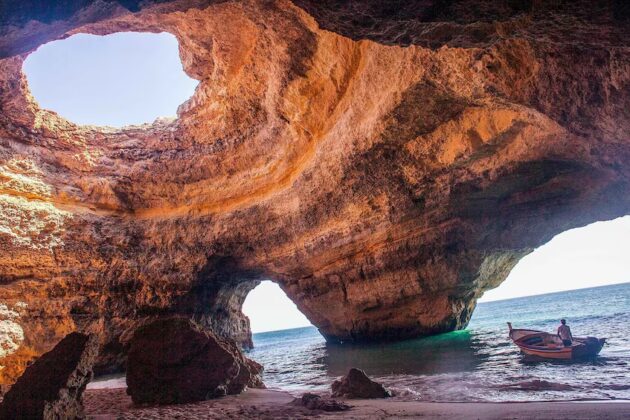
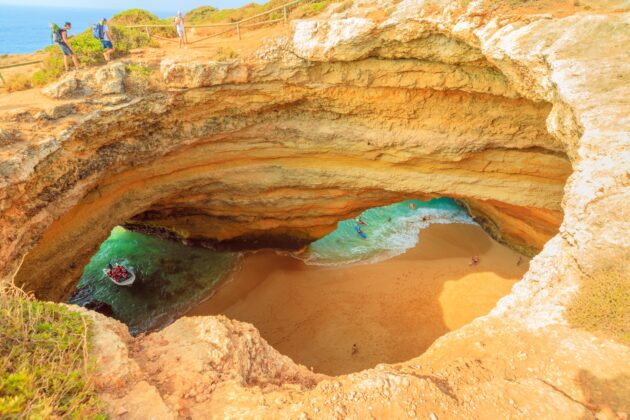
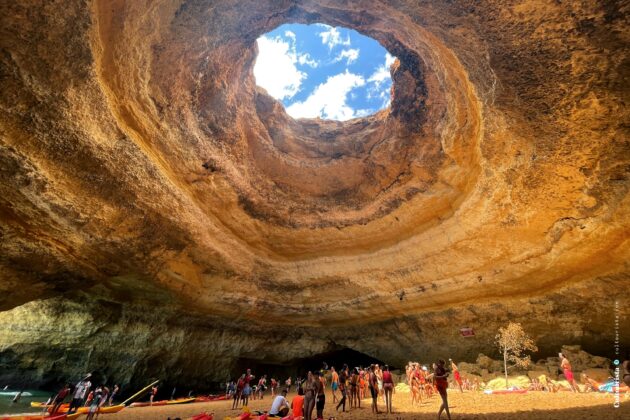
Benagil Cave, also known as Algar de Benagil, is one of the most iconic and photographed natural wonders in the Algarve region of Portugal. This stunning sea cave features a massive domed interior carved from golden limestone, with a circular skylight (often called “the eye”) in the roof that beams sunlight onto a small sandy beach inside.
Sagres Fortress
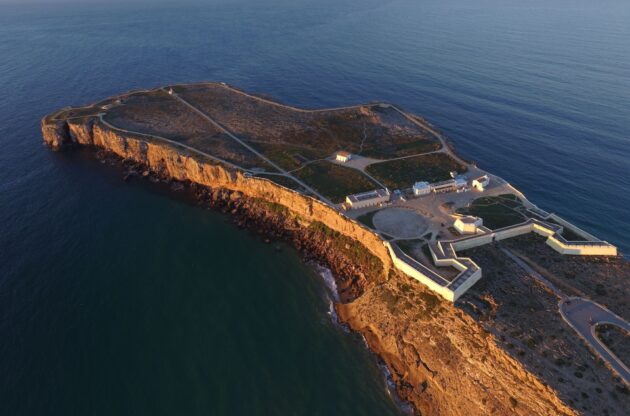
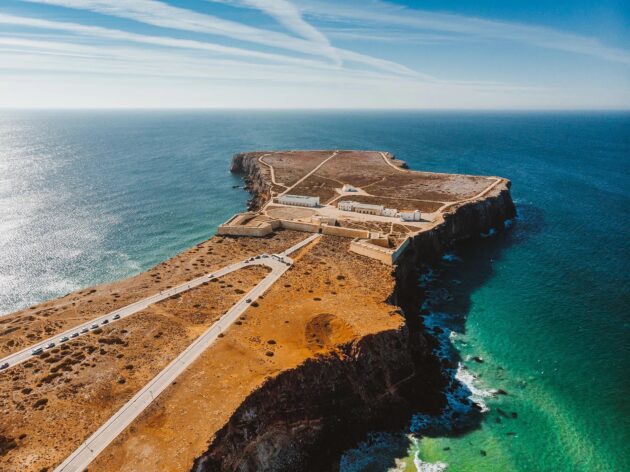
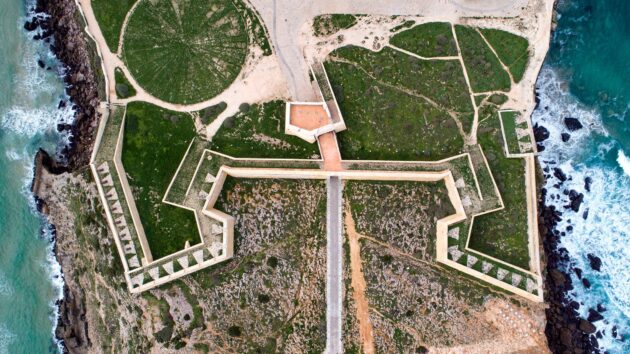
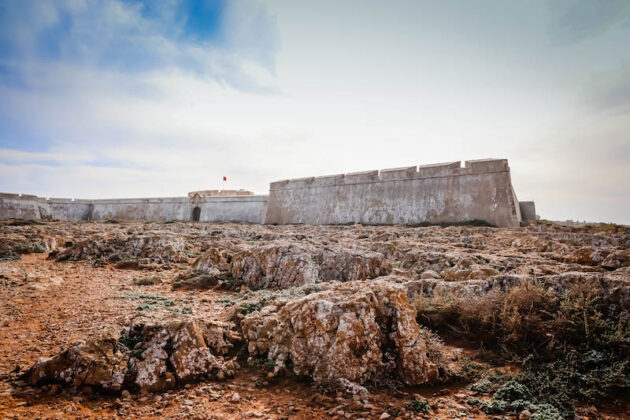
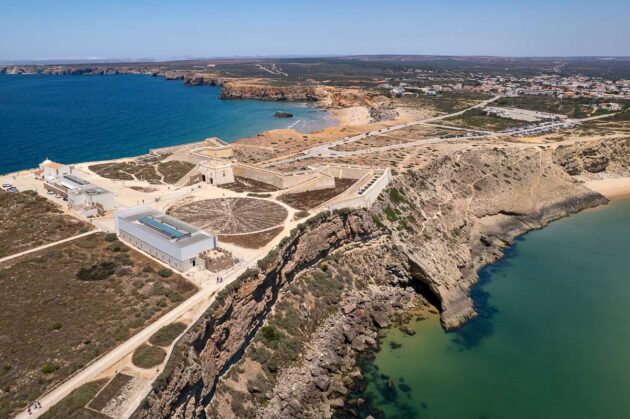
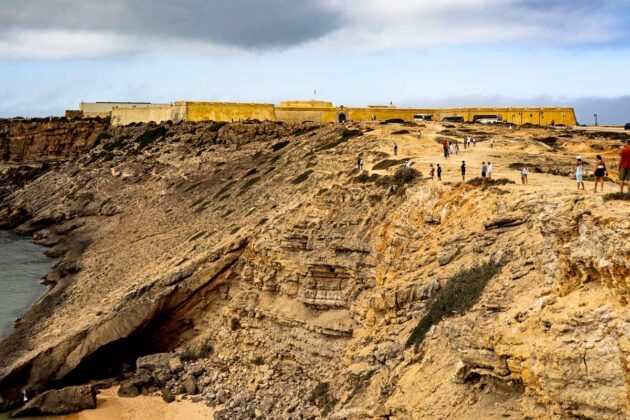
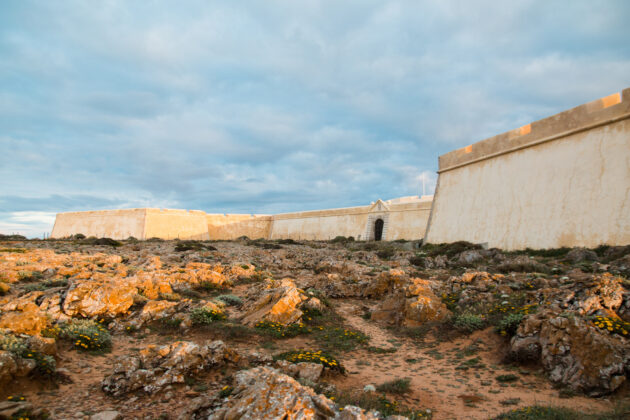
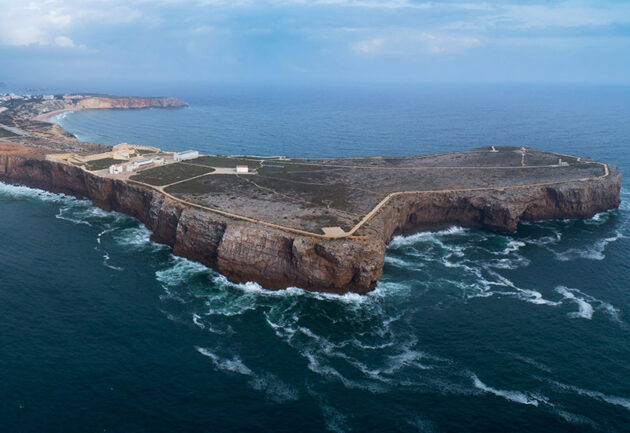
Sagres Fortress, perched on a dramatic windswept promontory at the southwestern tip of Europe, is one of the Algarve’s most iconic historical sites. Closely linked to Prince Henry the Navigator (Infante Dom Henrique) and Portugal’s Age of Discoveries, it offers stunning clifftop views, a mysterious giant compass rose, and a sense of standing at the edge of the known world.
Practical Information
Best Time to Visit: May–June or September for pleasant weather and fewer crowds. July–August is peak season (busier and hotter). Winters are mild but can be windy.
Getting There:
Train: Direct connections from Faro, Lisbon, and other Algarve towns.
Bus: Frequent services via Rede Expressos or local operators.
Car: Easy access via the A22 motorway; parking can be limited in the old town.
Airport: Faro Airport (about 1 hour away) with shuttles or rentals.
Getting Around: Most sights are walkable. Use local buses (Onda), the tourist train, taxis/Uber, or rent a bike/car for flexibility.
Where to Stay & Eat
Stay: Old Town for atmosphere, or near the marina/beaches for convenience. Options range from boutique guesthouses to resorts.
Dining: Fresh seafood, cataplana, grilled sardines, and local wines. Try the market (Mercado Municipal) for fresh produce. Don’t miss oysters or regional sweets.
Visitor Tips
Book boat tours in advance during peak season.
Wear comfortable shoes for cliff walks and staircases to beaches.
Check tide times for smaller coves (some beaches shrink at high tide).
Respect the environment: Stick to paths to protect fragile cliffs.
Combine Lagos with a longer Algarve itinerary for variety.
Final Thoughts
Lagos offers the perfect mix of relaxation, adventure, and culture. Whether you’re cliff-walking at Ponta da Piedade, soaking up the sun on golden beaches, or exploring historic streets, it’s a highlight of any Portugal trip. Plan for at least 3–5 days to fully enjoy it! Safe travels!