
Lisbon Cathedral (Sé de Lisboa) Travel Guide (2026)
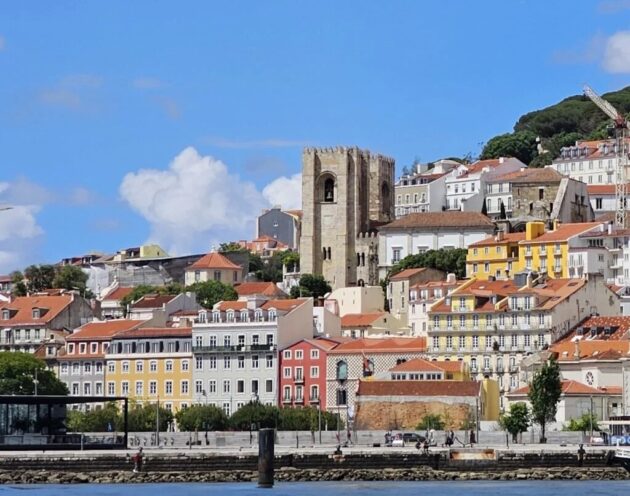
Lisbon Cathedral, also known as Sé de Lisboa or the Cathedral of Saint Mary Major, is the oldest church in Lisbon and one of its most iconic landmarks. Located in the historic Alfama district, this fortress-like Romanesque structure dates back to 1147. It was built shortly after King Afonso Henriques and Christian Crusaders (including English forces led by Gilbert of Hastings) reconquered the city from the Moors during the Second Crusade.
Constructed on the site of a former mosque, it has endured centuries of earthquakes, renovations, and stylistic evolutions, blending Romanesque, Gothic, and Baroque elements. Classified as a National Monument since 1910, the cathedral serves as the seat of the Patriarchate of Lisbon and remains an active place of worship while welcoming visitors.
Highlights and What to See
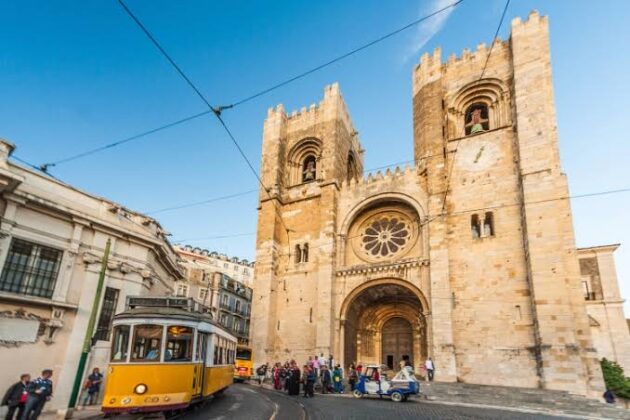
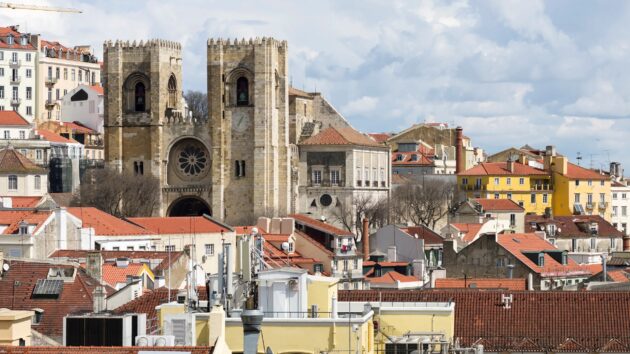
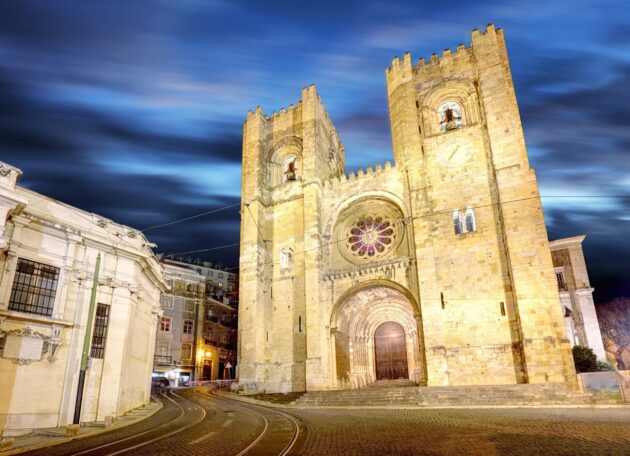
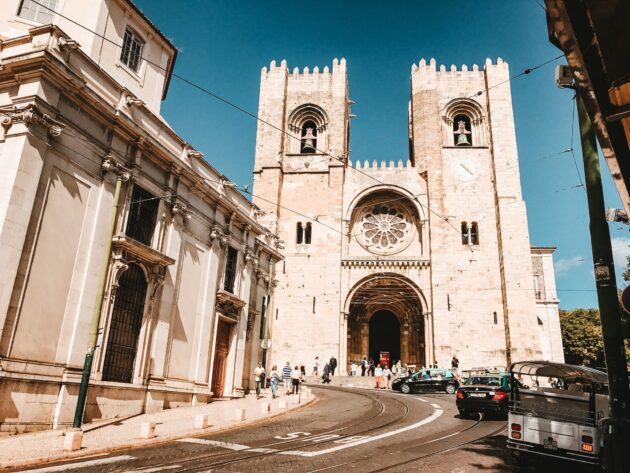
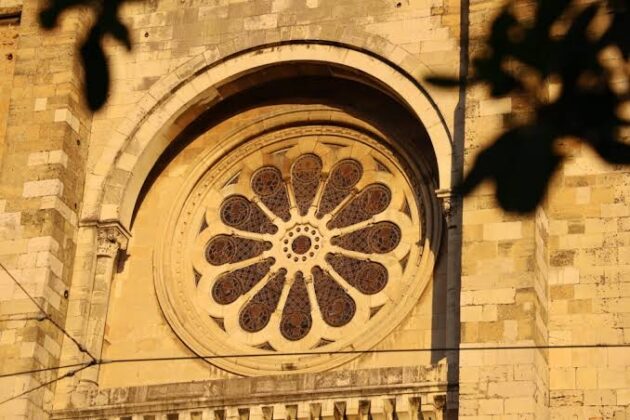
Exterior: The imposing twin crenellated towers and large rose window give it a castle-like appearance, reflecting its defensive origins in a turbulent era.
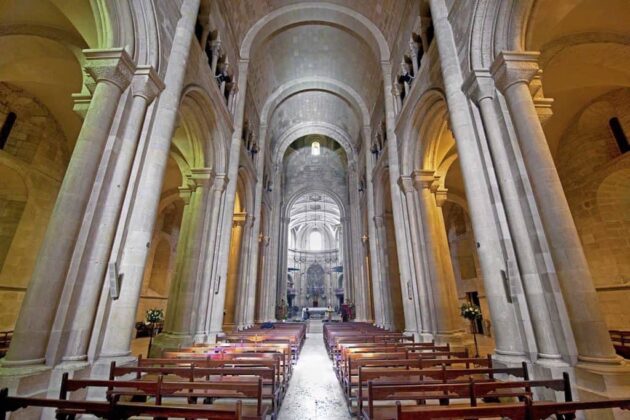
Interior: The main nave features a mix of styles. Look for the 18th-century Baroque chancel, a nativity scene by sculptor Machado de Castro (1766), and the baptismal font where Saint Anthony of Padua (Lisbon’s patron saint) was baptized in 1195.
Gothic Cloister: A major highlight with archaeological excavations revealing Roman, Visigothic, and Moorish foundations. It’s one of the most atmospheric parts of the visit.
High Choir: Climb up for panoramic views over the nave, the impressive rose window (depicting Christ and the Apostles), and the city.
Treasury (Tesouro da Sé): Houses valuable religious artifacts, including the ornate 18th-century Patriarchal Monstrance made with gold and precious stones, relics of Saint Vincent (Lisbon’s patron), vestments, and other liturgical items.
The cathedral tells the story of over 800 years of Portuguese history, from the Reconquista to the devastating 1755 earthquake and subsequent restorations.
Practical Visiting Information
Address: Largo da Sé, 1100-585 Lisboa, Portugal.
Opening Hours (Tourist Visits, Monday–Saturday; closed Sundays and Holy Days, including Christmas and New Year’s Day): November to May: 10:00 AM – 6:00 PM; June to October: 9:30 AM – 7:00 PM (some sources note slight variations by day). Last entry is typically 45 minutes before closing. A prayer/worship area is accessible for free separately from the tourist route.
Tickets: Adult: €7 (includes High Choir, Treasury, naves, ambulatory, and cloister); Children 7–12: €5; Children under 7: Free; Lisboa Card: Discount (often 20% or reduced rate); Optional Sé Digital Supplement (audio guide with AI): +€3.
Tickets support the cathedral’s maintenance. You can often buy them on-site or online in advance for convenience.
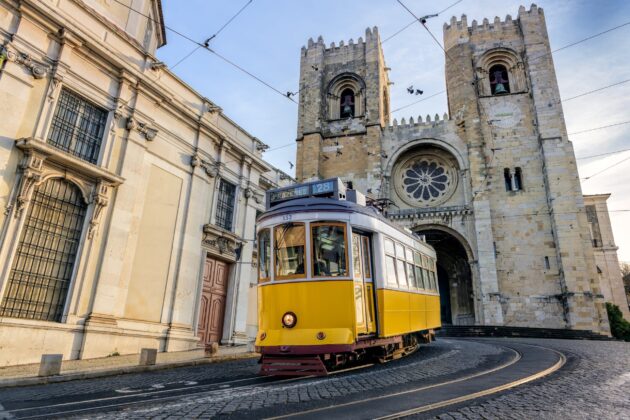
Best Time to Visit: Early morning (right at opening) to avoid crowds, especially in summer. Weekdays are quieter than weekends. Combine with a ride on iconic Tram 28, which stops nearby.
How to Get There
Tram: Tram 28E or 12E — get off at the Sé stop (very convenient but can be crowded).
Metro: Baixa-Chiado or Terreiro do Paço station, then a short uphill walk (5–10 minutes).
Bus: Line 37 or others stopping nearby.
On Foot: Easy 5–15 minute walk from Praça do Comércio (Baixa) or other central areas. The cathedral is perfectly positioned for exploring Alfama.
Wear comfortable shoes for the cobblestones and any climbing inside.
Tips for Visitors
Dress modestly (shoulders and knees covered) as it’s a religious site.
The main nave may have free access for a quick look, but the full experience (cloister, choir, treasury) requires a ticket.
Photography is generally allowed (no flash in sensitive areas).
Combine with nearby sites: Church of Saint Anthony (next door, birthplace of the saint), São Jorge Castle (up the hill), Aljube Museum, or wander Alfama’s streets.
Check the official website (sedelisboa.pt) for any updates on hours, masses, or special events.
Nearby Attractions and Day Plan
The Sé is an ideal starting point for an Alfama day: Visit the Cathedral. Explore the Church of Saint Anthony and its museum. Hike or take the tram toward São Jorge Castle for views.
Wander downhill through Alfama’s narrow streets, stopping at viewpoints (miradouros), fado spots, or traditional eateries.
Final Thoughts
Lisbon Cathedral offers a peaceful, historically rich contrast to the city’s busier tourist hubs. Whether you’re interested in architecture, religion, or Portuguese history, it’s a must-visit that captures the soul of Lisbon.
Enjoy your visit! For the latest details, visit the official site or check current conditions before going.