
Madeira Travel Guide (2026)
Madeira, often called the “Pearl of the Atlantic,” is a Portuguese archipelago known for its dramatic volcanic landscapes, lush levada trails, stunning cliffs, and mild subtropical climate. Located about 900 km southwest of mainland Portugal, this island offers a perfect mix of adventure, nature, culture, and relaxation. Whether you’re a hiker, foodie, or beach lover, Madeira delivers unforgettable experiences year-round.
Best Time to Visit
Madeira enjoys a mild climate thanks to the Gulf Stream, with temperatures rarely extreme.
Spring (March–May): Ideal for hiking and wildflowers in bloom. Pleasant temperatures and fewer crowds.
Summer (June–September): Warmest and sunniest, great for swimming and water activities (around 23–26°C).
Autumn (September–October): Still warm with fewer tourists.
Winter (November–February): Milder than mainland Europe, excellent for escaping cold weather, though expect more rain, especially in the north. Perfect for indoor activities like wine tasting.
Pack layers, a rain jacket, and sturdy hiking shoes regardless of season, as weather can change quickly between microclimates.
How to Get There
By Air: Fly into Cristiano Ronaldo Madeira International Airport (FNC) in Santa Cruz, about 20–30 minutes from Funchal. Direct flights from major European cities (Lisbon is just 90 minutes away).
Transportation from Airport: Taxis, buses, or pre-booked transfers. Renting a car at the airport is highly recommended for flexibility.
Pro Tip: Driving in Madeira involves winding roads, steep hills, and many tunnels. Opt for an automatic transmission if possible, and be cautious of fog and narrow mountain roads.
Getting Around
Rental Car: The best way to explore independently. Companies like Europcar, Sixt, and local options are available.
Public Transport: Buses (Horários do Funchal) cover main routes but are less convenient for remote areas.
Taxis/Uber: Available but pricier for longer trips.
Tours: Organized day trips are great for hiking or boat excursions if you prefer not to drive.
Top Things to Do
Hike the Levadas and Mountain Trails
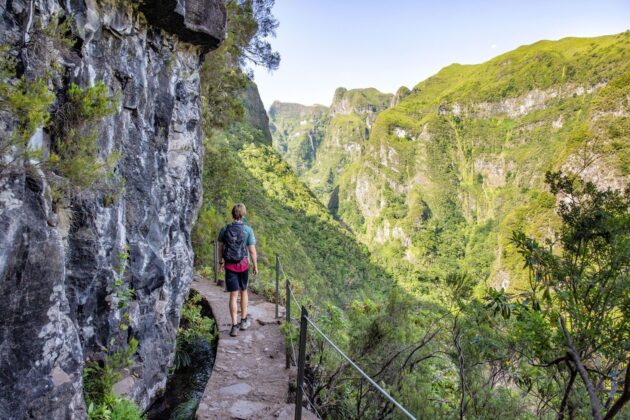
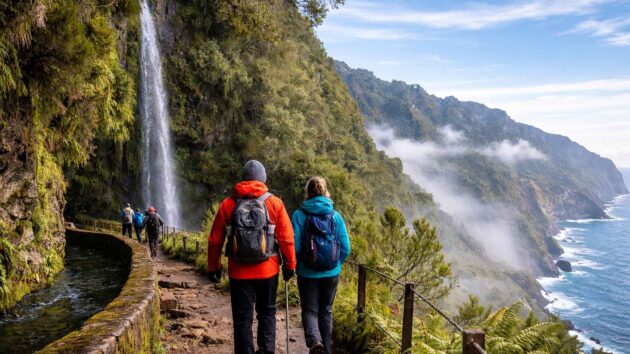
Madeira’s signature activity. Follow ancient irrigation channels (levadas) through laurel forests. Must-dos: PR8 (Ponta de São Lourenço), Levada do Rei, or the challenging Pico do Arieiro to Pico Ruivo hike for epic views above the clouds.
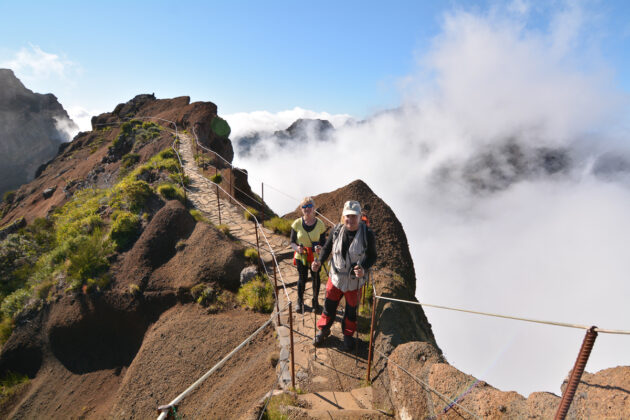
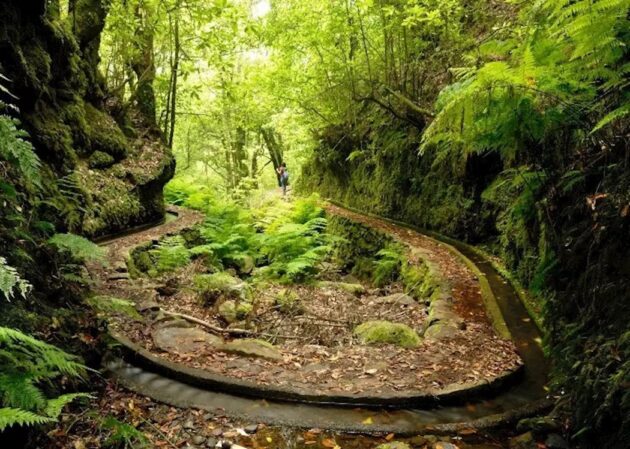
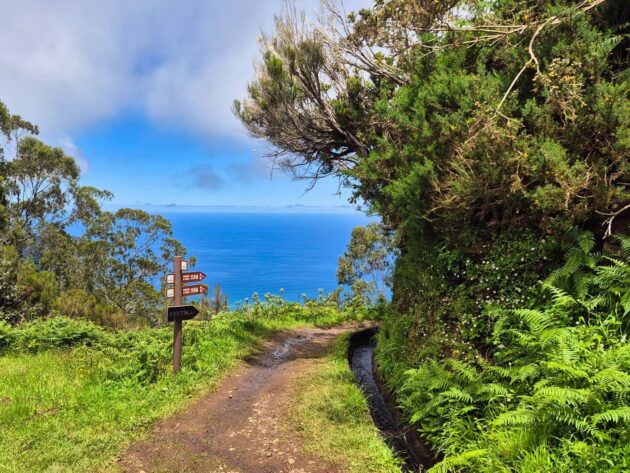
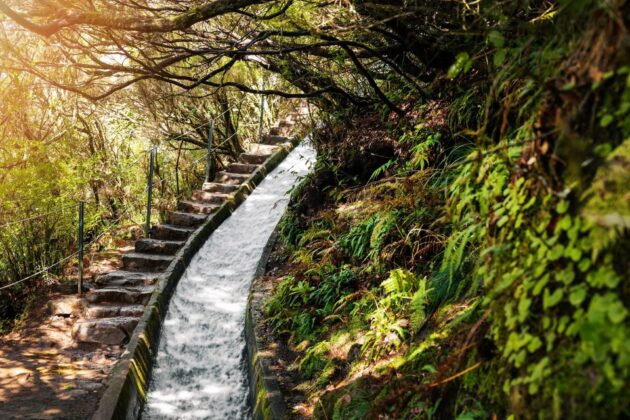
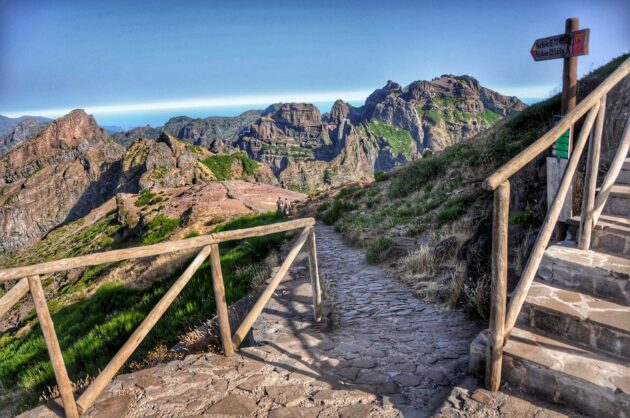
Pico do Arieiro
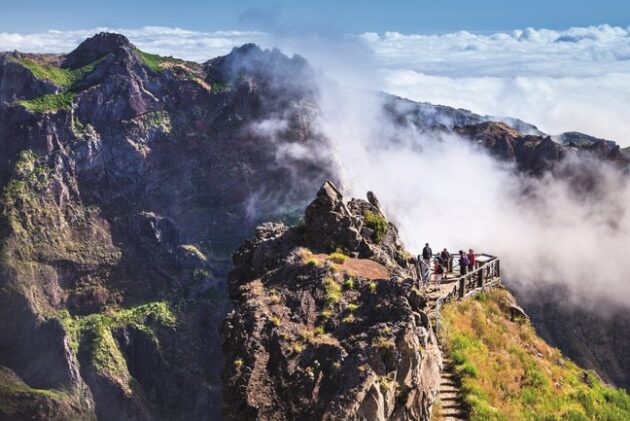
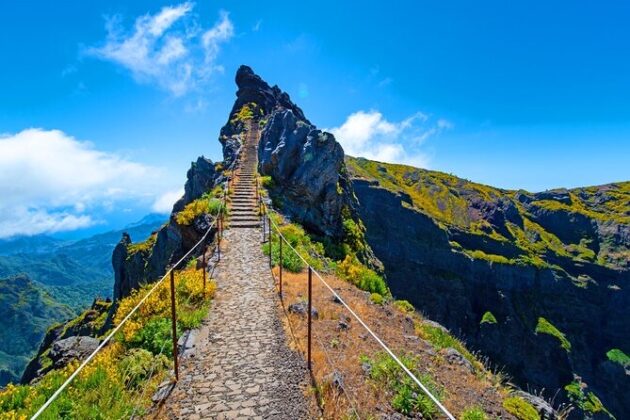
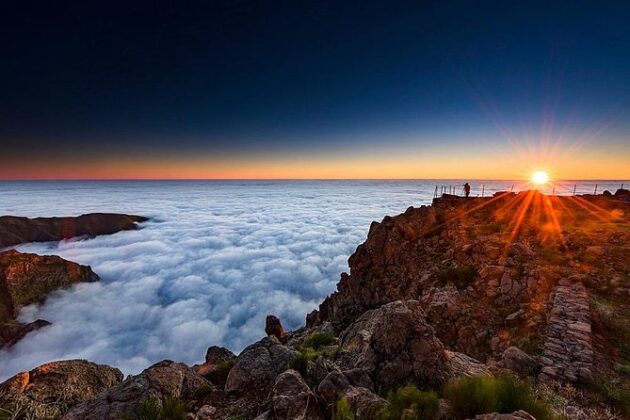
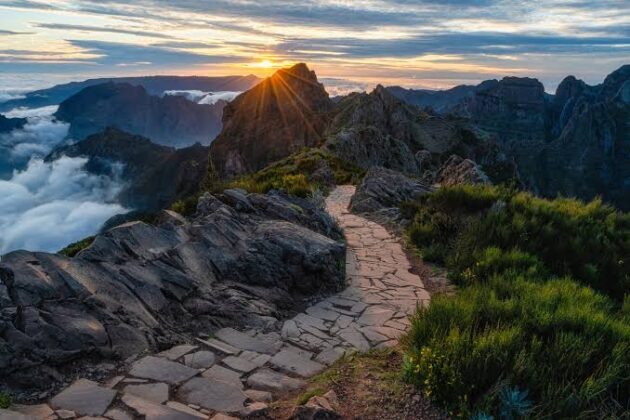
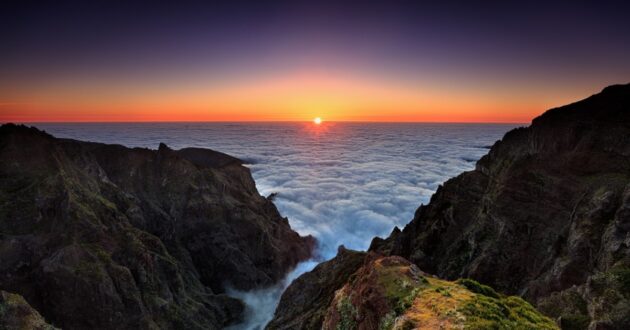
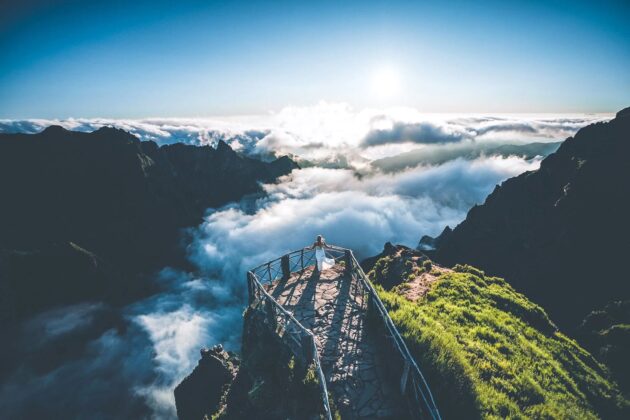
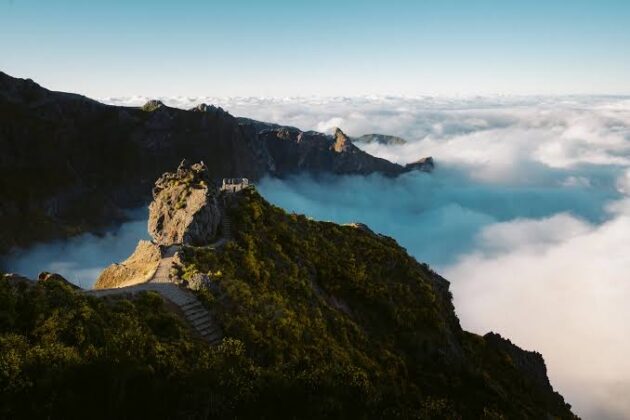
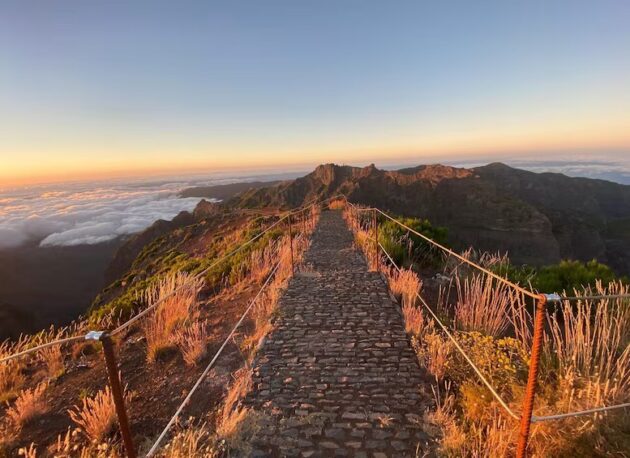
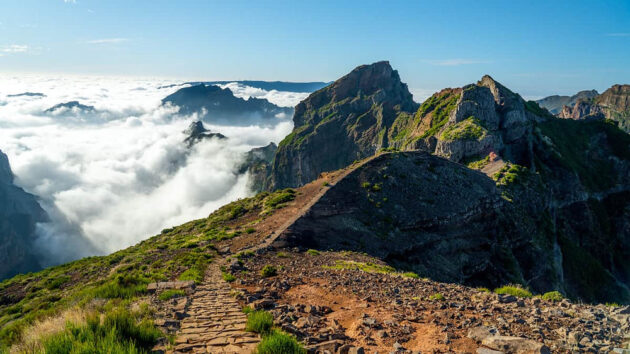
Pico do Arieiro (also spelled Pico do Areeiro) is one of the most breathtaking and accessible destinations in Madeira, Portugal. At 1,818 meters (5,965 feet), it is the island’s third-highest peak and offers panoramic views of the rugged mountain massif, deep valleys, and, on clear days, even the neighboring island of Porto Santo.
Cabo Girão Skywalk
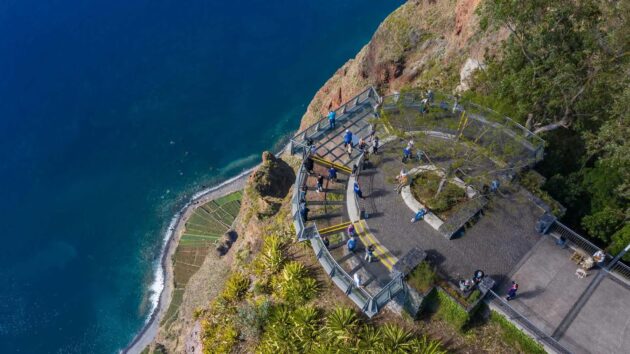
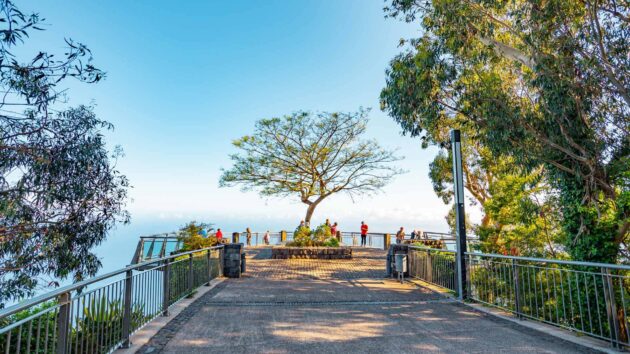
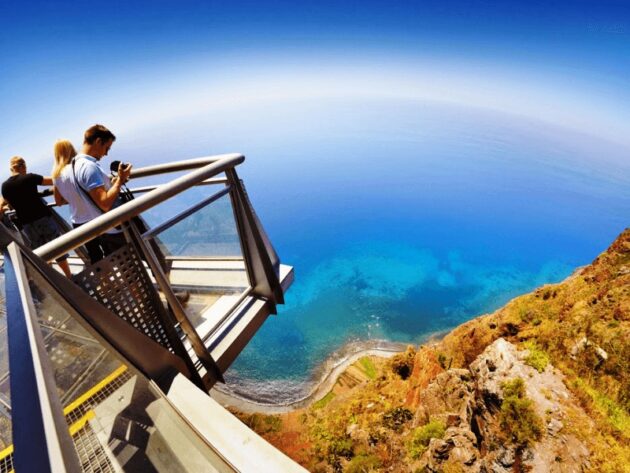
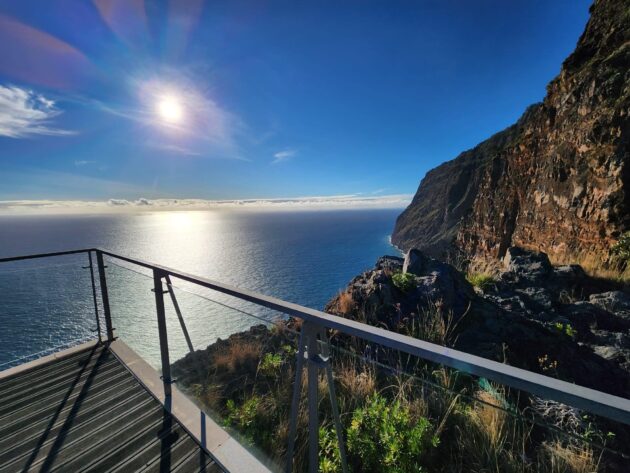
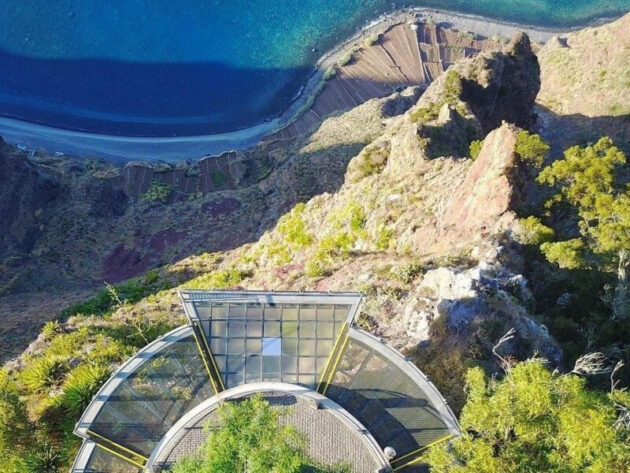
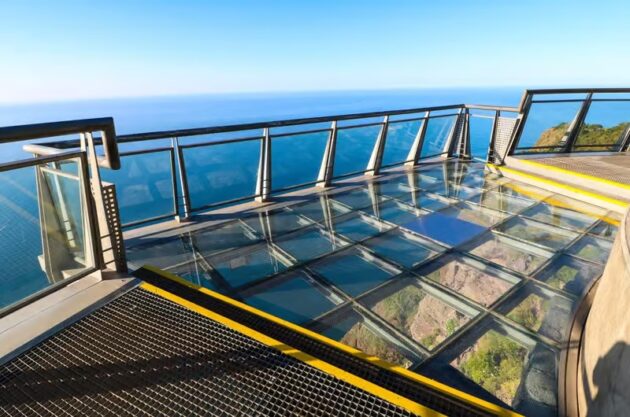
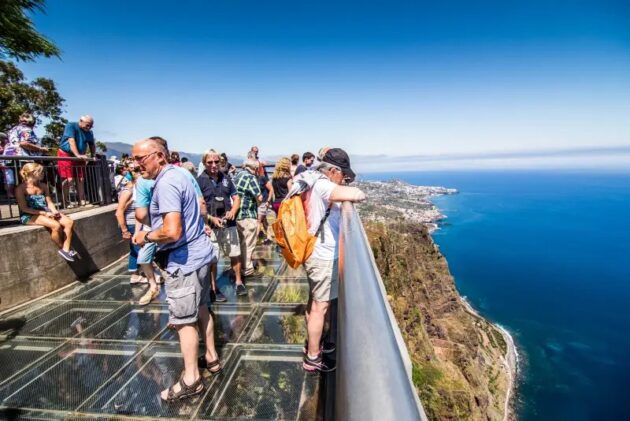
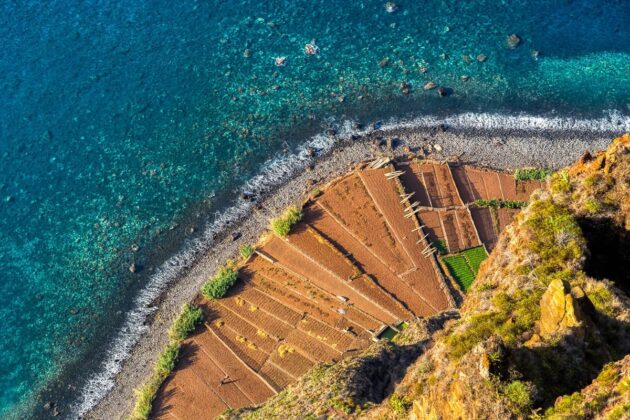
Cabo Girão is one of Madeira’s most iconic attractions and Europe’s highest sea cliff, rising dramatically 580 metres (approx. 1,903 ft) above the Atlantic Ocean. Located on the southwest coast in the municipality of Câmara de Lobos, the highlight is the Cabo Girão Skywalk — a thrilling glass-floored platform that juts out over the abyss, offering heart-pounding views straight down to the ocean and along the dramatic coastline.
Porto Moniz Natural Swimming Pools
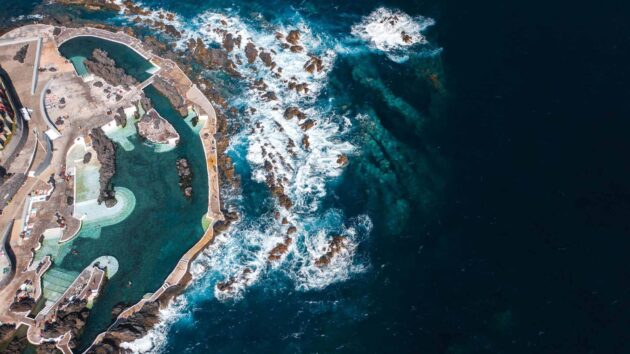
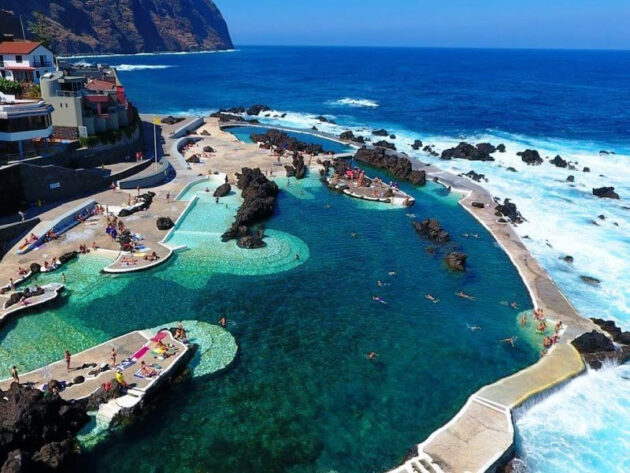
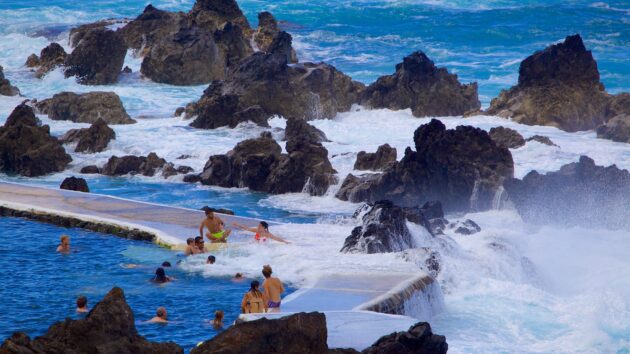
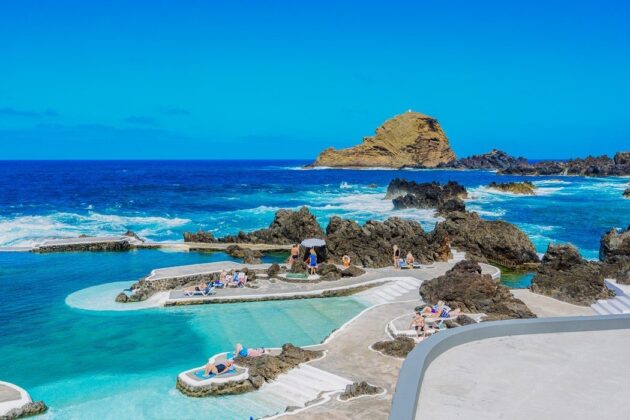
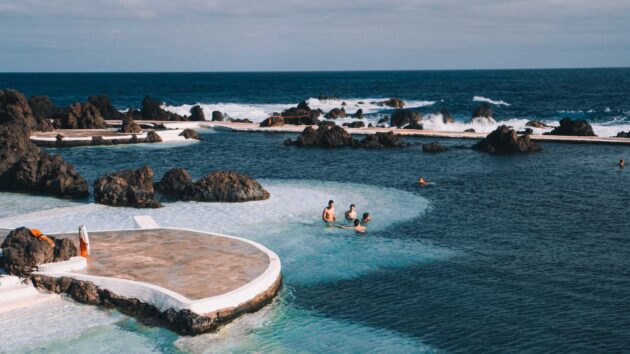
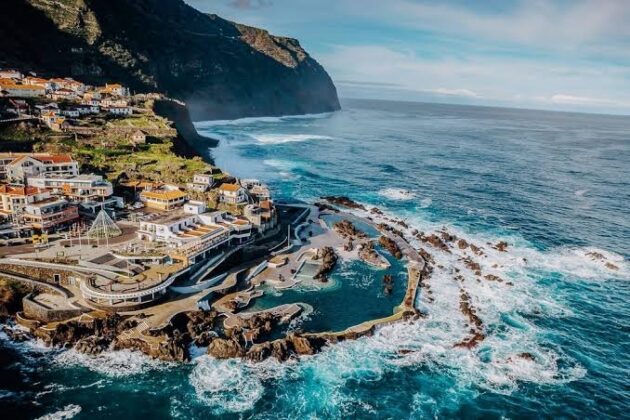
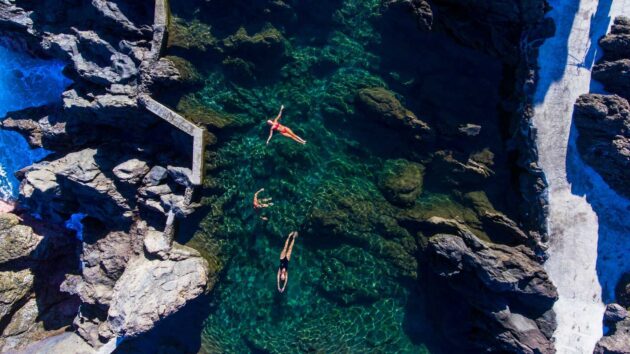
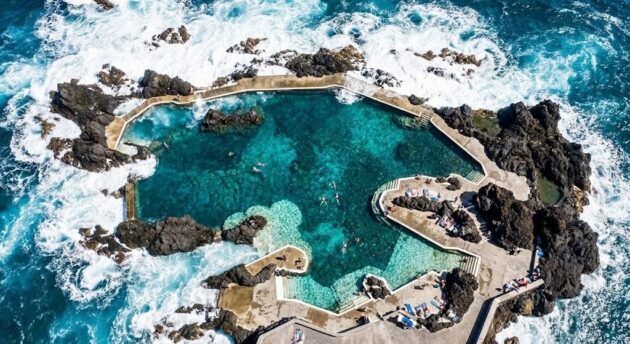
Nestled in the northwest corner of Madeira, the charming coastal village of Porto Moniz is famous for its stunning natural swimming pools formed by volcanic lava rock. These tidal pools fill with crystal-clear seawater, creating safe, refreshing spots to swim amid dramatic black rock formations, turquoise waters, and ocean views toward Ilhéu Mole island and its lighthouse.
Monte Palace Tropical Garden & Toboggan Ride
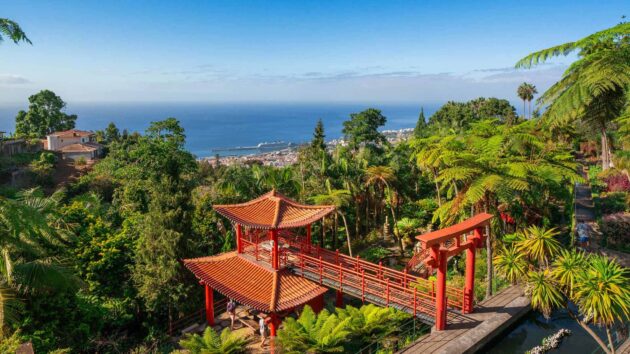
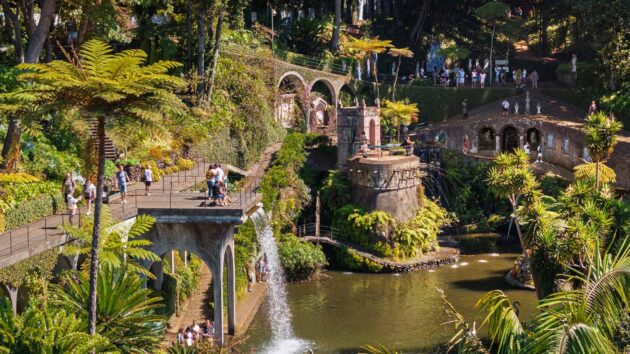
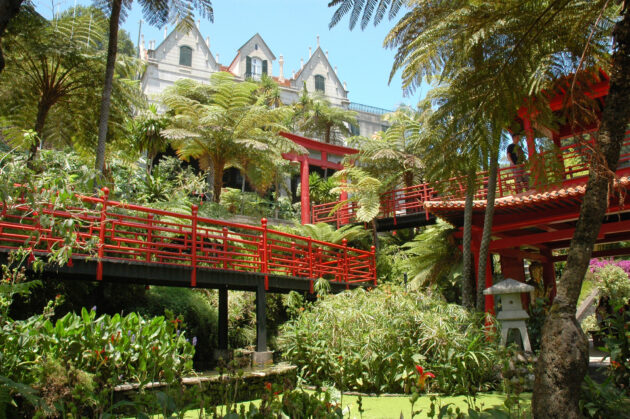
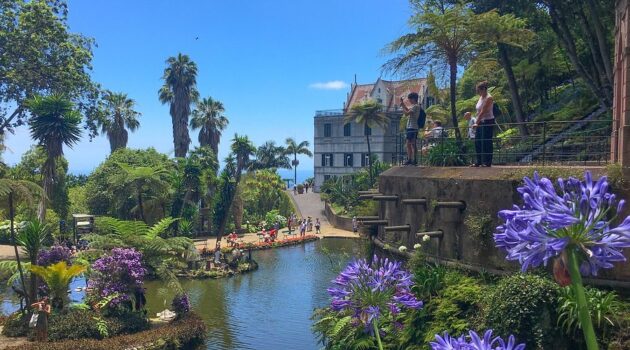
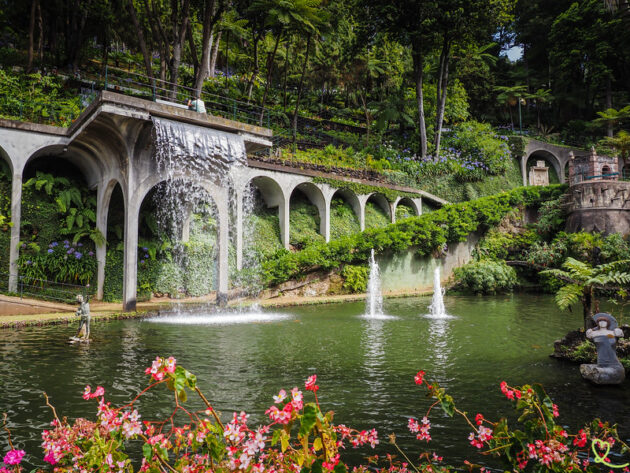
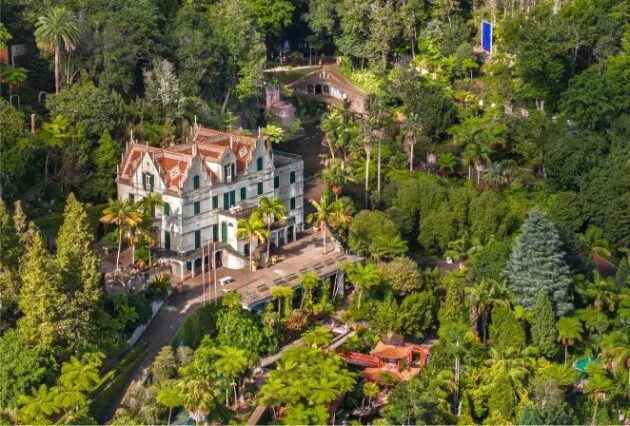
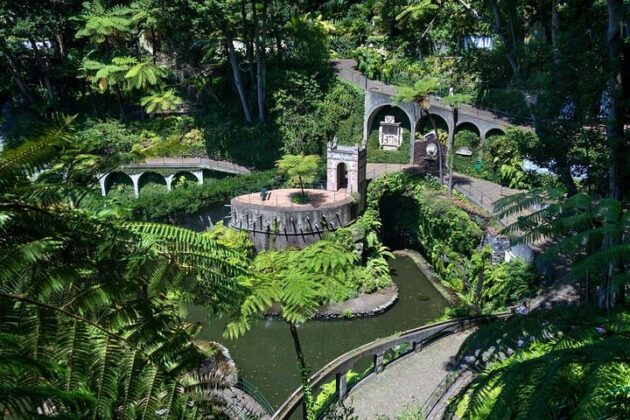
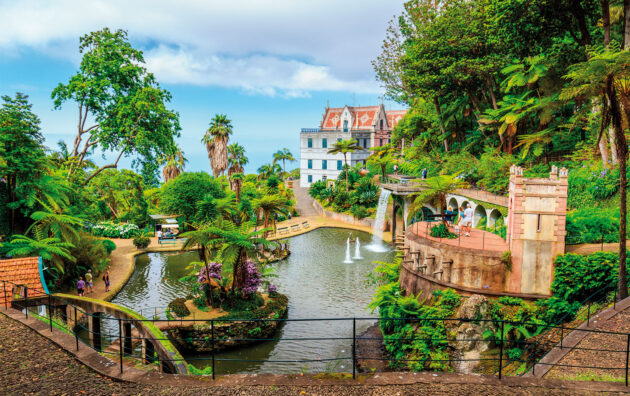
Nestled on a hillside in the charming village of Monte, just a short distance above Funchal, Monte Palace Tropical Garden is one of Madeira’s most enchanting attractions. Spanning approximately 70,000 m² (about 17 acres), this open-air museum blends lush tropical and subtropical flora, stunning art installations, serene water features, and panoramic views over Funchal Bay and the Atlantic Ocean.
Fanal Forest
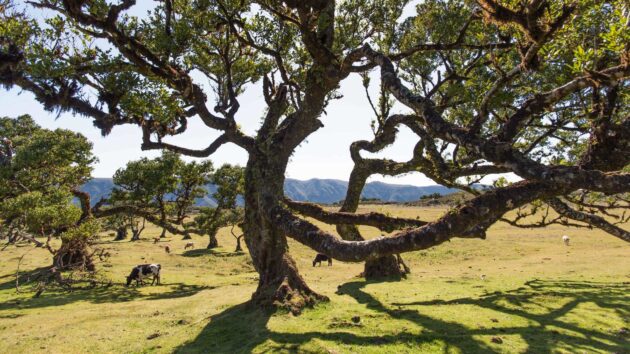
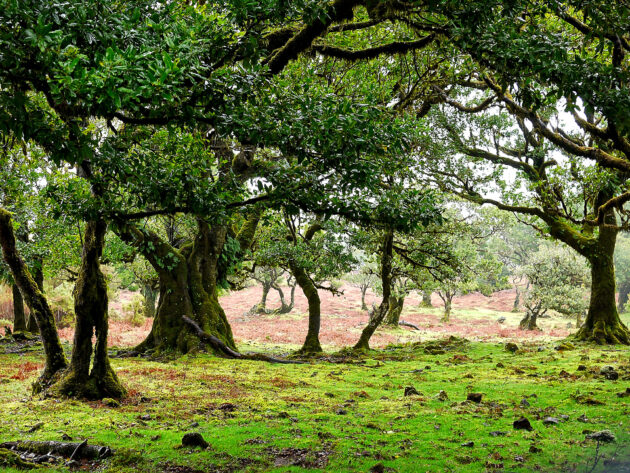
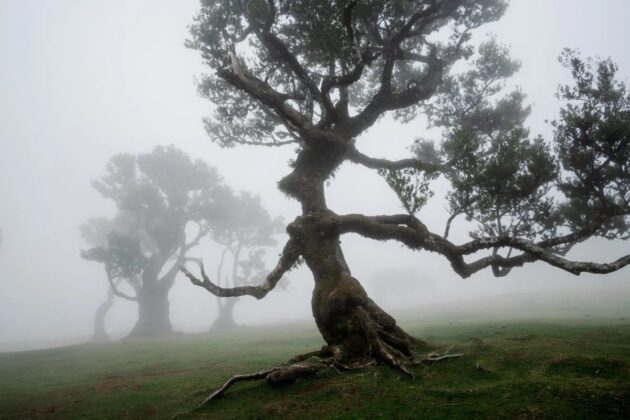
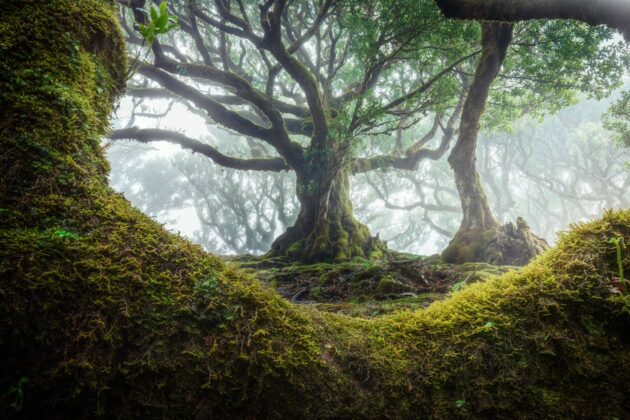
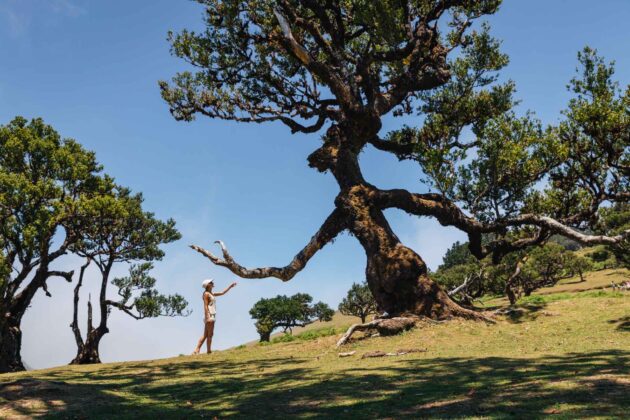
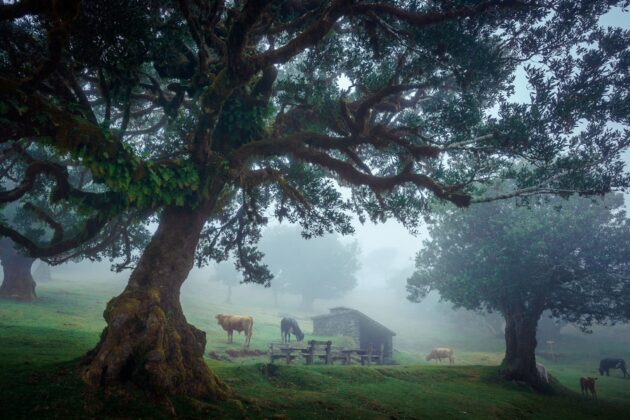
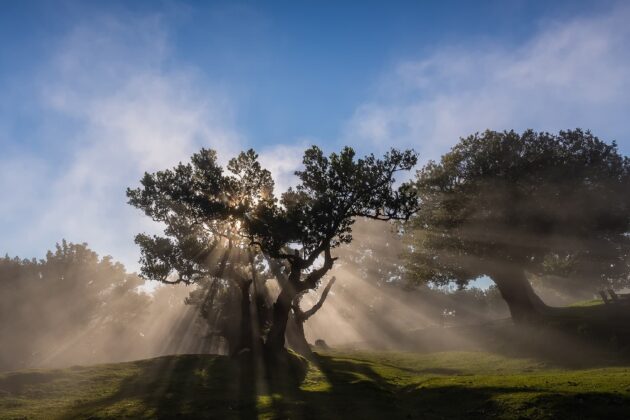
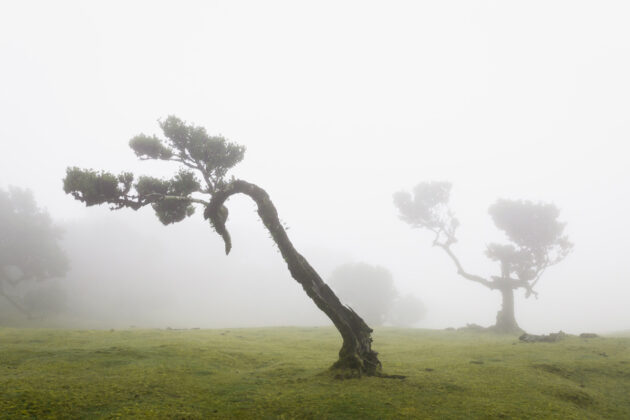
Fanal Forest (also known as the Enchanted Forest) is one of Madeira’s most magical and photogenic destinations. Part of the ancient Laurisilva Forest — a UNESCO World Heritage Site — it features centuries-old, gnarled laurel trees (especially Ocotea foetens) draped in moss, often shrouded in thick, rolling mist. This creates an ethereal, almost otherworldly atmosphere that feels like stepping into a fairy tale or fantasy film.
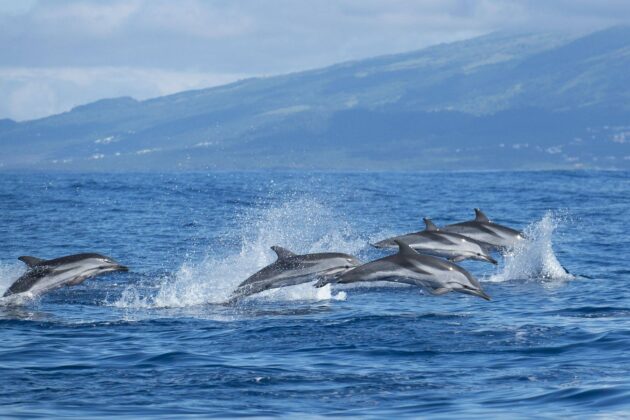
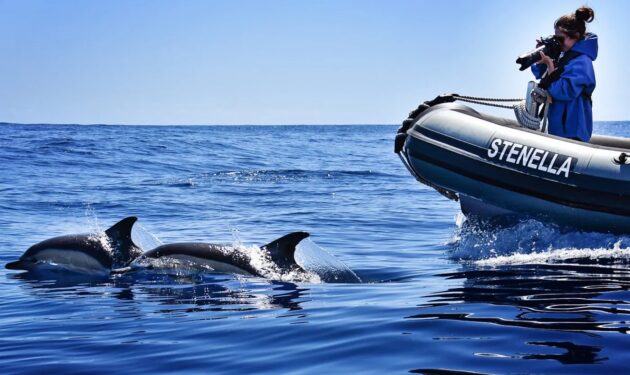
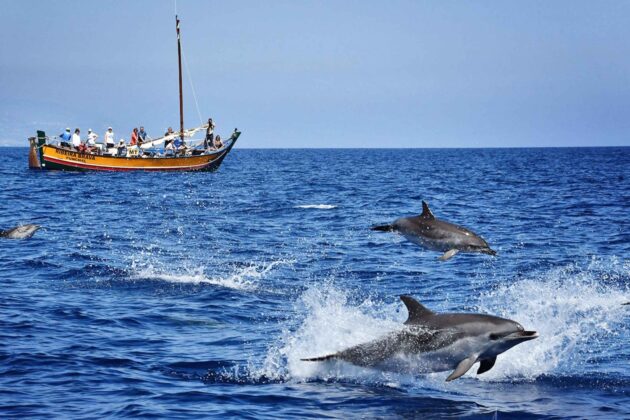
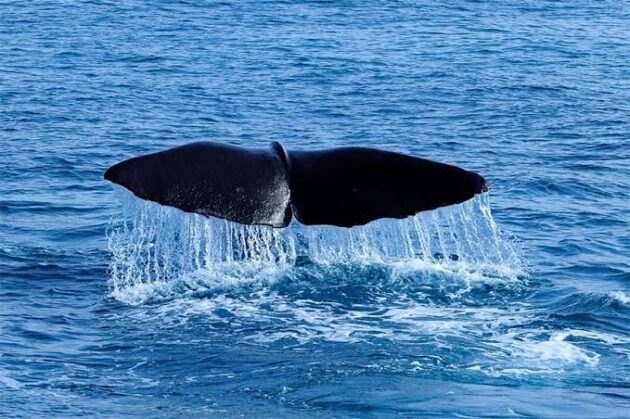
Whale & Dolphin Watching
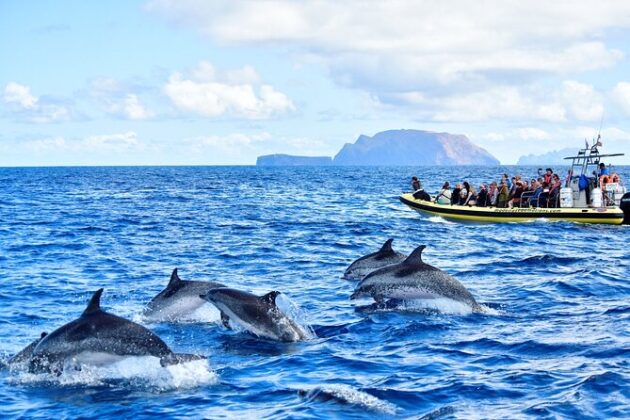
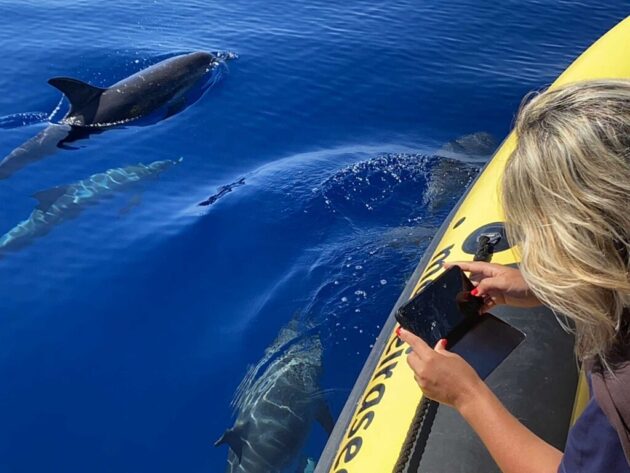
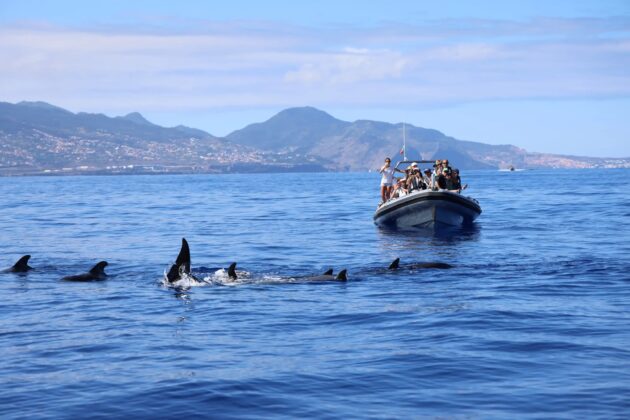
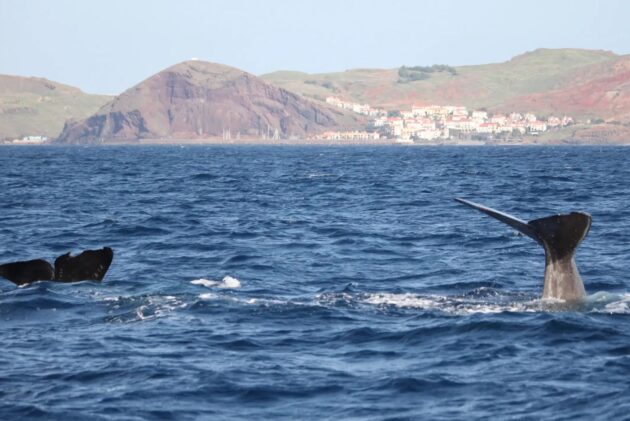
Madeira, a Portuguese archipelago in the Atlantic Ocean, is one of Europe’s premier destinations for whale and dolphin watching. Its deep, nutrient-rich waters (just a few kilometers from shore) support over 25 species of cetaceans, with sighting success rates often exceeding 95%. Whether you’re seeking playful dolphins or majestic sperm whales, Madeira offers year-round opportunities in stunning surroundings.
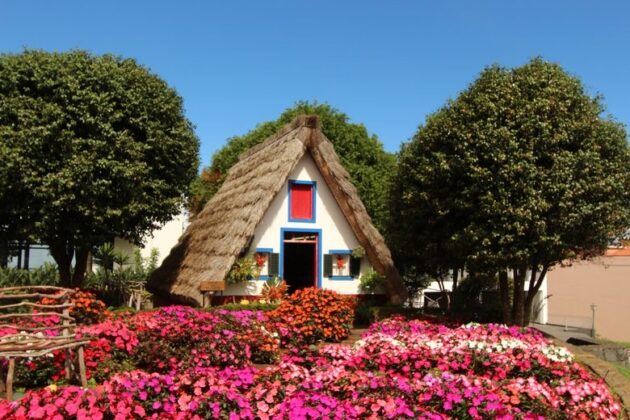
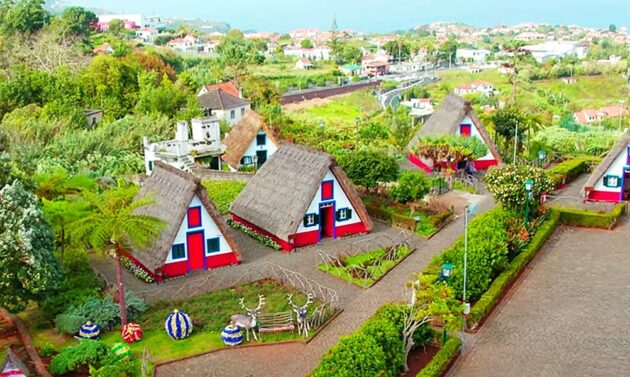
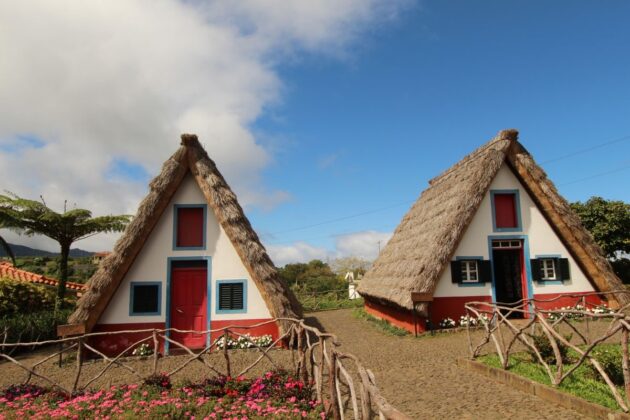
Santana Traditional Houses
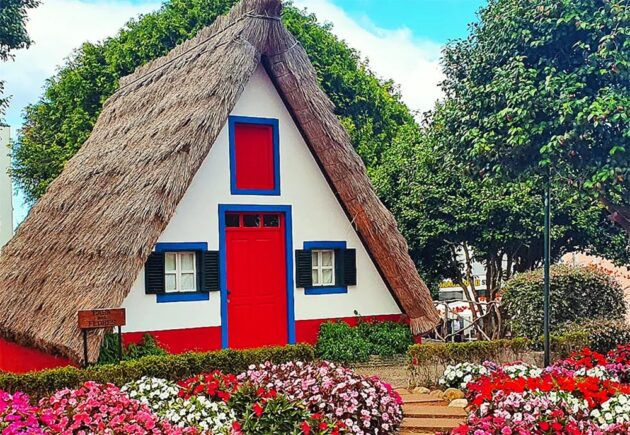
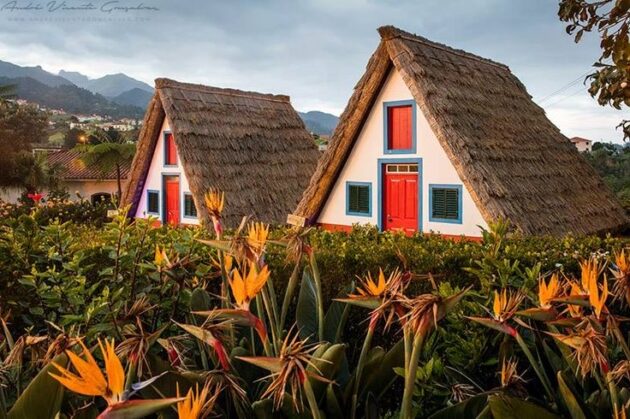
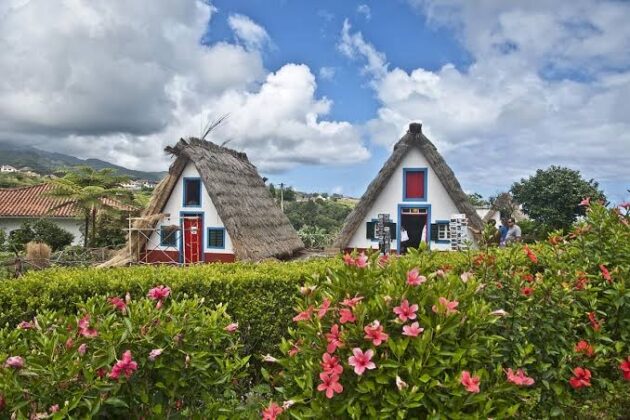
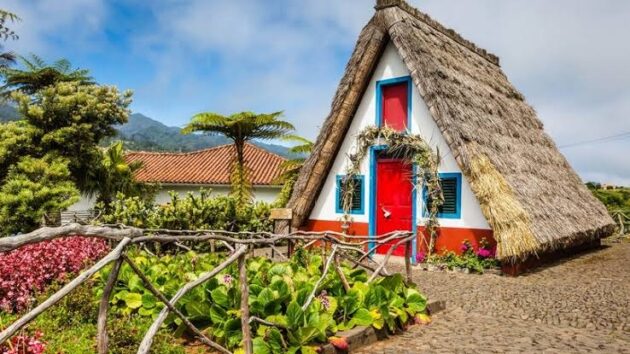
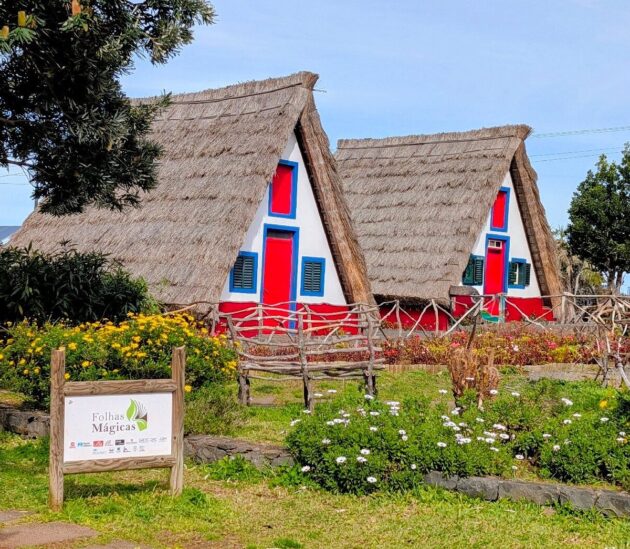
The Casas Típicas de Santana (Typical Houses of Santana) are one of Madeira Island’s most recognizable and photogenic landmarks. These charming A-frame cottages with steep thatched roofs and brightly colored facades (often in white, red, and blue) represent a unique slice of the island’s rural heritage.
Ponta de São Lourenço
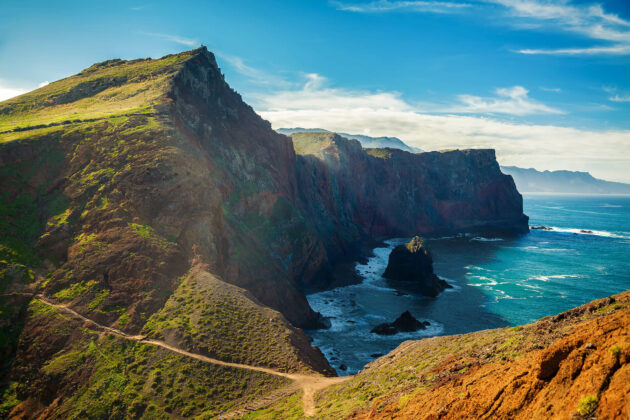
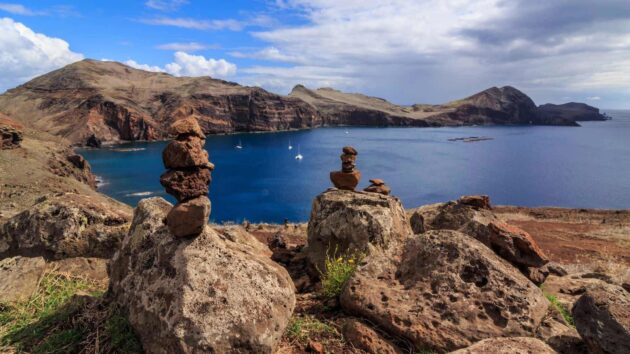
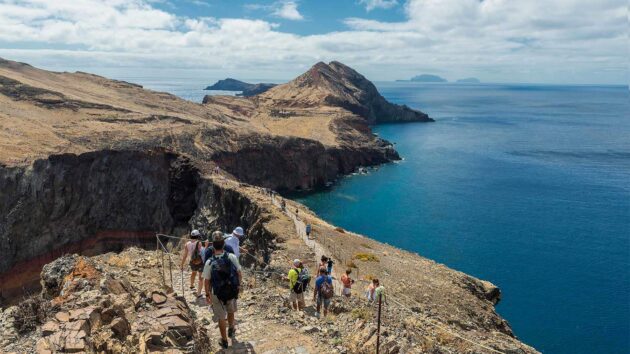
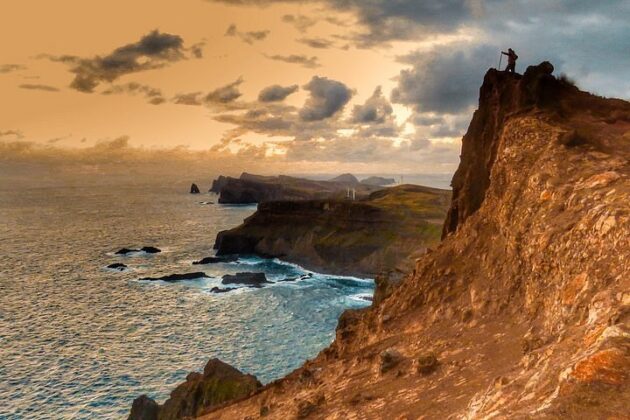
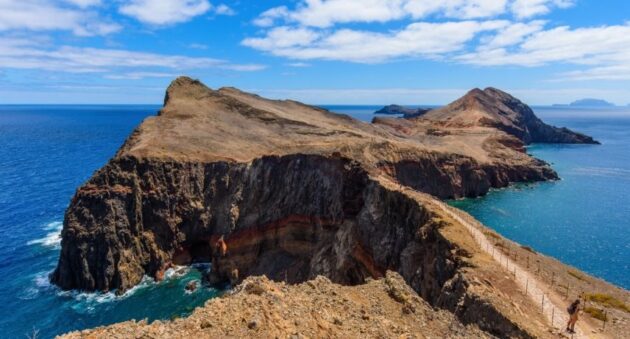
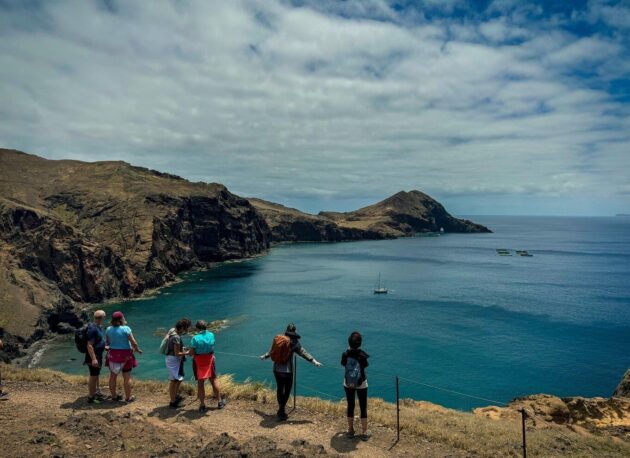
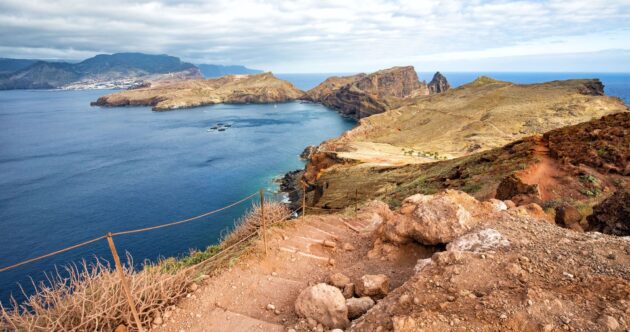
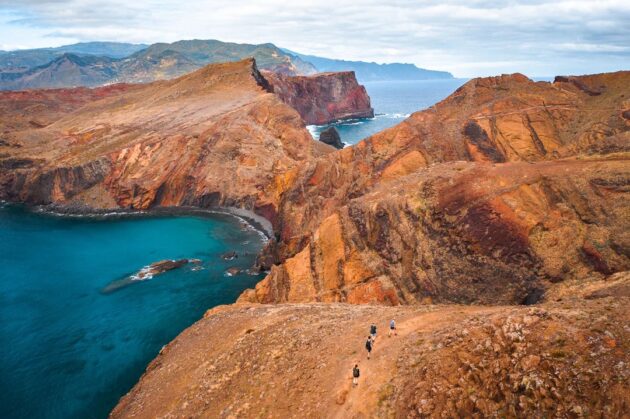
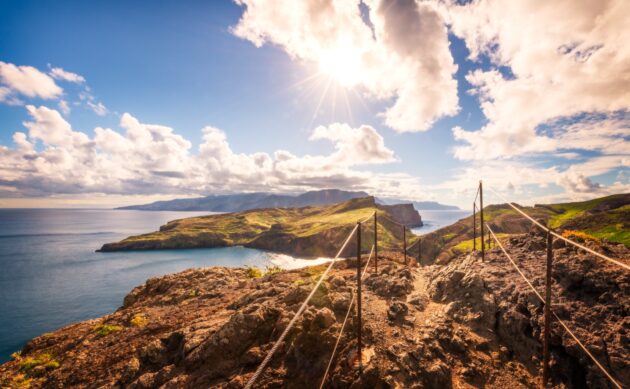
Ponta de São Lourenço, often called the “Dragon’s Tail,” is the dramatic easternmost point of Madeira Island. This rugged volcanic peninsula offers one of the island’s most accessible and visually stunning hikes, with colorful cliffs, panoramic ocean views, and a raw, semi-arid landscape that contrasts sharply with Madeira’s lush interior.
Food and Drink Specialties
Poncha: Madeira’s iconic drink—sugarcane spirit (aguardente de cana), honey, lemon/orange juice, mixed vigorously. A must-try!
Madeira Wine: Sample fortified wines at historic cellars like Blandy’s or Henriques & Henriques in Funchal.
Local Dishes: Espetada (beef skewers), limpets (lapas), bolo do caco (garlic bread), fresh seafood, and passion fruit desserts.
Markets: Visit Mercado dos Lavradores in Funchal for tropical fruits, flowers, and local produce.
Try restaurants like family spots for traditional fare or Michelin-starred options for elevated experiences.
Where to Stay
Funchal: The vibrant capital—great base with hotels, restaurants, and nightlife. Options range from boutique guesthouses to luxury resorts like Reid’s Palace.
North/South Coast: For quieter stays, consider Santana, Porto Moniz, or Calheta.
Airbnbs & Hotels: Book in advance during peak season. Many places offer sea views and pools.
Sample 5–7 Day Itinerary
Days 1–2: Funchal exploration—cable car, gardens, toboggan, market, and wine tasting.
Day 3: East coast—Ponta de São Lourenço hike, Santana.
Day 4: West coast—Cabo Girão, Porto Moniz pools, black sand beaches.
Day 5: Mountain day—Pico do Arieiro hike and levada walk.
Days 6–7: Relax with boat tour, Fanal Forest, or more hiking. Add a day trip to Porto Santo if time allows (short flight or ferry).
Practical Tips
Currency: Euro (€).
Language: Portuguese; English widely spoken in tourist areas.
Safety: Generally very safe. Watch for slippery trails after rain and strong currents at beaches.
Sustainability: Stick to marked trails, avoid single-use plastics, and support local businesses.
Budget: Affordable compared to other European islands. Expect moderate costs for car rental and activities.
Final Thoughts
Madeira is a paradise for those who love nature’s raw beauty combined with warm hospitality. Whether you’re chasing waterfalls, tasting poncha, or simply soaking in Atlantic views, this island will leave you enchanted.
Safe travels—boa viagem!