
Cheung Chau Island Travel Guide (2026)
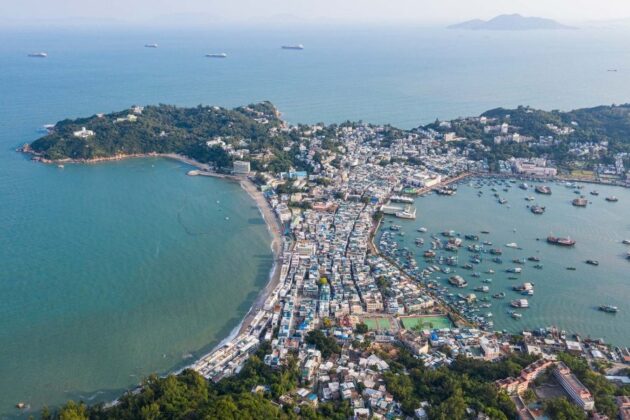
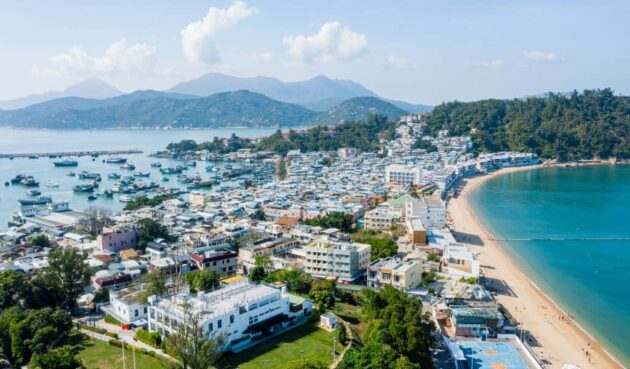
Cheung Chau (長洲, “Long Island” or “Dumbbell Island”) is a charming, car-free outlying island just 10 km southwest of Hong Kong Island. Shaped like a dumbbell with two larger ends connected by a narrow tombolo (sandbar), it offers a relaxed escape from the city’s hustle. With a population of around 20,000–23,000, the island features fresh seafood, beautiful beaches, scenic hiking trails, traditional temples, and a laid-back fishing village vibe. It’s an ideal day trip destination, perfect for walking, cycling, or simply unwinding.
How to Get There
The only way to reach Cheung Chau is by ferry from Central Pier 5 on Hong Kong Island.
Ordinary (slow) ferry: ~55–60 minutes, cheaper (around HK$15–20 one way on weekdays).
Fast ferry: ~35–40 minutes, more expensive (around HK$25–30+).
Ferries run frequently (every 15–60 minutes, more on weekends/holidays). Buy tickets with an Octopus card or cash; check the latest timetable on the Sun Ferry website before you go, as schedules vary by day.
From the airport or elsewhere: Take the Airport Express to Hong Kong Station, then walk to the piers. No cars or private vehicles are allowed on the island, so plan to walk or rent a bike upon arrival.
Best Time to Visit
Year-round accessibility, but spring (March–May) and autumn (September–November) offer pleasant weather for outdoor activities.
The famous Cheung Chau Bun Festival (usually April/May) features parades, lion dances, and bun towers — a major cultural highlight, though the island gets very crowded.
Weekdays are quieter; weekends and holidays are busier with locals and tourists.
Top Things to Do
Explore the Waterfront and Main Village: Wander the narrow lanes, harbor promenade (Praya Street), and vibrant market area near the ferry pier. Watch fishing boats, dried seafood, and daily life. It’s colorful and photogenic.
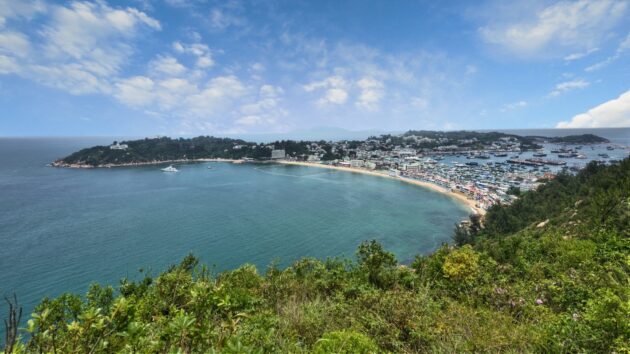
Beaches: Tung Wan Beach (main eastern beach): Popular for swimming, windsurfing, and relaxing. It has lifeguards and facilities. Kwun Yam Wan Beach: Smaller and more secluded.
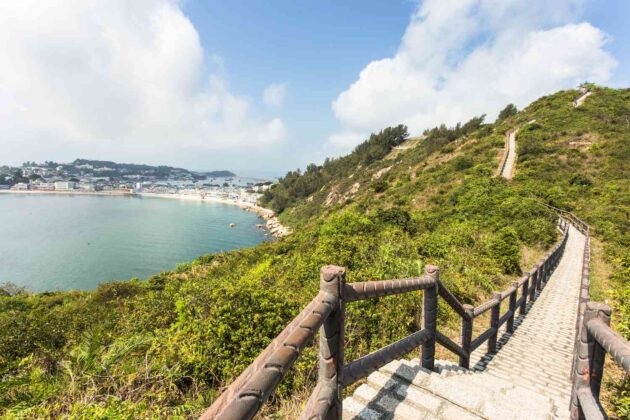
Hiking and Scenic Views: Easy to moderate trails circle the island. Highlights include the Cheung Chau Family Trail, Mini Great Wall (a short ridge path with great views), North Lookout Pavilion, and coastal walks. Expect beautiful ocean vistas and relatively shaded paths.
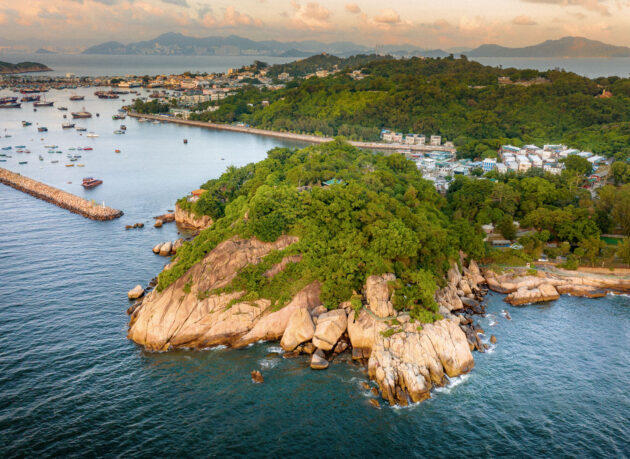
Cheung Po Tsai Cave: A small sea cave linked to the legendary 18th–19th century pirate Cheung Po Tsai. It’s a quick, fun stop on the southwest part of the island.
Temples: Visit the historic Pak Tai Temple (dedicated to the Taoist god of the sea) and other smaller shrines like Tin Hau Temple. They reflect the island’s fishing heritage.
Cycling: Rent a bike (widely available near the pier) and explore car-free paths — a relaxing way to cover more ground.
Other spots: Love Lock Wall/Garden, Sai Yuen Adventure Park (for families), and various lookout points.
Food Highlights
Cheung Chau is a foodie’s delight, especially for fresh seafood and street snacks.
Seafood: Fresh catches at waterfront restaurants (e.g., alfresco spots along Pak She Praya Road). Try steamed fish, salt-and-pepper squid, clams, or prawns. Popular options include New Baccarat or similar spots.
Street Food: Giant fish balls (boiled or curried — a must-try), prawn fritters, and other snacks from stalls near the pier and Tung Wan Street.
Desserts: Famous mango mochi, mango desserts, red bean ice, peanut ice cream balls, and fruit shakes. Look for places like Wan Sing Desserts or similar.
Trendy cafes have also popped up, offering coffee, Western fare, and pet-friendly spots.
Portions are generous and prices reasonable compared to central Hong Kong.
Practical Tips
Duration: Perfect for a full day trip (4–8 hours). You can easily do it from morning ferries and return in the evening.
What to Bring: Sunscreen, hat, comfortable walking shoes, reusable water bottle, cash (some stalls are cash-only), and swimwear if beach time is planned.
Accommodation: Possible for an overnight stay if you want a slower pace (guesthouses or the Warwick Hotel), but most visitors do day trips.
Crowds & Pace: No cars mean peaceful vibes, but narrow paths can get busy on weekends. Respect local residents.
Language: Cantonese is primary, but many tourist spots and younger vendors speak some English.
Weather: Check for typhoons or heavy rain, which can affect ferry services.
Final Thoughts
Cheung Chau perfectly balances nature, culture, and cuisine. Whether you’re hiking for views, feasting on seafood, or soaking up the island’s slow rhythm, it’s a refreshing contrast to Hong Kong’s skyscrapers. Hop on that ferry — you won’t regret it!
For the latest ferry schedules and updates, visit official sites like Sun Ferry or the Hong Kong Tourism Board. Safe travels!