
Kasuga Taisha Shrine Travel Guide (2026)
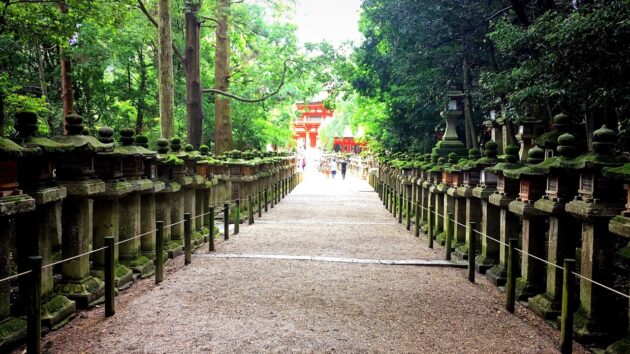
Kasuga Taisha (春日大社) is one of Japan’s most important and beautiful Shinto shrines. Located in Nara, it is famous for its thousands of stone and bronze lanterns, vibrant vermilion pillars, and deep connection with the sacred deer of Nara Park. Founded in 768 CE, it is a UNESCO World Heritage Site as part of the “Historic Monuments of Ancient Nara.”
The shrine’s atmospheric setting among ancient cedar and wisteria trees makes it feel mystical and photogenic year-round, especially during lantern festivals or early morning visits.
Highlights
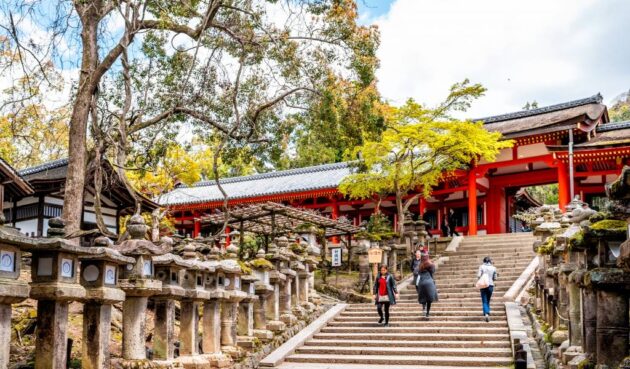
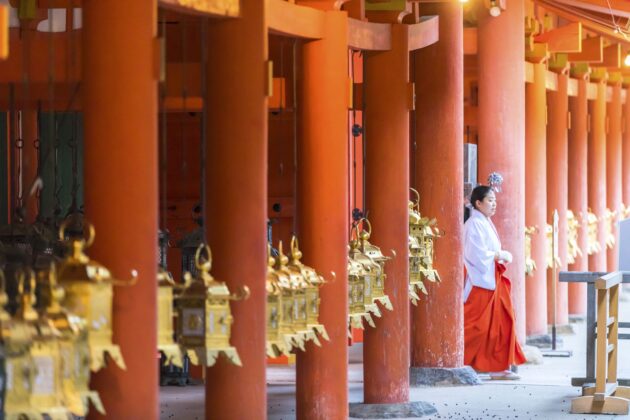
Lanterns: Over 3,000 stone lanterns line the paths and 1,000+ hanging bronze lanterns in the inner areas. They are lit twice a year during the Mantoro Lantern Festival (February and August).
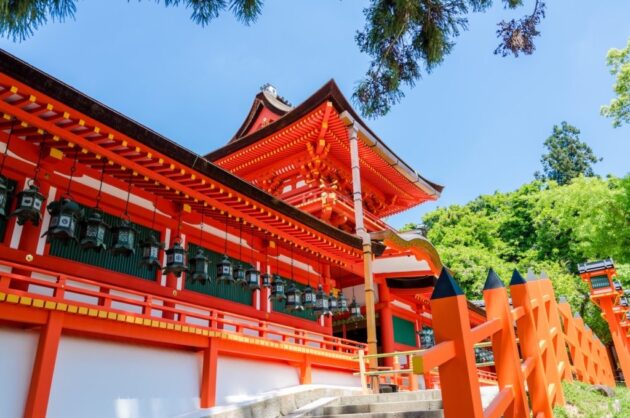
Vermilion Architecture: Striking red pillars and roofs contrast beautifully with the surrounding forest.
Sacred Deer: Nara’s famous free-roaming deer (considered messengers of the gods) wander freely around the shrine grounds.
Main Hall & Inner Shrine: The honden (main sanctuary) is usually closed to the public but visible from outside. You can pray at the offering hall.
Kasuga Taisha Museum: Displays treasures, ancient artifacts, and rotating exhibitions.
How to Get There
From Nara Station (most common): Walk 25–30 minutes through Nara Park (very pleasant). Bus: Take Nara City Bus #2, #6, or #51 to “Kasuga Taisha Honden” stop (10–15 minutes).
From Kyoto: Train to Nara Station (JR or Kintetsu, ~45 minutes), then follow above.
From Osaka: Train to Nara (~45–60 minutes), then same.
Address: 160 Kasugano-cho, Nara, Nara Prefecture 630-8212
Best Time to Visit
Spring (March–April): Cherry blossoms + wisteria (mid-April) are spectacular.
Autumn (November): Stunning fall foliage around the lanterns.
Early Morning: Fewer crowds and magical light.
Lantern Festivals: February 3 (Setsubun Mantoro); August 14–15 (Chugen Mantoro) — thousands of lanterns lit at dusk.
Avoid: Golden Week (late April–early May) and weekends in peak season if you dislike crowds.
Practical Tips
Entrance Fee: Free for the main grounds. Museum is ¥700 for adults.
Dress Code: Modest clothing is appreciated (shoulders and knees covered is safer, though not strictly enforced).
Photography: Allowed almost everywhere, but avoid taking photos of people praying without permission.
Deer Etiquette: Bow to the deer — they often bow back! Do not feed them anything except official senbei. They can be pushy if you have food.
Footwear: Wear comfortable shoes — there are many stone paths and steps.
Restrooms: Clean public toilets available near the entrance.
Souvenirs: Omamori (charms), deer-themed goods, and beautiful washi paper items are sold near the shrine.
Nearby Attractions (Combine in One Day)
Nara Park & deer everywhere
Todai-ji Temple (Great Buddha Hall)
Kofuku-ji Temple (Five-story Pagoda)
Isuien Garden (beautiful traditional Japanese garden)
Nara National Museum
Where to Eat Nearby
Kakinoha Sushi (sushi wrapped in persimmon leaf) — local specialty.
Many casual restaurants and cafes around Nara Park selling matcha soft serve, mochi, and soba noodles.
Pro Tips
Bring a small flashlight if visiting at night during lantern festivals.
Download a translation app — English signs are available but limited.
Consider buying a Nara Visitor Pass or ICOCA card for easy transport.
For the most magical experience, arrive right at opening (around 6:00–7:00 AM depending on season) before tour groups arrive.
Final Thoughts
Kasuga Taisha is not just a shrine — it’s an immersive experience of ancient Japanese spirituality, nature, and culture. Whether you spend 1 hour or half a day, it’s one of the most rewarding stops in the Kansai region.
Enjoy your trip to Nara! 🇯🇵🦌