
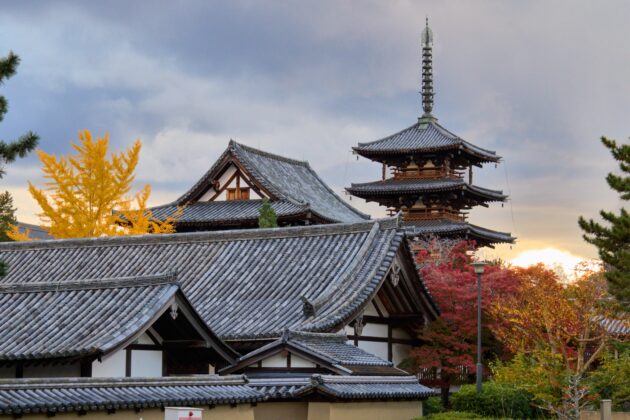
Hōryū-ji Temple Travel Guide (2026)
Hōryū-ji (法隆寺), also known as Horyuji Temple, is one of Japan’s most significant cultural treasures. Located in Ikaruga, Nara Prefecture, it is recognized as the world’s oldest wooden building complex and was Japan’s first UNESCO World Heritage Site (inscribed in 1993 alongside nearby Hokki-ji). Founded in 607 by Prince Shōtoku, it stands as a testament to the early introduction and flourishing of Buddhism in Japan.
The temple houses over 2,300 important artifacts, including nearly 190 National Treasures and Important Cultural Properties, along with some of the oldest surviving wooden structures on Earth.
Why Visit Hōryū-ji?
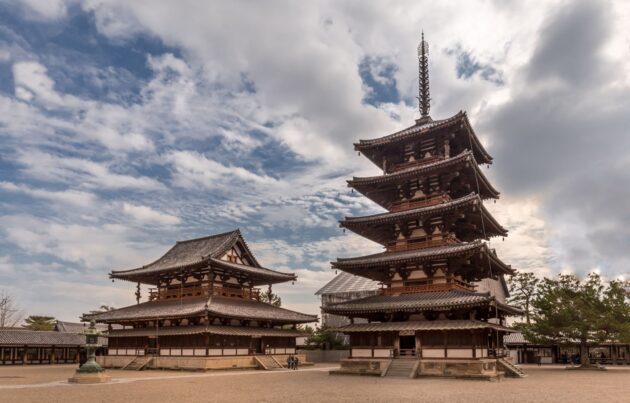
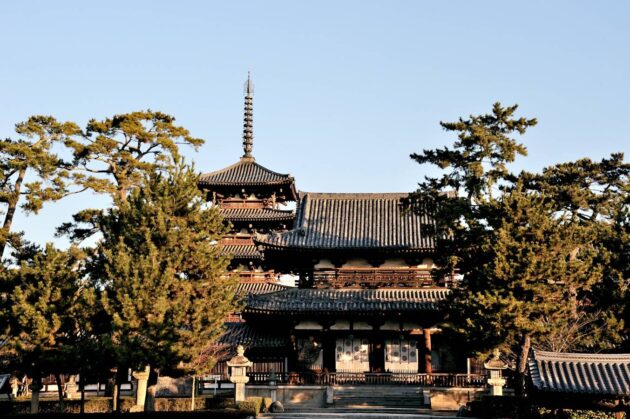
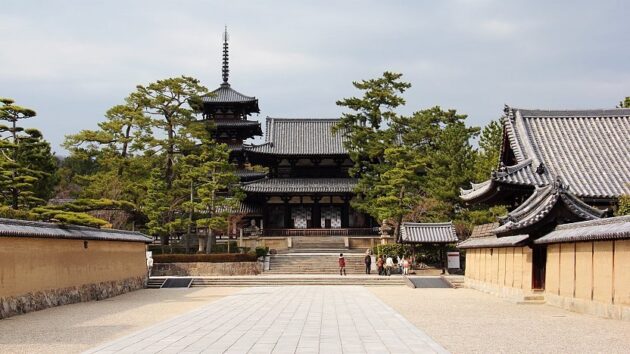
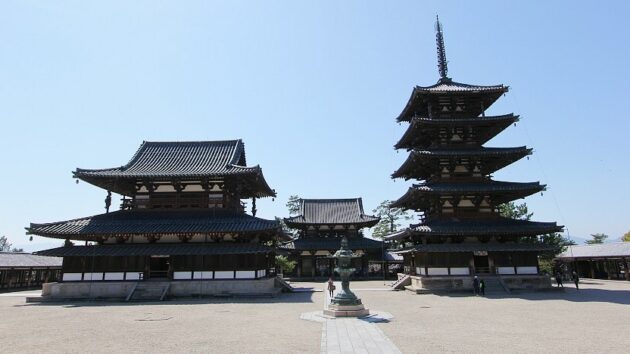
Architectural Marvels: The Five-Story Pagoda (built around 700) and the Kondō (Main Hall) are the oldest wooden buildings in the world, having survived earthquakes, fires, and centuries of history.
Artistic Treasures: Intricate Buddhist statues from the Asuka period (e.g., the Kudara Kannon and Yumechigai Kannon in the Treasure House), murals, and relics.
Historical Significance: Deep ties to Prince Shōtoku, who promoted Buddhism and helped shape early Japanese governance and culture.
Atmosphere: Unlike the busier Nara Park area, Hōryū-ji offers a serene, spacious, and less crowded experience with beautiful grounds ideal for reflection.
It’s a perfect half-day or full-day trip for history buffs, architecture enthusiasts, and those seeking a quieter side of Nara.
How to Get There
Hōryū-ji is about 12 km southwest of central Nara and easily accessible as a day trip.
By Train (Recommended): From JR Nara Station, take the JR Yamatoji Line to Horyuji Station (about 10–12 minutes, 240 yen one way; Japan Rail Pass valid). From the station: 15–20 minute walk or take a short local bus (e.g., bus 72 to Horyujimon-mae stop).
From Other Cities: From Osaka: Around 30–40 minutes via Yamatoji Line. From Kyoto: Take the Yamatoji Line (about 45–60 minutes).
By Bus: From JR or Kintetsu Nara Station, bus 98 takes about 1 hour (880 yen).
The surrounding area is rural and walkable; renting a bicycle is a pleasant way to explore nearby sites.
Opening Hours and Admission
Hours: 8:00 AM – 5:00 PM (February 22 – November 3); closes at 4:30 PM (November 4 – February 21). No regular closing days.
Admission: ¥2,000 for adults (includes the main temple and Treasure House). Discounts for students/children.
Combo tickets or multi-venue options may be available—check on-site.
Allow at least 1.5–2 hours for a relaxed visit; 3–4 hours if including the museum and Eastern Precinct.
What to See and Do
Western Precinct (Saiin Garan) — The core area.
Five-Story Pagoda: The oldest wooden pagoda in the world, containing vivid clay sculptures depicting Buddhist scenes.
Kondō (Golden Hall): Features ancient murals and a central Shaka Triad statue.
Eastern Precinct (Tōin Garan)
Includes the Yumedono (Hall of Dreams), an octagonal hall housing a famous statue of Prince Shōtoku (viewable only at limited times).
Hōryū-ji Treasure House (Daihōzōden): A modern museum displaying priceless statues and artifacts (no photos inside). Don’t miss the graceful Kudara Kannon.
Nearby:
Chūgū-ji Temple (adjacent nunnery with a beautiful statue of Miroku Bosatsu).
Hokki-ji Temple (another UNESCO site with a charming three-story pagoda, about 20–30 minutes away by bike or taxi).
Tatsuta River for autumn foliage and local fried chicken (Tatsuta-age).
Best Time to Visit
Spring (late March–early April): Cherry blossoms create a magical contrast with the ancient wooden buildings.
Autumn (October–November): Vibrant foliage, especially along the Tatsuta River.
Avoid: Peak summer heat/humidity or major Japanese holidays if you prefer fewer crowds. Early mornings are ideal for peaceful photos.
Practical Tips
Dress Modestly: Shoulders and knees covered is respectful for temple grounds.
Photography: Allowed outdoors but often prohibited inside halls and the museum.
Facilities: Limited English signage—download a translation app or join a guided tour for deeper insight.
Food: Few options inside; eat in Ikaruga town or bring snacks. Try local Tatsuta-age.
Combine with Nara: Pair with Nara Park (deer, Tōdai-ji) for a full day, or make it a relaxed half-day escape.
Accessibility: Grounds are mostly flat but involve some gravel paths; wear comfortable shoes.
Final Thoughts
Hōryū-ji offers a profound sense of continuity with Japan’s ancient past. Its quiet dignity and architectural ingenuity make it one of the most rewarding temples in the country. Whether you’re a first-time visitor to Japan or a returning history lover, it’s well worth the short journey from Nara or Osaka.