
Imperial Palace Travel Guide (2026)
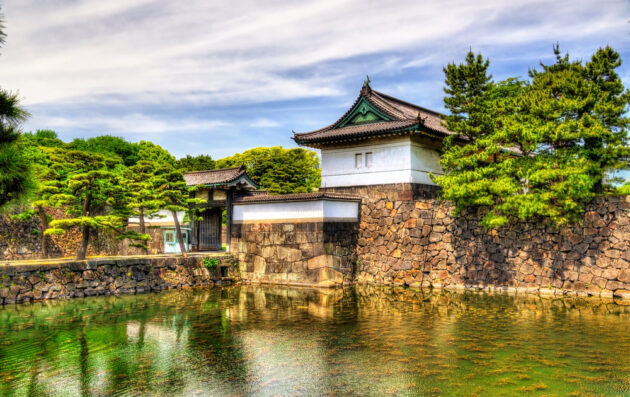
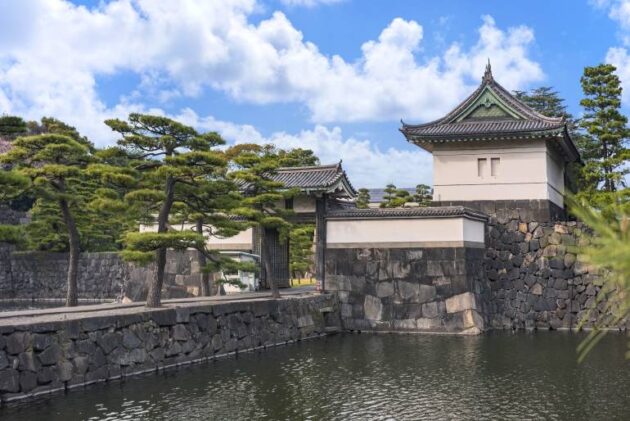
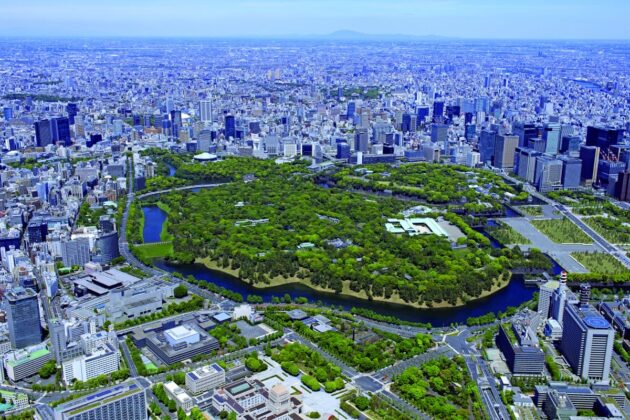
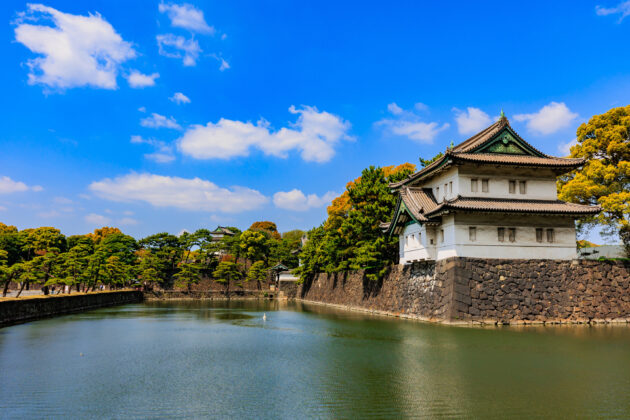
The Imperial Palace (Kōkyo) is the official residence of the Emperor of Japan and one of Tokyo’s most iconic landmarks. Located on the site of the former Edo Castle, it features vast grounds with moats, massive stone walls, historic bridges, and serene gardens. While the inner palace is largely off-limits to the public, the surrounding areas and East Gardens offer a peaceful escape in the heart of bustling Tokyo.
History in Brief
The palace stands on the ruins of Edo Castle, which was the seat of the Tokugawa shogunate from the early 17th century. After the Meiji Restoration in 1868, the imperial family moved from Kyoto to Tokyo, and the current palace was built in the 1960s–1980s following wartime damage. It symbolizes Japan’s imperial tradition and modern history.
Best Time to Visit
Spring (March–April): Cherry blossoms along the moats and in the East Gardens are spectacular.
Autumn (October–November): Vibrant fall foliage makes for beautiful photos.
Avoid: Peak summer heat/humidity (July–August) and major holidays when crowds surge.
East Gardens are open most days from 9:00 AM, with seasonal closing times (last entry 30 minutes before closing). They are closed on Mondays, Fridays, Dec 28–Jan 3, and some special occasions.
How to Get There
Tokyo Station (JR lines): 10–15 minute walk via Marunouchi Central Exit.
Nijubashi-mae Station (Chiyoda Line): Closest for views of Nijubashi Bridge.
Otemachi Station (Multiple lines): Convenient for East Gardens.
The area is very walkable and central, making it easy to combine with other sights.
What to See and Do
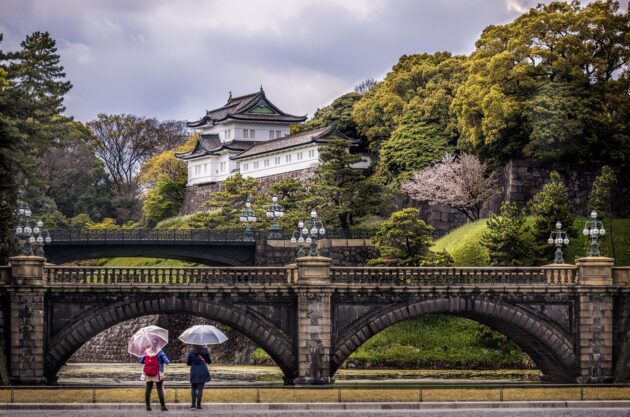
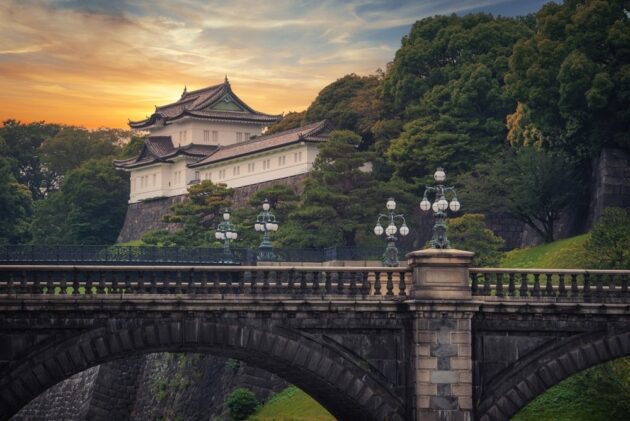
Outer Grounds & Photogenic Spots (Free): Nijubashi Bridge (Double Bridge): The most famous photo spot with the palace in the background. Walk around the moats and stone walls for scenic views. Kitanomaru Park: Adjacent green space with the National Museum of Modern Art and Chidorigafuchi Moat (great for cherry blossoms).
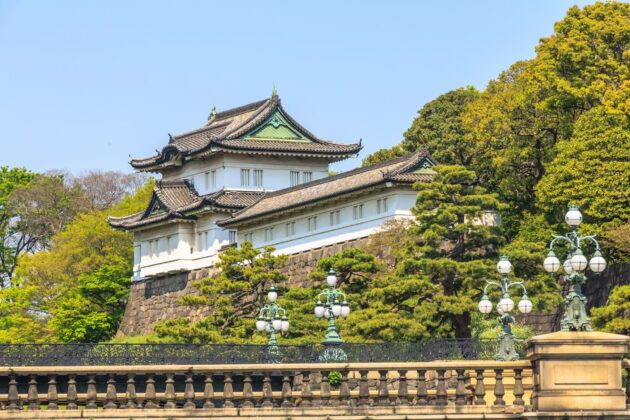
Imperial Palace East Gardens (Higashi Gyoen): Free entry with remnants of Edo Castle structures, ponds, lawns, and seasonal flowers. Highlights: Fujimi-yagura (Mt. Fuji View Keep), former guardhouse, and restored walls. Allow 1–2 hours for a leisurely stroll.
Guided Tours of the Palace Grounds (Free, Reservation Required): Tours (approx. 75 minutes) run at 10:00 AM and 1:30 PM (Tue–Sat, except holidays). Limited spots (around 200 per tour); book online in advance via the Imperial Household Agency website or try same-day tickets at Kikyomon Gate. You’ll see inner gardens and hear historical explanations but won’t enter the main residence buildings. Bring a valid photo ID (passport).
Special Access Days: The inner grounds open to the public on January 2 (New Year’s Greeting) and February 23 (Emperor’s Birthday), when the Imperial Family appears on the balcony.
Practical Tips
Entry: Outer areas and East Gardens are free. Tours are also free but require registration.
What to Bring: Comfortable walking shoes (grounds are large), sunscreen/hat in summer, and a camera. No large bags on tours.
Crowds: Early mornings are best. Weekends can be busier.
Accessibility: Some paths may be uneven; wheelchairs have limited access in parts of the gardens.
Duration: 1–3 hours depending on whether you do gardens only or a tour.
Check the official Imperial Household Agency website for the latest schedule and closures.
Nearby Attractions
Tokyo Station: Iconic architecture, underground shopping, and Ramen Street.
Marunouchi District: Upscale shopping and dining.
Ginza: Luxury shopping (10–15 min walk).
Yasukuni Shrine and Kitanomaru Park.
Where to Eat Nearby
Tokyo Station: Wide variety from casual bento to high-end restaurants, plus character-themed cafes.
Marunouchi: Modern Japanese, French, and Italian options in stylish buildings.
Look for unagi (eel), sushi, or tempura spots in the business district for authentic meals.
Final Thoughts
The Imperial Palace offers a rare blend of tranquility, history, and central Tokyo convenience. Whether you spend an hour admiring the moats or take a full guided tour, it’s a must-visit for understanding Japan’s imperial heritage. Plan ahead for tours and enjoy the serene beauty right in the middle of one of the world’s busiest cities!