
Tsukiji Outer Market Travel Guide (2026)
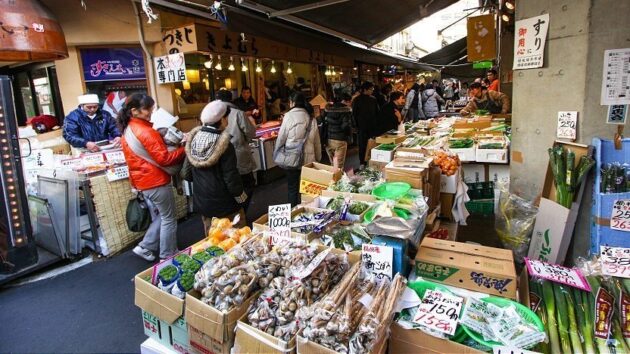
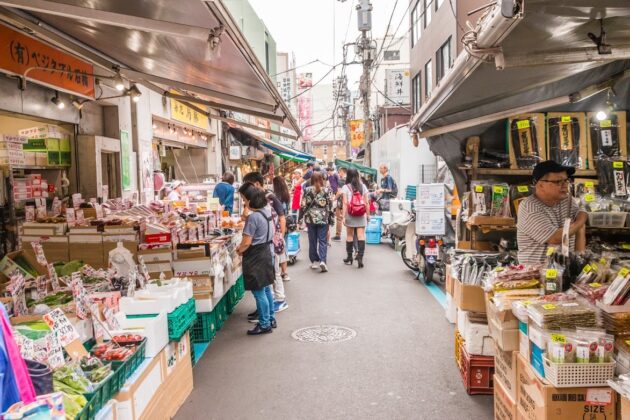
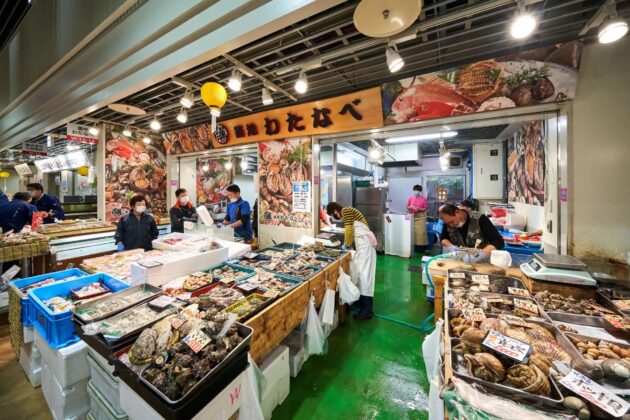
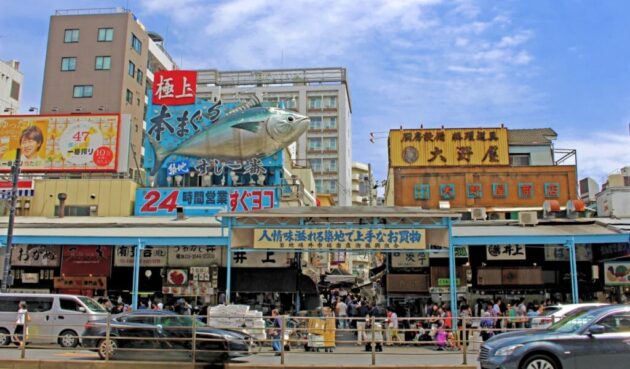
Tsukiji Outer Market (築地場外市場, Tsukiji Jōgai Shijō) remains one of Tokyo’s most vibrant food destinations. While the famous wholesale fish auction moved to Toyosu Market in 2018, the Outer Market continues to thrive with over 400 shops, restaurants, and street food stalls. It’s a paradise for seafood lovers, offering incredibly fresh sushi, sashimi, grilled specialties, and traditional Japanese ingredients in a bustling, authentic atmosphere.
Why Visit Tsukiji Outer Market?
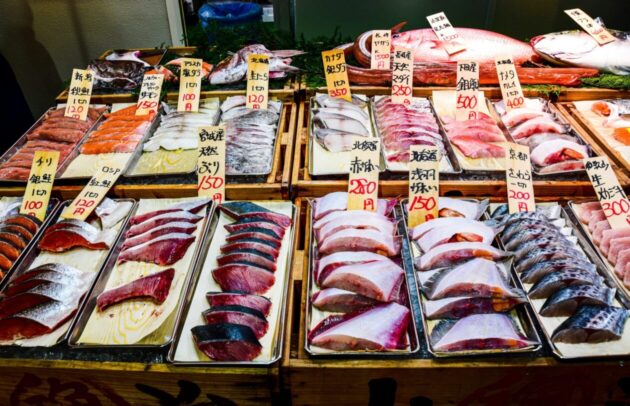
Fresh seafood sourced daily from Toyosu.
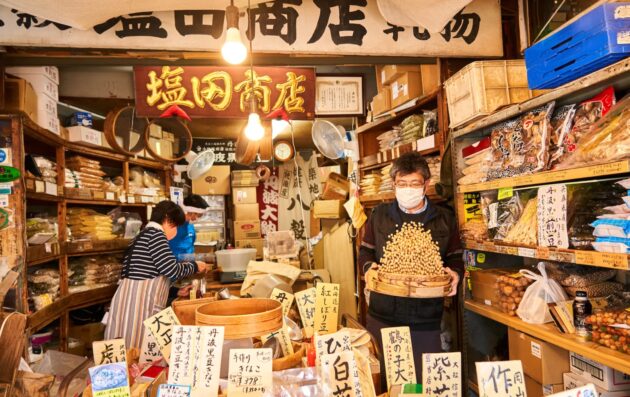
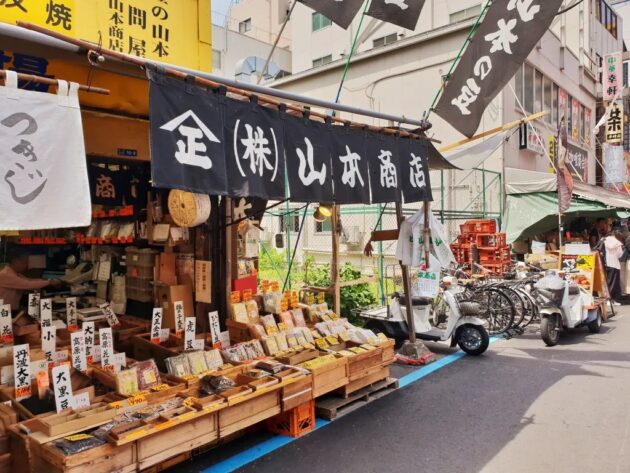
A mix of wholesale/retail shops selling everything from knives and kitchenware to dried goods, fruits, and pickles.
Excellent street food and sit-down eateries for an immersive Japanese culinary experience.
Easy to combine with nearby Ginza for upscale shopping or Hamarikyu Gardens for a relaxing contrast.
Best Time to Visit
The market is most lively in the morning. Most shops open around 5:00 AM and close by 2:00 PM (some tourist-oriented spots stay open longer).
Ideal window: 8:00 AM – 11:00 AM. This balances freshness, energy, and manageable crowds.
Avoid: After noon (it gets very crowded) or too early (before 9 AM, when it’s busy with professional buyers).
Closed: Many stalls are closed on Sundays and some Wednesdays, plus national holidays. Check ahead if possible.
How to Get There
Tsukiji Station (Tokyo Metro Hibiya Line) – 1-2 minute walk.
Tsukiji Shijo Station (Toei Oedo Line) – Very convenient.
From Tokyo Station: Take Marunouchi Line to Ginza (3 min), then Hibiya Line to Tsukiji (3 min). Total ~¥180.
From Shinjuku: Direct on Oedo Line to Tsukiji Shijo (~20 min).
From Shimbashi (JR Yamanote Line): 15-20 minute walk.
The area is compact and easy to explore on foot.
What to Eat and Drink
Sushi and Sashimi: Fresh tuna, uni (sea urchin), and chirashi bowls. Many small counters open early for breakfast sushi.
Seafood Rice Bowls (Donburi): Topped with assorted sashimi.
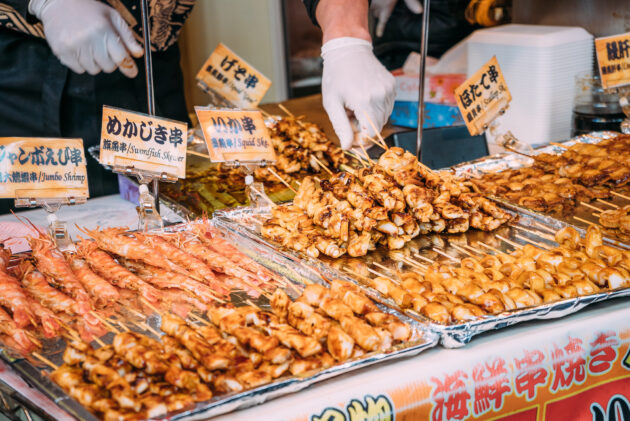
Grilled Specialties: Oysters, scallops, eel (unagi), and wagyu skewers.
Tamagoyaki: Sweet rolled omelette – a classic Tsukiji snack.
Other Street Foods: Onigiri, horumon (offal) don, tempura, grilled corn fishcakes, and fresh fruit juices.
Sweets: Matcha ice cream or seasonal Japanese desserts.
Pro Tip: Many places are cash-only. Bring plenty of yen. Lines form quickly at popular spots — arrive early or be patient.
What to Buy
Fresh or processed seafood (to eat on-site or take home if you have proper storage).
High-quality Japanese knives and kitchen tools.
Dried fish, pickles (tsukemono), seasonings, and snacks.
Seasonal fruits and vegetables.
Practical Tips
Crowds and Etiquette: The lanes are narrow. Be mindful of locals and professionals shopping early. Don’t block pathways.
Language: Many menus have English/Chinese translations, and staff are generally helpful with tourists.
Duration: Plan 2–4 hours. You can easily spend half a day eating and browsing.
Combine with Nearby Attractions: Ginza (shopping and fine dining). Hamarikyu Gardens. Toyosu Market (if you want to see the wholesale side and auction viewing).
Tours: Consider a guided food tour for deeper insights and to skip some lines.
Final Thoughts
Tsukiji Outer Market perfectly blends tradition, freshness, and energy. Whether you’re a hardcore foodie or a casual visitor, it offers one of Tokyo’s most memorable culinary experiences. Come hungry, bring cash, and enjoy the vibrant “Food Town” of Japan!
Official Site: tsukiji.or.jp (for maps and updates). Enjoy your trip! 🇯🇵