
Daisetsuzan National Park Travel Guide (2026)
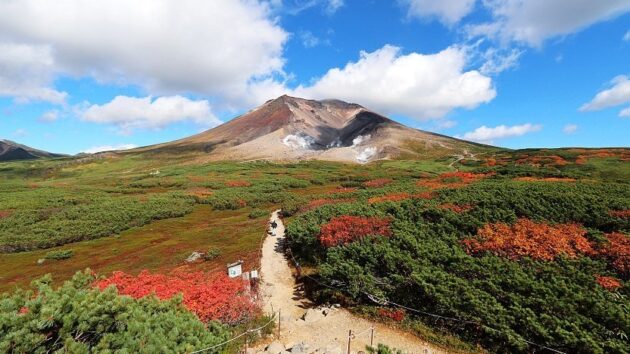
Daisetsuzan National Park (大雪山国立公園), often called “the playground of the gods” by the indigenous Ainu people (Kamuy Mintara), is Japan’s largest national park. Located in the mountainous heart of Hokkaido, it spans approximately 2,267 km² (226,764 hectares) and features dramatic volcanic landscapes, alpine meadows, rugged peaks, hot springs, and abundant wildlife.
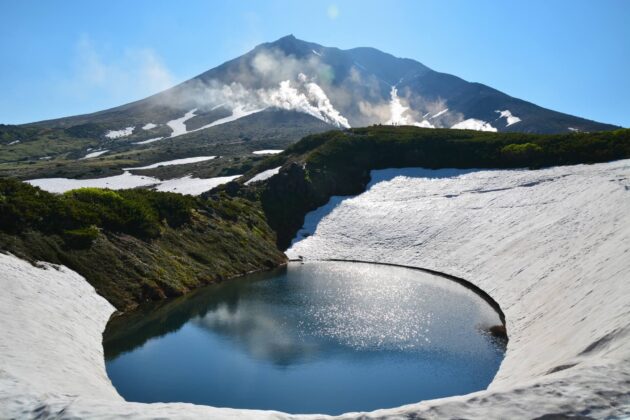
It is home to 16 peaks over 2,000 meters, including Mount Asahidake (2,291m), Hokkaido’s highest mountain. The park is renowned for being one of the first places in Japan to see autumn foliage and snow, making it a paradise for hikers, nature photographers, and outdoor enthusiasts.
Best Time to Visit
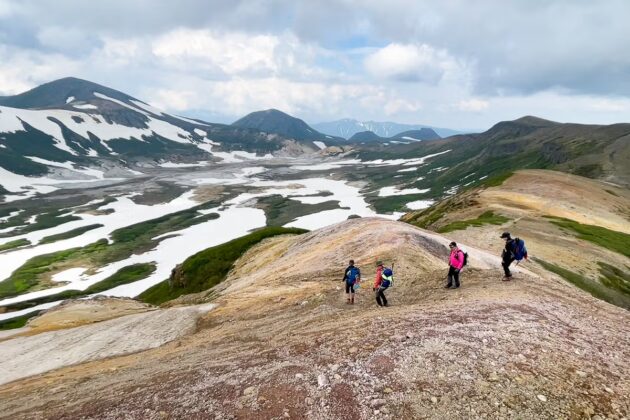
Summer (July–August): Ideal for hiking and wildflowers. Short but pleasant season with cooler temperatures than mainland Japan.
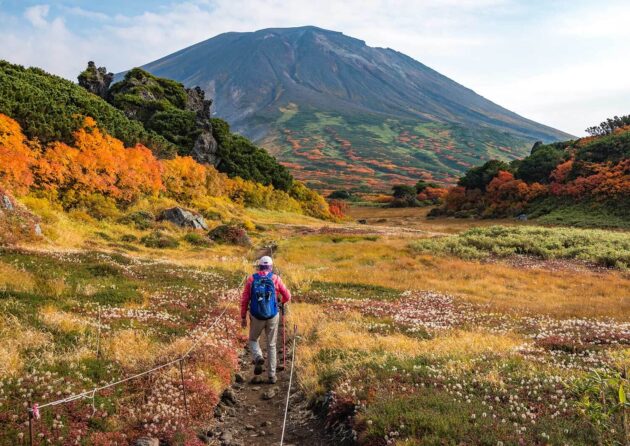
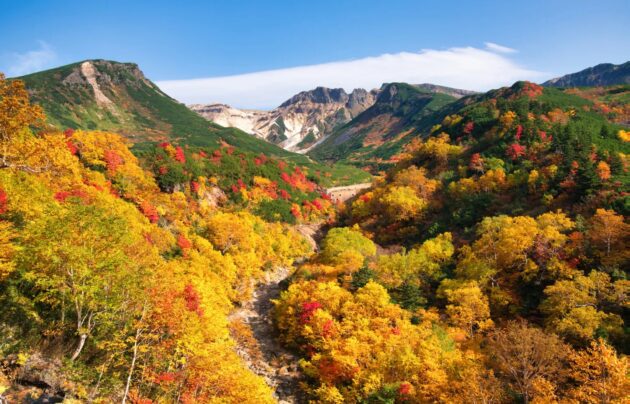
Autumn (mid-September to mid-October): Peak season for vibrant fall colors—the earliest in Japan. Highly recommended for photography.
Winter: Deep snow and excellent for snowshoeing or skiing, but many trails close and access is limited.
Spring: Possible but trails may still have snow.
Weather can change rapidly in the mountains, so always check forecasts and prepare for cold, wind, and rain even in summer.
Top Attractions and Things to Do
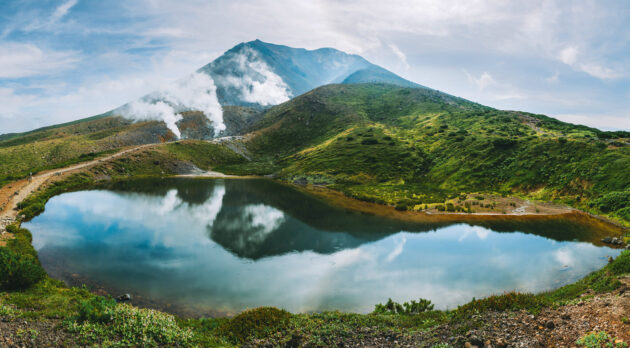
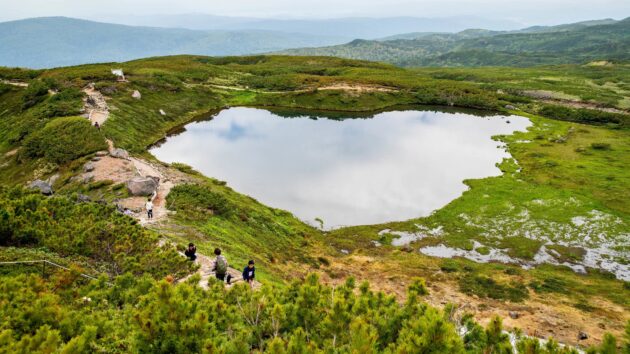
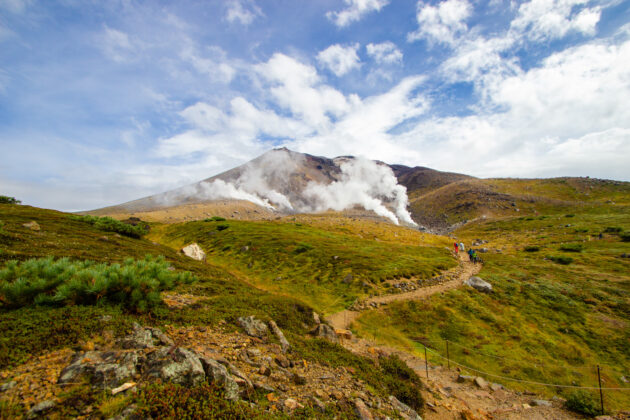
Mount Asahidake Area (Western side): Take the Asahidake Ropeway (Sugatami Station) for easy access to volcanic landscapes. Hike the Sugatami Pond Loop — a gentle boardwalk trail with reflecting ponds, steaming fumaroles (volcanic vents), and alpine plants. Summit hike to Mount Asahidake: Rewarding but steep; suitable for experienced hikers.
Sounkyo Gorge and Kurodake (Northern/Eastern side): Dramatic gorge with towering cliffs. Ryusei and Ginga Waterfalls — easily accessible. Kurodake Ropeway offers panoramic views and access to hiking trails with excellent autumn colors.
Other Highlights: Tokachidake area: Volcanic hikes and onsen. Various onsen resorts scattered throughout (Asahidake Onsen, Sounkyo Onsen, etc.). Wildlife spotting: Ezo deer, brown bears (be cautious and carry bear bells), pikas, and rare alpine flora.
Popular Hikes (difficulty varies): Easy: Sugatami Pond area. Moderate to Hard: Asahidake summit, Kurodake trails, or multi-day traverses (e.g., Asahidake to Sounkyo).
How to Get There
By Air: Fly to Asahikawa Airport (from Tokyo ~1.5 hours). Then take a bus to Asahidake Onsen (~1.5–2 hours) or Sounkyo Onsen.
From Sapporo: About 3–3.5 hours by car or train + bus.
Within the Park: Car is best for flexibility. Public buses are available but infrequent. Ropeways are key for accessing higher trails.
Where to Stay
Asahidake Onsen: Quiet, close to the ropeway. Options include ryokans like Daisetsuzan Shirakaba-so with onsen.
Sounkyo Onsen: Larger selection of hotels, restaurants, and shops. Good base for exploring multiple areas.
Other options: Tokachidake Onsen, mountain huts (for serious hikers), or nearby towns like Asahikawa for more amenities.
Book early, especially during peak autumn foliage season.
Practical Tips
Preparation: Sturdy hiking boots, rain gear, layers, bear spray/bells, and a good map/app. Trails can be rocky and exposed.
Safety: Check trail conditions at visitor centers. Volcanic activity and sudden weather changes are risks.
Fees: Ropeways have round-trip tickets (around ¥2,000–3,200). Park entry is free.
Food: Limited options inside the park; bring snacks or eat at onsen hotels. Local specialties include Hokkaido dairy, seafood, and Jingisukan (lamb BBQ).
Sustainability: Follow Leave No Trace principles. Stay on marked trails to protect fragile alpine vegetation.
Final Thoughts
Daisetsuzan offers some of Japan’s most pristine and dramatic mountain scenery. Whether you come for a relaxing onsen stay with ropeway views or challenging multi-day hikes, the park delivers unforgettable experiences in raw, wild nature.
Enjoy your trip to the roof of Hokkaido! 🏔️