
Sapporo Travel Guide (2026): Japan’s Cool Northern Capital
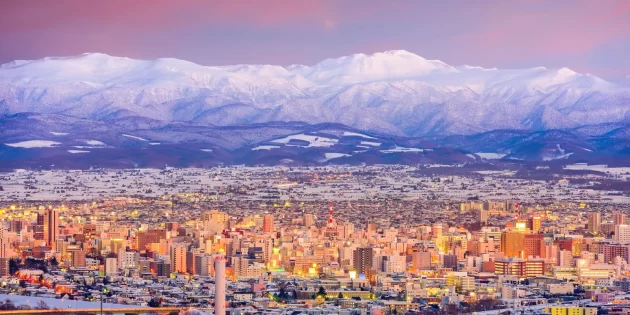
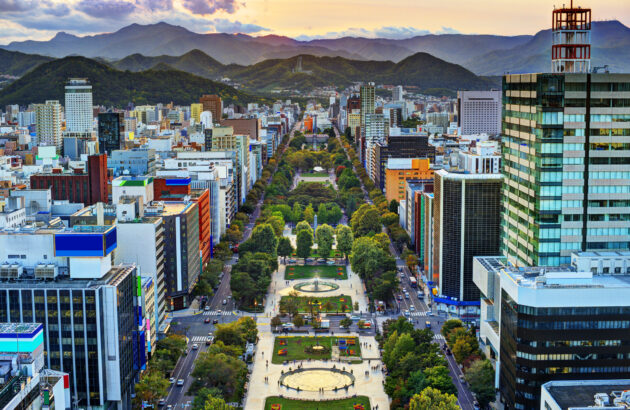
Sapporo, the capital of Hokkaido, is Japan’s fifth-largest city and one of its most livable. Famous for its wide boulevards, snowy winters, excellent beer, and fresh seafood, Sapporo offers a refreshing contrast to the crowded cities of Honshu. It’s modern, clean, and surrounded by nature, making it perfect for both winter snow lovers and summer nature enthusiasts.
Best Time to Visit
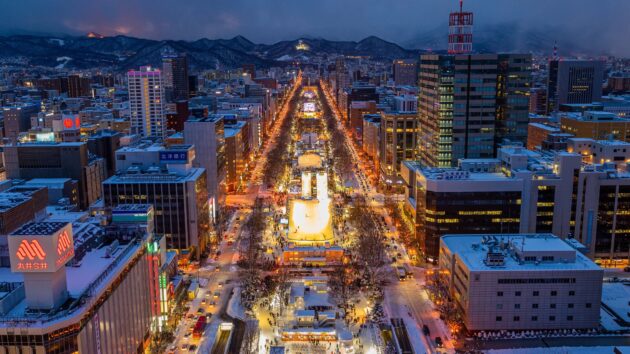
Winter (Dec–Feb): The most famous season. The Sapporo Snow Festival (Yuki Matsuri) in early February draws millions with massive snow sculptures. Great for skiing, snowboarding, and winter illuminations. Expect cold temperatures (-5°C to -10°C / 23–14°F).
Summer (Jun–Aug): Mild and pleasant (20–25°C / 68–77°F). Ideal for hiking, cycling, and enjoying outdoor festivals. Fewer crowds than in Tokyo or Kyoto.
Spring & Autumn: Good shoulder seasons with beautiful cherry blossoms (late April–early May) and vibrant autumn foliage (late September–mid-October).
How to Get There
By Air: Fly into New Chitose Airport (CTS), about 45–60 minutes from central Sapporo by train. Many international flights from Asia and seasonal flights from Europe/North America.
By Train: The Hokkaido Shinkansen connects to Tokyo (about 7–8 hours with transfers). The JR Hokkaido Rail Pass is useful for exploring the island.
Within Sapporo: Excellent subway system (3 lines), trams, buses, and taxis. Get an IC card (Kitaca or Suica) for seamless travel.
Top Attractions
Odori Park: The heart of the city. In summer it hosts beer gardens and events; in winter it becomes the main venue for the Snow Festival. Great for people-watching and picnics.
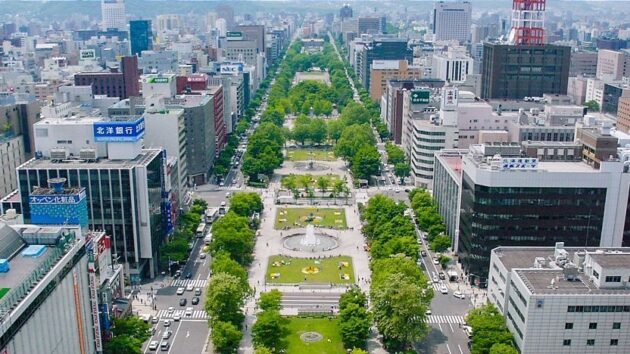
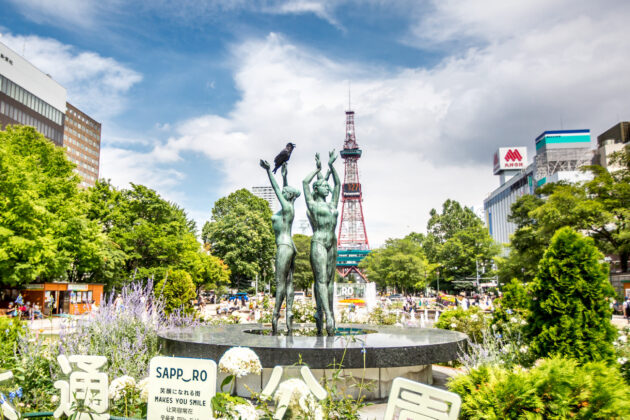
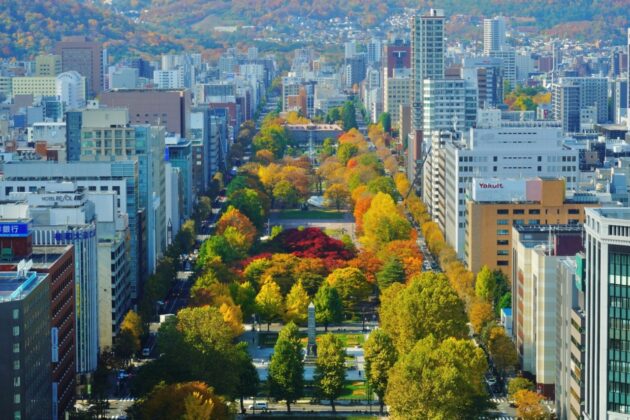
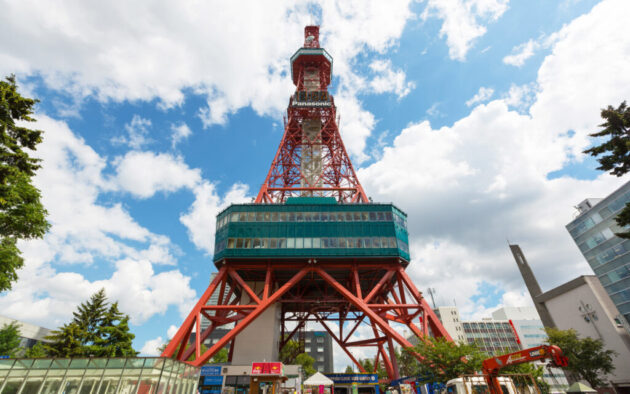
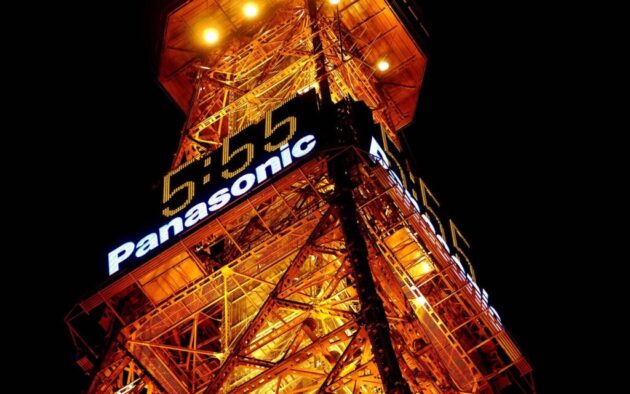
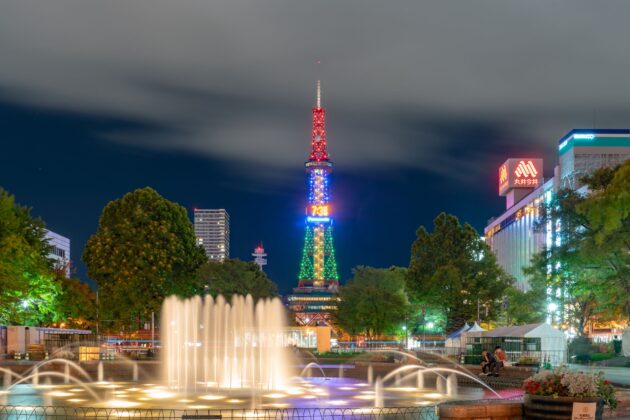
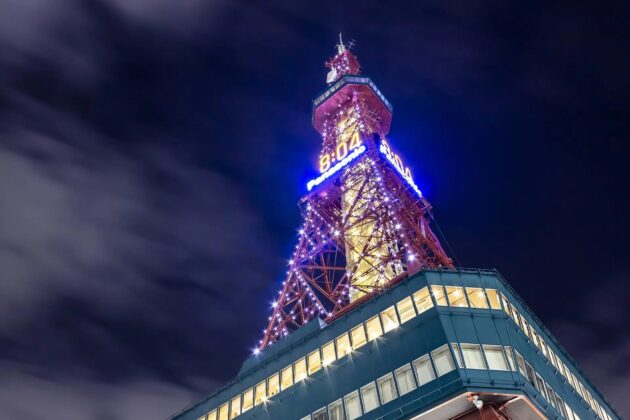
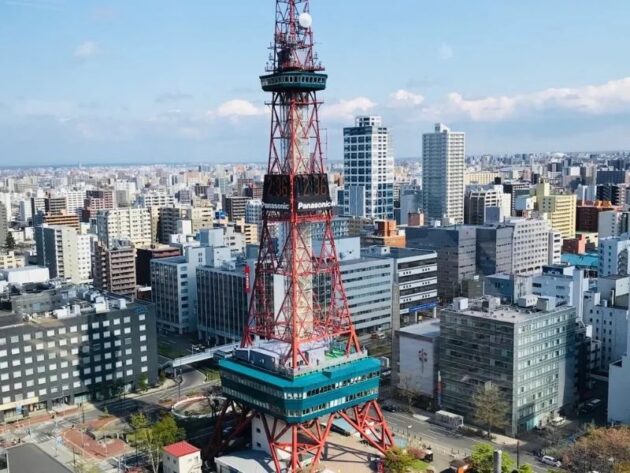
Sapporo TV Tower: Located at the east end of Odori Park. Offers panoramic views of the city and mountains (especially beautiful at sunset).
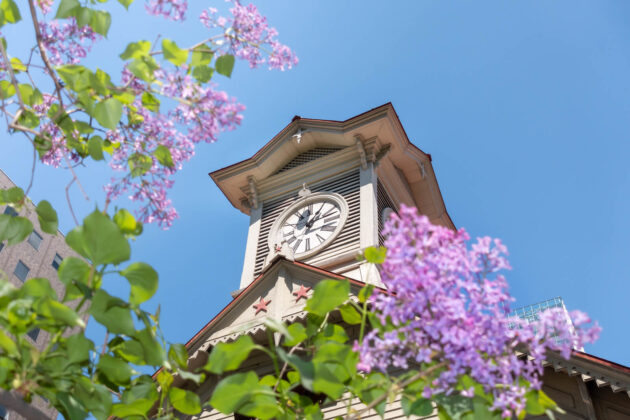
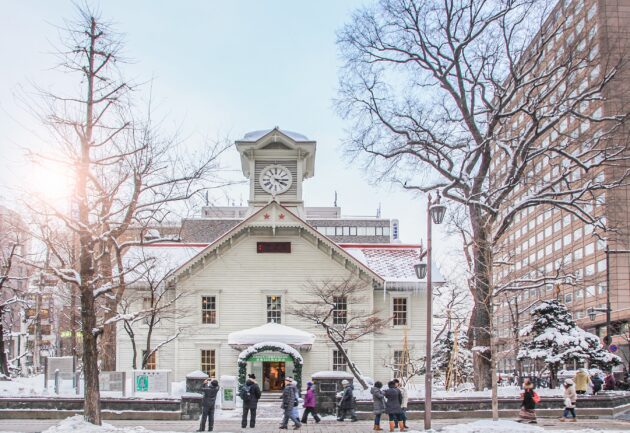
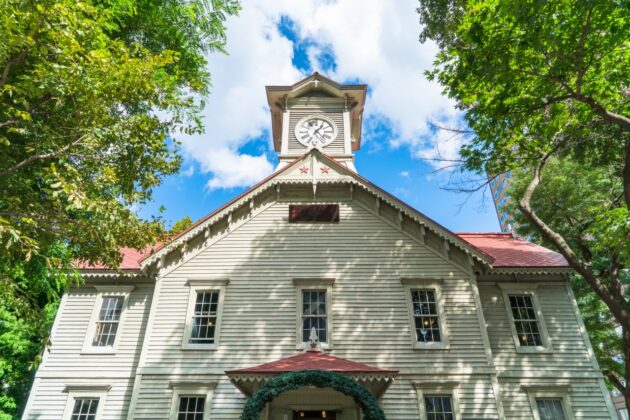
Sapporo Clock Tower: A historic red-brick building and symbol of Sapporo. Small museum inside.
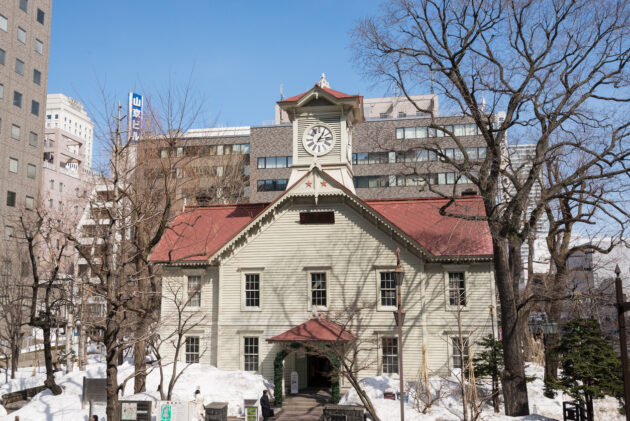
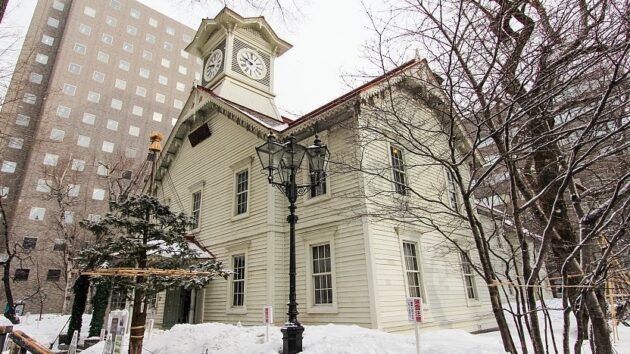
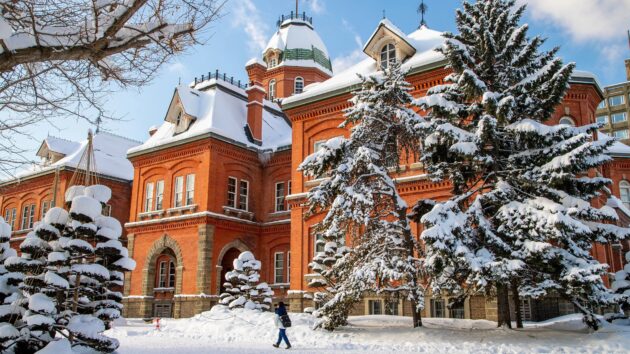
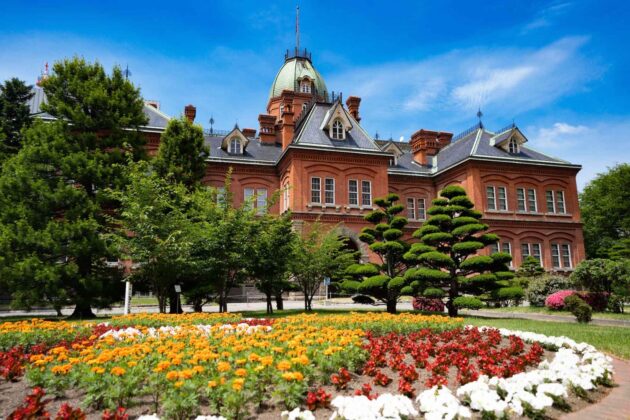
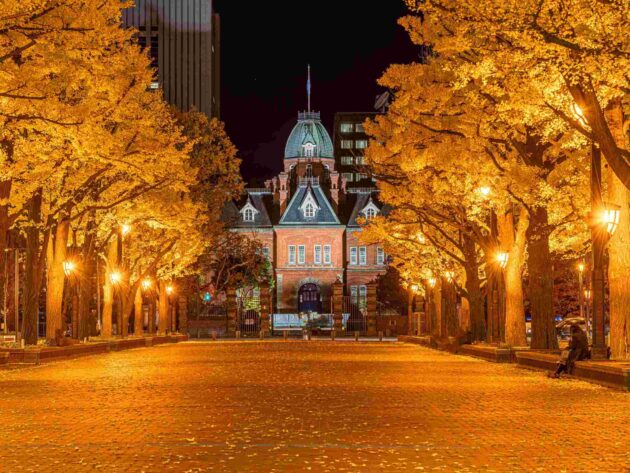
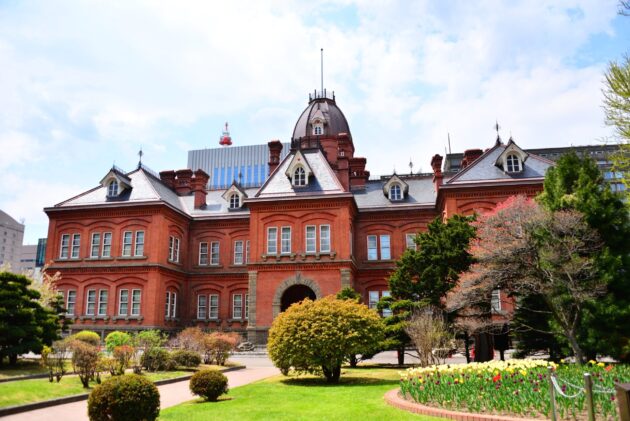
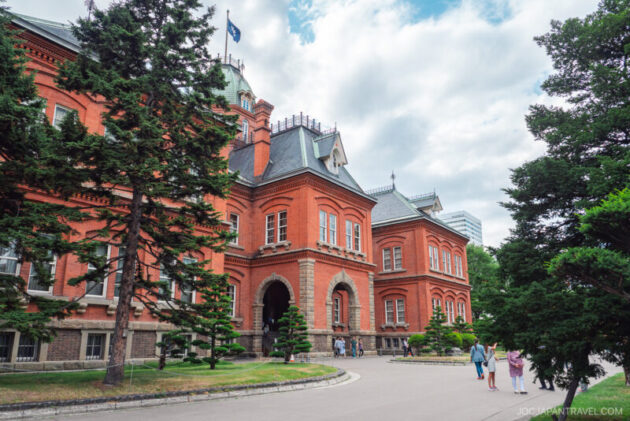
Former Hokkaido Government Office (Red Brick Office): Beautiful Western-style building with free admission and nice gardens.
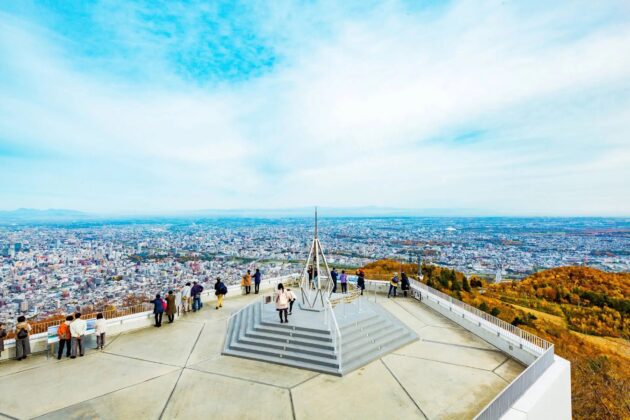
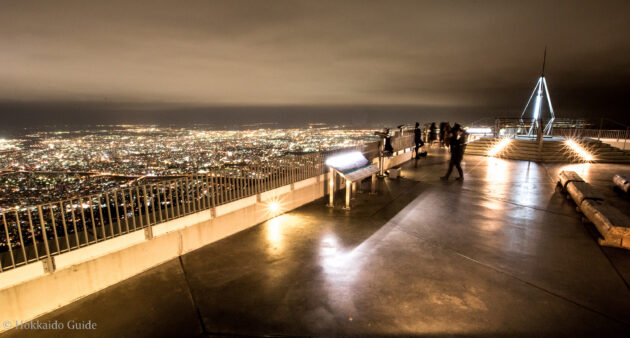
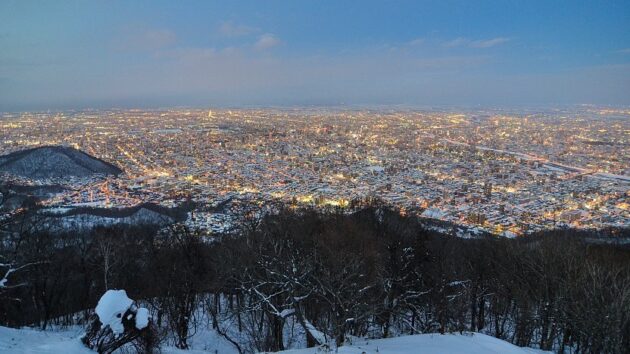
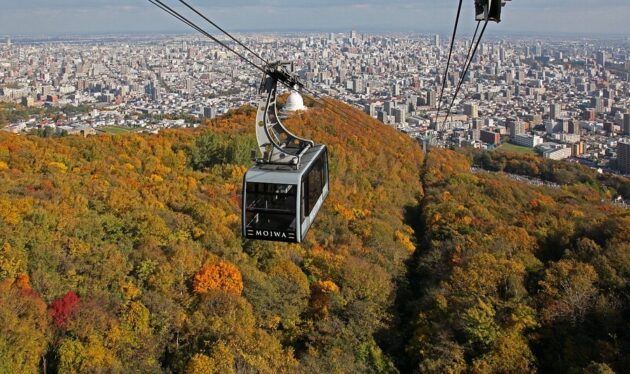
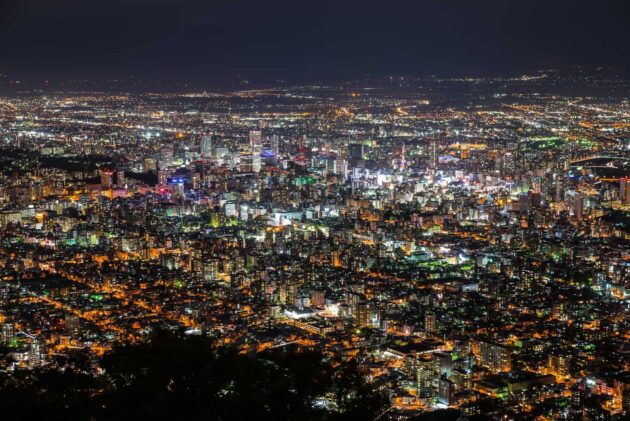
Mt. Moiwa: Take the ropeway up for stunning night views of the illuminated city. Popular for couples.
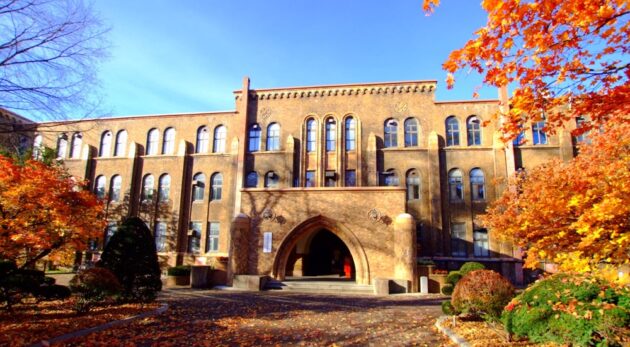
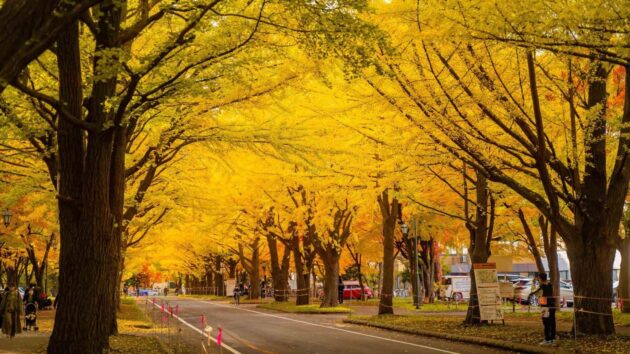
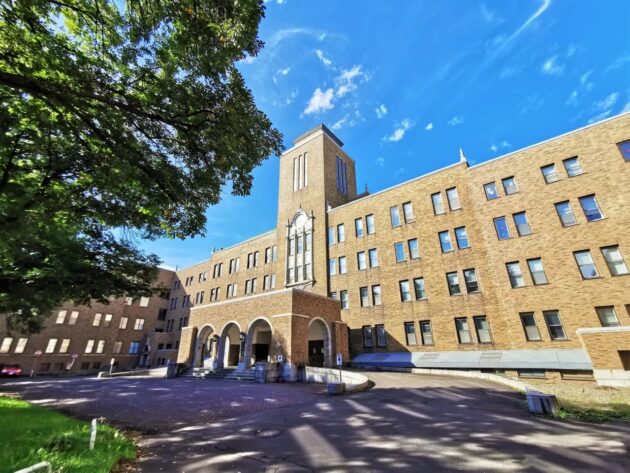
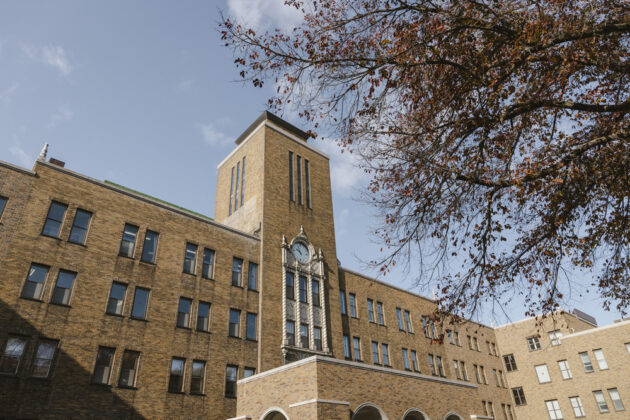
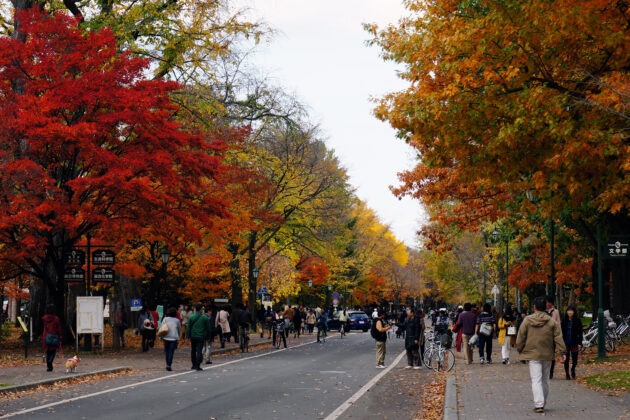
Hokkaido University (Hokudai): Beautiful campus with the famous ginkgo avenue in autumn and lilac festival in spring.
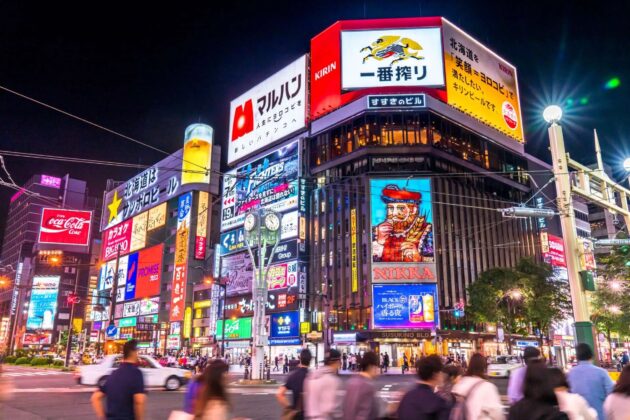
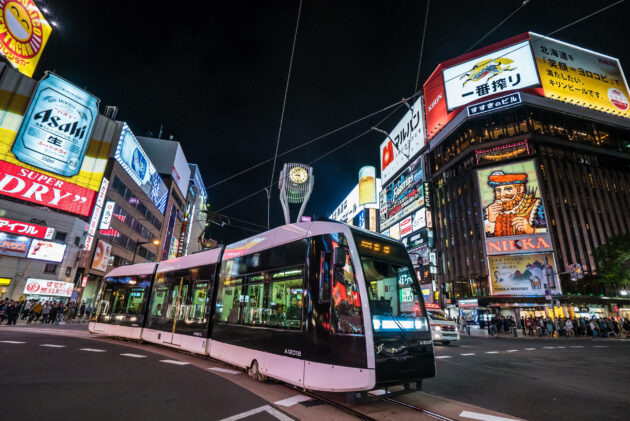
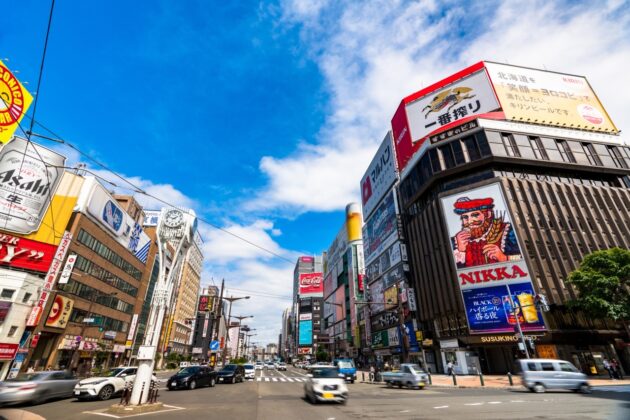
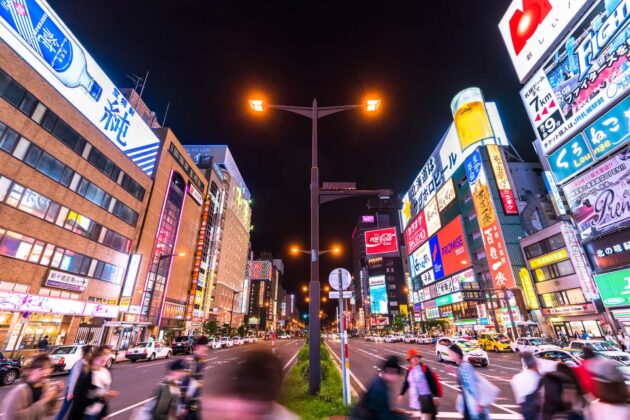
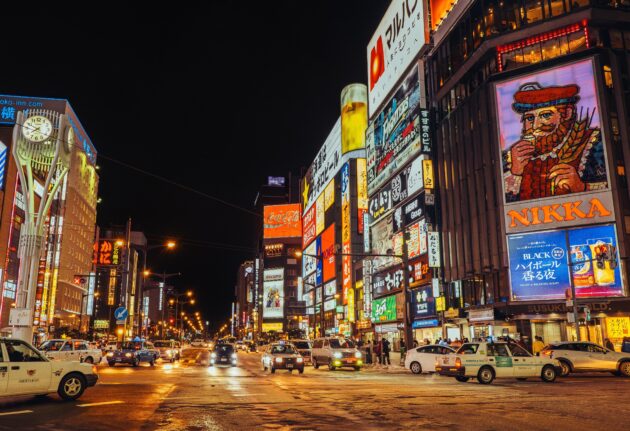
Susukino: Hokkaido’s largest entertainment district. Neon lights, restaurants, bars, and izakayas. Safe and vibrant.
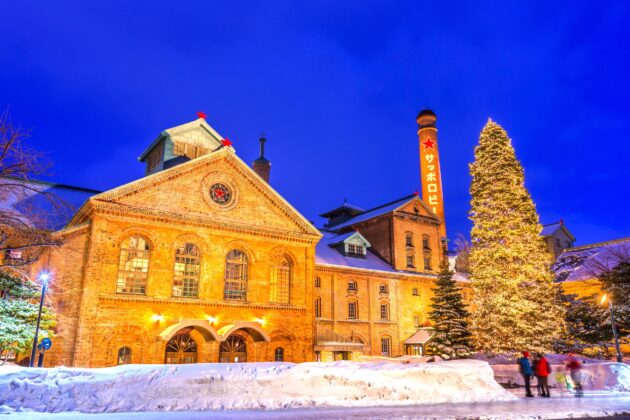
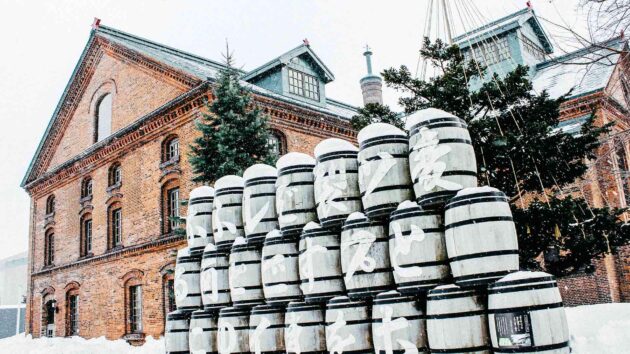
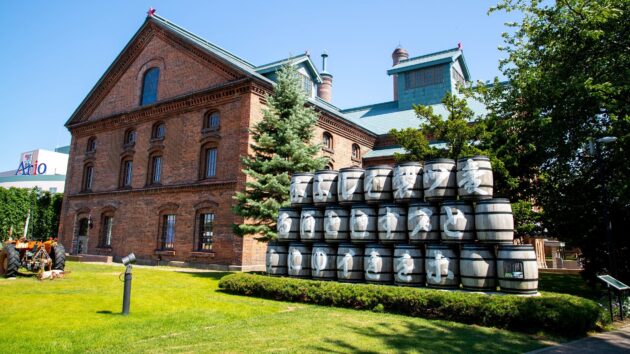
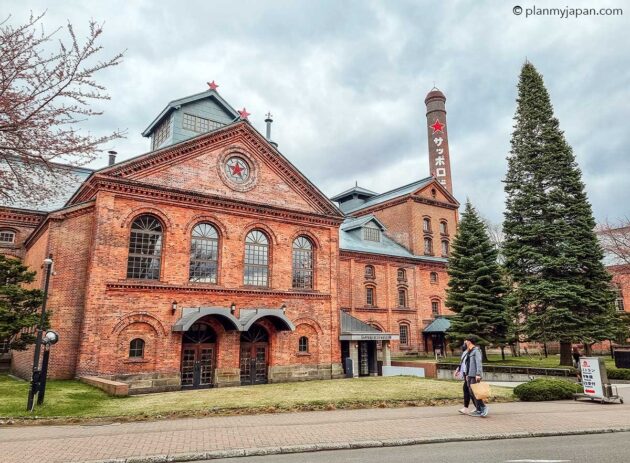
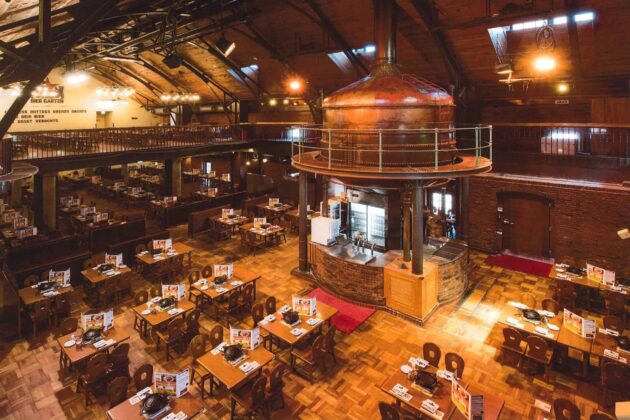
Sapporo Beer Museum: Learn about Japan’s oldest beer brand and enjoy all-you-can-eat lamb jingisukan (Genghis Khan) barbecue with unlimited beer.
Food You Must Try
Sapporo is a food paradise, especially for seafood lovers:
Ramen: Try miso ramen (thick, rich broth) – places like Sumire or Aji no Sanpei are legendary.
Seafood: Fresh crab, uni (sea urchin), salmon, and sushi at Nijo Market or Sapporo Central Wholesale Market.
Jingisukan: Grilled lamb with vegetables.
Soup Curry: A unique Hokkaido dish with spicy broth and chunky vegetables.
Soft-serve Ice Cream: Hokkaido milk is famous – try melon, lavender, or corn flavors.
Sapporo Beer: Freshly brewed on site.
Day Trips from Sapporo
Otaru
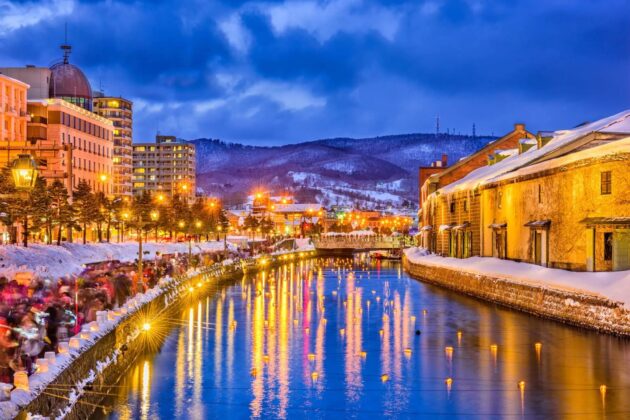
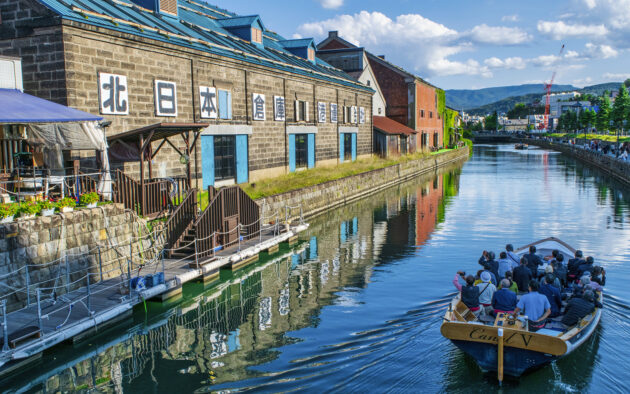
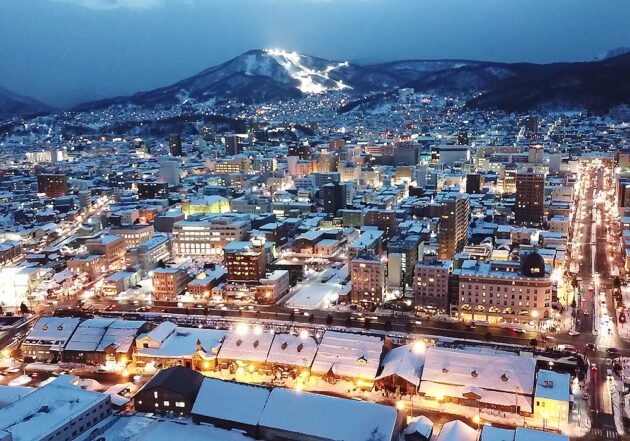
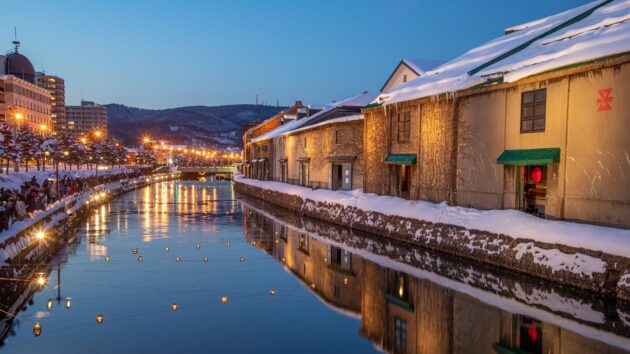
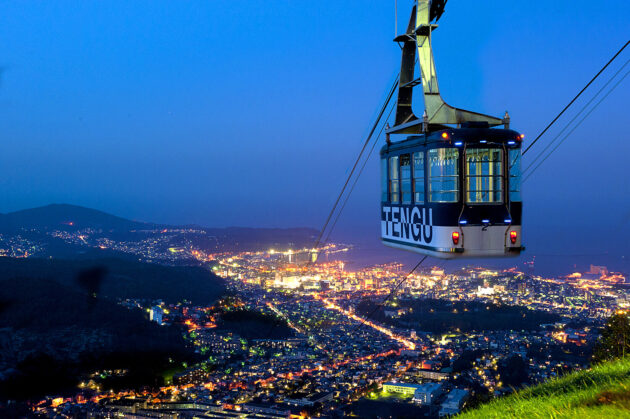
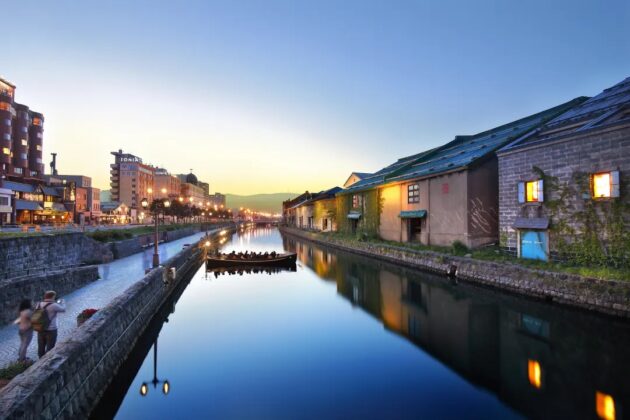
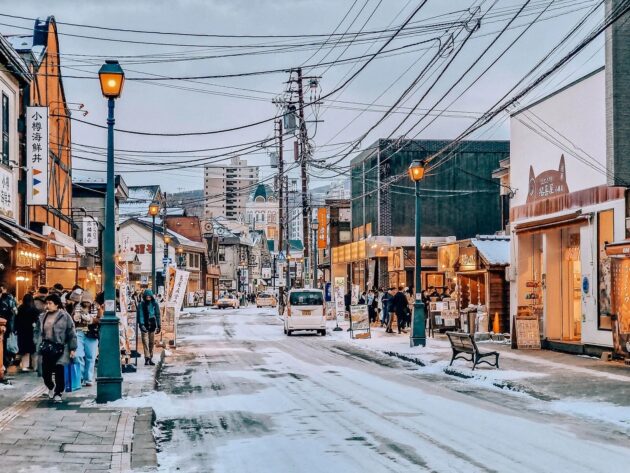
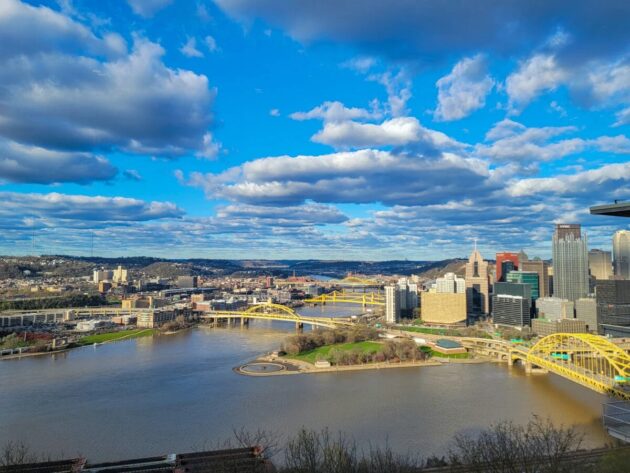
Otaru is a picturesque port city on the western coast of Hokkaido, Japan, just 30–40 minutes from Sapporo. Famous for its beautifully preserved Meiji and Taisho-era warehouses, romantic canal, fresh seafood, and glassmaking tradition, Otaru offers a perfect blend of history, culture, and gastronomy.
Furano
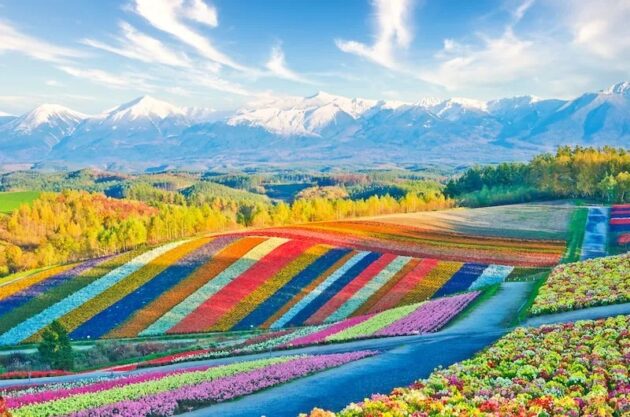
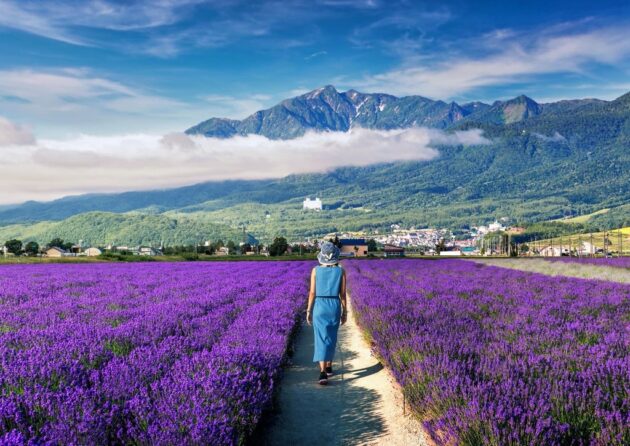
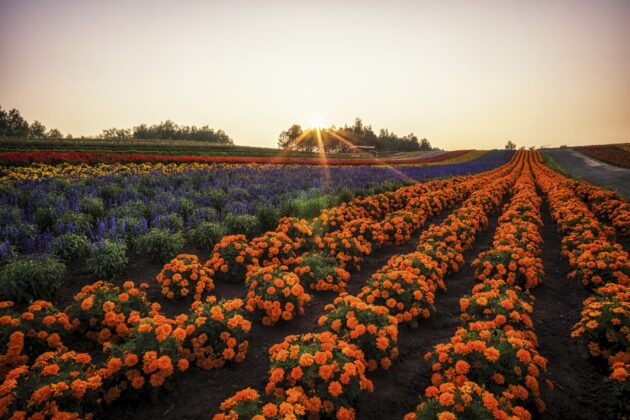
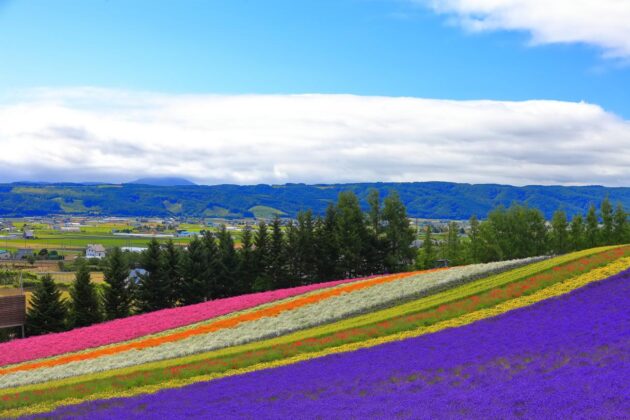
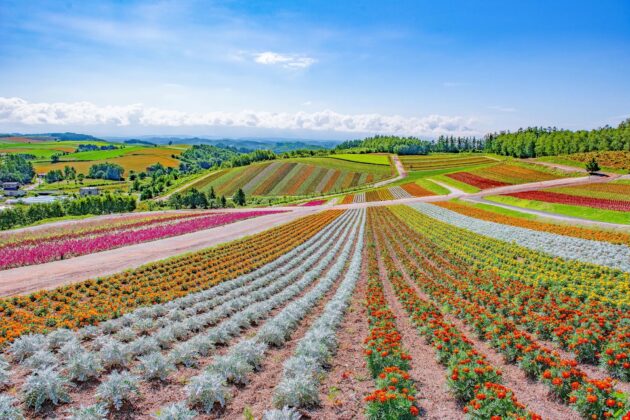
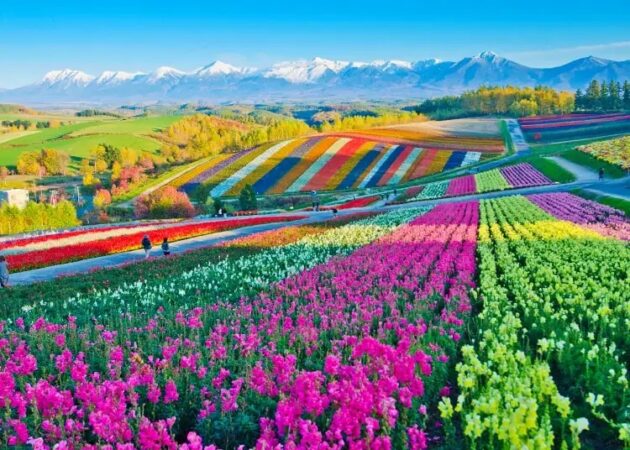
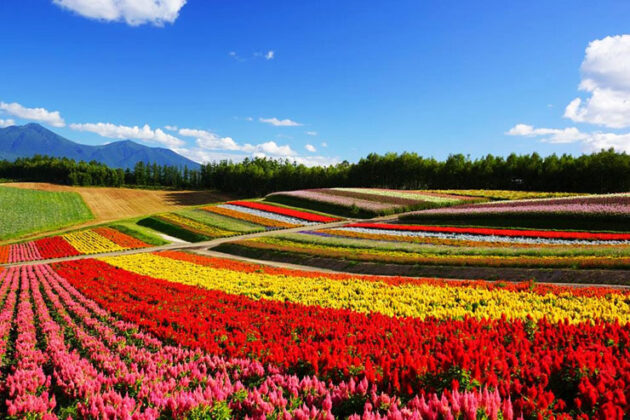
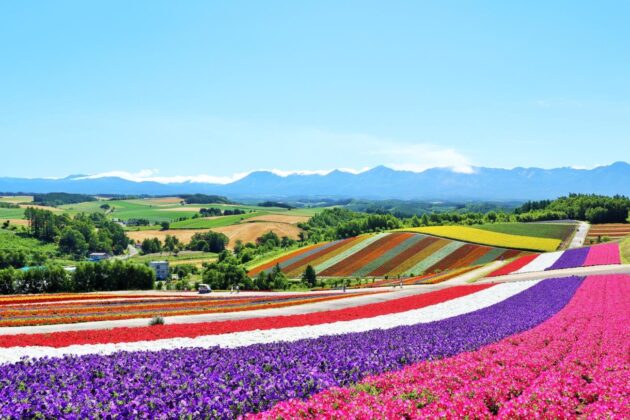
Furano (富良野), located in the heart of Hokkaido, Japan, is affectionately called Heso no Machi (“Belly Button Town”) for its central position on the island. This charming rural area is famous for its stunning seasonal landscapes—vibrant lavender and flower fields in summer, world-class powder skiing in winter, and beautiful autumn foliage and vineyards.
Niseko
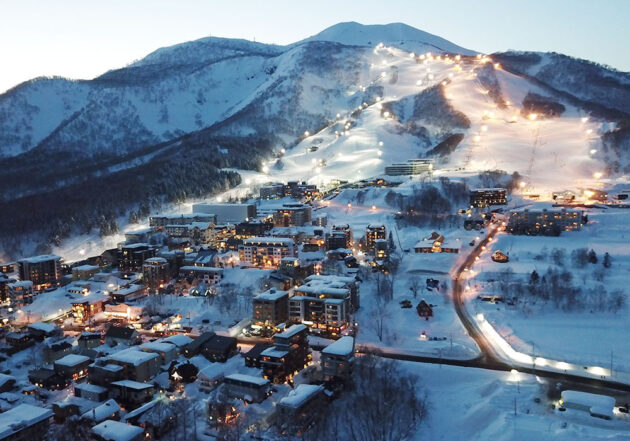
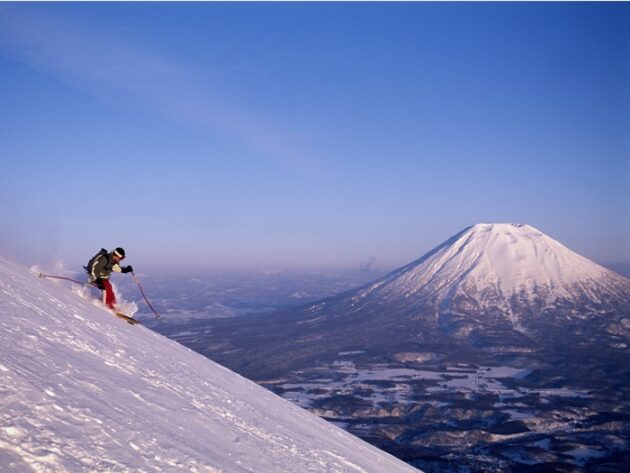
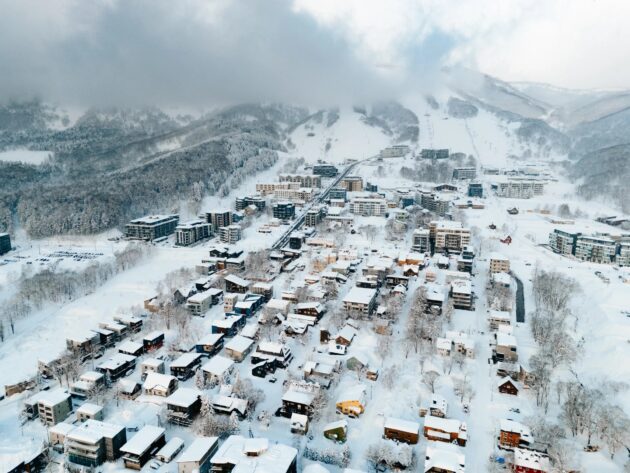
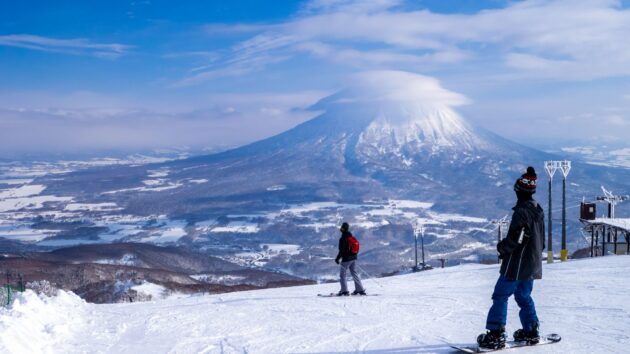
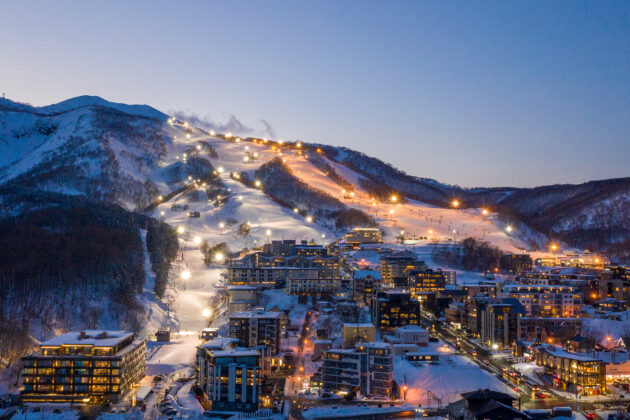
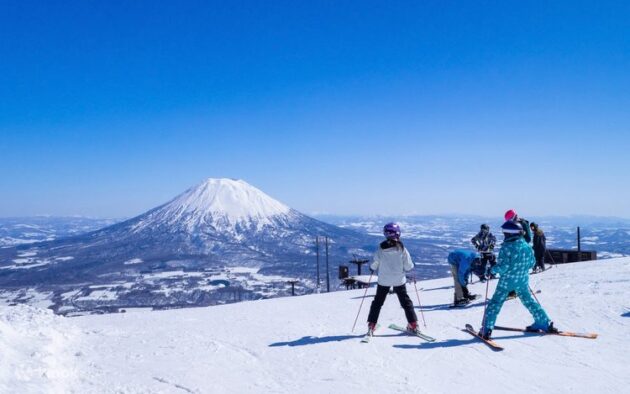
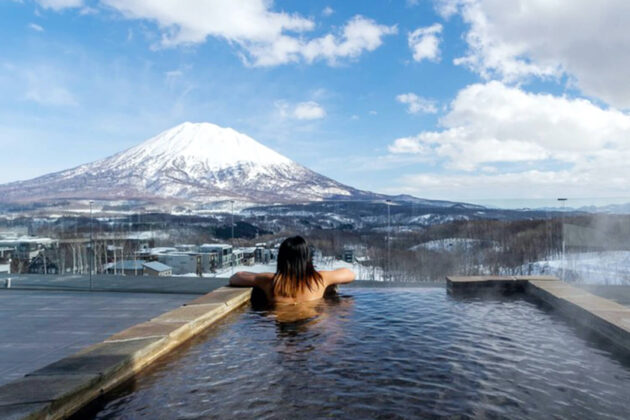
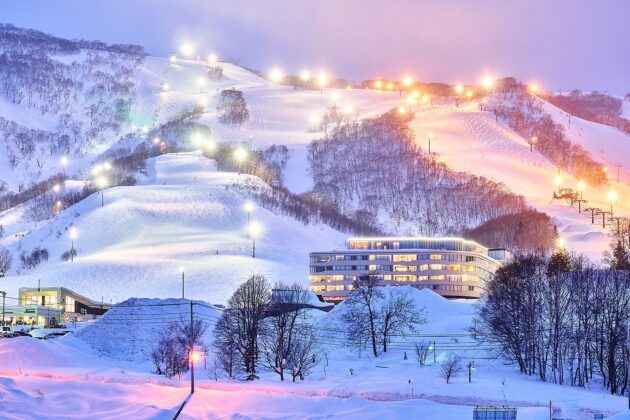
Niseko, located in Hokkaido, Japan, is world-renowned for its world-class powder snow, stunning volcanic landscapes, and vibrant international atmosphere. Situated at the foot of Mount Yotei (often called the “Fuji of Hokkaido”), Niseko offers exceptional skiing and snowboarding in winter, while summers bring lush greenery, hiking, rafting, and hot springs.
Shikotsu-Toya National Park
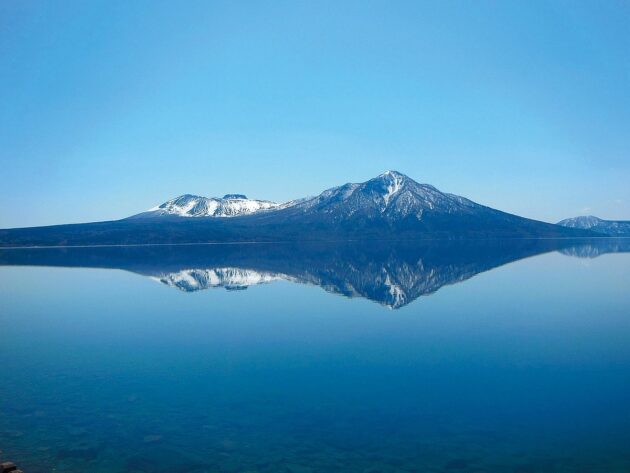
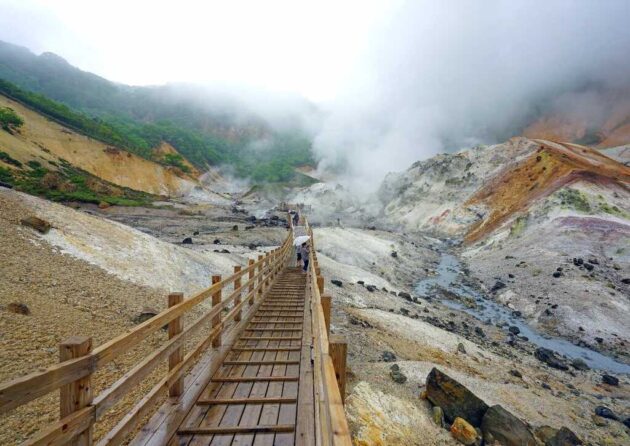
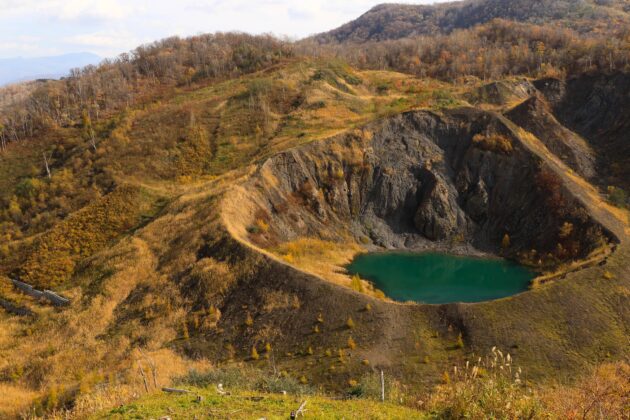
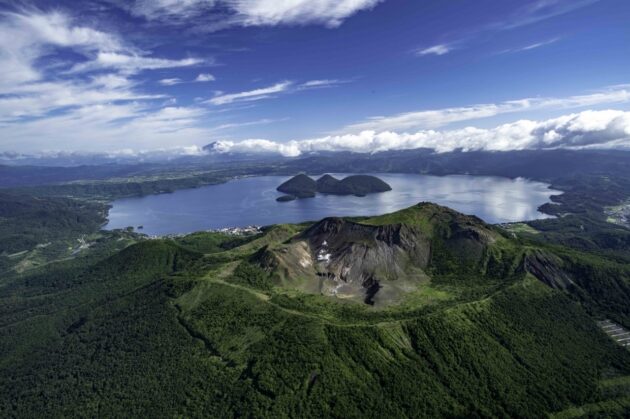
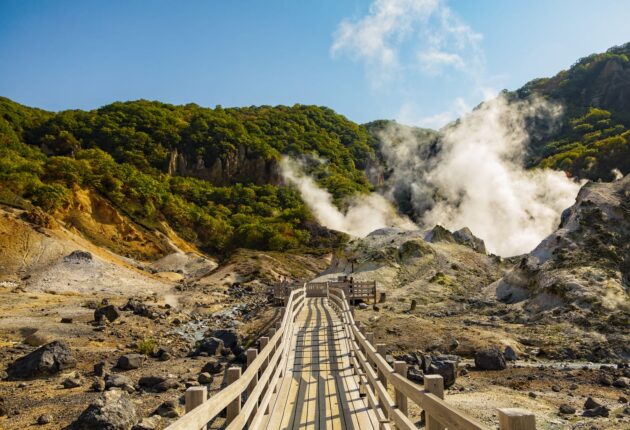
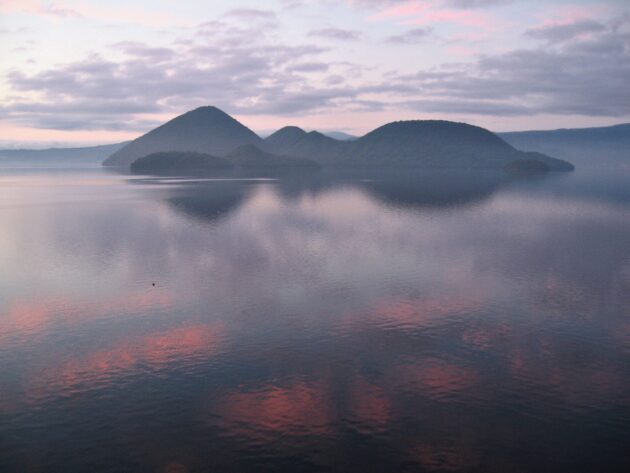
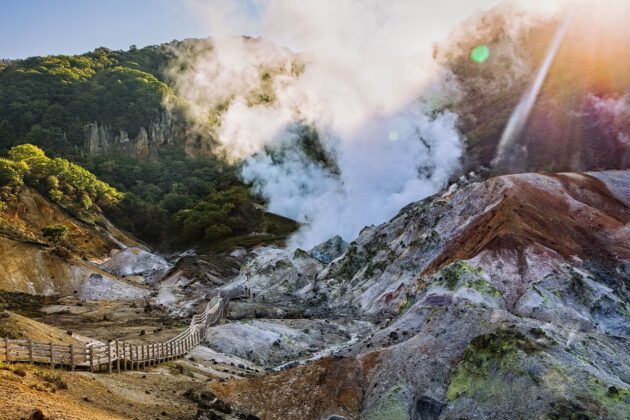
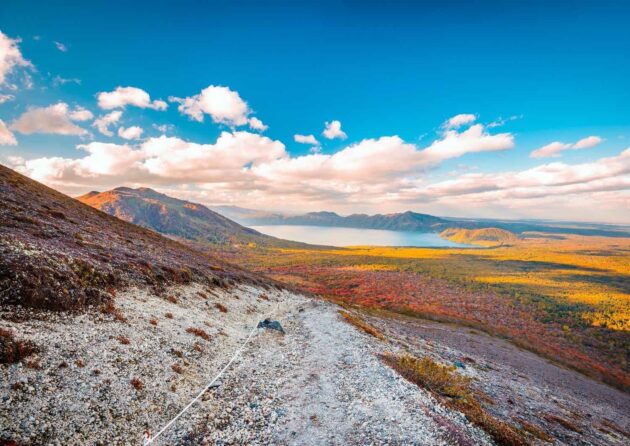
Shikotsu-Toya National Park (支笏洞爺国立公園) in southwestern Hokkaido is one of Japan’s most accessible and diverse national parks. Established in 1949, it spans about 99,473 hectares and features dramatic volcanic landscapes, two stunning caldera lakes (Lake Shikotsu and Lake Toya), active volcanoes, lush forests, and renowned hot springs (onsen).
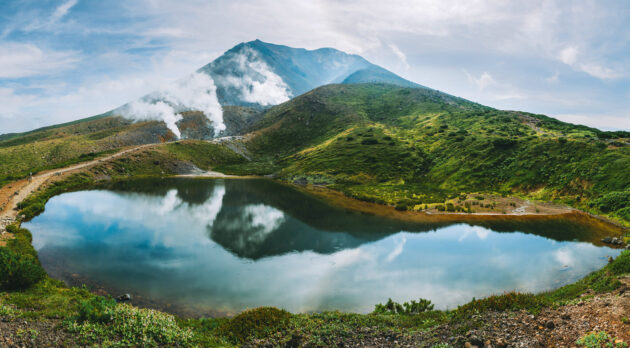
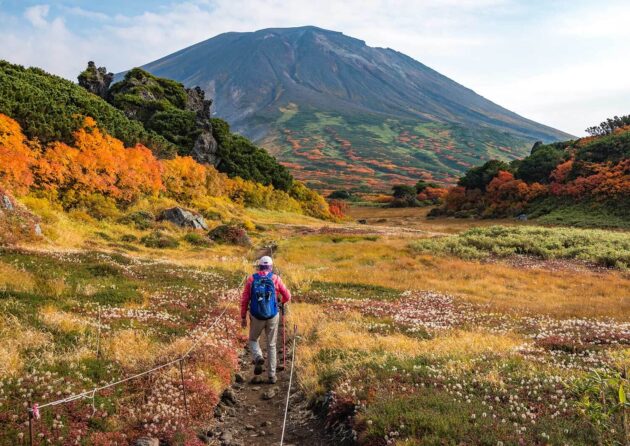
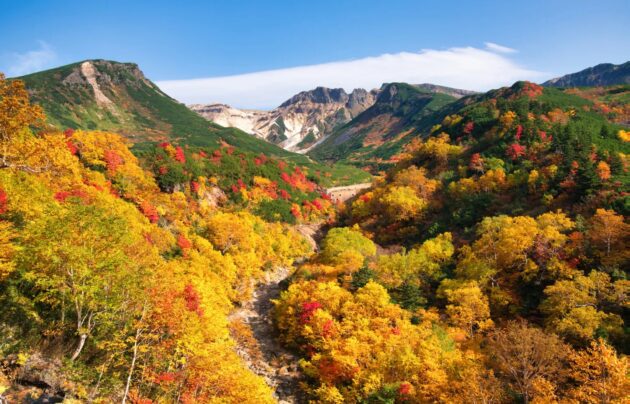
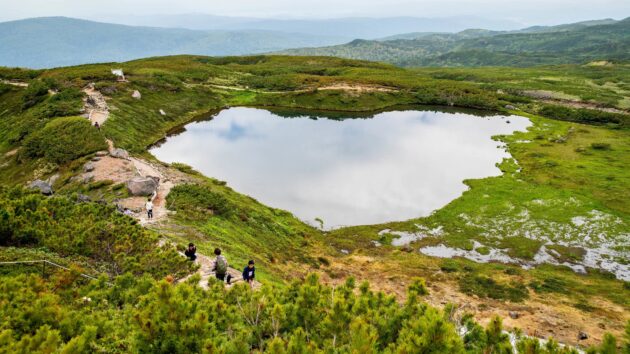
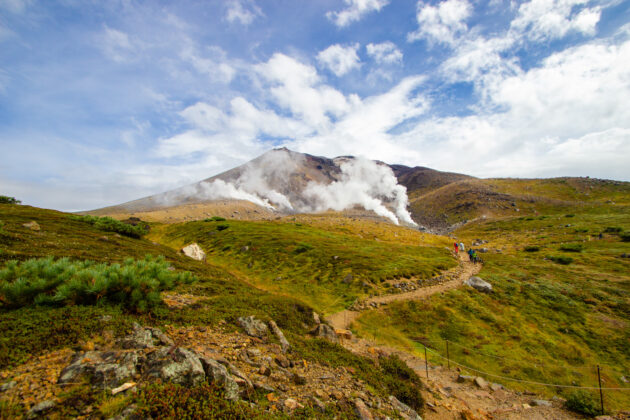
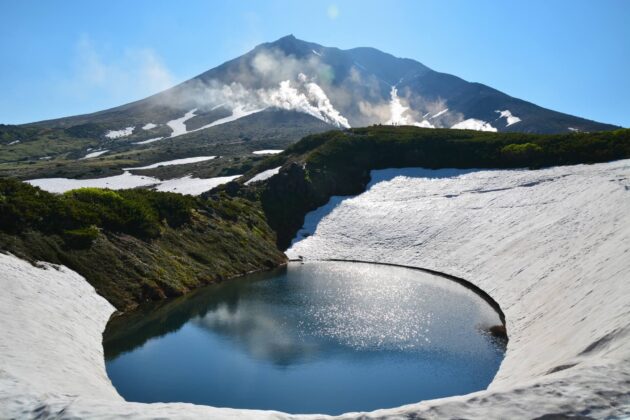
Daisetsuzan National Park
Practical Tips
Currency: Cash is still widely used, especially at small shops and markets. ATMs at 7-Eleven are reliable.
Language: English is limited outside major tourist areas. Google Translate or a translation app is helpful.
Wi-Fi: Free Wi-Fi is common in stations, hotels, and tourist spots. Pocket Wi-Fi rental is available at the airport.
Safety: Extremely safe city, even at night.
Accommodation: Luxury: JR Tower Hotel Nikko Sapporo or Sapporo Grand Hotel; Mid-range: Hotels near Odori or Susukino; Budget: Capsule hotels or business hotels.
Pro Tip: If visiting in winter, bring proper thermal layers, waterproof boots, and hand warmers. Summers are comfortable but can have sudden rain.
Final Thoughts
Sapporo combines urban convenience with easy access to Hokkaido’s incredible nature. Whether you come for the Snow Festival, world-class powder skiing, or to eat your weight in fresh seafood and ramen, this city rarely disappoints.