
Hakone Shrine Travel Guide (2026)
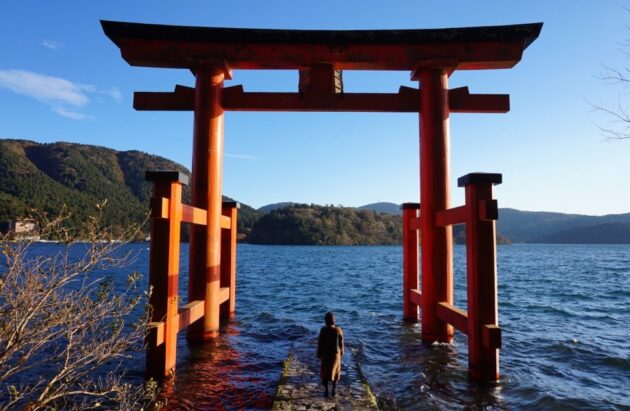
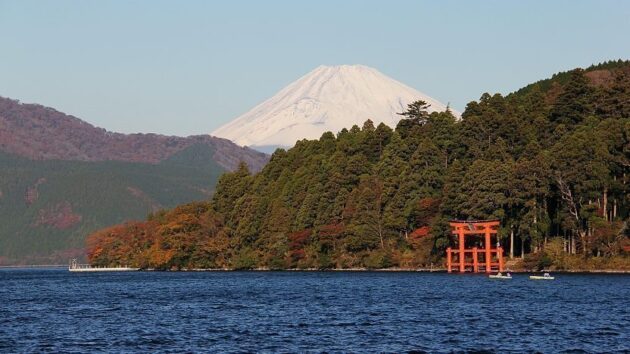
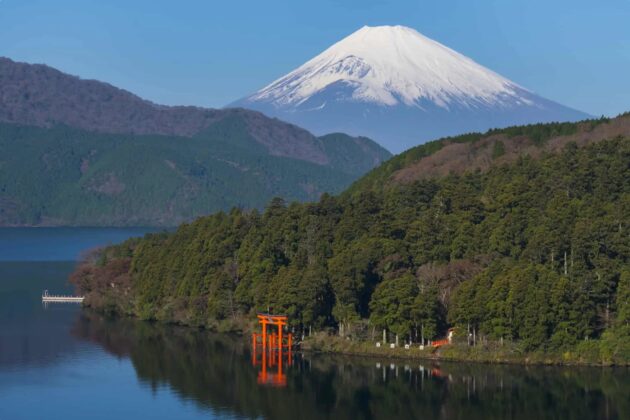
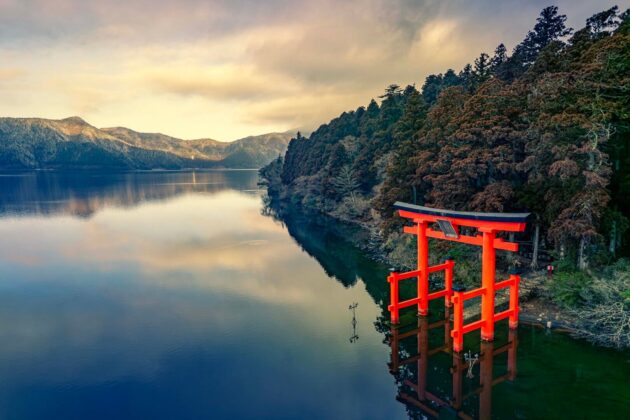
Hakone Shrine (箱根神社, Hakone-jinja) is one of the most scenic and spiritually significant shrines in the Hakone region of Kanagawa Prefecture. Nestled on the southern shore of Lake Ashi (Ashinoko), it is famous for its iconic red torii gate standing in the water, lush cedar forests, and breathtaking views of Mount Fuji on clear days. The shrine has a history dating back over 2,400 years and is dedicated to the deities of the Hakone mountains.
Why Visit Hakone Shrine?
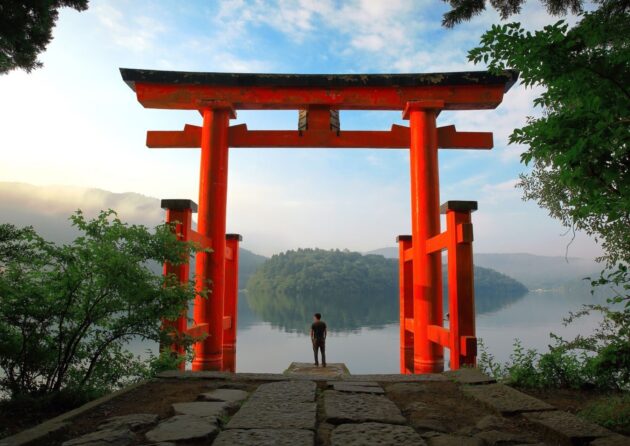
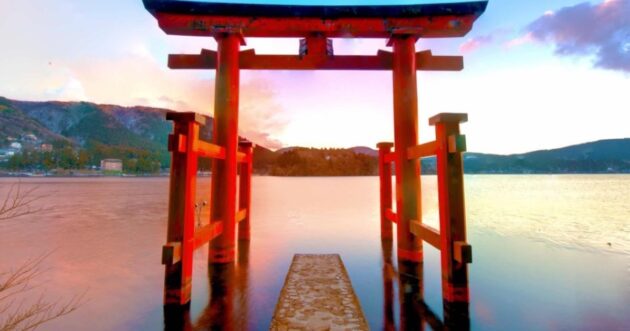
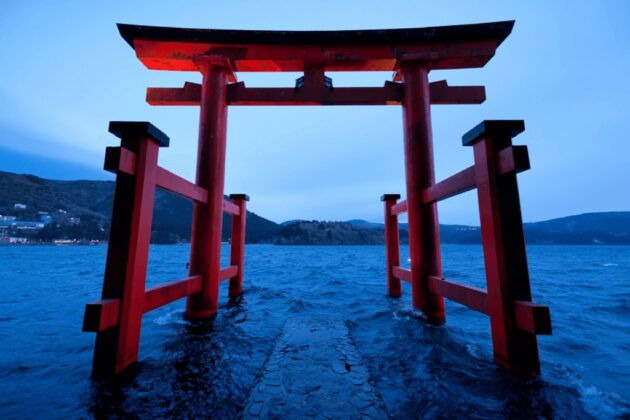
Photogenic floating torii gate on Lake Ashi
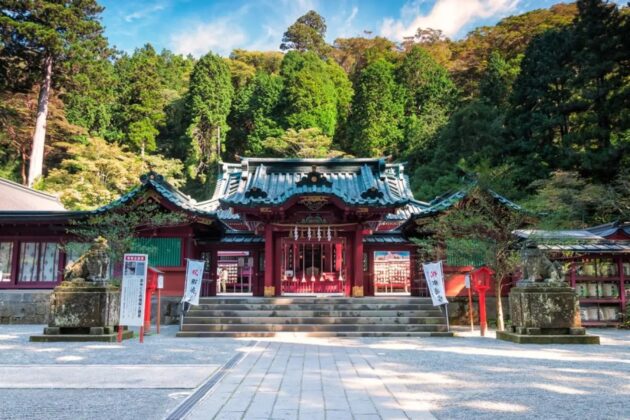
Peaceful, forested shrine grounds with historic structures
Part of the broader Hakone sightseeing loop (great combined with Lake Ashi cruise, ropeway, and Owakudani)
Strong spiritual atmosphere and beautiful seasonal scenery (especially autumn leaves and spring azaleas)
Best Time to Visit
Spring (March–May): Mild weather, cherry blossoms and azaleas.
Autumn (October–November): Spectacular fall foliage around the shrine and lake.
Summer: Lush green but can be humid and crowded.
Winter: Fewer crowds, possible snow, and clearer views of Mt. Fuji.
Avoid Golden Week (late April–early May) and New Year holidays if you dislike crowds.
How to Get to Hakone Shrine
From Tokyo:
Most convenient: Take the Odakyu Romancecar from Shinjuku to Hakone-Yumoto (about 85 minutes).
From Hakone-Yumoto, take the Hakone Tozan Bus bound for Hakone Shrine / Moto-Hakone (about 30–40 minutes). Get off at Hakone-jinja or Moto-Hakone.
Alternative routes:
Shinkansen to Odawara → Hakone Tozan Railway/Bus
Hakone Free Pass (recommended for unlimited travel on most local transport)
From the lake: Many people arrive by Hakone Sightseeing Cruise boat and walk up from the pier.
What to See and Do at Hakone Shrine
The Floating Torii (Heiwa no Torii): The most famous sight. Walk down to the lakeside for the classic photo. Best light in the morning.
Main Shrine Buildings: Pass through the large cedar sando (pathway) lined with towering trees. The main hall, offering hall, and treasure house are worth exploring.
Kuzuryu Shrine (Nine-Headed Dragon Shrine): A smaller shrine located right by the water, dedicated to the dragon god. Very atmospheric.
Cedar Avenue & Shrine Forest: Take a peaceful walk through the ancient forest surrounding the shrine.
Hakone Checkpoint (Hakone Sekisho): A short walk from the shrine. A reconstructed Edo-period checkpoint that gives historical context.
Practical Tips
Entrance Fee: Free (some inner areas may have small fees).
Opening Hours: The shrine grounds are open 24 hours, but main buildings are usually 9:00 AM – 5:00 PM.
What to Bring: Comfortable walking shoes (some slopes and stairs); Cash (many small shops and buses prefer cash); Portable Wi-Fi or eSIM (coverage is good but spotty in mountains).
Photography Tips: Early morning for fewer people at the torii gate; Use a wide-angle lens for the full torii + Mt. Fuji shot (when visible).
Nearby Attractions & Activities
Lake Ashi Cruises
Hakone Ropeway (to Owakudani)
Polas Hakone or Hakone Venetian Glass Museum
Hakone Open-Air Museum (outdoor sculpture park)
Yunessun (onsen theme park with fun baths)
Gora Park and Hakone Museum of Art
Where to Stay in Hakone
Luxury: Gora Kadan, Hakone Kowakien Ten-yu, or Hoshino Resorts
Mid-range: Hakone Prince Hotel (great lake views)
Traditional: Many ryokans with private onsen in Moto-Hakone or Gora area
Pro Tip: Stay overnight in Hakone to experience the onsen culture and see the shrine early in the morning before day-trippers arrive.
Food Recommendations
Lake Ashi area: Fresh grilled trout (ayu or masu), black eggs from Owakudani
Hakone-Yumoto: Soba noodles, manju sweets, and onsen tamago (hot spring eggs)
Try local Hakone kamaboko (fish cakes)
Final Thoughts
Hakone Shrine is the perfect blend of nature, spirituality, and iconic Japanese scenery. Combine it with Hakone’s volcanic landscape and hot springs for one of the most memorable day trips or short getaways from Tokyo.