
Ryoan-ji Temple Travel Guide (2026)
Ryoan-ji (龍安寺, Ryōan-ji), meaning “Temple of the Peaceful Dragon,” is one of Kyoto’s most iconic and serene attractions. It is world-renowned for its minimalist Zen rock garden (karesansui), a UNESCO World Heritage Site that exemplifies Japanese Zen aesthetics. The garden invites contemplation and meditation, making it a must-visit for anyone interested in Japanese culture, philosophy, or tranquil beauty.
History and Significance
Originally an aristocratic villa during the Heian Period, the site was converted into a Zen temple in 1450 by Hosokawa Katsumoto. The famous rock garden dates to the late 15th century, though its exact designer and creation date remain mysterious.
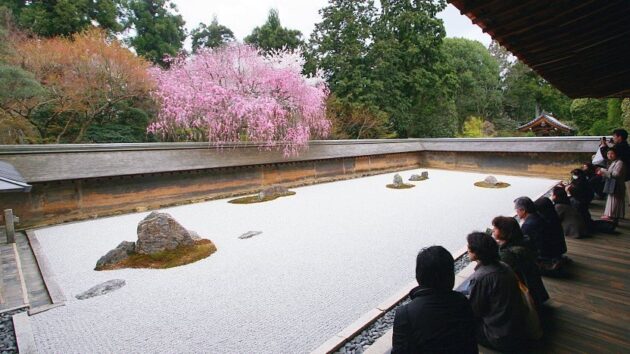
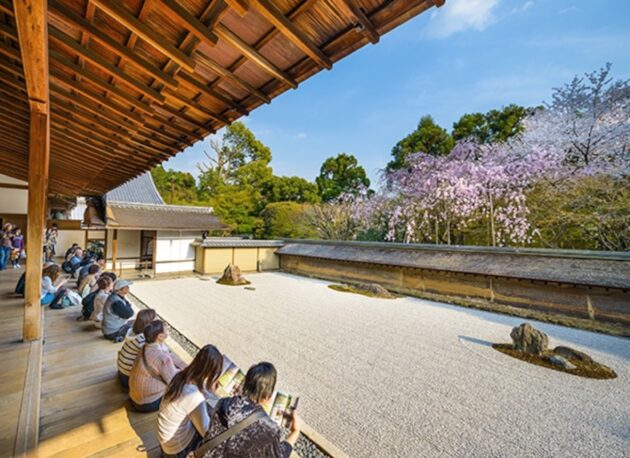
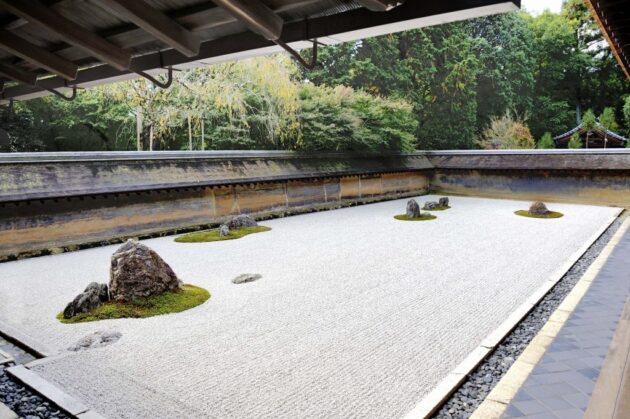
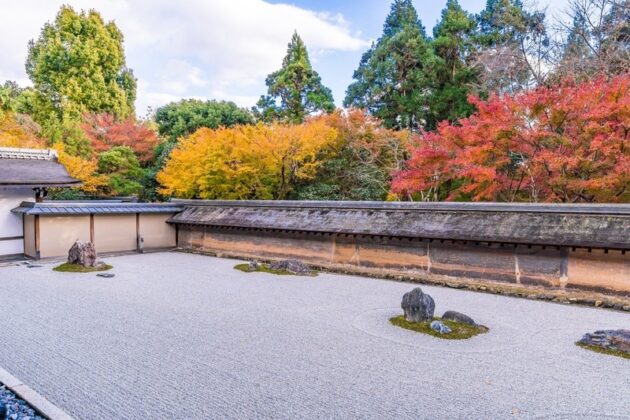
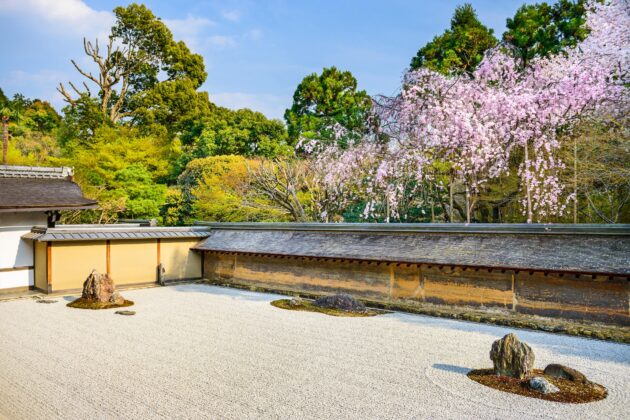
The garden features 15 rocks of varying sizes arranged in groups on a bed of raked white gravel, surrounded by low earthen walls. From any viewing point on the veranda, at least one rock is hidden—a deliberate design element. Interpretations vary: some see islands in a sea, a tiger carrying cubs, or abstract concepts like infinity or the universe. Its power lies in its openness to personal interpretation, embodying Zen principles of simplicity, impermanence (wabi-sabi), and mindfulness.
What to See and Do
The Rock Garden (Hojo Veranda): The highlight. Sit quietly on the wooden veranda of the Hojo (abbot’s quarters) and observe the garden. Early morning visits offer the best experience with fewer crowds.
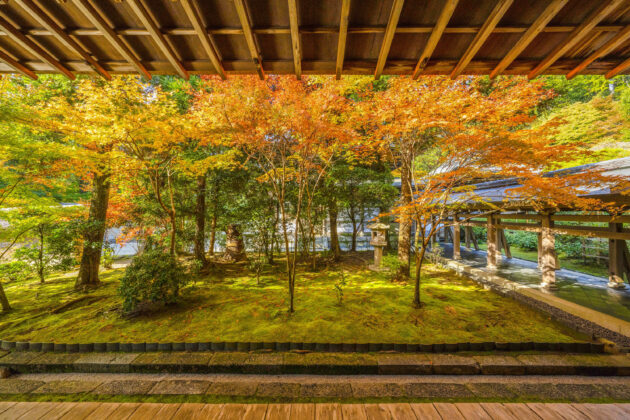
Temple Grounds: Stroll around the Kyoyochi Pond (mirror pond), which reflects beautiful seasonal scenery. The grounds include moss gardens, a stone water basin (tsukubai) with the inscription “I learn only to be contented,” and traditional architecture.
Tsukubai and Teahouse: Look for the famous stone basin and enjoy a moment of reflection.
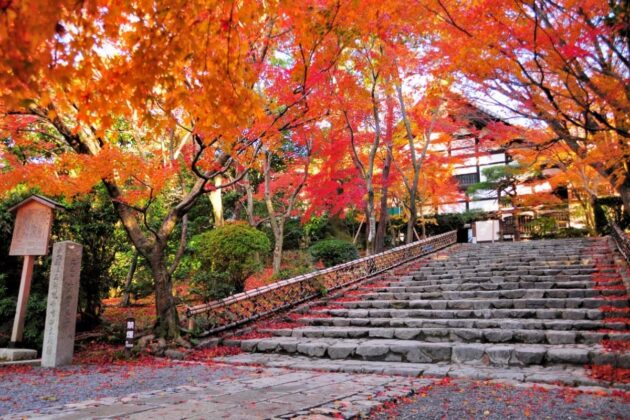
Seasonal Beauty: Cherry blossoms in spring, lush greenery in summer, fiery autumn leaves in fall, and a stark, minimalist winter landscape.
A typical visit lasts 30–60 minutes, though you may want more time to soak in the atmosphere.
Opening Hours and Admission
March to November: 8:00 AM – 5:00 PM (last admission around 4:30 PM); December to February: 8:30 AM – 4:30 PM (last admission around 4:00 PM); Closed: Open year-round, no regular closing days.
Admission Fees: Adults: 600 yen; High school students: 500 yen; Elementary & junior high students: 300 yen; Children under 6: Free (discounts available for disabled visitors with Japanese certificate).
There is a small restaurant on site serving yudofu (hot tofu), a Kyoto specialty.
How to Get There
Ryoan-ji is located in northwest Kyoto (Ukyo Ward).
From Kyoto Station: Take the JR Bus (about 30 minutes, 230 yen). It’s covered by Japan Rail Pass and Kyoto bus passes. Get off at Ryoanji-mae or nearby stops. City buses like No. 59 also stop right in front.
Other options: Keifuku Kitano Line (Randen tram) to Ryoanji-michi Station, then a 5–10 minute walk. Combine with nearby sites: Walk or take a short bus from Kinkaku-ji (Golden Pavilion) (about 20-minute walk or 5-minute bus).
Taxis are convenient if traveling in a group.
Best Time to Visit
Early morning (right after opening) — Fewest crowds and best light for reflection.
Avoid midday and weekends/holidays, when it can get busy.
Seasonal Recommendations: Late November for autumn foliage; early spring for cherry blossoms. Winter offers a peaceful, less crowded experience.
Tips for Visitors
Etiquette: Maintain silence or speak softly. No photography of the interior or certain areas in some cases—respect the signs. Remove shoes where required.
Crowd Management: Arrive early. The veranda can fill up quickly.
What to Bring: Comfortable shoes for walking the grounds. A camera or phone for the pond and exterior shots (check rules for the rock garden).
Accessibility: Some paths are gently sloped, but the main viewing area is flat.
Nearby Attractions: Perfect for a temple-hopping day — visit Kinkaku-ji, Ninnaji Temple, and Myoshin-ji in the area. Arashiyama is also accessible via the Randen line.
Final Thoughts
Ryoan-ji is more than a tourist spot—it’s a place for quiet contemplation. Take your time, breathe deeply, and let the garden work its subtle magic. Whether you’re a Zen enthusiast or simply seeking peace amid Kyoto’s bustle, it’s an unforgettable experience.
Enjoy your visit to this masterpiece of Japanese minimalism!