
Sumiyoshi Taisha Shrine Travel Guide (2026)
Sumiyoshi Taisha (住吉大社), also known as Sumiyoshi Grand Shrine, is one of Japan’s oldest and most important Shinto shrines. Founded in the 3rd century (around 211 AD) by the legendary Empress Jingū, it predates the arrival of Buddhism in Japan. It serves as the head shrine for over 2,300 Sumiyoshi shrines nationwide.
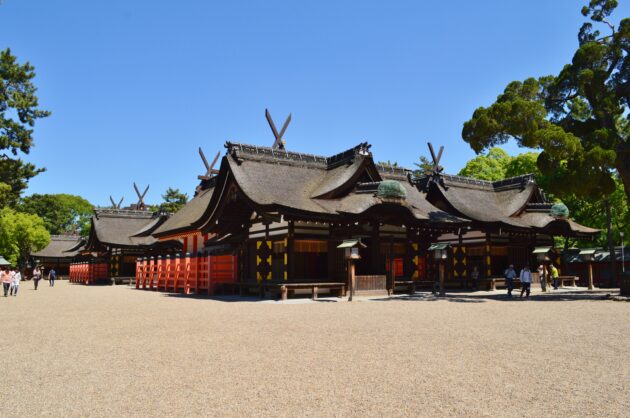
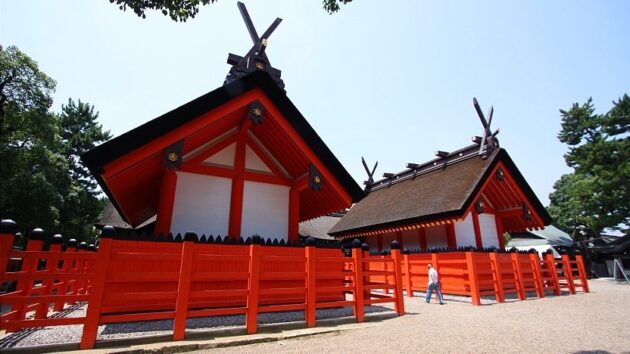
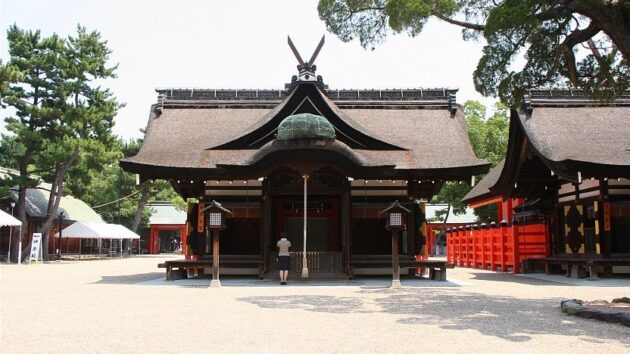
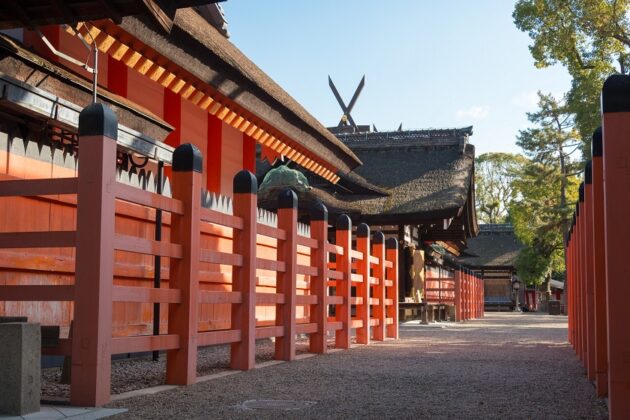
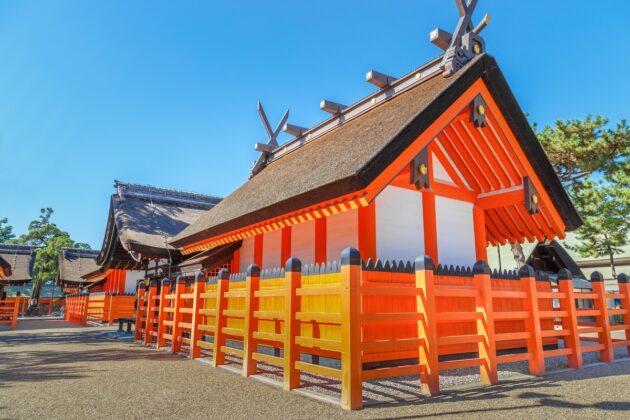
The shrine is dedicated to the Sumiyoshi Sanjin (three gods of the sea, safe voyages, and protection for travelers, fishermen, and sailors) and Empress Jingū herself. Its architecture represents the pure Sumiyoshi-zukuri style — one of the few purely Japanese shrine designs, free from continental Asian influences. The grounds offer a serene escape from Osaka’s bustling city life, with vermilion buildings, ancient trees, and photogenic spots.
Highlights and Things to See
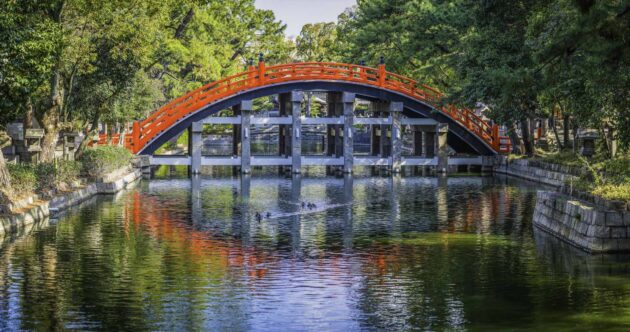
Sorihashi Bridge (Taiko-bashi): The iconic steep, arched red bridge is the most photographed feature. Crossing it symbolizes a journey from the secular to the sacred world. It’s especially beautiful when reflected in the water below.
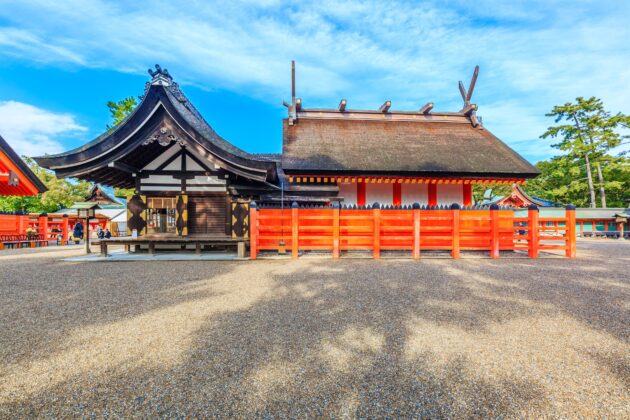
Main Shrines (Honden): Four National Treasure buildings in the classic Sumiyoshi-zukuri style. The straight roofs and bright vermilion colors are distinctive.
Sacred Grounds and Subsidiary Shrines: Wander the spacious precincts, including Nankun-sha, Tanekashi-sha, and others. Many visitors pray for business success, safe travel, or good fortune.
Traditional Garden and Sacred Rice Paddy: A peaceful area with ponds and a preserved rice field that gives insight into ancient Japanese life.
Overall Atmosphere: The wide, tree-lined paths make it ideal for a relaxing stroll. It’s less crowded than more central Osaka attractions, offering a tranquil experience.
The shrine is particularly lively during festivals and New Year’s hatsumode (first shrine visit), when millions visit.
Best Time to Visit
Year-round: Open daily with no closing days.
Spring (March–May): Cherry blossoms and mild weather.
Summer (July–August): Sumiyoshi Matsuri (July 30–August 1), one of Osaka’s major festivals with purification rites and portable shrine processions.
Autumn (September–November): Moon-viewing festival (Kangetsu-sai) and beautiful foliage.
Winter: Quieter, great for peaceful visits; New Year’s is very crowded.
Opening Hours: April–September: 6:00 AM – 5:00 PM; October–March: 6:30 AM – 5:00 PM.
Admission: Free (some optional prayer rituals have fees).
How to Get There
Sumiyoshi Taisha is in southern Osaka, easy to reach by public transport:
Nankai Main Line: Get off at Sumiyoshi Taisha Station (about 10 minutes from Namba by local train, ~240 yen). The shrine is a 3-minute walk. Note: Express trains do not stop here.
Nankai Koya Line: Sumiyoshi-Higashi Station (5-minute walk).
Hankai Tramway: From Tennoji, alight at Sumiyoshitorii-mae or Sumiyoshi stop (15 minutes, ~230 yen). Very scenic and fun.
From Kansai Airport: Take the Nankai Line toward Namba and transfer.
There is paid parking available on-site if driving.
Practical Tips
Time Needed: 45–90 minutes for a relaxed visit.
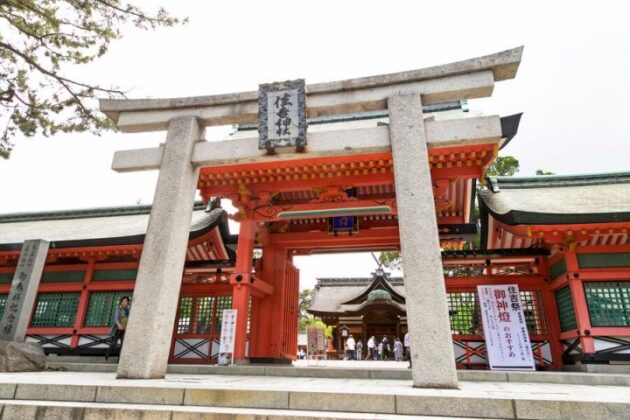
Etiquette: Follow standard Shinto customs — bow once before entering the torii gate, purify hands at the water basin, and bow/clap at the shrine. Photography is generally allowed (respect signs).
What to Bring: Comfortable walking shoes, cash for omikuji (fortune slips), ema (wish plaques), or souvenirs. Modest clothing is appreciated.
Accessibility: Mostly flat grounds, but the arched bridge has steep steps.
Nearby Attractions: Combine with a visit to Tennoji (zoo, temple, shopping), Abeno Harukas, or continue by tram to explore southern Osaka. There are local sweets shops nearby for a break.
Food and Souvenirs
Try local Osaka specialties or shrine-area snacks like taiyaki or traditional Japanese sweets. The shrine sells protective charms (omamori) for safe travel, business success, and more.
Why Visit?
Sumiyoshi Taisha offers a perfect blend of deep history, stunning traditional architecture, and peaceful vibes just a short ride from central Osaka. Whether you’re interested in Shinto culture, photography, or a break from the crowds, it’s a rewarding destination that showcases Japan’s ancient spiritual roots.
Enjoy your visit to this timeless shrine! Safe travels. 🇯🇵