
Kinkaku-ji (Golden Pavilion) Travel Guide (2026)
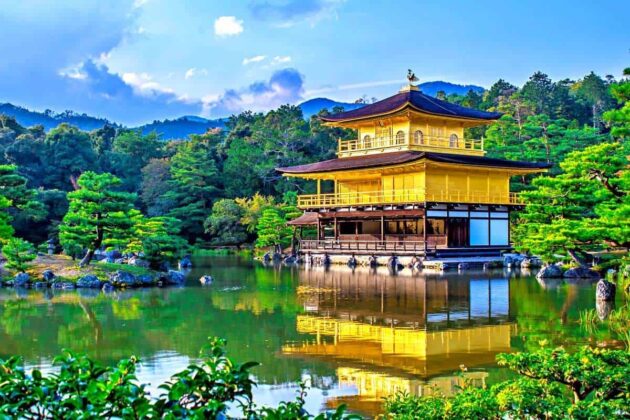
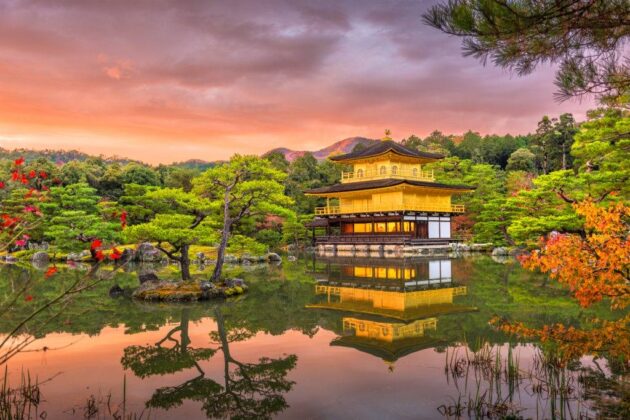
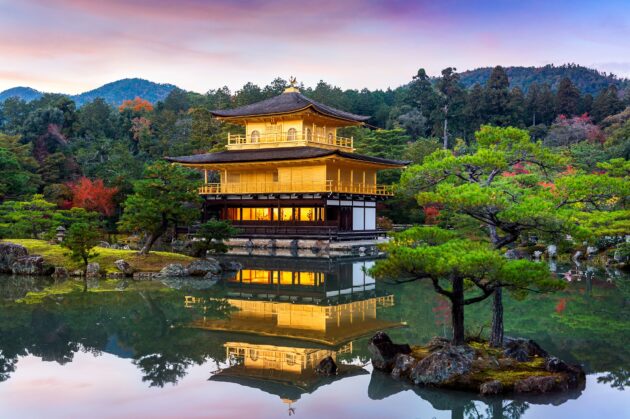
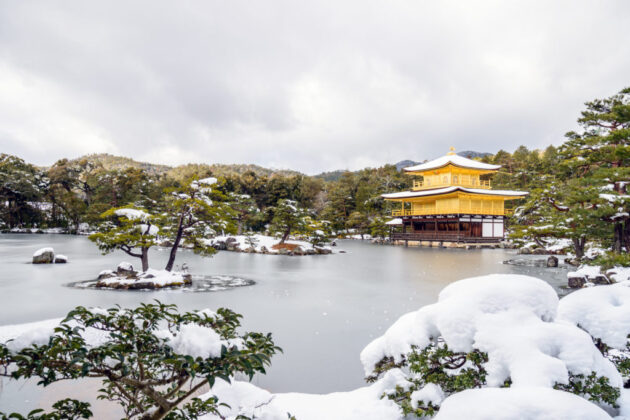
Kinkaku-ji, officially known as Rokuon-ji Temple (Deer Garden Temple), is one of Kyoto’s most iconic and photogenic landmarks. The Golden Pavilion is a three-story Zen Buddhist temple covered in brilliant gold leaf, dramatically reflected in the serene Kyoko-chi pond. Originally built in 1397 as a retirement villa for Shogun Ashikaga Yoshimitsu, it was converted into a temple after his death.
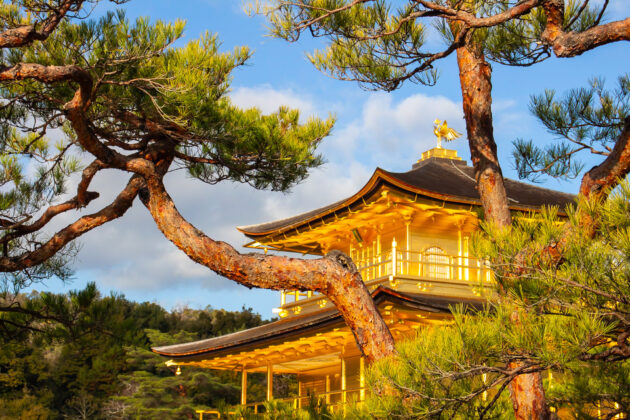
The pavilion is a stunning example of Muromachi-period architecture blending aristocratic and Zen elements. It is a UNESCO World Heritage Site and a must-visit for first-time visitors to Kyoto, offering a perfect blend of beauty, history, and tranquility — despite the inevitable crowds.
Getting There
Kinkaku-ji is located in northern Kyoto (Kita Ward), a bit removed from central attractions.
From Kyoto Station (most common starting point):
Bus (easiest and cheapest): Take Kyoto City Bus #205 (from Stand B3) or #101 (from Stand B2) directly to Kinkakuji-michi bus stop. The journey takes about 35–40 minutes and costs around ¥230.
Subway + Bus (often faster/reliable): Take the Karasuma Subway Line to Kitaoji Station (≈15 minutes), then transfer to bus #204 or #205 to Kinkakuji-michi (≈10 minutes).
Taxi: Around 20–30 minutes depending on traffic; expect ¥2,000–3,000.
Pro tip: Purchase a Kyoto City Bus One-Day Pass (¥500 for adults) if you plan multiple bus trips in a day.
Opening Hours & Admission
Hours: 9:00 AM – 5:00 PM daily (open year-round, though hours may adjust for special events).
Admission: ¥500 for adults/high school students; ¥300 for elementary/junior high students. No advance booking required — buy tickets at the entrance. The ticket is a charming ofuda (talisman).
Plan for 30–60 minutes on site.
Best Time to Visit
To avoid crowds: Arrive right at opening (9:00 AM) on a weekday, or visit near closing. Avoid weekends, Japanese national holidays, and peak tour bus hours (10 AM–3 PM).
Seasonal highlights: Spring (March–May): Cherry blossoms frame the pavilion beautifully. Autumn (October–November): Vibrant red and gold maple leaves create a spectacular contrast. Winter: Snow on the golden roof is magical and less crowded. Summer: Lush green surroundings, but hot and humid.
Early morning or late afternoon light is best for photography.
What to See and Do
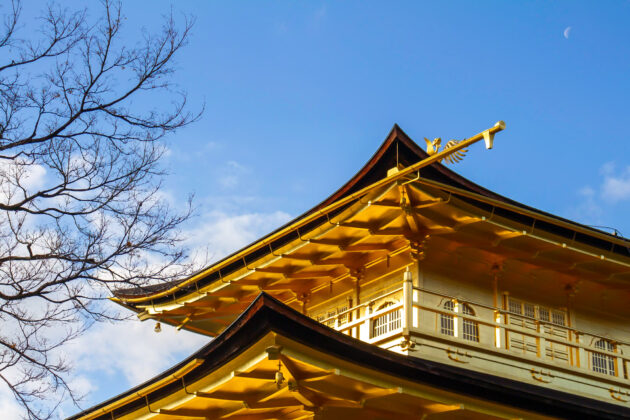
Admire the Golden Pavilion from across the pond — the main viewing spot. The top two floors are covered in pure gold leaf.
Stroll through the beautiful landscaped gardens, designed in the traditional Japanese style with paths, ponds, and islands.
Visit the Sekkatei Teahouse and other structures in the grounds.
After exiting, enjoy a bowl of matcha green tea and traditional sweets at the tea garden near the exit.
Browse souvenir shops outside for gold-leaf themed gifts.
Photography tips: The best shots are from the designated viewing area across the pond. Respect the rules — no photos inside buildings or in restricted areas.
Practical Tips
Wear comfortable shoes for walking on paths and gravel.
The site is mostly accessible, but some paths may be uneven.
No food or drinks inside the temple grounds (except at the designated tea house).
Be mindful of other visitors — it gets very busy, so patience and politeness go a long way.
Combine with nearby temples to make a full morning or day in northwest Kyoto.
Nearby Attractions
Make a half-day itinerary in the area:
Ryoan-ji Temple (famous rock garden) — about 20 minutes away.
Ninna-ji Temple — beautiful grounds and pagoda (10–15 minutes).
Kitano Tenmangu Shrine — popular for plum blossoms.
Further afield: Arashiyama (bamboo grove) or Myoshin-ji Temple complex.
Final Thoughts
Kinkaku-ji is a highlight of any Kyoto trip. Its shimmering beauty and peaceful setting make it unforgettable. Arrive early, take your time soaking in the views, and enjoy one of Japan’s most treasured sights!
Safe travels! 🇯🇵