
A Travel Guide to Monuriki Island (2026)
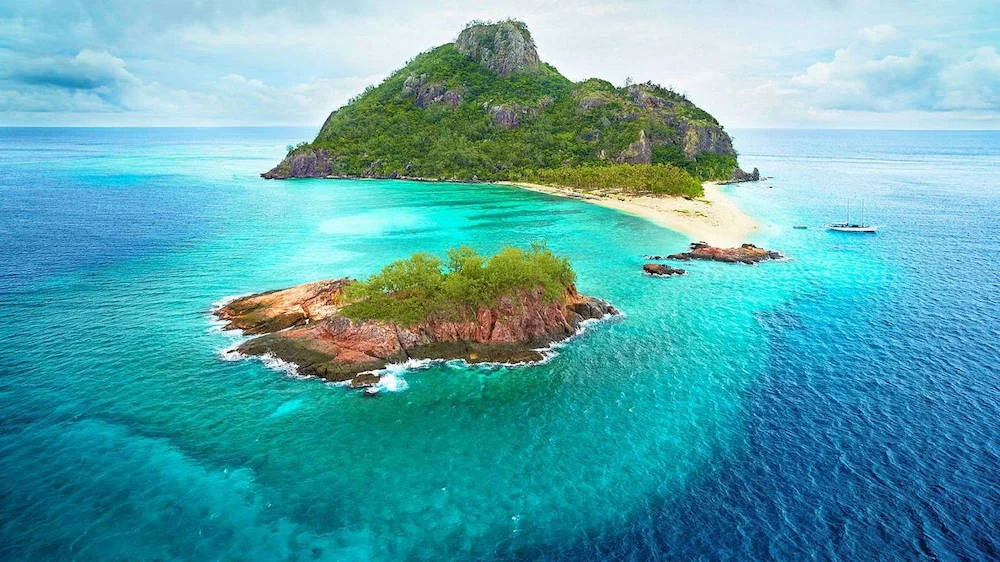
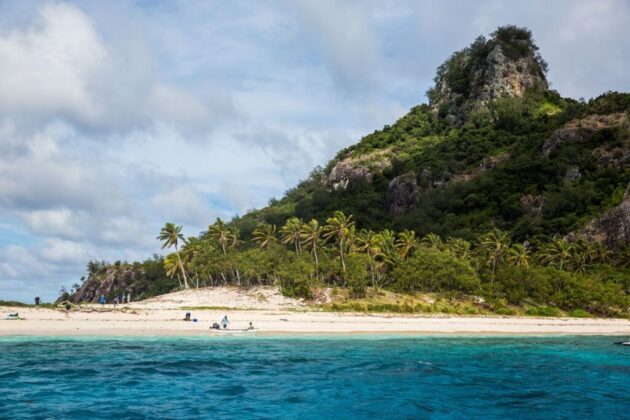
Tucked away in the turquoise waters of the Mamanuca Islands, Monuriki Island is a postcard-perfect slice of Fijian paradise. This small, uninhabited volcanic atoll—measuring just 1.15 km long and 600 m wide—gained global fame as the filming location for the 2000 movie Cast Away, starring Tom Hanks. Beyond its cinematic allure, Monuriki offers pristine white-sand beaches, lush greenery, vibrant coral reefs, and a sanctuary for endangered wildlife like the Fiji crested iguana and nesting sea turtles. As a protected nature reserve owned by the Yanuya Village community, it embodies Fiji’s commitment to conservation and cultural heritage. Ideal for day-trippers seeking adventure, relaxation, or a brush with Hollywood history, Monuriki promises an escape into untouched South Pacific beauty.
Why Visit Monuriki Island?
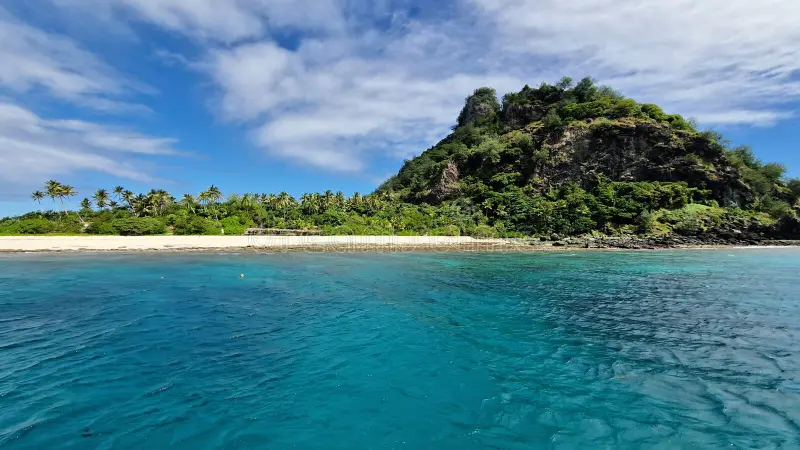
Monuriki stands out for its raw, unspoiled charm in a region dotted with bustling resorts. It’s a haven for nature lovers, with opportunities to spot rare iguanas basking in trees, snorkel amid colorful fish and turtles, or hike to clifftop views reminiscent of the film’s dramatic scenes. The island’s serene isolation fosters a sense of solitude, while guided tours provide insights into Fijian traditions and ecology. Whether you’re reliving Cast Away moments at “Wilson’s Beach” or simply unwinding on powdery sands, Monuriki delivers a profound connection to Fiji’s natural and cultural soul.
How to Get There
Monuriki lies about 25 km west of Fiji’s main island, Viti Levu, making it accessible for day trips from popular hubs. Fly into Nadi International Airport (NAN), the gateway to Fiji, served by direct flights from major cities like Sydney, Los Angeles, and Auckland.
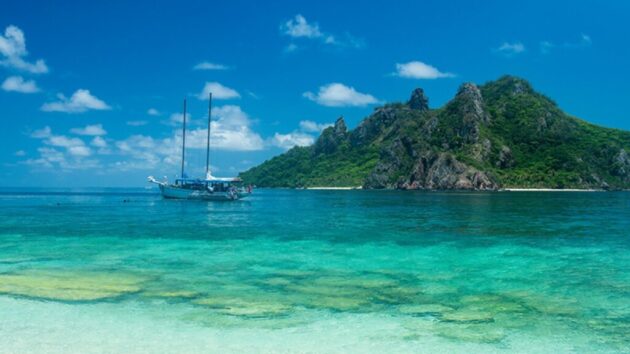
By Boat (Most Common): Depart from Port Denarau Marina (a 20-minute taxi from Nadi Airport). High-speed catamarans or smaller boats take 30–45 minutes, with scenic views of the Mamanuca archipelago. Fares start at FJD 100–150 round-trip. From nearby resorts like Tokoriki or Mana Island, transfers are quicker (15–20 minutes) and often included in tour packages.
By Seaplane or Helicopter: For a luxurious aerial perspective, book a seaplane from Nadi (15–20 minutes) or helicopter from Denarau. Prices range from FJD 300–500 per person, ideal for photographers.
Organized Tours: Most visitors arrive via guided day trips (see below), which handle all logistics. Book through operators at your hotel, Port Denarau, or online platforms like GetYourGuide or Expedia.
Tip: Tides can affect landings—be prepared to wade ashore. Motion sickness tablets are handy for choppy seas.
Best Time to Visit
Fiji’s tropical climate suits year-round travel, but timing enhances your experience:
Dry Season (May–October): Ideal for most visitors, with sunny days (25–30°C), low humidity, and calm seas perfect for snorkeling and hiking. Fewer crowds in shoulder months (May–June, September–October); peak season (July–August) brings more tour groups but reliable weather.
Wet Season (November–April): Warmer (up to 32°C) with lush greenery and fewer tourists, but expect rain showers and stronger currents. It’s turtle-nesting season (October–April), boosting wildlife sightings. Avoid if prone to cyclones (rare but possible January–March).
Water temperatures hover at 26–29°C year-round. Pack reef-safe sunscreen and light layers for evenings.
Tickets and Opening Hours
Monuriki is open 24/7 as a public reserve, but access is via guided tours only—no independent landings to protect the ecosystem. Day trips typically run 9 AM–3 PM, with flexible private charters.
Tour Prices: FJD 150–300 per adult (FJD 100–200 for kids), including boat transfers, snorkel gear, guides, and sometimes lunch or snacks. Private tours for 4+ people start at FJD 500.
Booking: Reserve in advance via operators like Tokoriki Diving, Hidden Gem Fiji, or Cruisin Fiji. Apps like GetYourGuide offer easy cancellations. No entry fees, but donations to Yanuya Village conservation efforts are appreciated (FJD 10–20 suggested).
Note: Minimum group sizes apply for some tours (e.g., 4 people); solo travelers can join scheduled departures.
What to See and Do
Monuriki’s compact size (rising to 178 m at its peak) makes it easy to explore in a few hours. Focus on eco-friendly activities to preserve its status as a wildlife sanctuary.
Snorkeling and Swimming: Dive into the fringing coral reefs teeming with tropical fish, sea turtles, and occasional reef sharks. Crystal-clear visibility (up to 30 m) makes it beginner-friendly. Many tours include guided fish-feeding sessions.
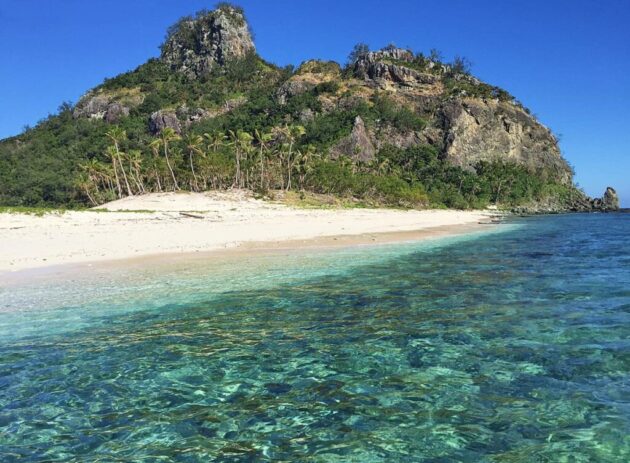
Beach Relaxation and Movie Magic: Lounge on the iconic white-sand beach where Tom Hanks washed ashore. Spot “Albert Rock” (the film’s volleyball perch landmark) and picnic under swaying palms. It’s a prime spot for photos or quiet reflection.
Guided Hiking: Follow short trails (20–40 minutes) through dense forest to clifftop viewpoints. Look for the endangered Fiji crested iguana (green with blue stripes) camouflaged in trees—guides increase spotting chances. Paths lead to dramatic overlooks of the Pacific.
Wildlife Watching: Observe nesting wedge-tailed shearwaters (October–April) or hawksbill turtles on the beaches. BirdLife International conservation efforts highlight the island’s biodiversity—join a guided eco-tour for educational insights.
Cultural Immersion: Tours often include Fijian storytelling from Yanuya villagers, sharing legends of the island’s sacred role in traditional ceremonies.
Pro Tip: No facilities mean packing light—tours provide gear, but bring a waterproof bag for belongings.
Where to Eat
As an uninhabited island, Monuriki has no restaurants—meals are tour-provided or BYO. Expect:
Picnic-Style Lunches: Fresh fruit, sandwiches, or Fijian lovo (earth-oven feasts) on the beach (FJD 20–50 extra).
Onboard Snacks: Juice, coconuts, and grilled fish during boat rides.
For full meals, dine at nearby resorts like Tokoriki Island Resort (seafood curries, FJD 50–100) or Port Denarau’s waterfront eateries upon return.
Tip: Hydrate often; fresh coconut water from the island is a must-try.
Where to Stay
Overnight stays are prohibited to protect the environment, so base yourself nearby:
Mamanuca Islands Resorts: Tokoriki Island Resort (luxury bures, FJD 1,000+/night) or Mana Island Resort (family-friendly, FJD 500–800/night)—both offer seamless Monuriki transfers.
Mainland Options: In Nadi/Denarau, try Sheraton Fiji Resort (beachfront, FJD 400–600/night) or budget guesthouses (FJD 150–300).
Book via Expedia or Booking.com for deals; aim for all-inclusives with tour inclusions.
Tips for a Great Visit
Pack Essentials: Swimsuit, rash guard, water shoes (rocky entry), hat, and insect repellent. Leave no trace—take all rubbish back.
Respect Wildlife: Stay on marked paths; don’t touch iguanas or disturb nests. Report sightings to guides for conservation data.
Family-Friendly? Suitable for kids 5+, but supervise near water. Tours are small-group for safety.
Combine Trips: Pair with Mana Sandbar for sandbar snorkeling or Malolo Lailai Island for shopping.
Health/Safety: Apply reef-safe sunscreen; check for jellyfish in wet season. Travel insurance covers marine activities.
Final Thoughts
Monuriki Island isn’t just a movie set—it’s a living testament to Fiji’s wild heart, where azure waves meet emerald forests and every corner whispers adventure. From snorkeling with turtles to hiking in iguana territory, a day here leaves you refreshed and inspired. Embrace the Bula spirit, tread lightly, and let this Cast Away gem remind you of paradise’s simple joys.
Happy travels!