
A Travel Guide to Suva (2026)
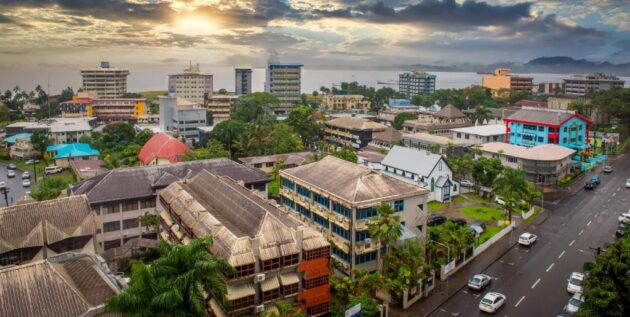
Suva, the vibrant capital of Fiji, sprawls across a picturesque peninsula on the southeastern coast of Viti Levu, the country’s largest island. As the political, cultural, and economic hub of the South Pacific’s most populous nation, Suva blends colonial-era architecture, multicultural influences from Indian, Chinese, European, and indigenous Fijian communities, and a lively urban energy. While Fiji is famed for its beaches and resorts, Suva offers a deeper dive into the island nation’s history, markets, and street food scene. Spanning bustling harbors, lush parks, and rainforested outskirts, it’s an ideal base for exploring Viti Levu.
Why Visit Suva?
Suva stands out as Fiji’s most cosmopolitan city, where you’ll encounter a fusion of traditions—from Indo-Fijian temples to Melanesian villages—and a thriving arts scene. It’s perfect for culture seekers, foodies, and urban explorers who want to experience Fiji beyond the postcard-perfect resorts. Highlights include the chaotic energy of the Municipal Market, the serene Thurston Gardens, and day trips to nearby rainforests.
How to Get There
Suva is well-connected, primarily via Nausori International Airport (SUV), about 20 km northeast of the city center. Most international flights land at Nadi International Airport (NAN) on Viti Levu’s western side, requiring a transfer.
By Air: Direct to Nausori: Fiji Airways and other regional carriers fly from Australia, New Zealand, and Pacific islands. Taxis from the airport to Suva cost FJ$30–50 (about US$14–23) and take 30–45 minutes. From Nadi: Domestic flights with Fiji Link take 45 minutes (FJ$150–250 one-way). Book via the Fiji Airways website.
By Bus from Nadi: Express buses (Pacific Transport or Sunbeam) run along the Queens Road (coastal, 3–4 hours) or Kings Road (scenic but winding, 4–5 hours), costing FJ$20–30. Departures are frequent; buy tickets at Nadi Bus Station or online.
By Private Transfer or Taxi: From Nadi, private vans cost FJ$200–600 for up to four people (3–4 hours). Services like Go Local Fiji offer door-to-door reliability.
By Cruise: Suva’s deep-water harbor welcomes major liners (e.g., Royal Caribbean). The terminal is a 10-minute walk to downtown—ideal for short stops.
Visa Tip: Most visitors (e.g., from the US, EU, Australia) get a 4-month visa on arrival. Ensure your passport is valid for 6 months beyond departure.
Best Time to Visit
Suva’s tropical climate is warm year-round (average 25–30°C/77–86°F), but timing matters for weather and crowds.
Dry Season (May–October): Ideal for outdoor activities—sunny days, low humidity, and cooler evenings. Peak tourist season means busier sites, but festivals like the Hibiscus Festival (August) add vibrancy. Hotel rates peak at FJ$200–400/night.
Shoulder Seasons (April–May, November): Fewer crowds, milder rain, and lower prices (FJ$100–250/night). September–November is budget-friendly for accommodations.
Wet Season (November–April): Lush greenery and fewer tourists, but expect heavy showers (up to 300mm/month) and cyclone risks. It’s cheaper but stick to indoor attractions like museums.
Events: Catch the Fiji Day celebrations (October 10) or Diwali markets (October–November) for cultural immersion. Avoid Christmas/New Year for high demand.
Top Attractions in Suva
Fiji Museum
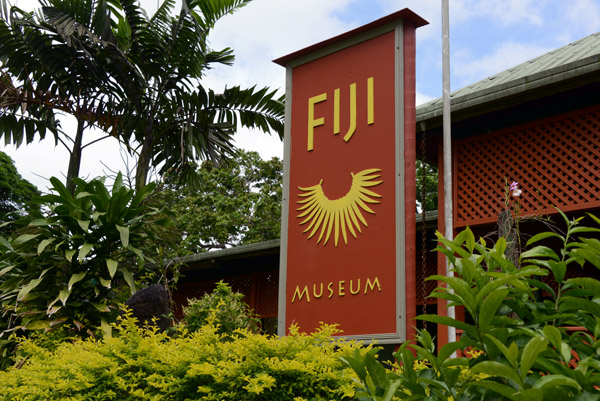
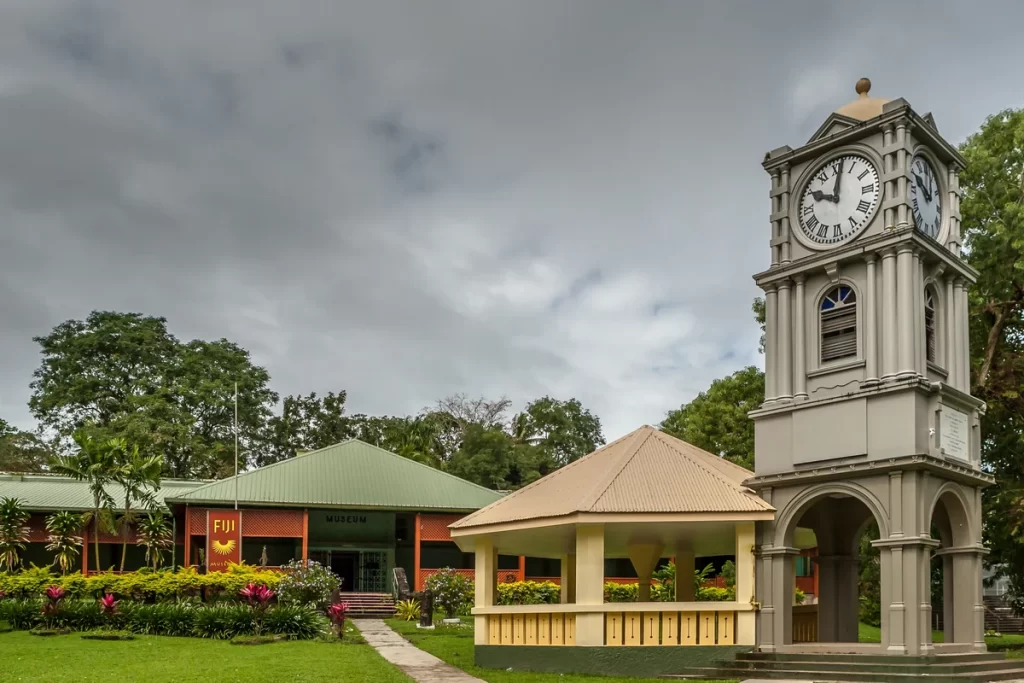
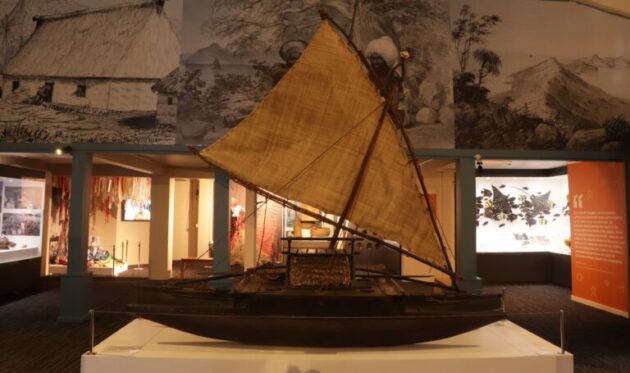
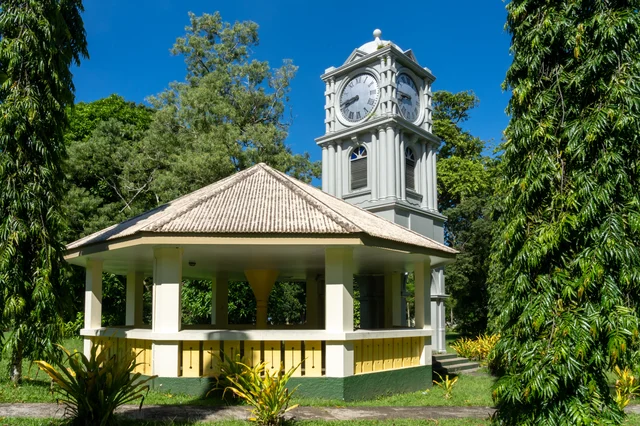
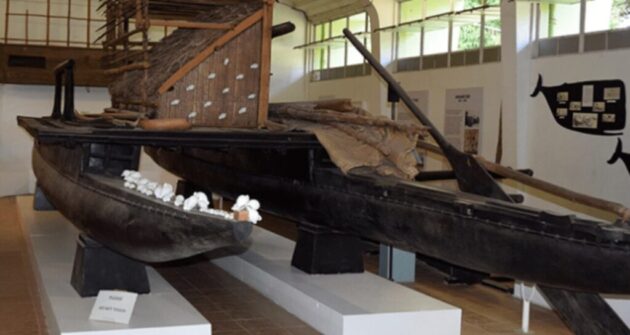
The Fiji Museum, located in the Thurston Gardens in Suva, is Fiji’s national museum established in 1904. It holds a remarkable collection spanning 3,700 years of history, including important archaeological finds, cultural artifacts from indigenous Fijian and Indo-Fijian communities, and notable items such as the Ratu Finau double-hulled canoe and the rudder from HMS Bounty.
Colo-i-Suva Forest Park
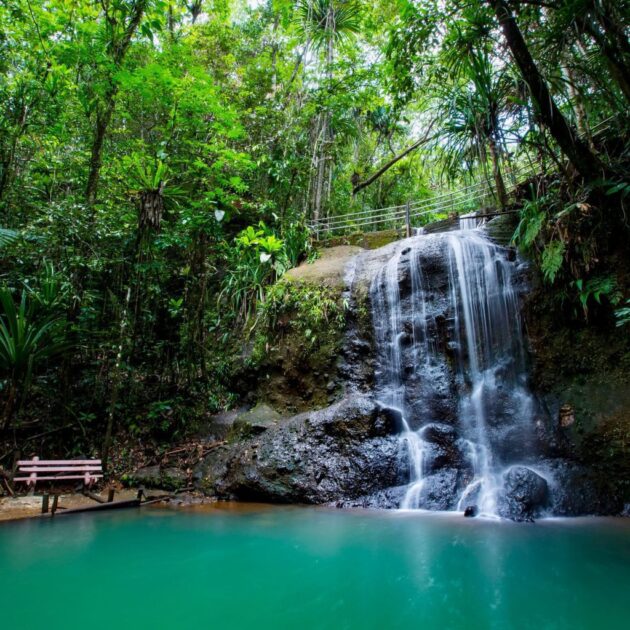
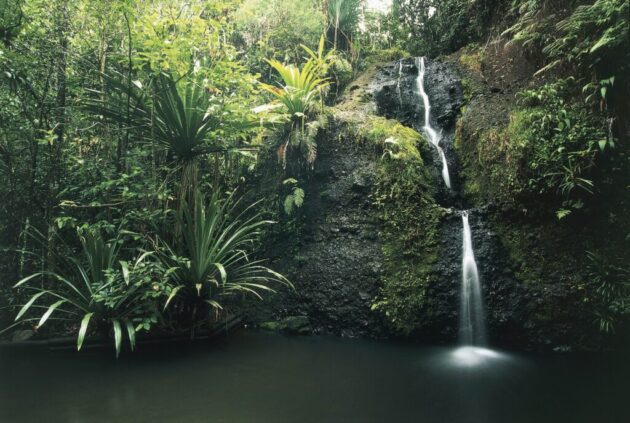
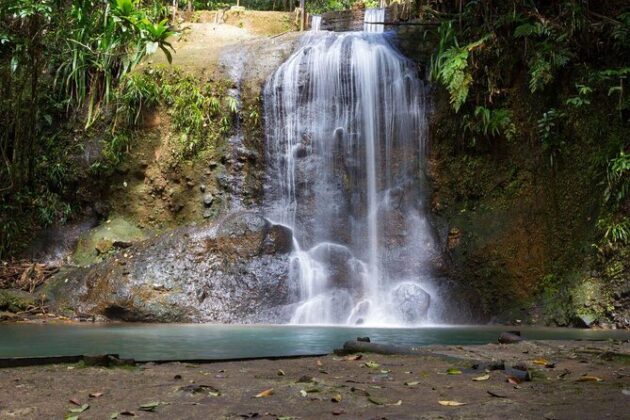
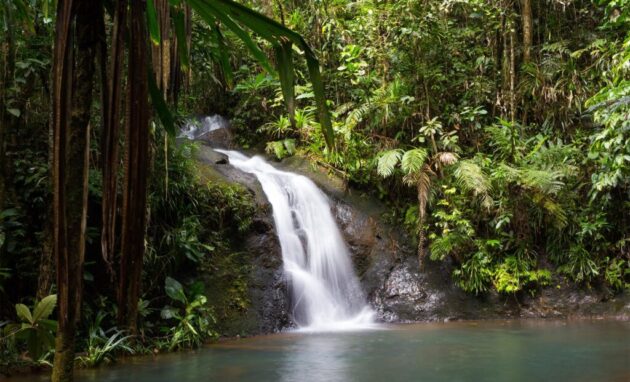
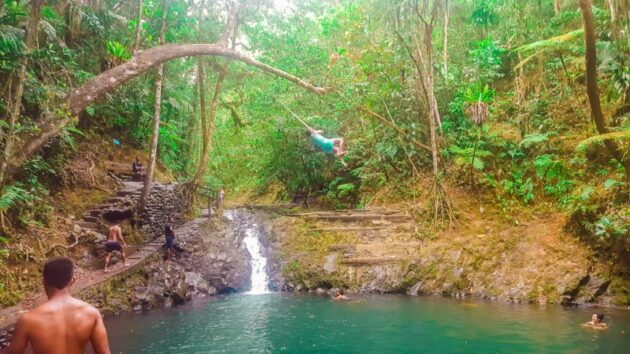
Colo-i-Suva Forest Park (pronounced tholo-ee-soo-va) is a lush rainforest oasis located near Suva, Fiji. This protected park features about 6.5 km of walking trails that lead to natural swimming holes and waterfalls, such as the Waisila Falls, and is known for its rich birdlife, including species like the scarlet robin and Fiji goshawk. Originally impacted by logging, the area was replanted with mahogany and pine to stabilize the soil and now serves as a vital water catchment area.
Suva Municipal Market
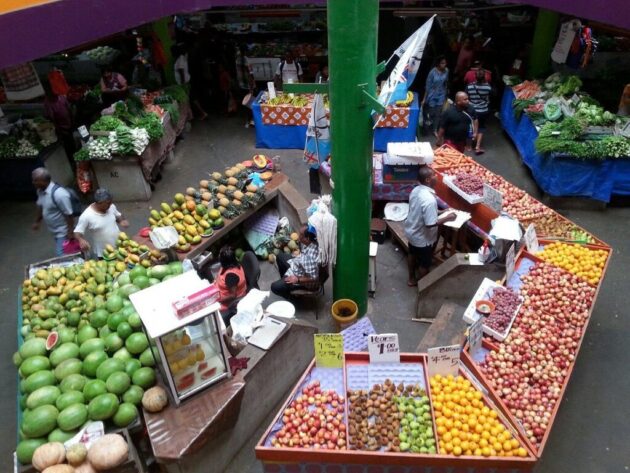
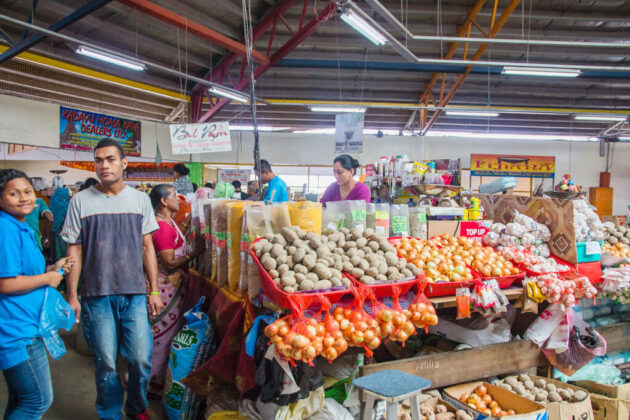
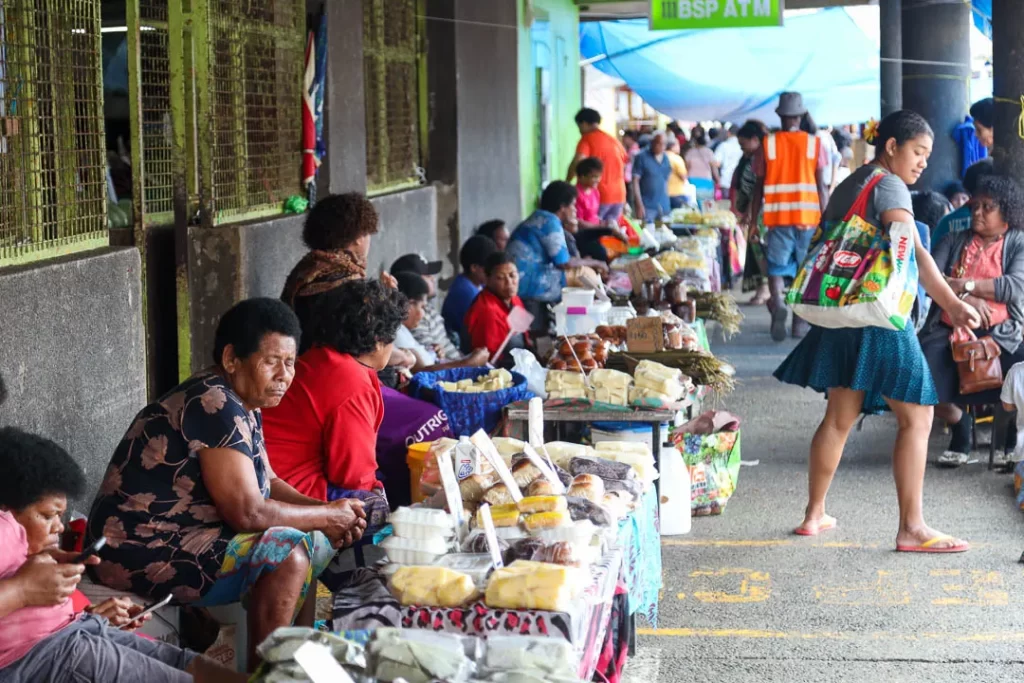
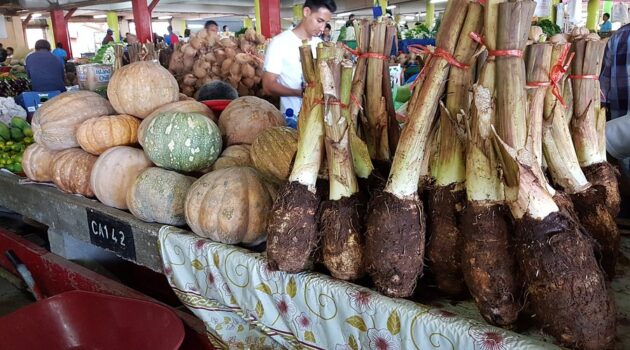
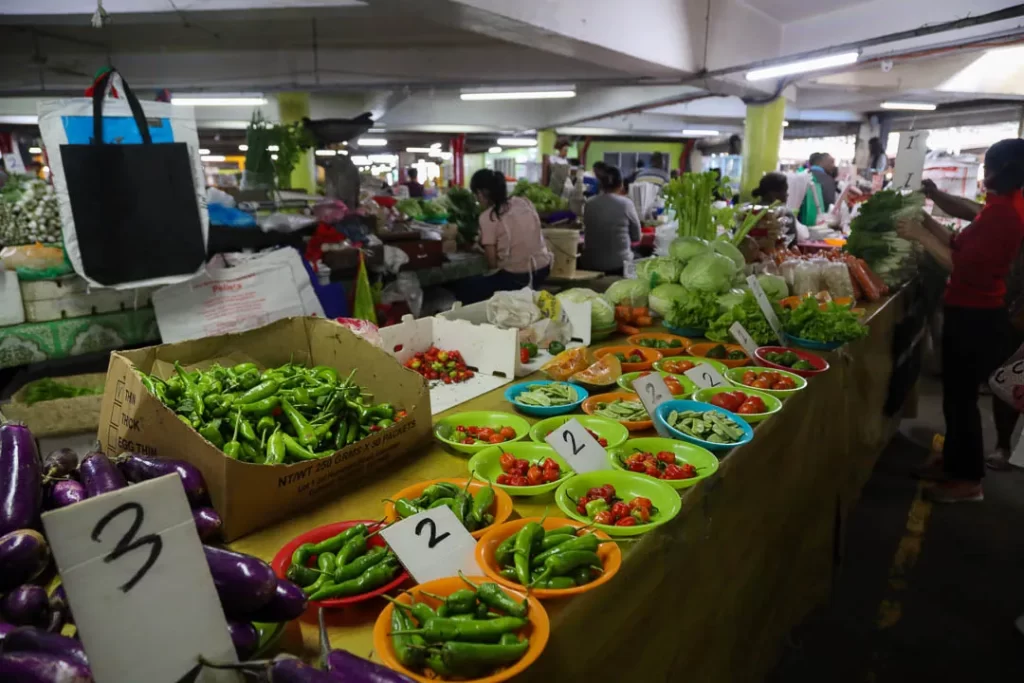
The Suva Municipal Market is a vibrant and bustling hub in the heart of Fiji’s capital, renowned as a central place for locals and visitors to buy fresh produce. This two-level market offers a wide array of goods, including sun-ripened tropical fruits, vegetables, seafood, spices, and traditional Fijian kava (yaqona). Housed in a building dating back to 1949, it provides an authentic glimpse into daily Fijian life and culture.
Albert Park
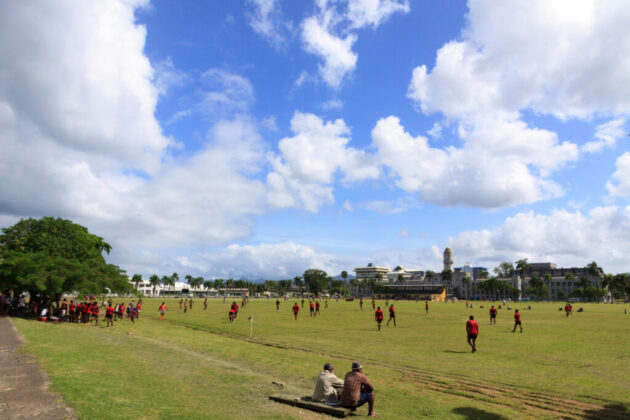
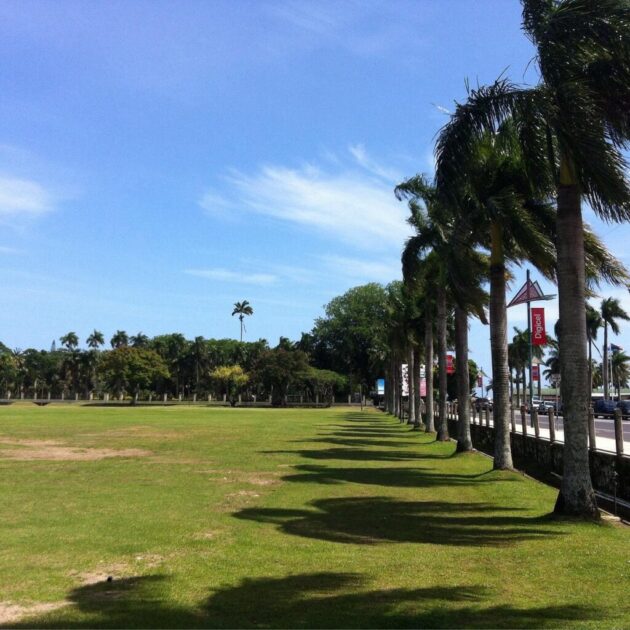
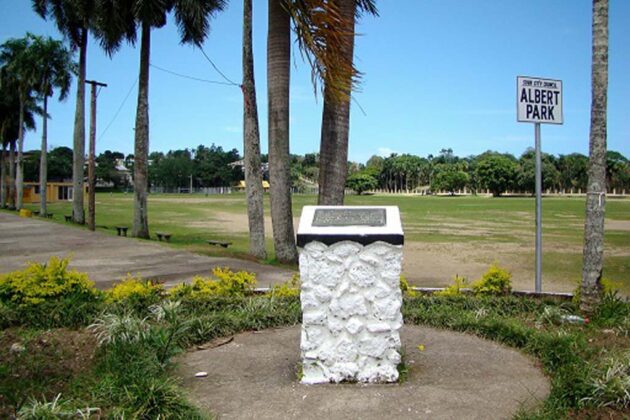
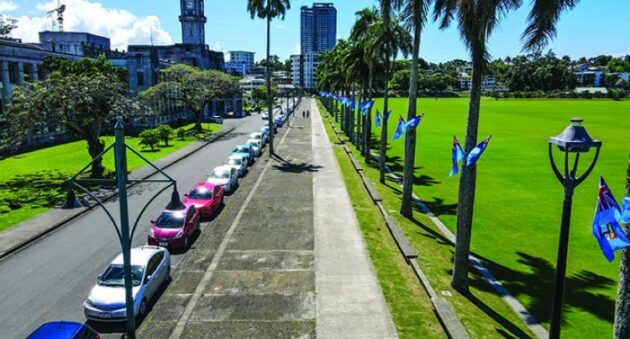
Albert Park is a historic public park located in the heart of Suva, Fiji. It is renowned as the landing site of Australian aviator Sir Charles Kingsford Smith during the first trans-Pacific flight in 1928. The park, which was originally established as a cricket ground in the 1880s, has also been a venue for major national events, including the first hoisting of Fiji’s national flag at independence in 1970.

Parliament of Fiji and Government Buildings
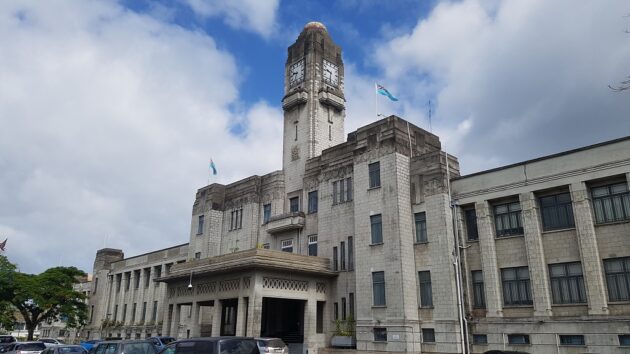
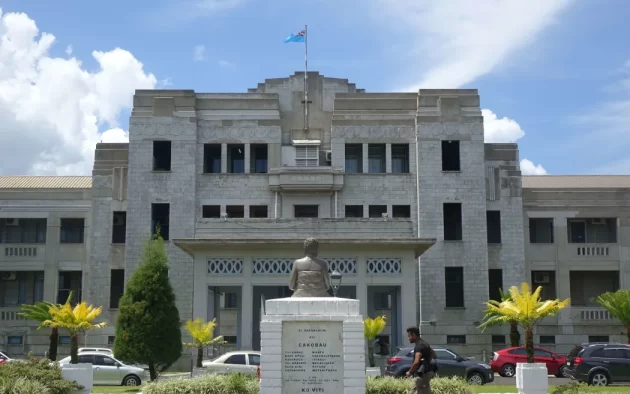
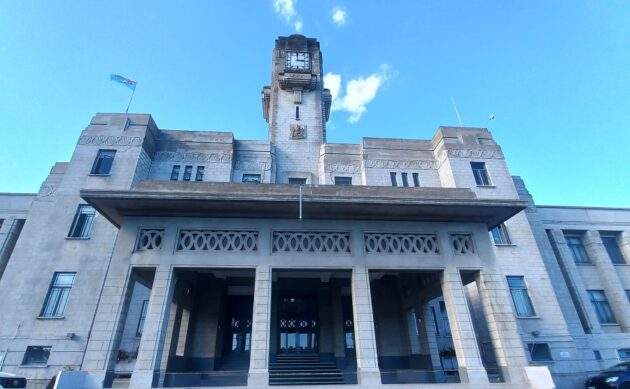
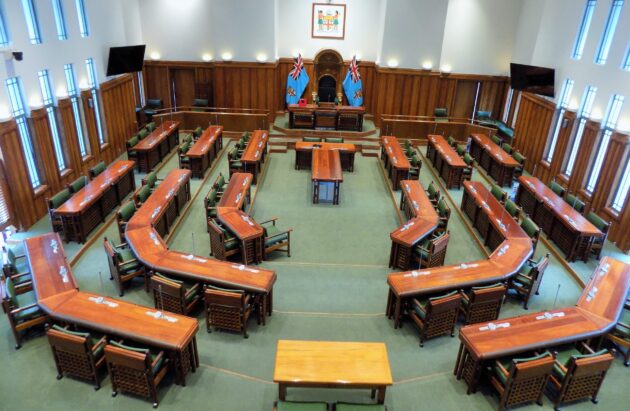
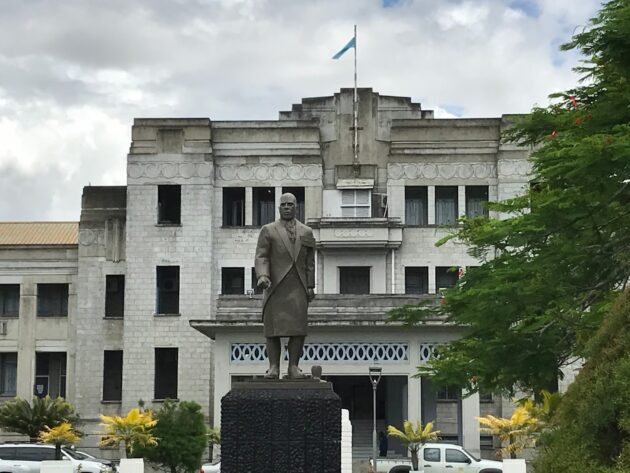
The Parliament of Fiji is the unicameral national legislature located within the Government Buildings in Suva. The Government Buildings, constructed in 1939 in the Inter-War Stripped Classical style, house the Parliament, the Prime Minister’s offices, and the High Court. This complex has been the seat of Fiji’s parliament from independence in 1970 until 1987, and again since 2014, following the return to parliamentary democracy.
Top Attractions around Suva
Whitewater Rafting on the Navua River
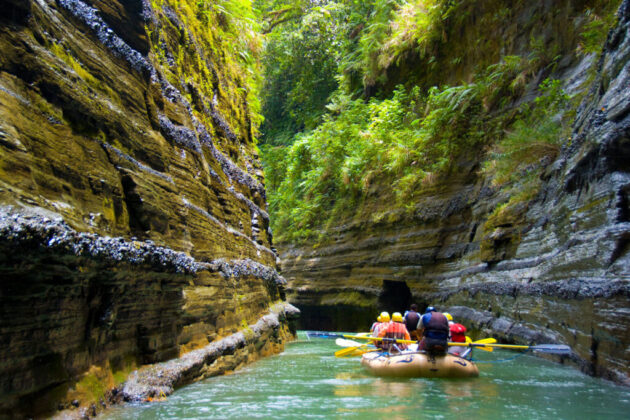
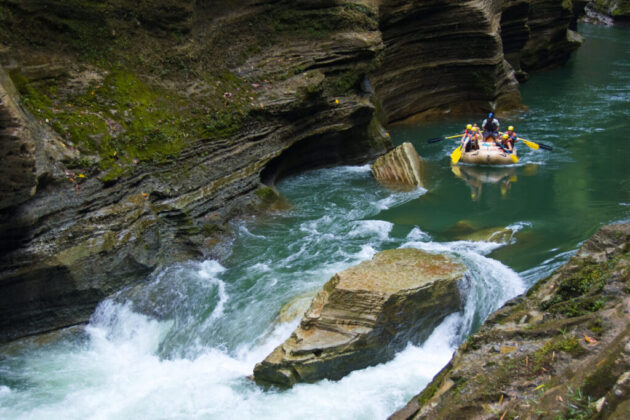
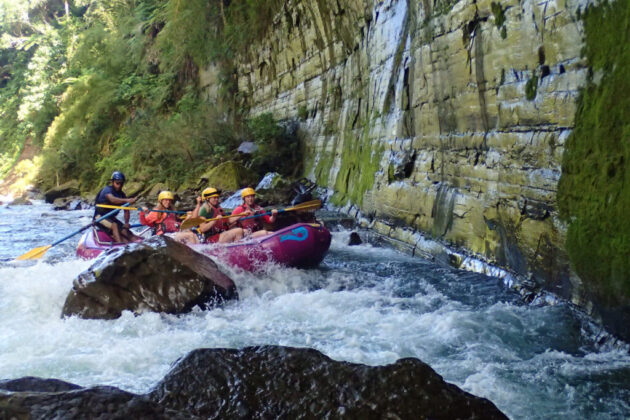
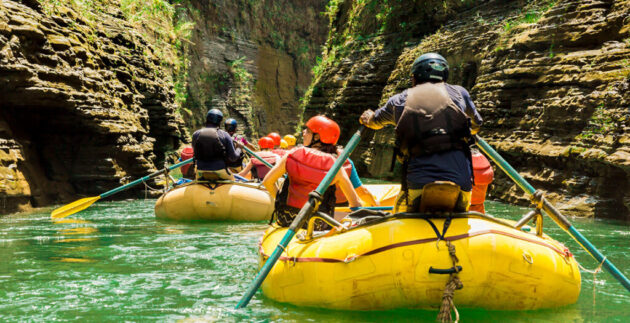
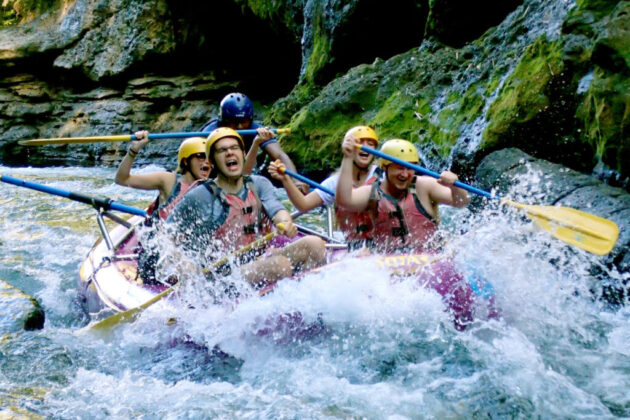
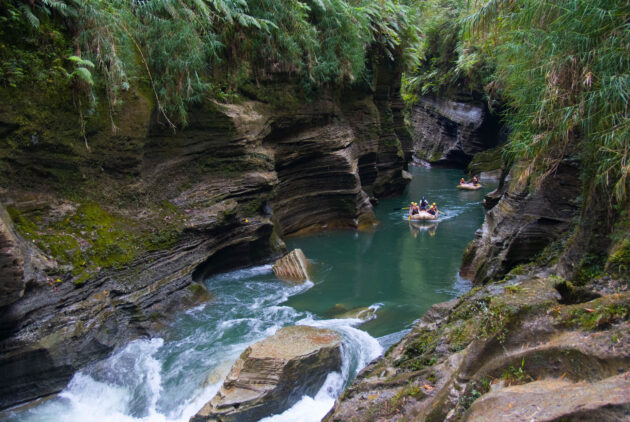
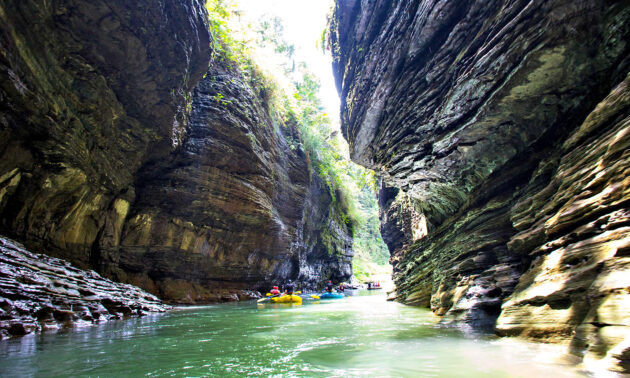
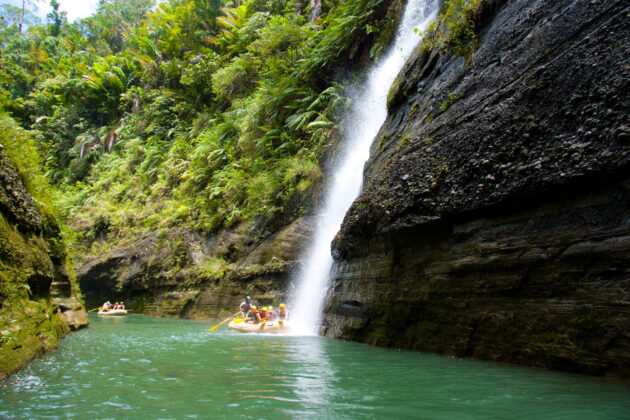
Whitewater rafting on Fiji’s Navua River offers an exhilarating journey through the heart of Viti Levu, taking you into a pristine tropical wilderness known as the “River of Eden”. This adventure leads you through the dramatic Upper Navua Gorge, where you’ll paddle past countless waterfalls, navigate fun Class II-III rapids, and be surrounded by sheer volcanic canyon walls that rise over 40 meters high.
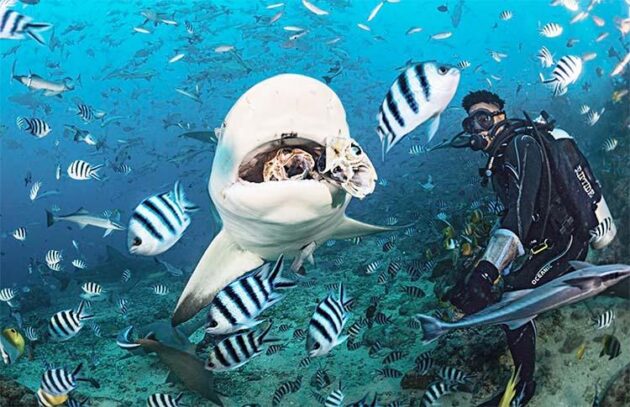
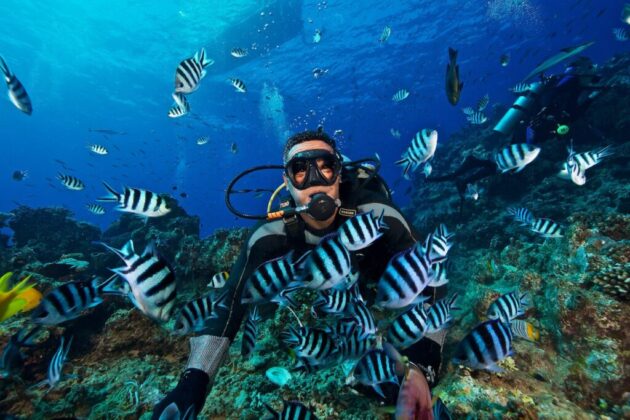
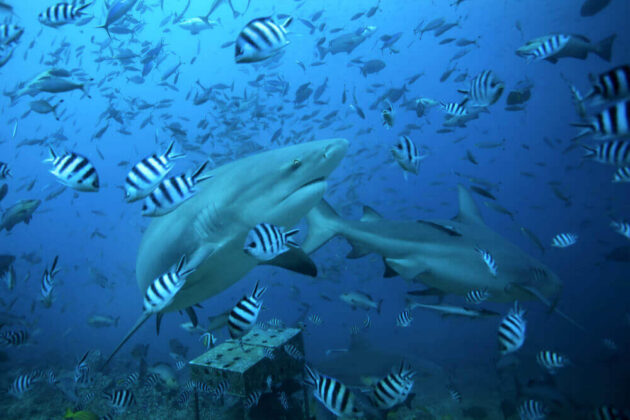
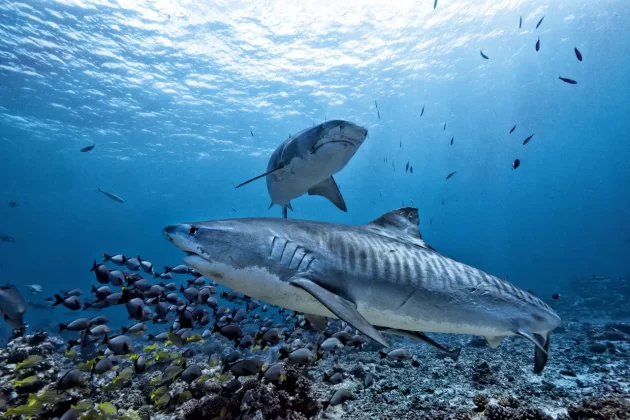
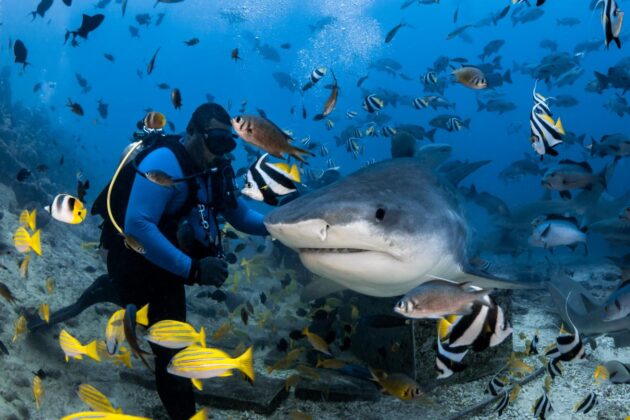
Shark Diving in Beqa Lagoon
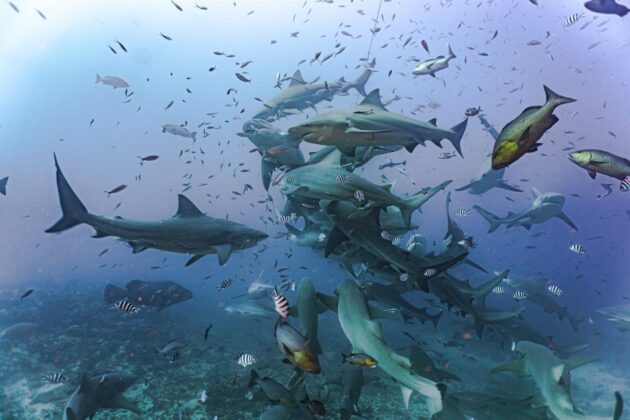
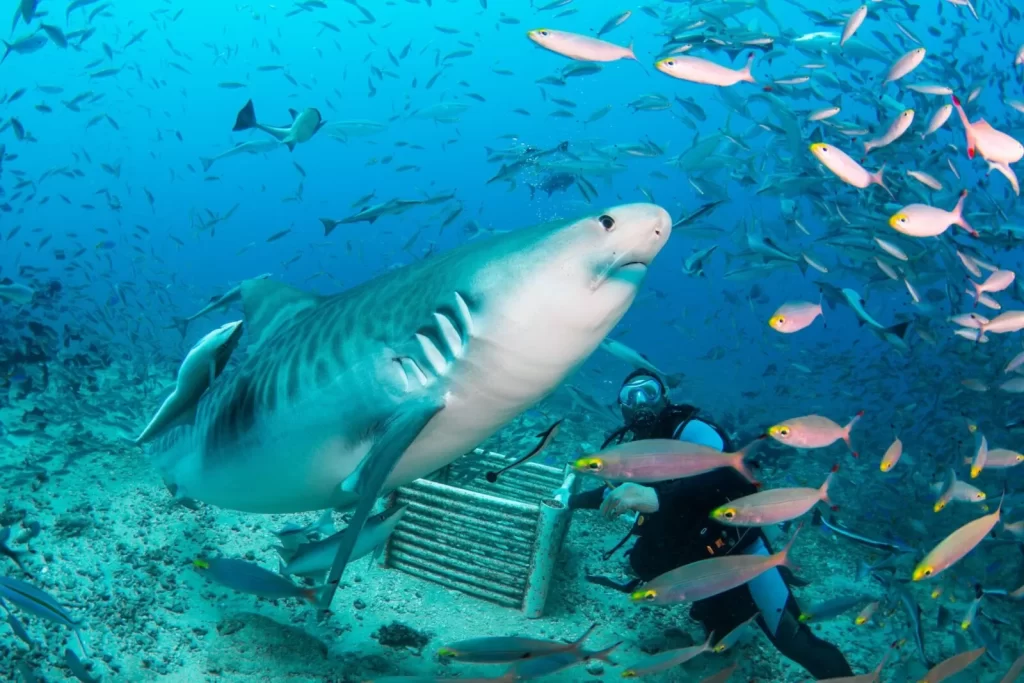
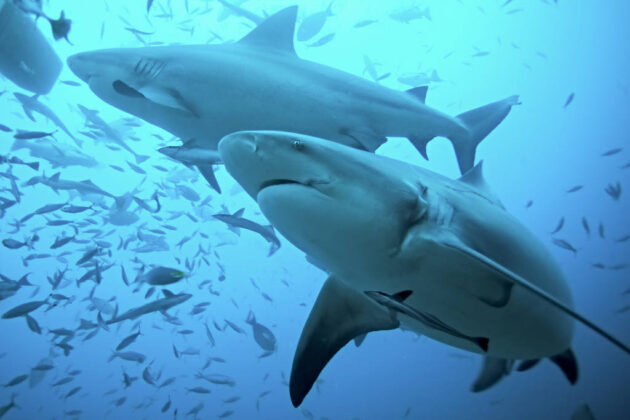
Nestled off the southern coast of Viti Levu, Fiji’s main island, Beqa Lagoon is a diver’s paradise renowned for its world-famous shark encounters. Protected by one of the world’s largest barrier reefs spanning over 190 miles, this 360-square-kilometer lagoon offers adrenaline-pumping dives with up to eight shark species, including bull sharks, tiger sharks, and silky sharks, all in crystal-clear tropical waters.
Where to Eat
Suva’s food scene reflects its multiculturalism—expect curry houses, fresh poke, and fusion eateries.
Budget (FJ$10–20): Street stalls at the Municipal Market for yaqona (kava) or fresh roti. An Pho for Vietnamese pho.
Mid-Range (FJ$20–40): Tiko’s Floating Restaurant for seafood on the harbor; Rudy’s Italian Trattoria for pasta with ocean views.
Upscale (FJ$40+): Eden Bistro & Bar for modern Fijian fusion; Seoul Restaurant for Korean BBQ.
Must-Try: Kokoda (raw fish in coconut lime) and lovo (earth-oven feast). Vegetarian options abound due to Indian influences. Tap water is safe; try local grog for a social buzz.
Where to Stay
Suva lacks beach resorts but offers urban comfort. Expect FJ$100–300/night average.
Luxury: Grand Pacific Hotel (historic colonial vibe, spa, FJ$300+); Peninsula International Hotel (city views, pool, FJ$250+).
Mid-Range: Southern Cross Hotel (central, clean rooms, FJ$150–200); Vagabond Backpackers (dorms FJ$30, privates FJ$80).
Budget/Family: Homestays via Airbnb (FJ$50–100) or City Private Hotel (FJ$80–120). For families, opt for places with pools like Holiday Inn Suva.
Book via Expedia or Trip.com for deals; central Suva (near Victoria Parade) is walkable.
Tips for a Great Visit
Getting Around: Local buses (FJ$1–2; get an eTransport Card from Vodafone) or taxis (FJ$5–10 short trips). Walk downtown—it’s compact but hilly. Rent a car for outskirts (FJ$50/day via Hertz).
Safety: Suva is welcoming but watch for petty theft in markets. Use registered taxis; avoid walking alone at night.
Culture: Dress modestly at temples; remove shoes. Bula! (hello) opens doors—Fijians love chatting.
Health/Weather: Sunscreen essential; rain gear for showers. No major vaccinations needed, but malaria risk is low.
Sustainability: Support local by buying handicrafts; use reef-safe sunscreen for swims.
Budget Tip: Suva is Fiji’s cheapest city—daily costs FJ$100–200/person excluding lodging.
Combine Trips: Base here for Coral Coast drives or Yasawa Islands ferries.
Final Thoughts
Suva captures Fiji’s soul in its humid bustle and heartfelt hospitality—a far cry from resort idylls, yet equally enchanting. From market haggling to rainforest dips, it reveals the nation’s layered history and flavors. In 2025, with enhanced eco-focus and festivals, it’s primed for discovery. Embrace the rain, savor the curry, and let Bula spirit guide you.
Happy travels!