
A Travel Guide to Savusavu (2026)
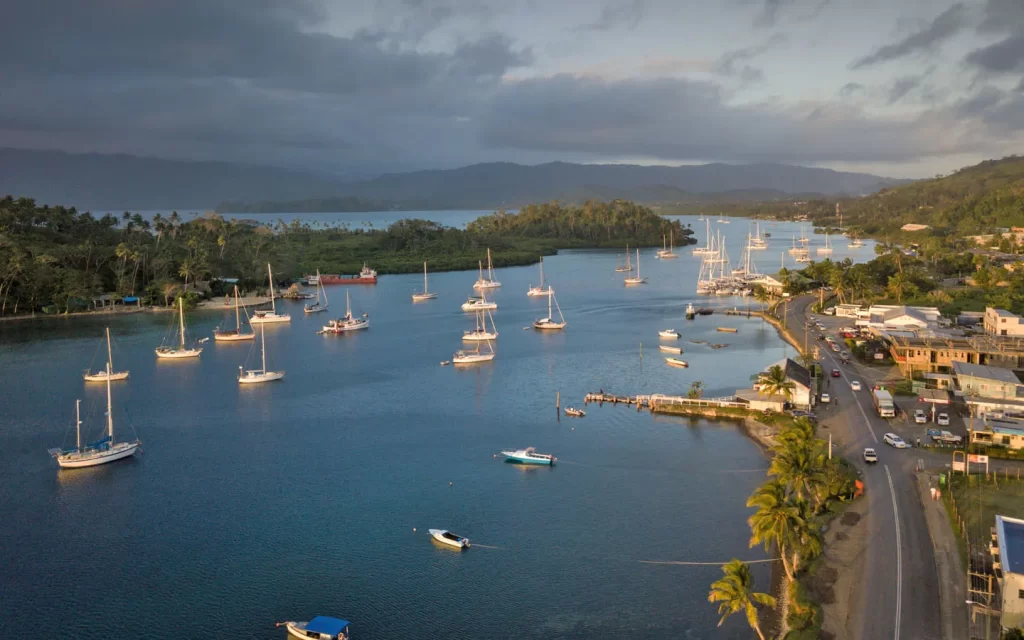
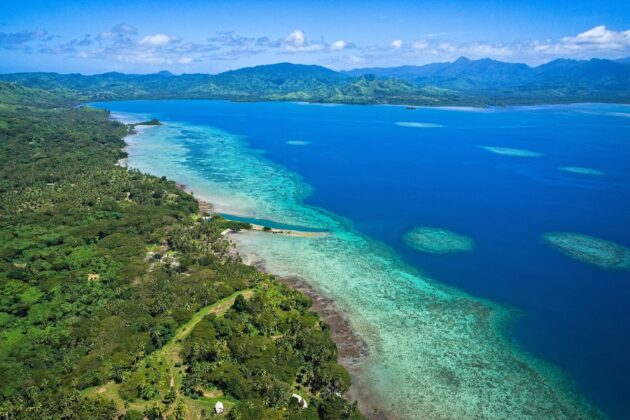
Nestled on the southern coast of Vanua Levu, Fiji’s second-largest island, Savusavu—often called the “Hidden Paradise”—is a serene coastal town that embodies authentic Fijian charm. With its horseshoe-shaped bay, bubbling hot springs, lush rainforests, and world-class coral reefs, Savusavu offers a laid-back alternative to Fiji’s busier tourist hubs. Backed by volcanic hills and fringed by mangroves, it’s a haven for divers, nature lovers, and those seeking cultural immersion without the crowds. Spanning just a few blocks along the waterfront, the town blends Fijian, Indo-Fijian, and expat influences, making it an ideal base for exploring Vanua Levu’s unspoiled beauty.
Why Visit Savusavu?
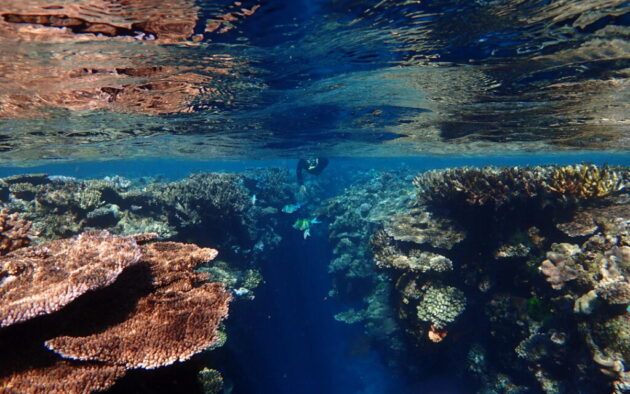
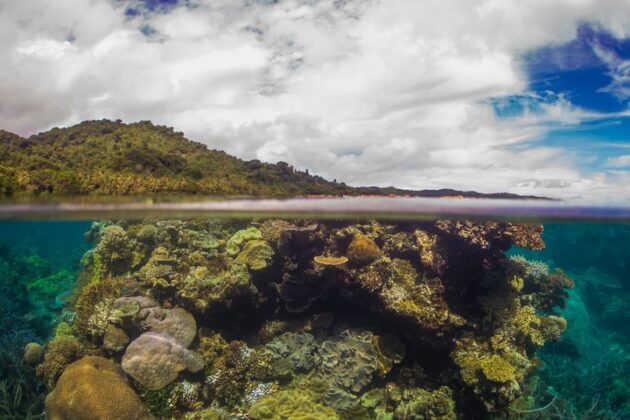
Savusavu stands out for its geothermal wonders, like the steaming Nakama Hot Springs, and its status as the “Soft Coral Capital of the World.” Here, you can snorkel vibrant reefs teeming with clownfish and sea turtles, hike to thundering waterfalls, or simply sip kava with locals at a village ceremony. The town’s yacht-filled marina attracts sailors worldwide, while eco-friendly resorts emphasize sustainable tourism. Unlike Nadi or the Coral Coast, Savusavu feels timeless—perfect for unwinding in “Fiji Time” amid friendly “Bula!” greetings and fresh market bounty.
How to Get There
Savusavu is accessible yet remote, rewarding patient travelers with stunning scenery. Most visitors arrive via Nadi International Airport (NAN) on Viti Levu.
By Air: Fly domestically with Fiji Airways’ Fiji Link from Nadi (1-hour flight, ~FJD 300–600 round-trip) or Suva’s Nausori Airport (SUV) (45 minutes). Flights run daily; book early as small planes fill quickly. Savusavu Airport (SVU) is 10 minutes from town; taxis cost FJD 20–30, or resorts often provide free shuttles.
By Ferry: From Suva, take the overnight Bligh Water or Goundar Shipping ferries (12 hours, FJD 80–100 one-way). Schedules vary (e.g., Monday, Wednesday, Friday); it’s scenic but bumpy—opt for a cabin. From Taveuni Island, shorter ferries (1–2 hours, FJD 15–20) via Natuvu Port.
By Road (from Labasa): Fly to Labasa Airport (LBS), then drive the scenic Hibiscus Highway (90 minutes, FJD 75–95 taxi). It winds through sugarcane fields and rainforests.
By Sea: Yachties love Savusavu’s marinas (Copra Shed or Waitui); it’s an official port of entry with customs. Cruises like Norwegian or Scenic Eclipse dock here seasonally.
Tip: Domestic flights are quickest; ferries suit budget adventurers. Use apps like Fiji Airways for real-time schedules.
Best Time to Visit
Savusavu enjoys a tropical climate year-round, with average highs of 28–31°C (82–88°F) and warm seas for swimming.
Dry Season (May–October): Ideal for most visitors—sunny, cooler (20–28°C/68–82°F), and low humidity. Perfect for diving, hiking, and outdoor activities; fewer crowds and lower prices than peak July–August.
Wet Season (November–April): Warmer (up to 32°C/90°F) with afternoon showers, but lush greenery and fewer tourists. Whale-watching peaks July–October; avoid cyclone risks (January–March).
Shoulder Seasons: April–May or September–October offer the best balance of weather, value, and events like the Savusavu Festival (October).
Weather Tip: Pack reef-safe sunscreen, rain gear, and light layers. Humidity is high year-round.
Top Attractions
Namena Marine Reserve
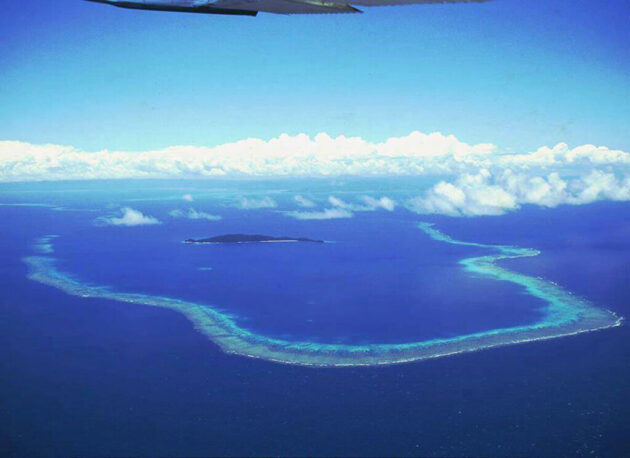
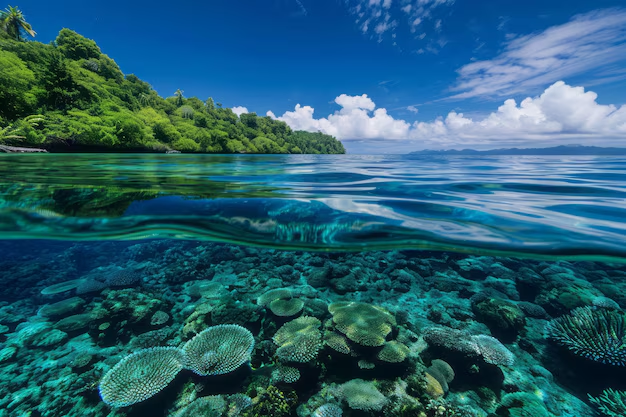
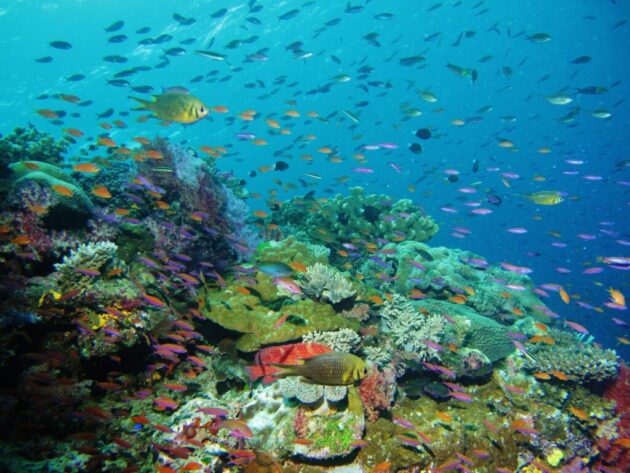
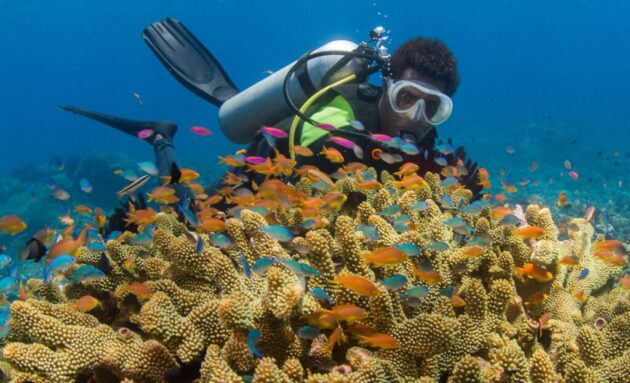
Nestled between Fiji’s two main islands, Viti Levu and Vanua Levu, the Namena Marine Reserve is a pristine underwater paradise renowned as one of the world’s top dive and snorkel destinations. Established in 1997 as Fiji’s first no-take marine protected area (MPA), this 70-square-kilometer haven—encompassing the horseshoe-shaped barrier reef around Namenalala Island—boasts over 1,100 fish species, 400 types of coral, and thriving biodiversity. From vibrant soft coral gardens to schools of barracuda and graceful sea turtles, Namena offers an unforgettable blend of adventure and conservation.
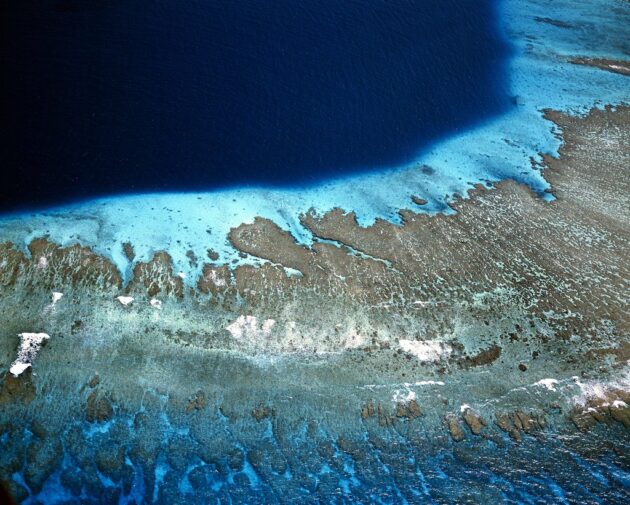
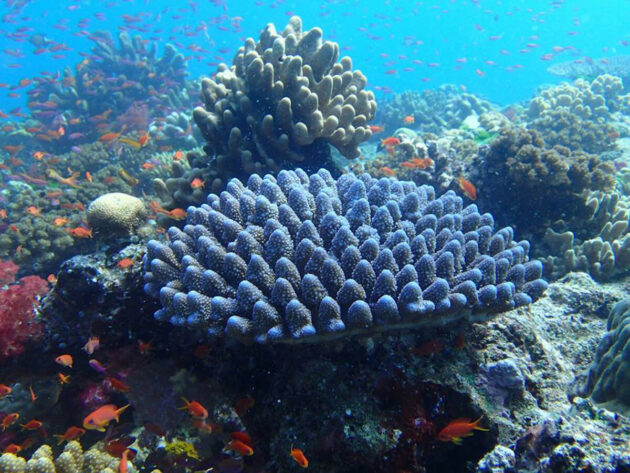
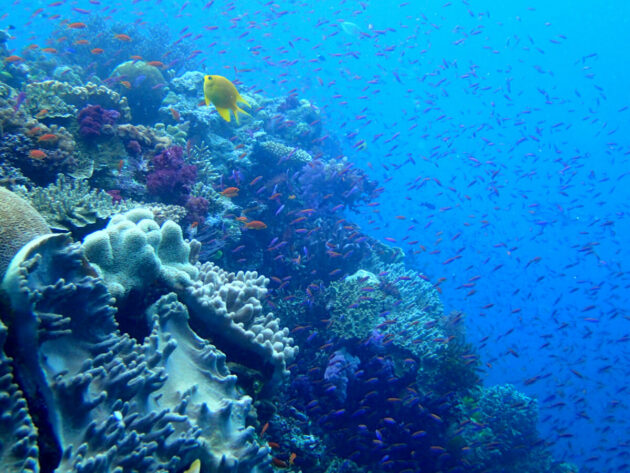
Natewa Bay’s soft corals (Fiji’s best)
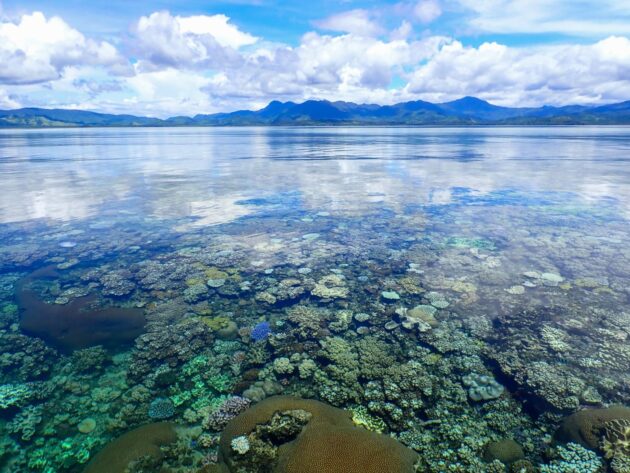
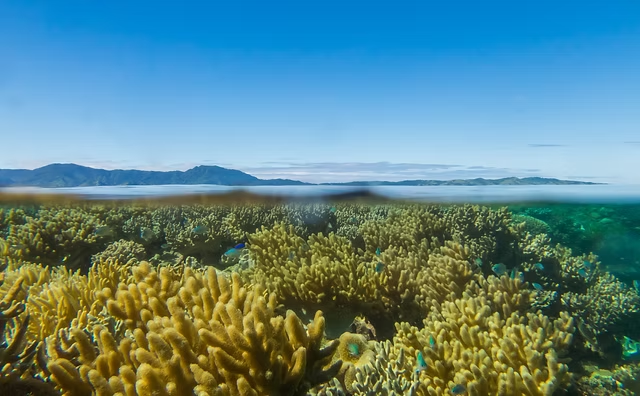
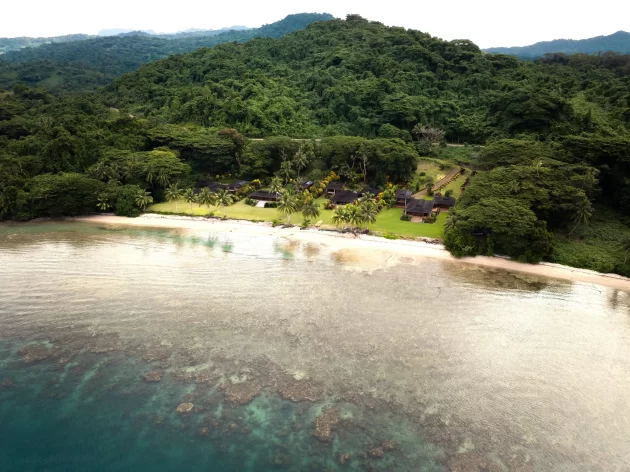
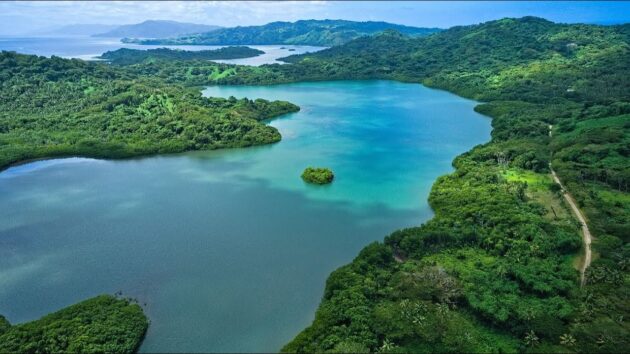
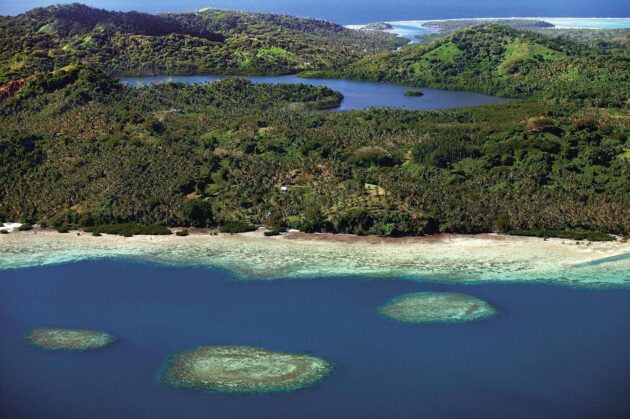
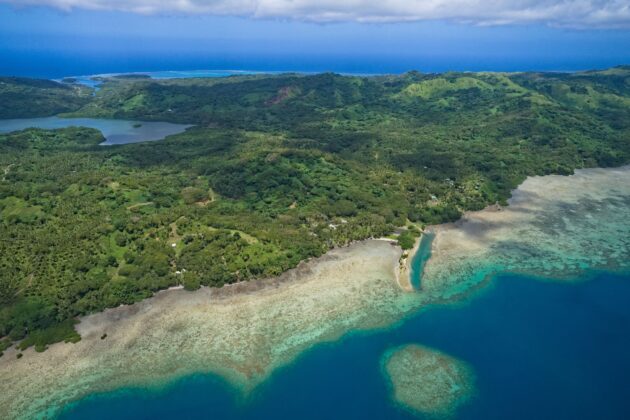
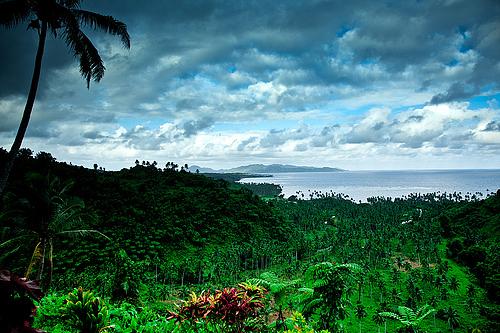
Nestled on the eastern coast of Vanua Levu, Fiji’s second-largest island, Natewa Bay is a hidden gem in the South Pacific. As the largest bay in the region—spanning over 1,000 square kilometers, 80 km long, and up to 15 km wide—it boasts depths exceeding 1,000 meters in places, creating a sheltered haven of pristine coral reefs, lush rainforests, and vibrant marine life. This off-the-beaten-path paradise offers an authentic Fijian experience, far from crowded tourist spots, with opportunities for eco-adventures, cultural immersion, and serene relaxation.
Nakama Hot Springs
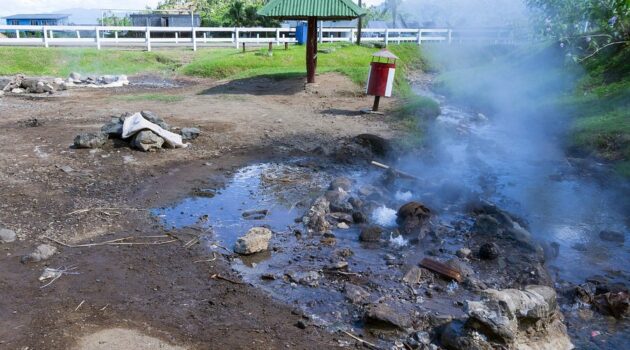
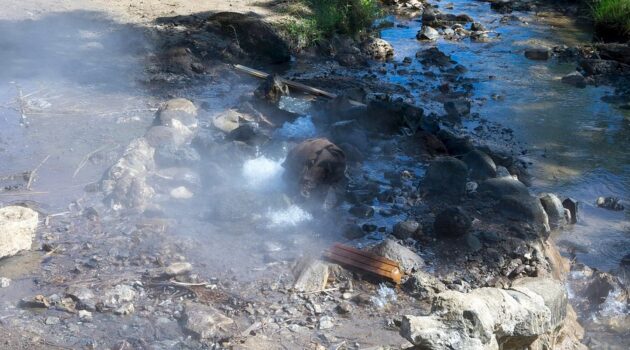
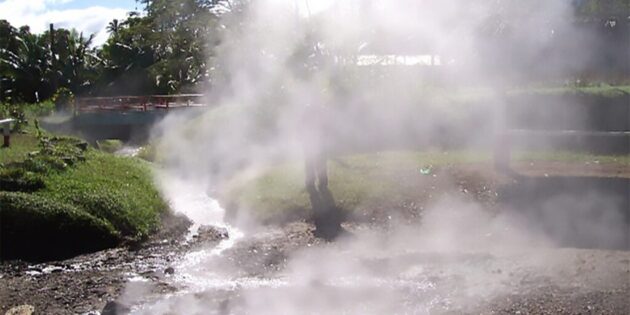
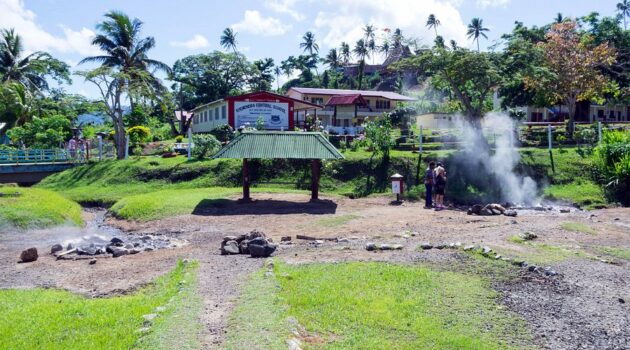
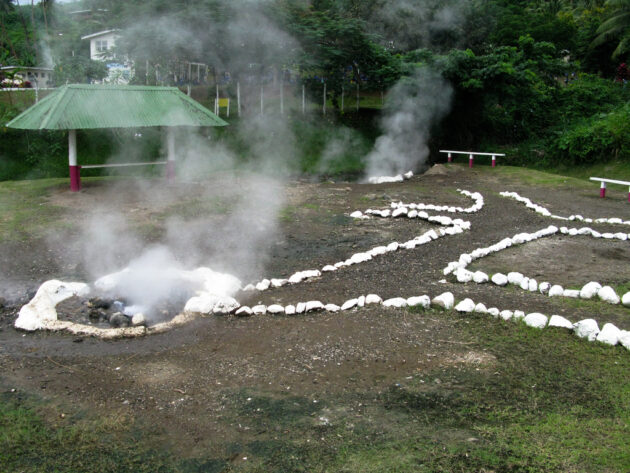
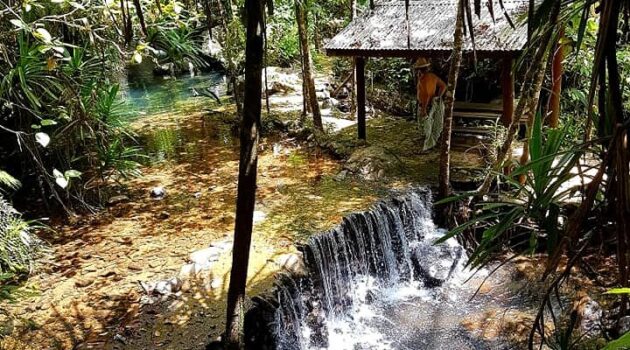
Nakama Thermal Hot Springs is a notable geothermal attraction located in the center of Savusavu on Fiji’s Vanua Levu island. The springs discharge water at temperatures close to the boiling point (approximately 100°C) and are rich in sodium and chlorine. A key cultural tradition here is that local villagers have used the hot springs for generations as natural cooking pots for preparing food like dalo, fish, and cakes.
J. Hunter Pearls Farm
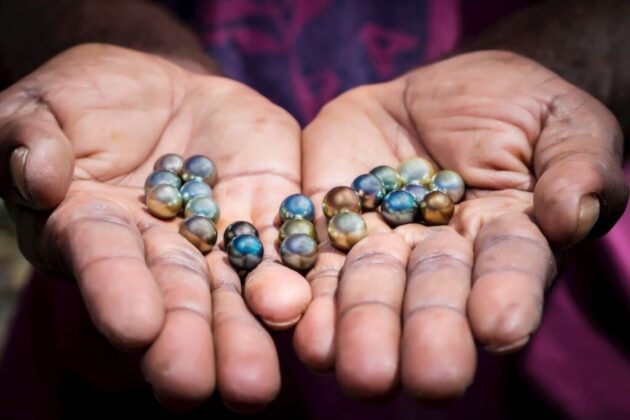
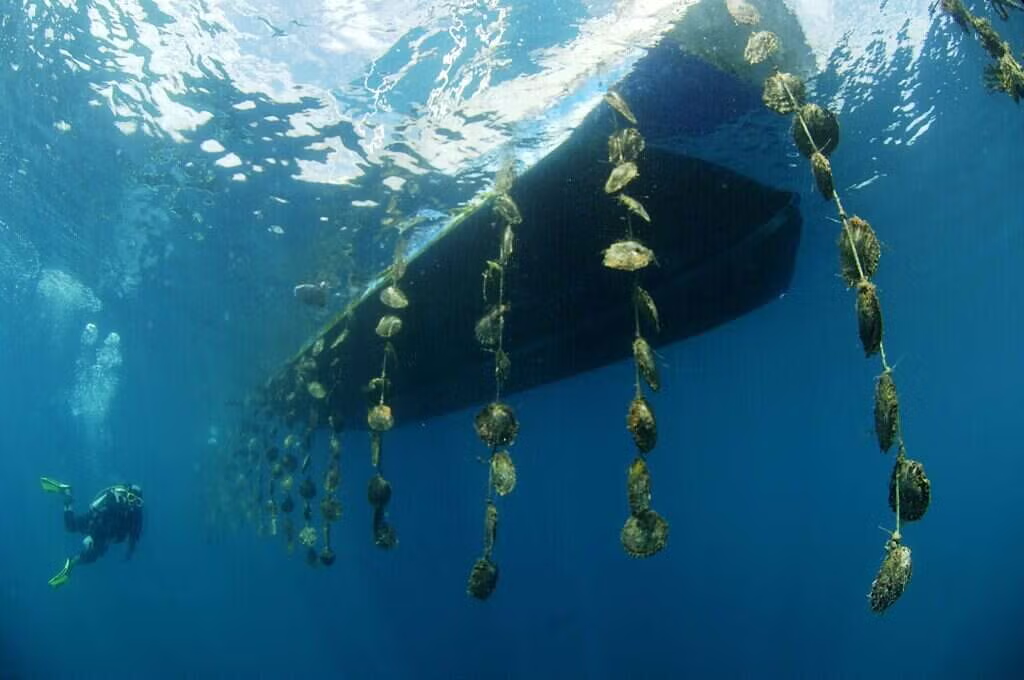
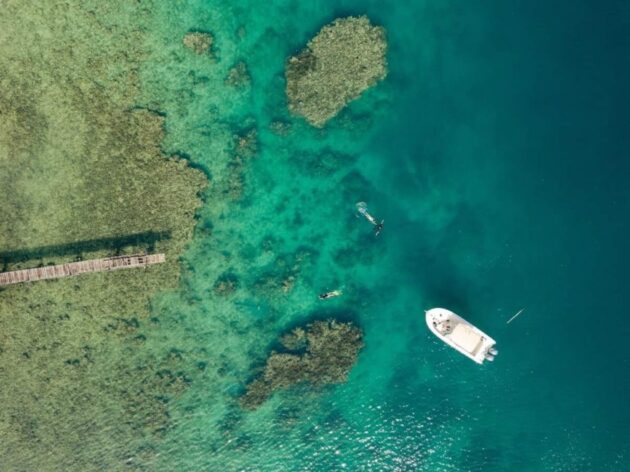
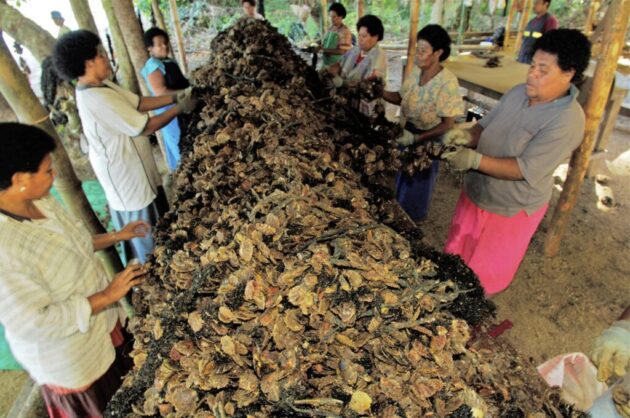
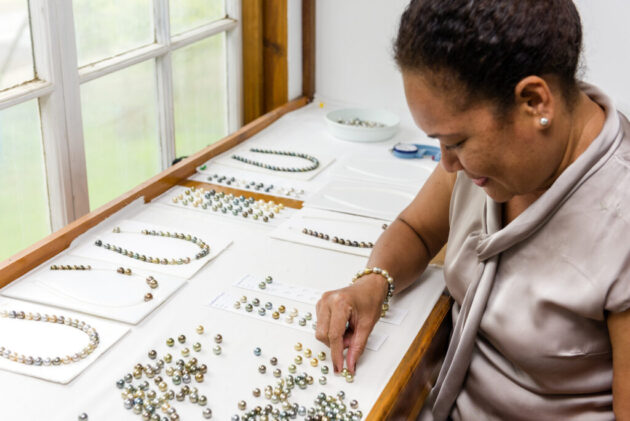
J. Hunter Pearls Farm, located in the bay town of Savusavu on Vanua Levu, Fiji, is renowned for producing the world’s rarest cultured pearls, which feature unique vibrant colors like cool greens, metallic blues, and bright bronzes. The farm offers educational tours that begin with a showroom briefing, followed by a boat trip to observe daily operations, such as oyster cleaning and, seasonally, the delicate pearl seeding or harvesting processes (typically April/May and October/November).
Waisali Rainforest Reserve
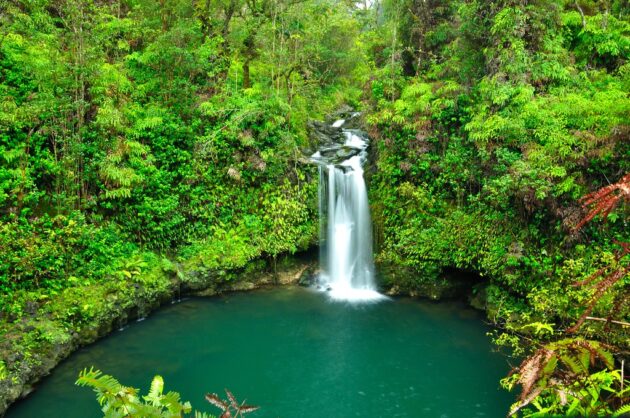
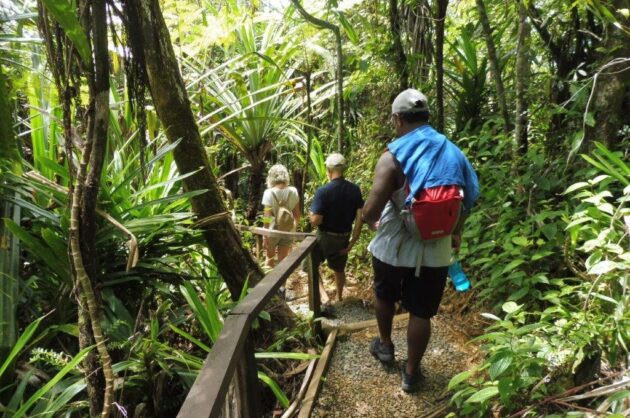
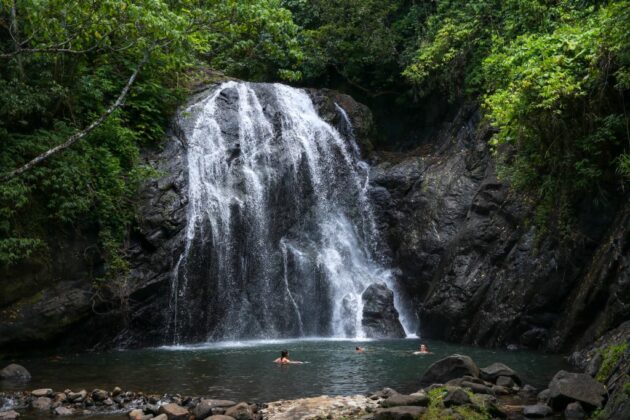
The Waisali Rainforest Reserve is a pristine 120-hectare (approximately 300-acre) protected rainforest on Fiji’s second-largest island, Vanua Levu, near Savusavu. Co-managed by the local community and the National Trust of Fiji, it serves as an important center for conservation, education, and recreation. The reserve is renowned for its lush greenery, diverse ecosystem, and scenic hiking trails that lead to picturesque waterfalls and natural rock pools.
Savusavu Farmers Market
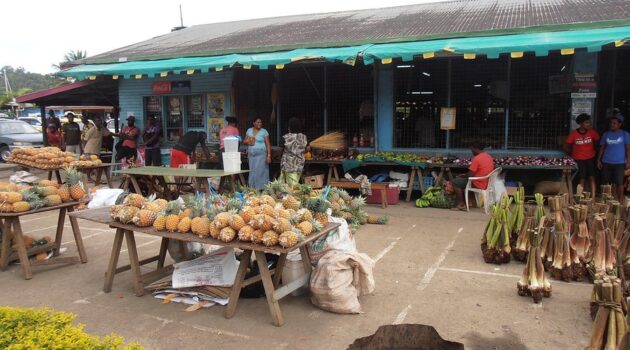
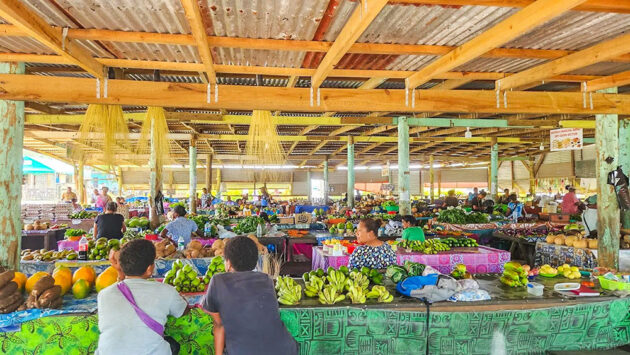
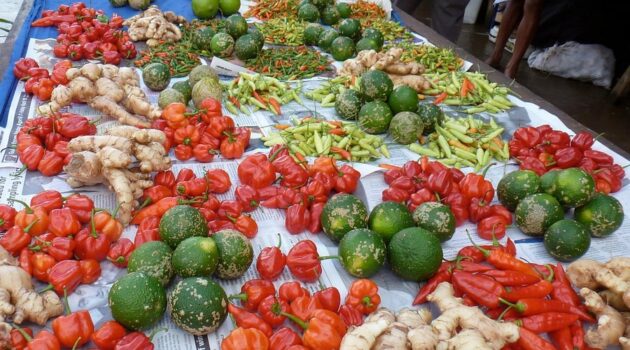
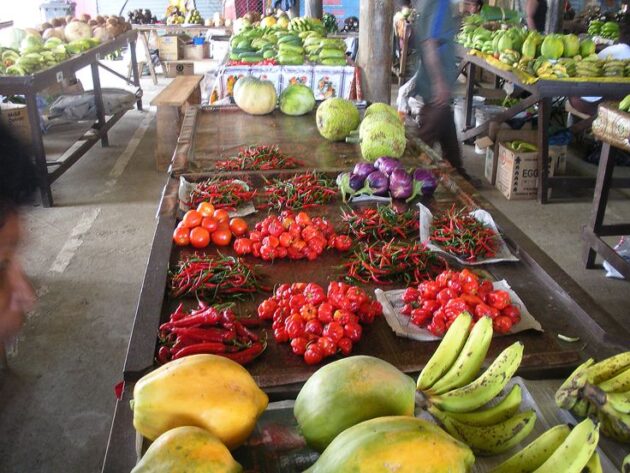
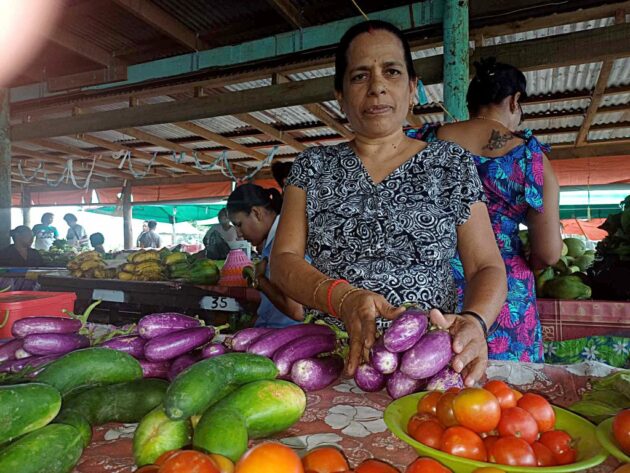
Nestled in the town of Savusavu on Fiji’s Vanua Levu island, the Savusavu Farmers Market is a vibrant hub where locals gather to sell piles of freshly picked, colorful fruits, green vegetables, and root crops. It offers a genuine sensory experience with the aromas of exotic spices and the sight of the freshest seafood straight from the ocean. The market provides an excellent opportunity to meet friendly local vendors, who are often happy to offer samples and share cooking tips.
Where to Eat
Savusavu’s dining fuses Fijian, Indian, and fusion flavors—fresh seafood shines.
Surf and Turf: Waterfront lobster and steaks (FJD 30–50); sunset views a bonus.
Taste of Hidden Paradise: Indo-Fijian curries (FJD 20–30); try masala fish.
Savusavu Yacht Club: Casual pub fare and cold beers (FJD 15–25); live music Fridays.
Market Stalls: Cheap roti or fresh coconut (FJD 5–10) for picnic vibes.
Vegetarian Note: Indian influences mean plentiful veggie options. Most spots are BYOB or have bars.
Where to Stay
Savusavu offers boutique resorts over chains, from beachfront bliss to rainforest retreats. Expect FJD 200–800/night.
Luxury: Namale Resort & Spa (adults-only, all-inclusive, FJD 1,000+; infinity pools, spa). Jean-Michel Cousteau Resort (eco-luxury, FJD 1,500+; family-friendly diving).
Mid-Range: Koro Sun Resort (beachfront bures, FJD 400–600; kids’ club, yoga). Savasi Island Resort (private island villas, FJD 500+).
Budget: Daku Resort (Fijian-style rooms, FJD 200–300; yoga retreats). La Dolce Vita Villas (self-catering, FJD 150+; bay views).
Booking Tip: Use Booking.com or Ctrip; resorts often include transfers. For seclusion, try Natewa Bay spots like Emaho Sekawa.
Tips for a Great Visit
Safety: Fiji is safe for tourists—low crime, but secure valuables and avoid isolated areas at night. Use reef-safe sunscreen; watch for strong currents while snorkeling. No major advisories as of 2025; check Smart Traveller.
Culture: Remove hats in villages; ask before photos. “Bula!” means hello—reciprocate warmly.
Getting Around: Walk the main street; taxis (FJD 5–20) or buses (FJD 2–10) for outskirts. Rent bikes (FJD 20/day) for bay exploration.
Money: ATMs available; FJD cash preferred for markets. Tipping isn’t customary—smile instead.
Health: Tap water is safe in town; bottled for hikes. Mosquito repellent for evenings.
Sustainability: Support eco-tours; avoid touching corals. Pack light—laundry services abound.
Combine Trips: Day-trip to Taveuni for more reefs or Labasa for markets.
Final Thoughts
Savusavu captures Fiji’s essence—raw, welcoming, and wondrous—without the hype. Whether gliding over technicolor reefs, steaming in hot springs, or sharing stories at a seaside bar, this hidden gem restores the soul. Embrace the slow pace, connect with locals, and let the bay’s rhythm wash away worries. Bula from paradise—your Savusavu adventure awaits.
Happy travels!