
A Comprehensive Travel Guide to New Zealand (2026)
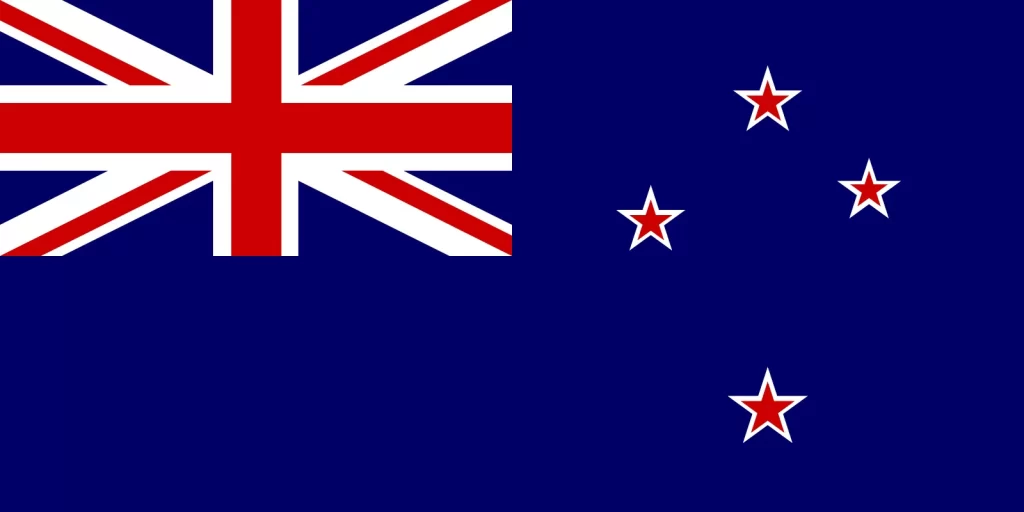
Nestled in the southwestern Pacific Ocean, New Zealand—known to the Māori as Aotearoa, the “Land of the Long White Cloud”—is a breathtaking archipelago of two main islands (North and South) and over 700 smaller ones. Famous for its dramatic landscapes that served as the backdrop for The Lord of the Rings, this island nation blends rugged adventure, rich Māori culture, world-class wines, and laid-back Kiwi hospitality. Whether you’re hiking volcanic trails, cruising fjords, or sipping Sauvignon Blanc, New Zealand offers unparalleled experiences.
Why Visit New Zealand?
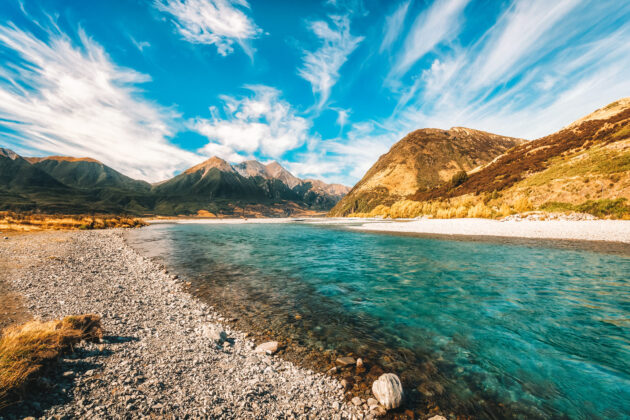
New Zealand captivates with its diverse ecosystems: from geothermal wonders and black-sand beaches on the North Island to glacier-carved fjords and alpine peaks on the South. It’s a haven for adventure seekers (bungee jumping originated here!) and nature lovers alike, while vibrant cities like Auckland and Wellington pulse with arts, cuisine, and Māori heritage. With low crime rates and friendly locals, it’s one of the safest destinations globally—perfect for solo travelers, families, or couples.
Visa and Entry Requirements
Most visitors can enter visa-free for up to 90 days under the Visa Waiver Program, but you’ll need a New Zealand Electronic Travel Authority (NZeTA) and pay the International Visitor Conservation and Tourism Levy (IVL) of NZ$100 (about US$60). Apply online via the Immigration New Zealand app or website—processing takes up to 72 hours, so do it 2–3 days before departure. U.S., UK, Canadian, and EU citizens qualify; Australians need no NZeTA. From November 2025, Pacific Island Forum passport holders with valid Australian visas can enter visa-free via Australia for up to 3 months (with NZeTA).
A valid passport (at least 6 months beyond your stay) is required. Declare all food, outdoor gear, and biosecurity items on arrival to avoid fines. COVID-19 rules are gone, but check for updates on health declarations.
Tip: Download the NZTD (New Zealand Traveller Declaration) app for seamless customs processing on arrival.
Best Time to Visit
New Zealand’s seasons are opposite the Northern Hemisphere: summer (December–February) is warm and peak season; winter (June–August) is ideal for skiing. Shoulder seasons (spring: September–November; autumn: March–May) offer mild weather, fewer crowds, and lower prices—locals swear by these for hiking.
Summer (Dec–Feb): 16–24°C (61–75°F); long days for beaches and festivals like the Marlborough Wine Festival (Feb). Busiest and priciest.
Autumn (Mar–May): 10–20°C (50–68°F); golden foliage, harvest season—great for road trips without summer crowds.
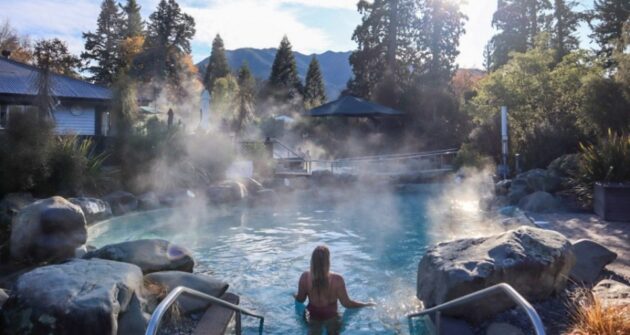
Winter (Jun–Aug): 5–12°C (41–54°F); snow sports in Queenstown, cozy hot pools. Cheapest for accommodations.
Spring (Sep–Nov): 8–18°C (46–64°F); blooming lupins, whale migrations—vibrant and budget-friendly.
How to Get There
Most international flights land at Auckland Airport (AKL) on the North Island, with direct options from major hubs. Flight times: 12–14 hours from Los Angeles/San Francisco; 17–20 hours from New York/London; 3–4 hours from Sydney. Airlines like Air New Zealand and Qantas offer non-stops; budget via Jetstar.
From the U.S.: Direct from LAX, SFO, HNL, IAH, and JFK (Air New Zealand).
From Europe/Asia: Via Singapore (Singapore Airlines) or Doha (Qatar Airways).
Cruises: Seabourn or Princess Lines dock in Auckland/Queenstown seasonally.
Domestic flights (Air New Zealand/Jetstar) connect islands cheaply (NZ$50–150). The Interislander or Bluebridge ferry crosses Cook Strait (3–4 hours, NZ$60–100). Rent a car at the airport for flexibility—international driver’s permits recommended.
Tip: Book flights 3–6 months ahead for deals under NZ$1,000 round-trip from the U.S.
Getting Around
New Zealand’s compact size (same as the UK) makes it easy to explore, but public transport skips remote spots—renting a car or campervan is king for freedom.
Driving: Left-side roads; scenic routes like SH6 (Milford Sound). Campervans (e.g., JUCY, Apex) cost NZ$100–200/day. Fuel: NZ$2.50–3/liter.
Buses: InterCity’s national network (NZ$20–100/trip); hop-on-hop-off like Kiwi Experience for backpackers (NZ$200–400 passes).
Trains: Great Journeys NZ (e.g., TranzAlpine, NZ$150) for epic views.
Flights: Short hops (1–2 hours) via regional carriers.
Ferries: Essential for island-hopping.
Budget Tip: InterCity FlexiPass (10–80 hours) saves on buses. Download the AA Route Planner app for real-time traffic.
Major Cities
Auckland
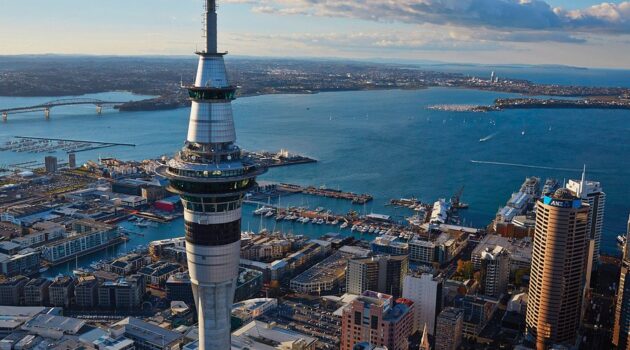
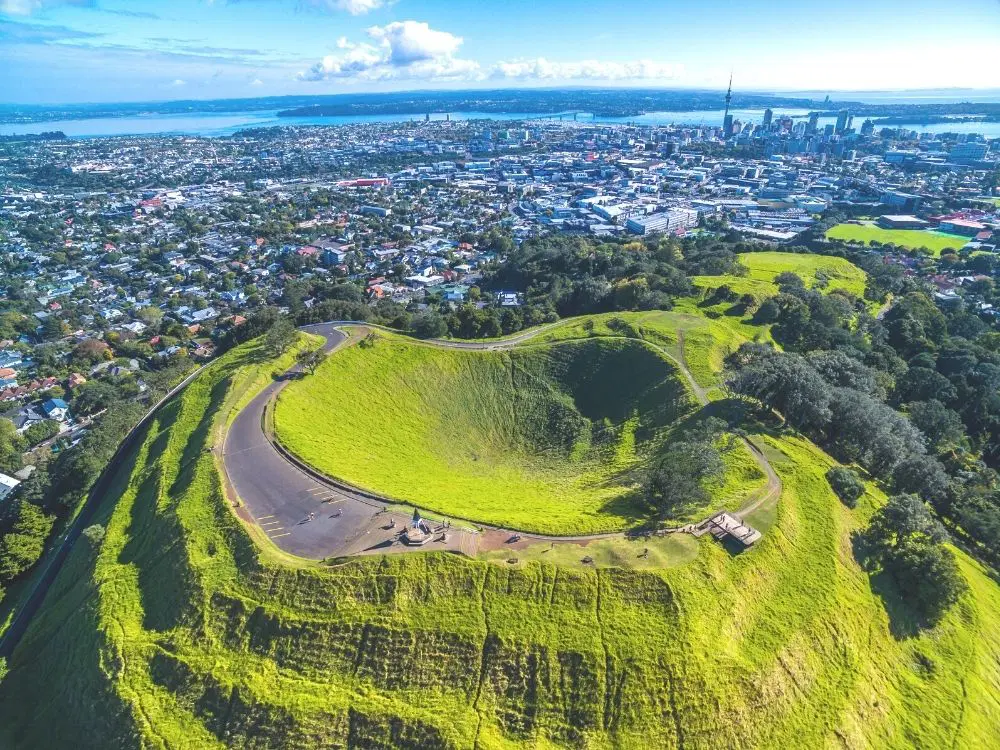
Nestled between two stunning harbors on New Zealand’s North Island, Auckland is a vibrant metropolis often called the “City of Sails.” As the country’s largest city with around 1.7 million residents, it blends urban sophistication with natural beauty—think bustling waterfronts, volcanic parks, and nearby islands perfect for day trips.



Wellington
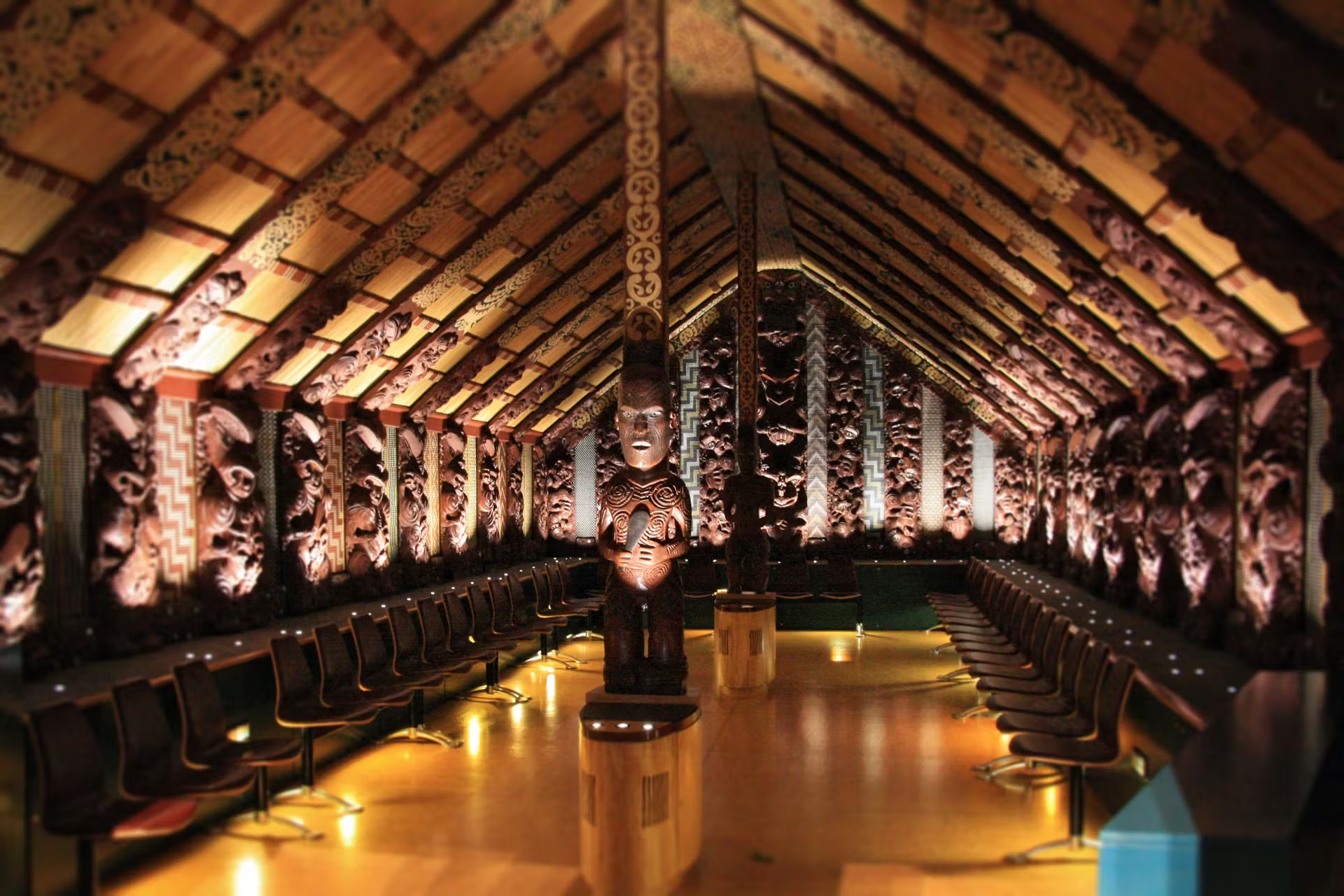
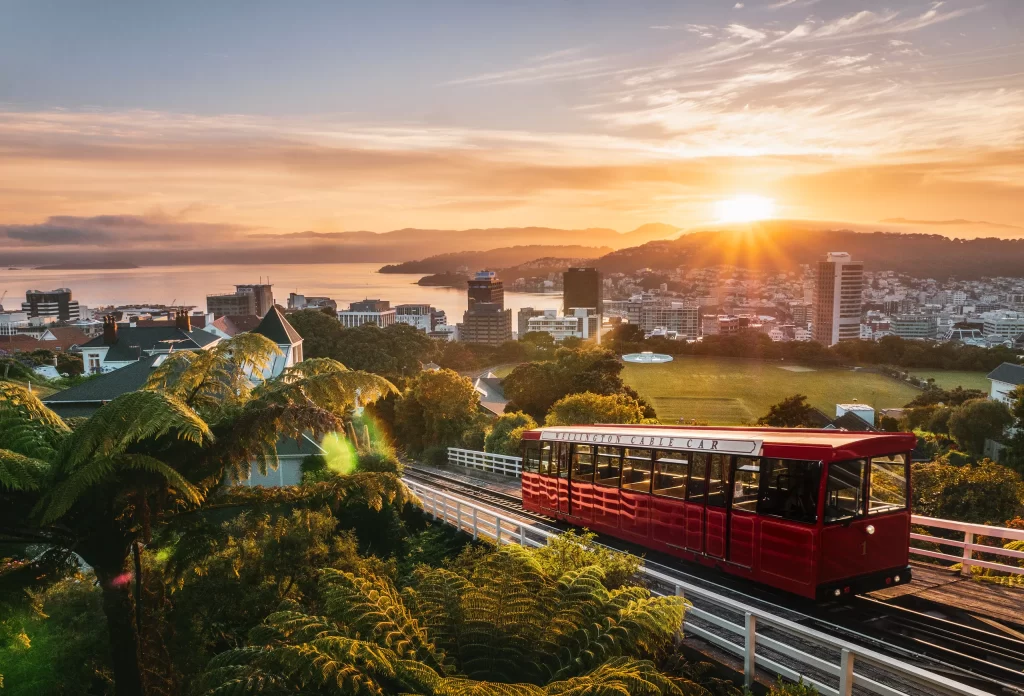
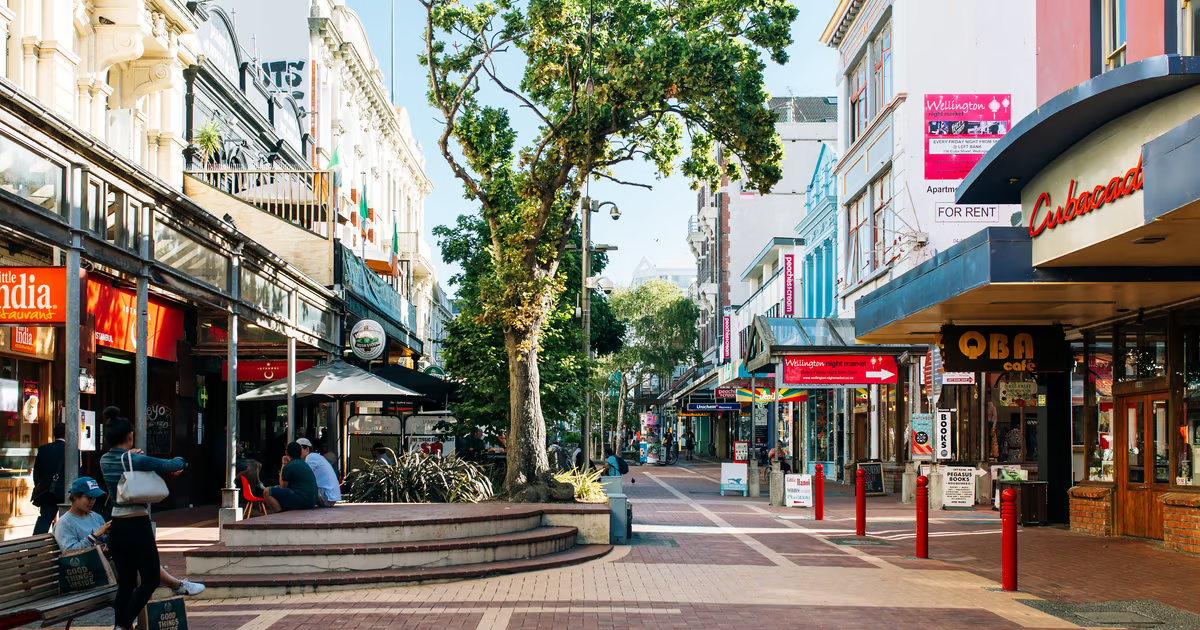
Nestled at the southwestern tip of New Zealand’s North Island, Wellington—affectionately known as the “Coolest Little Capital in the World”—is a vibrant hub where urban sophistication meets stunning natural beauty. Flanked by rolling hills, a sparkling harbor, and the wild Cook Strait, this compact city punches above its weight with world-class museums, thriving arts scenes, craft breweries, and outdoor adventures.



Queenstown
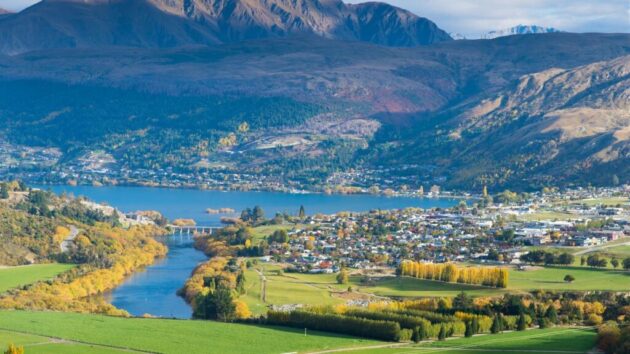
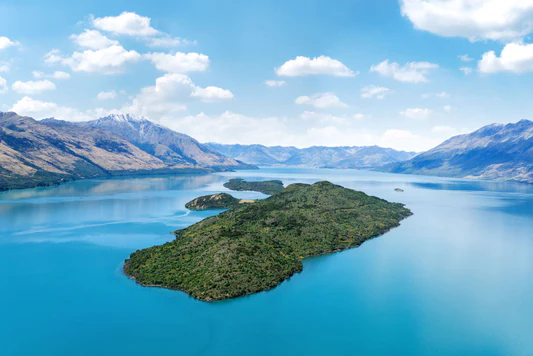
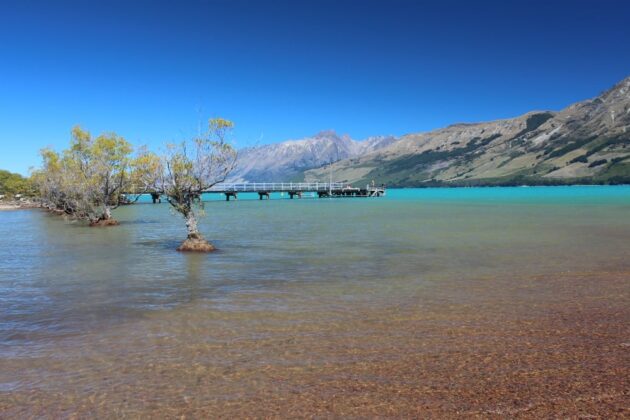
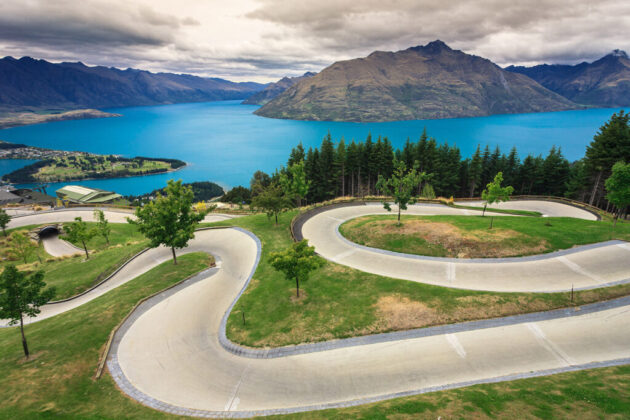
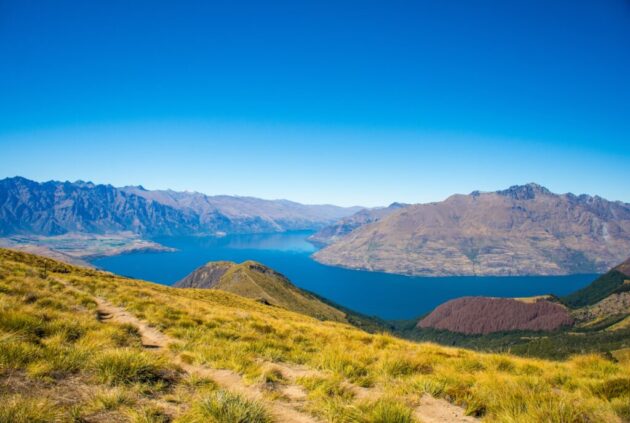
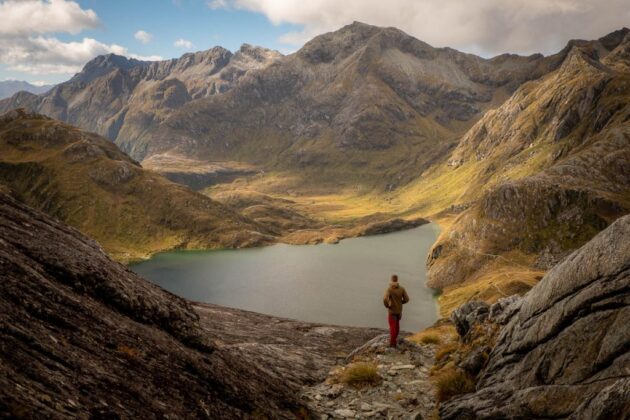
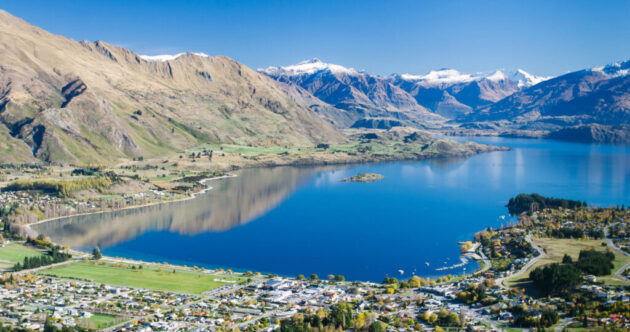
Nestled on the shores of Lake Wakatipu and surrounded by the jagged peaks of the Remarkables and Southern Alps, Queenstown is New Zealand’s undisputed adventure capital. With a population of around 20,000, this vibrant lakeside town offers a perfect blend of heart-pounding thrills, stunning natural beauty, and laid-back Kiwi charm.
Christchurch
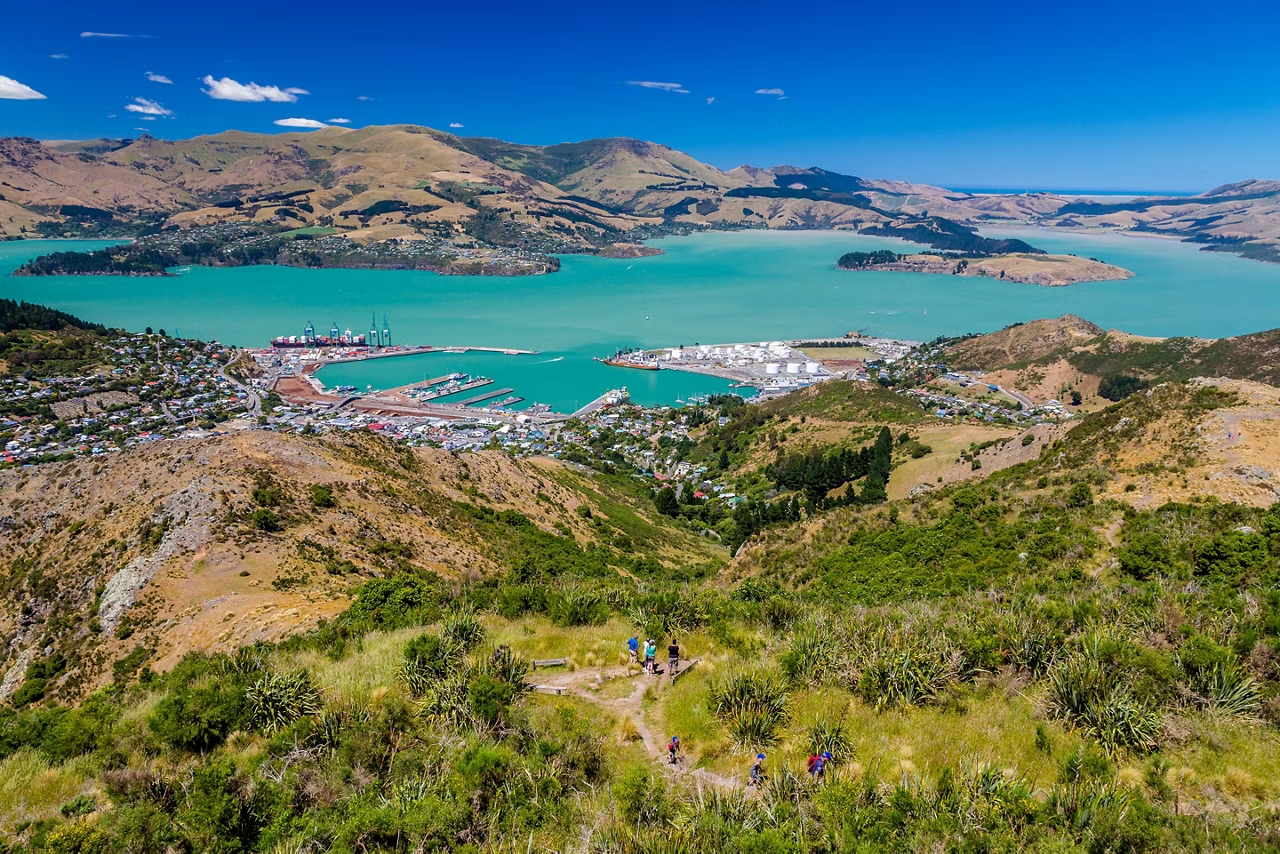
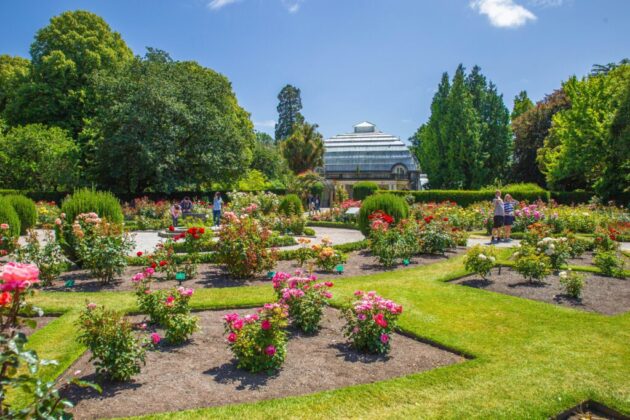
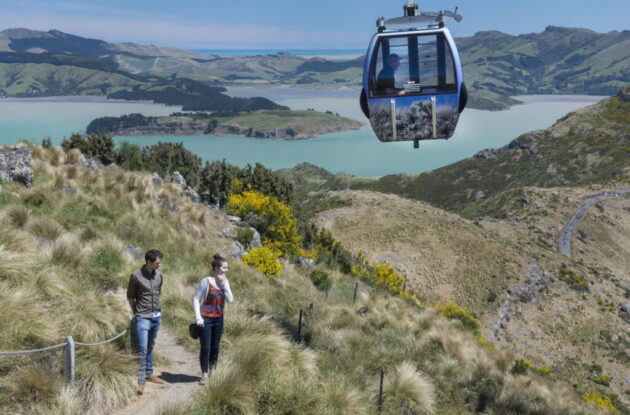
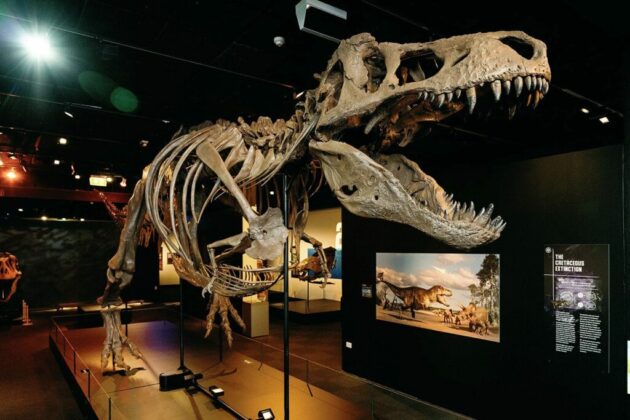
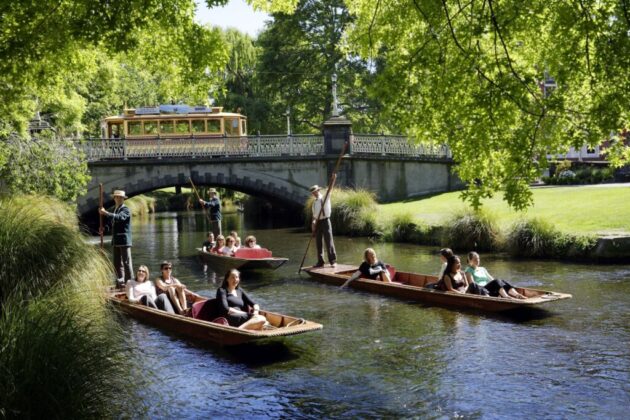
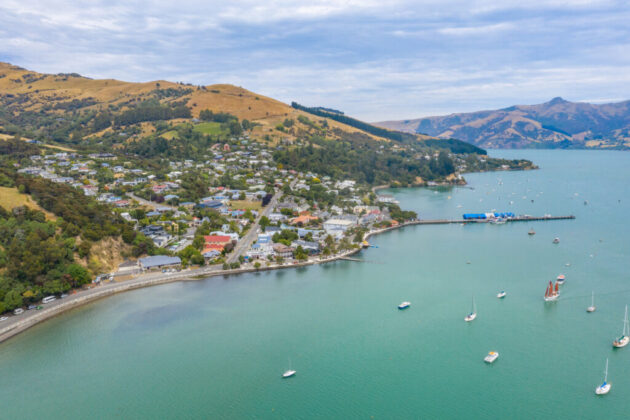
Nestled on the eastern edge of New Zealand’s South Island, Christchurch—known as the Garden City—is a captivating blend of natural beauty, resilient urban innovation, and cultural charm. Rebuilt with creativity after the devastating 2011 earthquakes, it offers lush parks, street art, gourmet markets, and easy access to alpine adventures.
Top Attractions
Milford Sound
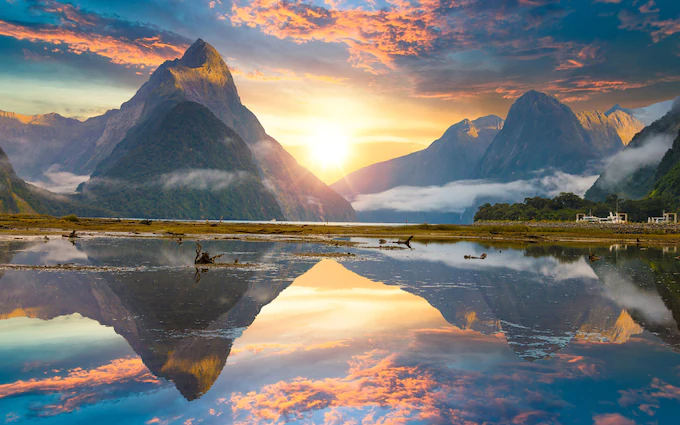
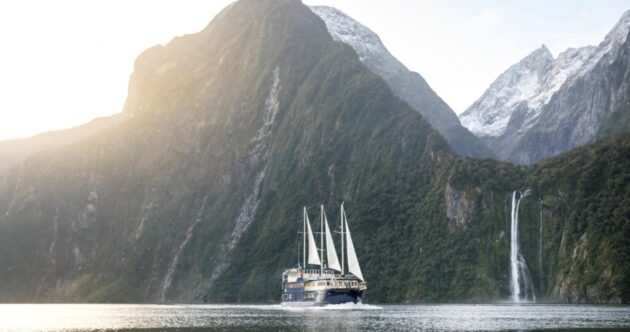
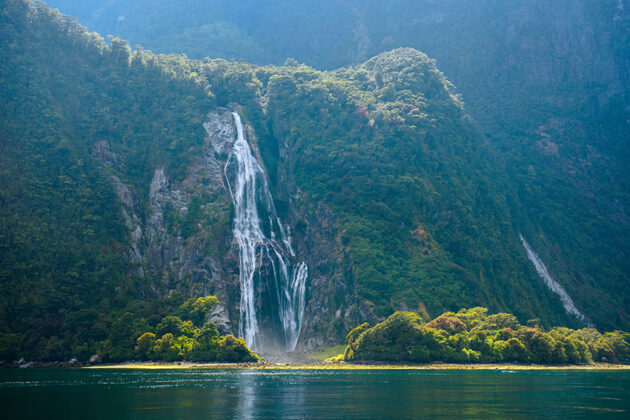
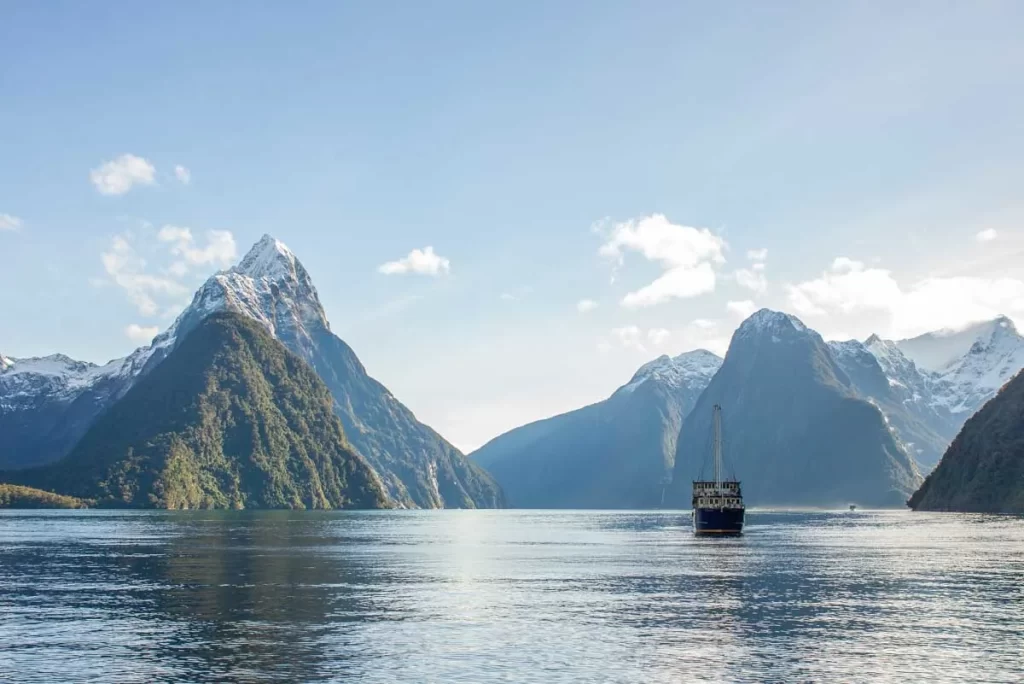
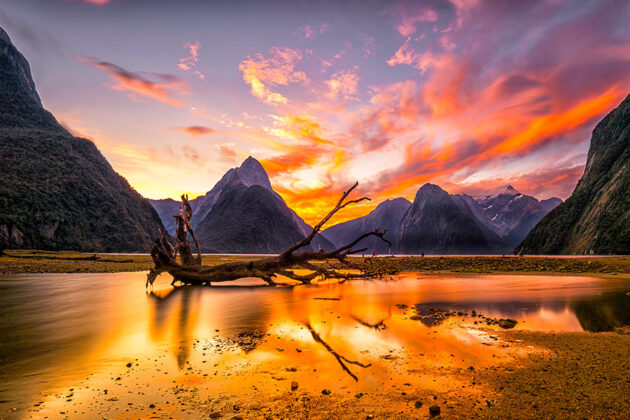
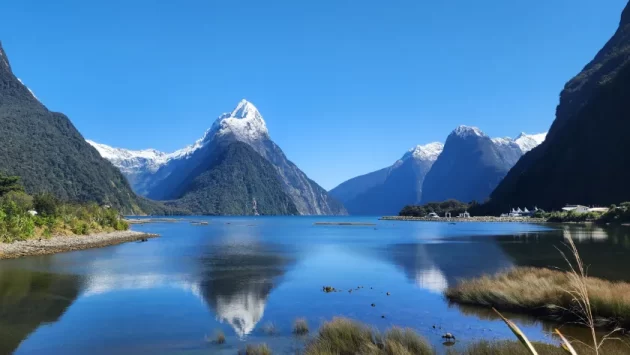
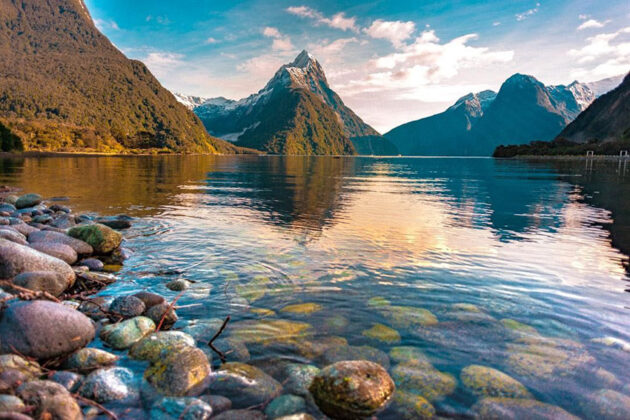
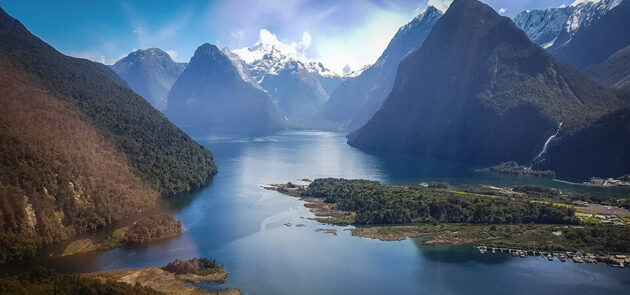
Nestled within the UNESCO World Heritage-listed Fiordland National Park on New Zealand’s South Island, Milford Sound (known to the Māori as Piopiotahi) is a breathtaking fjord carved by ancient glaciers, framed by sheer cliffs rising over 1,000 meters and cascading waterfalls. Often called the “Eighth Wonder of the World” by Rudyard Kipling, this dramatic landscape is one of the country’s most iconic destinations, drawing over half a million visitors annually.
Wai-O-Tapu Thermal Wonderland
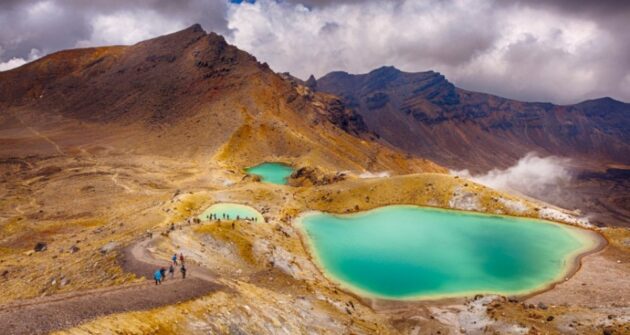
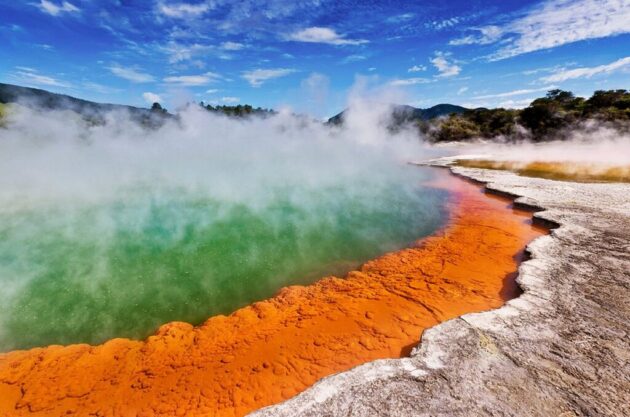
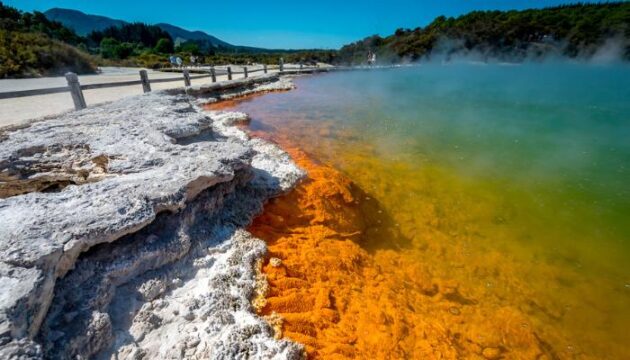
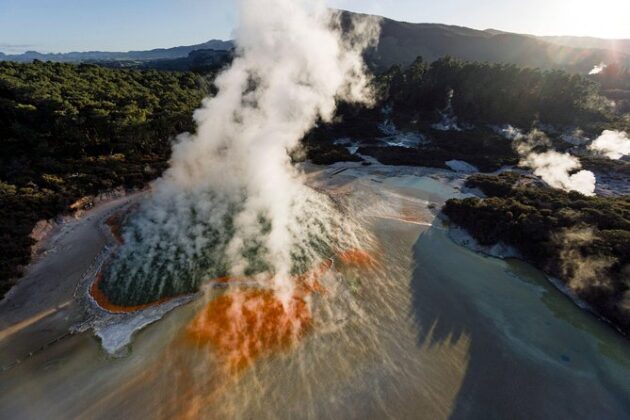
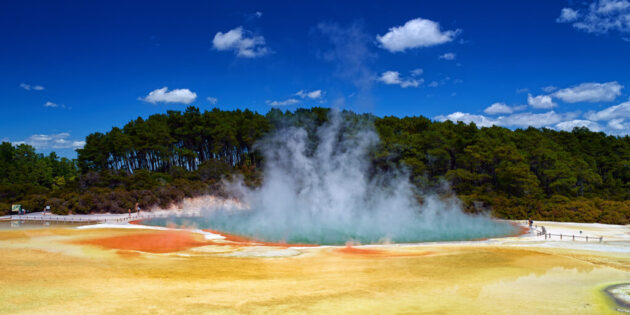
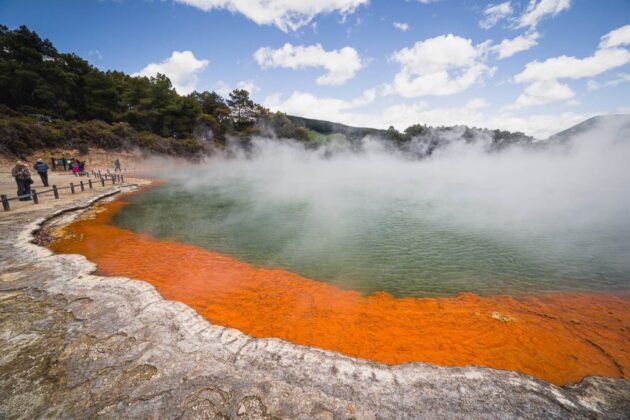
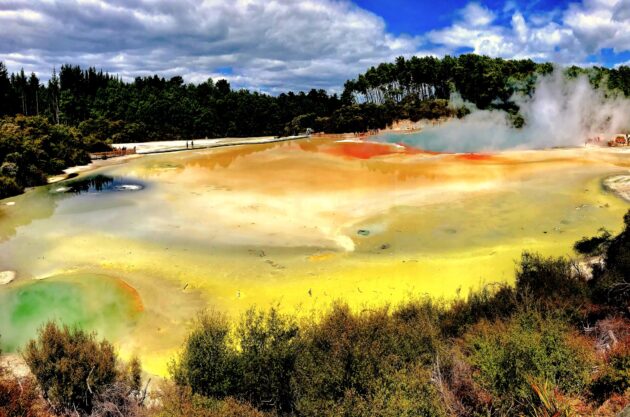
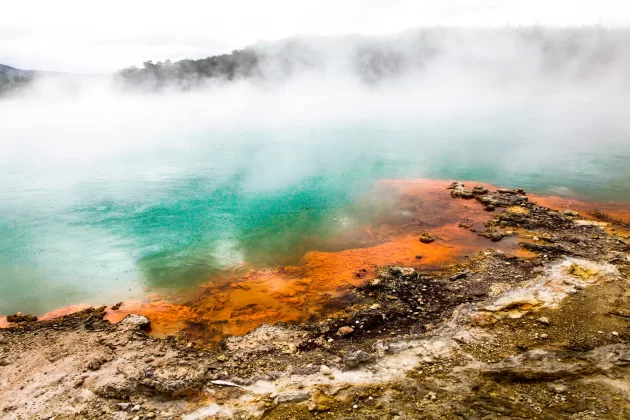
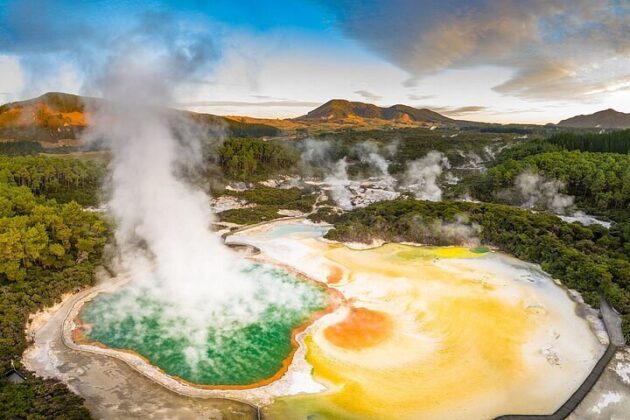
Nestled in the heart of New Zealand’s North Island, Wai-O-Tapu Thermal Wonderland (meaning “sacred waters” in Māori) is a mesmerizing geothermal paradise that showcases the raw power and vibrant colors of volcanic activity. Located just 30 minutes south of Rotorua, this 18-square-kilometer site has been shaped over thousands of years by superheated rocks and mineral-rich waters, creating surreal landscapes of steaming vents, bubbling mud pools, and iridescent hot springs. Often dubbed “one of the 20 most surreal places in the world” by TripAdvisor, it’s a must-visit for nature lovers, photographers, and adventure seekers exploring the Taupo Volcanic Zone.
Abel Tasman National Park
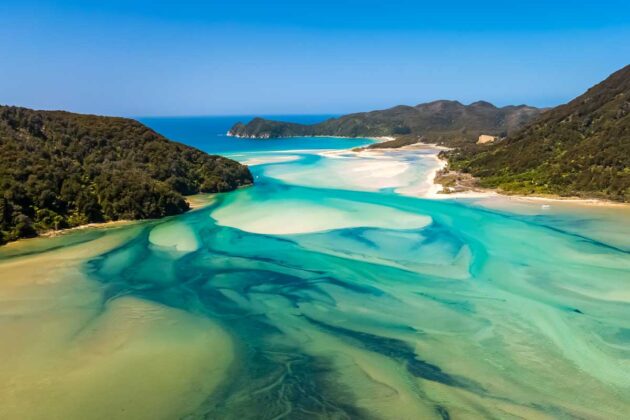
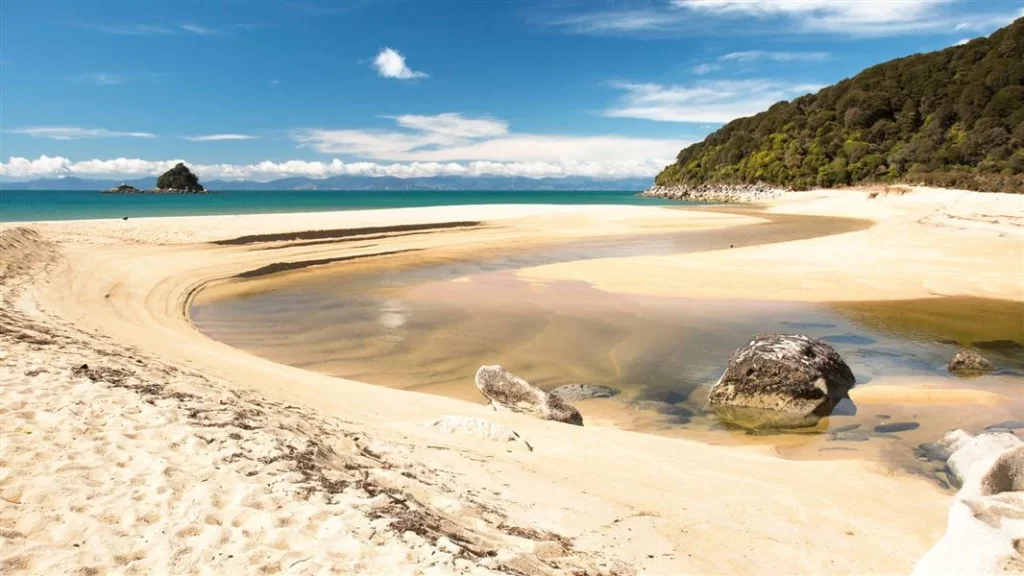
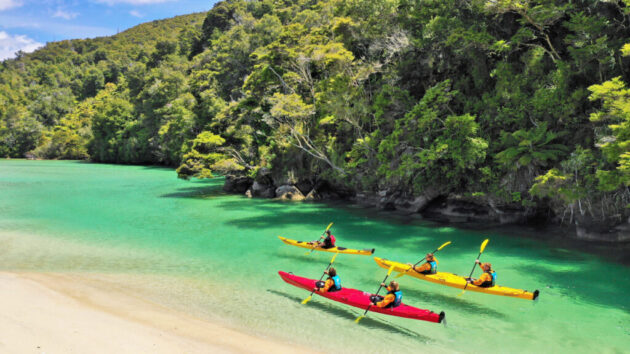
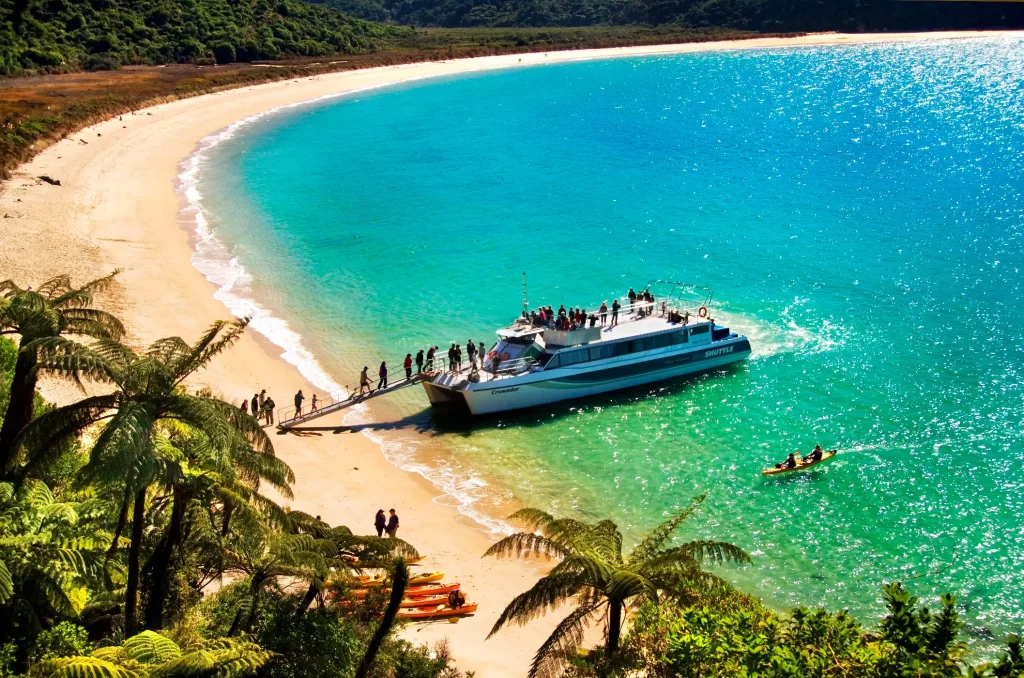
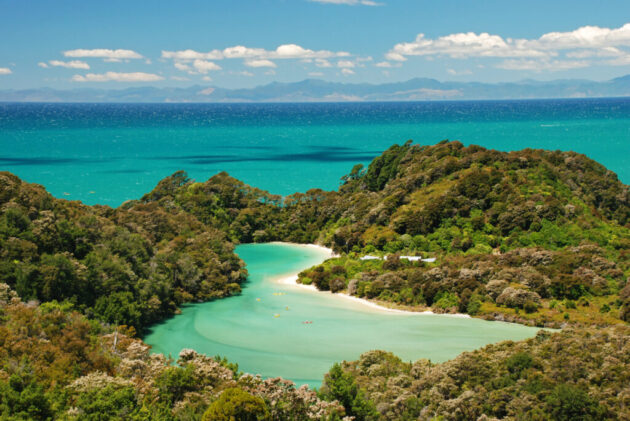
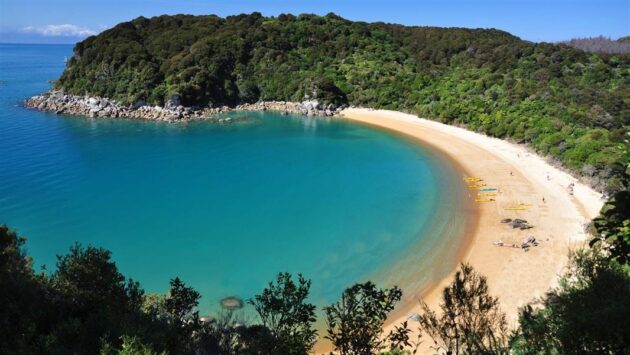
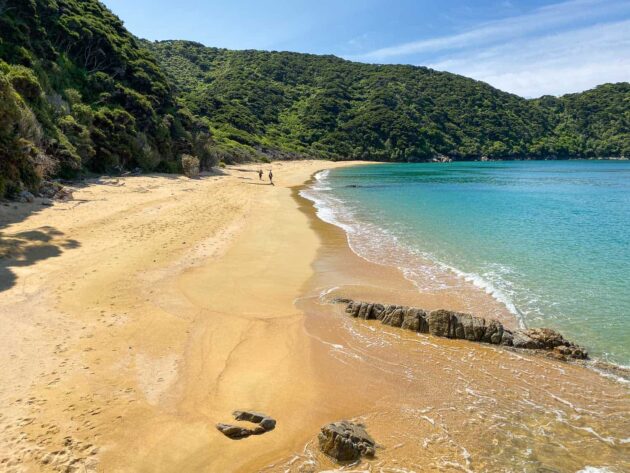
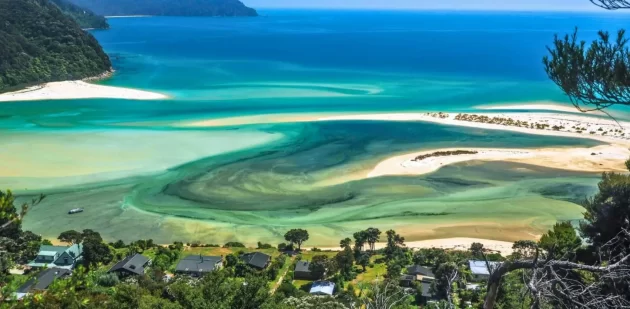
Nestled on the northwestern tip of New Zealand’s South Island, Abel Tasman National Park is a coastal paradise renowned for its golden sandy beaches, crystal-clear turquoise waters, and lush native forests. Spanning 237 square kilometers, it’s the country’s smallest national park but packs in an incredible array of natural wonders, from granite cliffs and hidden coves to diverse wildlife like seals, birds, and dolphins. Established in 1942 and named after the Dutch explorer who first sighted New Zealand, the park is a haven for outdoor enthusiasts.
Franz Josef Glacier
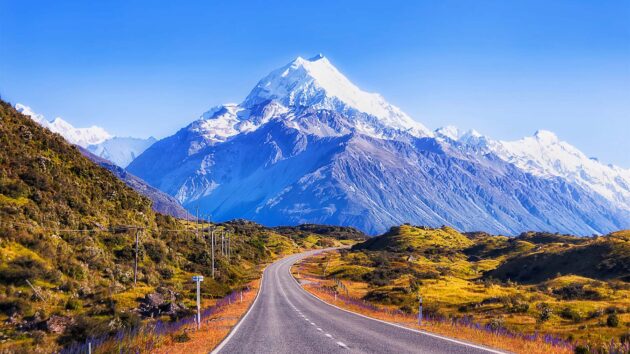
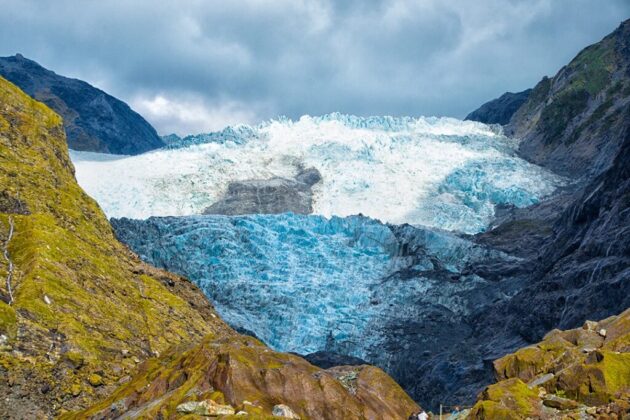
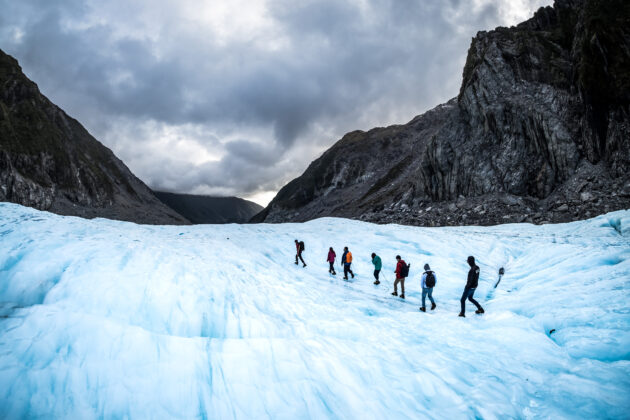
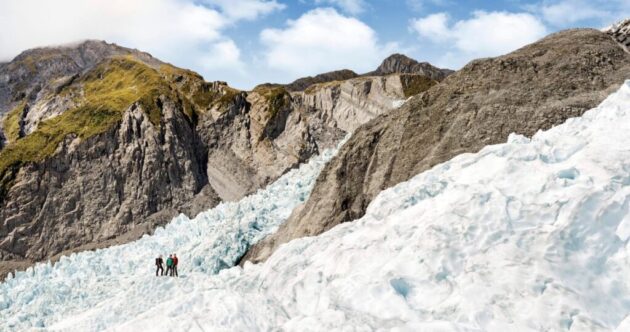
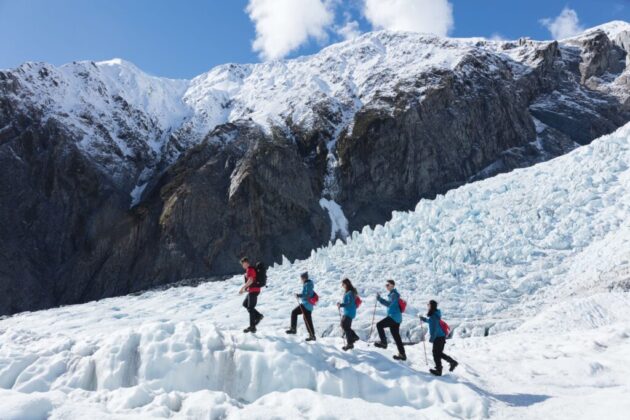
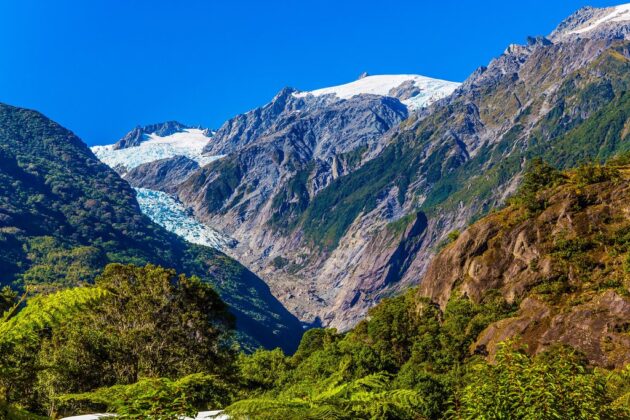
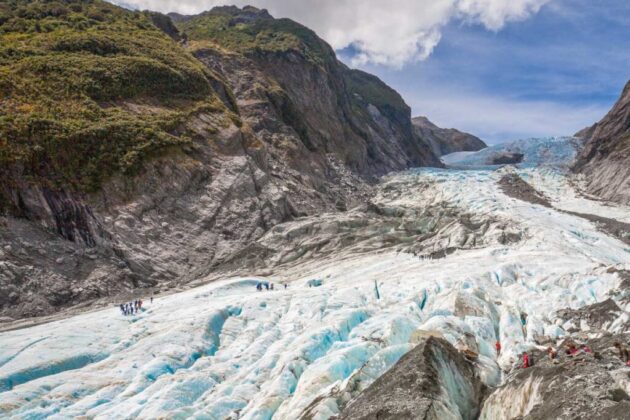
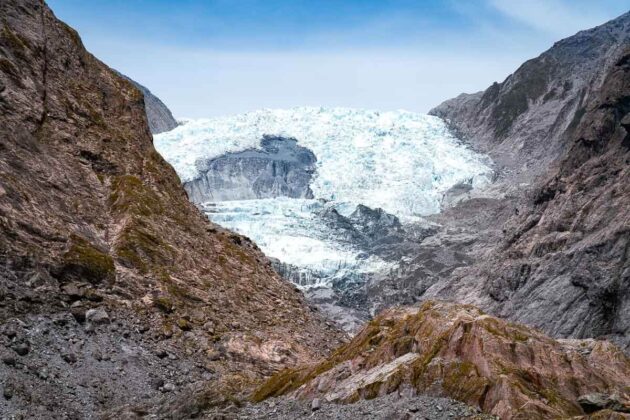
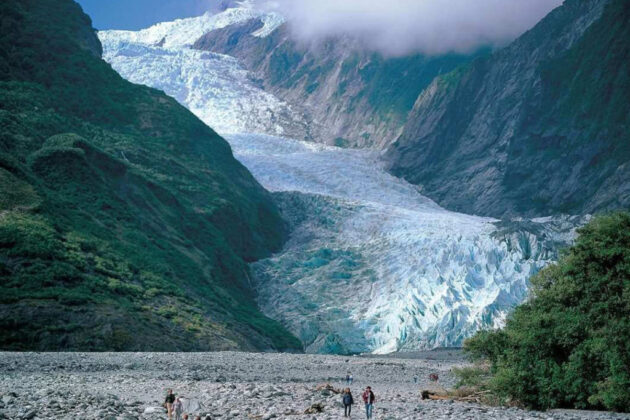
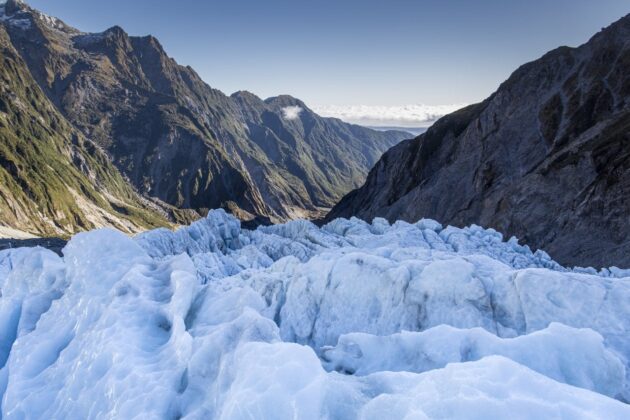
Nestled on the rugged West Coast of New Zealand’s South Island within the Westland Tai Poutini National Park, Franz Josef Glacier (known to Māori as Kā Roimata o Hine Hukatere, “The Tears of the Ice Maiden”) is a breathtaking natural wonder. This 12-kilometer-long river of ice descends dramatically from the Southern Alps into temperate rainforest, making it one of the world’s most accessible glaciers.
Where to Stay
Options range from eco-lodges to hostels—book via Booking.com or Airbnb.
| Type | Price/Night (NZ$) | Best For | Examples |
|---|---|---|---|
| Hostels | 25–50 | Backpackers | Haka Lodge (Auckland), YHA Queenstown |
| Motels/B&Bs | 100–200 | Families | Scenic Hotel (Rotorua), Lakefront Lodge (Taupo) |
| Hotels | 150–300 | Comfort | Sofitel Auckland, Hilton Queenstown |
| Campervans | 100–250 | Road Trippers | JUCY or Wilderness rentals |
| Luxury | 400+ | Splurge | Matakauri Lodge (Queenstown fjord views) |
Food and Drink
Kiwi cuisine shines with fresh seafood, lamb, and Māori hāngī (earth-oven feasts). Must-tries: Hokey pokey ice cream, green-lipped mussels, pavlova dessert. Vegetarian/vegan options abound in cities.
Budget: Supermarkets (Countdown) for picnics (NZ$10–15/meal); fish & chips (NZ$15). Mid-Range: Cafes for flat whites (NZ$5); craft beer at Zealong (Hamilton). Splurge: Wine tours in Marlborough (NZ$100+).
Tip: Farmers’ markets like Auckland’s La Cigale offer local cheeses and wines—pair with Central Otago Pinot Noir.
Safety and Health Tips
New Zealand is very safe (low violent crime), but petty theft occurs in tourist spots—use hotel safes. Natural hazards: Earthquakes, tsunamis (download GeoNet app), sudden weather shifts (check MetService). Roads are winding; drive cautiously (no drinking/driving).
Health: No mandatory vaccines; tap water is safe. Get travel insurance covering adventures (e.g., SafetyWing, NZ$50/week). Pharmacies stock basics; hospitals are excellent but pricey for non-residents.
Cultural Tip: Embrace “manaakitanga” (hospitality)—say “kia ora” (hello) and remove shoes indoors. Respect Māori sites; Tiaki Promise encourages leaving no trace.
Sustainable Travel
New Zealand leads in eco-tourism: Follow the Tiaki Promise (care for land/people). Use reusable bottles (LifeStraw recommended), support carbon-offset flights, and choose operators like those in the Qualmark scheme. Avoid single-use plastics; national parks require track fees (NZ$20–50).
Final Thoughts
New Zealand in 2025 promises epic adventures amid pristine wilderness, from fjord cruises to cultural immersions. Whether chasing adrenaline in Queenstown or unwinding in Waiheke vineyards, this “Long White Cloud” will steal your heart. Plan shoulder-season for value, drive safe, and tread lightly—you’ll leave transformed.
Kia ora and safe travels! For more, visit 100% Pure New Zealand.