
A Travel Guide to Melbourne (2026)
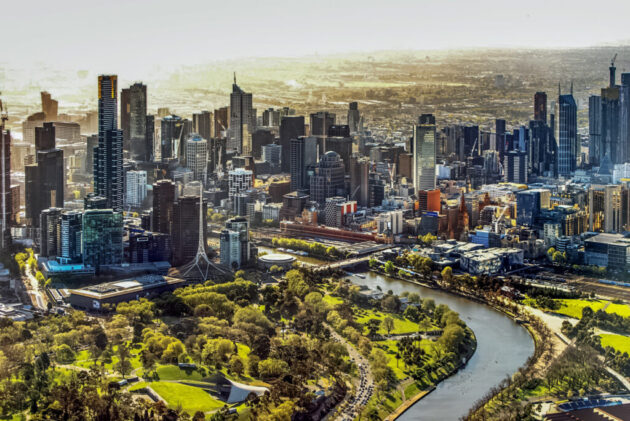
Melbourne, the cultural capital of Australia, is a vibrant city known for its world-class coffee scene, diverse food culture, street art, and packed calendar of events. With a population of over 5 million, it’s a blend of European charm and modern innovation, offering everything from laneway bars to iconic sports venues.
Why Visit Melbourne?
Melbourne consistently ranks as one of the most liveable cities globally, thanks to its walkable neighborhoods, multicultural vibe, and endless things to do. It’s Australia’s foodie haven, with over 3,000 restaurants showcasing everything from fine dining to street eats. Art lovers flock to its galleries and murals, while sports fans fill stadiums for events like the Australian Open. Plus, its proximity to the Great Ocean Road and Yarra Valley makes it a perfect base for day trips.
How to Get There
Melbourne is well-connected, with two main airports: Melbourne Airport (Tullamarine, MEL) for international and domestic flights, and Avalon Airport (AVV) for budget carriers like Jetstar.
From Major Cities: Sydney: Direct flights take 1.5 hours (from $50 one-way on Virgin Australia or Qantas). Brisbane: 2.5-hour flights (from $80). Perth: 4.5-hour direct flights (from $150). Adelaide: 1-hour flights (from $60).
International: Direct from hubs like London (22 hours via Qantas), Singapore (8 hours), and Los Angeles (15 hours).
From Airports to City Center: SkyBus: Express service from Tullamarine to Southern Cross Station (25 minutes, $20–$23 one-way). Runs 24/7. Train: Metro Trains from Tullamarine to city (30 minutes, $5.30 with myki card). Taxi/Rideshare: 20–30 minutes to CBD ($50–$70); Uber is reliable. From Avalon: Shuttle bus to city (50 minutes, $25).
Best Time to Visit
Melbourne’s temperate oceanic climate means mild weather year-round (12–26°C/54–79°F), but “four seasons in one day” is a local saying—pack layers!
Spring (September–November): Mild (15–22°C/59–72°F) with blooming gardens. Ideal for the Melbourne Cup (November 4) and AFL Grand Final (September 27). Summer (December–February): Warm (20–30°C/68–86°F) and sunny; perfect for beaches and festivals like Midsumma (January 19–February 9).
Autumn (March–May): Comfortable (15–25°C/59–77°F) with fewer crowds. Catch the Melbourne International Comedy Festival (March 26–April 20). Winter (June–August): Cooler (8–15°C/46–59°F) but vibrant indoors. Great for the GABS Beer Festival (April 4–5) and fewer lines at attractions.
Getting Around
Melbourne’s public transport is efficient and affordable, covering the city and suburbs.
myki Card: Essential for trams, trains, and buses. Buy for $6 (full fare) or $3 (concession) at stations or 7-Eleven. Top up via app or machine. Fares: $5.30 one-way (zones 1–2), capped at $11/day. Tap on/off (except trams in CBD).
Trams: Free in the CBD (City Circle Tram for sightseeing). Iconic and frequent. Trains/Buses: Reliable; use PTV app for real-time tracking. Walking/Biking: CBD is walkable; rent bikes via CityCycle ($6.50/hour). Rideshare/Car: Uber is cheap; driving is easy but parking is pricey ($20–$40/day).
Accessibility Tip: Most services have ramps; download the PTV app for details.
Top Attractions
Federation Square
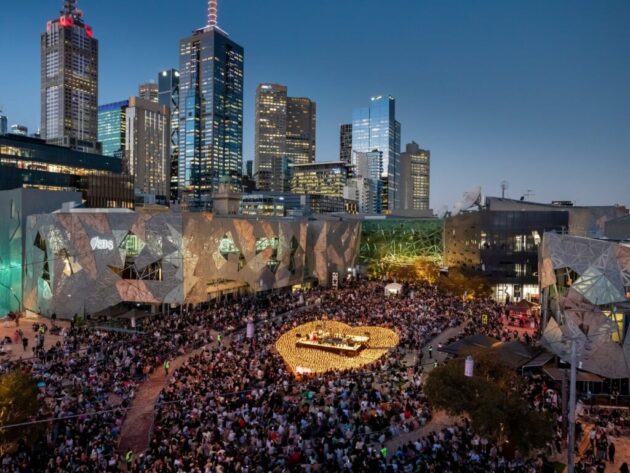
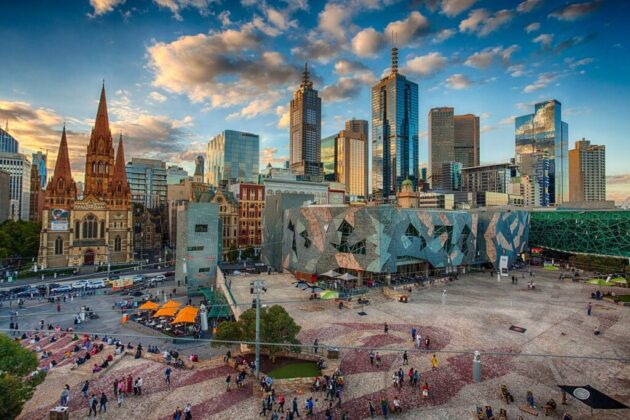
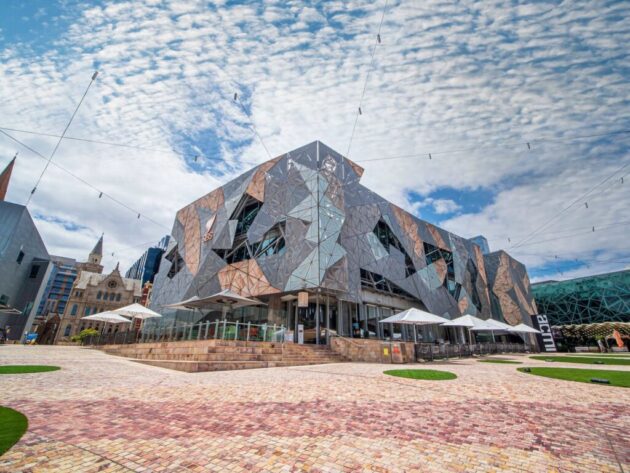
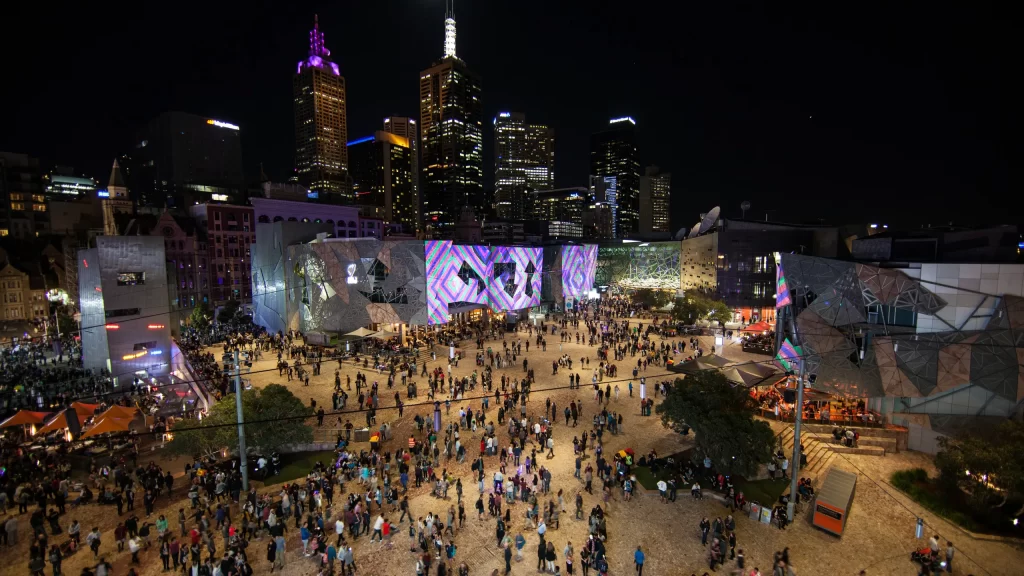
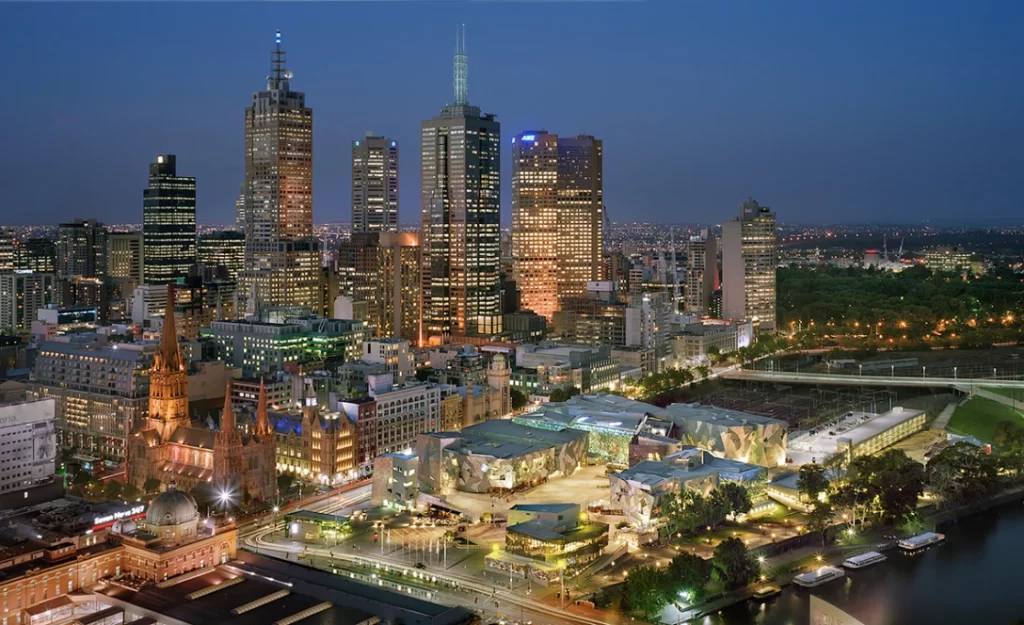
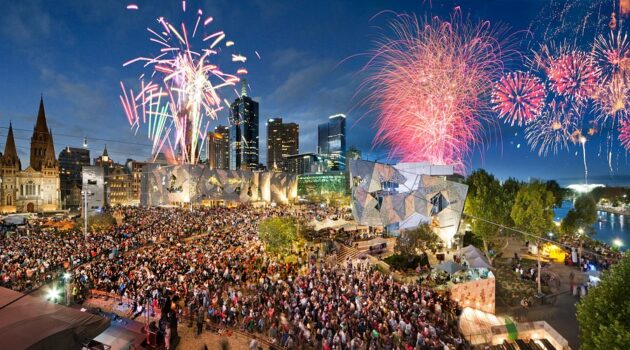
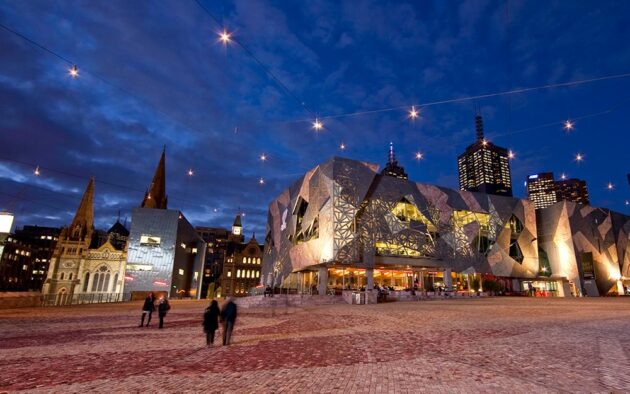
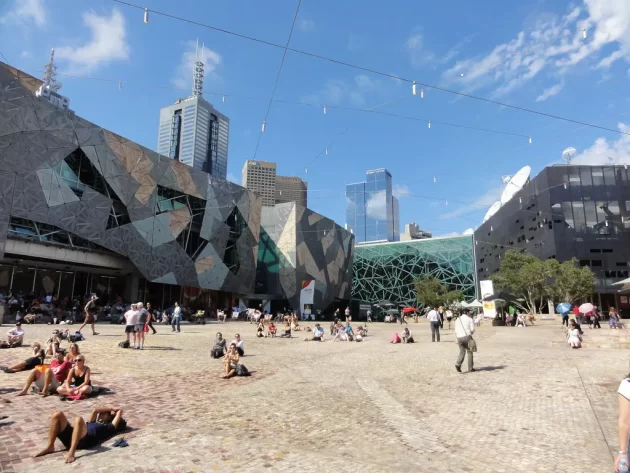
Nestled in the heart of Melbourne’s Central Business District (CBD), Federation Square—affectionately known as “Fed Square”—is the city’s vibrant cultural and community hub. Opened in 2002 to celebrate the centenary of Australia’s Federation, this iconic public space spans 5 hectares along the banks of the Yarra River (Birrarung to the Traditional Owners). With its striking deconstructivist architecture featuring jagged sandstone panels and glass atriums, Fed Square attracts over 8 million visitors annually.
Royal Botanic Gardens
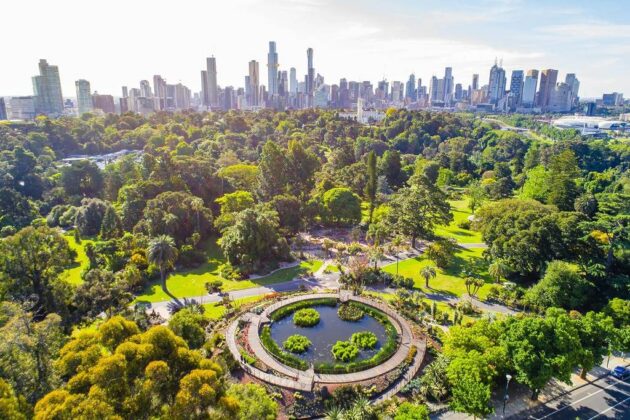
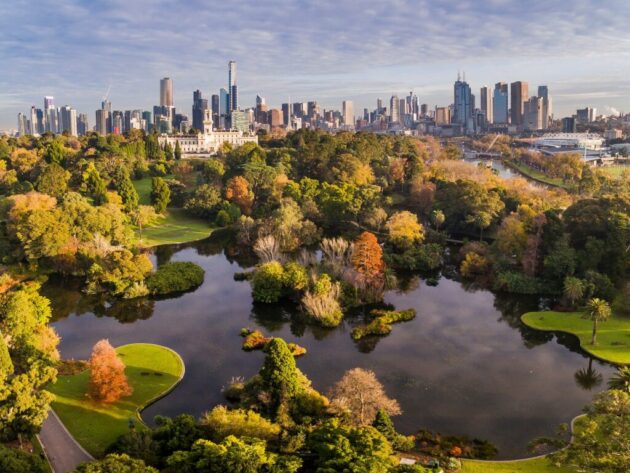
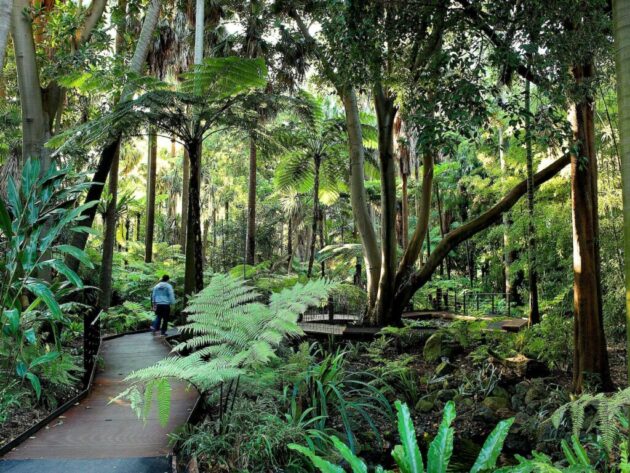
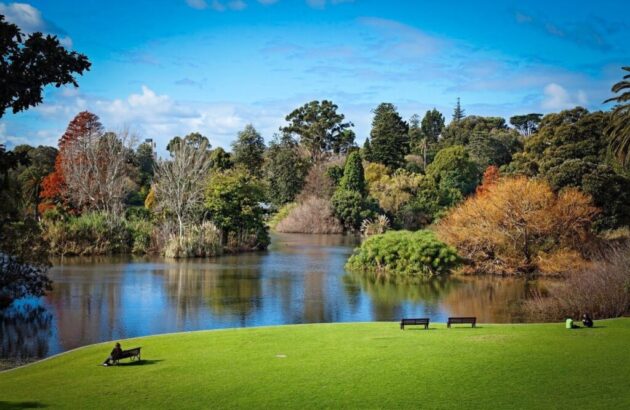
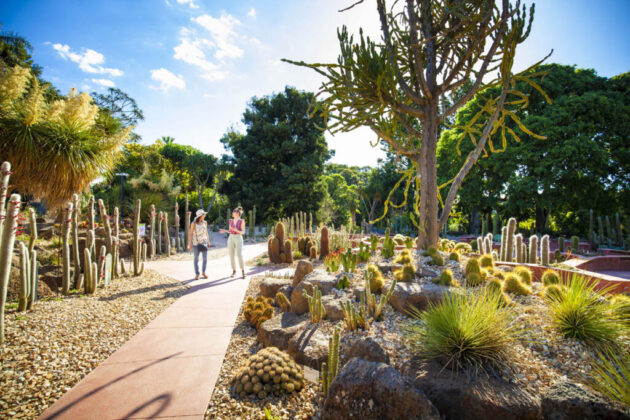
The Royal Botanic Gardens in Melbourne is a heritage-listed, free public garden located just south of the city’s CBD along Birdwood Avenue. Established in 1846, the gardens span approximately 38 hectares (about 94 acres) and slope down to the Yarra River. It is a major attraction renowned for its beautiful design, featuring rolling lawns, lakes, and a stunning collection of over 8,500 species of plants from around the world, including significant collections of camellias, cacti, succulents, and rare Australian plants.
Melbourne Cricket Ground (MCG)
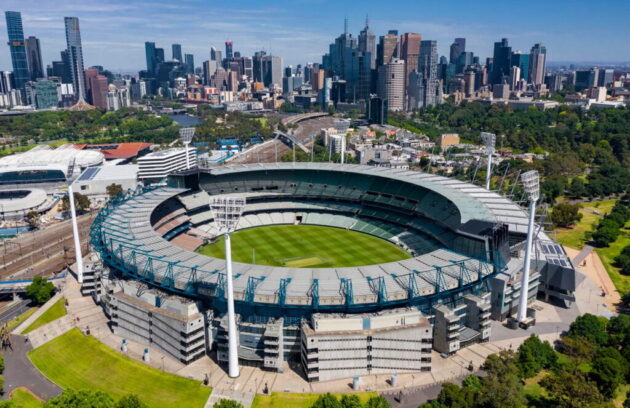
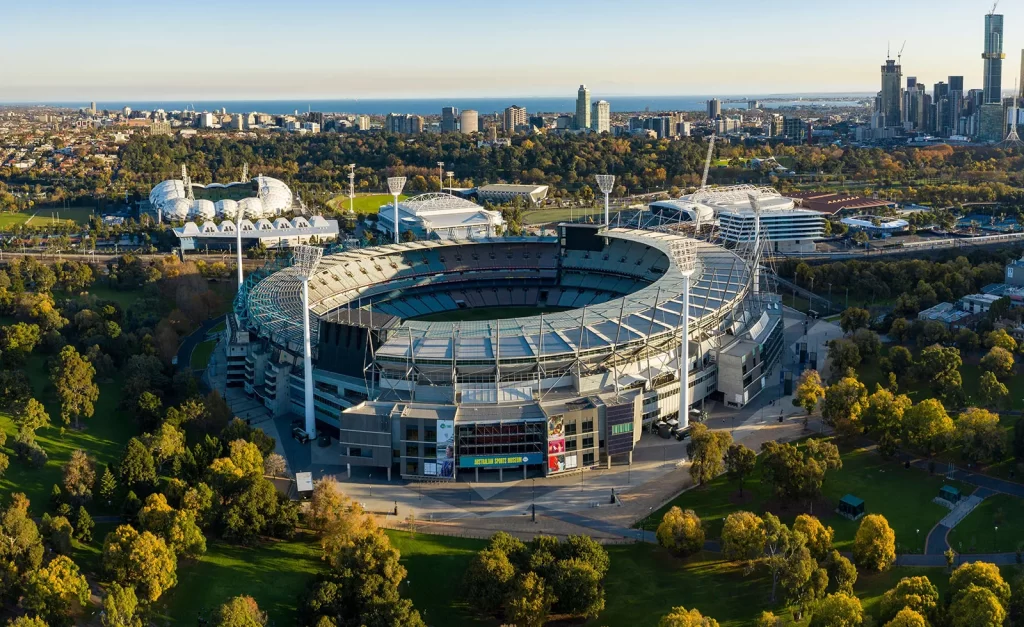
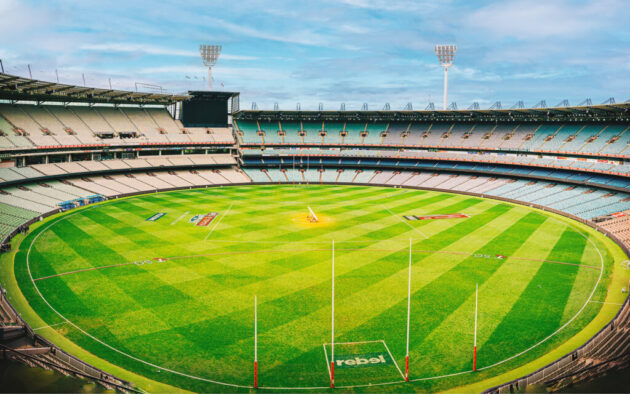
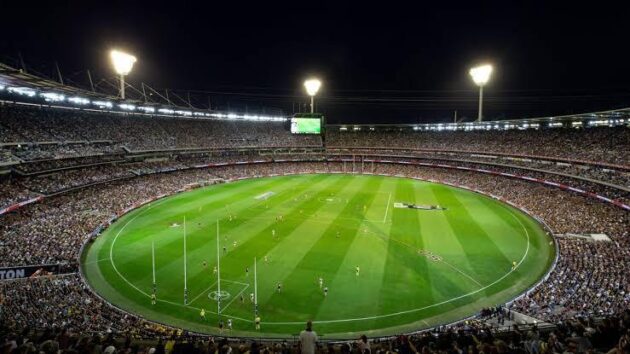
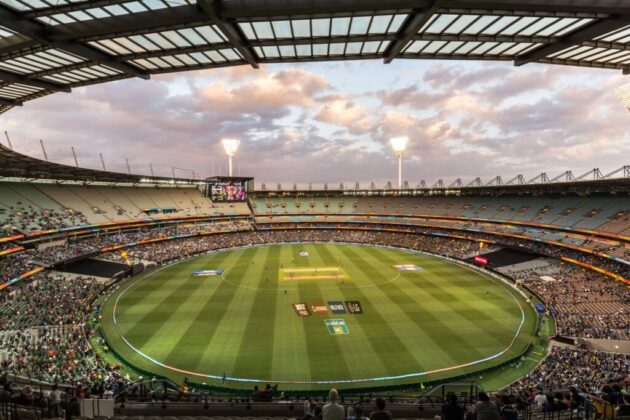
The Melbourne Cricket Ground (MCG), affectionately known as the ‘G, is a historic sports stadium located in Melbourne, Australia. Founded in 1853, it is the largest stadium in the Southern Hemisphere with a capacity of approximately 100,024 people. Renowned as Australia’s premier sporting venue, the MCG is celebrated as the birthplace of Test cricket, hosting the first match in 1877, and hosts major events like the AFL Grand Final and the Boxing Day Test match.
Laneways and Street Art
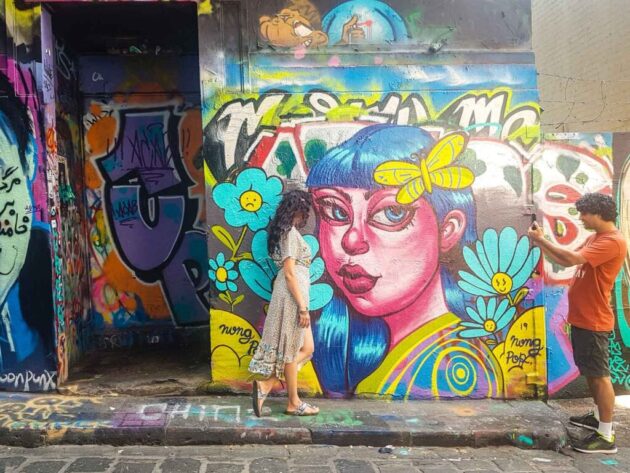
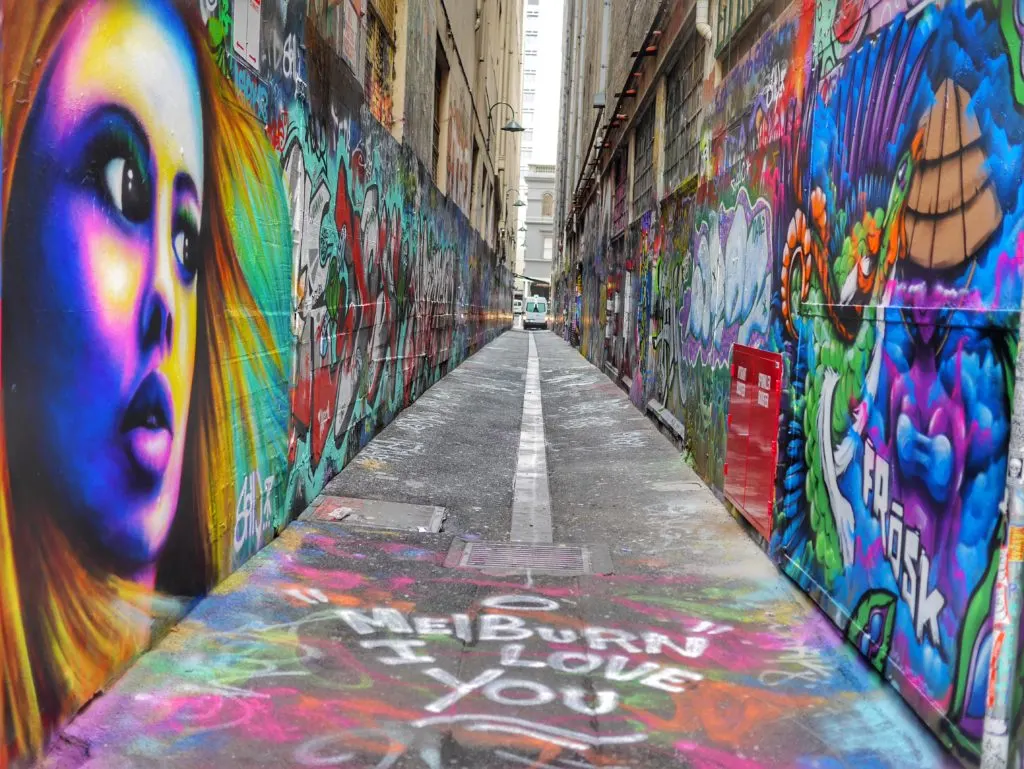
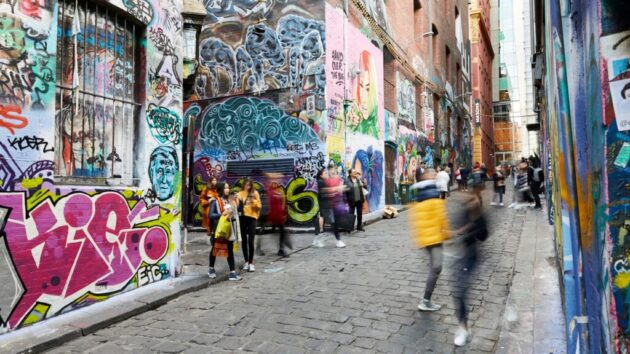
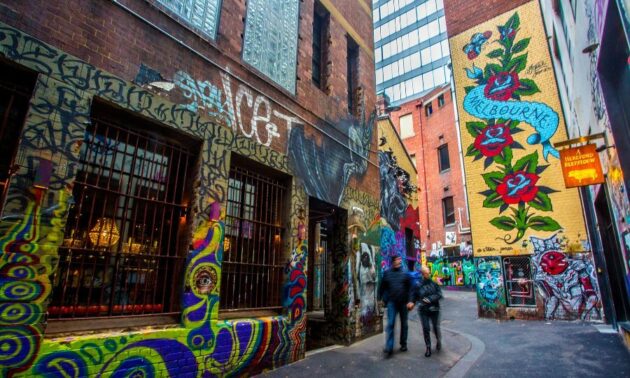
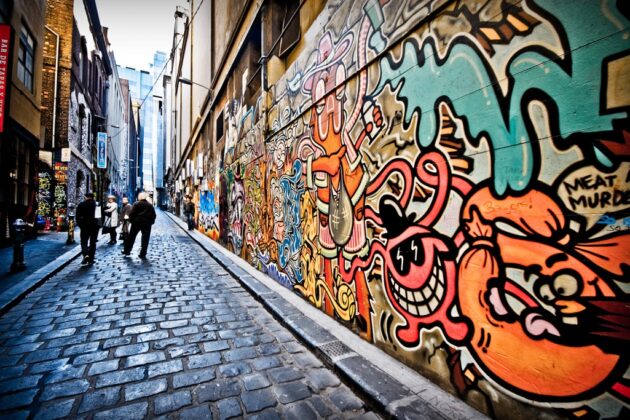
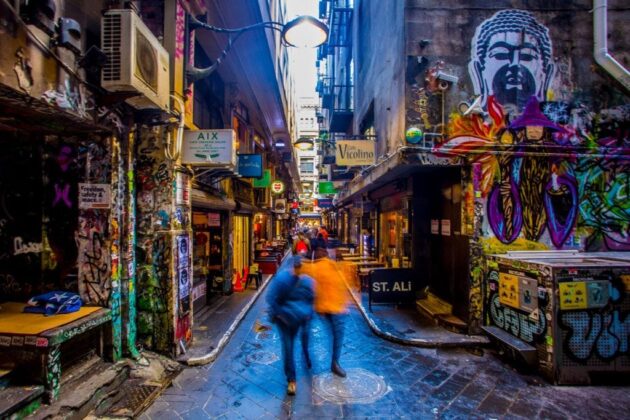
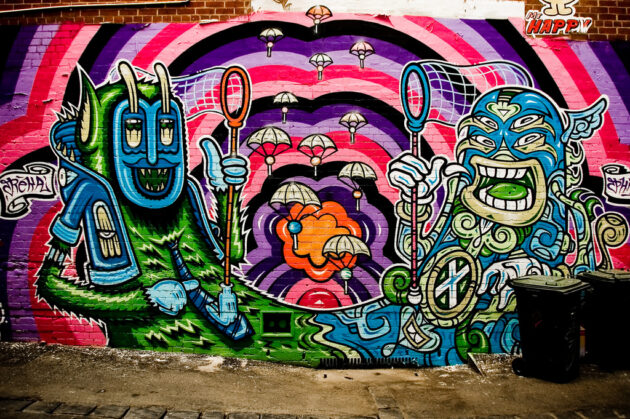
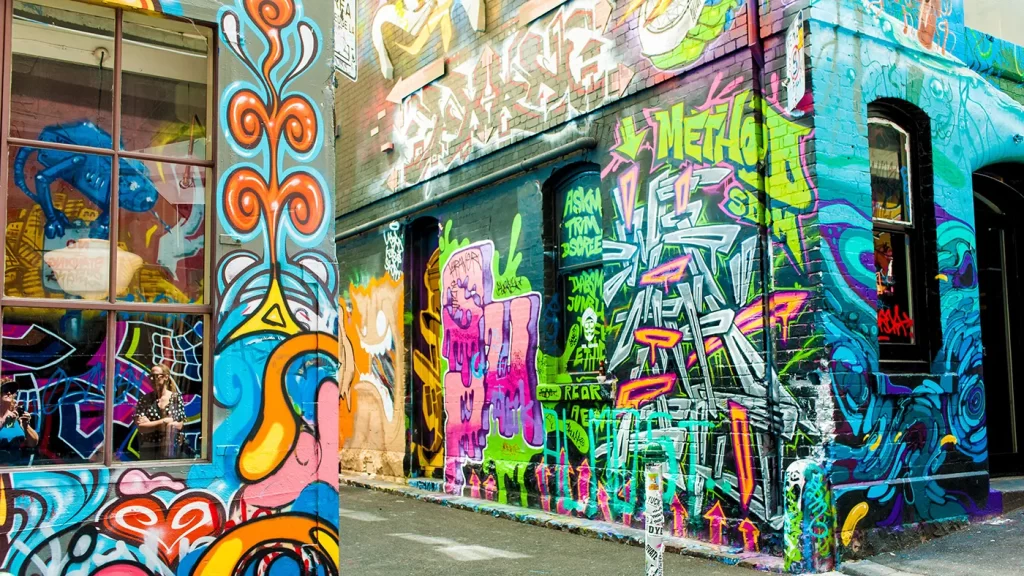
Melbourne, Australia’s cultural capital, is a vibrant canvas of creativity where narrow laneways serve as open-air galleries bursting with street art. These hidden alleys, once utilitarian passageways for deliveries and pedestrians, have evolved into iconic hubs of graffiti, murals, stencils, and installations. From the ever-changing murals of Hosier Lane to the rock ‘n’ roll vibes of AC/DC Lane, exploring Melbourne’s laneways offers a glimpse into the city’s edgy, artistic soul.
St Kilda
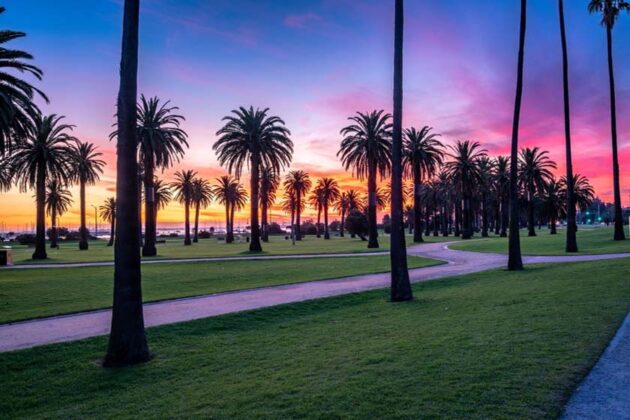
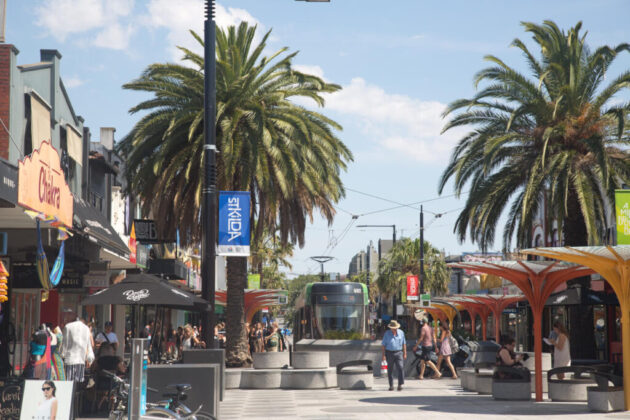
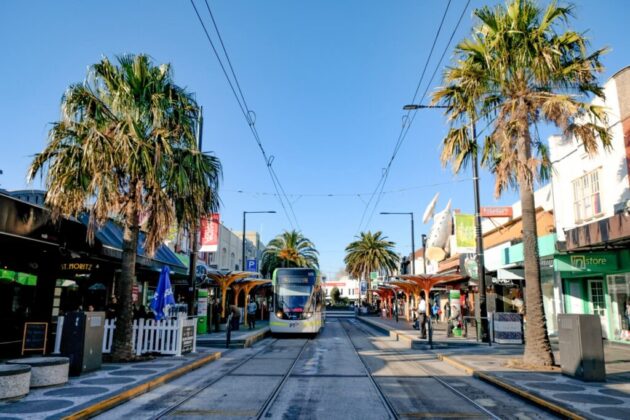
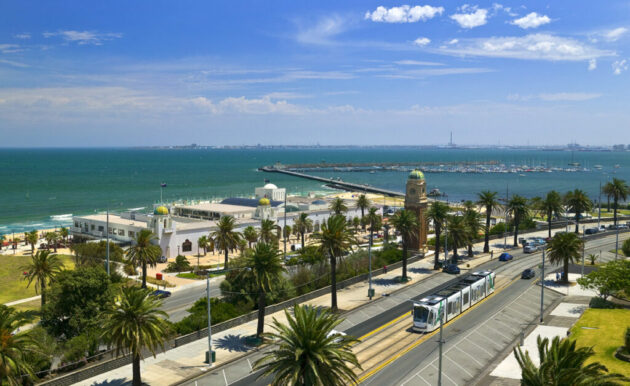
St Kilda is a vibrant bayside suburb of Melbourne, Australia, renowned for its iconic palm-lined beach, historic pier, and the colourful Luna Park amusement park. A hub of bohemian culture, it offers a lively mix of cafes, bars, and live music venues along its main streets, Acland and Fitzroy. While its seaside charm is a major draw, the area also has a grittier, eclectic edge, making it a uniquely dynamic and popular destination for both locals and tourists.

Yarra Valley
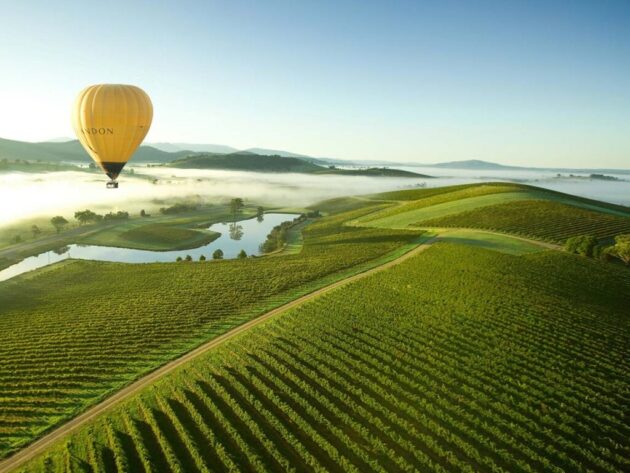
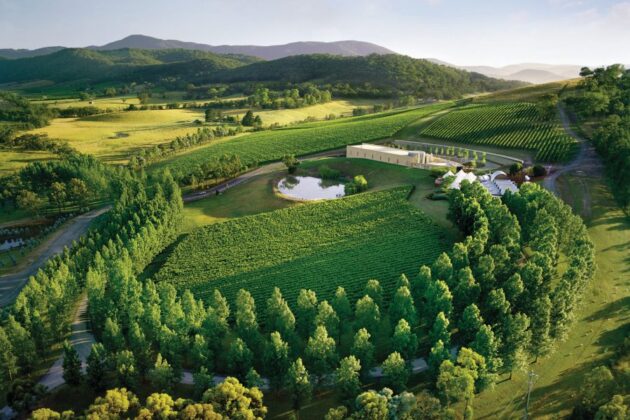
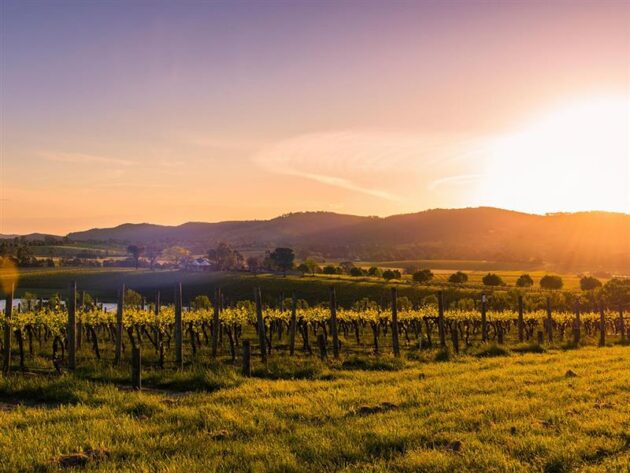
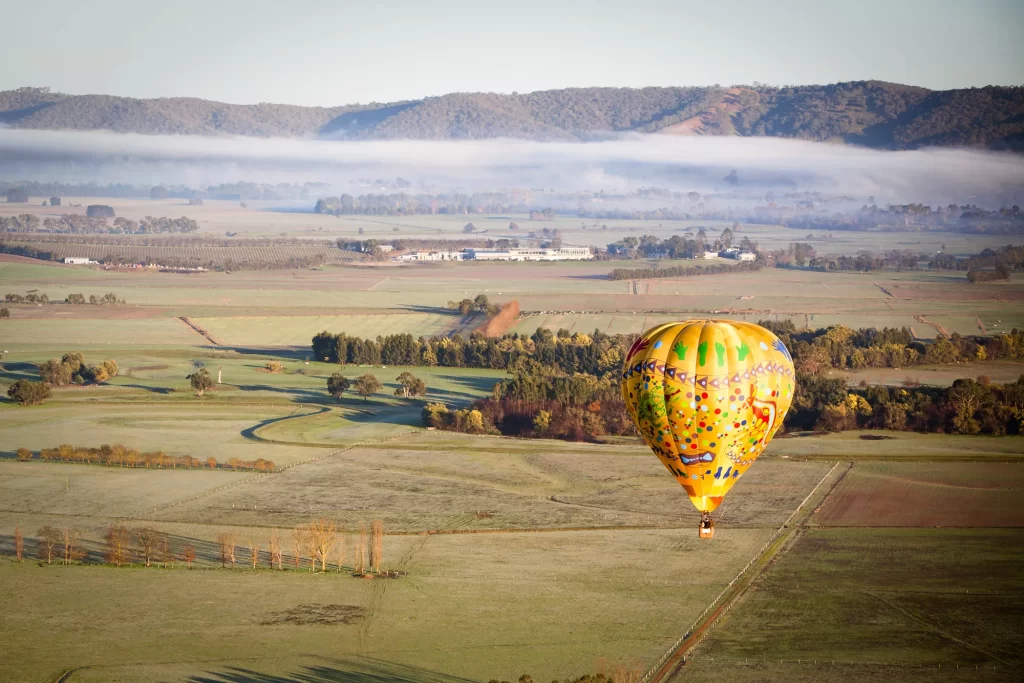
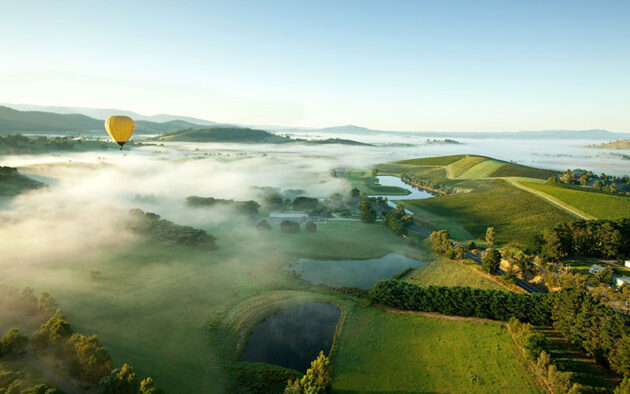
Nestled in the green foothills of the Great Dividing Range, just an hour’s drive from Melbourne, the Yarra Valley is a premier wine region renowned for its world-class cool-climate wines, particularly Pinot Noir and Chardonnay. Beyond its sprawling vineyards and acclaimed cellar doors, the valley offers a picturesque landscape of rolling hills, gourmet local produce, hot air balloon rides, and charming villages, making it a quintessential destination for food and wine lovers.
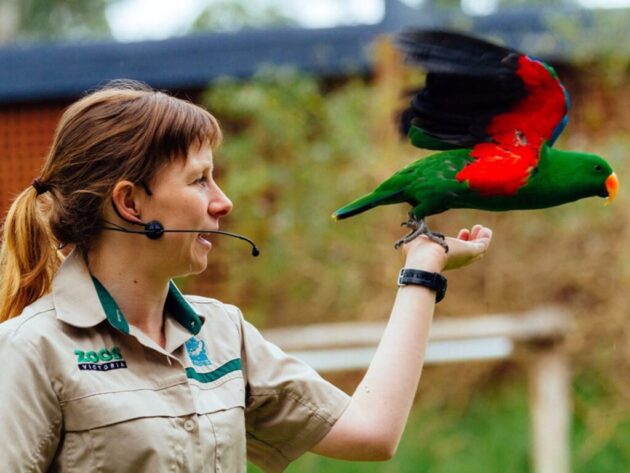
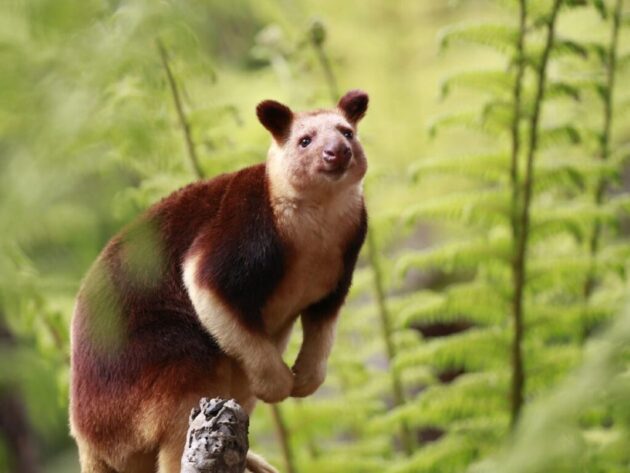
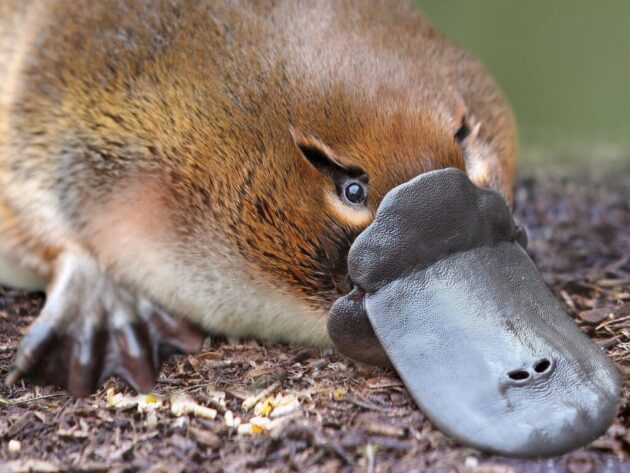
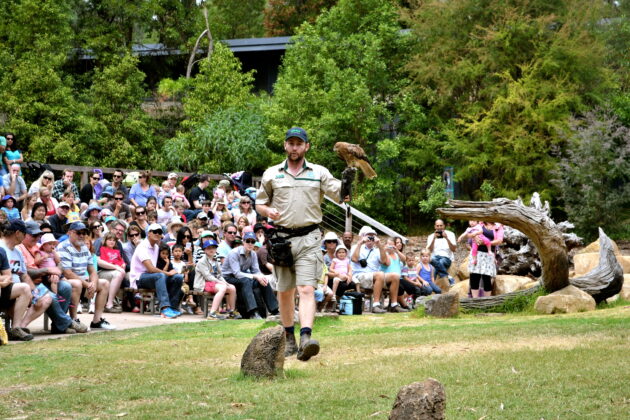
Healesville Sanctuary (Zoos Victoria)
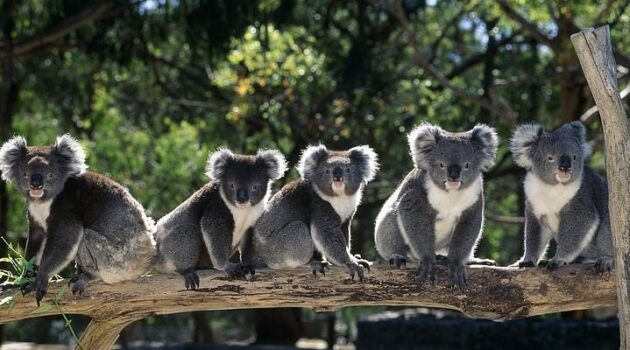
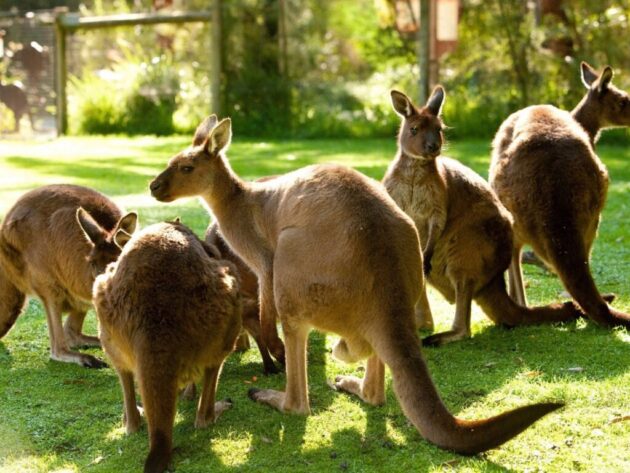
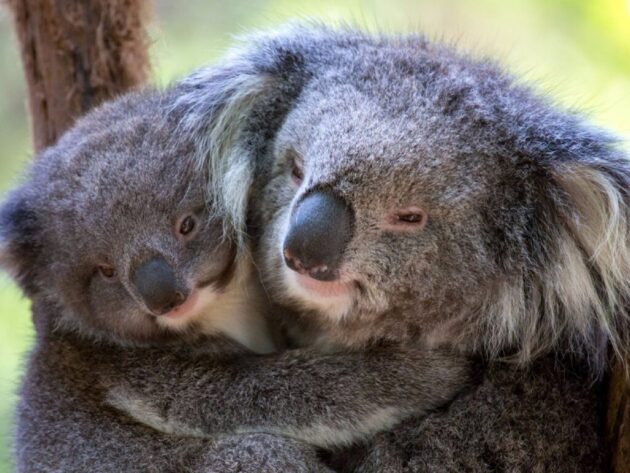
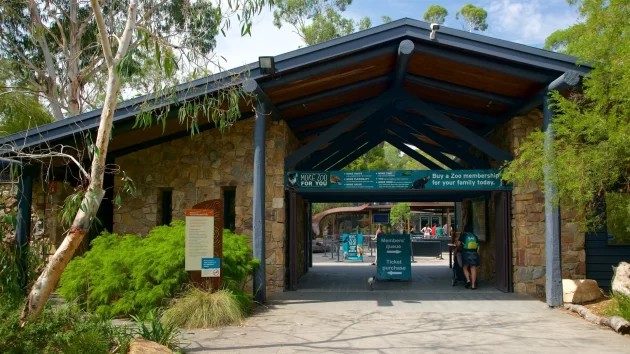
Nestled in the lush Yarra Valley, just an hour’s drive from Melbourne’s bustling city center, Healesville Sanctuary (formally known as the Sir Colin Mackenzie Sanctuary) is a world-renowned bushland haven dedicated to Australia’s native wildlife. Operated by Zoos Victoria, this 70-hectare sanctuary specializes in showcasing over 200 species of indigenous animals and birds in habitats that mimic their natural environments.
Phillip Island
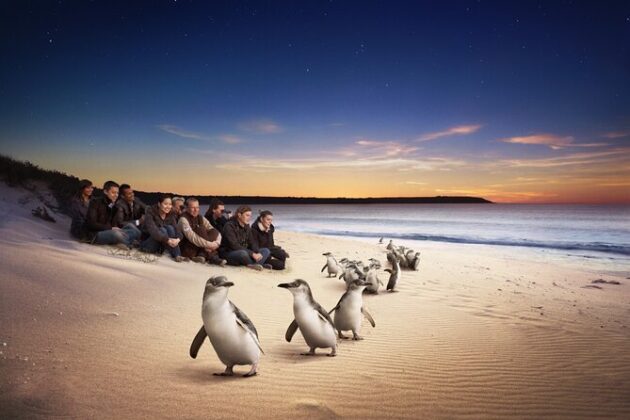
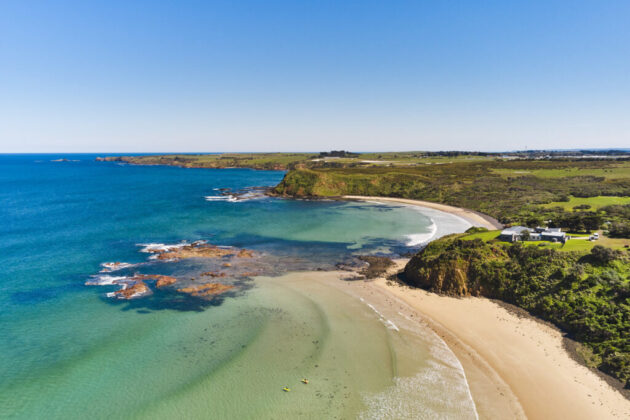
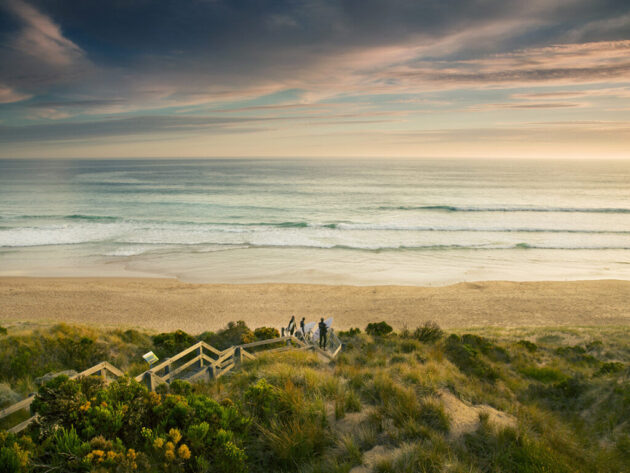
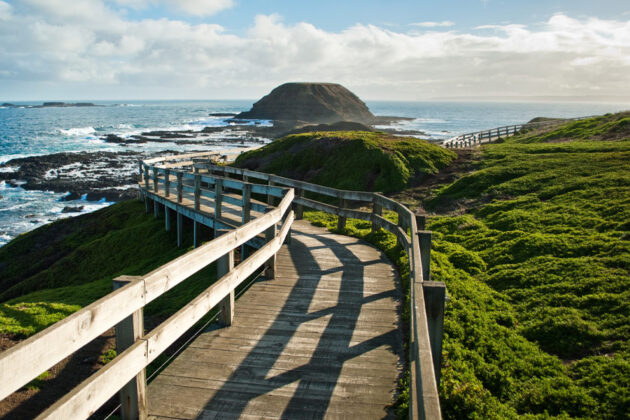
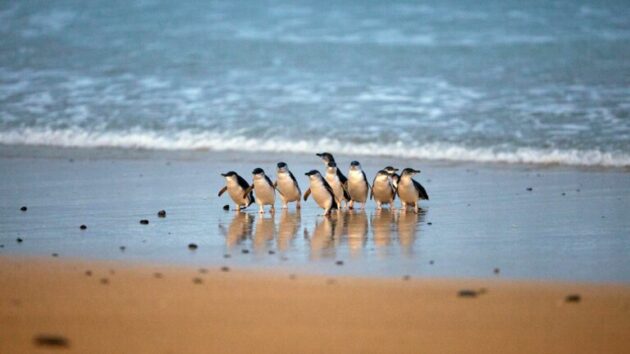
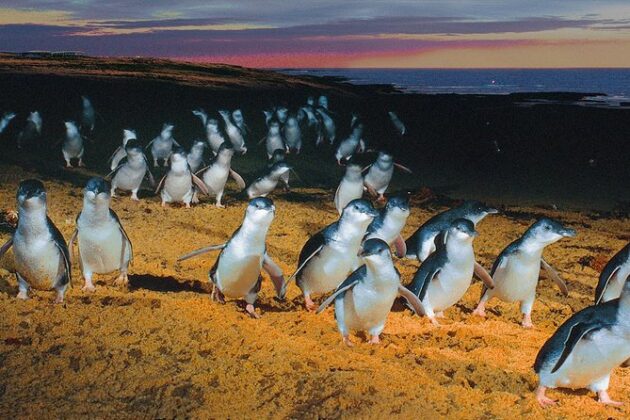
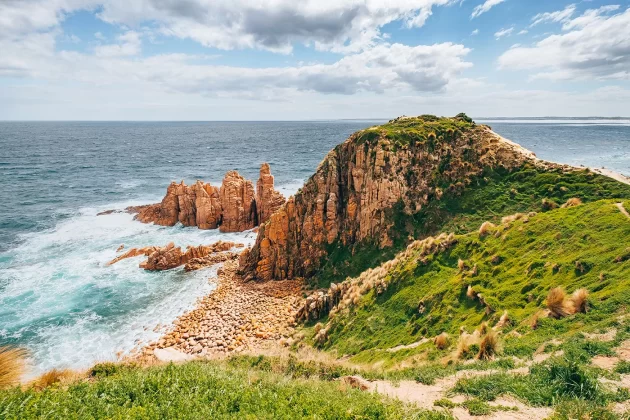
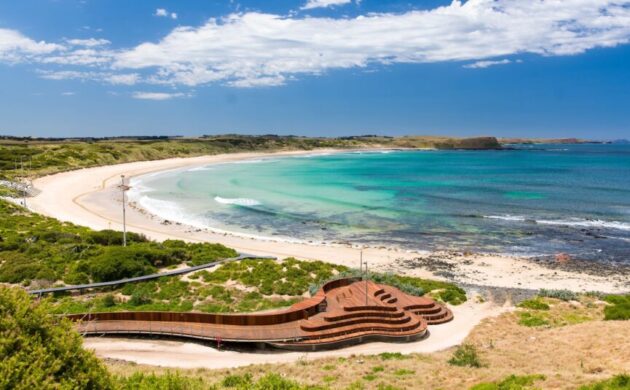
Nestled in the Bass Strait just 90 minutes southeast of Melbourne, Phillip Island is a wildlife haven and adventure playground that captures the essence of Australia’s rugged beauty. Spanning 101 square kilometers, this compact island sanctuary is famous for its iconic Penguin Parade, where little penguins waddle ashore at dusk, but it offers so much more: dramatic coastal cliffs, world-class surfing, koala spotting, and the adrenaline-pumping Phillip Island Grand Prix Circuit.
Food and Drink
Melbourne is a global food capital—expect multicultural flavors, from dim sum to vegan cafes. Coffee is religion; try a flat white at a laneway spot.
Must-Try Dishes: Lamingtons (chocolate sponge cake), meat pies, avocado toast, and Vietnamese pho.
Dining Guide: Breakfast/Brunch: Higher Ground (industrial-chic cafe, $20–$30). Fine Dining: Attica (innovative Australian, $295 tasting menu; world’s top-ranked). Casual Eats: Queen Vic Market stalls ($10–$20) or Chin Chin (Thai fusion, $40–$60). Street Food: Chinatown’s Little Bourke Street for dumplings and hotpots. Vegetarian/Vegan: Lentil As Anything (pay-what-you-feel) or Trippy Treats (desserts).
Tip: Book popular spots like Attica months ahead. Tipping isn’t expected (10% for great service).
Where to Stay
Choose based on vibe: CBD for convenience, St Kilda for beaches.
| Area | Vibe | Best For | Hotel Recommendations |
|---|---|---|---|
| CBD | Bustling, central | First-Timers | QT Melbourne (quirky luxury, $250–$350/night) |
| South Yarra | Upscale, trendy | Shoppers | The Cullen (art-filled boutique, $200–$300) |
| Fitzroy | Hip, bohemian | Foodies | Lanbruk Richmond Hill (stylish suites, $180–$280) |
| St Kilda | Beachy, lively | Families | Hotel Esplanade (heritage charm, $150–$250) |
| Docklands | Modern, waterfront | Relaxation | Pan Pacific (spa views, $220–$320) |
| Southbank | Riverside, cultural | Couples | The Langham (elegant, $300–$400) |
Budget Tip: Hostels like Space Hotel ($30–$50/night) in CBD. Book via Booking.com for deals.
Tips for a Great Trip
Weather Prep: Layers and a compact umbrella—rain is unpredictable. Events: Check Visit Melbourne for calendars; book tickets early for sold-outs like the Comedy Festival. Sustainability: Use reusable coffee cups for discounts; visit eco-certified spots like Werribee Zoo.
Safety: Very safe, but watch bags in crowds. Emergency: 000. Accessibility: Download the City of Melbourne mobility map for ramps and facilities. Combine Trips: Add a Yarra Valley wine tour ($150) or hot air balloon ride ($400).
Final Thoughts
Melbourne is a city that rewards the curious—dive into its laneways, savor its flavors, and let its energy surprise you. With endless events, from tennis slams to art immersions, it’s the perfect blend of urban buzz and natural escapes. Embrace the “no worries” Aussie spirit, and you’ll leave with stories (and a caffeine buzz) to last a lifetime.
Happy travels!