
A Travel Guide to Tasmania (2026)
Tasmania, Australia’s smallest and only island state, is a captivating blend of rugged wilderness, pristine beaches, rich history, and world-class gastronomy. Often called “Tassie” by locals, this compact paradise—roughly the size of Sri Lanka—boasts over 40% protected land, including UNESCO World Heritage sites, ancient rainforests, and unique wildlife like Tasmanian devils and wombats. With its cool climate, dramatic landscapes, and vibrant arts scene, Tasmania offers an authentic escape from the mainland’s hustle. Whether you’re hiking jagged peaks, sipping cool-climate wines, or exploring convict-era ruins, this guide will help you navigate the Apple Isle for an unforgettable adventure.
Why Visit Tasmania?
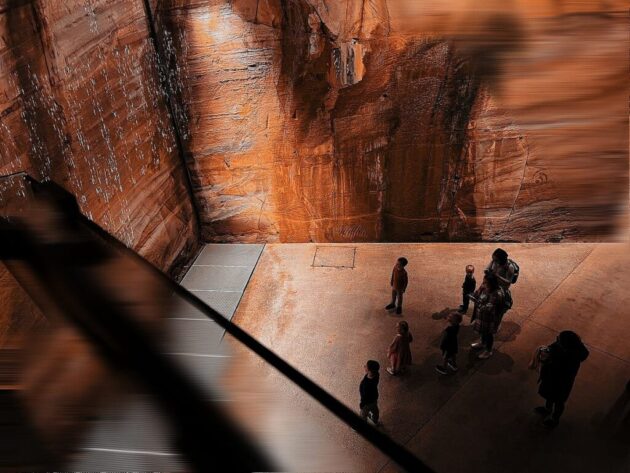
Tasmania stands out for its unspoiled natural beauty and cultural depth. It’s home to 19 national parks, where you can chase the Southern Lights (Aurora Australis) in winter or hike trails like the Overland Track amid snow-capped mountains. Foodies flock here for fresh seafood, artisanal cheeses, and the world’s cleanest air, fueling a booming farm-to-table scene. Hobart’s MONA (Museum of Old and New Art) has redefined the island as a creative hub, while events like the wansea Food and Wine Festival highlight local producers. With short drives between attractions (thanks to its 68,000 sq km size), it’s perfect for self-drive explorers seeking serenity and adventure.
How to Get There
Tasmania is easily accessible from mainland Australia, with options for flyers, ferry lovers, or international travelers.
By Air: Major airports: Hobart (south), Launceston (north), and smaller ones like Devonport and Burnie (northwest). Direct flights from Melbourne (1 hour, ~AUD 100–200 one-way), Sydney (1.5 hours, ~AUD 150–300), Brisbane (2 hours, ~AUD 200–400), and Adelaide/Perth. Jetstar and Virgin Australia offer budget fares; Qantas for comfort. International: No direct U.S./Europe flights—connect via Sydney or Melbourne (e.g., Qantas or United from LAX). From New Zealand, Air New Zealand seasonal flights to Hobart (October–March).
By Ferry (Spirit of Tasmania): Daily sailings from Geelong (near Melbourne) to Devonport (north Tasmania), 9–11 hours overnight. Cabins from AUD 150/person (recliners cheaper); bring your car for ~AUD 300 extra. Great for road trippers—departs evenings, arrives mornings. Book via spiritoftasmania.com.au; twice-daily in peak season.
Getting Around: Rent a car (AUD 50–100/day via Hertz or local firms like Avis) for flexibility—roads are winding but scenic. Drive on the left; fuel up often in remote areas. Buses (Redline or Tassielink) connect cities (~AUD 20–50); tours via Intrepid or GetYourGuide for guided ease.
Best Time to Visit
Tasmania’s four distinct seasons make timing key—expect changeable weather (“four seasons in one day”).
Summer (December–February): Peak season with warm days (20–24°C/68–75°F), long daylight (15 hours), and dry trails. Ideal for beaches and hikes, but book ahead—crowds at Wineglass Bay. Festivals like Taste of Tasmania add buzz. Autumn (March–May): Shoulder sweet spot: Mild (15–19°C/59–66°F), golden foliage (fagus turning), and fewer crowds. Perfect for wine tours and easy walks.
Winter (June–August): Crisp (3–12°C/37–54°F) with snow in highlands—ski at Ben Lomond or chase auroras. Quieter, cheaper; Dark MoFO festival in Hobart lights up June. Spring (September–November): Blooming wildflowers, tulip festivals, and warming temps (10–18°C/50–64°F). Budget-friendly with stable weather.
Avoid deep winter in the wet west (Strahan gets Australia’s highest rainfall). Check discovertasmania.com.au for events.
Top Attractions
Hobart
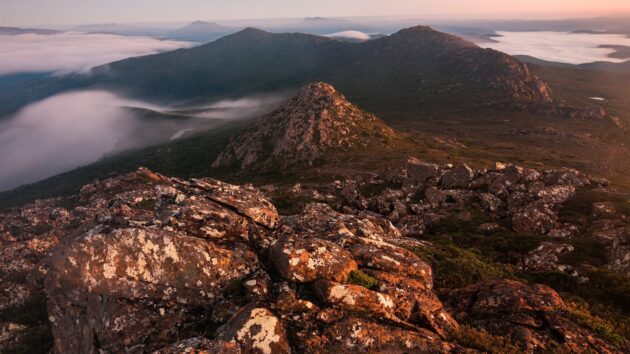
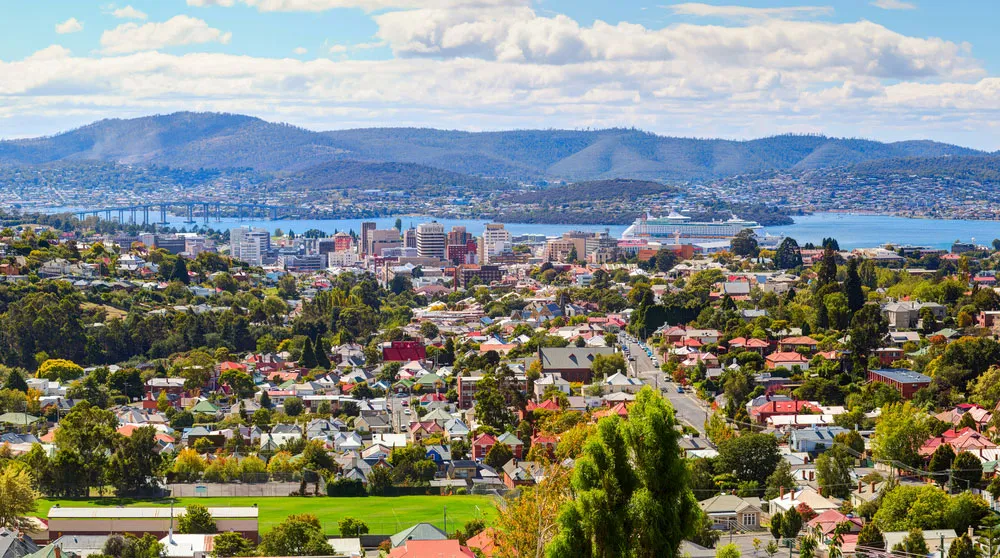
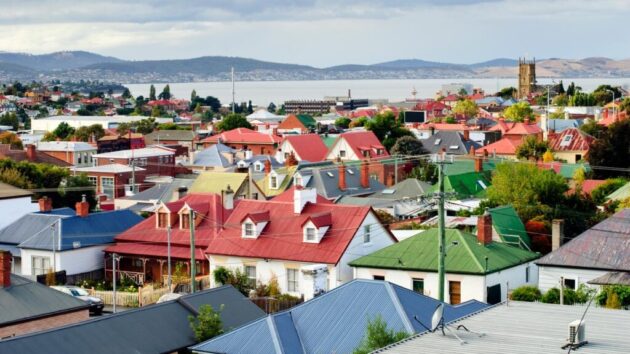
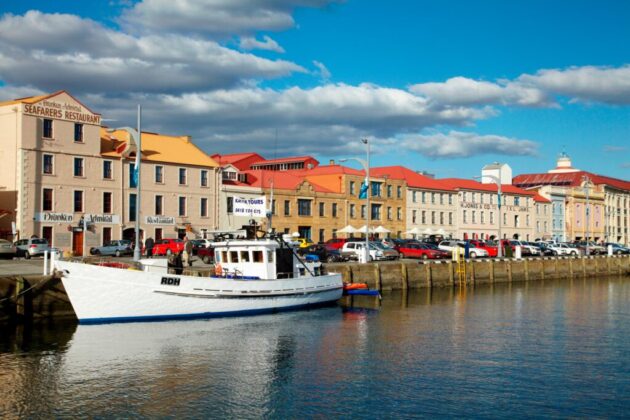
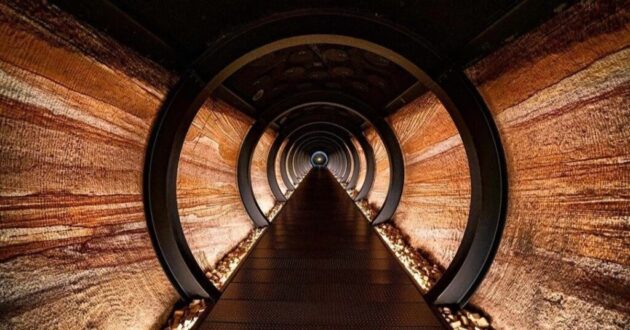
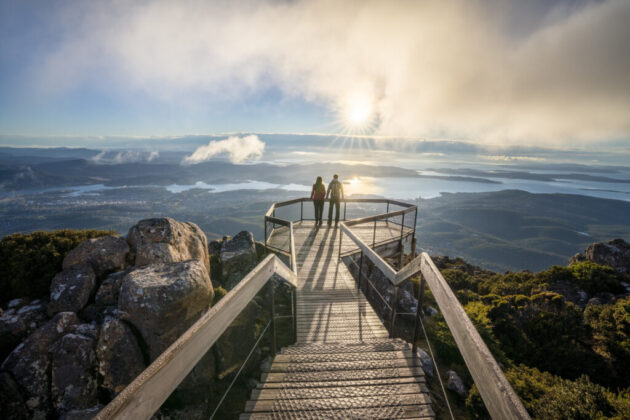
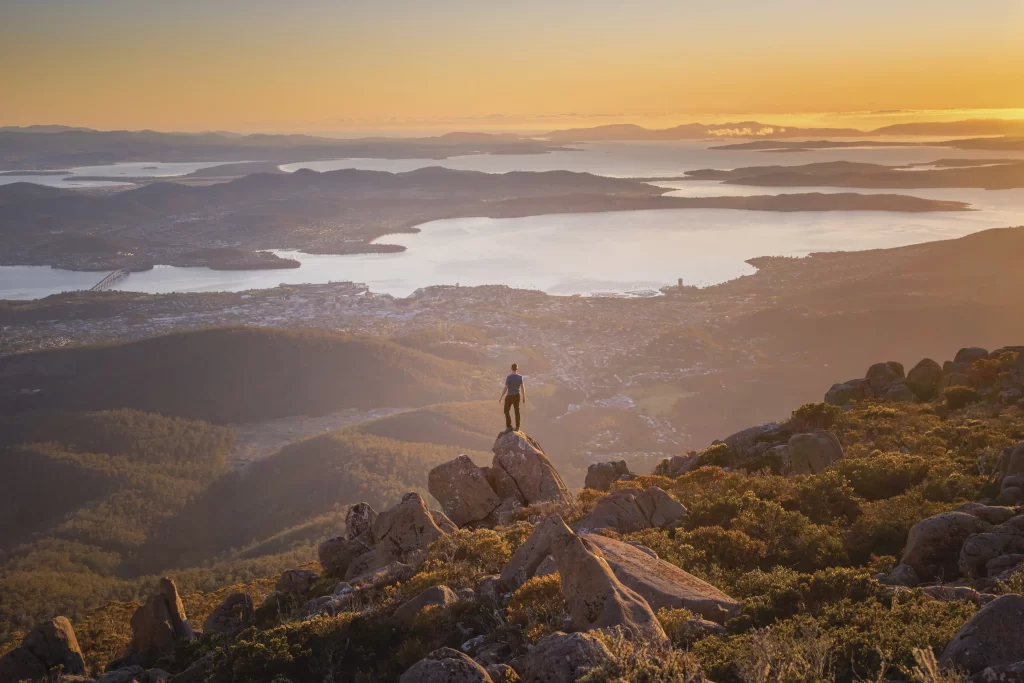
Nestled at the base of the majestic kunanyi/Mount Wellington and along the shimmering Derwent River, Hobart is Tasmania’s vibrant capital and Australia’s southernmost city. With a population of around 250,000, it blends rich convict history, world-class art, fresh seafood, and stunning natural beauty into a compact, walkable package.

Freycinet National Park
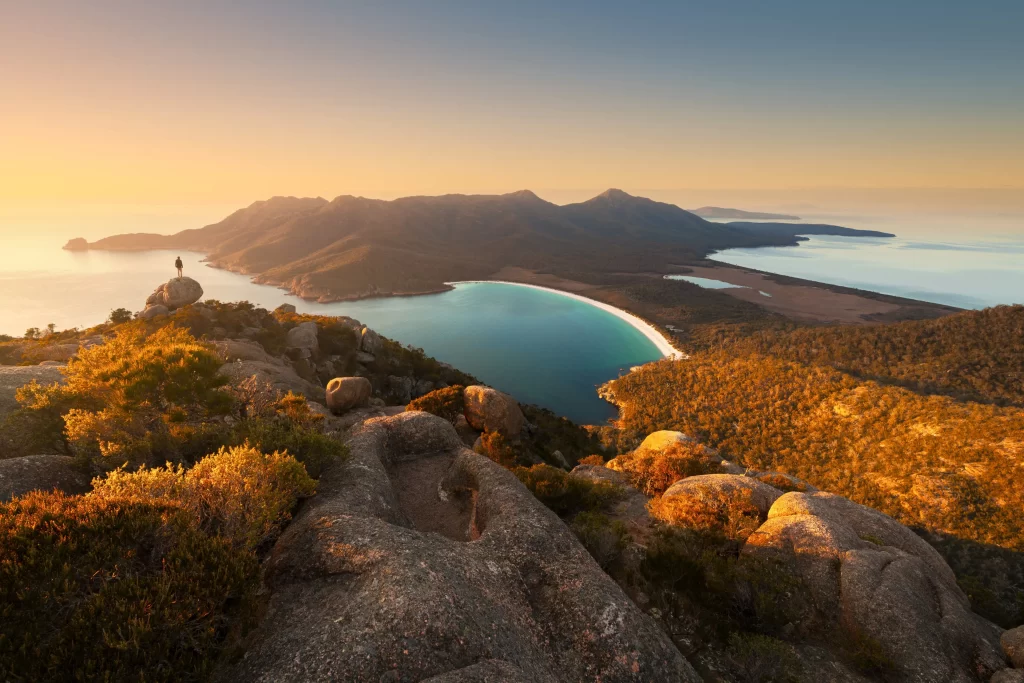
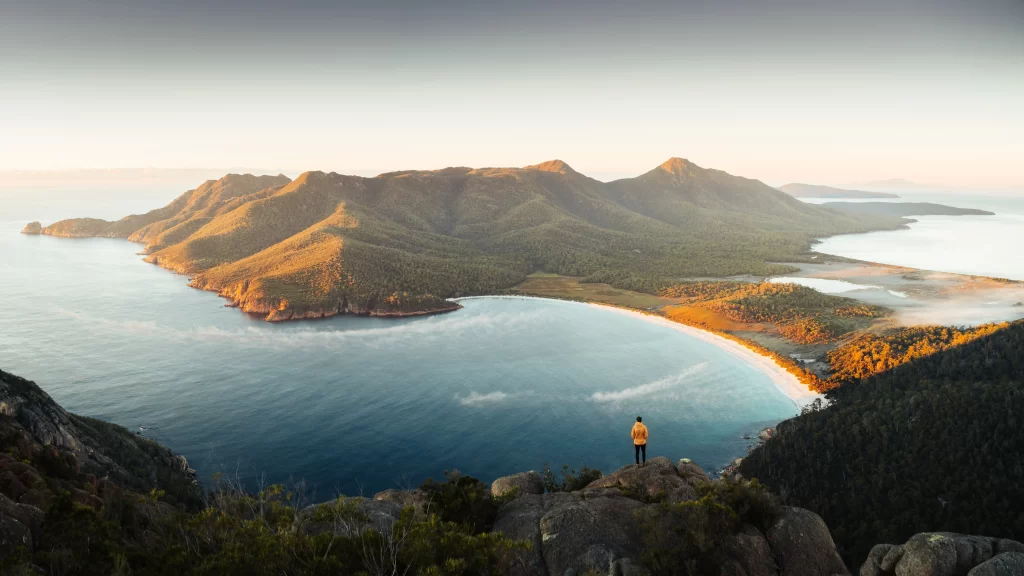
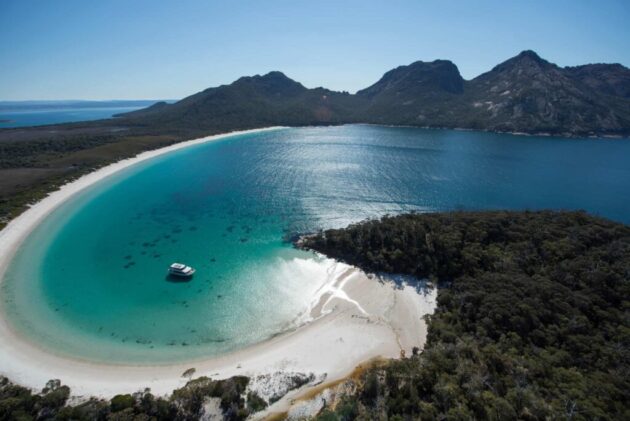
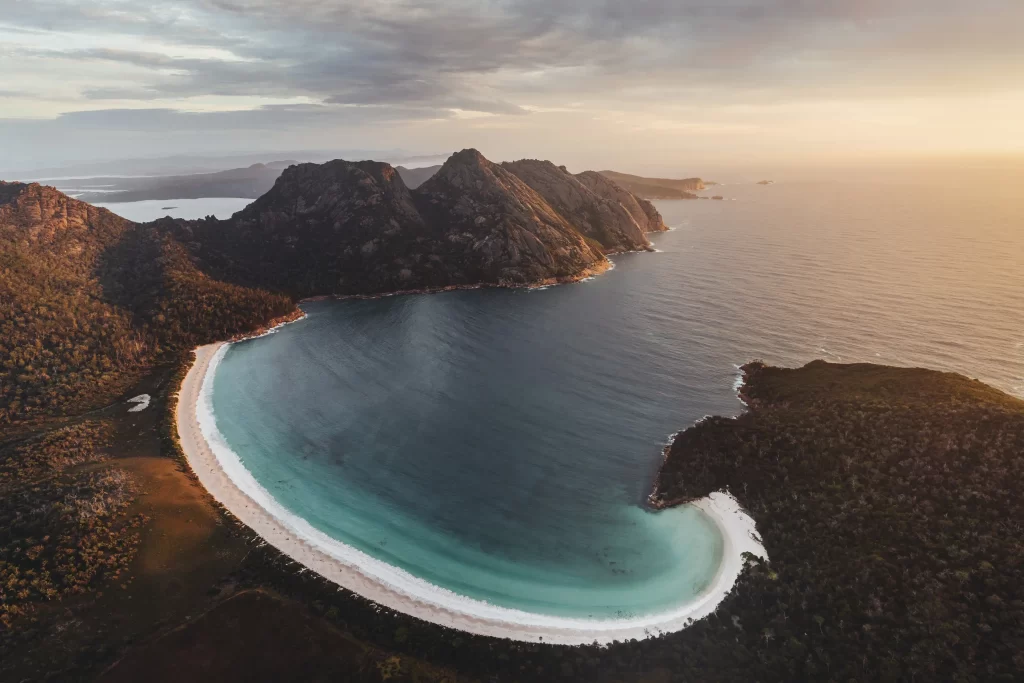
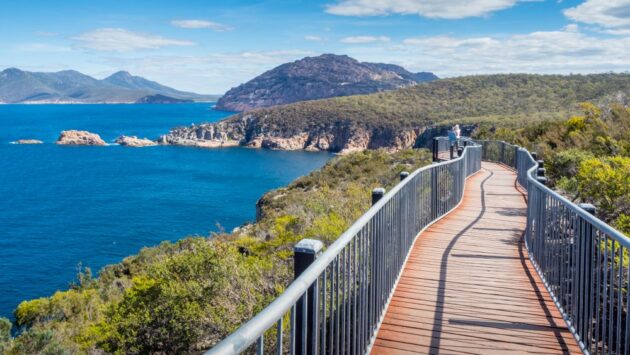
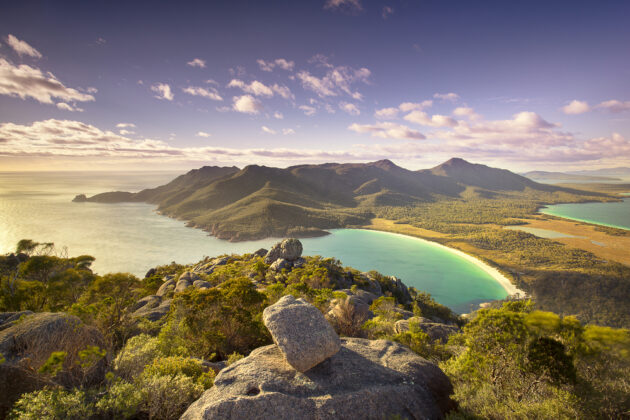
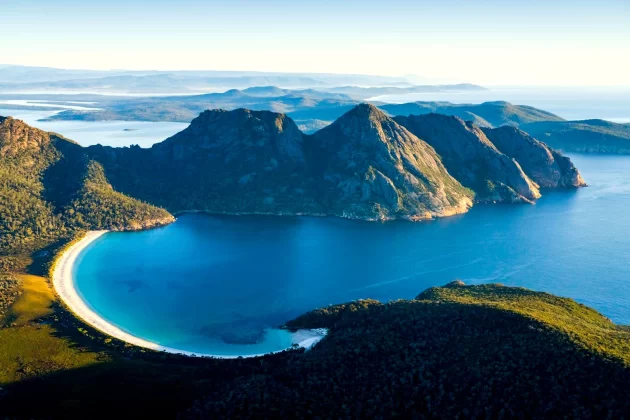
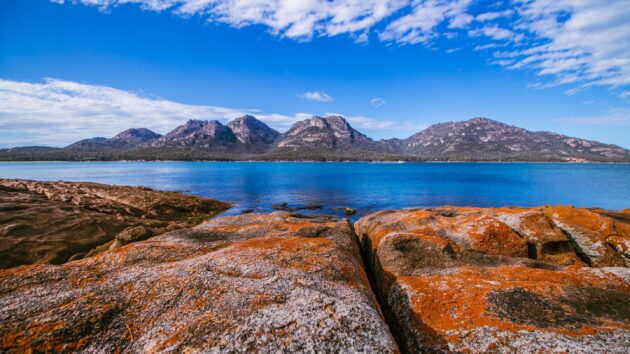
Nestled on the stunning east coast of Tasmania, Freycinet National Park is a coastal paradise of dramatic pink granite peaks, pristine white-sand beaches, and crystal-clear azure waters. Established in 1916 as Tasmania’s oldest national park, it spans the Freycinet Peninsula, offering breathtaking landscapes shaped over 400 million years. Iconic spots like Wineglass Bay—one of the world’s most photographed beaches—draw adventurers, nature lovers, and photographers alike.

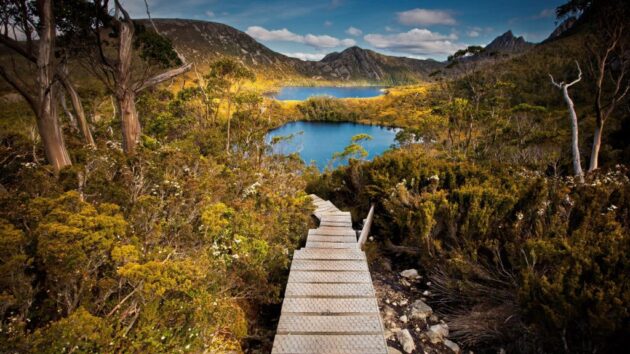
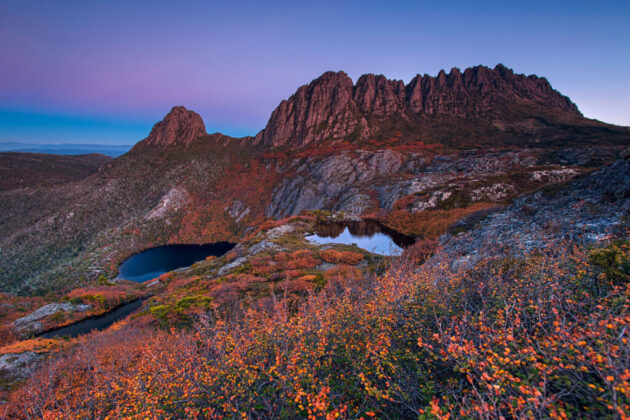
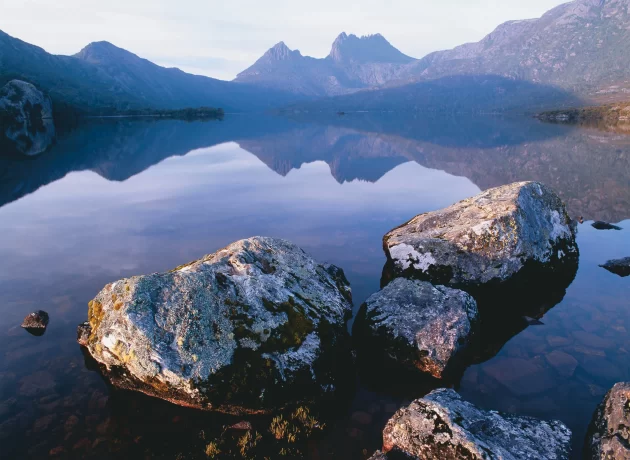
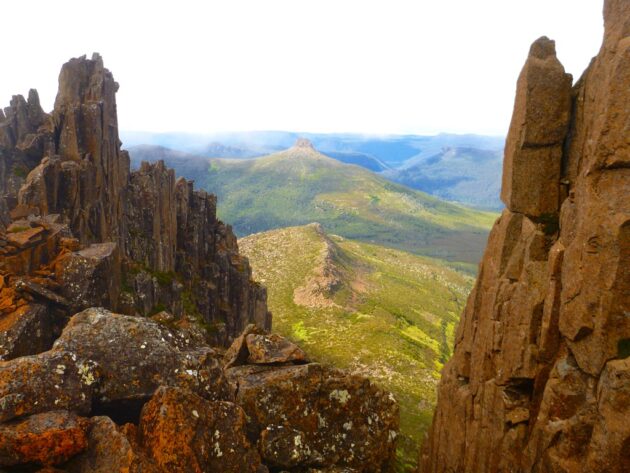
Cradle Mountain-Lake St Clair National Park
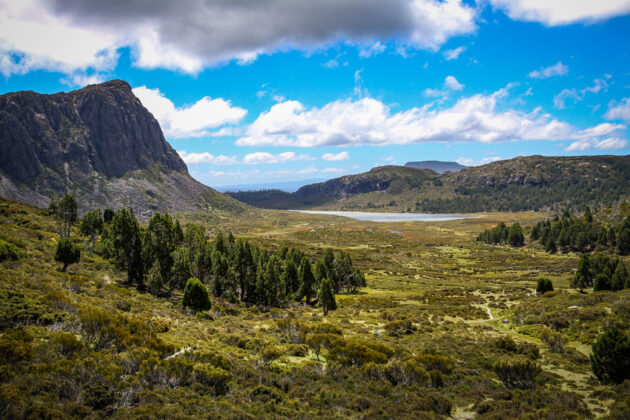
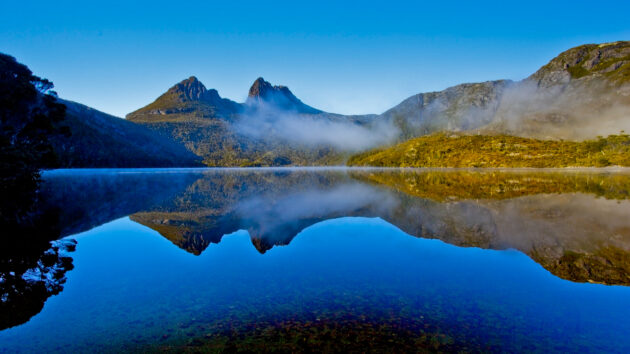
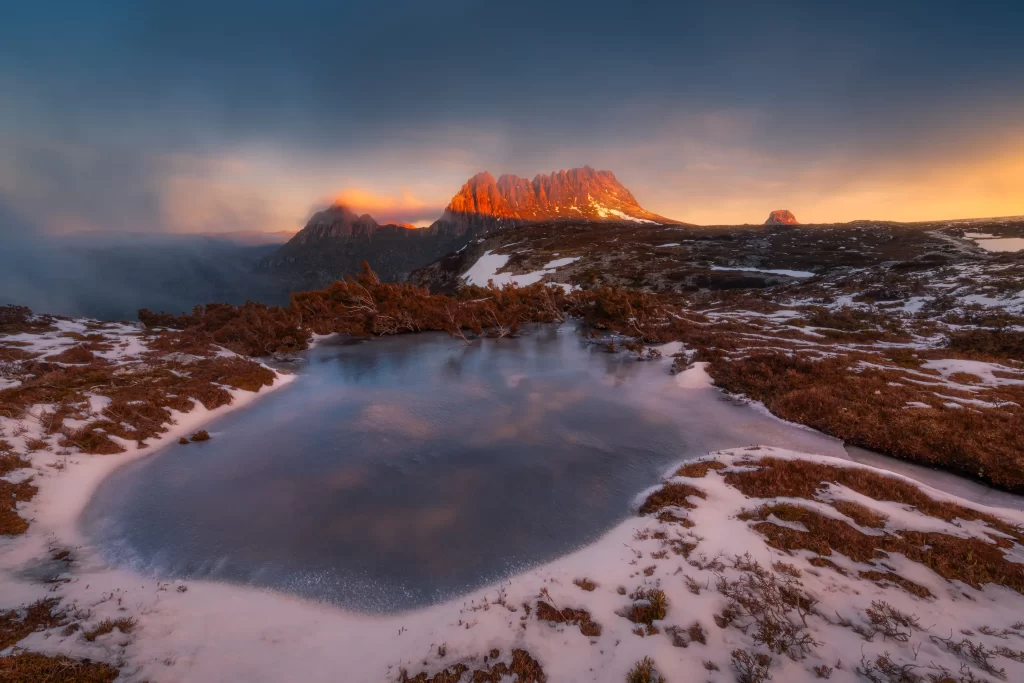
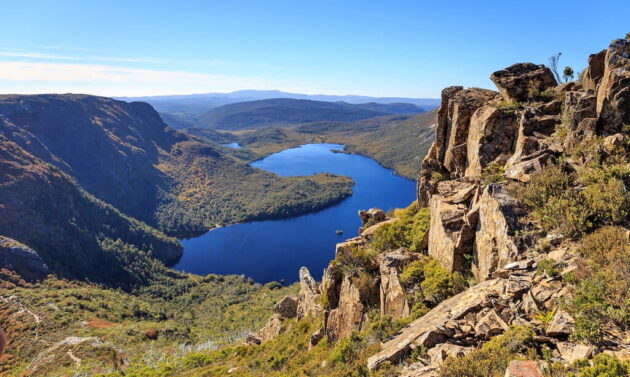
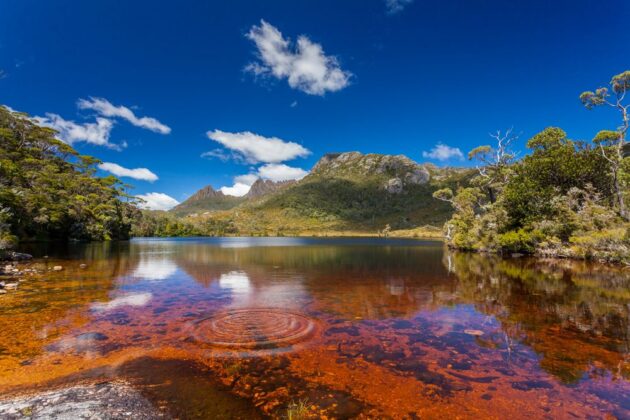
Nestled in the heart of Tasmania’s Central Highlands, Cradle Mountain-Lake St Clair National Park is a UNESCO World Heritage-listed gem that embodies Australia’s wild alpine wilderness. Spanning over 1,600 square kilometers, the park features dramatic jagged peaks, glacial-carved lakes, ancient rainforests, and button-grass moorlands. From the iconic saddle-backed Cradle Mountain in the north to the serene depths of Australia’s deepest lake in the south, it’s a haven for hikers, wildlife enthusiasts, and nature lovers.
Port Arthur Historic Site
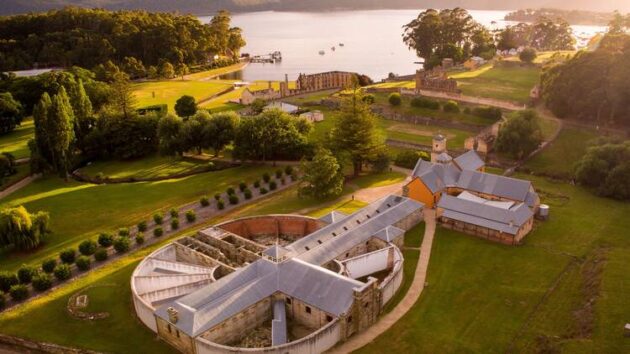
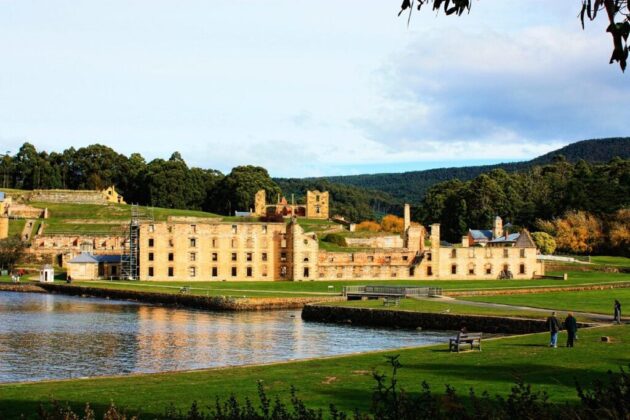
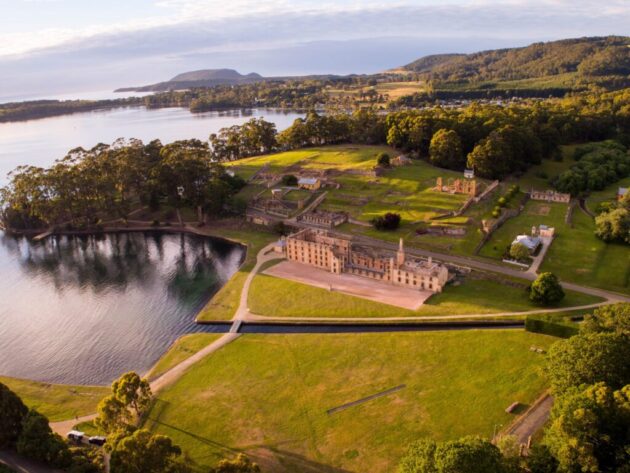
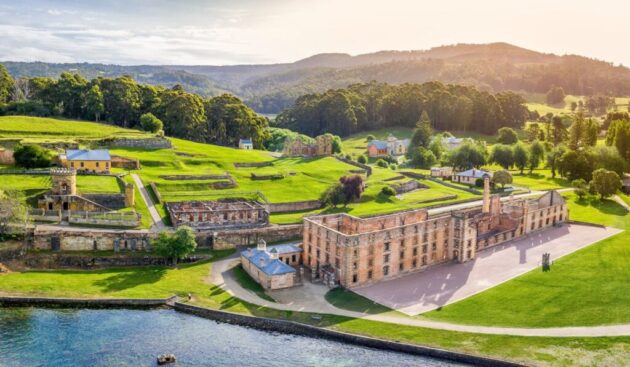
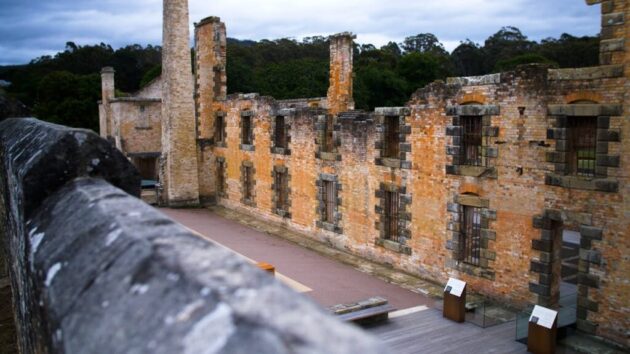
The Port Arthur Historic Site in Tasmania, Australia, is a UNESCO World Heritage-listed former penal colony, renowned as one of the best-preserved convict settlements from the British Empire. Established in 1830, it served as a destination for hardened convicts and features over 30 historic buildings and ruins set across 100 acres. Today, it is a major heritage destination where visitors can explore its profound history, including the Separate Prison designed for psychological punishment, and join guided tours like the popular evening Ghost Tour.
Bruny Island
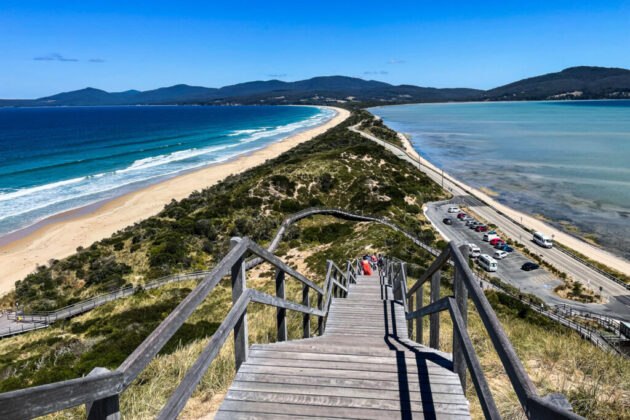
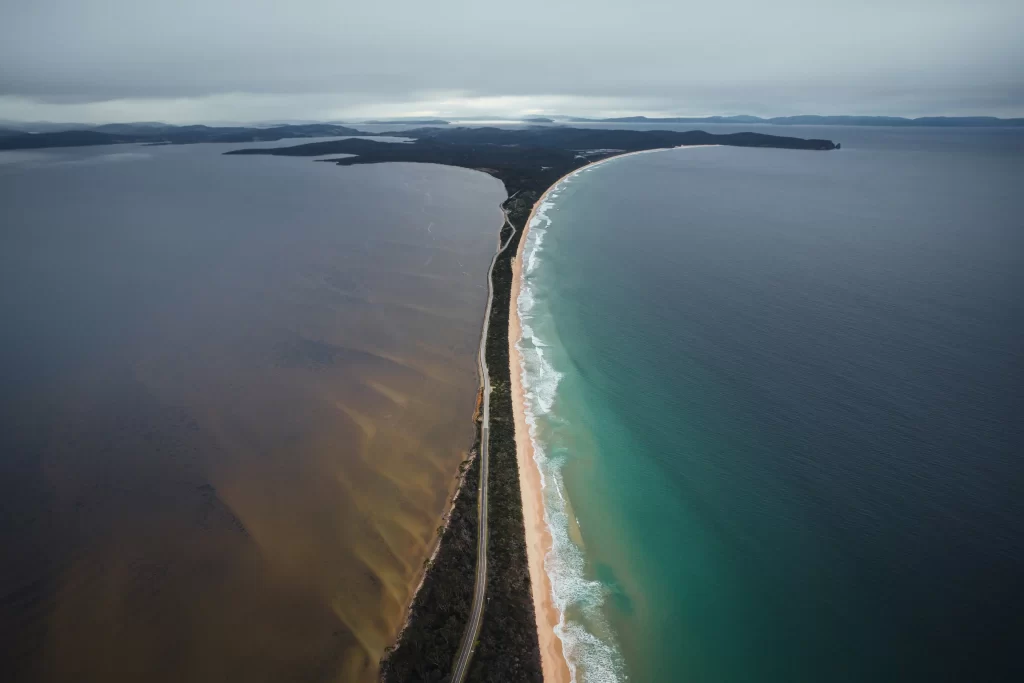
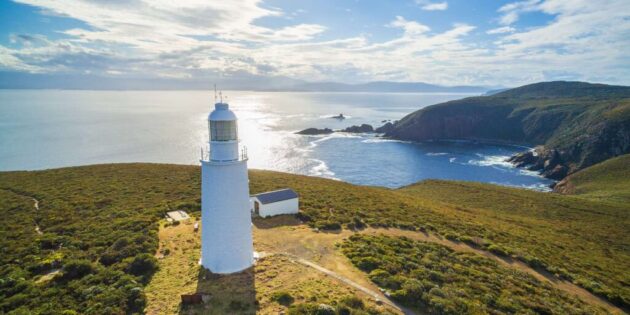
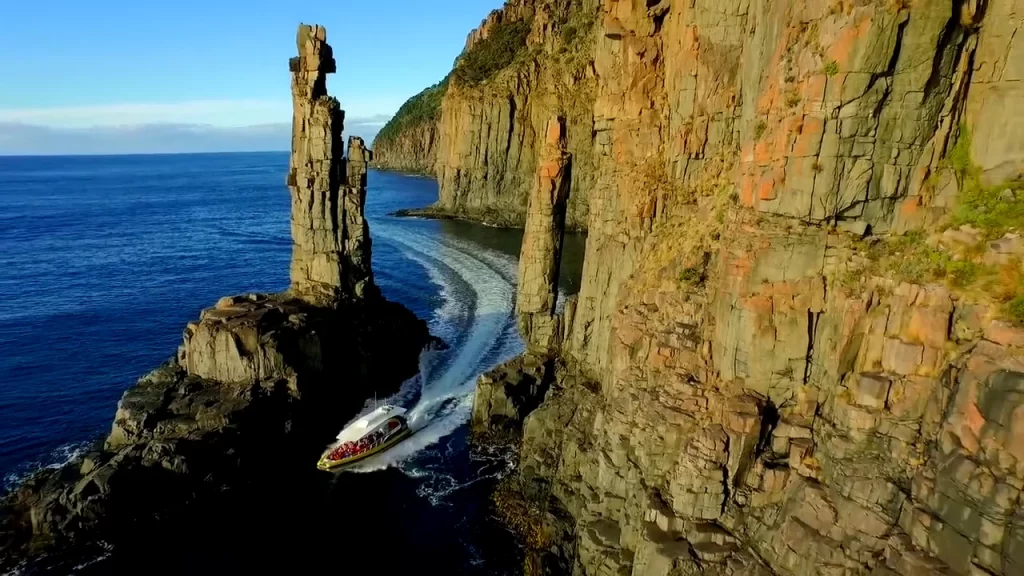
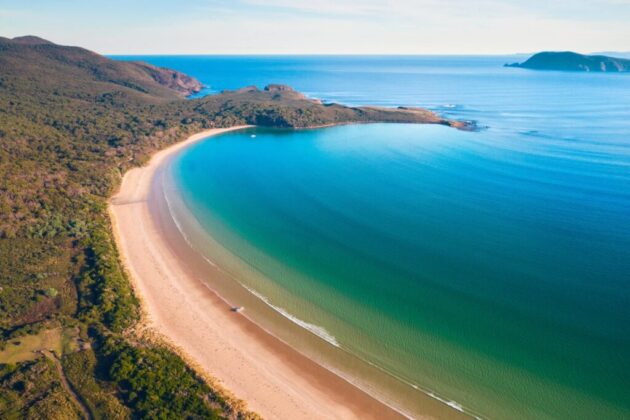
Bruny Island, located off the southeastern coast of Tasmania, Australia, is a renowned natural paradise. It is actually two islands—North Bruny and South Bruny—connected by a narrow, picturesque isthmus called The Neck. Famous for its rugged coastline, pristine beaches, and abundant wildlife including fur seals, penguins, and diverse birdlife, the island offers stunning landscapes and outdoor activities. It’s also celebrated for its local produce, such as fresh oysters and artisan cheeses, making it a popular destination for nature lovers and food enthusiasts alike.
Where to Eat and Drink
Tasmania’s “clean, green” produce shines: Oysters, scallops, pinot noir, and craft beers.
Hobart: Dine at Franklin (wood-fired tasting menu, AUD 200) or pop-up at MONA’s Hazara (Moorish fusion). Salamanca Markets for street eats. East Coast: Freycinet Vineyard (lunch with bay views, AUD 80). Swansea’s 2025 Food Festival (March) pairs chefs with producers.
Launceston: Stillwater (riverside fine dining, AUD 150) or Josef Chromy Wines (picnic platters). Northwest: Table Cape Tulip Farm cafe (spring blooms + scones). Whisky at Lark Distillery (tastings AUD 20).
Budget: Food vans and markets (~AUD 15/meal). Vegetarian/vegan options abound; try truffle hunting in autumn.
Where to Stay
Tasmania offers eco-lodges, historic B&Bs, and glamping. Expect AUD 150–400/night; book via Booking.com or discovertasmania.com.au.
| Region | Best For | Top Picks | Price Range (AUD/night) |
|---|---|---|---|
| Hobart | Culture & City Vibes | MACq 01 Hotel (waterfront luxury); Montacute Boutique (heritage charm) | 250–500 |
| East Coast (Coles Bay/Freycinet) | Beaches & Hikes | Freycinet Lodge (ocean views, glamping); Iluka Retreat (spa pods) | 200–400 |
| Northwest (Cradle Mountain) | Wilderness | Peppers Cradle Mountain (lakeside chalets); Discovery Park (cabins/camping) | 150–350 |
| Launceston | Wine & Gorge | The Mews (aparthotel); Peppers Silo (industrial chic) | 180–300 |
| Bruny Island | Foodie Escape | Inala Nature Lodge (eco-tents); Cape Bruny Lighthouse cottages | 200–450 |
| Budget/Remote | Value & Nature | BIG4 Holiday Parks (cabins); Farm stays like Brickendon (convict heritage) | 100–200 |
Tip: Shoulder seasons for deals; glamping at Pumphouse Point (hydro station on Lake St Clair, AUD 400) for unique stays.
Practical Tips
Budget: AUD 150–250/day/person (mid-range: flights AUD 200, car AUD 70, meals AUD 50, attractions AUD 30). Health/Safety: No major risks; ticks in bush—use repellent. Drive cautiously on unsealed roads. Download the Tasmania app for maps/weather. Sustainability: Stick to trails; support local via Tassie Made shops. Biosecurity: No fresh fruits into the state.
Itinerary Idea (10 Days): Days 1–3: Hobart/MONA/Bruny. 4–6: East Coast/Freycinet. 7–8: Launceston/Gorge. 9–10: Cradle Mountain, fly out from Devonport. Accessibility: Many parks have wheelchair paths; Hobart’s mobility map aids low-vision travelers.
Final Thoughts
Tasmania isn’t just a destination—it’s a reset for the soul, where misty mountains meet salty seas and every meal tastes like the earth itself. From the thrill of Wineglass Bay’s hike to the quiet awe of a devil’s growl at dusk, Tassie delivers raw, unfiltered magic. Embrace the weather, pack layers, and let the island’s rhythms guide you. Whether chasing sunsets or auroras, your Tassie tale will linger long after the ferry sails away.
Safe travels—see you in the wild!