
A Travel Guide to Mt. Baker-Snoqualmie National Forest
Spanning over 1.7 million acres along the western slopes of the Cascade Mountains, Mt. Baker-Snoqualmie National Forest is one of Washington State’s most breathtaking outdoor destinations. Stretching from the Canadian border to the northern edge of Mt. Rainier National Park, this national forest is renowned for its glacier-covered peaks, old-growth forests, alpine meadows, and over 800 sparkling lakes. With its proximity to Seattle and Vancouver, it’s one of the most visited national forests in the U.S., offering endless opportunities for hiking, camping, skiing, and wildlife viewing. Whether you’re a seasoned adventurer or a family looking for a scenic getaway, this guide will help you plan an unforgettable trip.
Why Visit Mt. Baker-Snoqualmie National Forest?
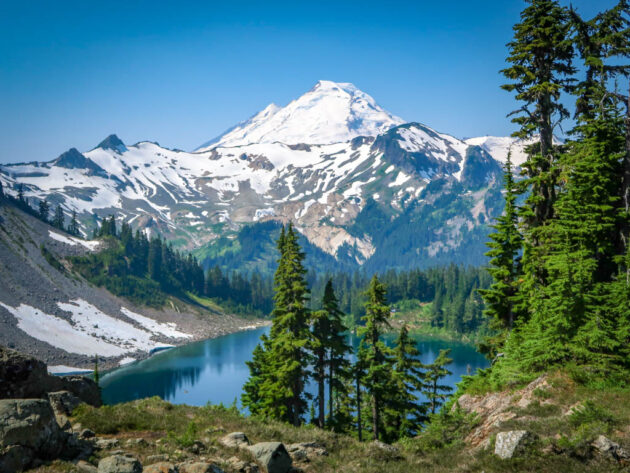
Mt. Baker-Snoqualmie National Forest is a paradise for nature lovers, boasting rugged volcanic peaks like Mount Baker (10,781 ft) and Glacier Peak, vibrant wildflower meadows, and the pristine Skagit Wild and Scenic River System, home to one of the largest winter populations of bald eagles in the U.S. The forest encompasses diverse wilderness areas, including the Mount Baker Wilderness and Alpine Lakes Wilderness, offering solitude and stunning vistas. With over 1,500 miles of trails, world-class ski resorts, and a rich cultural history tied to Native American tribes, the forest is a year-round destination for outdoor recreation and scenic beauty.
How to Get There
Located just an hour’s drive from Seattle, the forest is easily accessible via several scenic highways. Here are the main routes:
From Seattle: By Car: Take I-5 North to exit 255 for Mount Baker Highway (SR 542) to reach the northern areas like Artist Point (1.5–2 hours, 56 miles). For southern areas like Snoqualmie Pass, take I-90 East (1 hour, 50 miles). Major access roads include SR 542, SR 20 (North Cascades Highway), and I-90. Public Transport: Limited options exist. Amtrak or Greyhound to Everett or Bellingham, followed by local buses or car rentals, is possible but less convenient.
From Vancouver, BC: Drive south via Hwy 99 to the Sumas border crossing, then follow SR 542 southeast to Glacier (45 minutes). The forest’s northern edge is easily reachable.
By Air: Fly into Seattle-Tacoma International Airport (SEA), rent a car, and drive to the forest. Bellingham International Airport (BLI) is closer for northern access (30 minutes to Glacier).
Tip: Check road conditions on the Washington State Department of Transportation website, especially in winter, as snow may require chains or close high-altitude roads like the final stretch to Artist Point.
Best Time to Visit
Summer (May–August): Ideal for hiking and camping, with snow-free trails, blooming wildflowers, and access to high-altitude areas like Artist Point. Book campsites early, as they fill quickly. Autumn (September–October): Vibrant fall colors, especially in maple and huckleberry areas, make this a photographer’s dream. Cooler temperatures and fewer crowds enhance the experience.
Winter (December–April): Perfect for skiing and snowboarding at Mt. Baker Ski Area, which holds the world record for snowfall (1,140 inches in 1999). Snowshoeing and cross-country skiing are also popular. Spring (March–April): A quieter season with melting snow and early wildflowers, though higher trails may still be snow-covered.
Weather Tip: The forest’s weather varies by elevation. Lowland areas are mild (50–75°F in summer), while peaks can be cold and snowy year-round. Always pack layers and check for avalanche risks in winter.
Tickets and Passes
Entry: The forest is free to enter, but certain trailheads and day-use areas require a Northwest Forest Pass ($5/day or $30/year) or National Forest Recreation Day Pass ($5). Purchase online or at ranger stations like Glacier Public Service Center.
Camping Fees: Vary by site ($15–$30/night). Reservations are available for 40% of campsites via Recreation.gov (1-877-444-6777) up to 240 days in advance; others are first-come, first-served.
Skiing: Lift tickets at Mt. Baker Ski Area range from $60–$100/day, depending on the season. Tip: Always display your pass on your vehicle dashboard to avoid fines. Free parking is available at some trailheads, but check signage.
What to See and Do
The forest offers a wide range of activities across its four ranger districts: Mount Baker, Darrington, Skykomish, and Snoqualmie.
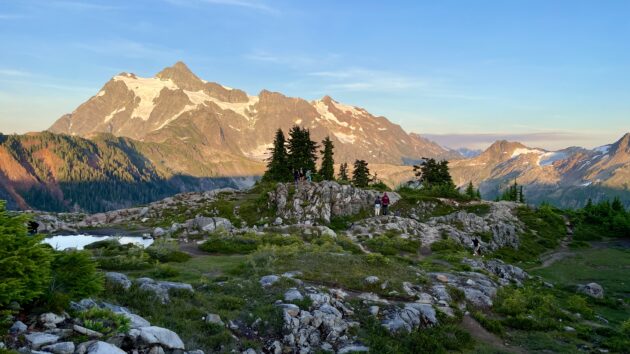
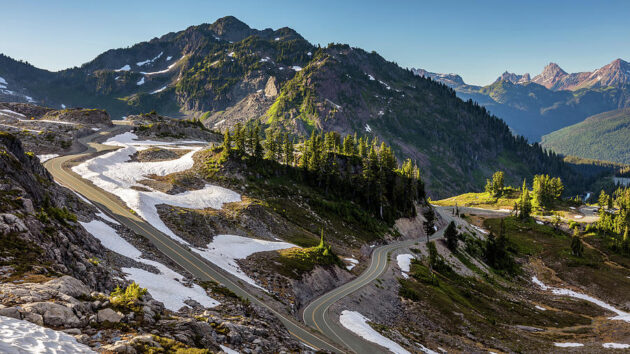
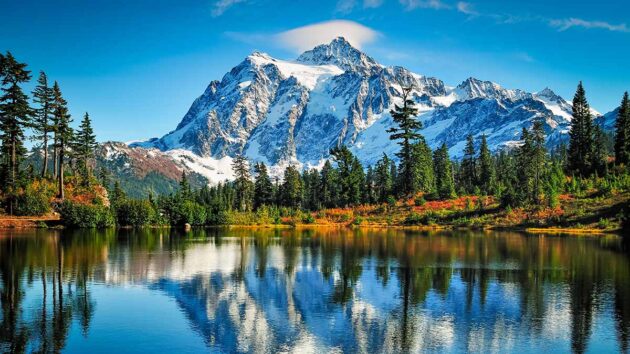
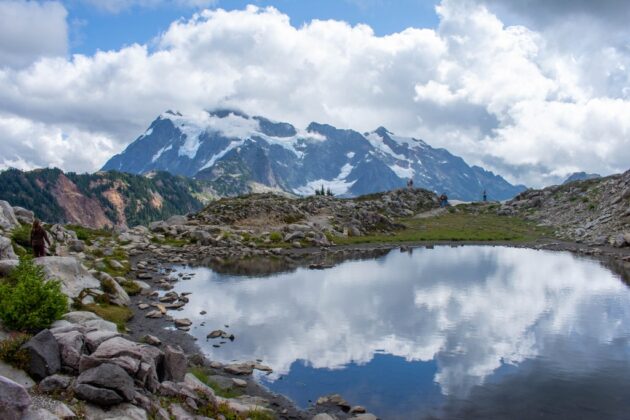
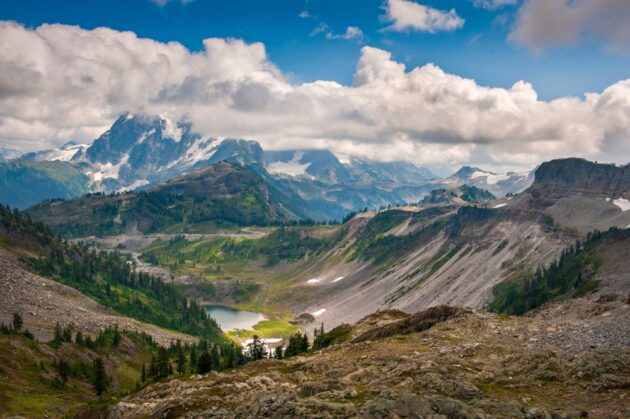
Hiking: Artist Point Trails (Mount Baker District): The Artist Ridge Trail (1.2 miles, easy) offers postcard views of Mount Baker and Mount Shuksan reflecting in Picture Lake. The Chain Lakes Loop (6.5 miles, moderate) features alpine lakes and meadows.
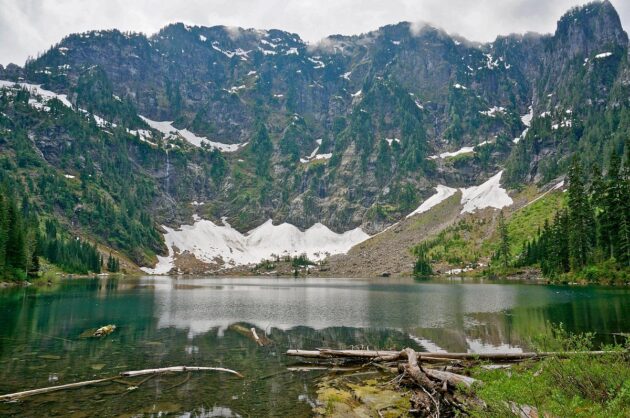
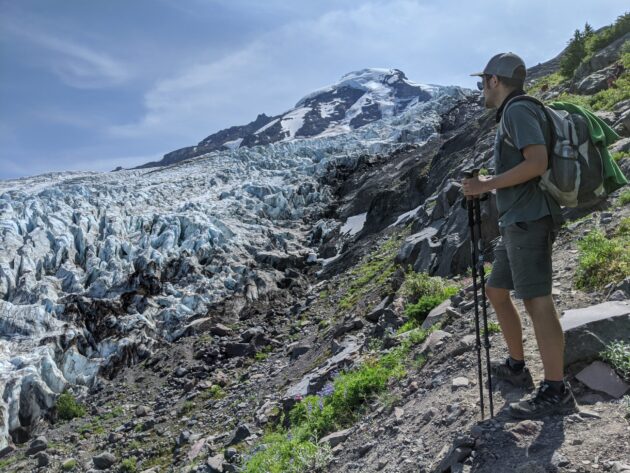
Lake 22 Trail (Darrington District): A 5.4-mile moderate hike to a serene alpine lake surrounded by old-growth forest, ideal for families. Franklin Falls Trail (Snoqualmie District): A 2-mile easy trail to a stunning 70-foot waterfall, perfect for beginners and kids. Heliotrope Ridge (Mount Baker District): A 5.5-mile strenuous hike to the Coleman Glacier with close-up views of Mount Baker.
Scenic Drives: Mount Baker Scenic Byway (SR 542): Stretches 58 miles from Bellingham to Artist Point, passing towering evergreens and the Nooksack River. Stop at Picture Lake for iconic photos. North Cascades Highway (SR 20): Offers rugged vistas and access to trails like Barlow Point. Mountain Loop Scenic Byway: A 55-mile loop through Darrington with views of Glacier Peak and old-growth forests.
Camping: Bayview Campground (Baker Lake): Offers lakeside sites with boating and fishing. Shannon Creek Campground: Nestled in dense forest near Baker Lake, ideal for RVs. Backcountry Camping: Permitted in wilderness areas like Alpine Lakes Wilderness with a free permit from ranger stations. Follow Leave No Trace principles.
Winter Sports: Mt. Baker Ski Area: Known for record-breaking snowfall, it offers 1,000 acres of skiable terrain and seven lifts. Perfect for skiers and snowboarders of all levels. Snoqualmie Pass: Home to four ski resorts, including Alpental, with night skiing and snowshoe trails.
Wildlife Viewing: Spot bald eagles along the Skagit River (November–February), black bears, deer, and marmots. Bring binoculars and practice safe distances. The forest is home to the largest wintering bald eagle population in Washington.
Historical Sites: Park Butte Fire Lookout: An 8-mile round-trip hike to a historic fire lookout with 360-degree views of Mount Baker. Learn about the “lady lookouts” of WWII. Shadow of the Sentinels: A 0.5-mile accessible trail through 600-year-old Douglas firs.
Where to Eat
Inside the Forest: Dining options are limited. Pack a picnic or grab snacks at campgrounds. Heather Meadows Lodge (near Mt. Baker Ski Area) offers basic food during ski season.
Nearby Towns: Glacier (20 minutes from Artist Point): North Fork Brewery serves craft beer and pizza, a local favorite after hikes. Bellingham (1 hour): Offers diverse dining, from seafood at Anthony’s to burgers at Boomer’s Drive-In. North Bend (near Snoqualmie Pass): Try Twede’s Cafe, famous for its Twin Peaks connection and hearty American fare.
Tip: Bring a cooler with food and water, as services are sparse in remote areas.
Where to Stay
Camping: Over 50 campgrounds, like Bayview and Panorama Point, offer tent and RV sites. Book via Recreation.gov for popular sites. Boondocking: Permitted along Baker Lake Road pullouts for a rustic experience.
Lodging: Sundara West B&B (near Bellingham): Offers cozy rooms and a luxurious glamping lodge with hot tubs, 30 minutes from the forest. Mt. Baker Lodge: Walking distance to the ski area, ideal for winter visitors. Seattle Hotels: For urban amenities, stay at The Edgewater or Hilton Seattle (1–2 hours away). Budget options start at $80/night.
Cabins: Luxury Getaways offers Mt. Baker vacation cabins with stunning views, perfect for groups.
Booking Tip: Reserve accommodations early for summer and ski season. Check Booking.com or Airbnb for deals.
Tips for a Great Visit
Pack the Ten Essentials: Navigation tools, food, water, layers, and a first-aid kit are crucial, as cell service is spotty. Wildlife Safety: Store food properly to avoid bears and cougars. Carry bear spray and know how to use it.
Trail Etiquette: Dogs are allowed on most trails but must be leashed. Check regulations, as some trails prohibit pets. Permits: A Northwest Forest Pass is required for many trailheads. Backcountry camping in wilderness areas requires a free permit.
Road Conditions: The final 1.8 miles to Artist Point are seasonal (open July–October). Check fs.usda.gov for closures. Combine Your Trip: Pair your visit with North Cascades National Park (adjacent to the north) or Snoqualmie Falls (near I-90) for a fuller adventure.
Final Thoughts
Mt. Baker-Snoqualmie National Forest is a jewel of the Pacific Northwest, offering rugged peaks, serene lakes, and a rich tapestry of flora and fauna. Whether you’re hiking to a fire lookout, skiing down powdery slopes, or capturing the iconic reflection of Mount Shuksan in Picture Lake, the forest delivers awe-inspiring experiences. Plan ahead, respect the wilderness, and let this stunning landscape create memories that last a lifetime.
Happy exploring!