

A Travel Guide to Vermont
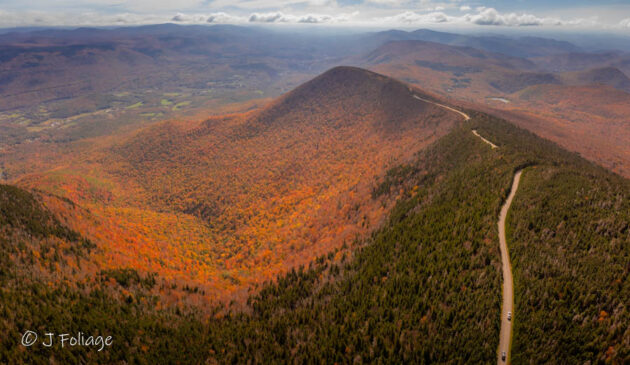
Vermont, known as the Green Mountain State, is a charming destination in the northeastern United States, celebrated for its stunning landscapes, vibrant fall foliage, maple syrup, and welcoming small-town vibe. With its rolling hills, historic villages, and outdoor adventures, Vermont offers a perfect blend of nature, culture, and relaxation. Whether you’re chasing autumn colors, skiing powdery slopes, or savoring farm-to-table cuisine, this guide will help you plan an unforgettable trip.
Why Visit Vermont?
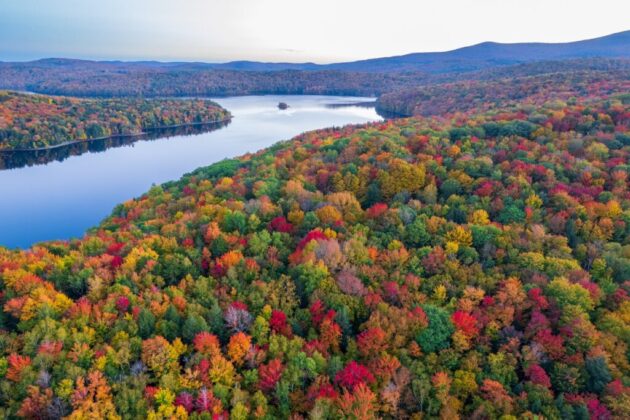
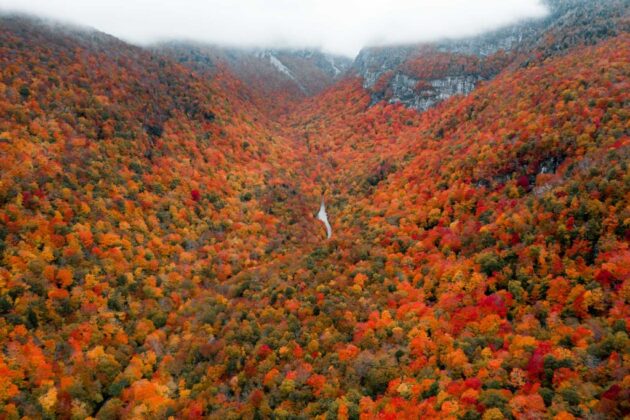
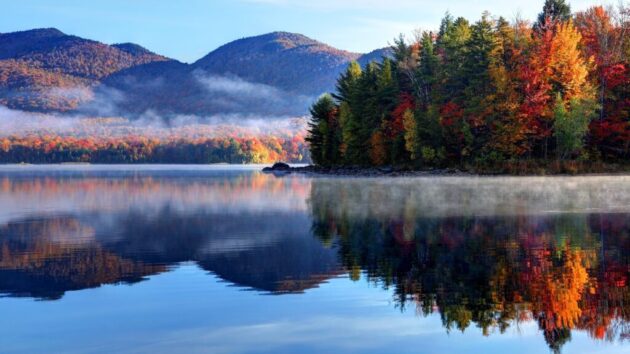
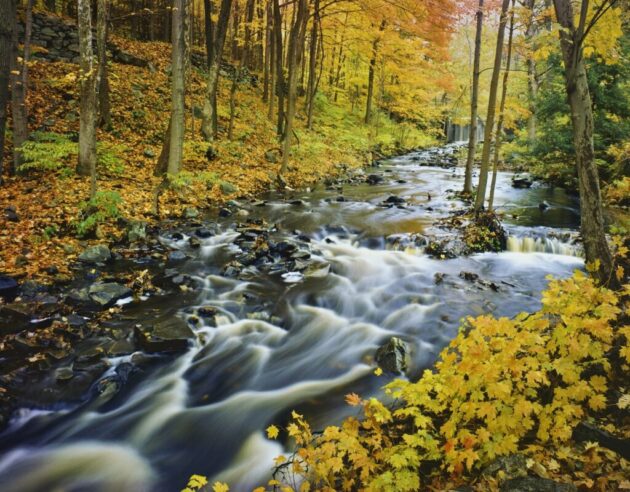
Vermont’s appeal lies in its unspoiled natural beauty and unhurried pace. Nearly 80% of the state is forested, offering breathtaking vistas year-round. It’s famous for its fall foliage, which transforms the landscape into a kaleidoscope of reds, oranges, and yellows from mid-September to mid-October. Winter brings world-class skiing at resorts like Stowe and Killington, while summer invites hiking, biking, and kayaking. Vermont’s farm-to-table culture, craft breweries, and historic sites, such as covered bridges and the Shelburne Museum, add depth to the experience. Its small population (626,431, the second smallest in the U.S.) ensures a peaceful, authentic escape.
How to Get There
By Air: Patrick Leahy Burlington International Airport (BTV) is the main gateway, offering flights from major U.S. cities like Atlanta, Chicago, New York, and Washington, D.C. Airlines include American, Delta, and United. A one-way flight from New York City costs around $100–$200. From the airport, rent a car (available at BTV) or take a taxi/ride-share (Didi, Uber) to explore. Burlington is 10 minutes from downtown and a good base for day trips.
By Train: The Vermonter train, operated by Amtrak, runs daily from Washington, D.C., through New York City to St. Albans, Vermont, with nine stops in the state (e.g., Brattleboro, Montpelier). A one-way ticket from New York to Burlington costs $50–$100, taking about 7–8 hours.
By Car: Driving is ideal for exploring Vermont’s scenic routes. From Boston (3–4 hours) or New York City (5–6 hours), take I-89 or I-91 for direct routes. For a scenic drive, try Route 7 (Manchester to Burlington) or Route 100 (Stowe to Fayston), especially during fall foliage season.
From eastern Long Island, take the Orient Point ferry to New London, then drive north via I-91 to I-89 (about 5–6 hours).
Tip: Renting a car is highly recommended, as public transit is limited outside major towns like Burlington.
Best Time to Visit
Fall (Mid-September–Mid-October): Peak foliage season, ideal for scenic drives and photography. Book accommodations early, as prices spike. Winter (December–March): Perfect for skiing, snowboarding, and snowmobiling at resorts like Killington, Stowe, and Smugglers’ Notch. Expect cold temperatures (0°F to 30°F).
Spring (April–May): Quieter and budget-friendly, with blooming wildflowers and maple sugaring season. Some trails may be muddy. Summer (June–August): Warm (70°F–85°F) and ideal for hiking, kayaking, and festivals. Farmers’ markets and swimming holes are highlights.
Foliage Tip: For the best fall colors, visit Stowe for gondola rides, Manchester for Mount Equinox hikes, or Burlington for Lake Champlain ferry rides. Check foliage trackers online for peak timing.
Major Cities
Burlington
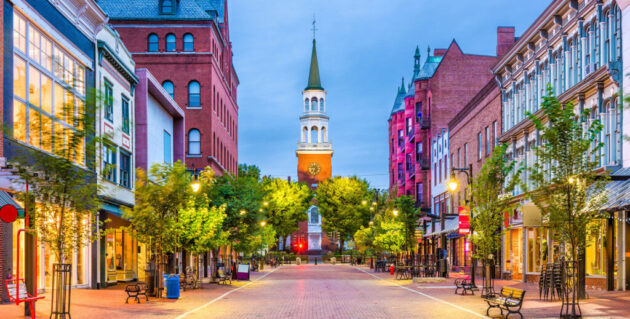
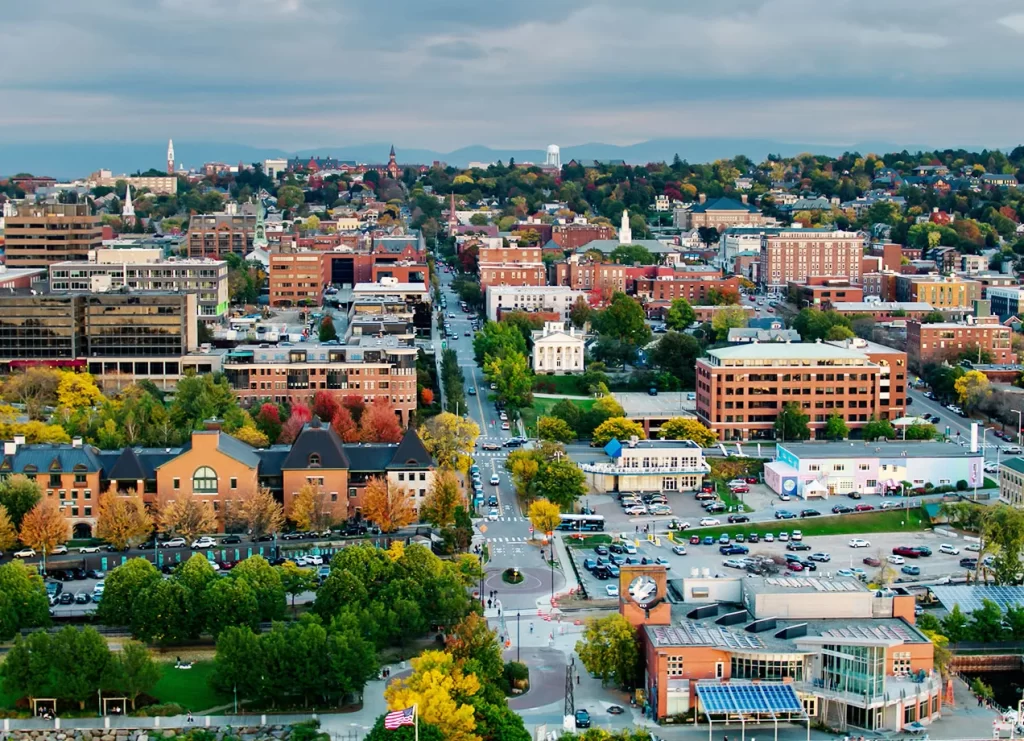
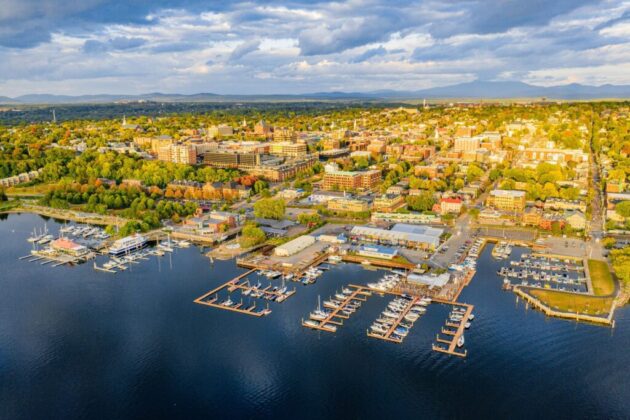
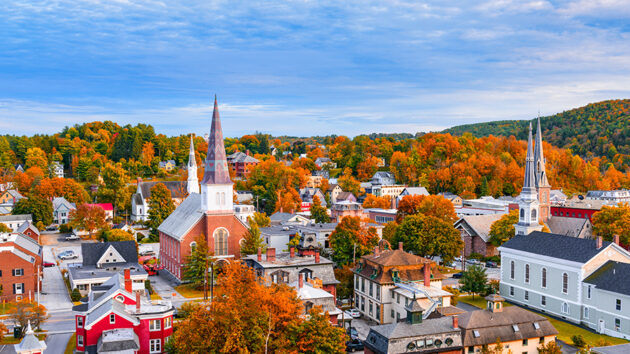
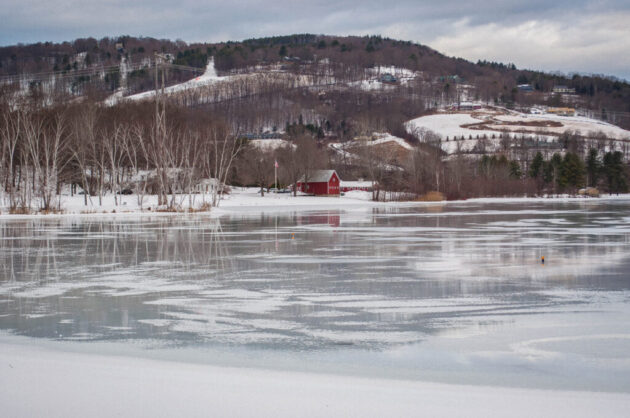
Nestled on the shores of Lake Champlain between the Adirondack and Green Mountains, Burlington, Vermont, is a vibrant, walkable city that blends New England charm with a progressive, artsy vibe. As Vermont’s largest city (population ~45,000), it’s a college town with a lively cultural scene, farm-to-table dining, and endless outdoor activities.
Montpelier
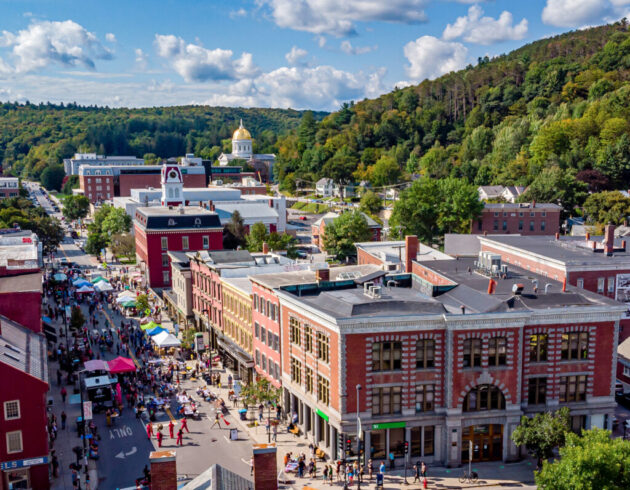
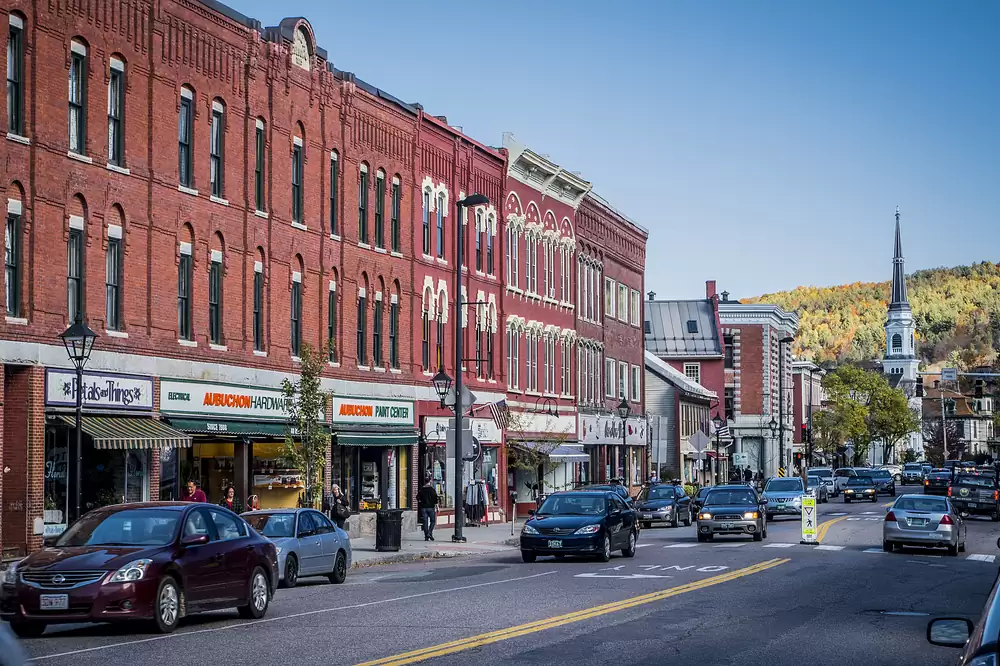
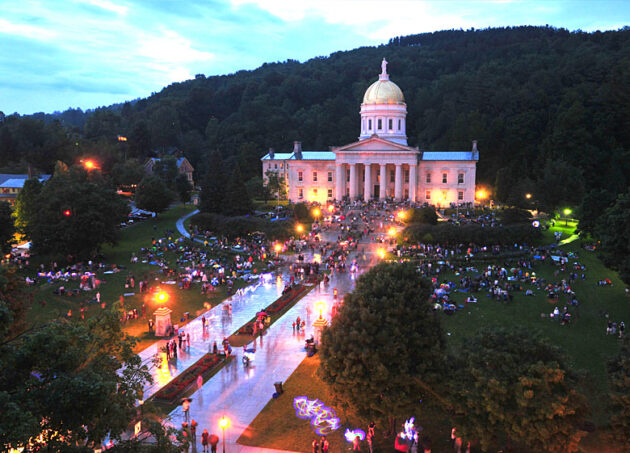
Montpelier, the smallest state capital in the United States, is a charming and vibrant destination nestled in the heart of Vermont’s Green Mountains. With a population of just over 8,000, this compact city offers a blend of historic charm, outdoor adventure, and a thriving local culture. Known for its gold-domed Vermont State House, absence of chain fast-food giants like McDonald’s, and a walkable downtown, Montpelier is perfect for travelers seeking an authentic New England experience.
Stowe
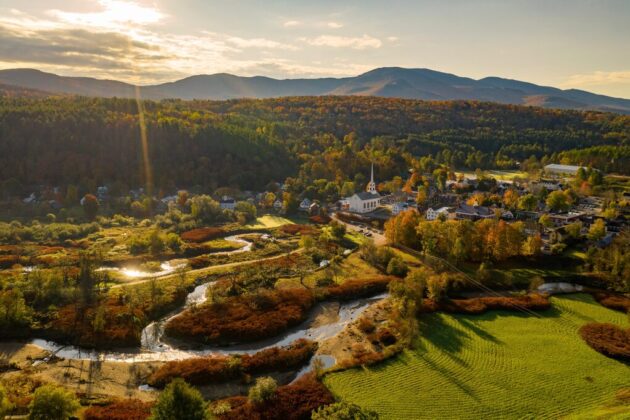
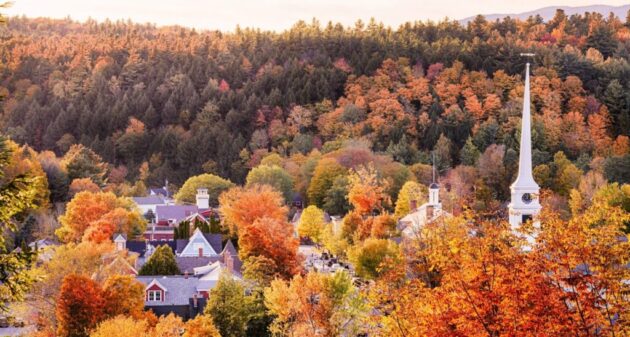
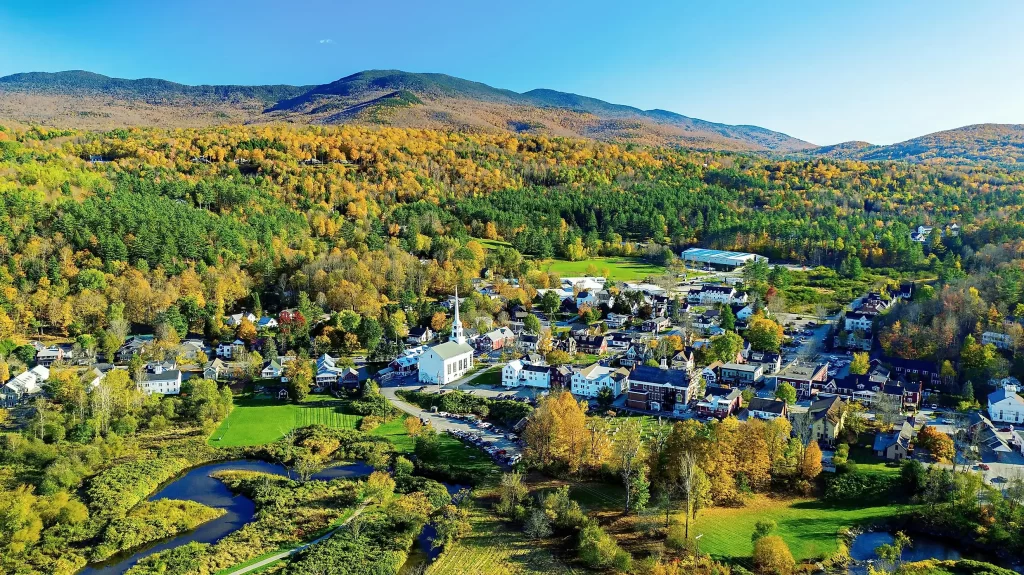
Nestled at the foot of Mount Mansfield, Vermont’s highest peak, Stowe is a charming alpine village renowned for its world-class skiing, vibrant fall foliage, and year-round outdoor adventures. Often dubbed the “Ski Capital of the East,” this picturesque New England town offers a blend of natural beauty, cultural heritage, and small-town charm. Whether you’re chasing powder in winter, hiking scenic trails in summer, or marveling at fiery autumn colors, Stowe is a must-visit destination.
Top Attractions
Green Mountain National Forest
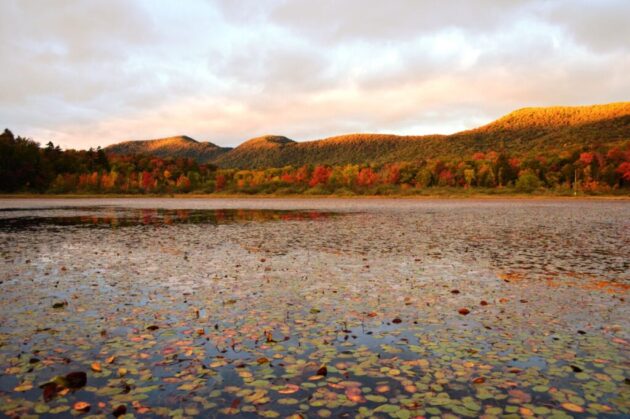
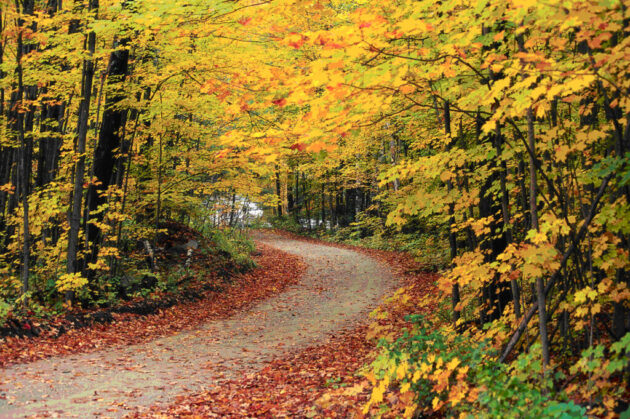
Nestled in the heart of Vermont, the Green Mountain National Forest spans over 400,000 acres across southwestern and central Vermont, offering a breathtaking blend of rugged mountains, dense forests, sparkling lakes, and vibrant fall foliage. Established in 1932, this forest is a haven for outdoor enthusiasts, with over 900 miles of trails, diverse wildlife, and year-round recreational opportunities.
Where to Eat
Burlington: Hen of the Wood offers upscale dining with dishes like maple-glazed pork ($30–$50). American Flatbread serves local flatbreads ($15–$25). Stowe: The Bistro at Topnotch combines mountain views with creative cuisine ($20–$40). Woodstock: Mon Vert Cafe is perfect for coffee and pastries ($5–$15).
Budget Options: General stores like The Vermont Country Store in Weston sell homemade fudge, cheeses, and snacks ($5–$10). Tip: Try a maple creemee (soft-serve ice cream) at places like Canteen Creemee in Waitsfield ($4–$6).
Where to Stay
Burlington: Hotel Vermont (modern, lake views, $200–$350/night) or Willard Street Inn (historic B&B, $150–$250/night). Stowe: Trapp Family Lodge (Austrian-inspired, $250–$500/night) or Green Mountain Inn (budget-friendly, $100–$200/night). Manchester: The Equinox Resort (luxury, $300–$600/night) or The Inn at Manchester (cozy B&B, $120–$220/night).
Budget: Camping at Smugglers’ Notch State Park ($20–$30/night) or Airbnb rentals ($80–$150/night). Tip: Book early for fall foliage and ski seasons, as prices soar and availability tightens.
Tips for a Great Visit
Dress for the Season: Bring layers for fall and winter, as temperatures can drop quickly. Waterproof boots are useful for spring hikes. Respect Nature: Follow Leave No Trace principles, especially when hiking or camping. Avoid picking plants or littering.
Plan for Limited Transit: Public buses (e.g., Green Mountain Transit) serve Burlington but are sparse elsewhere. Rent a car for flexibility. Cash for Small Businesses: Some general stores and markets prefer cash for small purchases.
Combine Destinations: Pair your trip with nearby attractions like the White Mountains (New Hampshire, 1-hour drive) or Adirondacks (New York, across Lake Champlain).
Final Thoughts
Vermont is a destination that captivates with its natural beauty, rich history, and warm hospitality. Whether you’re skiing down Killington’s slopes, savoring maple syrup in a sugarhouse, or driving through vibrant fall foliage, the Green Mountain State offers an authentic and rejuvenating escape. Plan your visit around the seasons, embrace the slower pace, and let Vermont’s charm leave you inspired.
Happy travels.