
Tulum Travel Guide (2026)
Tulum, perched on the edge of Mexico’s Riviera Maya, is a mesmerizing blend of ancient Mayan history, pristine Caribbean beaches, and eco-conscious luxury. Once a quiet backpacker haven, this coastal gem in Quintana Roo has evolved into a global hotspot for wellness seekers, adventure lovers, and digital nomads.
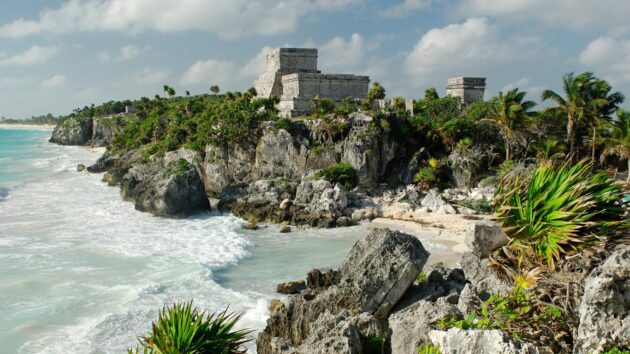
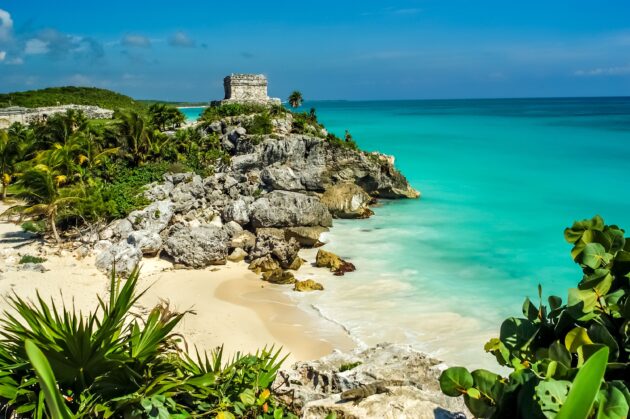
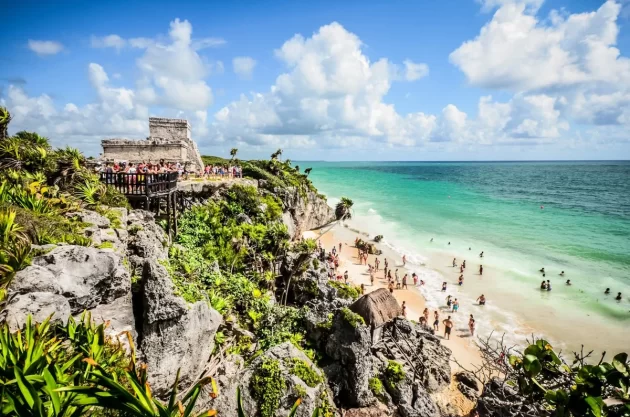
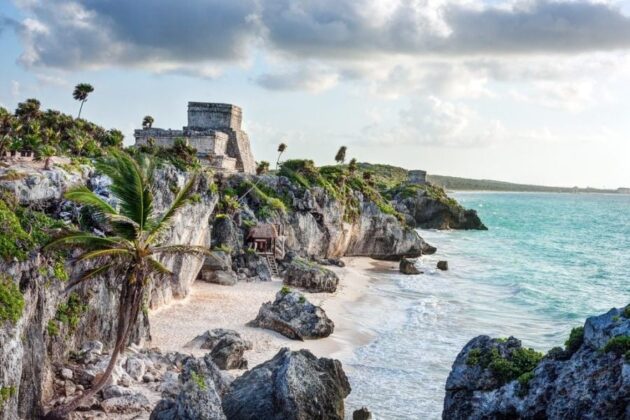
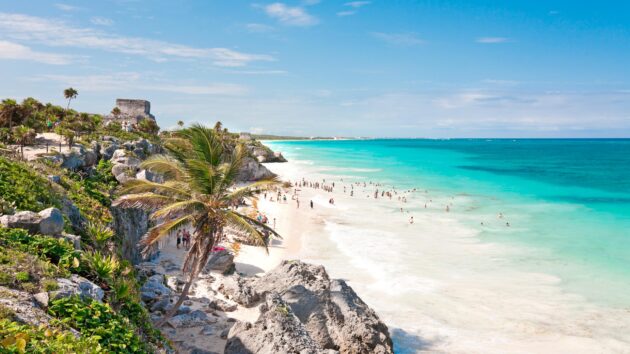
With its dramatic clifftop ruins overlooking turquoise waters, hidden cenotes, and lush jungles, Tulum offers an unforgettable escape. Whether you’re here for yoga retreats, snorkeling in the world’s second-largest coral reef, or sunset dinners at beachside palapas.
Why Visit Tulum?
Tulum captivates with its boho-chic vibe, where sustainability meets indulgence. It’s home to the iconic Tulum Ruins, a UNESCO World Heritage site, and the Sian Ka’an Biosphere Reserve, a UNESCO-protected paradise teeming with wildlife. Beyond the beaches, Tulum’s wellness scene thrives with yoga, temazcal ceremonies, and farm-to-table dining. It’s ideal for couples, solo adventurers, or families seeking a mix of relaxation and exploration—just be prepared for a touch of glamour amid the grit.
How to Get There
Tulum’s accessibility has skyrocketed with its new international airport, but options abound depending on your starting point:
By Air:
Tulum International Airport (TQO): Opened in late 2023, it offers direct flights from major hubs like Mexico City (1.5 hours, ~$50–$100 USD), New York (4 hours, ~$200–$400), Miami (2 hours, ~$150–$300), Los Angeles (5 hours, ~$250–$450), and Madrid (10 hours, ~$600–$900). Airlines include Aeroméxico, VivaAerobus, and American Airlines. From the airport, it’s a 20–30 minute taxi ride to town (~$20–$30 USD).
Cancun International Airport (CUN): The busiest gateway, 75 miles north (1.5–2 hours drive). Shuttles like ADO (~$15–$25 USD) or private transfers (~$80–$120) are reliable.
By Bus or Shuttle: From Cancun or Playa del Carmen, ADO buses run frequently to Tulum’s central station (1.5–2.5 hours, ~$10–$20 USD). Collectivo vans (shared taxis) are cheaper (~$5 USD) but more adventurous.
By Car or Rental: Rent a car at Cancun Airport for flexibility (~$30–$60/day). The drive along Highway 307 is scenic but watch for speed bumps and wildlife. Tulum town is car-free in parts, so park at your hotel.
By Train: The Maya Train (Tren Maya) connects Tulum to Cancun, Playa del Carmen, and beyond (inaugurated 2024). Tickets start at ~$5–$15 USD; check trenmaya.gob.mx for schedules.
Best Time to Visit
High Season (December–April): Peak dry season with sunny days (75–85°F/24–29°C) and minimal rain. Ideal for beach days and ruins visits, but expect crowds and premium prices (hotels up 50%).
Shoulder Seasons (November & May): Best balance—milder weather, fewer tourists, and deals (e.g., May post-spring break). November brings post-hurricane breezes.
Low Season (June–October): Hurricane risk peaks (June–November), with hot, humid days (85–95°F/29–35°C) and afternoon showers. Great for bargains (30–50% off accommodations), but pack rain gear and travel insurance.
Tickets and Opening Hours
Tulum Ruins: Open daily 8 AM–5 PM (last entry 4:30 PM). Tickets: 515 MXN (~$26 USD) total (90 MXN federal + 80 MXN state + 345 MXN INAH). Early mornings (8–10 AM) beat heat and crowds.
Cenotes: Vary by site (e.g., Gran Cenote: 8 AM–5 PM, 500 MXN/~$25 USD). Reservations recommended via apps like Klook. Sian Ka’an Tours: Book through CONANP; permits ~$5 USD.
General Tip: Use cash (pesos) for entry fees; cards accepted at hotels but not always at cenotes.
What to See and Do
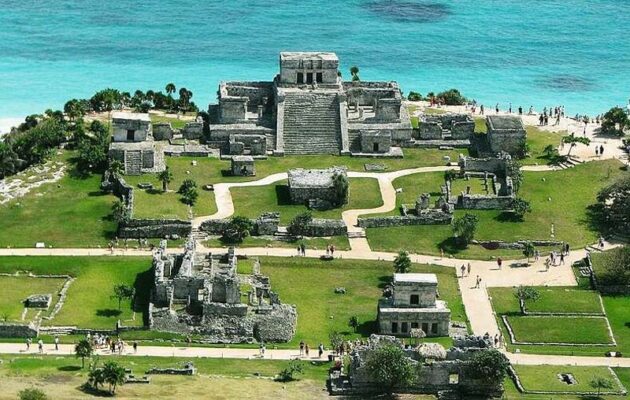
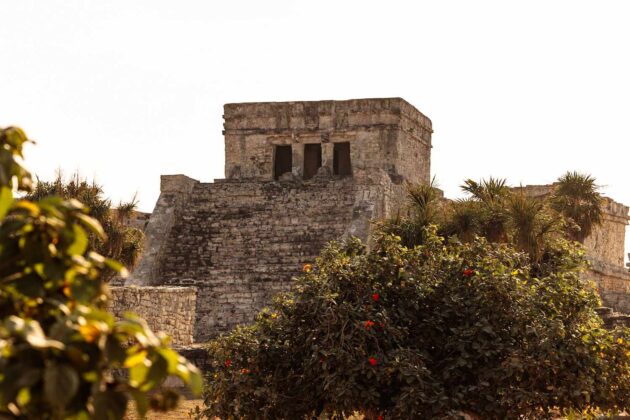
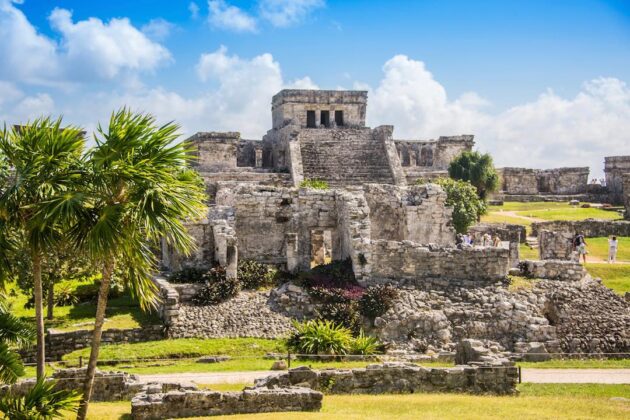
Tulum Archaeological Zone (Ruins): Perched on cliffs above the sea, these 13th-century Mayan structures (like El Castillo) offer stunning ocean views. Walk the 1-km path, learn about its role as a trade port, and descend to Playa Ruinas beach for a swim. Allow 1–2 hours; guided tours (~$20 USD) add context.
Cenotes (Natural Sinkholes): Swim in crystal-clear freshwater caves like Gran Cenote (snorkeling with turtles), Cenote Dos Ojos (diving paradise), or Cenote Calavera (cliff jumps). Entry: 300–600 MXN (~$15–$30 USD). Bring eco-friendly sunscreen; tours from ~$50 USD.
Beaches and Beach Clubs: Lounge at Playa Paraíso or Ziggy’s Beach Club (day passes ~$20–$50 USD). For seclusion, head to Soliman Bay. Snorkel the Mesoamerican Reef—rent gear (~$10 USD) or join boat tours (~$40 USD) for turtle spotting in Akumal (20 minutes north).
Sian Ka’an Biosphere Reserve: A 2,000+ sq mi UNESCO site with mangroves, lagoons, and wildlife (jaguars, manatees). Float the lazy river at Muyil (~$30 USD tour) or kayak through canals. Birdwatching tours highlight 300+ species.
Wellness and Adventure: Join yoga at Habitas Tulum or a temazcal (sweat lodge) ceremony (~$50–$100 USD). Hike in the jungle, bike the hotel zone (rentals ~$10/day), or day-trip to Cobá ruins (bike-and-climb adventure, ~$60 USD).
Itinerary Idea: Day 1: Ruins + beach. Day 2: Cenote hopping. Day 3: Sian Ka’an excursion. Relax the rest!
Where to Eat
Tulum’s scene fuses Mayan flavors with global twists—think fresh ceviche and vegan bowls. Reservations essential for dinner.
Budget (~$10–$20 USD): Taqueria La Eufemia (tacos on the beach) or food trucks at Palma Central park. Mid-Range (~$20–$40 USD): Hartwood (wood-fired seafood, book months ahead) or Arca (farm-to-table Mexican). Splurge (~$50+ USD): Noma-inspired Mezcalería (molecular gastronomy) or Gitano (jungle-chic cocktails). Vegetarian/Vegan: Raw Love (superfood bowls) or Matcha Mama (smoothies).
Tip: Dinner starts late (8 PM+); try sunset mezcal tastings. Water is safe in restaurants, but stick to bottled elsewhere.
Where to Stay
Tulum splits into Pueblo (town: affordable, walkable) and Zona Hotelera (beach zone: luxurious, boho). Book early—2025 sees more eco-resorts.
| Area | Style | Recommendation | Price/Night (USD) | Why Stay Here? |
|---|---|---|---|---|
| Pueblo | Budget/Hostel | Nomade Tulum | $50–$100 | Central, vibrant nightlife, easy access to town eats. |
| Pueblo | Mid-Range | Calea Tulum | $150–$250 | Modern apartments with kitchens in Aldea Zama; great for longer stays. |
| Zona Hotelera | Luxury | Be Tulum | $300–$500 | Eco-chic beachfront with plunge pools and yoga; quiet luxury. |
| Zona Hotelera | All-Inclusive | Dreams Tulum Resort | $400–$600 | Family-friendly with private beach and spa; new for 2025. |
Tip: Opt for eco-certified spots (e.g., solar-powered) to align with Tulum’s vibe. Airbnb in Aldea Zama offers value.
Tips for a Great Experience
Getting Around: Rent a scooter (~$15/day) or bike for the 5-km beach road; taxis/collectivos ~$5–$10 USD. No Uber, but Didi works. Safety: Tulum is safe but petty theft occurs—use hotel safes. Avoid isolated beaches at night; solo female travelers report positive experiences with common sense.
Sustainability: Use reef-safe sunscreen, skip single-use plastics, and support local artisans. Mosquito repellent is a must (DEET-based). Money-Saving Hacks: Travel off-peak, eat at taquerias, book tours via apps like Viator for 10–20% off. ATMs are plentiful; exchange USD for pesos.
Health: Yellow fever vaccine if from endemic areas; COVID rules lifted, but mask in crowds. Drink bottled water; pharmacies stock everything. Combine Trips: Base in Tulum for day trips to Playa del Carmen (north) or Bacalar Lagoon (south, 3 hours).
Final Thoughts
Tulum isn’t just a destination; it’s a state of mind—where ancient echoes meet modern mindfulness against a backdrop of powdery sands and electric-blue seas. In 2025, it’s more accessible and eco-focused than ever, promising transformative days and starry nights. Embrace the slow pace, disconnect from the digital world, and let Tulum’s spirit recharge you. Whether cliffside sunrise yoga or cenote dives, your adventure awaits.
¡Buen viaje! (Safe travels!)