
Mexico City Travel Guide (2026)
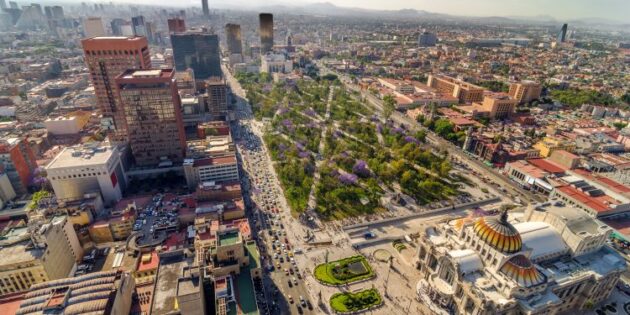
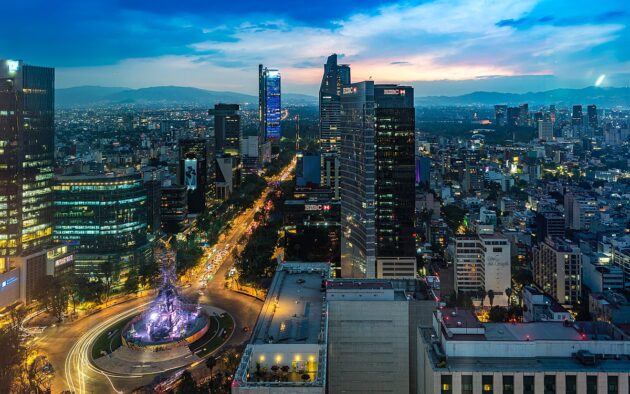
Mexico City, often called CDMX, is a vibrant metropolis where ancient Aztec roots blend seamlessly with colonial grandeur and modern urban energy. As the capital of Mexico and one of the world’s largest cities, it boasts over 21 million residents, world-class museums, street food that’s the envy of global capitals, and neighborhoods that pulse with art, culture, and cuisine.
Why Visit Mexico City?
Mexico City is a feast for the senses: devour tacos al pastor from street vendors, wander murals by Diego Rivera, or hike the pyramids of Teotihuacán at sunrise. It’s a UNESCO World Heritage site in its own right, with more museums than any other city globally (over 150) and a food scene that’s arguably the planet’s best—think Michelin-starred spots alongside humble taquerías.
How to Get There
Mexico City’s primary gateway is Benito Juárez International Airport (MEX), handling most international arrivals. Felipe Ángeles International Airport (AIFA) is a newer, budget option 30 miles north, but it’s less convenient for downtown access.
From the USA:
Flights: Direct non-stop flights from major hubs like New York (JFK, 5 hours, ~$200–$400 USD round-trip), Los Angeles (LAX, 4 hours, ~$150–$300), Chicago (ORD, 4.5 hours), and Houston (IAH, 2.5 hours) via airlines like Aeroméxico, Delta, United, and American. Budget carriers like Volaris offer deals under $100 one-way.
By Land: Drive or bus from border cities like Tijuana or El Paso (12–20 hours to CDMX via highways; ~$100–$200 USD for buses on ADO or Greyhound). A Temporary Vehicle Import Permit is required beyond the border zone (~$50 USD).
From Europe:
Flights: Direct from London (LHR, 11 hours, ~$600–$1,000 USD), Paris (CDG, 11 hours), Madrid (MAD, 11 hours), and Frankfurt (FRA, 12 hours) on Aeroméxico, British Airways, Air France, or Iberia. Connections via the US add 2–4 hours but can save $200+.
Arrival Tip: Use official airport taxis (white “Sitio” cabs, ~$20–$30 USD to downtown) or Uber (~$15–$25 USD). Avoid unsolicited offers.
Best Time to Visit
Mexico City’s high-altitude plateau (7,350 ft) means mild weather year-round: daytime highs of 72–83°F (22–28°C), cooler nights (43–57°F/6–14°C). Rainy season (May–October) brings afternoon showers but lush greenery; dry season (November–April) is sunnier.
Spring (March–May): Ideal—warm (77–81°F), blooming jacarandas, and festivals like Vive Latino (March) and Spring Equinox at Teotihuacán (March 21). Crowds build, but prices are reasonable.
Fall (September–November): Shoulder season with Día de los Muertos (Nov 1–2)—vibrant parades and altars. Fewer crowds post-rainy season, but Independence Day (Sept 16) amps up festivities.
Avoid: Peak summer (June–August) for humidity/rain; December–February for chillier temps and holiday crowds/prices.
Getting Around
CDMX’s traffic is legendary—opt for public transit or rideshares to save sanity.
| Mode | Cost (USD) | Pros | Cons | Best For |
|---|---|---|---|---|
| Metro | $0.25/ride | Cheap, fast, 12 lines covering 125 miles | Crowded (avoid rush hours 7–9 AM/5–8 PM), pickpocket-prone | Budget downtown hops |
| Metrobús/BRT | $0.40/ride | Above-ground, scenic routes (e.g., Reforma line) | Traffic delays | Sightseeing along Paseo de la Reforma |
| Uber/Didi | $3–$10/trip | Safe, app-based, English-friendly | Surge pricing in rain/peaks | Night outs, airport |
| Taxis | $3–$8/trip | Official green/white cabs via app | Unofficial ones overcharge | Short rides if no app |
| Bikes (EcoBici) | $0.50/hour | 6,800 bikes, 500+ stations | Traffic hazards | Eco-friendly in parks like Chapultepec |
| Tours/Walking | Varies | Guided food/art tours (~$30–$50) | N/A | Deep dives into neighborhoods |
Download the CDMX Metro app for real-time maps. Use a rechargeable Metro card (Tarjeta MIC, ~$2.50 initial). For day trips (e.g., Teotihuacán), buses from Norte Terminal (~$5–$10 USD, 1 hour) are reliable.
Where to Stay
Stay central for ease—aim for Roma, Condesa, or Polanco (walkable, trendy, safe). Budget: $30–$50/night; Mid-range: $70–$150; Luxury: $200+.
Roma/Condesa: Hip, tree-lined streets with cafes and galleries. Try Casa Decu (~$150/night) or H15 Condesa (~$100). Polanco: Upscale shopping/dining. Four Seasons Mexico City (~$400) or budget-friendly Nima Local House (~$80).
Centro Histórico: Budget immersion near Zócalo. Gran Hotel Ciudad de México (~$120, iconic views) or hostels like Downtown Beds (~$20). Coyoacán: Artsy, Frida vibes. Parador San José (~$90).
Book via Booking.com or Ctrip for deals; aim for places with 24/7 security.
Top Things to Do
Mexico City Metropolitan Cathedral
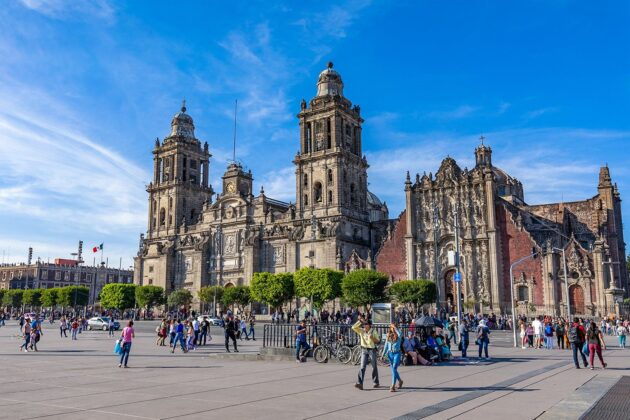
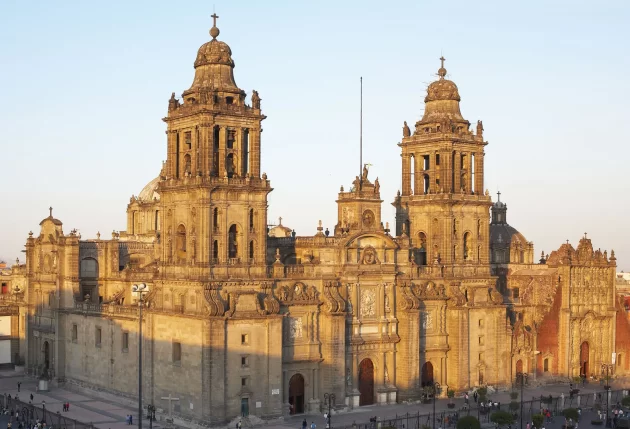
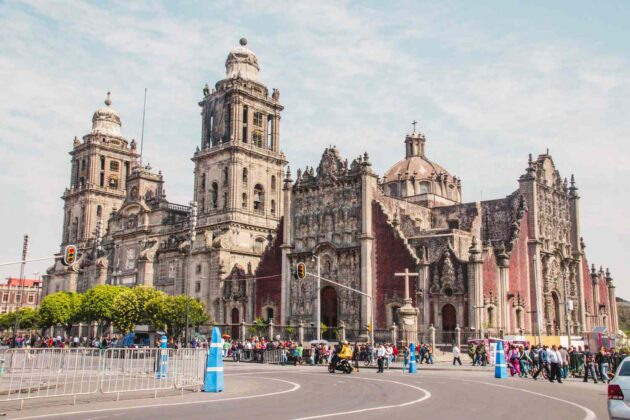
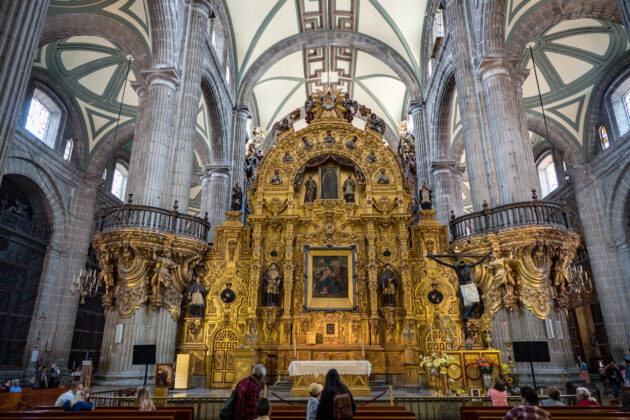
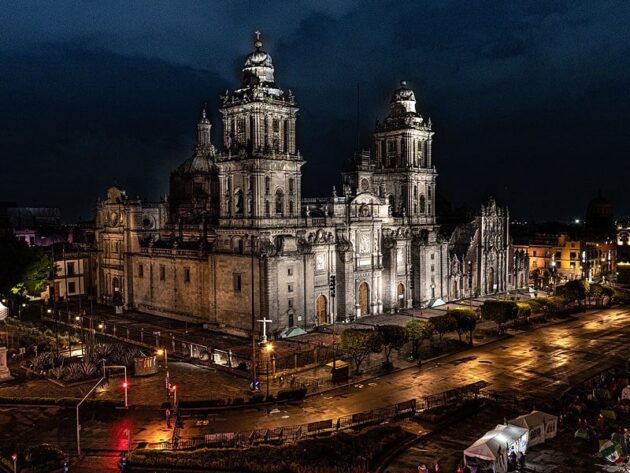
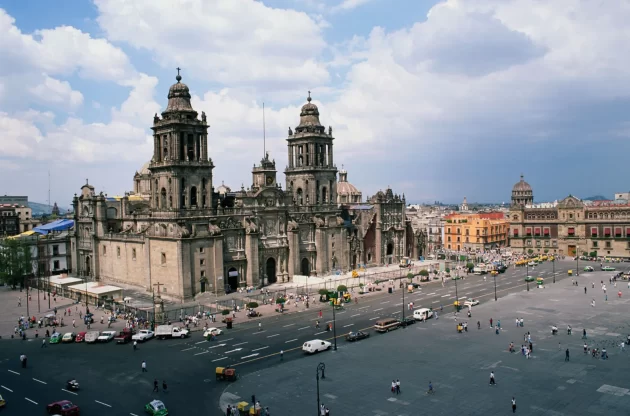
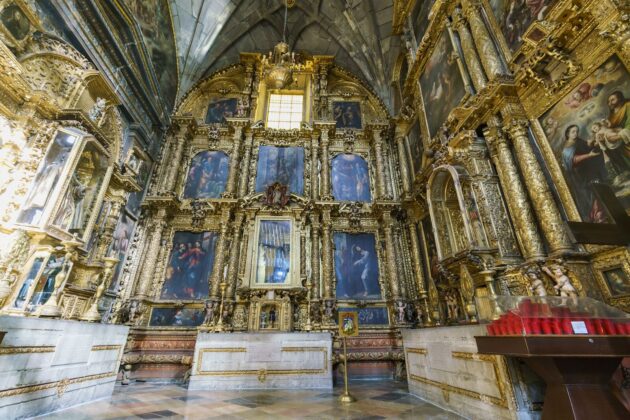
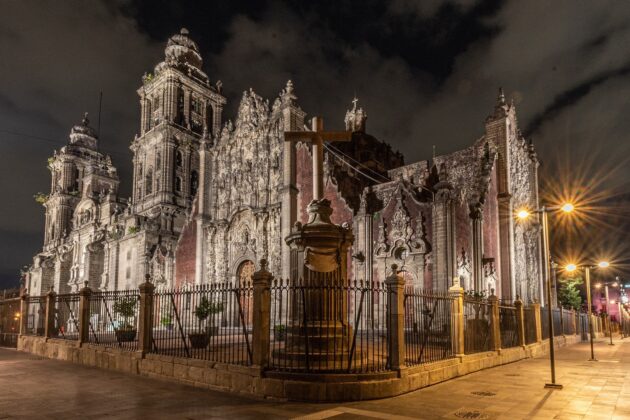
The Mexico City Metropolitan Cathedral (Catedral Metropolitana de la Asunción de María) is an iconic landmark in the heart of Mexico City, dominating the Zócalo, the city’s main plaza. As one of the oldest and largest cathedrals in the Americas, this architectural masterpiece blends Baroque, Renaissance, and Neoclassical styles, reflecting Mexico’s rich colonial history.
Museo Nacional de Antropología
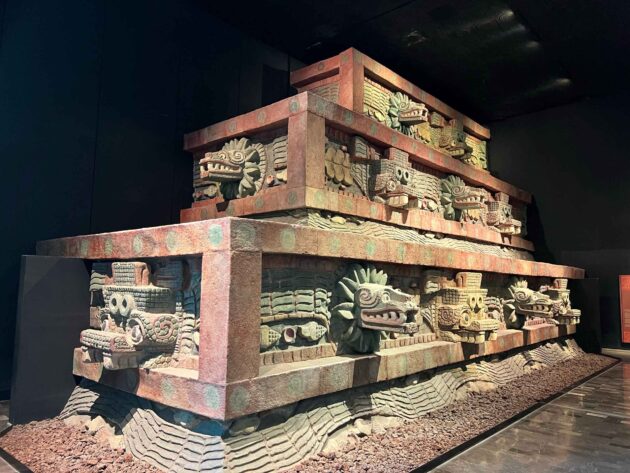
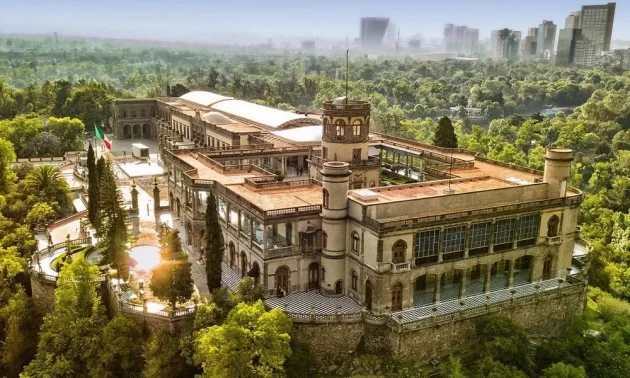
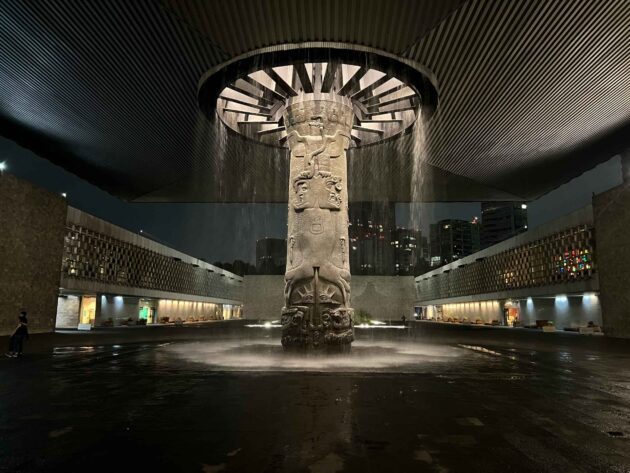
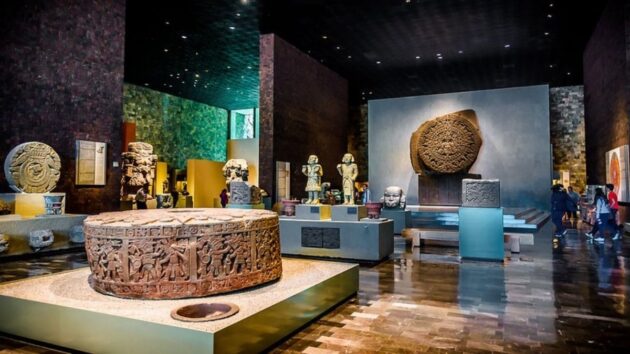
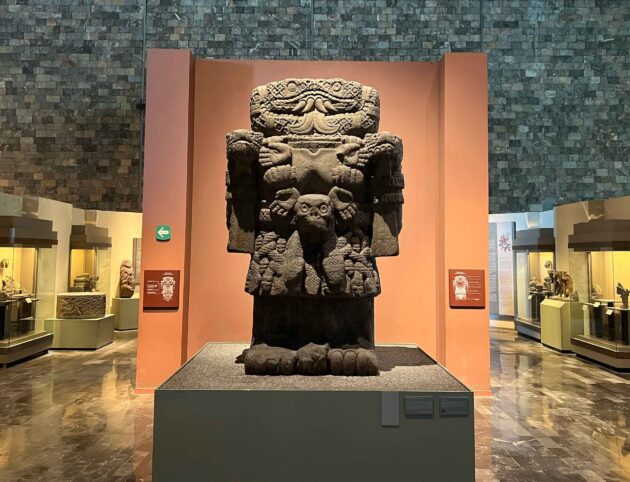
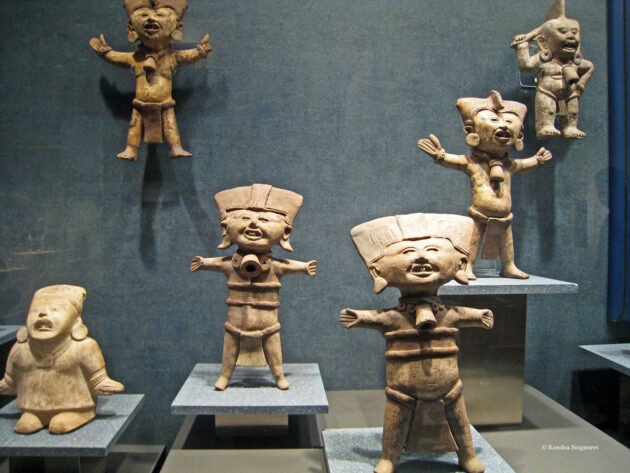
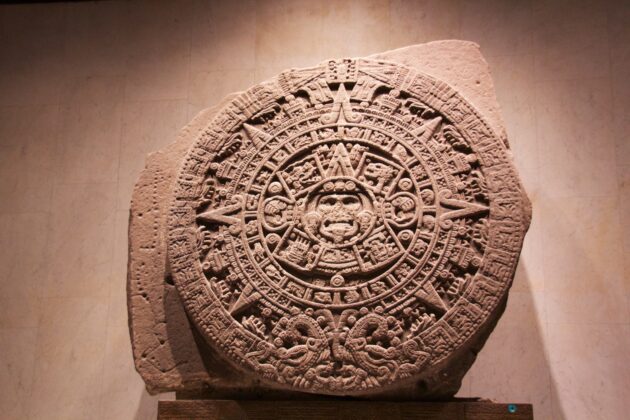
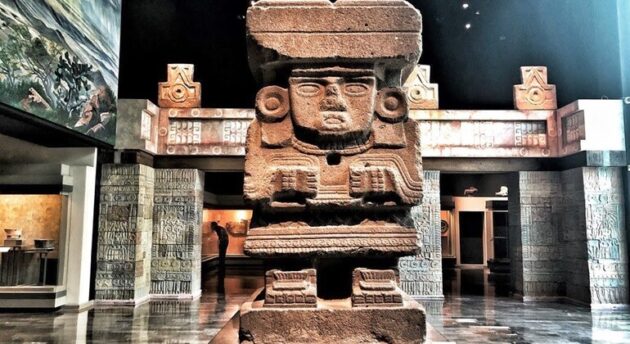
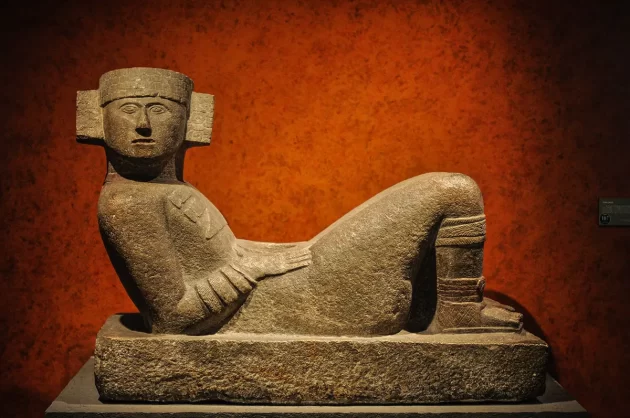
Nestled within the lush expanse of Chapultepec Park, the Museo Nacional de Antropología (National Museum of Anthropology) stands as Mexico City’s crown jewel and one of the world’s premier anthropological institutions. Opened in 1964, this architectural marvel—designed by Pedro Ramírez Vázquez—houses over 600,000 artifacts from Mexico’s pre-Columbian civilizations, spanning from ancient Olmecs to Aztecs and Maya.
Teotihuacán Pyramids
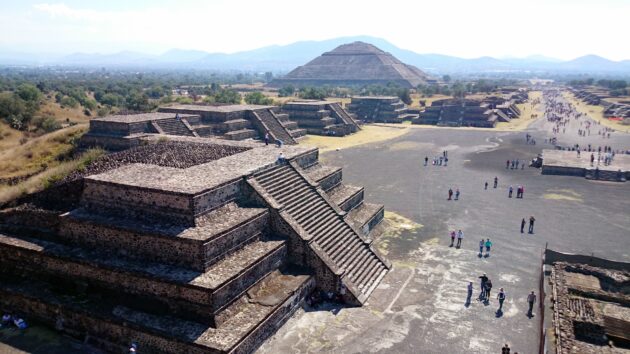
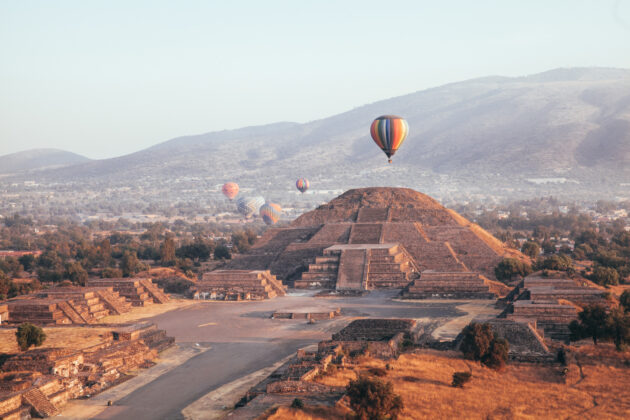
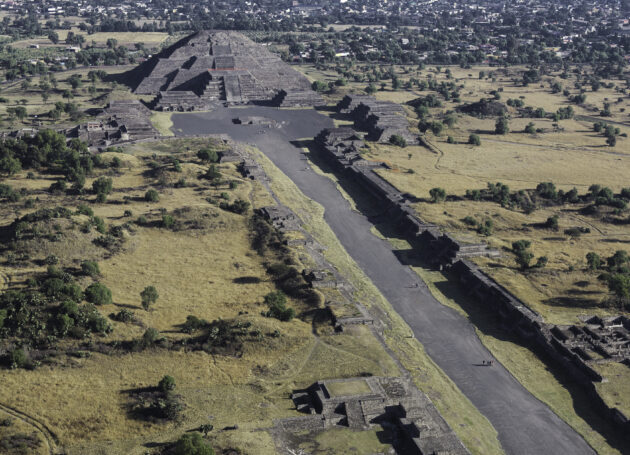
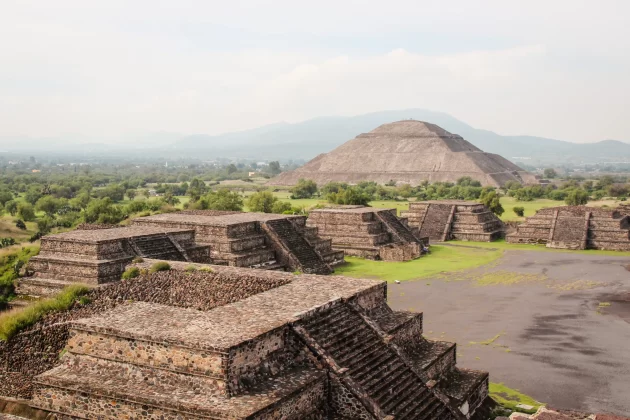
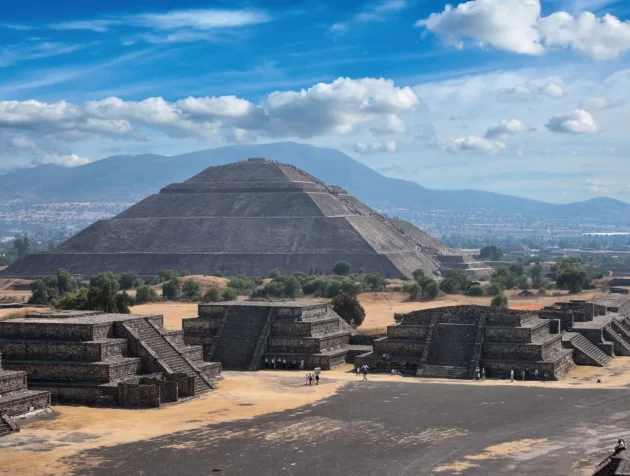
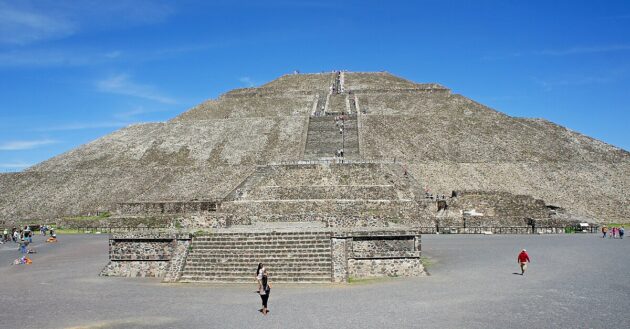
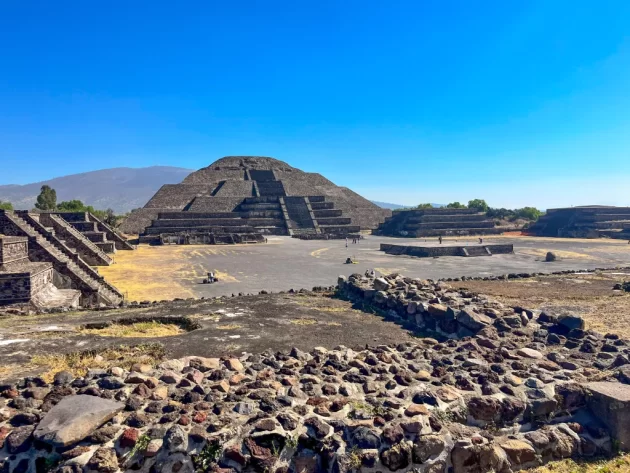
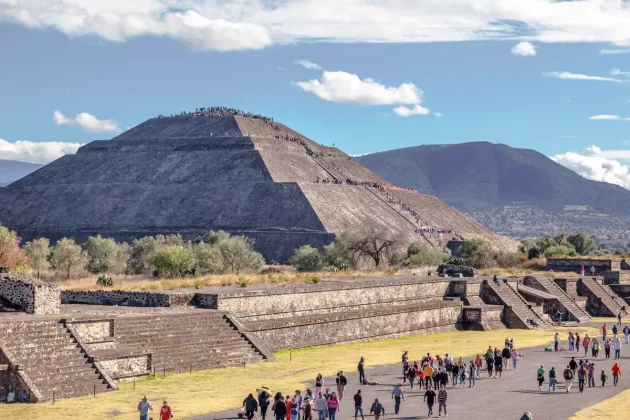
Rising majestically from the high plains northeast of Mexico City, the Teotihuacán Pyramids—often called the “City of the Gods”—stand as one of the most awe-inspiring archaeological sites in the world. This UNESCO World Heritage Site, dating back to around 100 BCE, was once a thriving metropolis of over 125,000 people, influencing Mesoamerican cultures for centuries.
Where to Eat and Drink
CDMX’s scene is legendary—street eats to fine dining. Daily budget: $10–$50 USD. Tip 10–15%.
Street Food: Tacos al pastor at El Califa de León (~$2–$5); tamales from vendors (~$1). Join a food tour in Roma (~$50). Markets: Mercado de San Juan for gourmet cheeses/seafood (~$10–$20 meals).
Restaurants: Pujol (Michelin-starred, ~$150 tasting menu, book 3 months ahead); Contramar for seafood (~$40). Drinks: Mezcal at Licorería Limantour (~$10 cocktails); coffee at Cardinal (~$3). Rooftop views at Mercado de la Roma.
Vegan/veggie options abound—try jackfruit tacos. Drink bottled water; eat peeled fruits.
Safety Tips
Mexico City is Level 2 (Exercise Increased Caution) per U.S. State Dept., mainly for petty crime like pickpocketing in tourist spots (Zócalo, Metro). Violent crime rarely affects tourists sticking to safe areas (Roma, Polanco, Condesa). Avoid Iztapalapa or Tepito at night.
Basics: Don’t flash valuables; use hotel safes. Download offline Google Maps and WhatsApp for communication. Transport: Uber over street taxis; avoid walking alone after dark. Scams: Beware fake police or overpriced “tours.” Use ATMs in banks.
Health: Altitude can cause headaches—hydrate, ease into activity. Tap water unsafe; get travel insurance for medical/evac (~$40/week). Emergencies: Dial 911 (English available). Tourist police (gray uniforms) patrol key sites.
Solo female travelers: Stick to well-lit areas; apps like Noonlight add security. Overall, millions visit safely yearly—common sense prevails.
Practical Information
Visa/Entry: U.S./EU/Canada citizens get 180 days visa-free; show return ticket. FMM form at immigration (digital in 2025 at major airports).
Currency: Mexican Peso (MXN; ~20:1 USD). Cards widely accepted; ATMs everywhere. Cash for markets. Language: Spanish dominant; English in tourist spots. Use Google Translate.
COVID/Health: Masks optional but recommended indoors. Vaccinations up-to-date; no yellow fever required. Apps: Uber, Citymapper, Duolingo (basics), XE Currency.
Final Thoughts
Mexico City isn’t just a destination—it’s a whirlwind of history, flavor, and resilience that hooks you from the first bite of elote. Embrace the altitude, the crowds, and the kindness of locals; wander off the beaten path, but with eyes open. Whether chasing Frida’s ghost or pyramid sunrises, CDMX delivers magic. Plan flexibly, eat adventurously, and you’ll leave craving more. ¡Buen viaje!
Safe travels!