
Teotihuacán Pyramids Travel Guide (2026)
Rising majestically from the high plains northeast of Mexico City, the Teotihuacán Pyramids—often called the “City of the Gods”—stand as one of the most awe-inspiring archaeological sites in the world. This UNESCO World Heritage Site, dating back to around 100 BCE, was once a thriving metropolis of over 125,000 people, influencing Mesoamerican cultures for centuries.
Home to the iconic Pyramid of the Sun and Pyramid of the Moon, Teotihuacán offers a profound glimpse into ancient mysteries, with its grand avenues, intricate carvings, and enigmatic decline around 550–600 CE.
Why Visit Teotihuacán Pyramids?
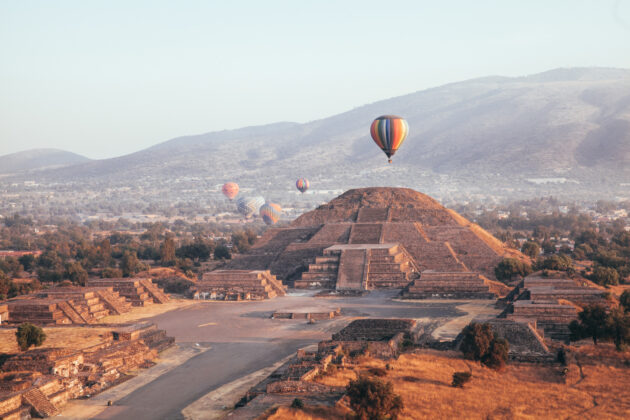
Teotihuacán is more than ruins—it’s a testament to human ingenuity, with structures aligned to celestial bodies like Orion’s Belt. The site’s sheer scale (over 200 platforms and temples) and preserved murals make it a highlight of any Mexico trip. Combine it with hot air balloon rides for ethereal aerial perspectives, or join a guided tour to decode its religious and architectural secrets. It’s an essential escape from Mexico City’s urban buzz, blending education, exercise, and epic sunrises.
How to Get There
Teotihuacán is about 50 km (31 miles) northeast of Mexico City, a 45–60 minute journey depending on traffic. Public transport is budget-friendly, but tours offer convenience.
By Public Bus: From Mexico City’s Terminal Central del Norte (Autobuses del Norte), take a direct bus to “Pirámides” (every 15–20 minutes from 5 AM). The ride costs ~MXN 70 (USD 3.50) one way and takes 45–60 minutes. Buses drop you at Gate 1 (main entrance). Return from Gate 2. Total round-trip cost: ~MXN 146 (USD 7.60).
By Guided Tour: Book a half-day tour from Mexico City via Viator or TripAdvisor (~USD 30–50/person), including transport, entry, and a guide. Early morning departures avoid crowds and heat.
By Taxi or Ride-Hailing (Uber/Didi): From central Mexico City (e.g., Zócalo), expect a 45-minute ride costing MXN 500–800 (USD 25–40) one way. Safer and more flexible for groups.
By Car: Drive via the México-Pirámides Highway (free tolls). Parking at the site costs MXN 50 (USD 2.50). Use Waze or Google Maps for navigation.
Tip: Opt for early arrival (before 9 AM) to beat crowds and heat. Taxis from the site back to the city are readily available.
Best Time to Visit
Spring (March–May): Mild weather (20–25°C/68–77°F) and blooming cacti make it ideal. Avoid spring break crowds. Fall (September–November): Cooler temps (15–25°C/59–77°F) and fewer tourists post-summer.
Early Morning (Sunrise): The best for hot air balloon rides and golden-hour photos, with minimal crowds. Avoid: Midday summer (June–August, up to 35°C/95°F with humidity) or rainy season afternoons. Weekends see more local visitors.
Tickets and Opening Hours
Opening Hours: Daily 9:00 AM–5:00 PM (last entry 4:00 PM). Closed on Mondays for maintenance.
Ticket Prices: General admission: MXN 90 (USD 4.50) for foreigners; MXN 45 (USD 2.25) for Mexicans. Includes access to the entire site, museum, and murals. Free for children under 13 and seniors (60+ with ID).
Booking: Purchase on-site or online via the INAH website to skip lines. Combo tickets with nearby sites (e.g., Basilica of Guadalupe) available through tours.
Note: No drones or climbing allowed; audio guides (~MXN 100) or apps like SmartGuide provide self-guided insights.
What to See and Do
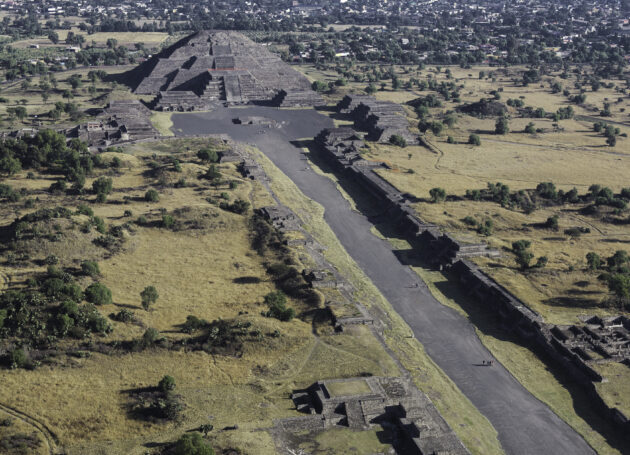
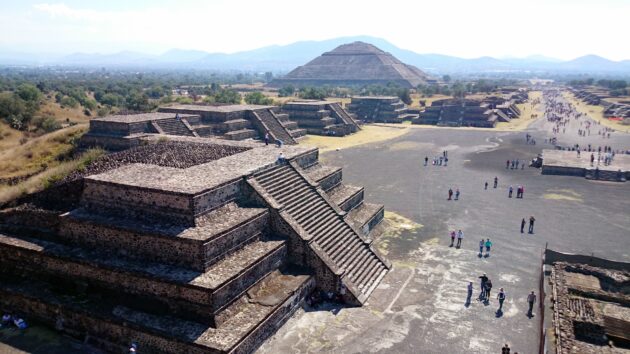
Teotihuacán spans 4 square km, centered on the 2.5 km (1.5-mile) Avenue of the Dead. Allow 3–4 hours to explore.
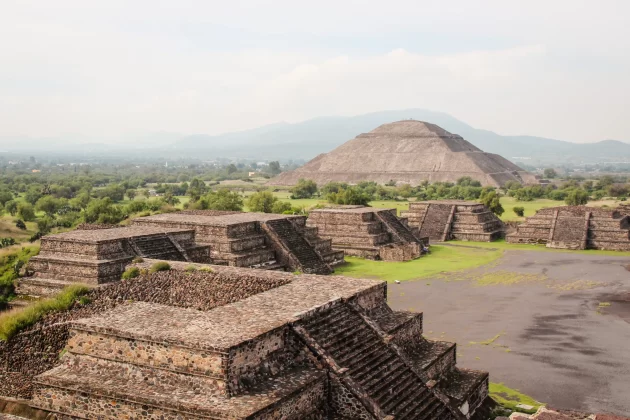
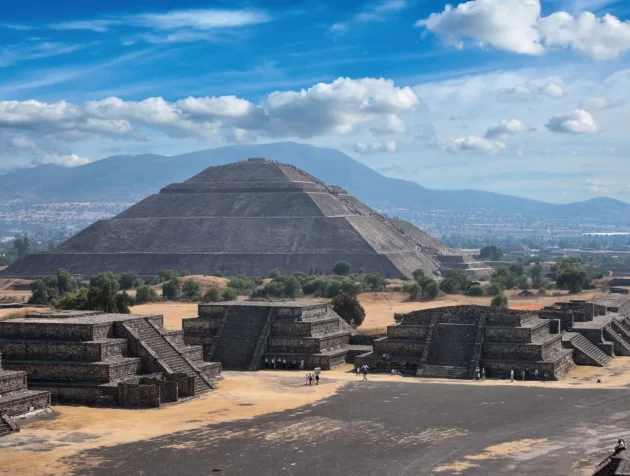
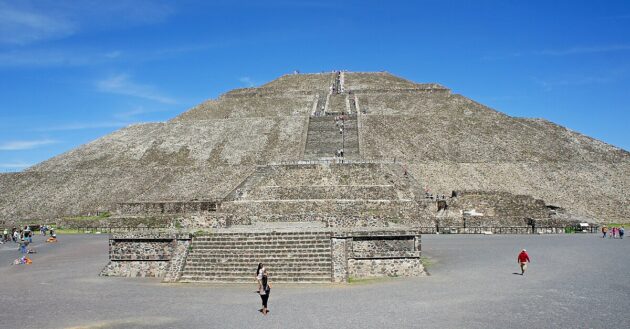
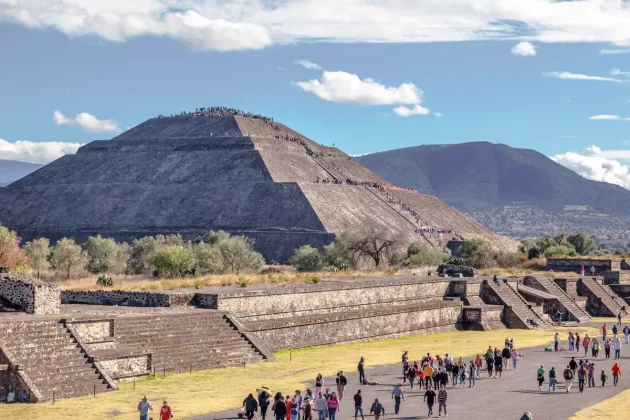
Pyramid of the Sun: The largest (65 m/213 ft tall), this monumental structure dominates the skyline. Though unclimbable, walk its base for 360° views and ponder its underground chambers.
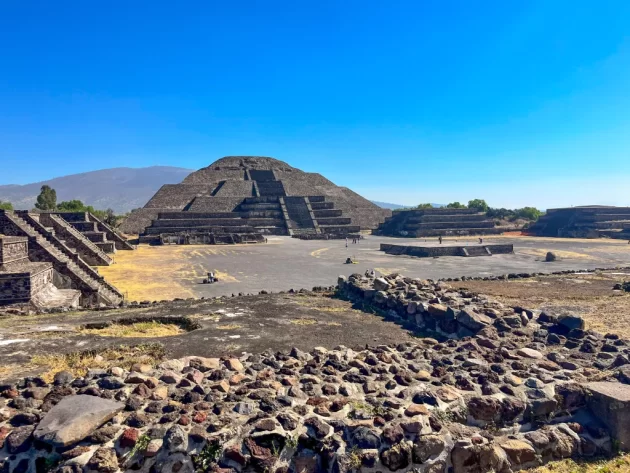
Pyramid of the Moon: At the avenue’s northern end (43 m/141 ft tall), it overlooks plazas and altars. Ascend nearby platforms for panoramic vistas of the site.
Temple of the Feathered Serpent (Quetzalcoatl): A highlight with 365 carved serpent heads symbolizing the calendar. Excavated in the 1980s, it’s adorned with vibrant murals.
Ciudadela and Murals: The massive plaza features restored frescoes depicting jaguars and deities. The on-site Museum of Teotihuacán (included in ticket) displays artifacts like obsidian tools.
Unique Experiences: Hot Air Balloon Ride: Soar over the pyramids at dawn (~USD 150–200/person via Sky Balloons or Volare). Bike Tour: Rent bikes (~MXN 100/hour) to cover the grounds quickly. Sound & Light Show: Evening performances (Fridays–Sundays, ~MXN 200) illuminate the site with storytelling.
Family Tip: For kids, focus on the “Palace of the Butterflies” murals and interactive museum exhibits.
Where to Eat
On-Site: Vendors sell tacos, elotes (corn), and fresh juices (~MXN 50–100/meal). The museum cafe offers shaded seating with basic Mexican fare.
Nearby in San Juan Teotihuacán: Post-visit, try La Gruta (underground cave restaurant, ~MXN 300/person) for mole and live music, or street stalls for affordable antojitos. In Mexico City: Return for dinner in Condesa or Roma neighborhoods.
Tip: Bring water and snacks—options are limited, and the site has no major restaurants.
Where to Stay
Luxury: Four Seasons Mexico City (central, ~USD 400/night) with spa access. Mid-Range: Hotel Histórico Central (near Zócalo, ~USD 150/night) for colonial charm. Budget: Hostel Mundo Joven Catedral (~USD 20/night) in the historic center.
Overnight Option: Stay at Hotel Boutique Casa Maqueo in San Juan Teotihuacán (~USD 100/night) for a quieter, immersive experience.
Book via Booking.com; aim for places with easy bus access.
Tips for a Great Visit
Dress & Pack: Comfortable shoes for uneven terrain, hat, sunscreen, and a reusable water bottle. Light layers for variable weather. Guides: Hire one on-site (~MXN 500/group) or use apps for self-guided tours—essential for context on the site’s mysteries. Safety: The site is safe, but stick to marked paths and watch for pickpockets in crowds. Use reputable transport.
Sustainability: No littering—help preserve this UNESCO gem. Download offline maps to reduce data use. Combine Trips: Pair with the Basilica of Guadalupe (en route) or Tula ruins for a multi-day itinerary. Accessibility: Wheelchair-friendly paths exist, but some areas are steep; inquire about rentals.
Final Thoughts
Teotihuacán Pyramids transport you to a lost world of gods and giants, where every stone whispers ancient tales. Even without climbing, the site’s energy and scale leave an indelible mark—enhanced by a sunrise balloon flight or sunset stroll. Venture beyond Mexico City’s streets to this eternal city, and let its pyramids redefine your sense of history.
¡Buen viaje! (Safe travels!)