
A Travel Guide to Zona Arqueológica de Monte Albán (2026)
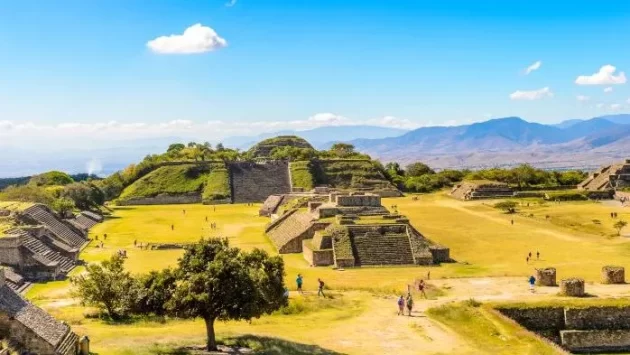
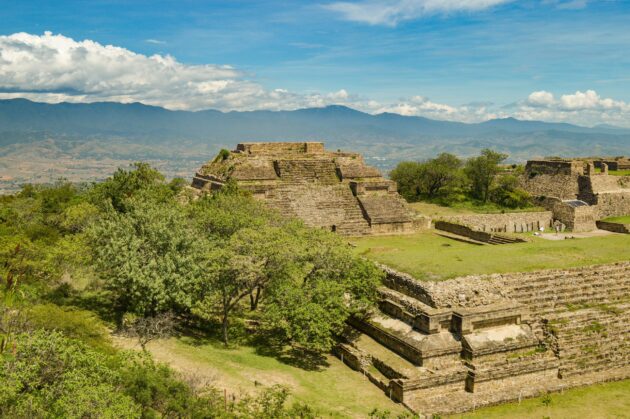
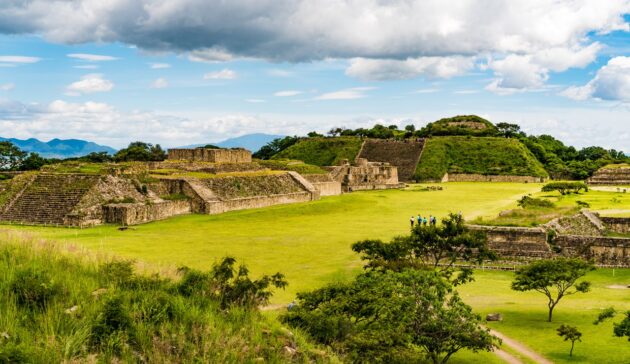
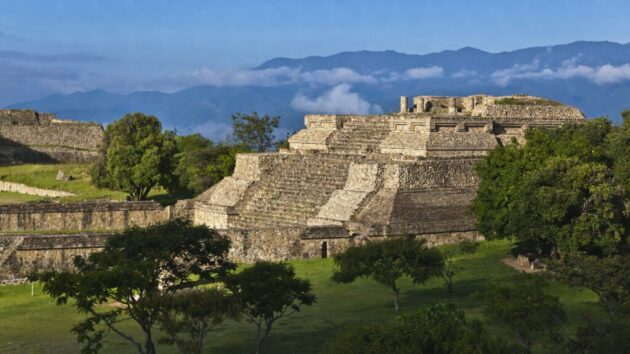
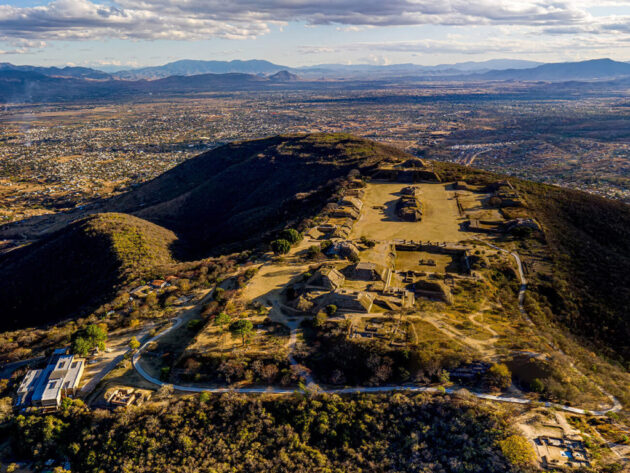
Perched atop a flattened mountaintop in the Valley of Oaxaca, the Zona Arqueológica de Monte Albán is one of Mexico’s most captivating pre-Columbian sites and a UNESCO World Heritage Site since 1987. This ancient Zapotec capital, dating back over 2,500 years, offers stunning panoramic views, intricate stone carvings, and insights into the sophisticated civilizations of the Zapotecs and Mixtecs. Less crowded than Chichén Itzá or Teotihuacán, Monte Albán provides a serene yet profound journey through Mesoamerican history, making it an essential stop for history buffs, photographers, and nature lovers alike.
Why Visit Monte Albán?
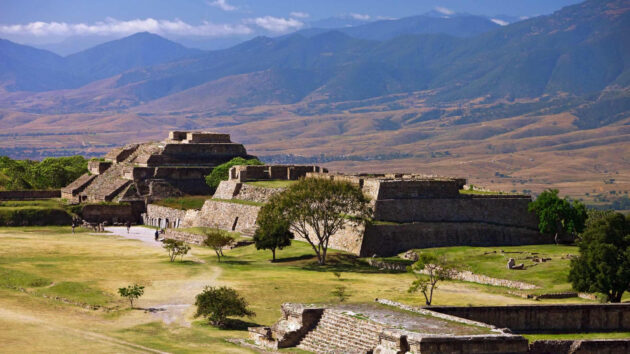
Monte Albán stands out for its architectural ingenuity—the Zapotecs leveled a 400-meter-high ridge to create a ceremonial center that once housed up to 20,000 people. It’s a testament to early urban planning, astronomy, and art, with structures like the “Danzantes” (dancer) slabs depicting conquered enemies or ritual figures. The site’s elevation rewards visitors with breathtaking vistas of the Oaxaca Valley, especially at sunset. As a hub of cultural exchange (influencing and influenced by Teotihuacán), it highlights the interconnectedness of ancient Mesoamerica.
How to Get There
Monte Albán is just 8–10 km (5–6 miles) west of Oaxaca City, making it an easy half-day trip.
From Oaxaca City Center: By Taxi: The most convenient option, costing around MXN 200–300 round-trip (about $10–15 USD). Agree on the price upfront and request a wait time (1–2 hours). Taxis are readily available at the Zócalo or major hotels. By Tourist Bus: Affordable and frequent, departing hourly from Oaxaca’s second-class bus terminal (from 8:00 AM to 3:00 PM; returns 10:30 AM to 5:00 PM). Round-trip fare: MXN 120 ($6 USD). Buses drop you right at the entrance. By Colectivo (Shared Van): Budget-friendly (MXN 20–30 one-way) from the central market or bus station, but less predictable—confirm it goes to “Monte Albán.”
By Guided Tour: Many operators offer half-day tours from Oaxaca City, including transport, entry, and a bilingual guide (MXN 500–800 per person, or $25–40 USD). Book via Viator or GetYourGuide for hassle-free options with hotel pickup. By Car: Rent a car in Oaxaca (from $30 USD/day) and follow the paved “Dr. Ignacio Bernal” road west from the city, crossing the Atoyac River. Parking is available on-site for MXN 50 ($2.50 USD).
Travel Time: 20–30 minutes from Oaxaca City. No direct access from Mexico City (a 6–7 hour drive or flight to Oaxaca).
Best Time to Visit
Monte Albán is open year-round, but timing matters for weather and crowds.
Dry Season (November–April): Ideal for clear skies and mild temperatures (15–25°C/59–77°F). Spring (March–May) brings wildflowers, while autumn (September–November) offers fewer tourists. Peak Season: Avoid Mexican holidays like Día de Muertos (late October–early November) or Semana Santa (March/April) for smaller crowds. Sundays are free for Mexican residents, so expect locals.
Daily Hours: 8:00 AM–5:00 PM (last entry 4:30 PM). Arrive early (before 10:00 AM) to beat heat and tour groups; sunset visits (around 6:00 PM in summer) are magical but require advance planning. Weather Tip: Oaxaca’s highlands can be breezy and cooler than the lowlands—pack layers. Rainy season (May–October) brings afternoon showers but lush greenery.
Tickets and Opening Hours
Hours: Daily, 8:00 AM–5:00 PM. The on-site museum closes at 4:30 PM.
Entry Fees (2026): General Admission: MXN 90 ($4.50 USD) per adult—includes the site, museum, and all structures. Free for children under 13, seniors (60+ with ID), and Mexican students/teachers. Combo with nearby sites (e.g., Atzompa): Available for MXN 100–150.
Booking: Tickets are purchased on-site (cash or card). For tours, book online in advance. INAH (Mexico’s archaeology institute) manages the site; check their app for updates on any reconstruction (minor work ongoing in 2025, but core areas remain open).
What to Do
Exploring Monte Albán takes 1–2 hours on foot—the site is compact (6.5 sq km core area) but hilly. Wear sturdy shoes for uneven terrain.
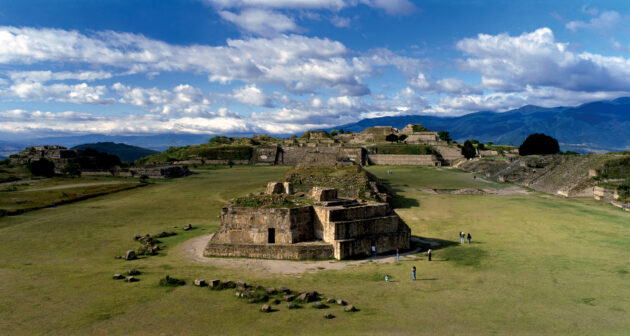
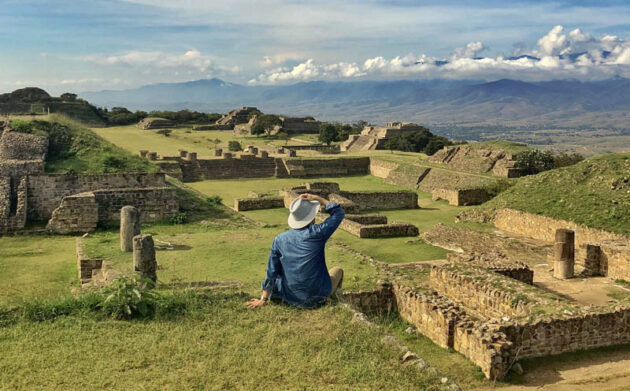
Main Plaza and Platforms: The heart of the site: A vast, leveled courtyard flanked by temples, palaces, and observatories. Climb the North and South Platforms for 360° valley views.
Building J (The Observatory): An arrowhead-shaped structure aligned with celestial events, showcasing Zapotec astronomy. It’s one of Mesoamerica’s earliest known observatories.
The Danzantes Gallery: Intricate bas-reliefs of “dancers” (likely conquered warriors) on Building A— a highlight for their detailed carvings dating to 500 BC.
Tombs and Ball Court: Descend into Tomb 7 (discovered in 1931, filled with Mixtec treasures now in museums). The ball court hints at ritual games central to Zapotec life.
On-Site Museum: At the entrance, featuring artifacts like jade masks, pottery, and models of the city. Excellent English/Spanish exhibits explain the site’s phases (Monte Albán I–III, 500 BC–800 AD).
Guided Experiences: Hire a local guide at the entrance (MXN 300–500 for 1 hour) or join a tour for deeper insights into Zapotec cosmology and conquest slabs.
Pro Tip: Download the INAH audio guide app for self-paced narration.
Where to Eat
Options are limited on-site to maintain the site’s tranquility—focus on Oaxaca City for meals.
On-Site: A small cafe near the entrance sells snacks, water, and Oaxacan coffee (MXN 20–50). Pack a picnic for shaded spots in the plaza. Nearby in Oaxaca: Return for authentic eats like tlayudas (crispy tortillas) at Mercado Benito Juárez or mole negro at Casa Oaxaca (MXN 150–300 per meal). Tour Perks: Many guided tours include stops at local spots for mezcal tastings or chocolate workshops.
Where to Stay
Base yourself in Oaxaca City (10 km away) for easy access—it’s vibrant with colonial charm.
Luxury: Quinta Real Oaxaca (historic convent-turned-hotel, from $250 USD/night) or Casa Oaxaca (rooftop views, $200 USD). Mid-Range: Hotel Casa Antigua (central, pool, $100–150 USD) or Posada de la Olla (boutique, $80–120 USD). Budget: Hostels like Black Sheep Hostel ($20–40 USD) or Airbnbs in the historic center ($50 USD).
Booking Tip: Use Booking.com or Airbnb; book early for peak seasons.
Tips for a Great Experience
What to Bring: Sunscreen, hat, reusable water bottle, and binoculars for distant views. No drones or large bags allowed inside. Accessibility: Paths are mostly flat but with steps; wheelchairs available on request, though not fully ADA-compliant.
Combine Visits: Pair with Atzompa ruins (2 km north) or Hierve el Agua (day trip) for a full Oaxaca itinerary. A combo tour saves time. Cultural Respect: No touching structures; photography is allowed without flash. Support locals by buying crafts from vendors outside.
Safety: The site is safe, but stick to marked paths. Oaxaca City has petty theft risks—use ride-hailing apps like Uber. Sustainability: Use eco-friendly sunscreen to protect the site’s environment.
Final Thoughts
Zona Arqueológica de Monte Albán isn’t just ruins—it’s a window into the ingenuity of ancient Oaxaca, where mountains were reshaped and stars guided empires. With its uncrowded paths and sweeping vistas, it’s a peaceful antidote to Mexico’s busier sites. Whether hiking the platforms at dawn or pondering the Danzantes at dusk, this Zapotec masterpiece will leave you inspired. Plan a morning visit, linger in the museum, and let the valley’s whispers transport you back in time.
Safe travels and ¡buen provecho!