
A Travel Guide to Mérida (2026)
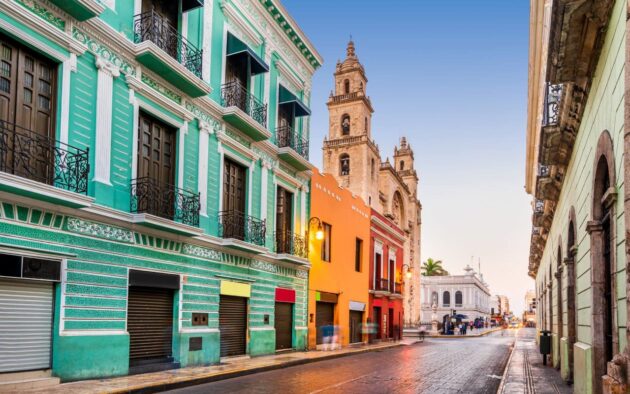
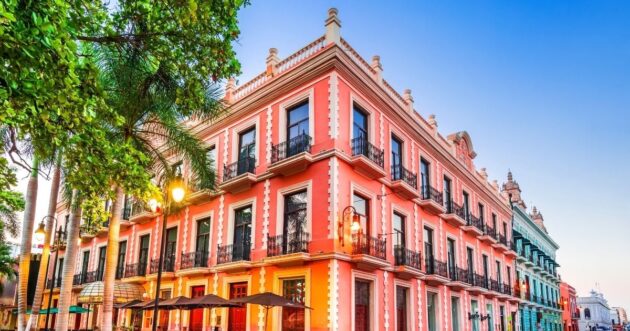
Nestled in the heart of Mexico’s Yucatán Peninsula, Mérida is the vibrant cultural capital of the Yucatán state, blending colonial elegance with ancient Mayan heritage. Founded in 1542 by Spanish conquistadors on the ruins of the ancient city of T’ho, this “White City” boasts pastel-hued mansions, lively plazas, and a thriving arts scene. As one of Mexico’s safest cities, Mérida offers a relaxed antidote to the crowded Riviera Maya beaches, with easy access to cenotes, ruins, and flamingo-filled reserves. Whether you’re exploring cobblestone streets or day-tripping to Chichén Itzá, this guide will help you craft an unforgettable adventure.
Why Visit Mérida?
Mérida captivates with its fusion of history, cuisine, and nature. Wander through UNESCO-worthy colonial architecture, savor Yucatecan specialties like cochinita pibil (slow-roasted pork), and dive into crystal-clear cenotes. It’s a hub for cultural festivals, from the January Mérida Fest to November’s Día de los Muertos celebrations. Ideal for history buffs, foodies, and eco-travelers seeking authenticity over all-inclusives.
How to Get There
Mérida International Airport (MID) is 10 km (6 miles) southwest of the city center, with direct flights from major U.S. hubs like Houston, Dallas, and Miami, as well as Mexico City (1.5–2 hours). Airlines like Aeroméxico, VivaAerobus, and United operate frequently.
From Cancún (3.5–6 hours): The new Tren Maya train (inaugurated 2024) runs direct for ~$45 USD one-way, taking 3.5 hours. ADO buses depart every 30 minutes (~$20–30 USD, 4–6 hours due to construction). Rent a car for flexibility (toll roads add ~$20 USD).
From Mexico City (2–3 hours): Direct flights are the fastest; buses via ADO take 18–20 hours (~$80 USD). From Playa del Carmen or Tulum (4–5 hours): ADO buses or shuttles (~$25–40 USD).
By Road: Highway 180 from Cancún or Campeche; taxis from the airport to downtown cost ~$15–20 USD.
Once there, the historic center is walkable; use colectivos (shared vans, ~$1 USD) or Uber for outskirts.
Best Time to Visit
The optimal window is late October to March, when temperatures hover at 80–84°F (27–29°C) daytime highs with low humidity and minimal rain—perfect for outdoor exploration. December–January are coolest (night lows ~64°F/18°C) but peak season, so book ahead for holidays like Christmas markets.
Spring (March–May): Balmy and dry, but April–May hits 100°F (38°C); great for Easter festivals. Summer (June–August): Rainy afternoons (1–2 hours daily), but lush greenery and lower prices; weekends see locals fleeing to beaches. Fall (September–November): Hurricane season tails off by late October; catch Feria de Xmatkuil (state fair, early November) or Noche Blanca arts festival.
Avoid June–October for heavy rains, though storms pass quickly. In 2025, expect Tren Maya enhancements boosting access during high season.
Tickets and Opening Hours
Most attractions are affordable and centrally located. Entry fees range from free (plazas) to $10–15 USD (museums/ruins).
General Hours: Sites open 8 AM–5 PM; markets and plazas 24/7. Mérida Fest (January): Free events citywide. Tren Maya: Tickets ~$20–50 USD per segment; book via official app. Cenote Tours: $20–40 USD, including transport.
Buy combo tickets for ruins via INAH (Mexico’s archaeology institute) apps. No visas needed for U.S./EU citizens (up to 180 days); show proof of onward travel.
What to See and Do
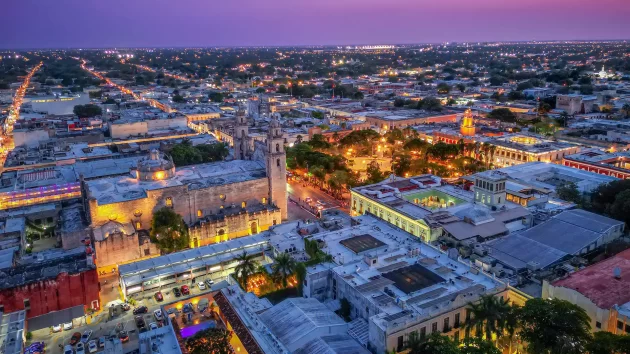
Mérida’s highlights mix urban charm with day-trip adventures. Focus on the Centro Histórico (UNESCO candidate) for a 3-day itinerary.
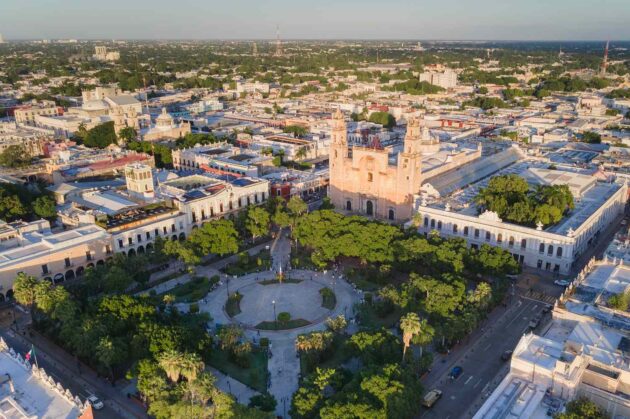
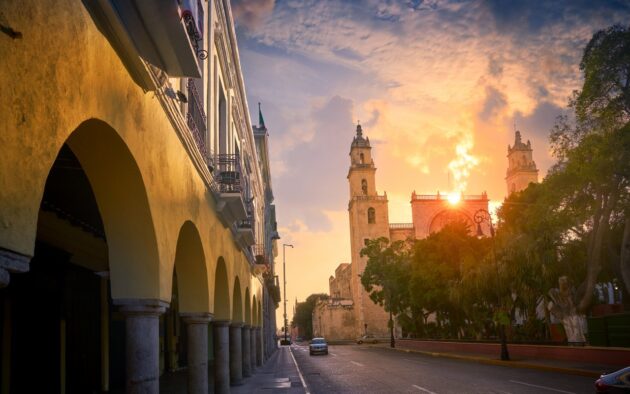
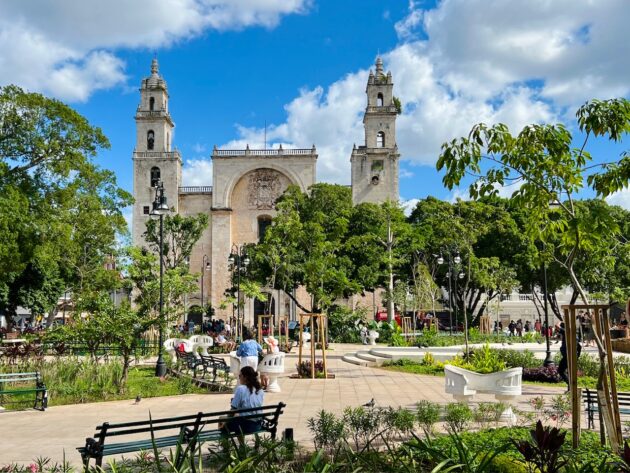
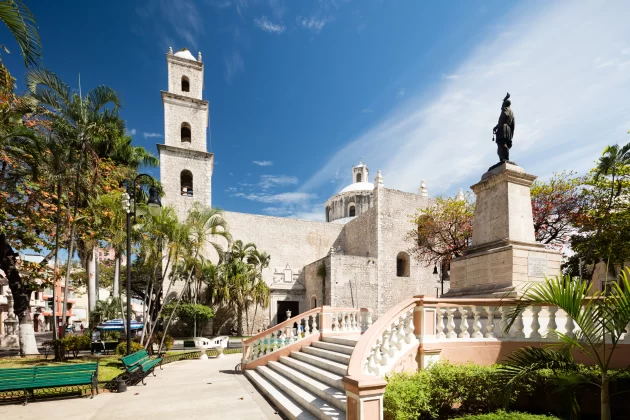
Plaza Grande (Plaza de la Independencia): The beating heart of Mérida, shaded by laurel trees. Surroundings include the 16th-century Catedral de San Ildefonso (oldest in mainland Americas, free entry) and Palacio Municipal. Catch free Monday Vaquería dances (9 PM).
Paseo de Montejo: Stroll this Champs-Élysées-like boulevard lined with 19th-century mansions. Tour Palacio Cantón (Mayan museum, $5 USD) or rent bikes (~$5 USD/hour).
Gran Museo del Mundo Maya: Dive into Mayan artifacts and interactive exhibits ($10 USD). A must for understanding Yucatán’s roots.
Mercado Lucas de Gálvez: Chaotic, colorful market for street food like panuchos (fried tortillas with beans) and fresh produce. Haggle for huipiles (embroidered blouses).
Casa de Montejo: 1549 mansion with conquest-era carvings; now a Banorte bank with free exhibits.
Day Trips (1–2 hours away): Chichén Itzá: Iconic pyramid (new wonder, $30 USD entry); guided tours from Mérida ~$50 USD. Cenotes (e.g., Cuzamá or Homún): Swim in sacred sinkholes; tours $25–40 USD. Uxmal Archaeological Zone: Less crowded than Chichén, with Light & Sound shows ($15 USD). Progreso Beach: 45-minute drive for Gulf sands and seafood; spot flamingos nearby. Izamal (Yellow City): Pueblo Mágico with Mayan convent; free to wander.
Other gems: Teatro Peón Contreras for performances, BiciRuta (free Sunday bike rides), and free events like video projections on the cathedral.
Where to Eat
Yucatecan cuisine shines with Mayan influences—think achiote-spiced meats and habanero salsas. Budget $5–15 USD per meal.
Street Food: Taquería La Lupita for poc chuc (grilled pork) at Mercado de Santiago. Casual: Los Pampanos (Progreso) for stone crab claws (~$12 USD) and ceviche. Upscale: Kuuk for innovative Yucatecan fusion (~$30–50 USD tasting menu). Must-Tries: Cochinita pibil tacos, salbutes, and horchata. Join a food tour with Eating with Carmen (~$50 USD) for safety and tips.
Vegetarian options abound; avoid tap water—stick to bottled or purified.
Where to Stay
Base in Centro Histórico for walkability. Expect $50–150 USD/night (higher in peak season).
Luxury: Rosas & Xocolate (~$200 USD; boutique with pool and spa). Mid-Range: Casa Lecanda (~$120 USD; restored mansion in Montejo). Budget: Nomadas Hostel (~$20 USD dorms; social vibe). Airbnb: Colorful casas in Santa Ana neighborhood (~$60 USD).
Book via Booking.com or Ctrip; many include AC (essential year-round).
Tips for a Great Visit
Safety: Mérida ranks as Mexico’s safest city (U.S. State Dept. Level 1: normal precautions). Petty theft is rare, but use Uber at night, avoid flashing valuables, and stick to well-lit areas. No cartel issues; women travelers report feeling secure solo.
Getting Around: Walk the centro; colectivos for suburbs (~$1 USD). Rent scooters (~$10 USD/day) but wear helmets. Health/Weather: Sunscreen and hats mandatory (UV intense); bug spray for mosquitoes. Travel insurance covers cenote swims.
Culture: Learn basic Spanish; tip 10–15% at eateries. Respect Mayan sites—no touching ruins. Sustainability: Use reef-safe sunscreen at cenotes; support local via markets. Combine Trips: Pair with Valladolid (colonial charm) or Celestún (flamingo reserve).
Final Thoughts
Mérida is Mexico reimagined—elegant, authentic, and endlessly enchanting. From sunset serenades in Plaza Grande to cenote dips under ancient trees, it delivers soul-stirring moments without the Riviera crowds. Safe travels—¡disfruta Mérida!