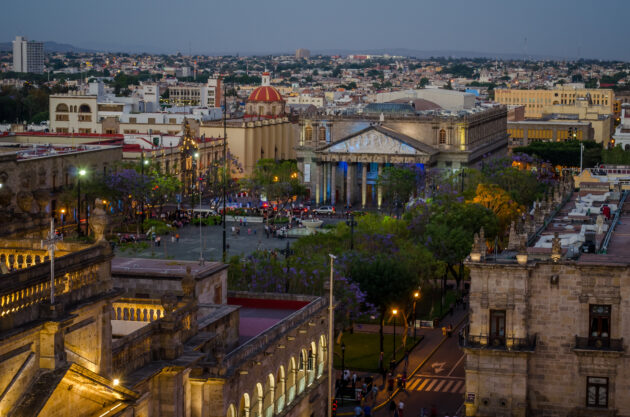
A Travel Guide to Guadalajara (2026)
Guadalajara, the vibrant capital of Jalisco state and Mexico’s second-largest city, is a captivating blend of colonial history, modern innovation, and cultural pride. Often called the birthplace of mariachi music, tequila, and the sombrero, this “Pearl of the West” pulses with energy—think lively plazas, colorful markets, and world-class street food. With over five million residents, it feels surprisingly village-like, thanks to its walkable neighborhoods and artistic soul. Whether you’re here for tequila tastings, architectural gems, or just soaking in the fiesta vibe, Guadalajara offers an authentic Mexican experience that’s more laid-back than Mexico City but just as flavorful.
Why Visit Guadalajara?
Guadalajara stands out for its cultural depth: it’s the heart of Jalisco’s tequila trail, home to UNESCO-recognized charrería (Mexican rodeo), and a hub for contemporary art and design. Beyond the icons, the city boasts stunning architecture—from pink-hued cathedrals to modernist masterpieces by Luis Barragán—and a food scene that’s exploding with birria tacos and craft mezcal. It’s also Mexico’s “Silicon Valley,” blending tech innovation with traditional crafts.
How to Get There
Guadalajara International Airport (GDL) is 12 miles (20 minutes) from downtown, handling direct flights from major U.S. cities like Los Angeles, New York, and Houston, as well as international hubs in Europe and Latin America. Expect affordable fares—round-trip from the U.S. East Coast starts at $200–$300 in low season.
From the Airport: Official taxis or Uber cost $15–$20; avoid unsolicited cabs. The metro (Line 2 to Juárez Station) is a cheap alternative at ~$0.40 but less convenient with luggage.
Within the City: Guadalajara’s metro (Tren Ligero) is efficient and air-conditioned ($0.40/ride), with three lines covering the center and outskirts. Buses like Mi Macro are rapid and reliable. For flexibility, use Uber or Didi ($3–$7 for short trips)—safer than street taxis. Rent a bike via MiBici stations ($1/hour) in tourist areas. Driving? Stick to daylight hours due to safety advisories; parking is plentiful but chaotic.
Best Time to Visit
Guadalajara enjoys a mild subtropical climate, with average highs of 75–85°F (24–29°C) year-round.
Spring (March–May): Ideal for cherry blossoms in nearby parks and the International Mariachi Festival; temps hover at 80°F. Fall (September–November): Cooler (70–80°F) with fewer crowds and lower hotel rates—perfect for exploring. Shoulder season means vibrant Day of the Dead celebrations in October.
Winter (December–February): Dry and sunny (65–75°F), great for festivals like the International Film Fest (late February). Avoid: Summer (June–August) brings rain and heat (up to 90°F with humidity).
Top Attractions and Things to Do
Guadalajara’s highlights are clustered in the historic center, making it easy to explore on foot. Dedicate 3–5 days for a full immersion.
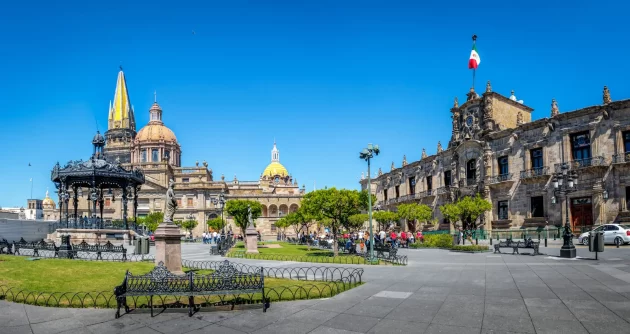
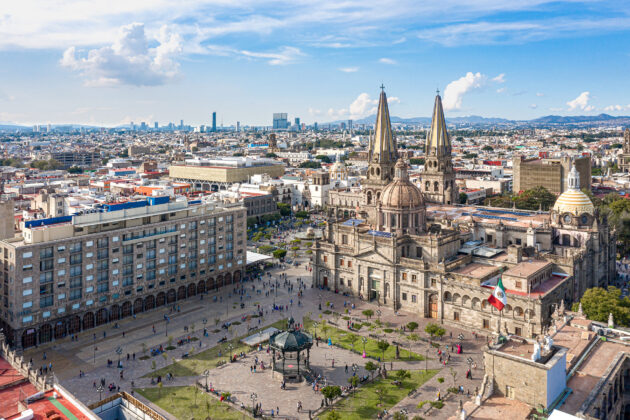
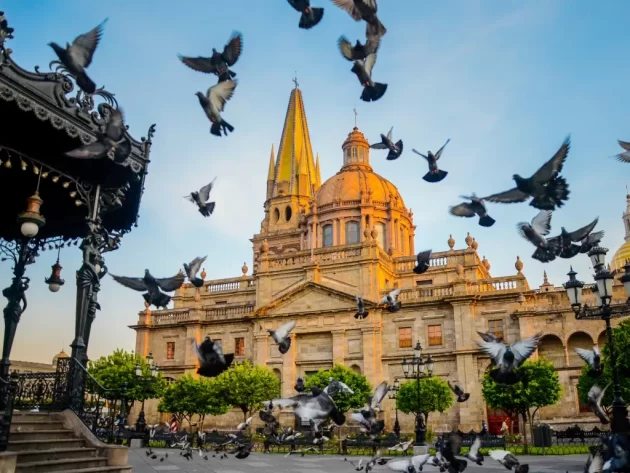
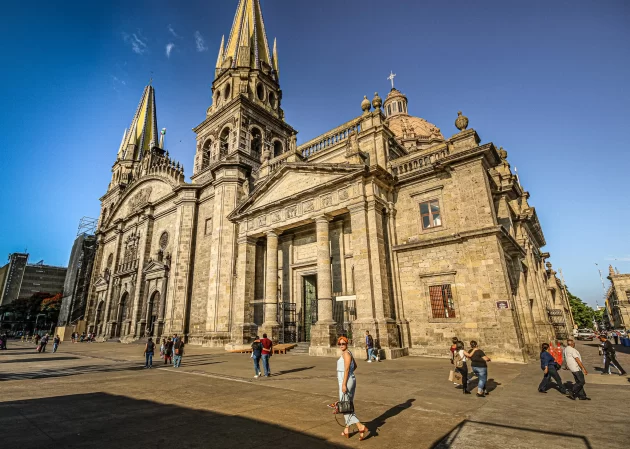
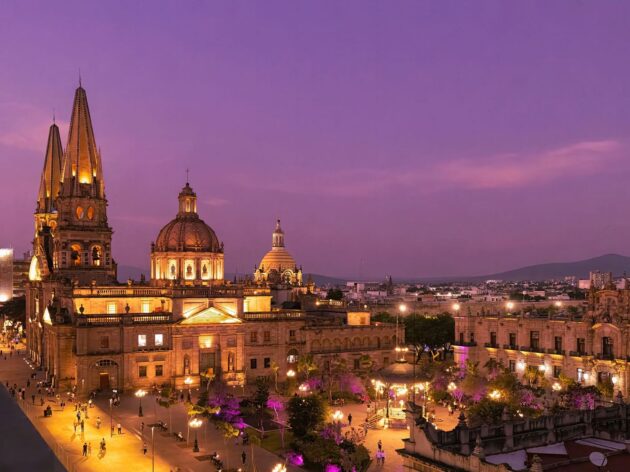
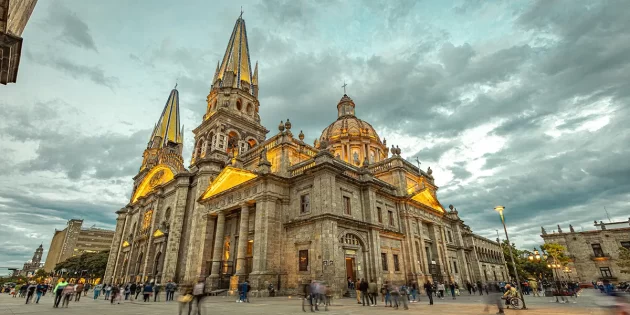
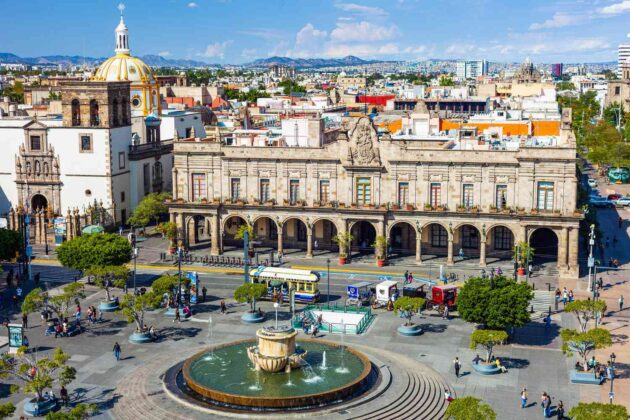
Historic Center and Plaza de Armas: Start here—the neon-lit cathedral (pink stone glows at sunset) andDegollado Theater (opulent 19th-century opera house with free concerts) anchor this UNESCO hopeful. Wander the plaza for mariachi performances and people-watching.
Hospicio Cabañas: A UNESCO World Heritage site, this former orphanage features murals by muralist José Clemente Orozco. Entry: $5; open daily.
Tlaquepaque Neighborhood: Guadalajara’s artisan quarter, famed for ceramics, glasswork, and galleries. Stroll Andador Chapultepec for street art and boutiques; visit on weekends for live music.
Tequila Day Trip: Head 40 miles northwest to Tequila town (UNESCO site) for distillery tours at Herradura or José Cuervo ($20–$50, including tastings). Trains from Guadalajara’s central station make it scenic and easy (2 hours, $30 round-trip).
Instituto Cultural Cabañas and Modernist Sites: Admire Luis Barragán’s Casa Iteso Clavigero; pair with a walk in Colonia Americana for trendy cafes and street murals.
Mercado San Juan de Dios: Dive into this massive market for bargains on silver jewelry, piñatas, and fresh produce. It’s a sensory overload—best in the morning.
Day Trips: Venture to Mazamitla for pine-forest hikes and zip-lining ($50 tours from Guadalajara), or Lake Chapala (1 hour south) for lakeside relaxation and birdwatching.
Where to Eat and Drink
Guadalajara’s cuisine is hearty and inventive—focus on Jalisco staples like birria (spicy goat stew) and pozole (hominy soup). Street food is king; always choose busy stalls for freshness.
Budget Bites: El Chava for late-night birria tacos ($2–$3); Mercado Corona for antojitos (small plates) like tortas ahogadas (drowned sandwiches, $5). Mid-Range: La Tequila Cocina de México for upscale regional fare (mains $15–$25); try the mole poblano.
Splurge: Alcalde for innovative tasting menus ($80/person) or El Mural de los Poblanos at Hacienda Temazcaltepec for farm-to-table with tequila pairings. Drinks: Sample raicilla (Jalisco’s agave spirit) at bars in Chapultepec Avenue; non-alcoholic options include fresh aguas frescas everywhere.
Vegetarian? Look for jackfruit birria. Tip 10–15% at sit-down spots.
Where to Stay
Stay in the historic center for convenience or Colonia Americana for hip vibes. Rates average $80–$150/night.
Luxury: Hotel Demetria ($200+, Brutalist design with rooftop pool) or Villa Ganz ($250+, Spanish-style estate in Americana). Mid-Range: Bellwort Hotel ($120, central with craft beer bar) or Casa Habita ($150, intimate B&B feel). Budget: Airbnbs in Providencia ($50–$80) or hostels like Casa Pedro ($30, social vibe with tours).
Book via Booking.com; many include filtered water (tap isn’t potable—buy bottled).
Safety Tips
Guadalajara is safer than its reputation, with a U.S. State Department Level 2 advisory (exercise increased caution, same as much of Europe). Tourist areas like the center and Tlaquepaque are generally secure, but petty crime (pickpocketing) occurs—use a money belt and avoid flashing valuables. Women: Catcalling is common; travel in groups at night. Use Uber over street taxis, skip ATMs at night, and don’t drink excessively in public. Battles between groups occasionally spill into tourist zones, so stick to well-lit areas after dark. Families and solo travelers report positive experiences—trust your gut and register with STEP (U.S. travelers).
Practical Tips
Currency: Mexican peso (MXN); ATMs are widespread, but notify your bank. Cards accepted in most spots; tip 10–15%. Language: Spanish dominant; English in tourist areas. Download Google Translate.
Health: No major vaccines required beyond routine; altitude (5,100 ft) may cause mild effects—stay hydrated. Filtered water in hotels; street food is safe if hot/fresh. Connectivity: eSIMs from Airalo ($10 for 5GB) beat roaming. Free Wi-Fi in cafes.
Sustainability: Use reusable bottles; support local artisans over chains. Getting Around: Walk the center; Uber for longer hauls. No need for a car unless day-tripping.
Final Thoughts
Guadalajara is Mexico at its most soulful—where ancient plazas meet craft breweries, and every corner hums with mariachi. It’s a city that rewards slow exploration, from tequila sunrises to late-night taquerías. Pack comfortable shoes, an open palate, and a sense of adventure—you’ll leave with stories (and maybe a sombrero) to last a lifetime.
¡Buen viaje!