
A Travel Guide to San Miguel de Allende (2026)
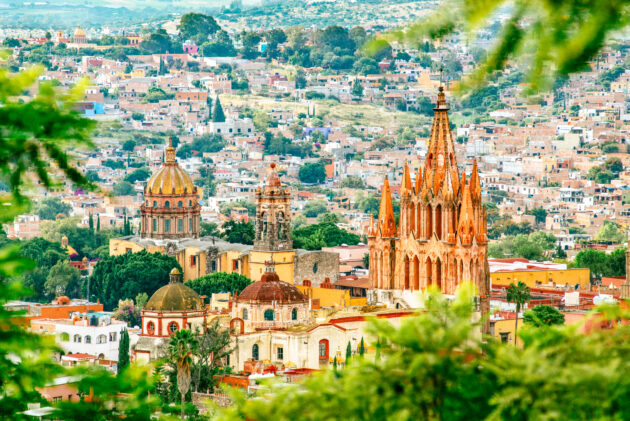
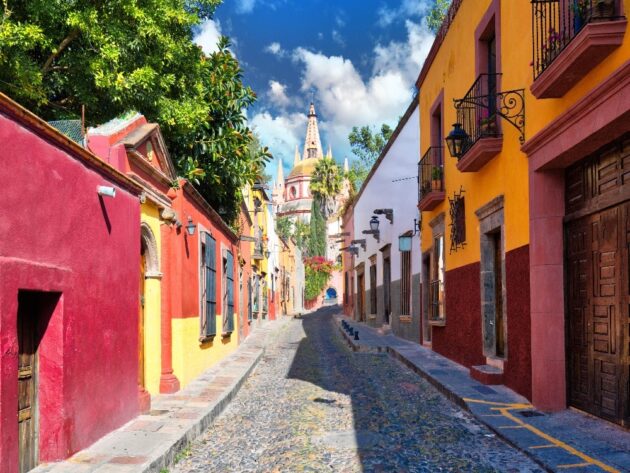
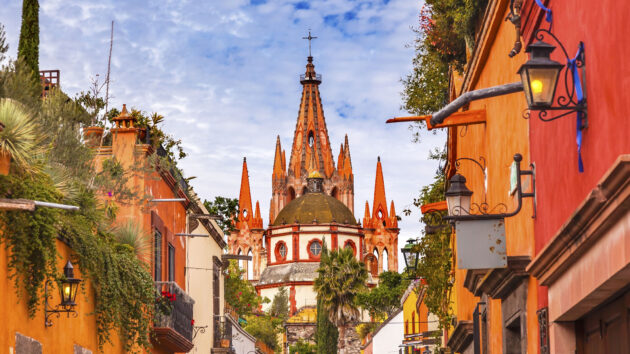
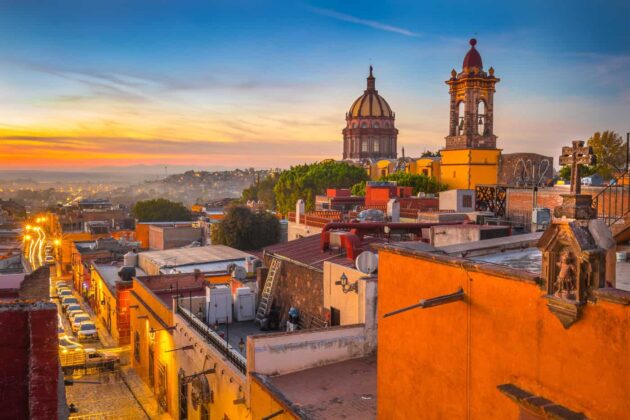
Nestled in the highlands of Guanajuato state, San Miguel de Allende is a UNESCO World Heritage Site often hailed as the world’s best small city. With its pastel-hued colonial buildings, cobblestone streets, and vibrant arts scene, this enchanting Mexican gem blends old-world charm with modern sophistication. Founded in the 16th century and named after General Ignacio Allende, a hero of Mexico’s independence, the city draws artists, expats, and travelers seeking cultural immersion, gourmet cuisine, and serene landscapes. Whether you’re wandering art galleries, sipping tequila at a rooftop bar, or exploring nearby vineyards, San Miguel offers an unforgettable escape.
Why Visit San Miguel de Allende?
San Miguel de Allende captivates with its European-like ambiance amid Mexican authenticity—think winding alleyways leading to hidden courtyards, lively festivals, and a thriving creative community. It’s a haven for foodies, history buffs, and romantics, boasting over 150 art galleries, a burgeoning wine scene, and events like Día de los Muertos.
How to Get There
San Miguel de Allende doesn’t have its own airport, but it’s easily accessible from nearby hubs. The journey from major gateways takes 1–4 hours, depending on your starting point.
Nearest Airports: Querétaro Intercontinental Airport (QRO): Closest at 41 miles (66 km), about 1–1.5 hours by car. Ideal for domestic flights from Mexico City or international connections from Dallas/Houston. León/Bajío International Airport (BJX): 48 miles (77 km) away, 1.5–2 hours drive. Best for U.S. travelers with direct flights from cities like Los Angeles, Chicago, and San Francisco. Mexico City International Airport (MEX): Farthest at 170 miles (274 km), 3–4 hours by car or 4–5 hours by bus. Great for budget international flights, but plan for a longer transfer.
From Mexico City Airport (MEX): Bus: Take a direct ETN or Primera Plus bus from Terminal Norte (a 30–45 minute Uber from MEX, ~$20–30). Buses depart frequently; the ride costs $19–$50 and takes 4–5 hours via toll roads. Private Transfer or Uber: $200–$440 one-way for comfort, especially with groups or kids. Book via apps like Uber or hotel services. Drive: Rent a car for ~$27–$40 in tolls; the route is safe on highways during daylight.
Getting Around: The historic center is highly walkable, but wear sturdy shoes for cobblestones. Ubers/taxis are cheap ($3–$5 for short rides), and golf carts offer fun tours. Rent a bike for outskirts like vineyards.
Tip: Book transfers in advance during peak seasons. Taxis and shuttles are available at airports.
Best Time to Visit
San Miguel enjoys a mild highland climate, but timing your trip around weather and events maximizes the magic.
Dry Season (November–April): The sweet spot, with sunny days in the mid-70s°F (24°C) and cool nights (bring layers for 40–50°F/4–10°C evenings). Minimal rain makes it perfect for outdoor exploration. Peak Months: November (Día de los Muertos vibes) and March–April (Semana Santa processions). Avoid full crowds in January–February.
Shoulder Seasons: October and May offer fewer tourists and lower prices, with blooming landscapes in spring. Rainy Season (June–October): Lush greenery but daily afternoon showers; September is the quietest (and cheapest) month.
Weather Tip: Altitude (6,000 ft/1,800 m) means crisp air—hydrate and use sunscreen.
Tickets and Opening Hours
Most attractions are free or low-cost; no general entry ticket needed for the city center. Expect $5–$15 for museums/sites.
Parroquia de San Miguel Arcángel: Open daily 7 AM–8 PM; free (donations appreciated). Fábrica La Aurora: 10 AM–6 PM daily; free entry, galleries vary. El Charco del Ingenio Botanical Garden: 9 AM–5 PM Tue–Sun; $4 adults. Sanctuary of Atotonilco: 9 AM–6 PM daily; $3–$5.
Book tours (e.g., wine tastings) via Viator or local operators; prices $50–$150.
What to See and Do
San Miguel’s compact centro histórico is a treasure trove—allocate 3–5 days to savor it.
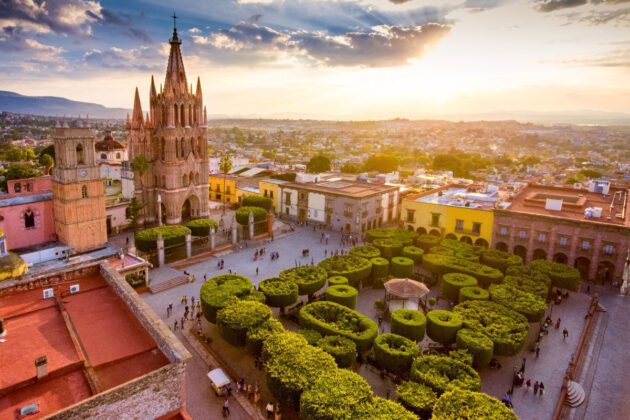
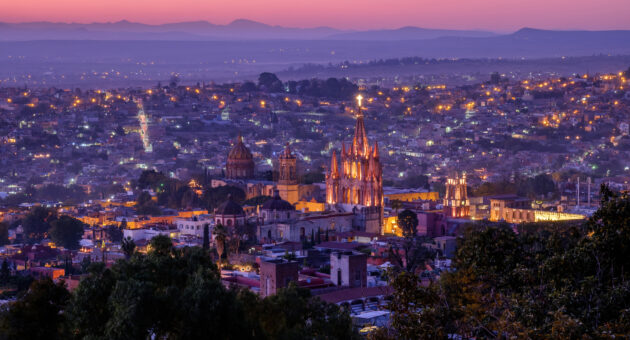
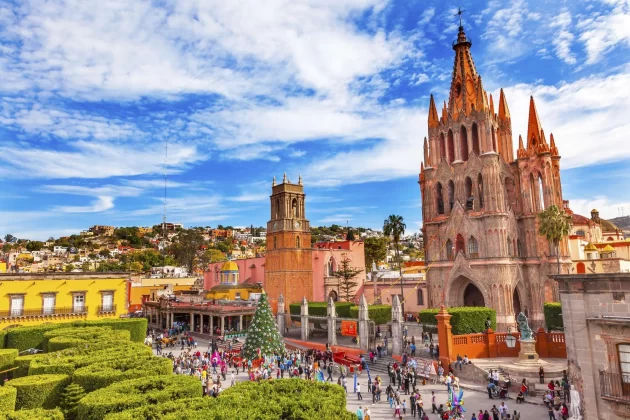
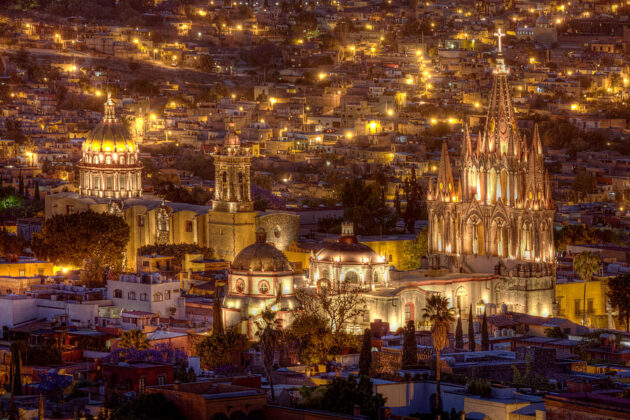
Parroquia de San Miguel Arcángel: The iconic pink neo-Gothic cathedral dominating El Jardín plaza. Climb the bell tower for panoramic views; attend evening mass for choral music.
El Jardín (Main Plaza): Heart of the city: People-watch amid mariachi bands, ice cream vendors, and giant mojiganga puppets. Perfect for sunset strolls.
Fábrica La Aurora: Converted textile mill turned art district with galleries, boutiques, and cafes. Browse local crafts and enjoy live music.
El Charco del Ingenio: 200-acre nature reserve with hiking trails, cacti gardens, and birdwatching (over 150 species). Spot ruins and hot springs.
Sanctuary of Atotonilco: “Sistine Chapel of Mexico” 8 miles out, famed for 18th-century frescoes depicting Christ’s Passion. A poignant pilgrimage site.
Art and Culture: Tour 150+ galleries like the Mask Museum or Public Library’s murals. Join a cooking class or horseback ride in the countryside.
Wine and Wellness: Visit emerging vineyards like Viñedos San Francisco for tastings. Relax at Mayan Baths or a rooftop spa.
Adventure Tip: Hike Cañada de la Virgen pyramid ruins for pre-Hispanic history.
Where to Eat
San Miguel’s scene spans street tacos to fine dining, emphasizing farm-to-table Mexican fusion.
Casual Eats: Grab elotes (corn) or tacos from vendors in El Jardín ($2–$5). Ki’bok Coffee for lattes; Lavanda Café for pastries. Mid-Range: Moxi (rooftop Mexican with city views, $20–$40 mains); Zumo (fresh juices and salads, $10–$20).
Upscale: Aperi (contemporary tasting menus, $50+); El Gordo y la Flaca (traditional criolla, lively vibe); Casa Dragones tasting room for premium tequila flights. Must-Try: Mole poblano, chiles en nogada, and artisanal mezcal. Join a food tour for hidden gems.
Dietary Note: Vegetarian/vegan options abound; many spots cater to gluten-free.
Where to Stay
From boutique hideaways to luxury resorts, options suit every budget. Centro histórico is prime for immersion.
Luxury: Rosewood San Miguel de Allende ($$$$, ~$500+/night)—Colonial elegance with plunge pools and cooking classes. La Valise San Miguel de Allende ($$$$, ~$400+)—Six artist-designed suites in a historic home.
Mid-Range: Casa de Sierra Nevada, A Belmond Hotel ($$$, ~$300+)—Rooftop pool and butler service. Live Aqua Urban Resort ($$$, ~$250+)—Modern family-friendly with 153 rooms and spa.
Budget: Hotel del Portal San Miguel ($$, ~$150+)—Balconies overlooking El Jardín. Casa Blanca 7 ($$, ~$200)—Moroccan-inspired boutique near the plaza.
Booking Tip: Reserve 3–6 months ahead for peak season; use Booking.com or Ctrip for deals.
Tips for a Great Visit
Pack Smart: Layers for variable temps, comfy walking shoes, and adapters (Type A/B plugs, 127V). Safety: Low crime, but stick to well-lit areas at night. Use registered taxis/Uber; drink bottled water.
Currency: Pesos preferred; ATMs widespread. English is common, but learn basic Spanish. Eco-Practices: Support local artisans; avoid single-use plastics. Combine Trips: Day trip to Querétaro’s aqueducts or Guanajuato’s mummies.
Final Thoughts
San Miguel de Allende weaves history, art, and flavor into a tapestry that’s equal parts timeless and timely. Whether chasing sunsets from a rooftop or uncovering secrets in a 300-year-old church, this city leaves an indelible mark. Dive in, linger in the plazas, and let its magic unfold—it’s not just a destination, but a story you’ll want to retell.
Happy travels!