
A Travel Guide to Phillip Island (2026)
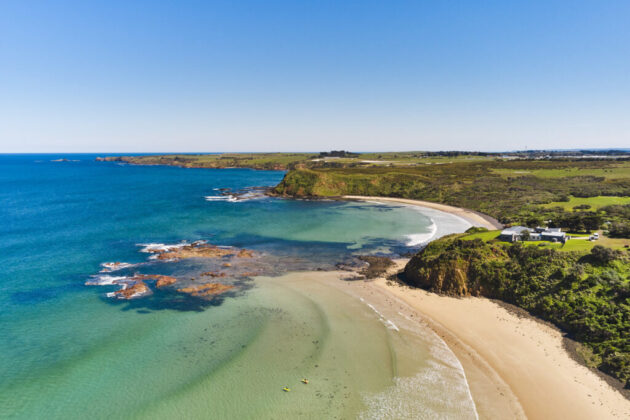
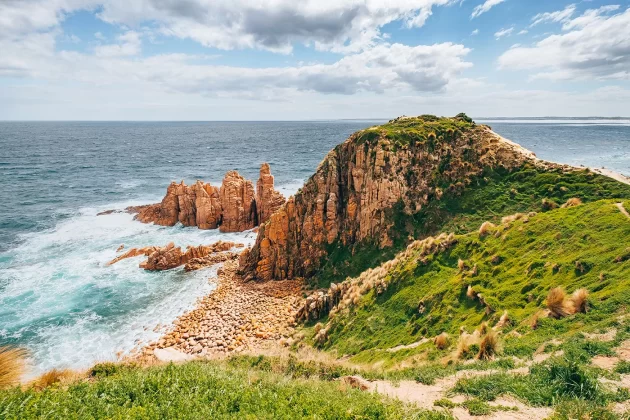
Nestled in the Bass Strait just 90 minutes southeast of Melbourne, Phillip Island is a wildlife haven and adventure playground that captures the essence of Australia’s rugged beauty. Spanning 101 square kilometers, this compact island sanctuary is famous for its iconic Penguin Parade, where little penguins waddle ashore at dusk, but it offers so much more: dramatic coastal cliffs, world-class surfing, koala spotting, and the adrenaline-pumping Phillip Island Grand Prix Circuit.
Why Visit Phillip Island?
Phillip Island stands out for its blend of natural wonders and accessible adventures. Home to Australia’s largest colony of little penguins, thriving fur seal populations, and koala conservation areas, it’s a biodiversity hotspot. The island’s stunning landscapes—from golden beaches to volcanic blowholes—provide a serene escape from Melbourne’s urban buzz. Plus, it’s a leader in inclusive tourism, with wheelchair-accessible paths, sensory-friendly viewing areas, and facilities for all abilities.
How to Get There
Phillip Island is conveniently connected to Melbourne, with multiple options for every traveler:
By Car (Recommended for Flexibility): Drive 140 km southeast via the M1 and A420 (Bass Highway), crossing the San Remo bridge. The journey takes about 1.5–2 hours from Melbourne CBD, with scenic coastal views en route. Parking is plentiful and affordable (around AUD 5–10/day at major attractions). Rent a car from Melbourne Airport or city centers via Hertz or Enterprise for AUD 50–100/day.
By Bus (Budget-Friendly Public Transport): Take a V/Line coach from Southern Cross Station in Melbourne to Cowes (main town on the island). It departs multiple times daily, taking 2–2.5 hours with a change at Koo Wee Rup. Fares are capped at AUD 11 for adults under Victoria’s regional fare scheme. Local buses connect Cowes to attractions like the Penguin Parade.
By Train and Ferry (Scenic Alternative): From Flinders Street Station, take a train to Stony Point (1.5 hours), then the Western Port Ferry to Cowes (40 minutes, AUD 20–30 return). Total time: 2.5–3 hours. Ideal for a relaxed, water-based approach.
By Organized Tour (Hassle-Free): Day tours from Melbourne (AUD 125–150/person) include transport, Penguin Parade tickets, and stops at koala reserves or beaches. Operators like Wildlife Tours or Phillip Island Tours offer small-group experiences with hotel pickups.
By Air and Transfer: Fly into Melbourne Airport (MEL), then drive or transfer (2 hours total). For luxury, scenic helicopter flights from Melbourne take 30 minutes (AUD 200–300/person).
Tip: Allow extra time during peak periods (holidays, weekends) due to traffic on the bridge.
Best Time to Visit
Phillip Island shines year-round, but timing enhances your experience:
Spring (September–November): Mild weather (15–20°C) and blooming wildflowers make it perfect for hiking and spotting koala joeys. Fewer crowds and events like the SUP Titles add excitement.
Summer (December–February): Warm (20–25°C) and vibrant, ideal for beaches, surfing, and the Penguin Parade under long twilight hours. Peak season means busier sites—book ahead.
Autumn (March–May): Comfortable (15–20°C) with golden foliage and whale migrations starting. Great for cycling and quieter wildlife viewing.
Winter (June–August): Cooler (10–15°C) but magical for cozy Penguin Parade nights and seal spotting. Lowest hotel rates (save 20–30%) and minimal crowds.
Avoid long weekends if possible; October National Day equivalents can swell visitor numbers. Check the penguin arrival calendar on the official site for sunset times.
Tickets and Opening Hours
Most attractions are managed by Phillip Island Nature Parks or independent operators. Pre-book online to skip queues, especially for the Penguin Parade.
Penguin Parade (Phillip Island Nature Parks): Opening: Visitor center 12 PM daily; penguins arrive at sunset (approx. 8:30 PM summer, 5:30 PM winter). Tickets: General Viewing AUD 32/adult, AUD 18/child (4–15); Penguin Plus (elevated viewing) AUD 42/adult. Combo with Koala Reserve/Churchill Island: AUD 55–75. Book via penguins.org.au.
Koala Conservation Reserve: Opening: 10 AM–5 PM daily (last entry 4 PM). Tickets: AUD 18/adult, AUD 9/child; included in Nature Parks combos.
The Nobbies Centre & Seal Rocks: Opening: 10 AM–5 PM daily. Tickets: AUD 15/adult, AUD 8/child; free with Penguin Parade combo.
Phillip Island Wildlife Park: Opening: 11 AM–5 PM (Fri–Tue; last entry 4 PM). Closed Wed–Thu off-peak. Tickets: AUD 17/adult, AUD 8.50/child (includes feed bag for kangaroos). On-site purchase only.
Phillip Island Grand Prix Circuit: Opening: Varies by events; visitor center 9 AM–5 PM daily. Tickets: Go-karts AUD 30–50/session; circuit tours AUD 25/adult.
Discounts for seniors, DVA Gold Card holders, and families. Expect minor price adjustments for inflation—check official sites.
What to See and Do
Phillip Island packs diverse attractions into a small space—explore by car, bike, or guided tour:
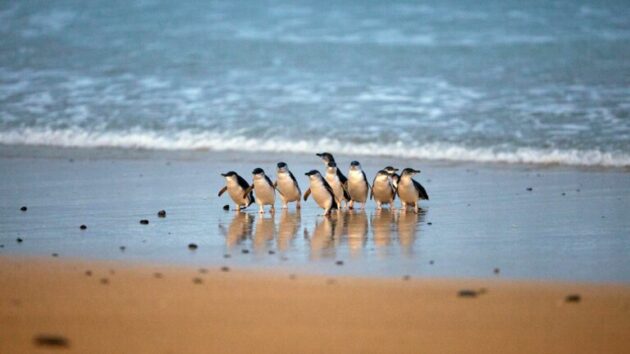
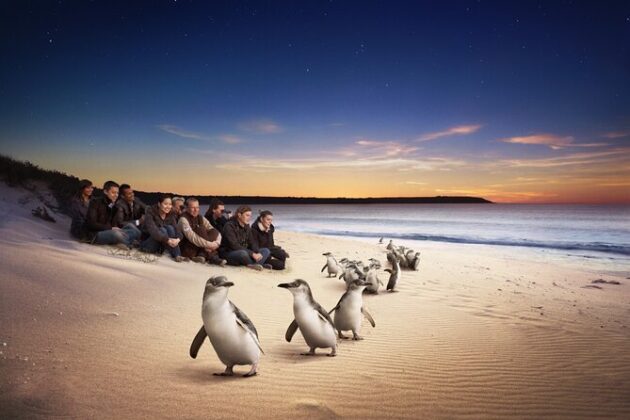
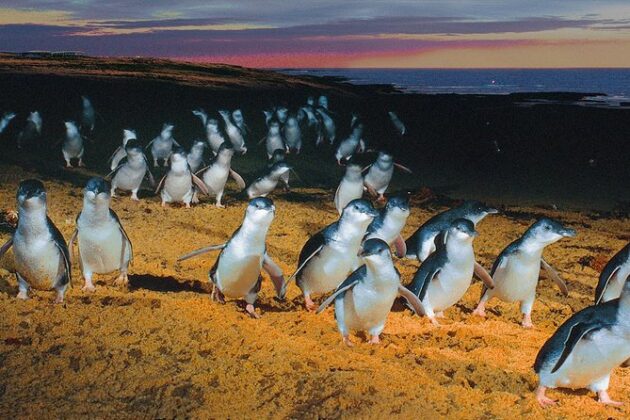
Penguin Parade: Witness 1,000+ little penguins (Eudyptula minor) emerge from the sea at Summerlands Beach. Opt for guided ranger tours (AUD 50+) for burrow peeks and educational insights. A bucket-list must.
Koala Conservation Reserve & Wildlife Park: Stroll treetop boardwalks to spot koalas in eucalypts, plus wallabies and emus. At the Wildlife Park, hand-feed kangaroos in open enclosures—perfect for families.
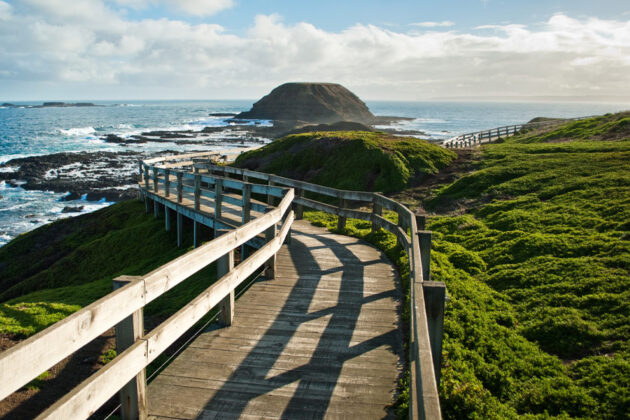
The Nobbies & Seal Rocks: Walk clifftop boardwalks to a blowhole and underground aquarium viewing Australia’s largest fur seal colony (5,000+ seals). Eco-cruises (AUD 40–60) get you closer.
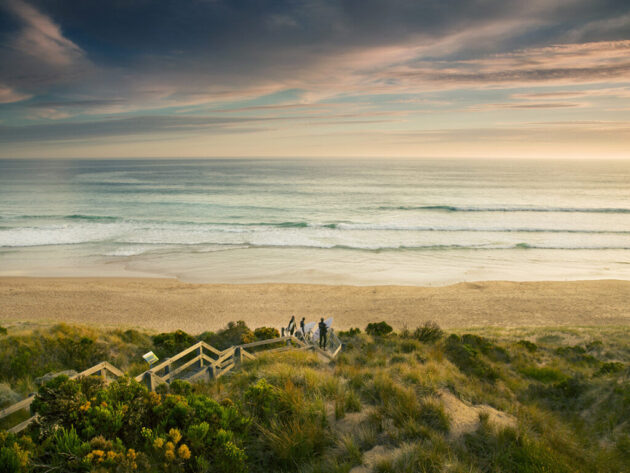
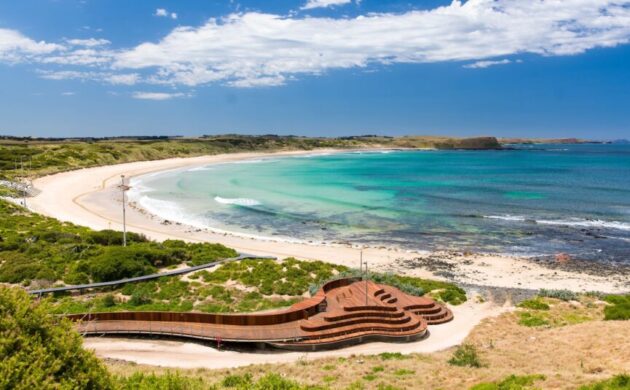
Beaches & Surfing: Surf world-class breaks at Cape Woolamai or relax on Woolamai Beach. Hire gear from Surf Trax (AUD 30/day) or join lessons.
Phillip Island Grand Prix Circuit: Race go-karts on a mini-circuit replica or tour the MotoGP track (AUD 25). Adrenaline for motorsport fans.
Other Highlights: Churchill Island Heritage Farm for historic tours and gardens; A Maze’N Things for family puzzles; chocolate factory tastings at Panny’s.
Tip: Rent e-bikes (AUD 40/day) for coastal trails—eco-friendly and scenic.
Where to Eat
Phillip Island’s dining scene emphasizes fresh seafood and local produce:
On-Site/Casual: Grab fish and chips (AUD 15–20) at the Penguin Parade cafe or Wooli Tavern in Cape Woolamai for pub grub with ocean views. Seafood Specialists: The Gaff at Cowes for sustainable catches like calamari (AUD 25–35); Pino’s Trattoria for Italian twists on local fare.
Sweet Treats: Panny’s Chocolate Factory for tours and tastings (AUD 10). Picnics: Stock up at Cowes markets for beachside meals. Vegetarian/vegan options abound; try farm-to-table at Churchill Island.
Where to Stay
Base yourself in Cowes for convenience or beachside for seclusion:
Luxury: Ramada Resort by Wyndham (AUD 250–350/night)—spa and sea views. Mid-Range: Glen Isla House (AUD 150–250/night)—heritage charm near the circuit. Budget/Family: BIG4 Phillip Island (AUD 100–200/night)—cabins, glamping, and kids’ activities.
Seasonal Tip: Book 3–6 months ahead for summer; winter rates drop 20%.
Tips for a Great Visit
Book Ahead: Penguin tickets sell out—reserve 1–2 months in advance. Wildlife Etiquette: No flash photography at the Parade; stay on paths to protect habitats. Pack Smart: Sunscreen, hat, and layers for variable weather; insect repellent for evenings.
Accessibility: Most sites have ramps and audio guides; contact ahead for needs. Extend Your Stay: Combine with a Great Ocean Road tour for a 2-day epic. Sustainability: Use reusable bottles—refill stations are widespread.
Final Thoughts
Phillip Island is more than penguins—it’s a symphony of wildlife, waves, and wonder, just a short hop from Melbourne. With its focus on eco-accessibility and fresh events, it’s primed for magical escapes. Whether chasing sunsets with seals or racing karts, this island delivers pure Aussie magic. Pack your sense of adventure and let Phillip Island steal your heart.
Happy travels!