

A Travel Guide to Freycinet National Park (2026)
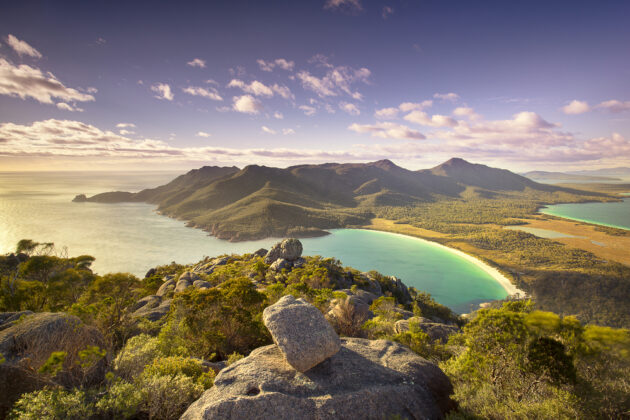
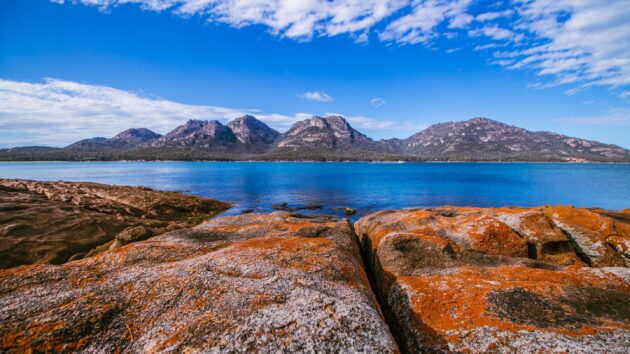
Nestled on the stunning east coast of Tasmania, Freycinet National Park is a coastal paradise of dramatic pink granite peaks, pristine white-sand beaches, and crystal-clear azure waters. Established in 1916 as Tasmania’s oldest national park, it spans the Freycinet Peninsula, offering breathtaking landscapes shaped over 400 million years.
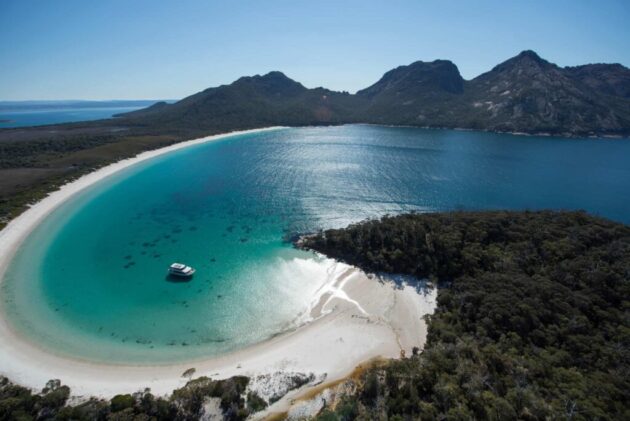
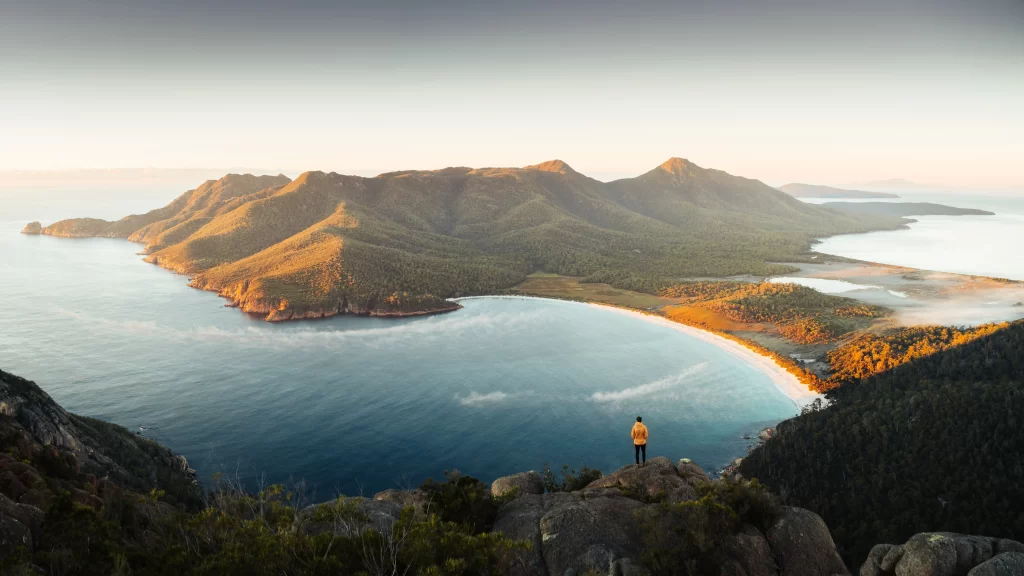
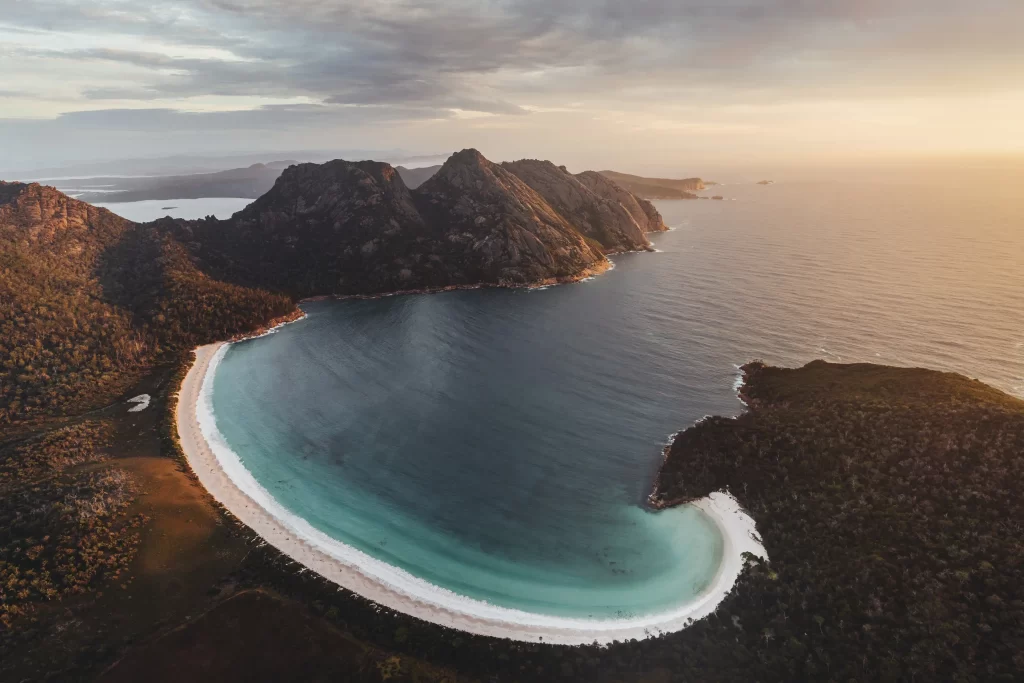
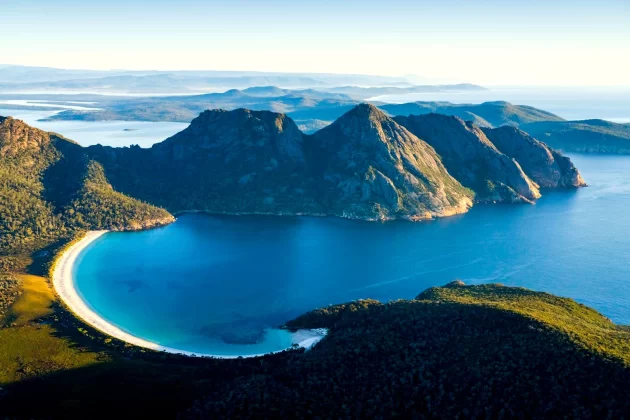
Iconic spots like Wineglass Bay—one of the world’s most photographed beaches—draw adventurers, nature lovers, and photographers alike. Whether you’re hiking rugged trails, kayaking serene bays, or spotting native wildlife, Freycinet promises an unforgettable escape into Tasmania’s wild beauty.
Why Visit Freycinet National Park?
Freycinet is a showcase of Tasmania’s diverse ecosystems, from towering Hazards mountains to secluded coves teeming with marine life. Home to 49 endemic species, including Eastern Quolls and Red-necked Wallabies, the park blends adventure with tranquility.
It’s perfect for hikers seeking panoramic views, beachgoers wanting uncrowded shores, and eco-tourists exploring ancient geology. The park’s compact size (about 23 km long) makes it ideal for day trips or multi-day explorations, and its proximity to Hobart adds accessibility without sacrificing remoteness.
How to Get There
Freycinet National Park is located on Tasmania’s Freycinet Peninsula, roughly midway between Hobart and Launceston. All roads are sealed, so a standard vehicle suffices—no 4WD required.
By Air: Fly into Hobart Airport (HBA), 179 km (111 mi) south—about a 2.5-hour drive. Launceston Airport (LST) is 237 km (147 mi) north, a 3-hour drive. Rental cars are available at both airports; book in advance for peak seasons.
By Ferry: Arrive via the Spirit of Tasmania ferry from Melbourne to Devonport (10–11 hours), then drive 3.5 hours east.
By Car: From Hobart, take the A3 (Tasman Highway) north via Orford; from Launceston, head southeast on the A8. Drive cautiously from dusk to dawn—advisory speed limit of 60 km/h due to wildlife like wallabies and wombats. Parking is available at trailheads and the Visitor Centre.
Public Transport: Limited options; buses from Hobart or Launceston via Redline Coaches, but renting a car or joining a tour is recommended for flexibility.
Tip: Fuel up in Coles Bay, the gateway town, as services inside the park are sparse.
Best Time to Visit
Tasmania’s temperate climate makes Freycinet visitable year-round, but timing depends on your interests:
Spring (September–November): Ideal for hiking with blooming wildflowers, clear skies, and milder temperatures (10–18°C/50–64°F). Fewer crowds than summer. Summer (December–February): Peak season for beach activities and swimming (15–25°C/59–77°F), but expect busier trails and book everything ahead. Water temperatures reach a balmy 18–20°C (64–68°F).
Autumn (March–May): Perfect for foliage colors and photography, with crisp days (8–16°C/46–61°F) and low crowds—great for multi-day hikes. Winter (June–August): Quiet and magical for solitude (5–12°C/41–54°F), though trails can be muddy and some campsites close. Whale watching peaks here.
Avoid peak holidays like Christmas or Easter for fewer crowds. Check Parks Tasmania for weather updates, as conditions change quickly.
Tickets and Opening Hours
Opening Hours: The park is open 24/7 year-round, but the Freycinet Visitor Centre operates 9:00 AM–4:00 PM daily (closed Christmas Day). Some facilities may have seasonal hours.
Entry Fees: A valid Parks Pass is required for all vehicles and visitors. Holiday Vehicle Pass (8 weeks, up to 8 people): AUD $45 (most economical for short trips). Annual Pass: AUD $50–$100 depending on type. Buy online via the Parks Tasmania website or at the Visitor Centre (cashless preferred). No day passes for individuals—vehicle-based.
Free entry for Tasmania residents with proof of residency during certain periods.
What to See and Do
Freycinet’s highlights revolve around its granite peaks, beaches, and coastal trails. Focus on eco-friendly activities to preserve the fragile environment.
Wineglass Bay Lookout: A must-do 2.6 km return hike (Grade 3, 1–1.5 hours) with 573 steps to a saddle offering postcard views of the bay’s curved white sands and turquoise waters. Extend to the beach for swimming.
Wineglass Bay and Hazards Beach Circuit: Tasmania’s 60 Great Short Walks—11 km loop (4–5 hours, Grade 3). Descend to the bay, cross the isthmus, and hike coastal paths with wildlife spotting. Clockwise for easier stairs.
Mount Amos Summit: Challenging 4 km return (2–3 hours, Grade 4) scramble up granite slabs for 360° panoramas over the peninsula. Best in dry weather; wear grippy shoes.
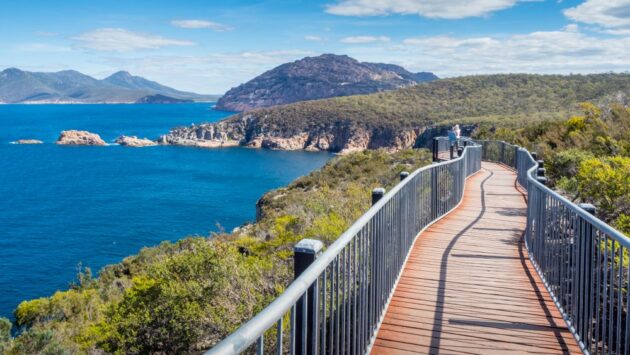
Cape Tourville Lighthouse Walk: Easy 600m circuit (20 minutes, Grade 1) with ocean vistas and birdwatching—spot sea eagles and dolphins.
Friendly Beaches and Honeymoon Bay: Pristine stretches for beachcombing, snorkeling, or kayaking. Friendly Beaches offer 100m–5 km walks (Grade 2) along turquoise shores.
Other Activities: Kayak tours from Coles Bay (AUD $100–150), scenic flights over Wineglass Bay (AUD $200+), fishing, scuba diving, or the multi-day Freycinet Peninsula Circuit (27 km, 2–3 days). Spot 49 Tasmanian endemics like fairy penguins at dusk.
Tip: Download the Parks Tasmania app for maps and real-time trail conditions.
Where to Eat
Dining options are limited inside the park, so stock up in Coles Bay:
Freycinet Lodge Bistro: Casual meals with local seafood and wines (AUD $20–40 mains); open daily for breakfast, lunch, and dinner. Coles Bay: Town eateries like Freycinet Marine Farm for fresh oysters and mussels (AUD $30–50 tasting plates). Grab picnic supplies from IGA supermarket. Picnics: Pack lunches for trails—BBQ areas at Honeymoon Bay. Try Tasmanian specialties like scallop pies or craft beers from local breweries.
Tip: Book farm-to-table experiences at Freycinet Vineyard for wine tastings overlooking the park.
Where to Stay
Base yourself in Coles Bay or inside the park for immersion. Book 6–12 months ahead for summer.
Luxury: Saffire Freycinet (AUD $1,000+/night)—world-class eco-resort with private lodges and spa, inside the park. Mid-Range: Freycinet Lodge (AUD $250–500/night)—cabins and glamping with on-site dining, steps from trails. Budget: Coles Bay Holiday Park (AUD $50–100/night)—cabins and powered sites. Airbnbs in town start at AUD $150.
Camping: Parks Tasmania sites like Richardsons Beach or Friendly Beaches (AUD $15–25/person/night). Ballot system for peak summer spots—book via website. Free tent camping at Isaacs Point.
Tip: For a unique stay, try self-contained holiday homes or campervans from Spaceship Rentals (AUD $100–200/day).
Tips for a Great Visit
Pack Essentials: Sturdy hiking boots, rain jacket, sunscreen, insect repellent, and 2L water per hike. No bins on trails—carry out rubbish. Safety: Trails involve steep drops and rock scrambles—assess fitness for Mount Amos. Watch for snakes in summer; swim at patrolled beaches. Mobile coverage is patchy.
Eco Practices: Stick to paths to protect fragile heathlands; no drones without permits. Support Indigenous-led tours for cultural insights (Oyster Bay nation). Combine Trips: Pair with Bay of Fires (north) or Wineglass Bay flights for aerial views. Allow 2–3 days minimum.
Final Thoughts
Freycinet National Park captures Tasmania’s raw, unspoiled essence—a symphony of granite, sea, and sky that leaves visitors humbled. From the exhilarating ascent to Mount Amos to lazy afternoons on Wineglass Bay, every moment here reconnects you with nature. Embrace the slow pace, respect the wild, and let Freycinet’s magic unfold. Whether solo trekking or family adventuring, this coastal gem will top your Australian highlights.
Safe travels and happy exploring!