
A Travel Guide to Brisbane (2026)
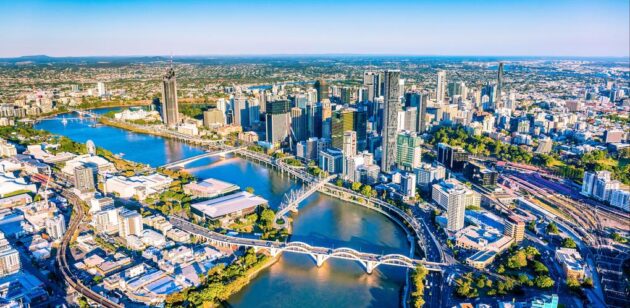
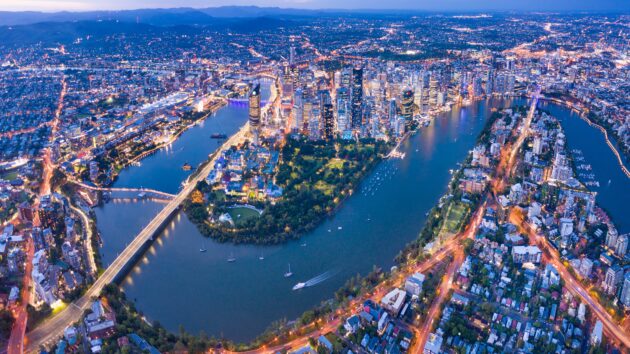
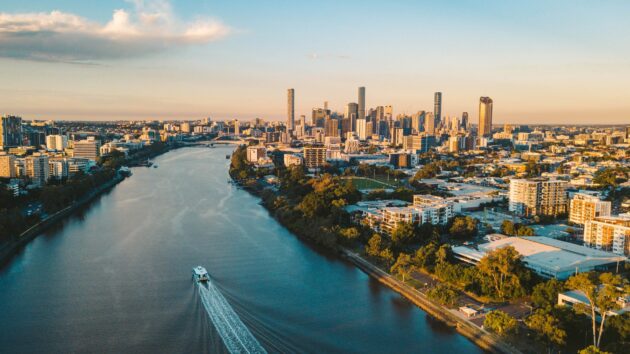
Nestled on the banks of the Brisbane River in Queensland, Brisbane—known affectionately as “Brisvegas”—is Australia’s third-largest city and a vibrant gateway to the Sunshine State. With its subtropical climate, lush green spaces, thriving arts scene, and proximity to world-famous beaches like the Gold Coast and Sunshine Coast, Brisbane offers a perfect blend of urban energy and laid-back outdoor living.
Whether you’re here for cultural immersion, wildlife encounters, or riverfront adventures, this guide will help you navigate the city like a local. Brisbane is buzzing with preparations for the 2032 Olympics, adding extra excitement to its already dynamic vibe.
Why Visit Brisbane?
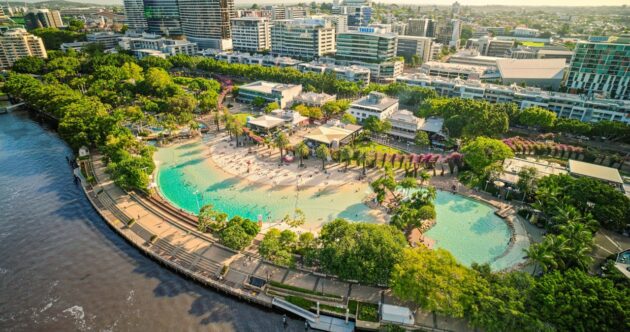
Brisbane embodies the quintessential Australian lifestyle: sunny days, friendly locals, and endless opportunities for exploration. It’s more affordable and less crowded than Sydney or Melbourne, yet packed with highlights like the iconic Story Bridge, South Bank’s man-made beach, and world-class galleries.
The city’s First Nations heritage, rooted in the Turrbal and Yuggera peoples (whose traditional name for the area is Meanjin, meaning “place of the blue water lilies”), is increasingly celebrated through cultural tours and events.
How to Get There
Brisbane Airport (BNE), about 17 km (10 mi) northeast of the city center, handles international and domestic flights.
By Airtrain: The fastest and most scenic option—20 minutes to Brisbane CBD stations like Central or Roma Street. Tickets start at AU$10.95 one-way; book via the Airtrain app. Kids under 14 travel free with an adult. By Taxi or Ride-Share: Uber, Ola, or taxis take 14–30 minutes (AU$27–$33 to the city, depending on traffic). Ideal for groups or late arrivals.
By Shuttle Bus: Door-to-door services like Con-X-ion or airport shuttles cost AU$15–$20 and run frequently. By Public Bus: Route 590 connects to Toombul Interchange for onward trains (AU$5–$7 total).
Once in the city, use the Go Card for seamless public transport (buses, trains, ferries)—fares as low as AU$0.50, with some routes free. Download the TransLink app for real-time planning.
Best Time to Visit
October is a sweet spot for Brisbane: spring brings blooming jacarandas, mild temperatures (average highs of 25°C/77°F, lows 17°C/63°F), and lower humidity than summer. Expect 7–10 hours of sunshine daily, with about 5 rainy days (total ~80 mm precipitation). It’s shoulder season, so fewer crowds and better deals, but book events early.
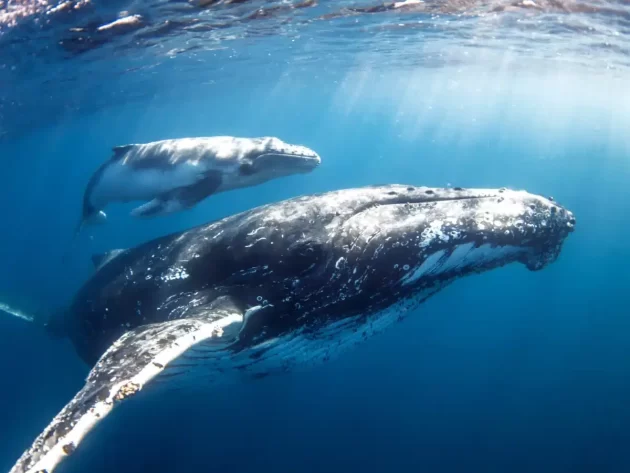
Spring (Sep–Nov): Perfect for festivals and outdoor activities; jacaranda blooms peak mid-October. Summer (Dec–Feb): Hot (up to 30°C/86°F) and humid—great for beaches but pack sunscreen. Autumn (Mar–May): Warm days, cooler evenings; ideal for hiking. Winter (Jun–Aug): Mild (20°C/68°F highs) and dry—whale-watching season.
Check for events like the NRL Magic Round (May) or Olympics prep buzz year-round.
Top Attractions
South Bank Parklands
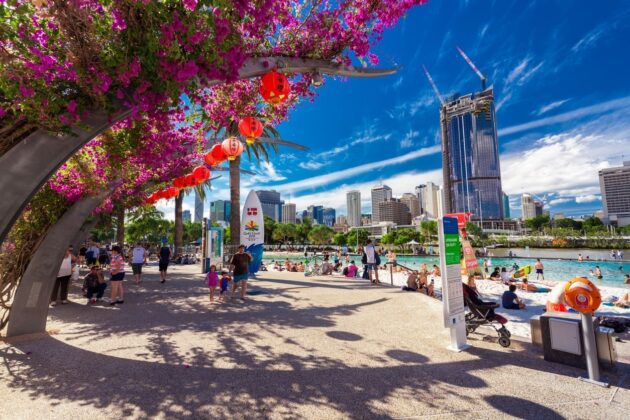
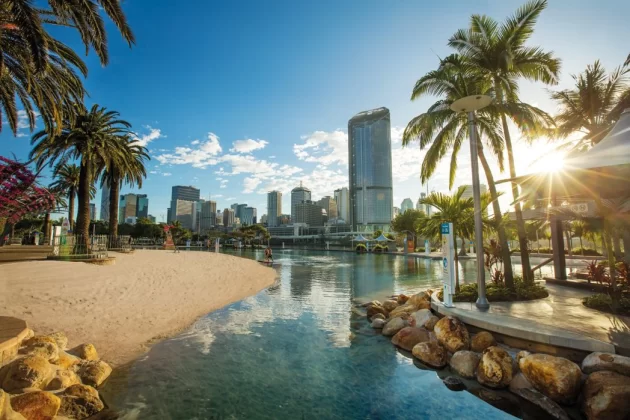
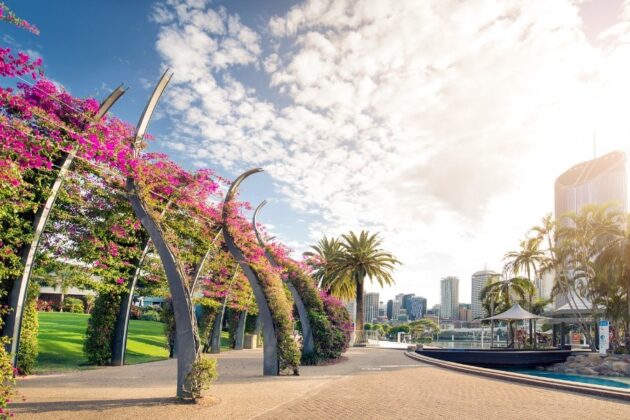
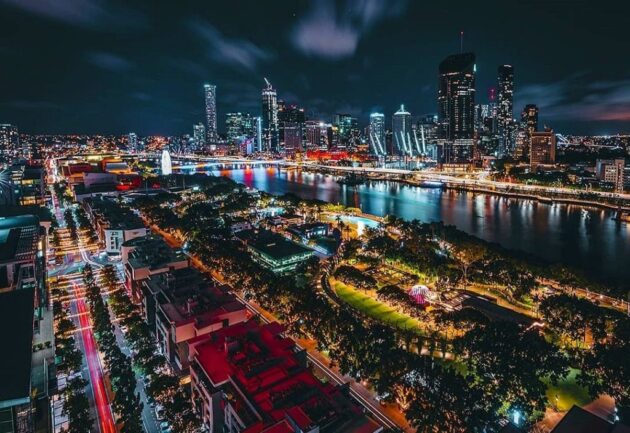
South Bank Parklands in Brisbane, Australia, is a premier cultural and recreational destination located on the southern bank of the Brisbane River. This 17-hectare area features the iconic, man-made Streets Beach, a lagoon with city views, and the beautiful Grand Arbour walkway covered in bougainvillea. It also includes a vibrant Cultural Precinct with museums, galleries, and performing arts centers.
Story Bridge Climb
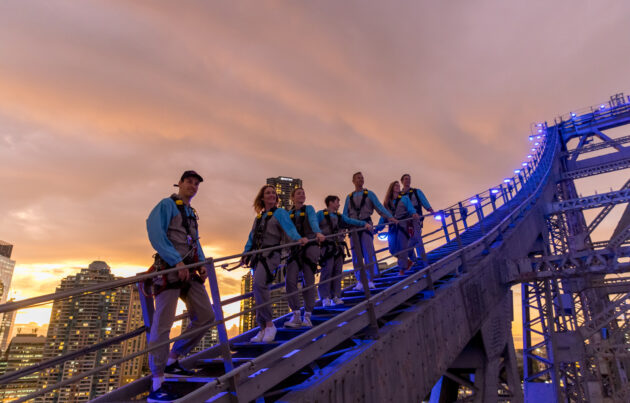
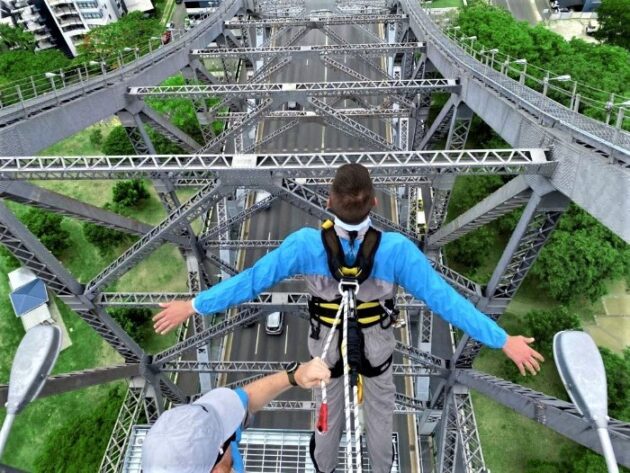
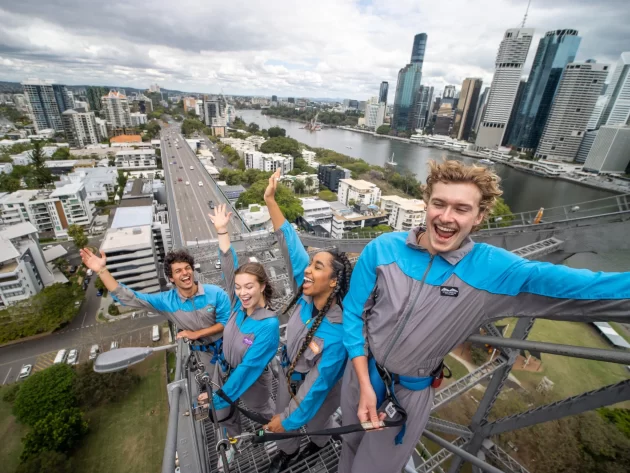
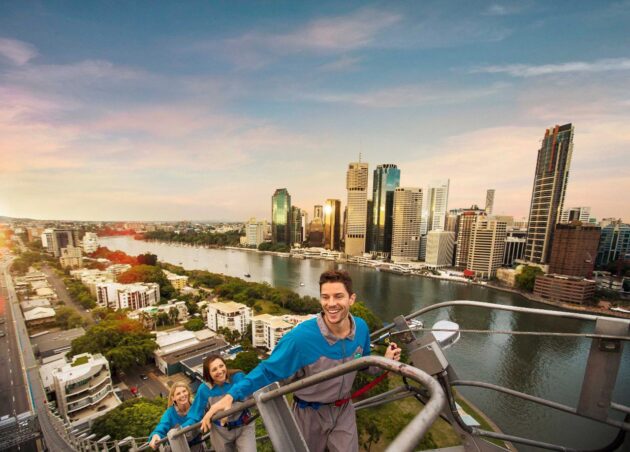
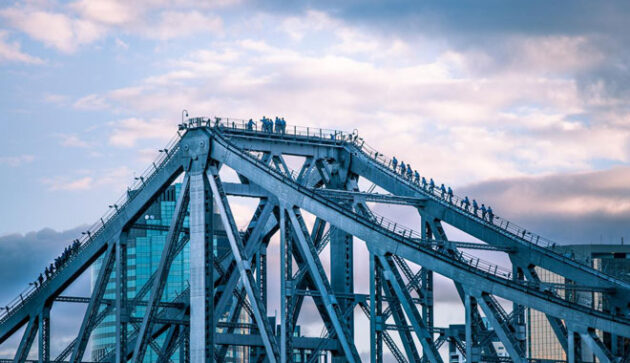
The Story Bridge Adventure Climb in Brisbane, Australia, is a thrilling 1.5 to 2-hour experience where you scale the city’s iconic, heritage-listed steel bridge. As one of only three bridge climbs in the world, it offers breathtaking 360-degree panoramic views of the Brisbane River, the city skyline, and surrounding areas like Moreton Bay. Climbers are guided along a safe route, learning fun facts about the bridge’s history while experiencing unforgettable perspectives of Brisbane from about 80 meters above the ground.
Lone Pine Koala Sanctuary
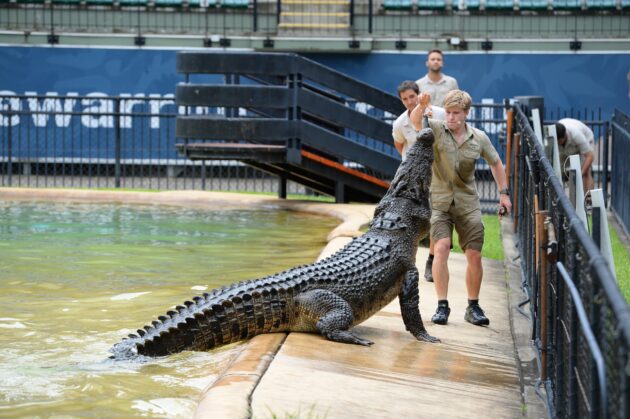
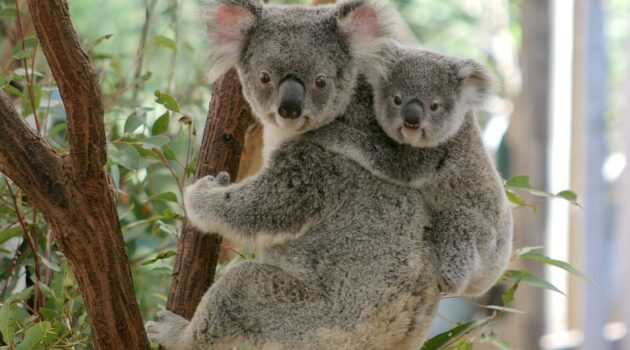
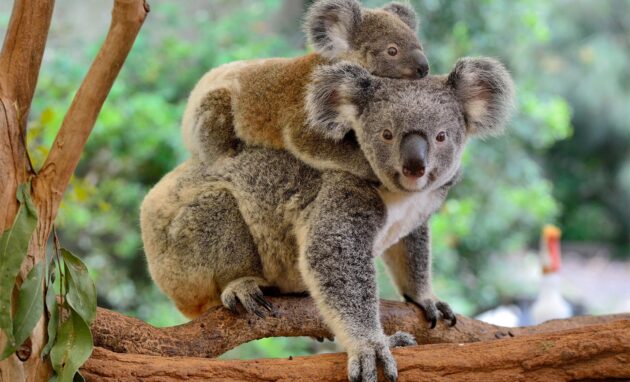
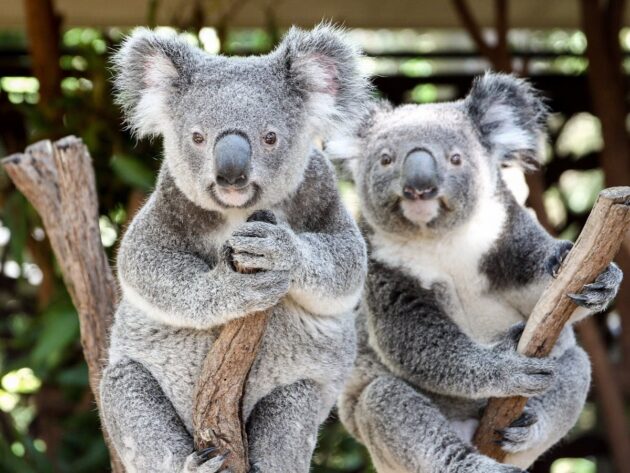
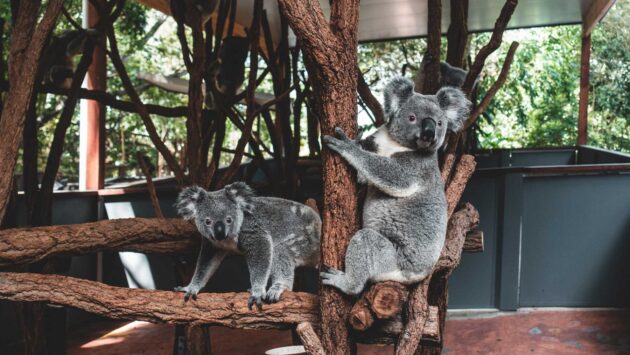
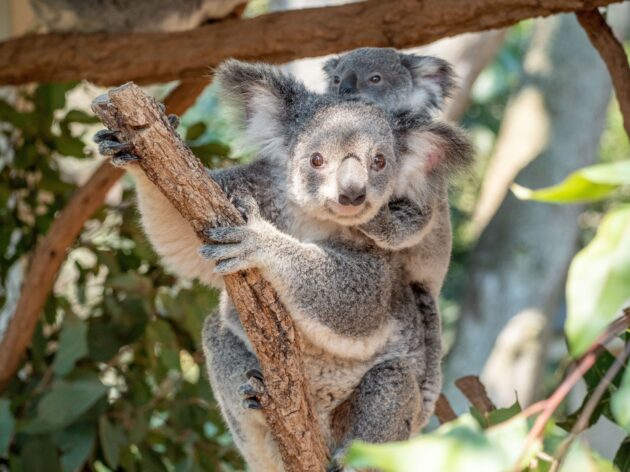
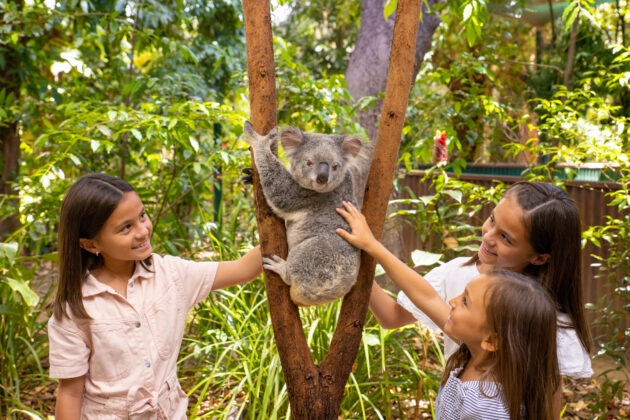
The Lone Pine Koala Sanctuary, located in the Brisbane suburb of Fig Tree Pocket, Australia, is the world’s oldest and largest koala sanctuary, established in 1927. It is home to over 100 koalas and more than 70 species of other native Australian animals. While visitors can no longer hold koalas, they can still get up close to them and enjoy other hands-on experiences, such as feeding and petting free-roaming kangaroos in a large reserve.
River Cruises and CityCat Ferries
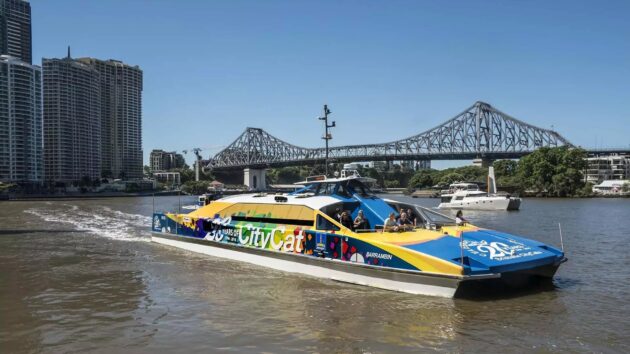
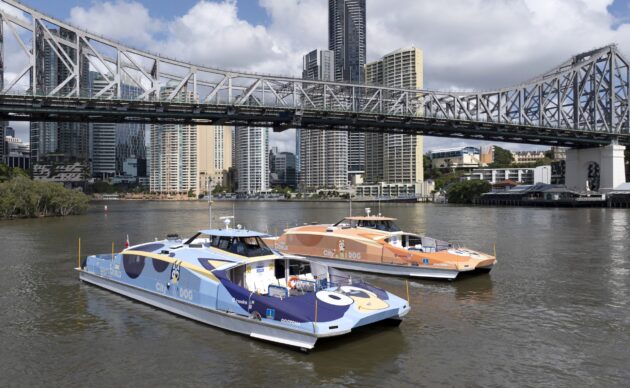
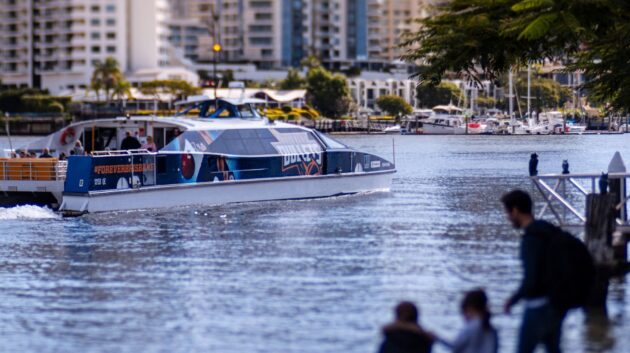
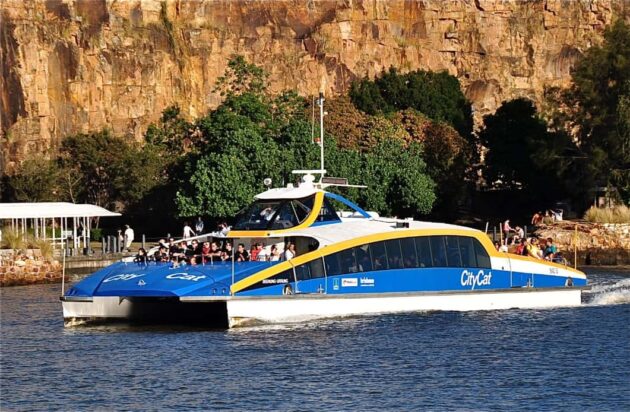
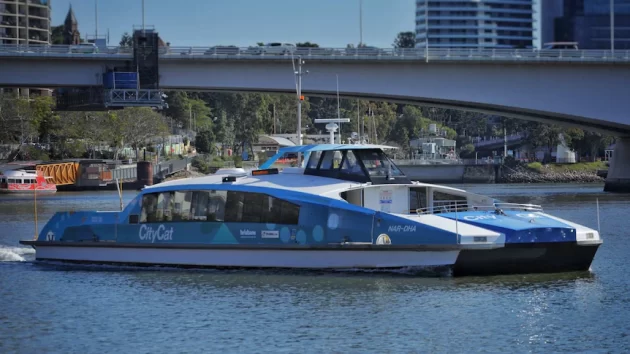
Hop on a CityCat (AU$5–$10) for a 90-minute loop past mangroves and mansions. Or join a whale-watching cruise (June–Oct; AU$100+) if visiting in season.
Mount Coot-tha Lookout
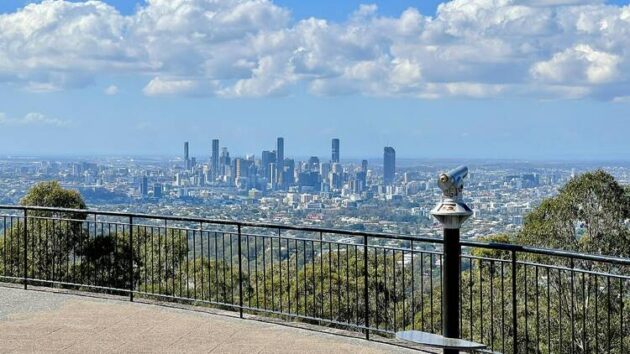
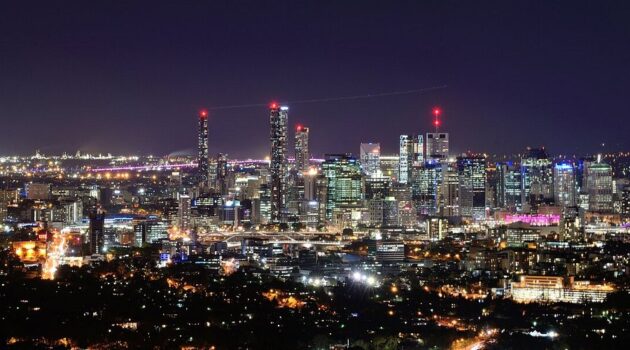
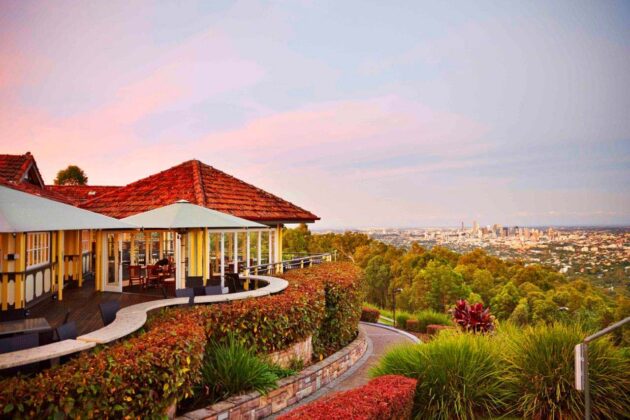
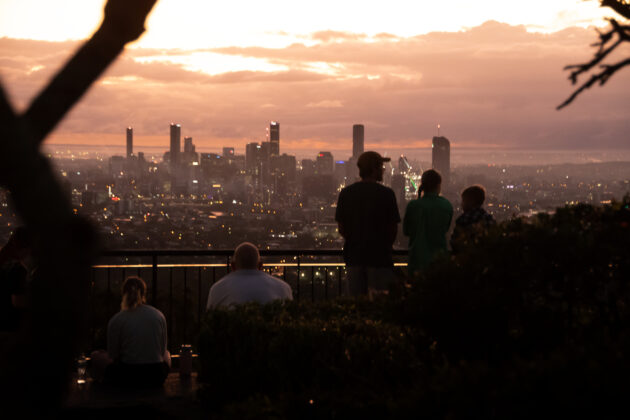
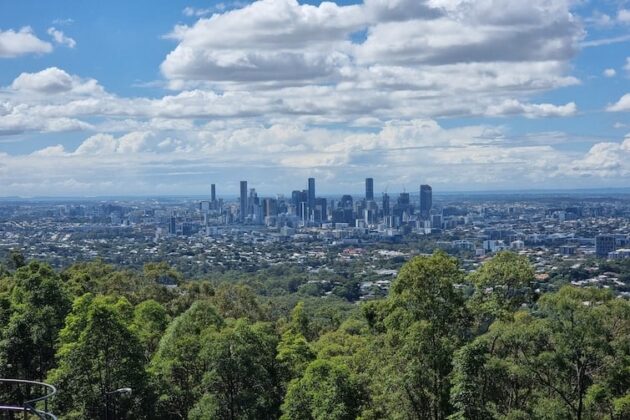
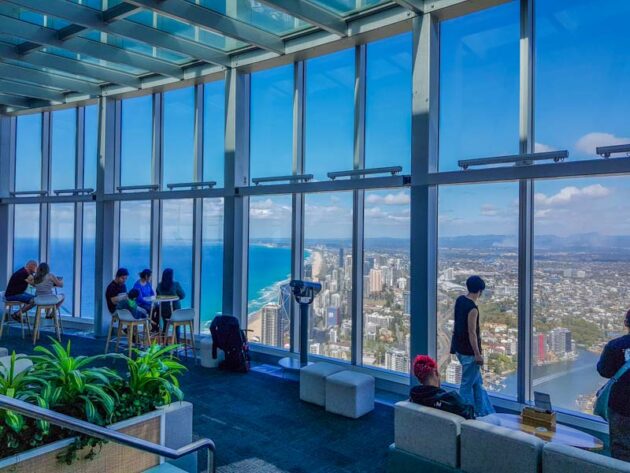
Perched just 7 kilometers from Brisbane’s city center, Mount Coot-tha Lookout is the premier vantage point for breathtaking, panoramic views of the entire city. Visitors are treated to a spectacular vista that sweeps across the Brisbane CBD, the winding Brisbane River, and stretches all the way to Moreton Bay. The site is a popular destination for both tourists and locals, offering a restaurant, a café, and extensive walking trails through the surrounding bushland, making it a perfect spot for any time of the day.
Brisbane Botanic Gardens Mt Coot-tha
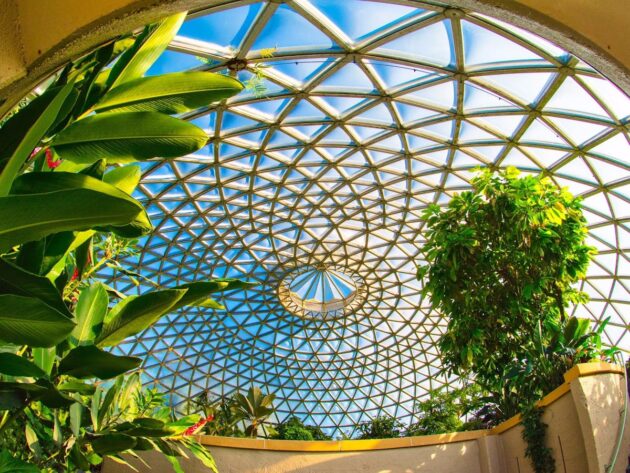
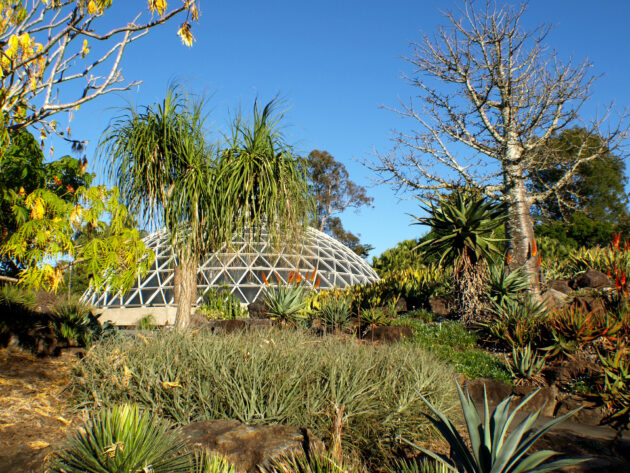
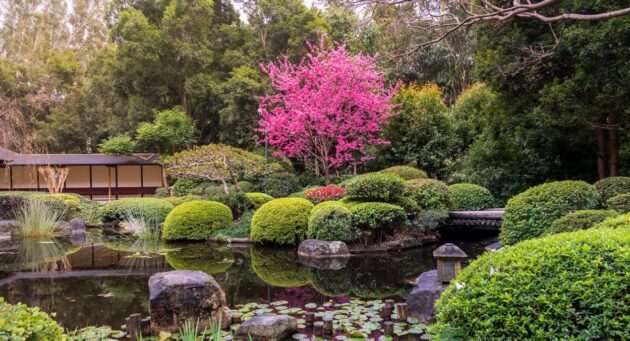
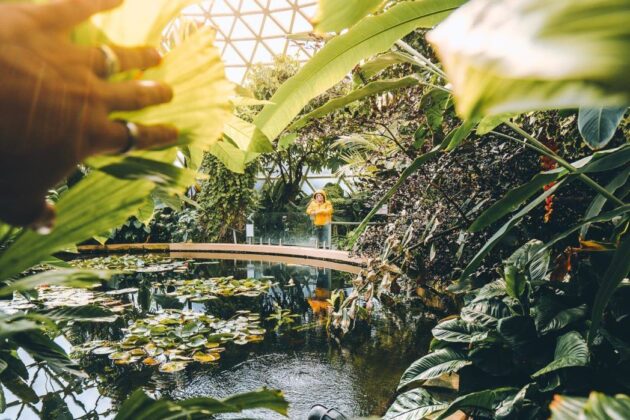
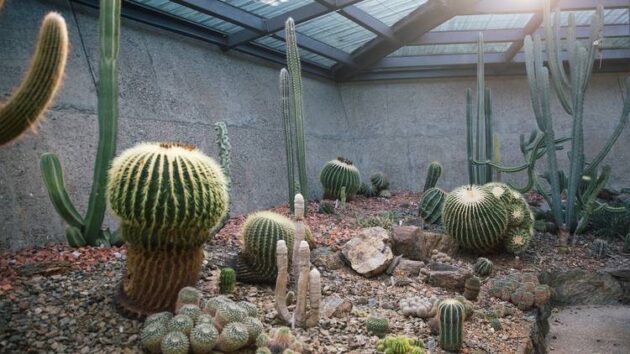
The Brisbane Botanic Gardens Mt Coot-tha in Queensland, Australia, is the state’s premier subtropical botanic garden. Located about 7 kilometers from the Brisbane CBD, these 52 to 56-hectare gardens are open daily with free entry. Visitors can explore a diverse range of themed gardens and attractions, including the Japanese Garden, Tropical Display Dome, arid and temperate gardens, rainforest trails, and the Bonsai House.
Gold Coast
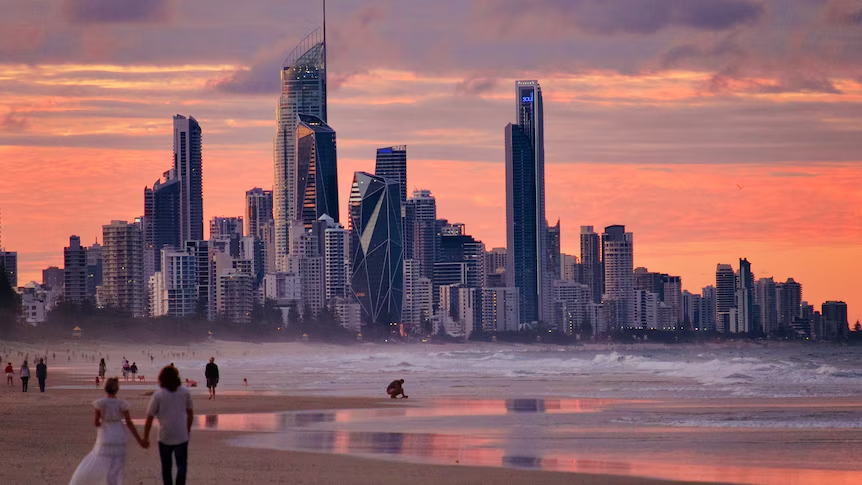
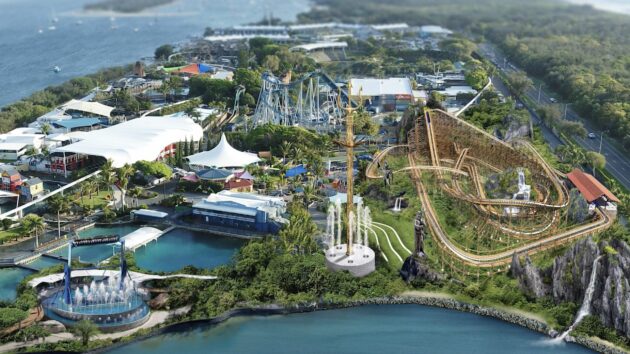
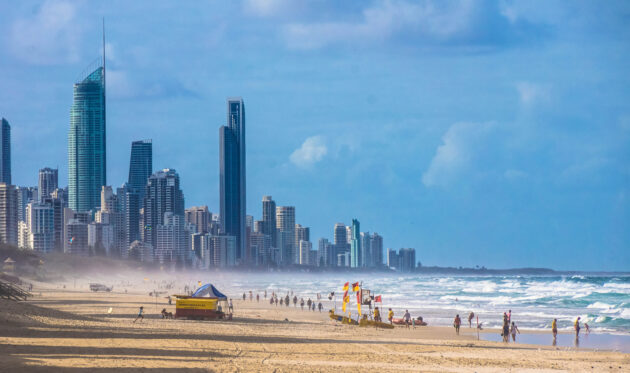
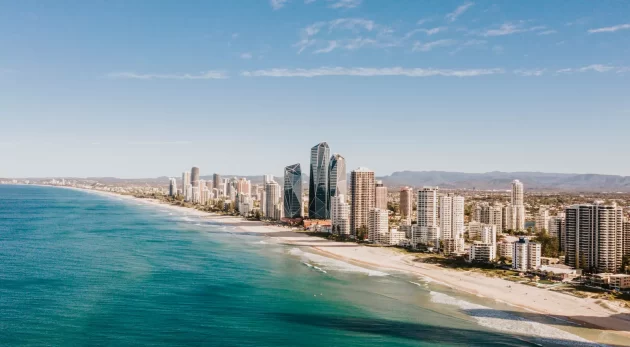
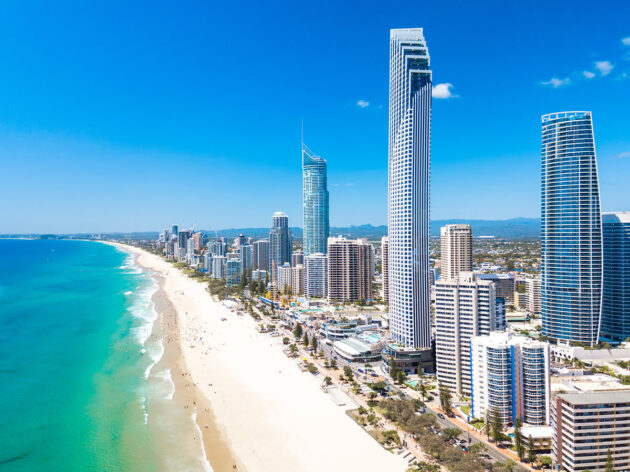
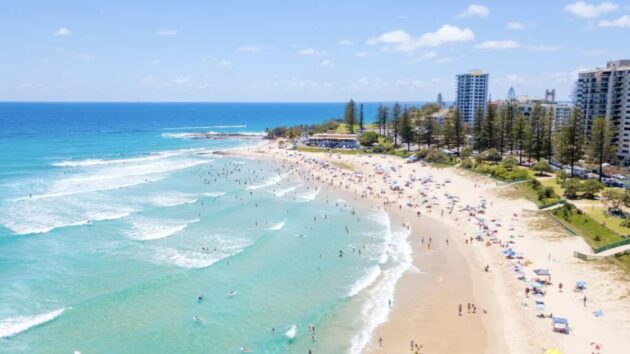
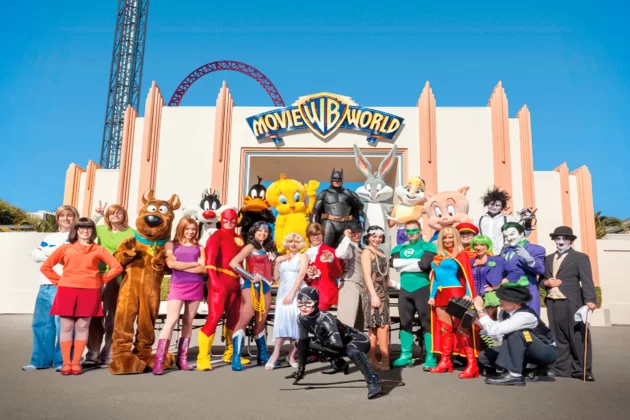
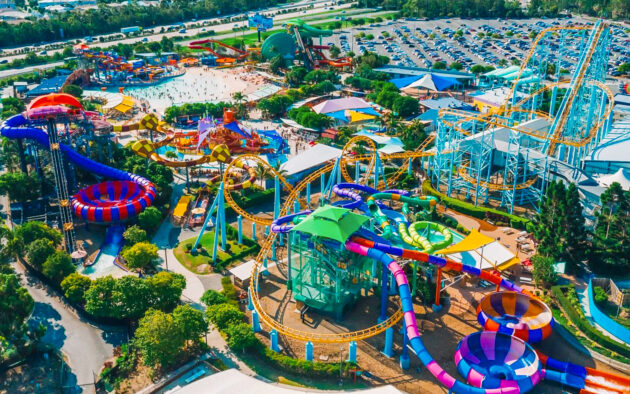
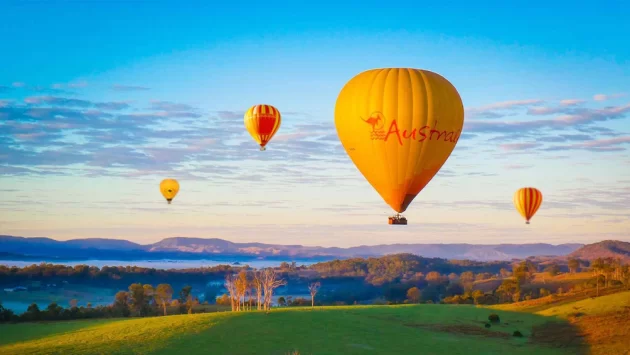
The Gold Coast, stretching along Queensland’s southeastern coastline, is Australia’s ultimate playground—a sun-soaked paradise where golden beaches meet adrenaline-pumping theme parks, lush rainforests, and a vibrant nightlife. Spanning over 70 kilometers of coastline, it’s famous for Surfers Paradise’s iconic skyline, world-class surf breaks, and family-friendly attractions. With more than 300 sunny days a year, it’s a year-round destination drawing millions of visitors.
Sunshine Coast
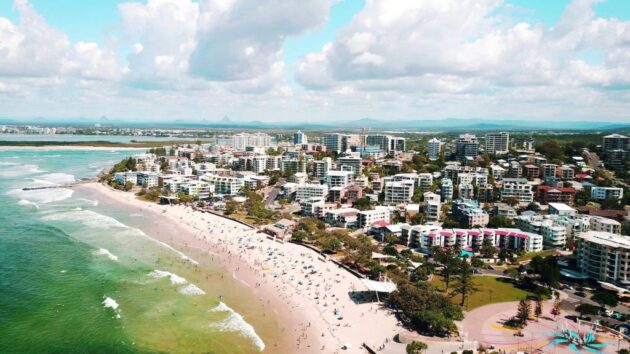
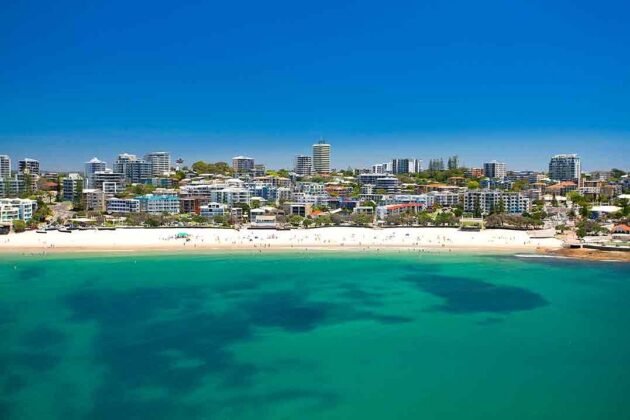
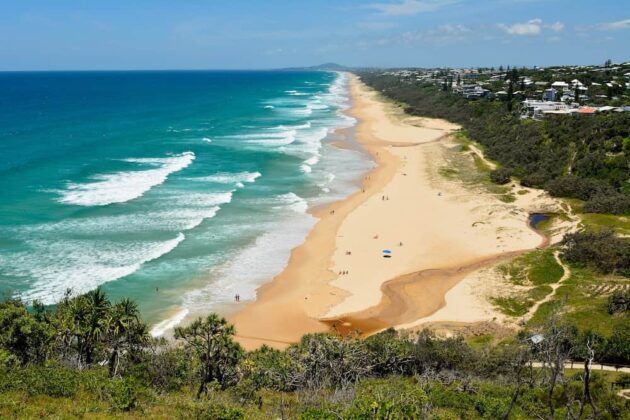
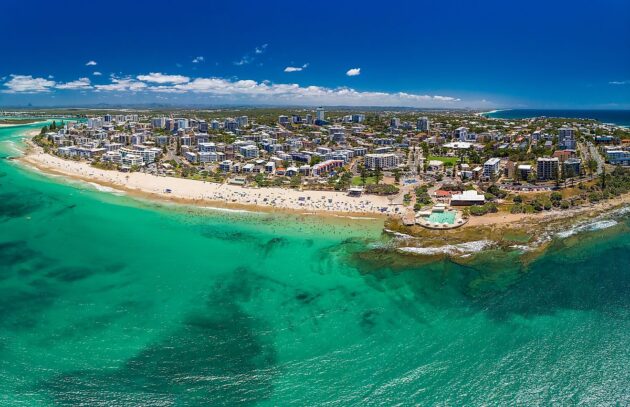
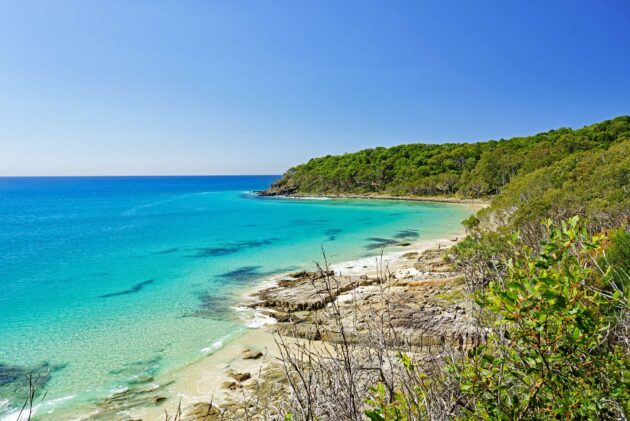
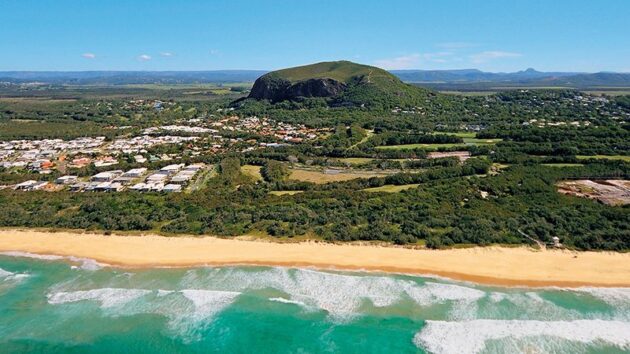
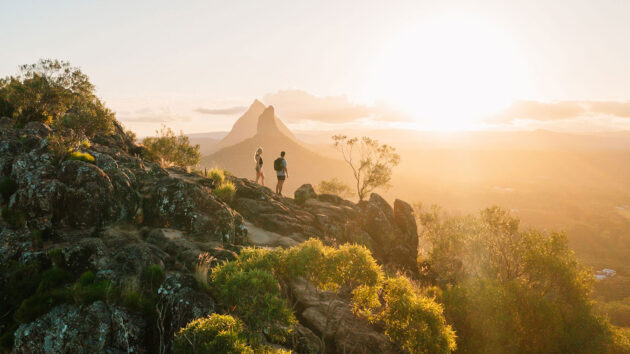
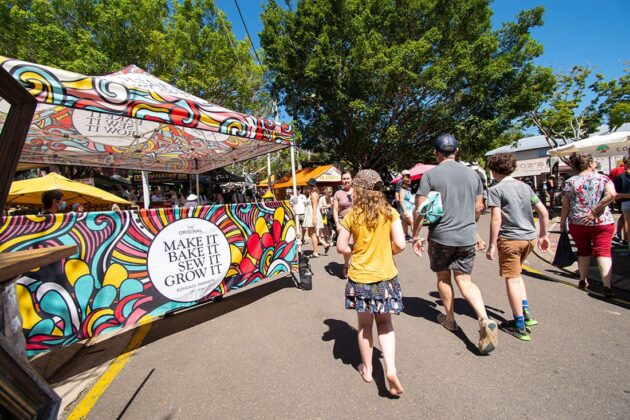
Stretching over 60 kilometers along Queensland’s southeastern coast, the Sunshine Coast is a sun-drenched paradise where golden beaches meet lush rainforests and charming hinterland villages. From the surf breaks of Mooloolaba to the upscale vibes of Noosa, this UNESCO Biosphere Reserve offers a perfect mix of adventure, relaxation, and culinary delights. With more than 300 sunny days a year, it’s an ideal escape for families, couples, and solo travelers.
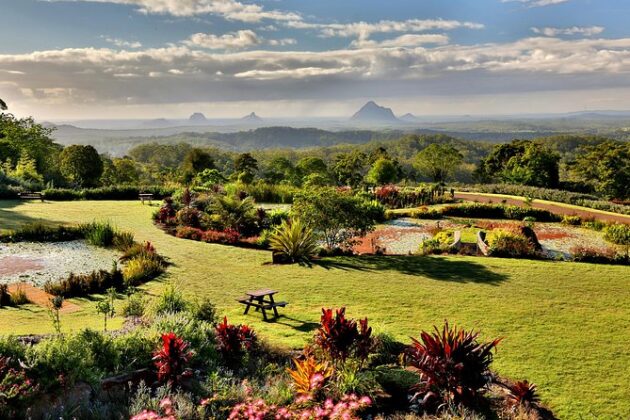
Moreton Island National Park
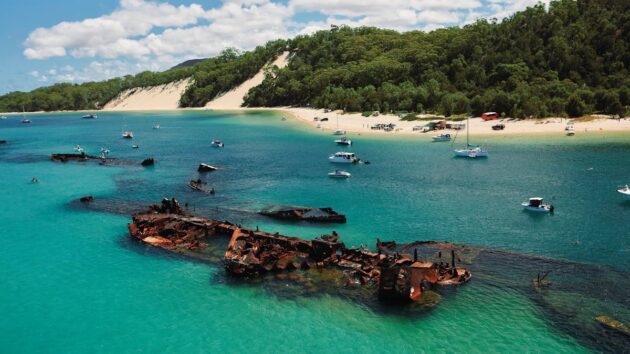
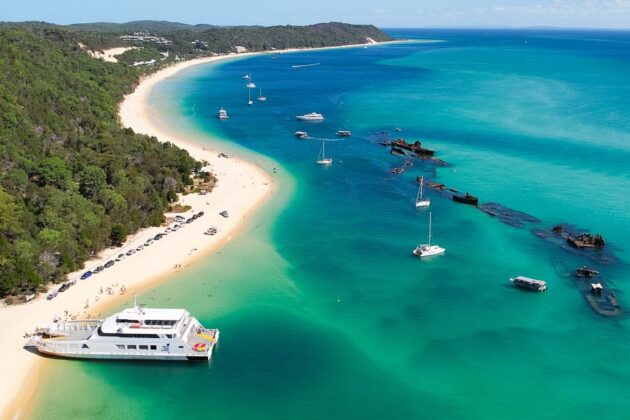
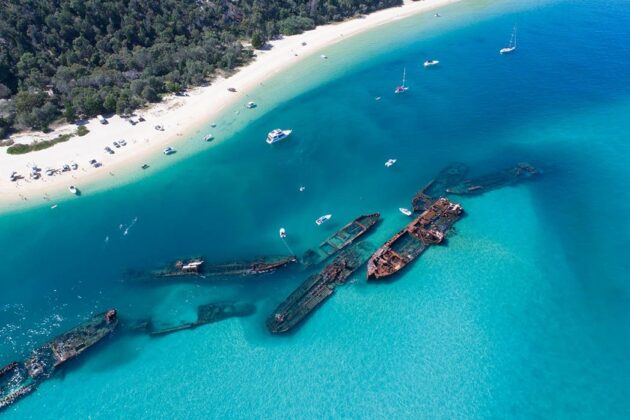
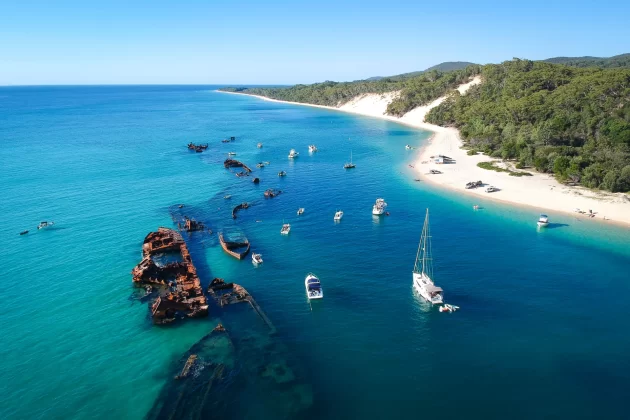
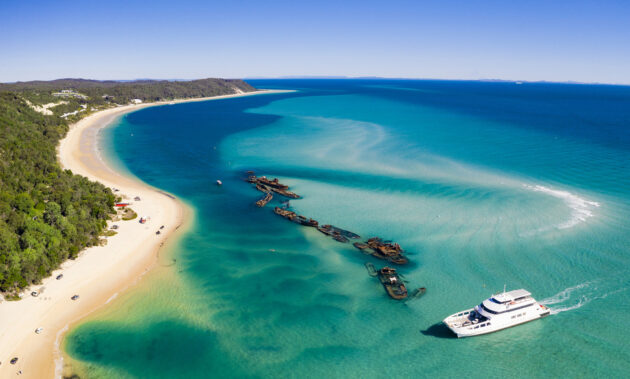
Gheebulum Coonungai (Moreton Island) National Park covers approximately 98% of Moreton Island (Mulgumpin), a stunning island located just 40 km northeast of Brisbane, Australia. As the third largest sand island in the world, the park features unique landscapes including towering sand dunes, such as Mount Tempest, one of the world’s highest coastal sand dunes, and pristine freshwater lakes like Blue Lagoon.
Great Sandy National Park
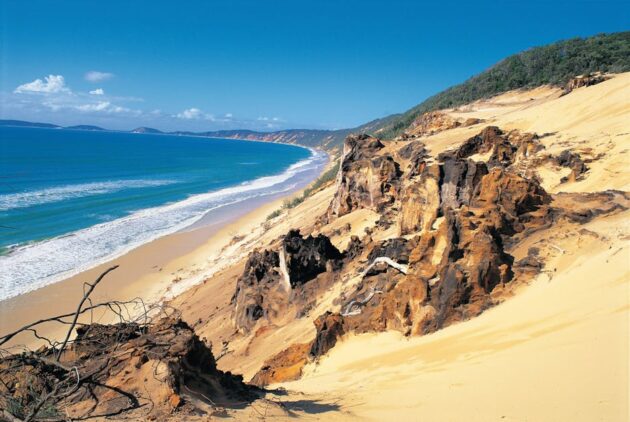
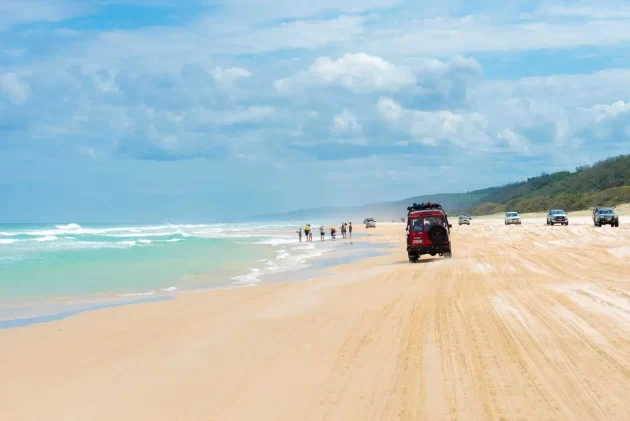
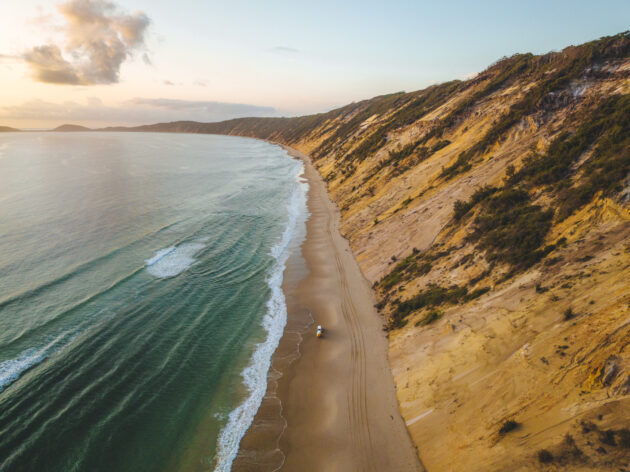
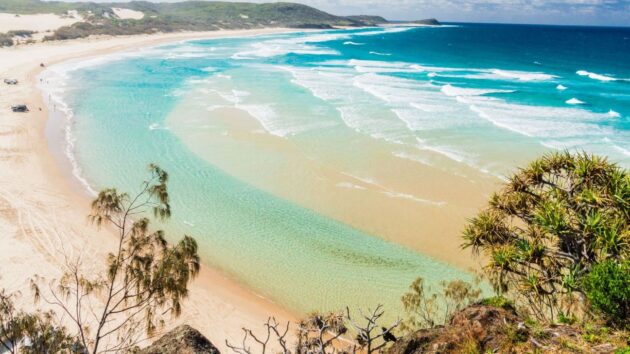
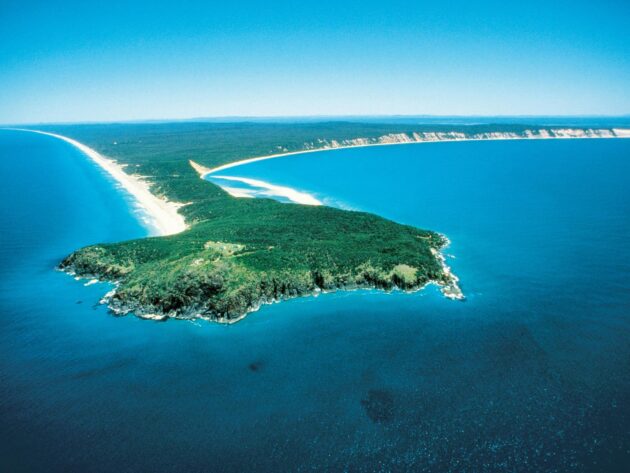
Great Sandy National Park in Queensland, Australia, is a spectacular coastal park renowned for its vast, untouched beaches and massive sand dunes. It’s divided into two main sections: the Cooloola Recreation Area on the mainland, featuring the unique Noosa Everglades, and the World Heritage-listed K’gari (Fraser Island), which is the largest sand island in the world. The park protects diverse landscapes including heathlands, rainforests, swamps, freshwater lakes, and mangrove forests.
Where to Eat
Brisbane’s food scene is diverse, from riverside cafes to multicultural eats. Focus on fresh seafood, Asian fusion, and craft beer.
Breakfast: Smashed avo at The Charming Squire (South Bank; AU$15–$20) or sand crab omelets at Eat Street Northshore (markets; AU$10–$25). Lunch/Dinner: Howard Smith Wharves for upscale riverside dining (e.g., Felons Brewing Co. burgers, AU$25). West End’s Indian or Vietnamese spots like Chau Nam (AU$20 mains).
Markets: Eat Street Northshore (Fridays–Sundays) for global street food (AU$10–$15). Nightlife: Fortitude Valley for bars and live music; try Felons for sunset cocktails.
Where to Stay
Brisbane’s neighborhoods suit every vibe—book via Booking.com or Expedia for deals (average AU$150–$300/night). Aim for CBD or South Bank for convenience.
| Neighborhood | Vibe | Recommendation | Price Range (AU$/night) |
|---|---|---|---|
| CBD/Spring Hill | Central, bustling | Emporium Hotel South Bank (luxury, river views) | 250–400 |
| South Bank | Riverside, family-friendly | Rydges South Bank (rooftop pool) | 200–350 |
| Fortitude Valley | Hip, nightlife | Bowler Bar (boutique, trendy) | 180–300 |
| New Farm | Upscale, trendy | Meriton Suites Herschel Street (apartments) | 150–250 |
| Kangaroo Point | Scenic, relaxed | The Point Brisbane (cliffside views) | 220–380 |
| Budget/Hostel | Backpacker | Brisbane City YHA (central, social) | 30–60 (dorm) |
For families: South Bank options with pools. Couples: New Farm for romance. Book 3–4 months ahead for October.
Tips for a Great Trip
Getting Around: Walk the river paths or use free City Loop buses. Rent bikes (AU$20/day) via CityCycle. Money-Saving: Free attractions like Roma Street Parkland and City Botanic Gardens. Use the Go Card for 50c fares. Accessibility: Wheelchair-friendly paths at South Bank; Changing Places facilities available.
Safety: Low crime, but watch for pickpockets in crowds. UV index is high—slather on SPF 50+. Sustainability: Opt for eco-tours; avoid single-use plastics. Support First Nations businesses like cultural walks. COVID/Visa: U.S./EU visitors need an ETA visa (free online).
Final Thoughts
Brisbane is where city sophistication meets coastal ease—think rooftop bars with river sunsets, koala cuddles, and fresh seafood feasts. Whether climbing bridges or chilling at South Bank, you’ll leave with a true taste of Aussie charm. Pack light layers, embrace the outdoors, and let Brisbane’s warmth win you over.
Safe travels!