
A Travel Guide to the Sunshine Coast (2026)
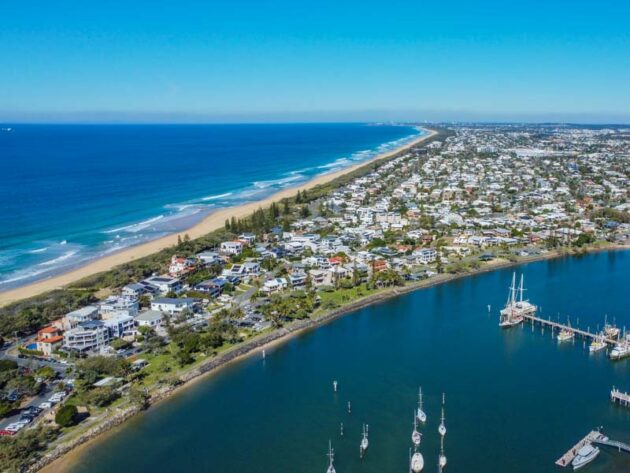
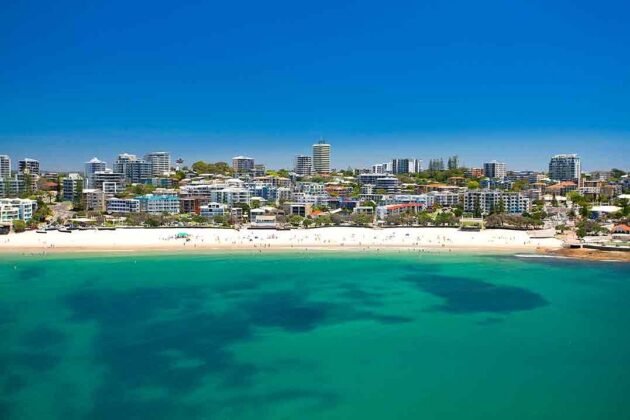
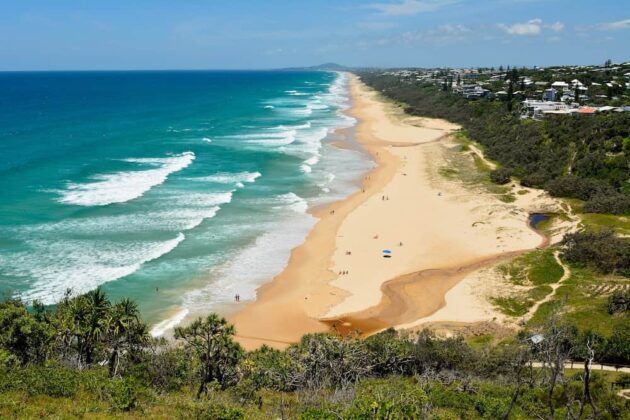
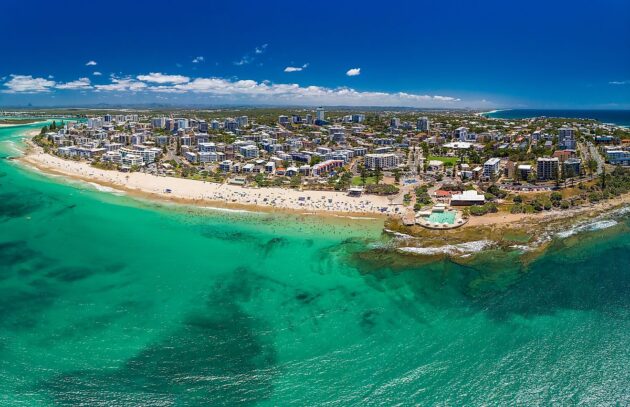
Stretching over 60 kilometers along Queensland’s southeastern coast, the Sunshine Coast is a sun-drenched paradise where golden beaches meet lush rainforests and charming hinterland villages. From the surf breaks of Mooloolaba to the upscale vibes of Noosa, this UNESCO Biosphere Reserve offers a perfect mix of adventure, relaxation, and culinary delights. With more than 300 sunny days a year, it’s an ideal escape for families, couples, and solo travelers. Whether you’re whale-watching in winter or hiking volcanic peaks, this guide will help you uncover the coast’s best-kept secrets.
Why Visit the Sunshine Coast?
The Sunshine Coast isn’t just a destination; it’s a lifestyle. Expect pristine waterways, world-class wildlife encounters at Australia Zoo, and farm-to-table dining amid the Glass House Mountains. Emerging trends like stargazing tours under crystal-clear skies and eco-adventures in the hinterland are stealing the spotlight. It’s a year-round haven, but spring and autumn shine for fewer crowds and vibrant wildflowers. Plus, with direct flights expanding, it’s easier than ever to access this coastal gem.
How to Get There
The Sunshine Coast is conveniently located, about 100 kilometers north of Brisbane. Here’s how to arrive from major hubs:
By Air: Sunshine Coast Airport (MCY) in Marcoola: Direct domestic flights from Sydney (1.5 hours, ~AUD 100–200), Melbourne (2.5 hours, ~AUD 150–250), Adelaide, and Cairns. International options include seasonal flights from Auckland. It’s just a 30-minute drive to most towns; shuttles like Con-X-ion cost ~AUD 20–30. Brisbane Airport (BNE): A 1–2-hour drive north (via M1 motorway). Ideal for international travelers; taxis/Uber run ~AUD 150–250, or take the Airtrain to Brisbane CBD then a Greyhound bus (~AUD 30, 2 hours).
By Road from Sydney or Brisbane: From Sydney: Fly direct (as above) or drive ~1,100 km (12–14 hours) via the Pacific Highway. Not recommended unless road-tripping. From Brisbane: Drive 1 hour north on the Bruce Highway/M1 (~AUD 20 in tolls). Trains (Queensland Rail to Nambour or Landsborough, ~AUD 10–15, 2 hours) connect to local buses. Greyhound buses from Brisbane CBD to Noosa/Mooloolaba (~AUD 32, 2–3 hours).
Getting Around: Rent a car (~AUD 50/day) for flexibility—essential for hinterland exploration. Public transport includes Sunbus routes (e.g., 622 from airport to Noosa, ~AUD 5) and high-frequency coastal services. Bikes or e-scooters are great for beach towns.
Tip: Book airport transfers in advance during peak seasons; traffic peaks around holidays.
Best Time to Visit
The subtropical climate means mild weather year-round (average highs 22–28°C), but timing depends on your vibe:
Spring (September–November): Ideal for most visitors—low rainfall, temps 18–27°C, blooming wildflowers, and whale season tail-end. Fewer crowds than summer. Perfect for hiking Noosa National Park. Summer (December–February): Peak season with 28–30°C heat, ideal for beaches and festivals like Australia Day (Jan 26). Expect crowds and humidity; sea temps hit 26°C.
Autumn (March–May): Balanced warmth (20–26°C), surf swells, and events like Noosa Eat & Drink Festival. Great for foodies. Winter (June–August): Mild 9–22°C days, low humidity, and prime whale-watching (July–August). Quieter, cheaper stays—best for outdoor adventures like the Hinterland Great Walk.
Avoid school holidays (late Dec–Jan, Jun–Jul) for deals; book early for events like the Big Pineapple Festival (Nov).
Top Attractions and Things to Do
Australia Zoo (Beerwah)
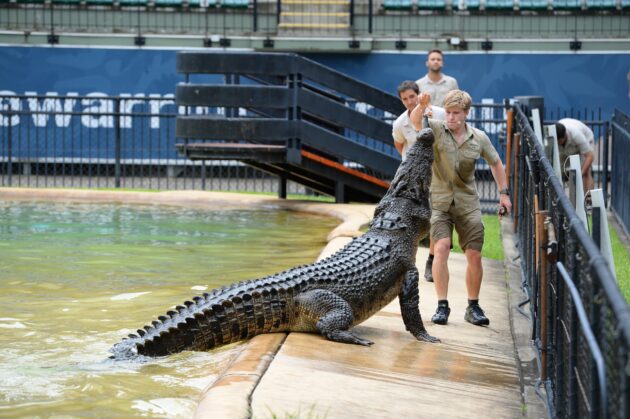
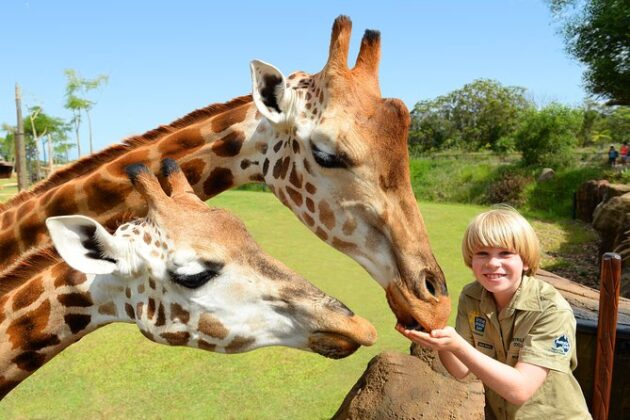
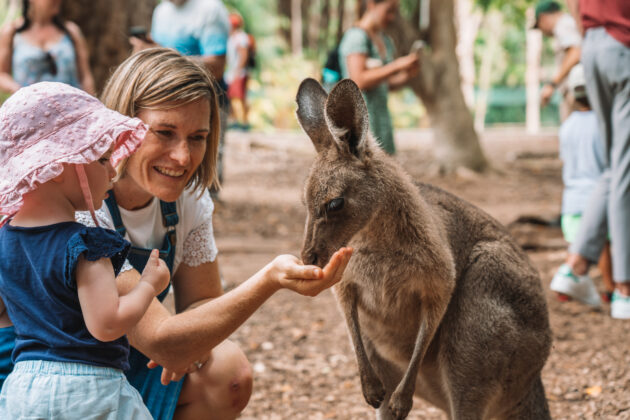
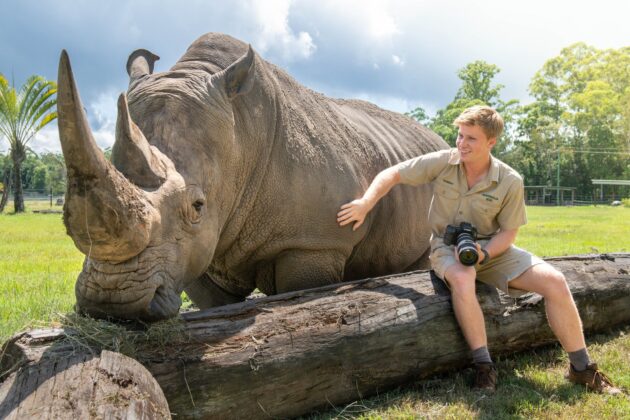
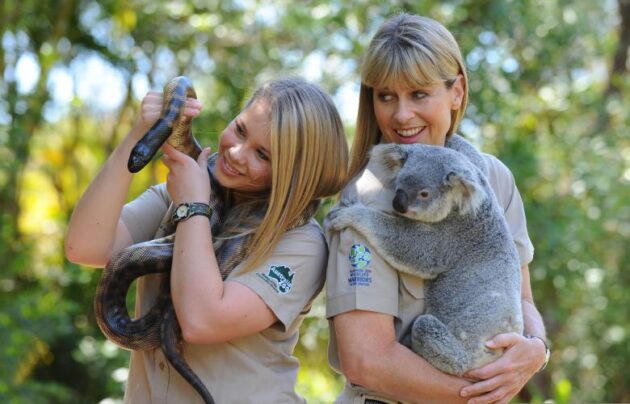
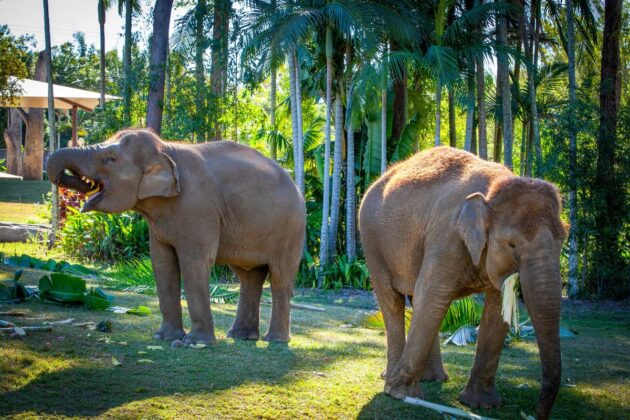
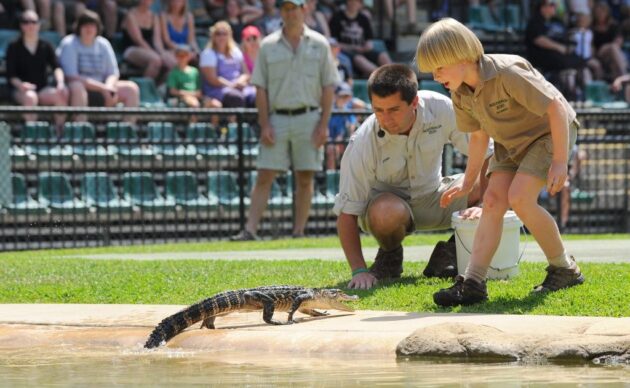
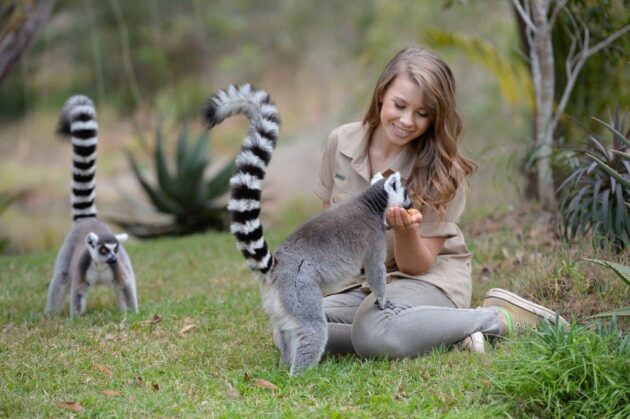
Nestled in the heart of Queensland’s Sunshine Coast, Australia Zoo in Beerwah is a world-renowned wildlife sanctuary founded by the legendary Steve Irwin, the “Crocodile Hunter.” Spanning 40 hectares, it houses over 1,200 animals from around the globe, with a strong emphasis on conservation, education, and interactive experiences.
Noosa National Park
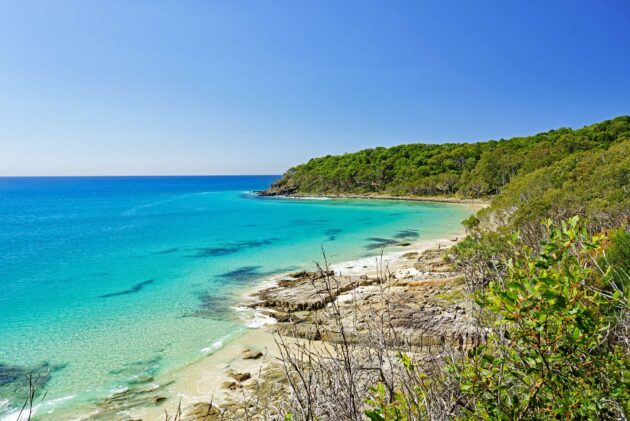
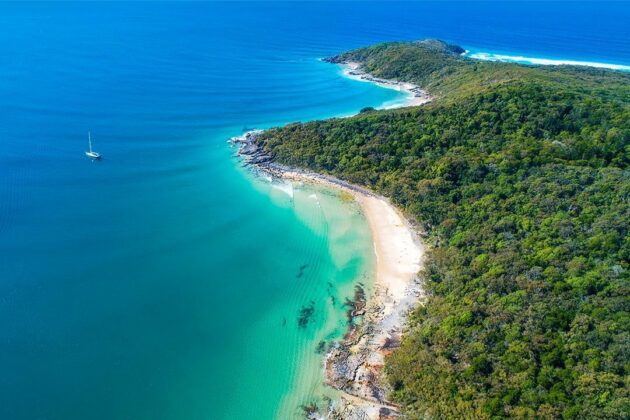
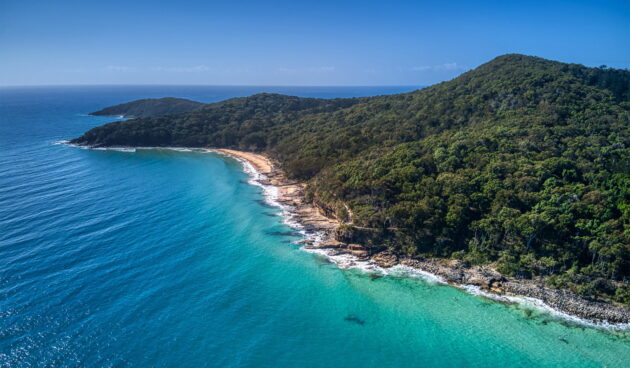
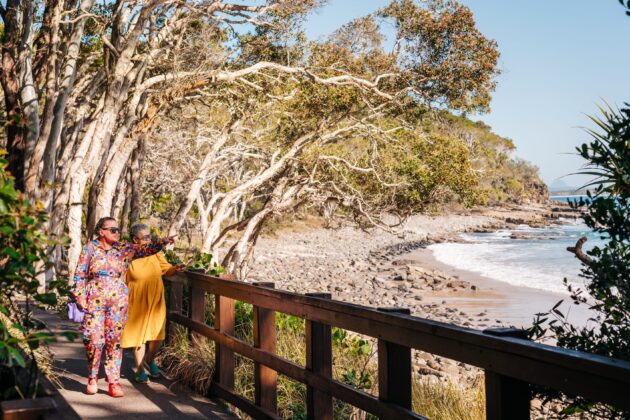
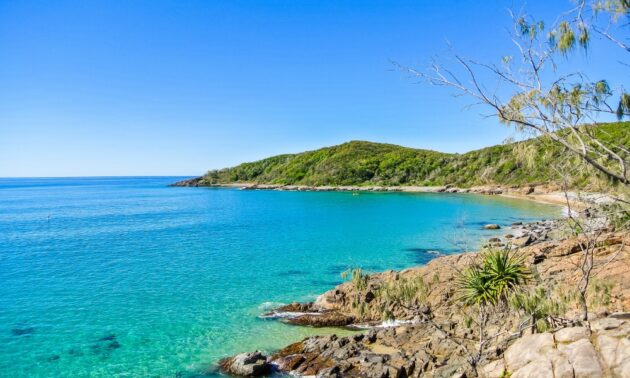
Nestled along the Sunshine Coast in Queensland, Australia, Noosa National Park is a stunning coastal sanctuary renowned for its diverse landscapes. It features pristine beaches, lush rainforests, and dramatic headlands with scenic coastal walking trails. Visitors can spot native wildlife like koalas and dolphins while enjoying popular spots such as Hell’s Gates and the iconic Fairy Pools. A perfect blend of natural beauty and accessibility, it’s a premier destination for hiking, swimming, and surfing.
SEA LIFE Sunshine Coast (Mooloolaba)
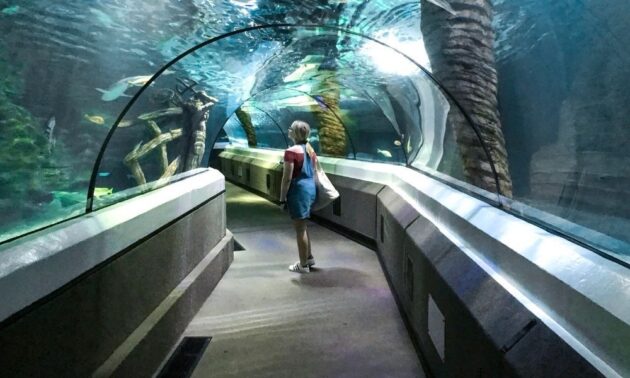
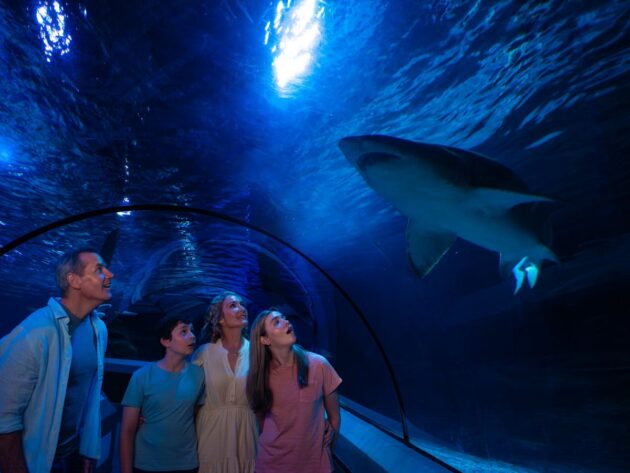
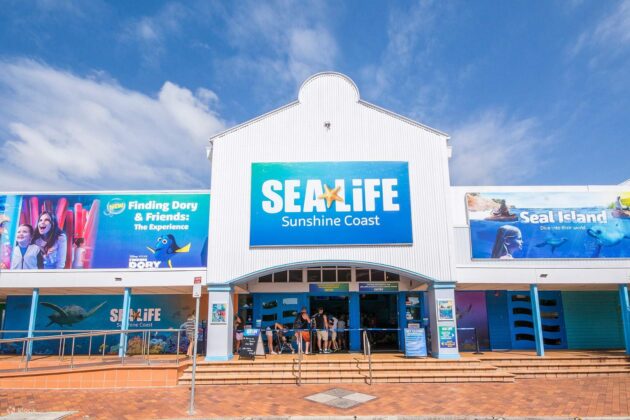
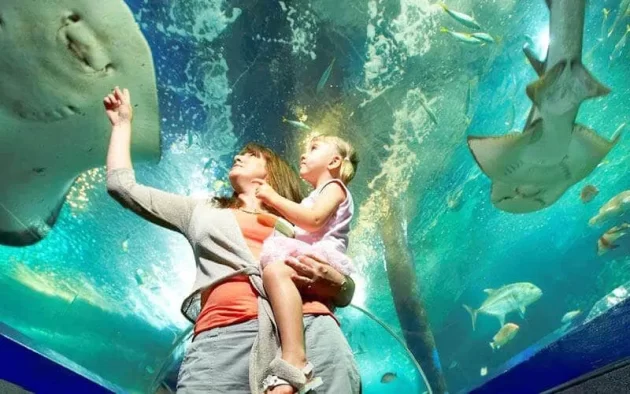
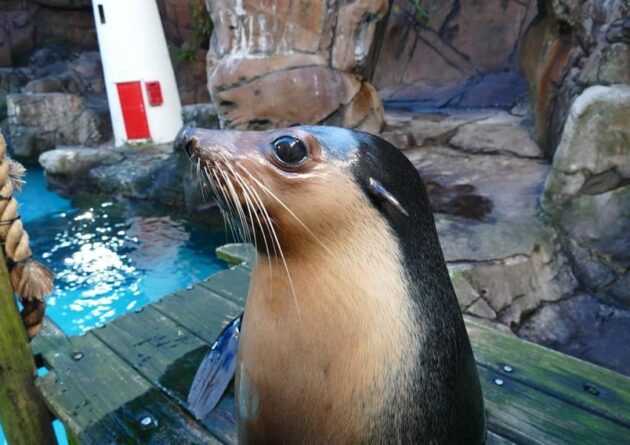
The SEA LIFE Sunshine Coast Aquarium, located in Mooloolaba, Australia, is a multi-award-winning marine attraction that offers an immersive journey into underwater worlds. Visitors can explore over 10,000 creatures across various exhibits, including an 80-meter long ocean tunnel for viewing sharks and rays, a seal island with daily presentations, a kingdom for jellyfish and seahorses, and a colony of Little Blue Penguins.
Mount Coolum National Park
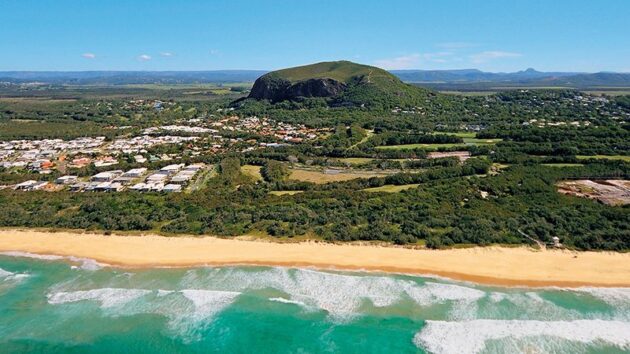
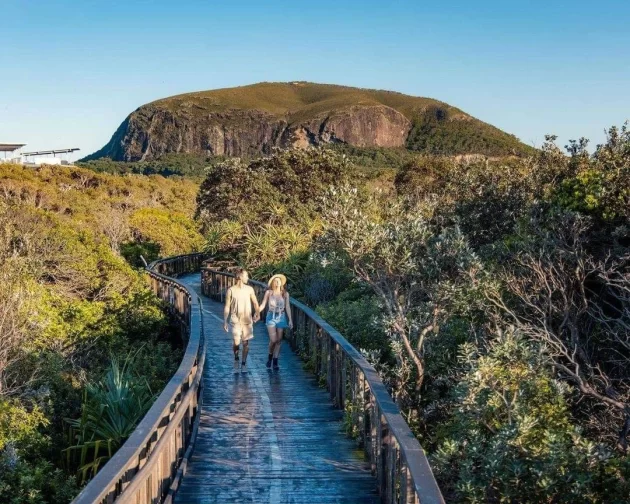
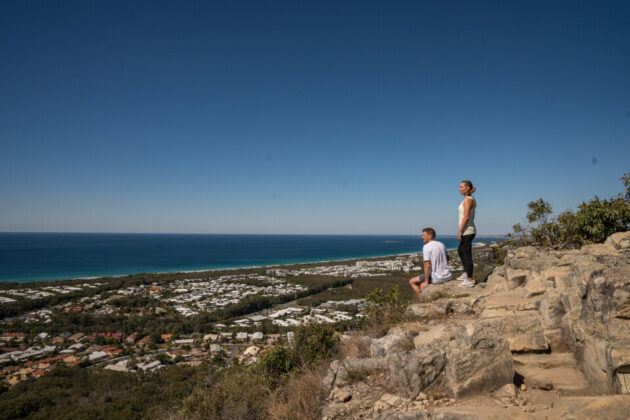
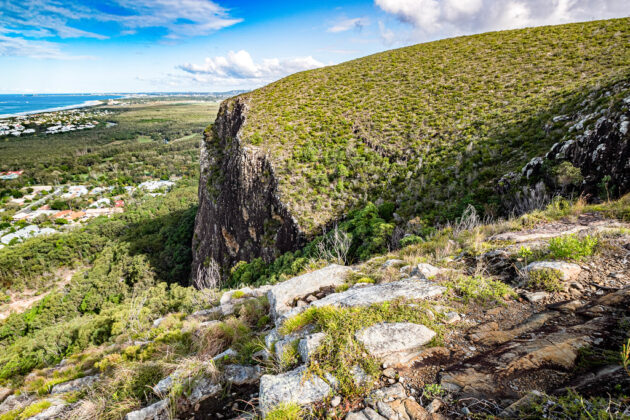
Mount Coolum National Park, located on Queensland’s Sunshine Coast, is a prominent natural landmark dominated by its centerpiece, Mount Coolum. This 208-meter high volcanic dome rises dramatically from the coastal plain, offering a challenging but rewarding hike to the summit. The steep track leads visitors through unique ecosystems, including remnant rainforest and heathlands, to be greeted by breathtaking 360-degree panoramic views of the coastline, beaches, and the surrounding hinterland.

Eumundi Markets
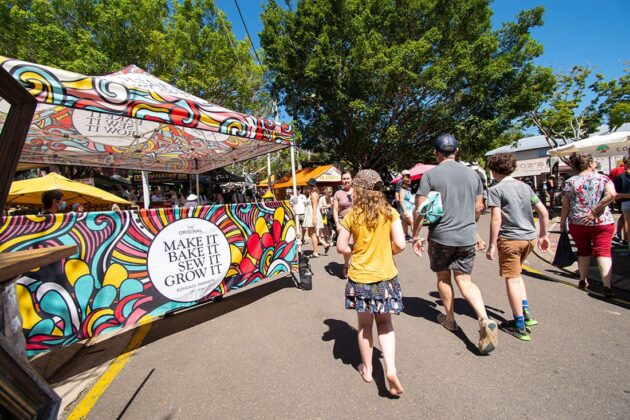
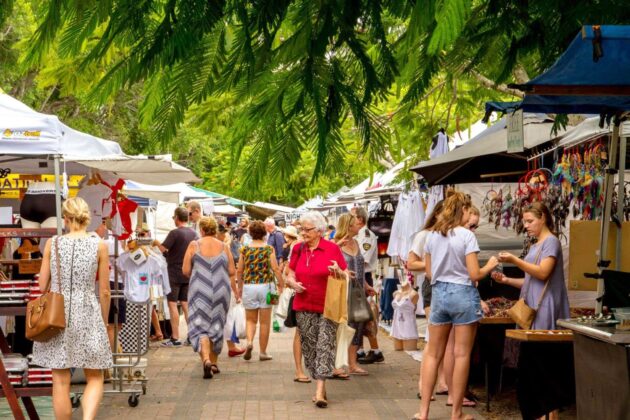
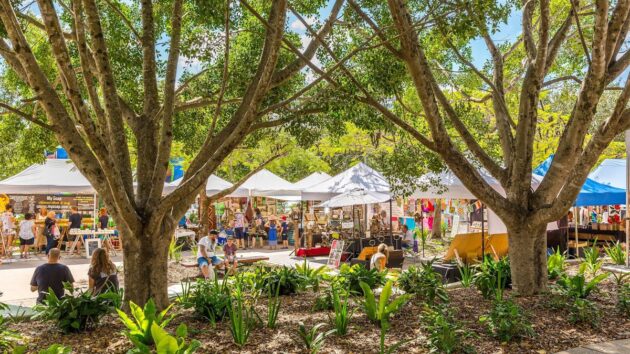
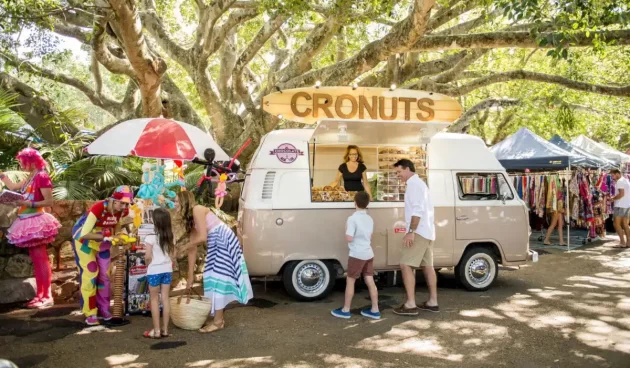
The Eumundi Markets on the Sunshine Coast, Australia, are renowned as the country’s largest and best art and craft markets. Established in 1979, they operate every Wednesday and Saturday, rain or shine. The markets feature a vibrant collection of unique, locally made artisan treasures under the ethos of “Make it. Bake it. Sew it. Grow it”, offering everything from handcrafted furniture and fashion to fresh local produce and gourmet foods.

Whale Watching Tours
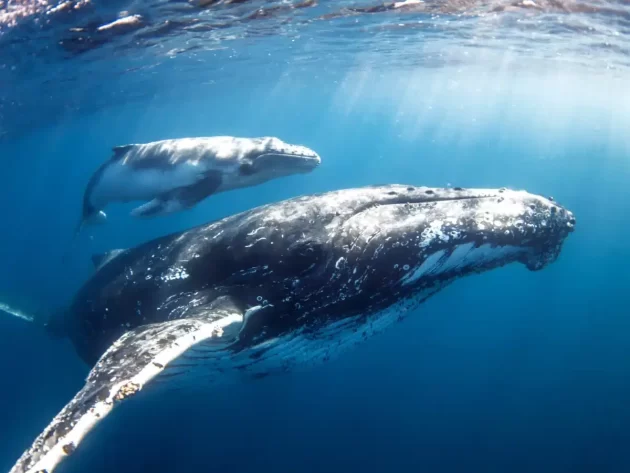
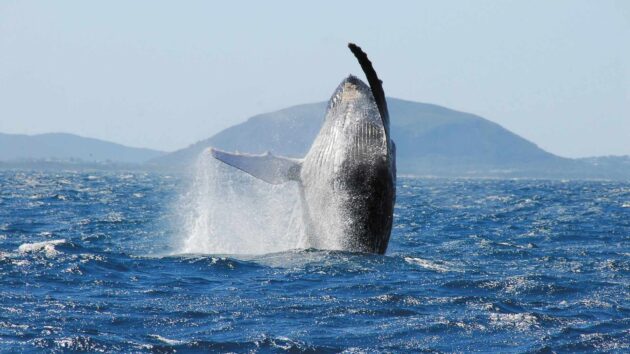
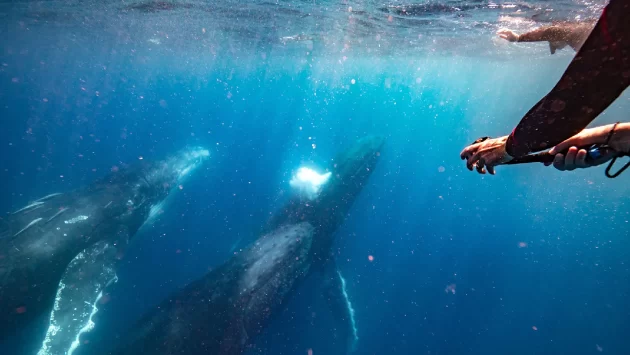
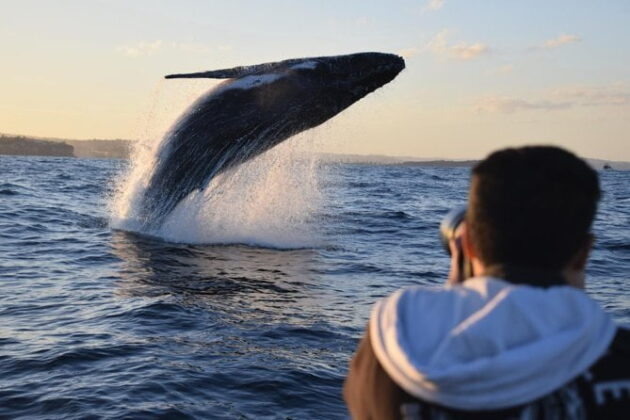
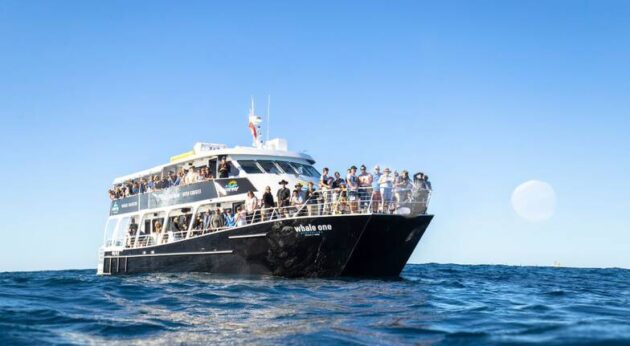
The Sunshine Coast in Australia is a prime destination for whale watching, with the season typically running from June to October. During this period, thousands of humpback whales migrate along the coast. You can experience these magnificent creatures through various boat tours departing from locations like Mooloolaba and Noosa, and some operators even offer unique swim-with-whales experiences. For those who prefer to stay on land, there are also several coastal lookout points perfect for spotting whales.
Glass House Mountains National Park
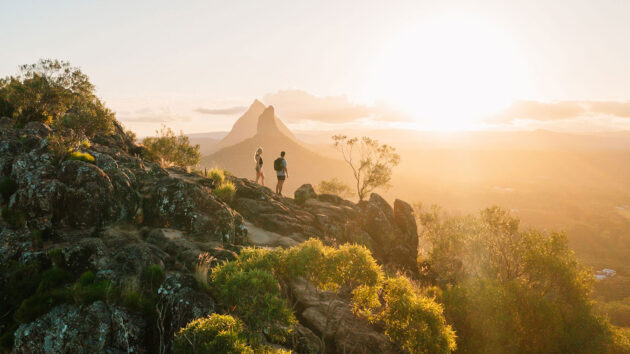
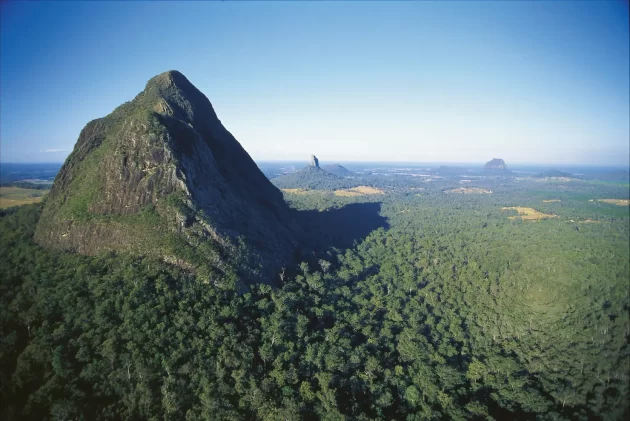
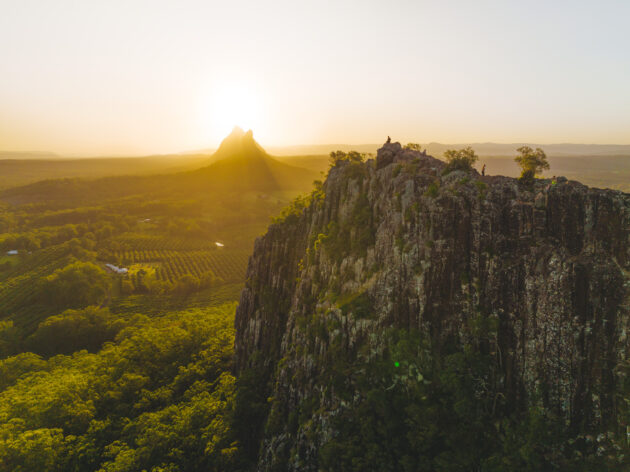
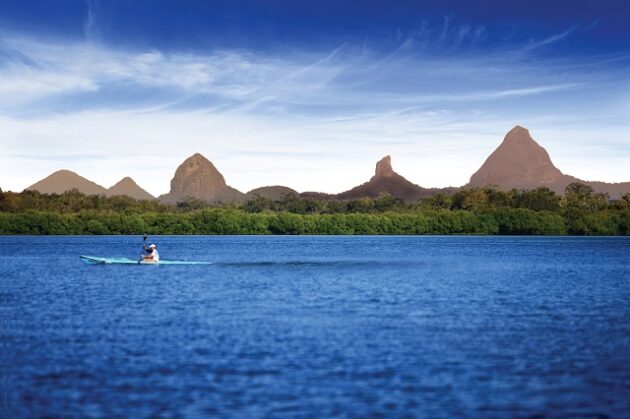
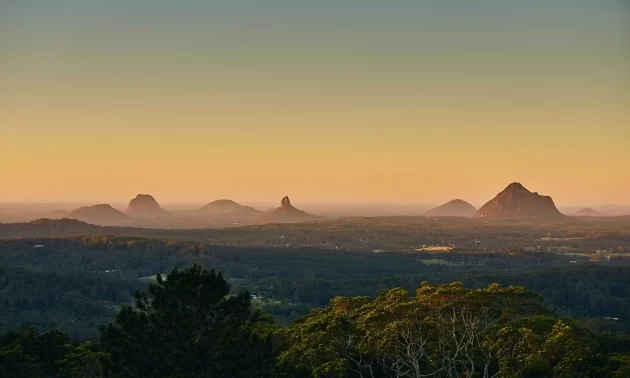
The Glass House Mountains National Park on Australia’s Sunshine Coast is a dramatic landscape about 70km north of Brisbane, famed for its steep, craggy peaks that rise abruptly from the coastal plain. These peaks are the volcanic plugs of extinct volcanoes, formed around 26-27 million years ago. The park offers walking tracks through open forests leading to lookouts with panoramic views, with opportunities for hiking and, for the experienced, challenging rock climbing on mountains like Mount Ngungun and Mount Tibrogargan.
Maleny Botanic Gardens & Bird World
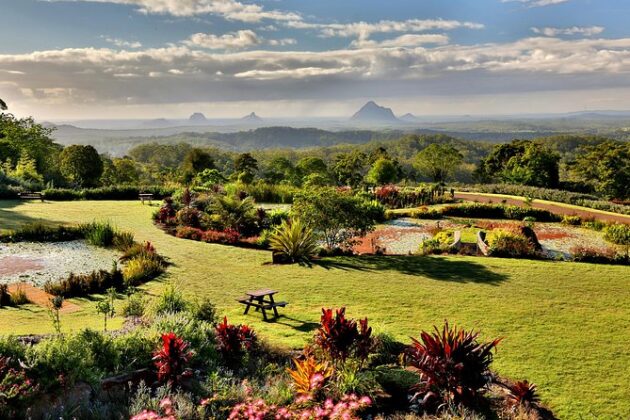
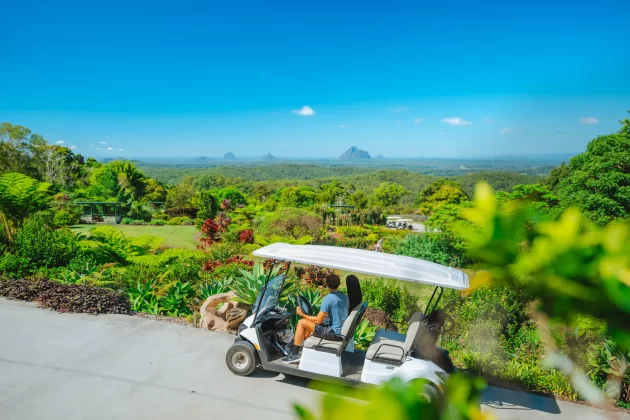
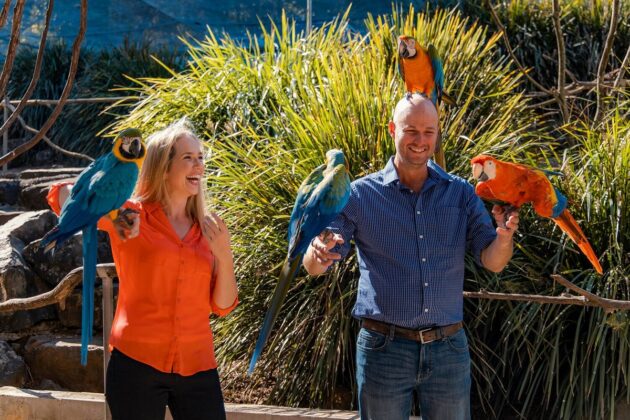
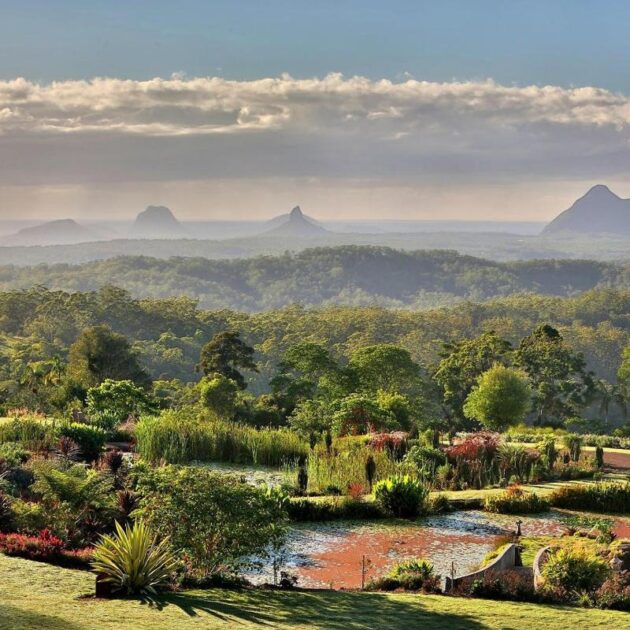
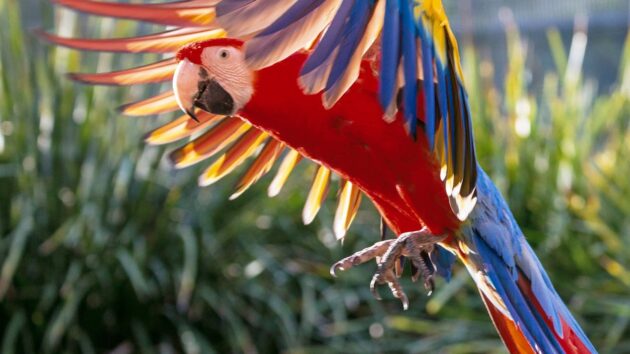
The Maleny Botanic Gardens & Bird World on the Sunshine Coast, Australia, is a family-friendly attraction set on 23 acres of terraced gardens, offering stunning views of the Glass House Mountains. Visitors can explore beautiful themed gardens and enjoy an interactive, guided walk-through tour of five aviaries, home to over 600 native and exotic birds, many of which are rescues.
Where to Eat
The Sunshine Coast’s food scene emphasizes fresh, local flavors—think seafood, craft brews, and hinterland produce.
Mooloolaba: Seafood at The Boathouse (ocean views, ~AUD 50 mains) or casual fish ‘n’ chips at Mooloolaba Spit. Noosa: Upscale at Nokomis (Modern Australian, ~AUD 80/person) or Hastings Street cafes for brunch. Hinterland: Farm-to-table at The Long Apron by Spicers (tasting menus ~AUD 150) or Eumundi’s street eats. Markets & Brews: Sample at Eumundi or hit Moffat Beach Brewing Co. for IPAs and pub grub (~AUD 25).
Where to Stay
Options span beachfront luxury to hinterland retreats. Popular bases: Noosa (upscale), Mooloolaba (central), Caloundra (family-friendly).
| Area | Style | Recommendation | Price/Night (AUD) | Why Stay Here? |
|---|---|---|---|---|
| Noosa | Luxury Resort | Sofitel Noosa Pacific Resort | 300–500 | Beachfront luxury, spa, near national park. |
| Mooloolaba | Beach Apartment | Sea World Resort | 200–350 | Self-catering, ocean views, family perks. |
| Caloundra | Budget-Friendly | Ramada by Wyndham Golden Beach | 150–250 | Near Kings Beach, pools, value for money. |
| Hinterland (Maleny) | Boutique Retreat | Spicers Tamarind Retreat | 400–600 | Rainforest luxury, fine dining, serene. |
| Marcoola | Eco-Glamping | Atlantis Marcoola | 180–300 | Near airport, modern villas, nature focus. |
Tip: Book via Visit Sunshine Coast for deals like 30% off 5-night stays. Pet-friendly and glamping options available.
Tips for a Great Trip
Pack Smart: Sunscreen, reef-safe swimwear, hiking shoes, and a reusable water bottle—UV is intense. Eco-Conscious: Stick to marked trails, use patrolled beaches, and support sustainable tours (e.g., no-touch wildlife viewing).
Budget: Expect AUD 150–250/day per person (mid-range). Save with markets and off-peak stays. Connectivity: Free Wi-Fi at cafes; download the Translink app for buses. Combine It: Pair with a Brisbane day trip or Fraser Island excursion for more adventure.
Final Thoughts
The Sunshine Coast is evolving into a hotspot for mindful travel, blending adrenaline with serenity amid its beaches and biospheres. From Irwin-inspired wildlife wonders to starlit hinterland escapes, it’s a place that captures Australia’s spirit. Dive in, breathe deep, and let the sunshine recharge you—your perfect coastal chapter awaits.
Happy travels!