
A Travel Guide to Adelaide (2026)
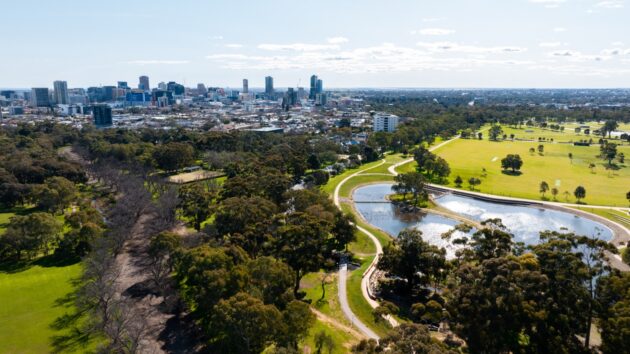
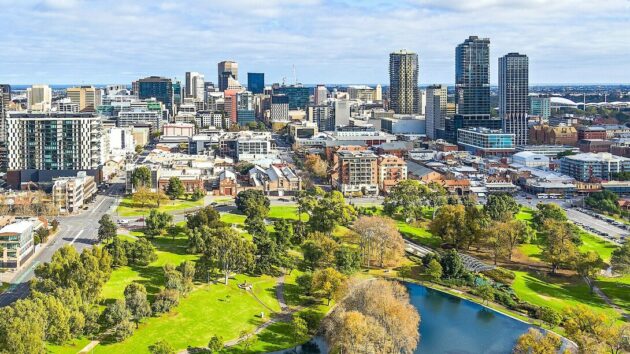
Adelaide, the vibrant capital of South Australia, is a city that masterfully blends laid-back charm with world-class culture, food, and wine. Nestled between the Gulf St Vincent and the Adelaide Hills, it boasts stunning beaches, lush parklands, and easy access to renowned wine regions like the Barossa Valley. Often called Australia’s “Festival City,” Adelaide is home to more restaurants per capita than any other Australian city and hosts an array of events that draw global visitors. Whether you’re here for the thriving arts scene, outdoor adventures, or simply to unwind on pristine shores, this guide will help you make the most of your trip.
Why Visit Adelaide?
Adelaide offers a perfect balance of urban sophistication and natural beauty. It’s compact and walkable, making it ideal for first-timers or those seeking a relaxed escape from Australia’s busier east coast cities. Highlights include its Mediterranean climate, diverse cuisine—from handmade pasta to Afghani spices—and proximity to wildlife hotspots like Kangaroo Island. Expect a packed calendar of events, including the Nature Festival in spring and the bp Adelaide 500 Supercars Grand Final in October, cementing its status as a cultural powerhouse.
How to Get There
Adelaide Airport (ADL) is the main gateway, handling domestic and international flights from Asia, Europe, and major Australian cities. It’s just 6 km (3.7 miles) from the city center.
By Air: Direct flights connect to Sydney (1.5 hours), Melbourne (1 hour), Perth (3.5 hours), and international hubs like Singapore and Doha. Airlines include Qantas, Virgin Australia, and Jetstar. Arrivals are smooth, with car rental desks on-site from Avis, Budget, Hertz, and more.
Airport Transfers: Public Bus: The J1 or J2 JetExpress bus runs every 15–30 minutes from Stop 10 outside the terminal to the city center (about 20–30 minutes). Fares are $4.25 peak/$2.40 off-peak with a metroCARD or tap-and-pay (Visa/Mastercard). Buy tickets via the Adelaide Metro Buy & Go app or vending machines. Shuttle: Services like Redy2GO or Jayride offer door-to-door transfers starting at $15–20 per person, ideal for groups (up to 15 passengers with Wi-Fi). Taxi/Rideshare: Uber or 13cabs from the rank costs $25–35 (15–20 minutes). Pre-book via apps for fixed fares and no queues. Train: No direct rail to the airport, but the Outer Harbor line from Adelaide Railway Station connects to suburbs.
For longer stays, consider driving: The Indian Pacific train from Sydney (4352 km epic journey) or The Ghan from Darwin adds adventure.
Best Time to Visit
Adelaide’s Mediterranean climate means mild weather year-round, with low humidity and over 2,500 hours of sunshine annually. The best times are spring (September–November) and autumn (March–May), when temperatures hover between 14–24°C (57–75°F), rainfall is minimal, and crowds are thinner—perfect for exploring on foot.
Spring (Sep–Nov): Blooming gardens and events like the Nature Festival (26 Sep–12 Oct 2025, focusing on rivers and creative flow) or Adelaide Fashion Week (Oct 2025). Temps: 12–22°C (54–72°F). Summer (Dec–Feb): Beach season with highs of 29°C (84°F), but occasional heatwaves up to 40°C (104°F). Great for festivals like the Adelaide Fringe (Feb–Mar).
Autumn (Mar–May): Pleasant 13–23°C (55–73°F), ideal for wine tours during harvest. Winter (Jun–Aug): Coolest at 8–16°C (46–61°F) with more rain; budget-friendly but cozy for indoor events like Illuminate Adelaide (Jun–Jul 2025, a winter light festival).
Getting Around
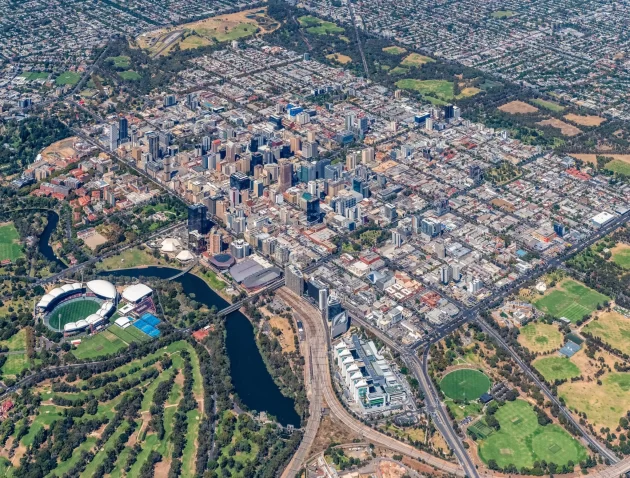
Adelaide is compact (most attractions within 5 km of the center), so walking or cycling is easy. Public transport is efficient and affordable.
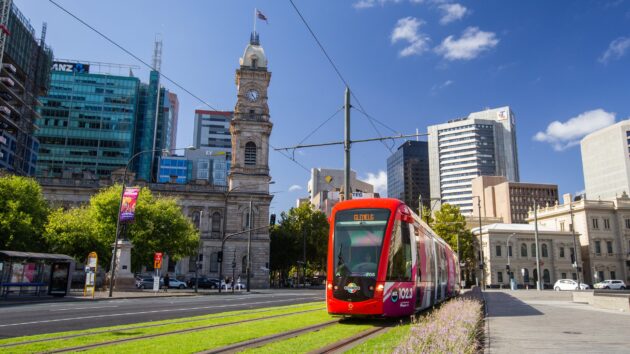
Public Transport: The Adelaide Metro network includes free trams in the city center (Entertainment Centre to South Terrace), buses, and trains. Get a metroCARD Visitor Pass for $10.50 (3 days unlimited travel). Use the My Next app for real-time info.
Free City Connector Buses: Loops 98A/98C and 99A/99C run every 15–30 minutes, covering key sites like Rundle Mall and the Adelaide Botanic Garden. Tram: To Glenelg Beach (every 10–15 minutes, free in CBD).
Car Rental: From $45/day; useful for day trips (e.g., Barossa Valley, 1 hour north). Drive on the left; parking is plentiful but metered in the city ($2–4/hour). Rideshare/Taxi: Uber is widespread; taxis via 13cabs. Bikes via Adelaide’s shared system ($2/hour). Accessibility: All modes offer options for mobility devices; many attractions are wheelchair-friendly.
Top Attractions and Things to Do
Adelaide shines with a mix of culture, nature, and food. Allocate 3–5 days for the city, plus day trips.
Adelaide Botanic Garden and Bicentennial Conservatory: Stroll 51 hectares of exotic plants, including giant water lilies. Free entry; open daily (donation suggested). Best in spring for wisteria blooms.
Central Market: Asia’s largest undercover market (est. 1869) with 250 stalls of fresh produce, spices, and street food. Open Wed–Sat; try local cheeses at CheeseFest (Oct 2025).
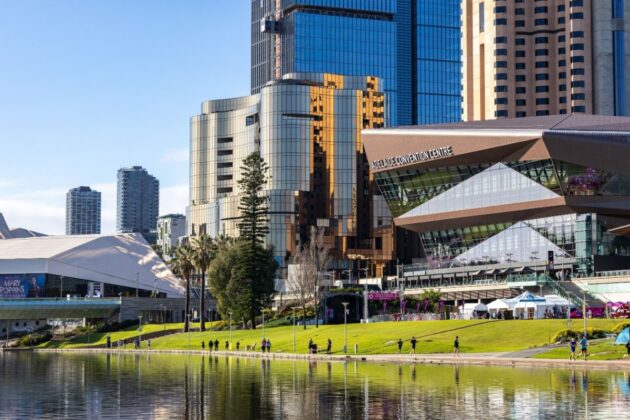
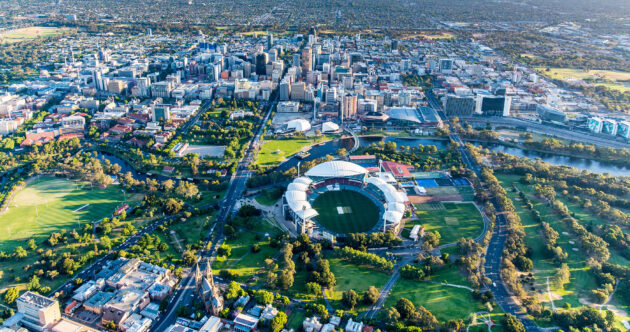
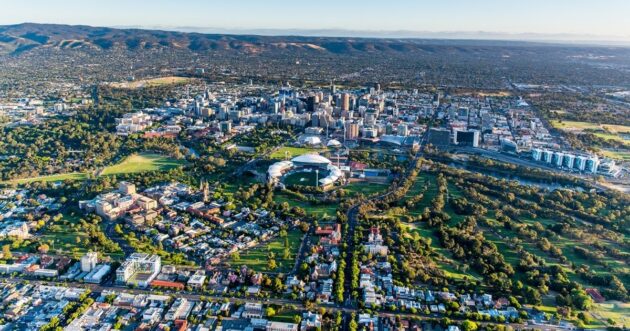
Adelaide Oval and Riverbank Precinct: Iconic cricket ground with tours ($25); walk the Torrens River trails or catch a show at the Adelaide Festival Centre.
Beaches: Glenelg (tram-accessible, 20 minutes from CBD) for swimming and sunset drinks; Semaphore for pier strolls.
Wine Regions (Day Trips): Barossa Valley (1 hour north): Tour 90+ cellar doors; sample Shiraz at Penfolds Magill Estate. Helicopter flights from $200. Adelaide Hills (30 minutes east): Hahndorf village for German heritage and cooler-climate wines. McLaren Vale (45 minutes south): Scenic vineyards and coastal views; join a shared tour ($150, 4 wineries).
Wildlife: Ferry to Kangaroo Island (45 minutes + flight/ferry) for seals, koalas, and Remarkable Rocks ($100–200 round-trip).
Where to Eat and Drink
Adelaide’s food scene is legendary—over 2,000 eateries emphasizing local produce.
Casual: Central Market stalls ($10–20) for dumplings or pho; Peel Street laneways for craft beer. Fine Dining: Orana (2-Michelin-star, native ingredients, $300+ tasting menu) or Magdalena in McLaren Vale. Wine Bars: Peel Hotel for Barossa Shiraz; rooftop at East End Cellars.
Markets and Festivals: Lucky Dumpling Market (Oct) or winter fireside feasts on Kangaroo Island.
Where to Stay
Options suit all budgets; stay central for walkability.
| Area | Style | Recommendation | Price/Night (2025 Est.) | Why Stay Here? |
|---|---|---|---|---|
| CBD | Luxury | Mayfair Hotel (rooftop pool) | $250–400 | Heart of festivals, near Rundle Mall. |
| East End | Boutique | Franklin Boutique (laneway vibe) | $150–250 | Trendy bars, walk to Botanic Garden. |
| Glenelg | Beachfront | Hotel Esplanade (ocean views) | $200–350 | Relaxed seaside escape, tram to city. |
| North Adelaide | Historic | Majestic Roof Garden Hotel | $180–300 | Quiet, near zoo and dining. |
| Budget | Hostel/Airbnb | Adelaide Central YHA | $50–100 | Social vibe, free events. |
Book via Expedia or Trip.com for deals; shoulder seasons save 20–30%.
Practical Tips
Visa: U.S./EU citizens need an Electronic Travel Authority (ETA) via the Australian Immigration website ($20, online). Currency: AUD; cards widely accepted. ATMs everywhere. Health/Safety: Tap water safe; high UV—use SPF 50+. COVID rules minimal, but check updates.
Eco-Tips: Use reusable bottles; join sustainable tours in wine regions. Apps: Adelaide Metro for transport; Experience Adelaide for events. Combine Trips: Add the Fleurieu Peninsula (south) for whale watching (Jun–Oct) or the Grampians drive to Melbourne (4 days).
Final Thoughts
Adelaide captivates with its effortless blend of culture, cuisine, and countryside—proving that good things come in compact packages. From vineyard sunsets to festival lights, it’s a city that invites you to linger. Whether chasing events or savoring spring blooms, plan ahead for bookings and embrace the local pace. Your Adelaide adventure awaits—g’day and happy travels!