

A Travel Guide to Cape Range National Park (2026)
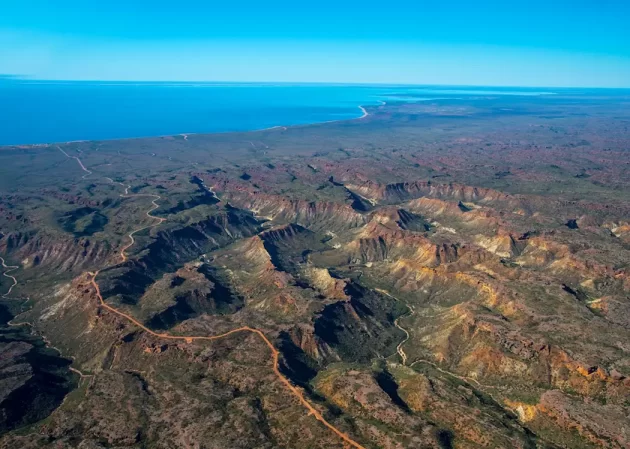
Nestled on the rugged northwestern tip of Western Australia’s North West Cape Peninsula, Cape Range National Park is a breathtaking fusion of arid limestone ranges, dramatic canyons, and pristine beaches fringing the UNESCO World Heritage-listed Ningaloo Reef. Spanning over 47,000 hectares, this ancient landscape—home to diverse wildlife like kangaroos, emus, and black-flanked rock wallabies—offers a raw, unspoiled escape where the red earth meets turquoise waters. Whether you’re snorkeling with marine giants, hiking through gorges, or camping under star-filled skies, Cape Range is an adventurer’s paradise and a bucket-list must for nature lovers.
Why Visit Cape Range National Park?
This park stands out for its dramatic contrasts: towering limestone cliffs plunge into crystal-clear coastal waters teeming with coral and sea life, while inland gorges reveal hidden oases and endemic species. As part of the Ningaloo Coast World Heritage Area, it’s one of Australia’s most biodiverse regions, with opportunities to spot humpback whales migrating offshore or turtles nesting on the shores. Reviewers on TripAdvisor rave about its “magical” vibe, calling it a “must-add to any bucket list” for its blend of serenity, wildlife encounters, and world-class snorkeling—far less crowded than the Great Barrier Reef but equally spectacular.
How to Get There
Cape Range is remote, located about 40 km west of Exmouth, the nearest town (pop. ~2,500), and 1,200 km north of Perth. Fly into Learmonth Airport (near Exmouth) via domestic flights from Perth (Qantas or Virgin Australia, ~2 hours, from AUD $150 one-way). From Exmouth, rent a car (essential for exploration; 4WD recommended for southern sections) for the 45-minute drive along sealed roads. Buses are limited, but tours from Exmouth include park access. No direct public transport from major cities—road tripping via the North West Coastal Highway is popular (Perth to Exmouth: ~12–14 hours).
Tip: Fuel up in Exmouth; services are sparse in the park.
Best Time to Visit
The dry season (April to October) is ideal, with mild temperatures (20–30°C/68–86°F) perfect for hiking and water activities. Avoid summer (November–March), when heat exceeds 45°C/113°F and cyclones are possible. Key seasonal highlights:
March–June: Whale shark season; wildflowers bloom; comfortable weather for gorges. May–October: Humpback whale migration; prime snorkeling and camping. August–September: Peak for manta rays and calmer seas.
Expect similar patterns, but check for wildflower superbloom updates via Parks and Wildlife Service.
Tickets and Opening Hours
The park is open year-round, sunrise to sunset (gates close at dusk for safety). No fixed hours, but visitor facilities operate ~8 AM–4 PM.
Entry Fees: AUD $15 per vehicle (up to 12 seats) for a 4-week Holiday Pass; AUD $30 for a 4-week Multi-Day Pass (covers multiple WA parks). Annual passes (AUD $100+) are great for road trippers. Free for pedestrians/cyclists.
Camping Fees: AUD $11/adult/night (kids $3); book via parks.dpaw.wa.gov.au up to 6 months ahead—spots fill fast in peak season.
Payment: Cash/card at entry stations; download the ParksWA app for digital passes.
No fees for drive trails like Charles Knife Canyon.
What to See and Do
Cape Range packs adventure into every corner. Focus on the west coast for beaches and reef access, east for canyons. Top experiences:
Snorkel the Ningaloo Reef: World-famous shore-access sites like Turquoise Bay (drift snorkel with turtles and colorful fish; named WA’s #1 beach in 2022) and Oyster Stacks (high-tide coral gardens). Rent gear in Exmouth (AUD $20/day). For thrill-seekers, join a whale shark swim tour (March–June, ~AUD $400, ethical operators like Ningaloo Discovery).
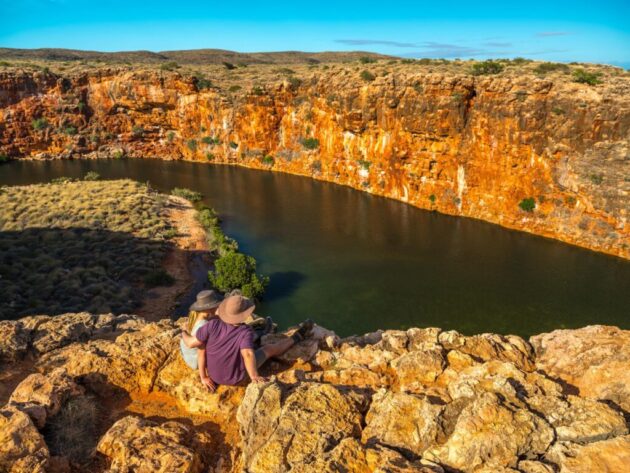
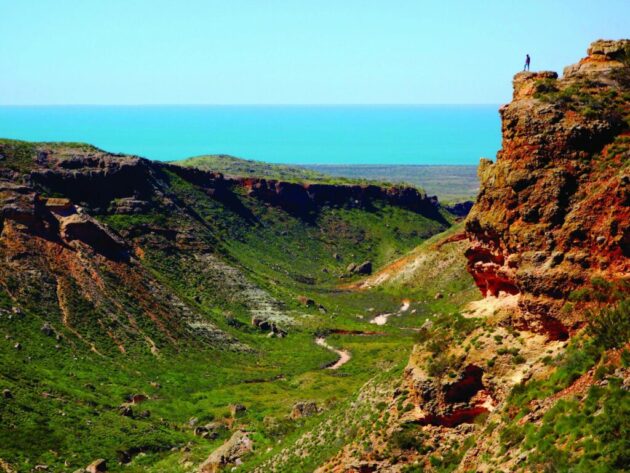
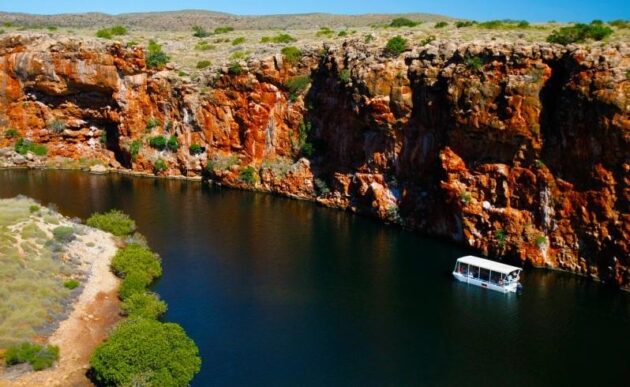
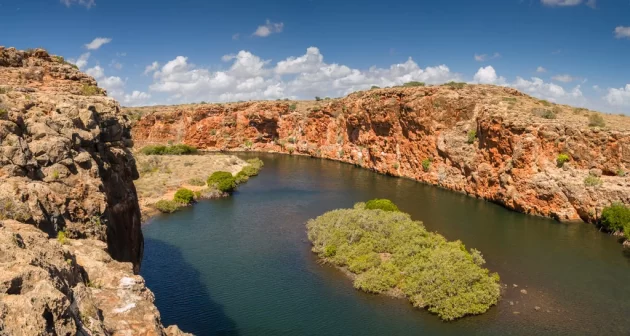
Hike the Gorges: Yardie Creek Gorge Trail (2 km easy walk; spot wallabies and birds amid red cliffs). Mandu Mandu Gorge Walk (3 km loop; steep descent for panoramic ocean views—best at dawn). Badjirrajirra Walk (moderate; wildflowers and rock wallabies).
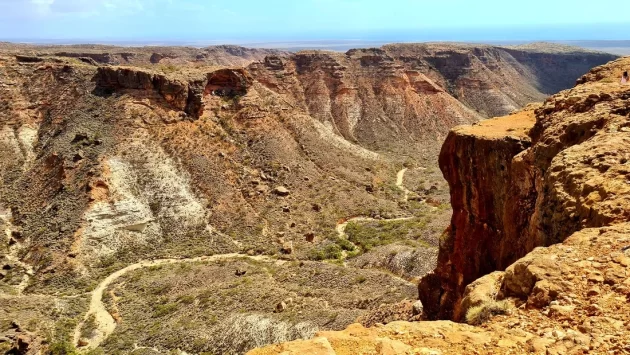
Explore Canyons by 4WD: Drive the rugged Charles Knife Canyon Rim Trail (22 km unsealed; stunning lookouts over Exmouth Gulf) or Shothole Canyon for remote vistas.
Wildlife Watching: Jurabi Turtle Centre (free; guided night tours for nesting turtles, November–February). Whale spotting from Bloodwood Creek Lookout (May–October). Birdwatching at Mangrove Bay Hide (over 100 species).
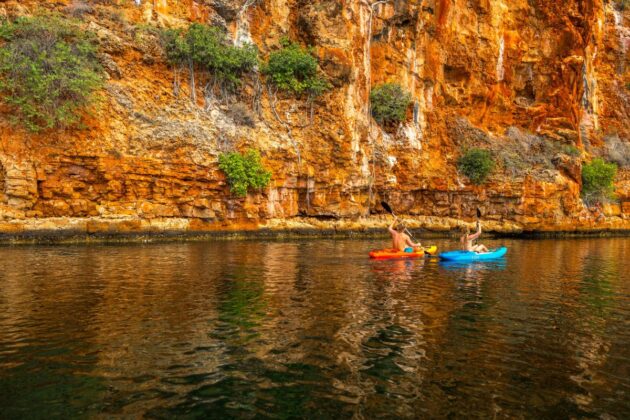
Beach Bliss and More: Relax at Sandy Bay (family-friendly shallows) or Lakeside (serene snorkeling). Kayak Yardie Creek (AUD $50 tours) or fish from Pilgramunna Beach.
Guided Tours: Ningaloo Safari Tours (~AUD $150/day) or Eco Adventure Tours for eco-focused hikes.
Where to Stay
Base in Exmouth for amenities, or camp in the park for immersion:
Camping (Park Sites): Yardie Creek (gorge views, ~AUD $22/site), Kurrajong (dune-backed beach access), or Tulki (near Turquoise Bay). Basic facilities (toilets, no showers/power); book early.
Eco-Luxury: Sal Salis Ningaloo Reef (glamping tents, ~AUD $800/night; all-inclusive, private beach).
Exmouth Options: Novotel Ningaloo Resort (4-star, ~AUD $250/night) or backpacker hostels (~AUD $40/dorm). For 2025, expect high demand—reserve 3–6 months ahead.
Where to Eat
Options are limited in the park—pack a picnic with Exmouth supplies (Woolworths for essentials). Beachside barbecues are a highlight (bring your own gear).
In-Park: Basic kiosks at visitor centers (snacks ~AUD $5–10).
Exmouth: Try the Beer Garden for pub fare (fish & chips ~AUD $25) or Adrift restaurant for fresh seafood (~AUD $40 mains). For a treat, sunset drinks at the lighthouse.
Tip: Stock up on water (2L/person/day) and non-perishables; no rubbish bins—pack out what you pack in.
Tips for a Great Visit
Vehicle Prep: 2WD for most roads, but 4WD for Yardie Creek crossing and southern trails. Download offline maps (Smartreka app, free).
Safety First: Carry a PLB (personal locator beacon), extra water/fuel, and sunscreen—heat exhaustion is real. No pets (due to feral animal control). Check tides for snorkeling; swim between flags.
Eco-Etiquette: No drones without permits; stick to trails to protect fragile ecosystems. Support Indigenous-led tours for cultural insights (Baiyungu/Thalanyji custodians).
Combine Trips: Pair with Ningaloo Reef swims or a scenic flight over the cape (~AUD $200). Allow 2–4 days to explore fully.
Notes: Monitor for whale shark season permits (book via DBCA); potential wildflower events in July–August.
Final Thoughts
Cape Range National Park is where Australia’s wild heart beats strongest—rugged, vibrant, and utterly restorative. From drifting over reef wonders to gazing into ancient canyons, it’s a reminder of nature’s raw power and beauty. Embrace the isolation, respect the land, and let this coastal gem redefine your idea of paradise. Whether chasing whales or wandering wildflower trails, your visit will linger like a perfect sunset over the reef.
Happy travels!