
A Travel Guide to Abel Tasman National Park (2026)
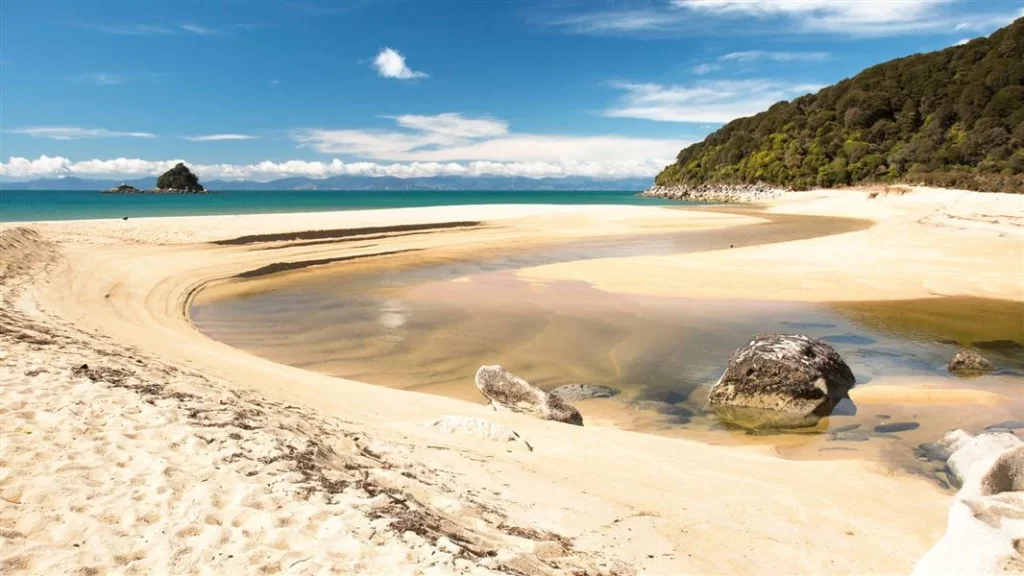
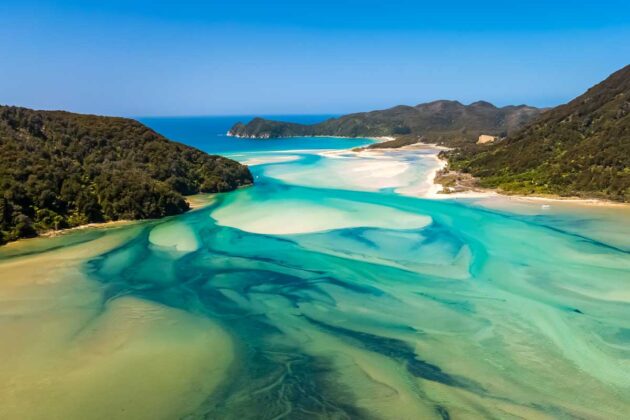
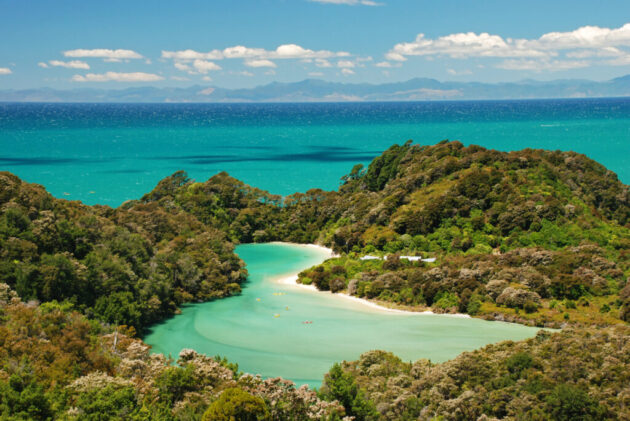
Nestled on the northwestern tip of New Zealand’s South Island, Abel Tasman National Park is a coastal paradise renowned for its golden sandy beaches, crystal-clear turquoise waters, and lush native forests. Spanning 237 square kilometers, it’s the country’s smallest national park but packs in an incredible array of natural wonders, from granite cliffs and hidden coves to diverse wildlife like seals, birds, and dolphins.
Established in 1942 and named after the Dutch explorer who first sighted New Zealand, the park is a haven for outdoor enthusiasts. Whether you’re hiking the iconic Coast Track, paddling through serene bays, or simply lounging on a secluded beach, Abel Tasman offers an accessible and unforgettable escape.
Why Visit Abel Tasman National Park?
Abel Tasman stands out for its unique blend of accessibility and wilderness. Unlike more rugged South Island parks, its mild climate and flat trails make it beginner-friendly, yet it delivers postcard-perfect scenery that rivals anywhere in the world.
Highlights include the world-famous Abel Tasman Coast Track—one of New Zealand’s nine Great Walks—and sea kayaking opportunities that let you explore remote beaches unreachable by foot. The park’s biodiversity supports thriving ecosystems, with efforts like Project Janszoon restoring native bird populations. It’s also one of the sunniest spots in New Zealand, ensuring plenty of clear days for outdoor fun.
How to Get There
The park is easily reachable from major hubs, with Nelson as the primary gateway. Main access points are Mārahau (southern entrance) and Kaiteriteri (for water taxis), both about an hour from Nelson.
By Air: Fly into Nelson Airport (NSN), New Zealand’s sixth-busiest, with direct flights from Auckland (1.5 hours), Wellington (50 minutes), and Christchurch (1 hour) via Air New Zealand or smaller carriers like Sounds Air. From the airport, rent a car (from $50/day) for a 1-hour scenic drive to Mārahau, or take a shuttle bus (~$30, 1.5 hours).
By Ferry from the North Island: From Wellington, catch the Interislander or Bluebridge ferry to Picton (3.5 hours, $60–$200 one-way, including vehicle). Then drive 3 hours northwest via State Highway 6 (~$100 fuel round-trip for a small car), or take a bus (~$100, 5–6 hours total). Scenic, but plan for a full day.
By Bus: From Nelson, daily services like Abel Tasman Coachlines run to Mārahau and Kaiteriteri (1 hour, $20–$30). InterCity buses connect from Christchurch or Picton.
By Car: Drive from Nelson (60 km, 1 hour) or Christchurch (4–5 hours). Roads are well-maintained, but winding in spots. Parking is free at trailheads, though spaces fill up in peak season.
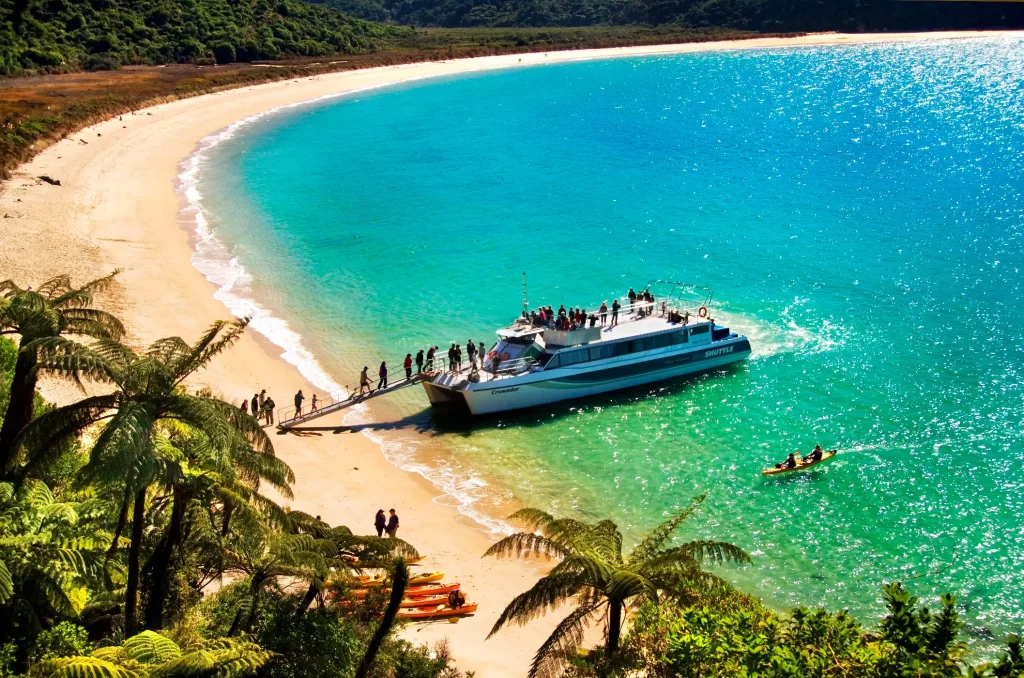
Tip: Water taxis from Kaiteriteri or Mārahau ($30–$60 one-way) are essential for deeper park access, as no roads penetrate the interior.
Best Time to Visit
Abel Tasman’s subtropical climate makes it viable year-round, but timing affects crowds and activities.
Summer (December–February): Peak season with warm temps (20–25°C/68–77°F) and long days—ideal for swimming, kayaking, and beach lounging. Water is refreshing at 18–22°C (64–72°F). Book everything months ahead.
Shoulder Seasons (October–November, March–May): Best for fewer crowds and mild weather (15–22°C/59–72°F). Spring brings wildflowers; autumn offers golden foliage. Lower accommodation rates too.
Winter (June–September): Quieter and cooler (10–15°C/50–59°F), great for hiking without heat. Some water activities pause, but the Coast Track remains open—no snow gear needed.
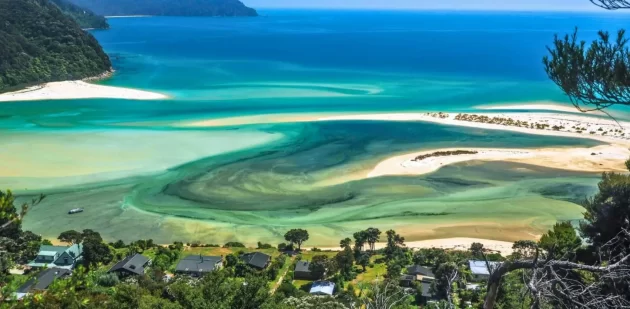
Weather Tip: Check NIWA forecasts and tides (via DOC app) daily—rain is possible, and low tide is key for estuary crossings. Avoid National Day (early October) for crowds.
Tickets and Opening Hours
Opening Hours: Open 24/7 year-round—no gates or closing times. Visitor centers in Nelson or Motueka operate 8:30 AM–5 PM.
Entry Fees: Free to enter the park and for day hikes. Overnight on the Coast Track requires booking huts ($35–$70 NZD/adult/night) or campsites ($15–$25 NZD/adult/night) via the Department of Conservation (DOC) website. Bookings for 2025/26 season open now—essential year-round, with penalties for no-shows. NZ residents get discounts with proof.
Booking: Use doc.govt.nz for huts/campsites. Water taxis and tours via operators like Wilsons Abel Tasman (~$50–$100). No permits needed for day use.
What to See and Do
Abel Tasman’s compact size belies its variety—focus on the coast for beaches and tracks.
Hiking the Abel Tasman Coast Track: This 60 km (37-mile) Great Walk hugs the coastline through rainforest, cliffs, and beaches. Do the full 3–5 days (south to north recommended), or sections like Anchorage to Bark Bay (12 km, 4 hours) for golden sands and waterfalls. Detour to Cleopatra’s Pool for a natural waterslide. Easy terrain; no crampons needed.
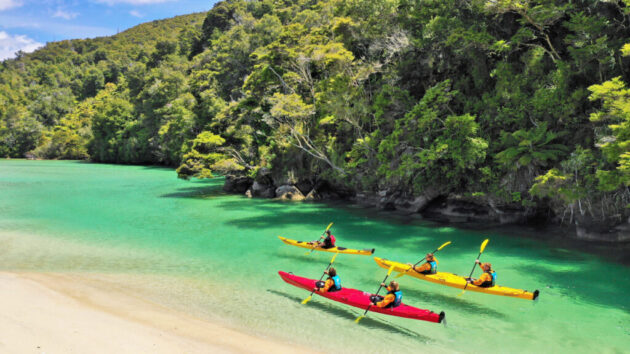
Sea Kayaking: Paddle sheltered coves and spot seals at Tonga Island or Adele Island. Rent kayaks ($80–$120/day) or join guided tours (half-day $100–$150) with operators like Abel Tasman Kayaks or Marahau Sea Kayaks. Multi-day combos with hikes are popular.
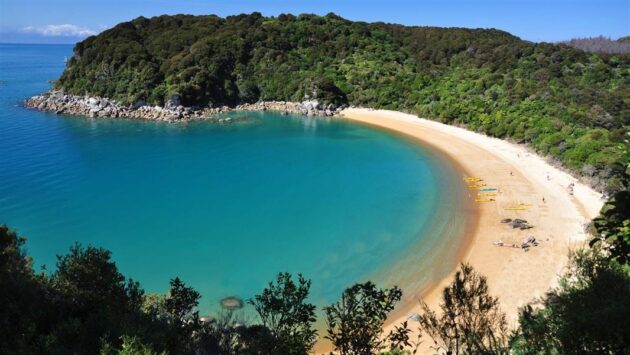
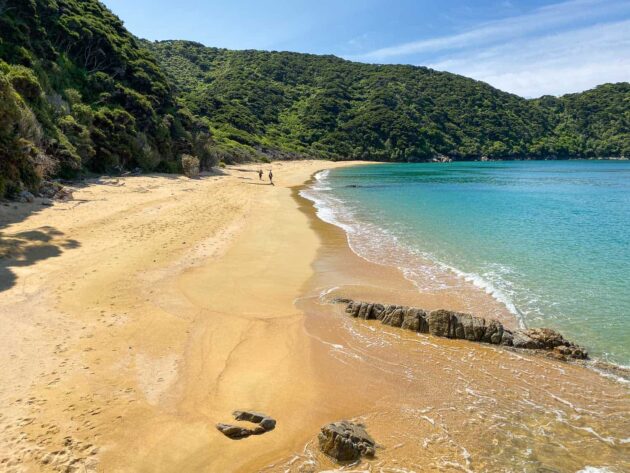
Beaches and Swimming: Relax at Anchorage, Bark Bay, or Totaranui—pristine sands perfect for picnics. Wade into lagoons at low tide or snorkel for colorful fish. Kaiteriteri Beach is a lively base with rentals.
Wildlife and Scenic Cruises: Join a catamaran cruise ($100–$150) to spot dolphins, rays, and birds. Visit Tonga Arches or Split Apple Rock for dramatic geology. Guided eco-tours highlight Māori history and conservation.
Other Activities: Short walks like Pitt Head Loop (Māori pā site) or mountain biking on emerging trails. Scenic flights from Takaka (~$200) offer aerial views.
Where to Eat
Options are limited inside the park—pack lunches or use huts’ basic facilities (untreated water; boil first).
In Mārahau/Kaiteriteri: Hooked on Mārahau for waterfront seafood and happy hour ($20–$30 mains). Park Café offers casual café fare.
Picnics: Grab supplies in Nelson (fresh bread, cheese from local markets). Awaroa Lodge (inside park) serves upscale meals ($40+), book ahead.
Tip: Many tours include lunch—opt for those with fresh, local ingredients.
Where to Stay
Base in nearby towns; inside-park options are for multi-day trekkers.
Mārahau/Kaiteriteri: Budget-friendly like Kanuka Ridge Backpackers ($30–$50 dorm) or mid-range Ocean View Resort ($150–$250/night).
DOC Huts/Campsites: Basic but scenic ($15–$70/night) along the track—book early.
Luxury: Awaroa Lodge ($400+) for beachfront eco-luxury.
Tips for a Great Visit
Pack Smart: Sunscreen, hat, insect repellent (sandflies!), reusable water bottle, and tide chart. No cell service in remote areas—download maps offline.
Sustainability: Stick to tracks, no drones without permits, and support carbon-offset tours (many operators do).
Combine Trips: Pair with Nelson’s arts scene or Golden Bay’s quirky vibes (1–2 hours drive). For families, add kid-friendly kayak tours.
Health/Safety: Check DOC alerts for track conditions. Tsunami risk—head to high ground if sirens sound.
Final Thoughts
Abel Tasman National Park is New Zealand at its most idyllic: a seamless mix of adventure, relaxation, and raw beauty that leaves visitors enchanted. Whether conquering the Coast Track at dawn or drifting in a kayak at sunset, every moment here feels like a highlight. With its year-round appeal and commitment to preservation, it’s a must for any Kiwi itinerary. Embrace the “tramping” spirit, respect the whenua (land), and let this coastal gem recharge your soul.
Safe travels and kia ora!