
A Travel Guide to Sigatoka Sand Dunes National Park (2026)
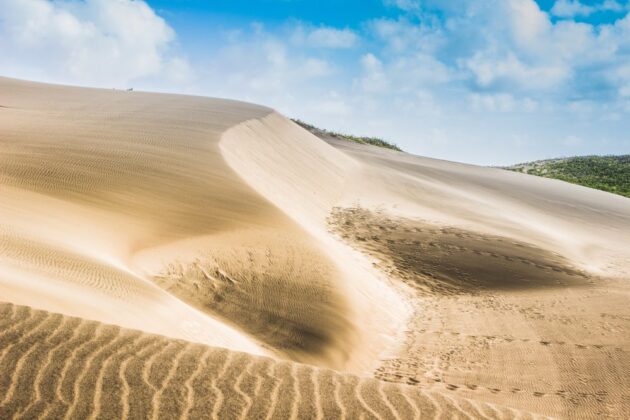
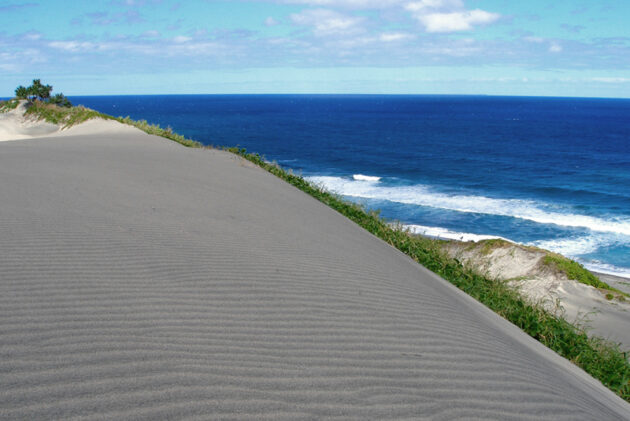
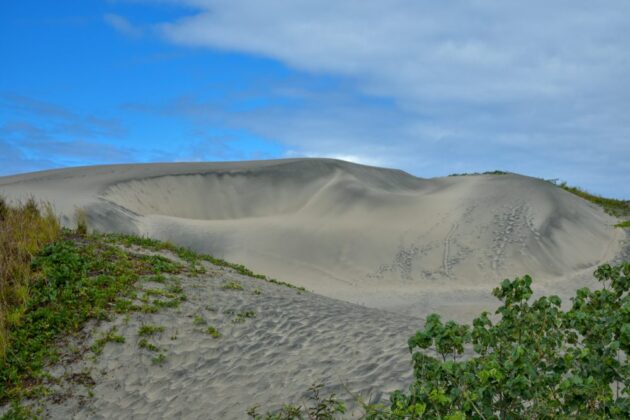
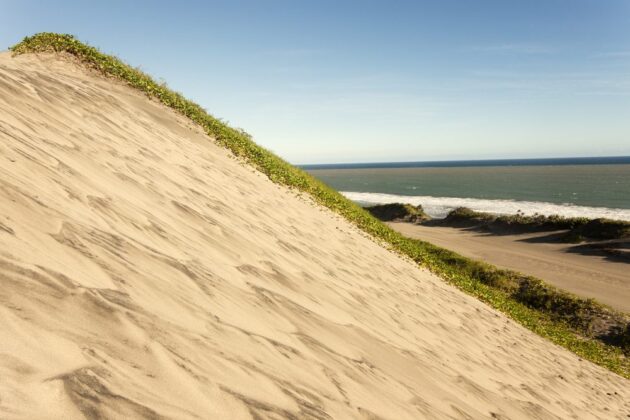
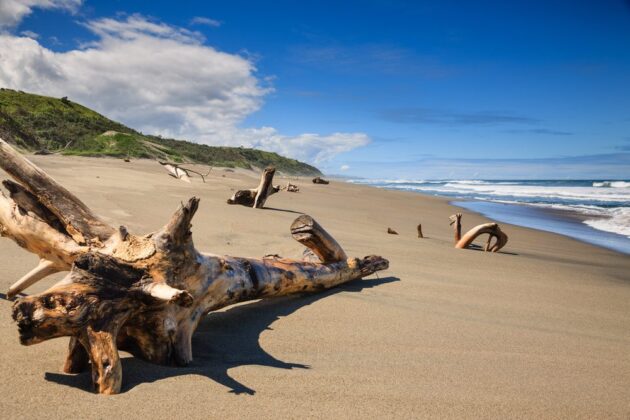
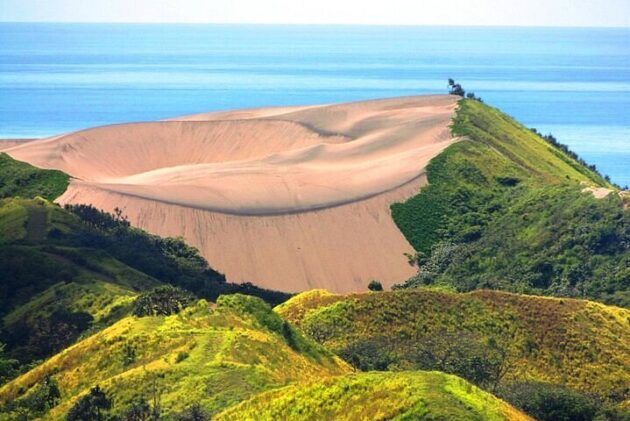
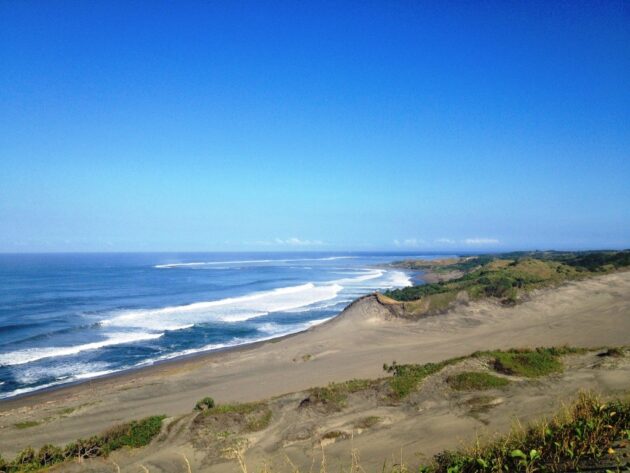
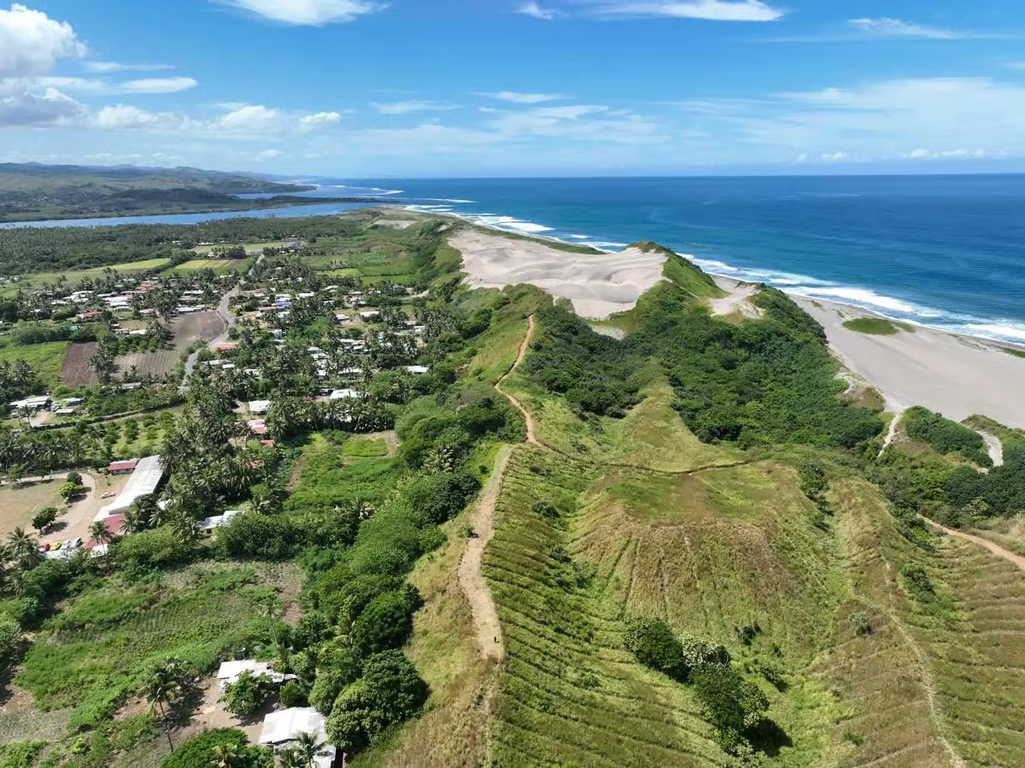
Nestled along the stunning Coral Coast of Viti Levu, Fiji’s largest island, Sigatoka Sand Dunes National Park is a breathtaking natural wonder and Fiji’s first national park, established in 1989. Covering 650 hectares of wind-sculpted dunes that rise up to 60 meters high, this UNESCO-recognized site blends dramatic coastal landscapes with rich archaeological history. Formed over millions of years at the mouth of the Sigatoka River, the park reveals ancient Lapita pottery shards, burial sites dating back 2,600 years, and a unique ecosystem teeming with endemic wildlife. Ideal for hikers, history buffs, and eco-adventurers, it’s a serene escape where the ocean meets the desert-like dunes, offering panoramic views and a glimpse into Fiji’s ancient past.
Why Visit Sigatoka Sand Dunes National Park?
This park stands out as one of Fiji’s most unique geological marvels, where towering sand ridges meet lush forests and crashing waves. It’s not just about the scenery—archaeological digs continue to uncover artifacts linking Fiji to its Lapita ancestors from Southeast Asia, making it a living museum. Spot endemic birds like the Fiji Goshawk or the vibrant Fijian Swallowtail Butterfly, and wander trails that reveal shifting sands hiding stone tools and pottery. With its low crowds and affordable access, it’s a perfect day trip for families, photographers, or anyone seeking tranquility amid Fiji’s tropical paradise.
How to Get There
Sigatoka Sand Dunes National Park is easily accessible from Fiji’s main gateways, located about 5 km west of Sigatoka town on Queens Road (the main highway).
From Nadi International Airport (the primary entry point): By Bus: Catch an express bus to Sigatoka town (1 hour, FJD 6–7 one way), then a local bus or minivan back to the park entrance (10–15 minutes, FJD 1). Minibuses from Nadi can drop you directly at the park for FJD 7. By Taxi or Ride-Share: A taxi from Nadi takes 1–1.5 hours and costs FJD 100–150 round-trip. Use apps like Fiji Taxi for reliable service. By Rental Car: Drive via Queens Road (about 60 km, 1 hour). Parking is available at the visitor center for FJD 5–10.
From Sigatoka Town: A quick 10-minute drive or local bus ride (FJD 1–2). Taxis cost around FJD 6–10 one way.
From Suva or Coral Coast Resorts: Buses run frequently along Queens Road; the journey from Suva takes 2–3 hours (FJD 15–20).
Tip: Public transport is budget-friendly but schedules vary—confirm with your accommodation or the visitor center.
Best Time to Visit
Fiji’s tropical climate makes year-round visits possible, but timing enhances your experience:
Dry Season (May–October): Ideal for hiking, with cooler temperatures (22–28°C/72–82°F), low humidity, and minimal rain. This is peak season for clear skies and vibrant dune views, though slightly busier.
Wet Season (November–April): Lusher greenery and fewer crowds, but expect heavy showers and higher humidity (up to 32°C/90°F). Avoid midday hikes due to heat.
Sunset or Sunrise: For magical lighting, visit early morning or late afternoon—arrange after-hours access via the visitor center for an extra fee.
Avoid the hottest hours (1–3 PM) year-round to prevent heat exhaustion on the unshaded trails.
Tickets and Opening Hours
Opening Hours: Daily from 8:00 AM to 4:30 PM, including public holidays. Last entry is at 4:00 PM. After-hours visits (e.g., for photography) can be arranged for an additional fee.
Ticket Prices: Adult: FJD 10 (about USD 4.50); Child (under 12): FJD 5 (about USD 2.25); Guided tours: FJD 20–30 per person (1–2 hours, recommended for archaeology insights).
Booking: No advance reservations needed for entry, but book guided walks or group activities through the National Trust of Fiji website or on-site. Cash is preferred; cards may not always be available.
The visitor center offers maps, exhibits on Lapita artifacts, and restrooms—start here for orientation.
What to See and Do
The park’s compact size makes it explorable in half a day, with trails showcasing its diverse ecosystems:
Hiking Trails: Yatole Kaleka Walk (1-hour short loop): A gentle forest stroll leading to the dunes and river mouth, perfect for birdwatching and spotting wildflowers. Yatobalavu Scenery Trail (2–3-hour long loop): Climb dune ridges for sweeping ocean and river views, with opportunities to see shifting sands revealing artifacts. Moderate difficulty due to soft sand—wear sturdy shoes.
Archaeological Sites: Explore ancient burial grounds and pottery scatters from the Lapita era. Guided tours highlight over 50 unearthed skeletons and the park’s role in Pacific history—artifacts are displayed at the Fiji Museum in Suva.
Wildlife and Nature Spotting: Home to 37 bird species (8 endemic, like the Many-Colored Fruit Dove), plus Pacific Boas, giant stick insects, and fruit bats. Look for the unique dune-adapted trees and Fijian Swallowtail Butterflies.
Other Activities: Birdwatching and Eco-Programs: Join free or low-cost sessions for tree planting, sand sculpting, or beach tepees—great for families or groups. Photography and Relaxation: Capture golden-hour dunes or picnic amid the scenery (bring your own supplies).
Nearby Attractions: Sigatoka River Safari (10 km inland): Jungle boat tours spotting villages and wildlife (FJD 150–200). Kula Wild Adventure Park (15 km east): Ziplines, eco-tours, and animal encounters. Natadola Beach (20 km west): Pristine sands for swimming and horse riding. Coral Coast Beaches: Endless resorts and reefs for snorkeling.
Where to Eat
Options inside the park are limited to a small kiosk at the visitor center for snacks and drinks (FJD 5–10). Pack a picnic for dune-top views.
In Sigatoka Town (5 km away): Try local Fijian-Indian fusion at Wicked Walu Seafood Restaurant (fresh fish curries, FJD 20–30) or casual eats at Beach Cocomo Vakacegu Cafe (beachside burgers and salads).
Coral Coast Resorts: Many nearby spots like Shangri-La’s buffet (FJD 50+) offer all-inclusive meals with ocean views.
Tip: Sample traditional Fijian dishes like kokoda (raw fish in coconut milk) or lamb rourou (taro leaf stew) for an authentic taste.
Where to Stay
Base yourself in Sigatoka or the Coral Coast for easy access:
Luxury: Shangri-La Yanuca Island (10 km east, FJD 800+/night)—beachfront resort with pools, spas, and dune shuttles.
Mid-Range: Coral Coast Beach Houses (near Sigatoka, FJD 300–500/night)—cozy bungalows with kitchens.
Budget: Sigatoka Town Guesthouses or hostels (FJD 100–200/night)—simple stays close to transport.
Book via Booking.com or Fiji Tourism sites; Coral Coast resorts often include park transfers.
Tips for a Great Visit
What to Bring: Sunscreen, hat, water (at least 2 liters), insect repellent, closed-toe shoes for sand, and a light jacket for breezy evenings. No shade on dunes—stay hydrated.
Stay Safe: Trails are unmarked in spots; stick to paths to avoid unstable sand. No swimming due to strong currents; watch for snakes or insects.
Eco-Friendly: Leave artifacts untouched—report finds to rangers. Support conservation by joining a guided tour.
Combine Trips: Pair with a full Coral Coast day: Morning dunes, afternoon beach, evening river safari.
Accessibility: Trails are sandy and uneven—best for able-bodied visitors; wheelchairs not recommended.
Final Thoughts
Sigatoka Sand Dunes National Park is a hidden gem where Fiji’s wild heart meets its ancient soul, offering an unforgettable mix of adventure, history, and raw beauty. Whether climbing ridges for epic vistas or unearthing whispers of the past, this park captures the island’s untamed spirit. Venture off the beaten path, embrace the bula (hello) vibe, and let the windswept sands leave you inspired.
Happy travels!