
A Travel Guide to Namena Marine Reserve (2026)
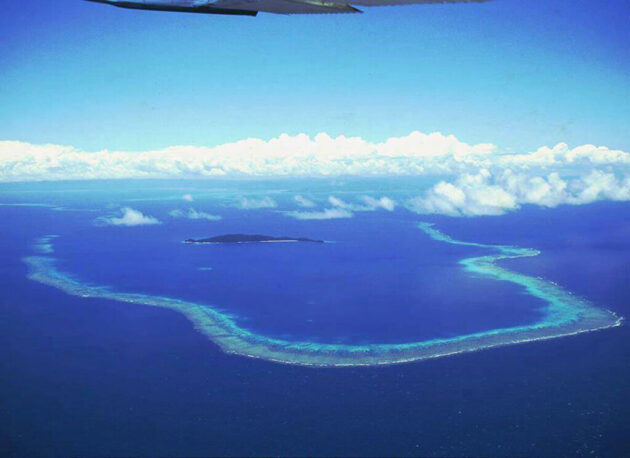
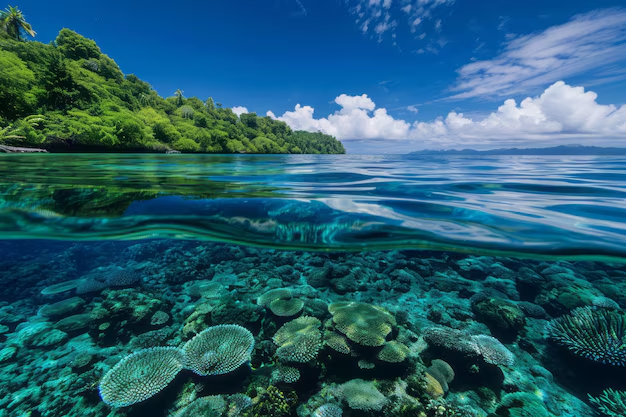
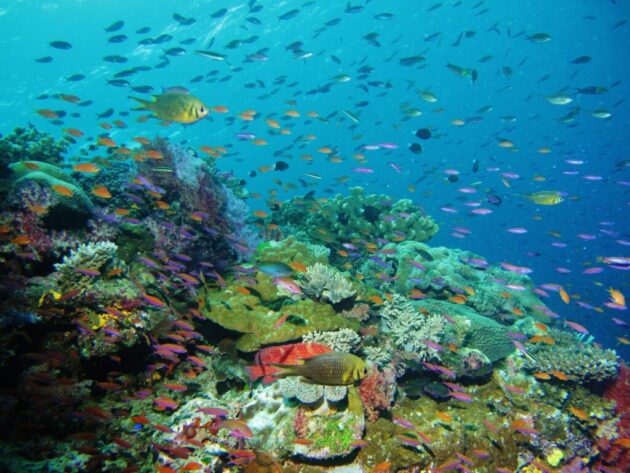
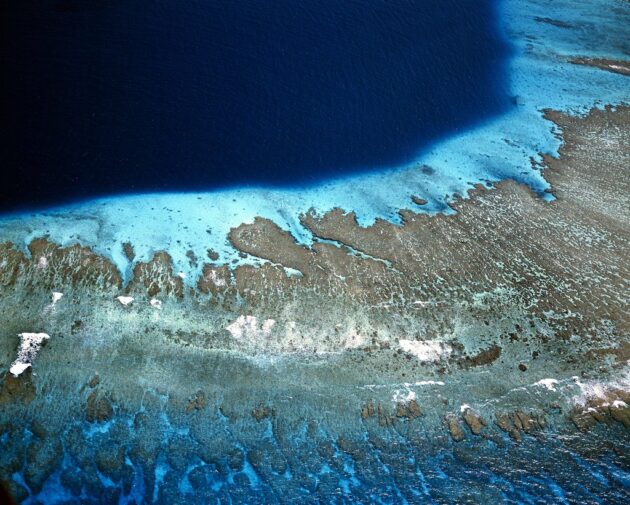
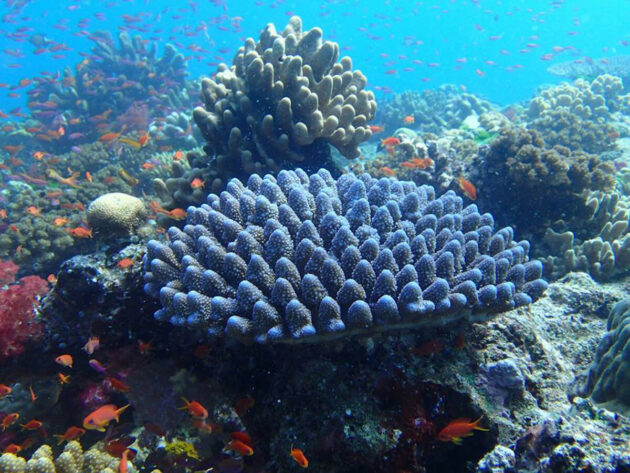
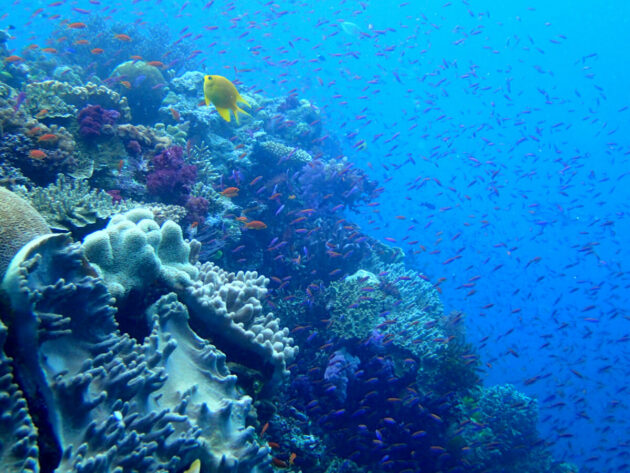
Nestled between Fiji’s two main islands, Viti Levu and Vanua Levu, the Namena Marine Reserve is a pristine underwater paradise renowned as one of the world’s top dive and snorkel destinations. Established in 1997 as Fiji’s first no-take marine protected area (MPA), this 70-square-kilometer haven—encompassing the horseshoe-shaped barrier reef around Namenalala Island—boasts over 1,100 fish species, 400 types of coral, and thriving biodiversity. From vibrant soft coral gardens to schools of barracuda and graceful sea turtles, Namena offers an unforgettable blend of adventure and conservation. Whether you’re a seasoned diver or a casual snorkeler, this guide will help you dive into Fiji’s “soft coral capital.”
Why Visit Namena Marine Reserve?
Namena stands out for its exceptional marine life and commitment to sustainability. Managed by the Kubulau District’s 10 village chiefs, the reserve’s fishing ban has revitalized its reefs, making it a poster child for successful community-led conservation. Expect encounters with grey reef sharks, humpback whales (Fiji’s only known calving ground), manta rays, and macro wonders like pygmy seahorses and nudibranchs. Beyond the water, the reserve supports cultural exchanges with local villages, offering insights into Fijian traditions while funding eco-projects like reef monitoring and education. It’s ideal for eco-conscious travelers seeking uncrowded, high-biodiversity experiences.
How to Get There
Namena is offshore, so access requires a boat from Savusavu on Vanua Levu, about a 2-hour ride. Here’s the step-by-step journey from Fiji’s main entry point:
Fly to Nadi International Airport (NAN): Most international flights arrive here from Australia, New Zealand, the US, or Asia.
Domestic Flight to Labasa or Savusavu Airport (SVU): Take a 1-hour flight on Fiji Airways or Northern Air to Labasa (cheaper, ~$100 USD one-way), then a 1-hour taxi (~$50 USD) to Savusavu. Direct flights to Savusavu are ~$150–200 USD.
Boat to Namena: From Savusavu’s dive shops or resorts, hop on a guided tour boat (40 minutes–2 hours). Liveaboards depart from Suva (fly to Nausori Airport, ~30 minutes from Suva), a 4–6 hour sail away.
Pro Tip: Book transfers through your resort or operator for seamless logistics. Yachts can moor at the reserve’s six permanent buoys (free for visitors, but permits required).
Best Time to Visit
Fiji’s tropical climate makes Namena accessible year-round, with water temperatures a balmy 22–30°C (72–86°F). Visibility peaks at 15–40 meters.
Dry Season (May–October): Ideal for diving and snorkeling—cooler water (22–25°C) attracts pelagics like sharks and rays, with calmer seas and less rain. Peak visibility and humpback whale sightings (June–September).
Wet Season (November–April): Warmer waters (28–30°C) draw manta rays and turtles for plankton blooms, but expect occasional showers and stronger currents. Fewer crowds and lower prices.
Tickets and Opening Hours
The reserve is open 24/7, but activities are daylight-only (typically 7 AM–5 PM). Entry requires a conservation tag:
Permit Fee: F$30 (~$13 USD) per person, valid through December 31 of purchase year. Covers snorkeling/diving and supports local conservation.
How to Buy: Obtain in advance from Savusavu dive operators, resorts, or online via namena.org. No on-site sales.
No additional park fees, but tours add costs (see below). Children under 12 are free with adults.
What to See and Do
Namena’s allure lies in its underwater wonders, best explored via guided tours to protect the fragile ecosystem. Key activities:
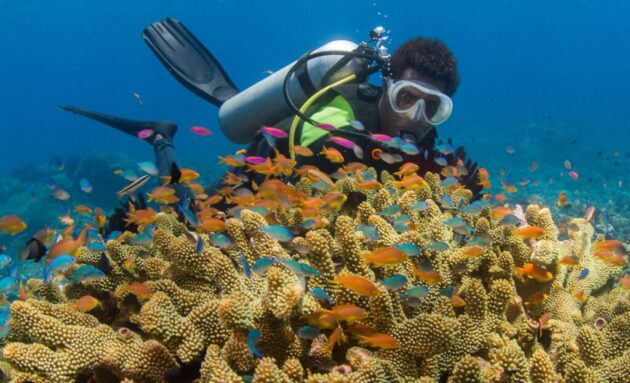
Scuba Diving: World-class sites like Chimneys (pinnacles teeming with soft corals and sharks), Grand Central Station (barracuda schools and drop-offs), and North Save-a-Tack (trevally and reef sharks). Suited for intermediate-advanced divers due to currents; depths 5–40m.
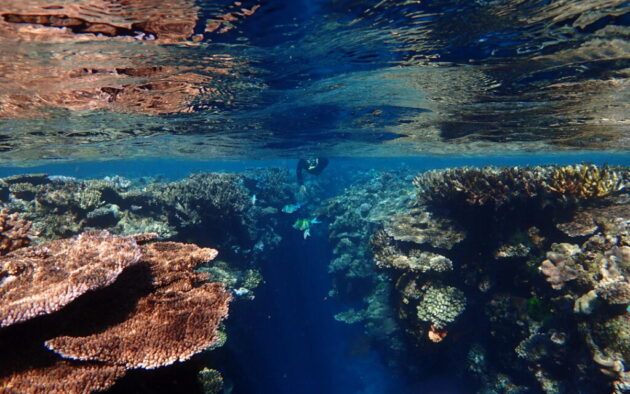
Snorkeling: Float over kaleidoscopic reefs spotting turtles, eagle rays, and macro critters. Sites like Teutons and Mushrooms offer calm shallows for beginners.
Whale and Dolphin Watching: Spot humpbacks (calving July–September) or spinner dolphins on migratory paths.
Village Tours and Cultural Immersion: Visit Kubulau villages for kava ceremonies and storytelling, blending adventure with Fijian heritage.
Birdwatching and Hiking: On Namenalala Island, spot rare seabirds in this dual marine-bird preserve.
Tour Options and Prices (estimates, per person): Day Trip Dive/Snorkel from Savusavu: F$400–600 (~$180–270 USD), including gear, lunch, and 2 dives/snorkels. Liveaboard (7 nights): $4,800–6,800 USD, all-inclusive with multiple dives. PADI Courses: Intro Dive F$250 (~$110 USD); Open Water Certification F$1,200 (~$540 USD).
Operators: Jean-Michel Cousteau Dive Centre, Naia Liveaboard, Dive Namale. Book via liveaboard.com or fijisavusavu.com.
Where to Eat
Dining is tied to tours or resorts—pack snacks for day trips. On-site options are limited to picnic lunches on boats (fresh fish, salads, ~F$20).
Resort Dining: At Jean-Michel Cousteau Resort, enjoy farm-to-table Fijian fusion (lamb curry, fresh poke) with ocean views (~F$50–80/meal).
Savusavu Town: Post-dive, try local spots like The Trekking Restaurant for kokoda (marinated fish) or yacht club BBQs (~F$15–30).
Eco-tip: Opt for sustainable seafood to support the no-take zone.
Where to Stay
Base yourself in Savusavu for easy access (20–40 minute boat to Namena). Options range from luxury to budget:
Luxury: Jean-Michel Cousteau Resort Fiji (Savusavu): Eco-bures with private pools, kids’ club, and on-site dive center. ~$1,200–2,000 USD/night all-inclusive.
Mid-Range: Namale Resort & Spa (Savusavu): Adults-only romance with spa and guided tours. ~$800–1,200 USD/night.
Budget: Hot Springs Hotel (Savusavu): Simple rooms near the marina. ~$100–150 USD/night.
Liveaboard: Stay on the water with Naia for immersive reef access (~$700/night).
Tips for a Great Visit
Gear Up: Bring reef-safe sunscreen, rash guards, and motion sickness meds—currents can be strong. Rentals available (~F$50/day).
Conservation First: No touching corals, use moorings only, and follow “look but don’t touch” rules.
Health & Safety: Dive with certified guides; currents suit experienced adventurers. Check weather via bom.gov.au.
Combine Trips: Pair with Savusavu’s hot springs or Taveuni’s waterfalls for a full itinerary.
Budget: Expect $300–500 USD/day including tours; ATMs in Savusavu accept Visa/Mastercard.
Final Thoughts
Namena Marine Reserve isn’t just a dive site—it’s a testament to Fiji’s resilient reefs and community spirit, where every bubble reveals a world reborn. From shark-filled chimneys to turtle-nesting beaches, this MPA delivers magic above and below the waves. Dive in responsibly, connect with locals, and leave with stories (and photos) that glow brighter than the corals. Bula—welcome to paradise!
Safe travels!