

A Travel Guide to Iceland (2026)
Iceland, the land of fire and ice, is a mesmerizing island nation in the North Atlantic where dramatic landscapes collide: thundering waterfalls, vast glaciers, bubbling geothermal pools, and midnight sun or dancing northern lights. With heightened solar activity boosting aurora displays, it’s an even more irresistible destination for adventurers, nature lovers, and those seeking raw, untamed beauty. Whether you’re chasing the ethereal glow of the Northern Lights or hiking volcanic trails, this guide—updated for the current year—will help you craft an unforgettable trip. From Reykjavík’s vibrant streets to the remote Eastfjords, Iceland promises experiences that feel like stepping into another world.
Why Visit Iceland?
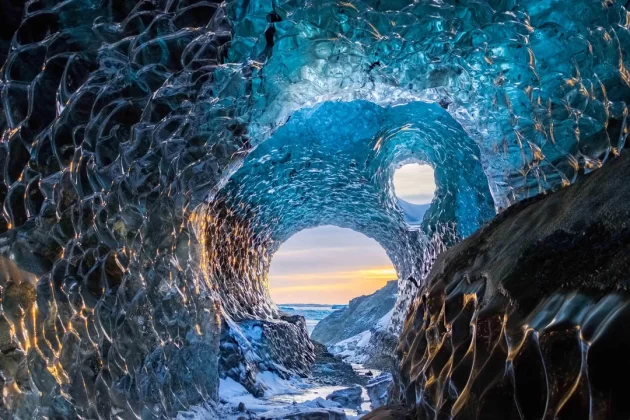
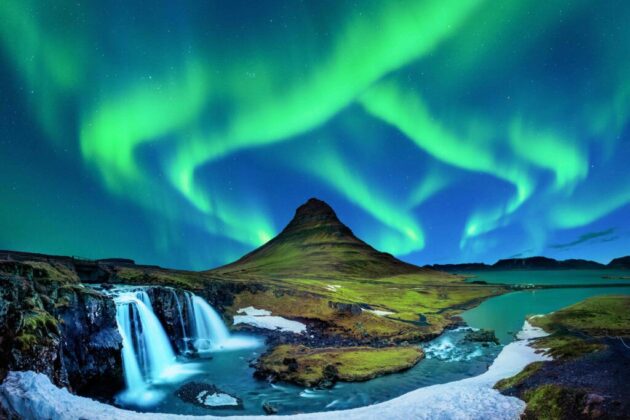
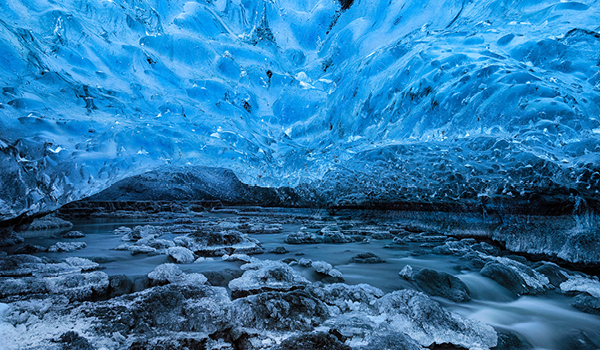
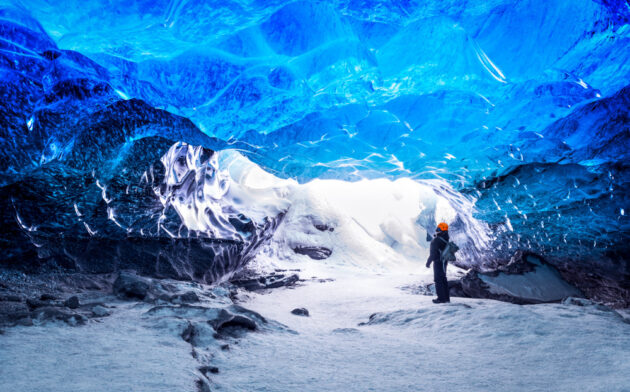
Iceland’s allure lies in its otherworldly contrasts: black-sand beaches meet turquoise lagoons, lava fields give way to lush highlands, and ancient sagas echo in modern geothermal spas. Expect enhanced Northern Lights visibility due to the solar maximum, making winter visits magical. The country is compact (about the size of Kentucky) but diverse, offering everything from whale watching in Húsavík to ice cave explorations in Vatnajökull. It’s eco-conscious too—over 90% of energy is renewable—and its people are famously welcoming, with a quirky blend of Viking heritage and cutting-edge culture. A trip here isn’t just travel; it’s a reset for the soul.
How to Get There
Most international flights land at Keflavík International Airport (KEF), 45 minutes southwest of Reykjavík.
By Air: Direct flights from major hubs like New York (5–6 hours), London (3 hours), or Frankfurt (3.5 hours). Airlines like Icelandair, Delta, and PLAY offer competitive fares—round-trip from the US starts at $400–$800 in shoulder seasons.
Airport Transfer: Flybus or Airport Express shuttles to Reykjavík cost 3,000–4,000 ISK (~$22–$29) and run frequently. Taxis or private transfers are pricier (15,000–20,000 ISK) but convenient for groups.
Entry Requirements: US, EU, and UK citizens get 90 days visa-free. From mid-2025, the EU’s ETIAS system may require an online authorization (~7 EUR, valid 3 years)—check updates before booking.
Best Time to Visit
Iceland’s weather is famously unpredictable (“If you don’t like it, wait five minutes”), but seasons shape your experience:
| Season | Weather | Highlights | Crowds & Costs | Northern Lights Chance |
|---|---|---|---|---|
| Summer (Jun–Aug) | Mild (10–15°C/50–59°F), long days (up to 24-hour daylight) | Hiking, puffin spotting, midnight sun hikes; all roads open | High; peak prices | Low |
| Shoulder (May, Sep) | Cool (5–10°C/41–50°F), variable | Balanced weather, fewer crowds; fall colors in Sep | Moderate | Medium–High |
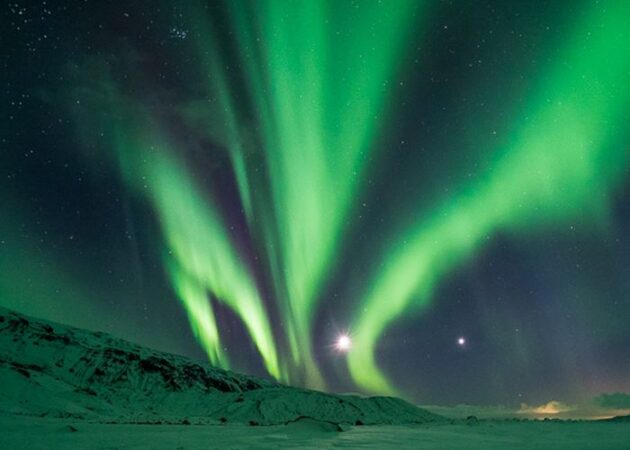
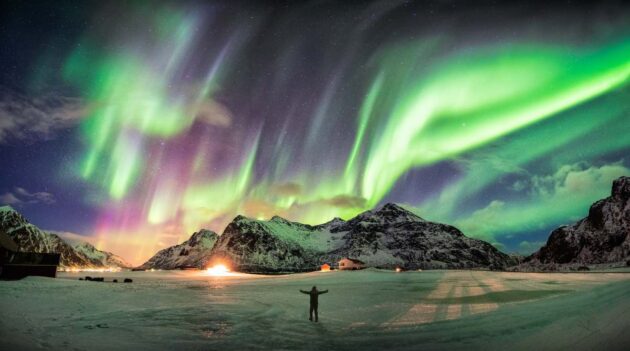
| Winter (Oct–Apr) | Cold (0–5°C/32–41°F), short days, snow | Northern Lights peak, ice caves, cozy hot springs; 2025 solar max boosts auroras | Lower; cheaper flights/hotels | High |
Tip: Summer sees festivals like Secret Solstice (June), while winter offers festive Christmas markets. Avoid National Day (June 17) for crowds. Pack layers, waterproof gear, and sturdy boots year-round.
Getting Around
Iceland’s Ring Road (Route 1, 1,332 km/828 miles) circles the island, but public transport is limited—renting a car is ideal for flexibility.
Car Rental: Essential for independence. Compact cars start at 10,000 ISK/day (~$72); 4x4s for highlands/F-roads from 20,000 ISK. Companies like Blue Car Rental or Go Car offer gravel protection (mandatory). Drive on the right; gas is ~300 ISK/liter (~$2.20). Apps like Vedur.is for weather/road conditions.
Tours & Buses: Guided day trips from Reykjavík (e.g., Golden Circle via Reykjavík Excursions, 10,000–15,000 ISK) suit non-drivers. Domestic flights (e.g., to Akureyri) via Air Iceland Connect save time for longer trips.
Campervans: Popular for freedom—rent from Indie Campers (~15,000 ISK/day). Campgrounds are cheap (1,500 ISK/person).
Pro Tip: Stick to paved roads in winter; F-roads (highlands) open June–Sep only. Download the 112 Iceland app for emergencies.
Major City
Reykjavík
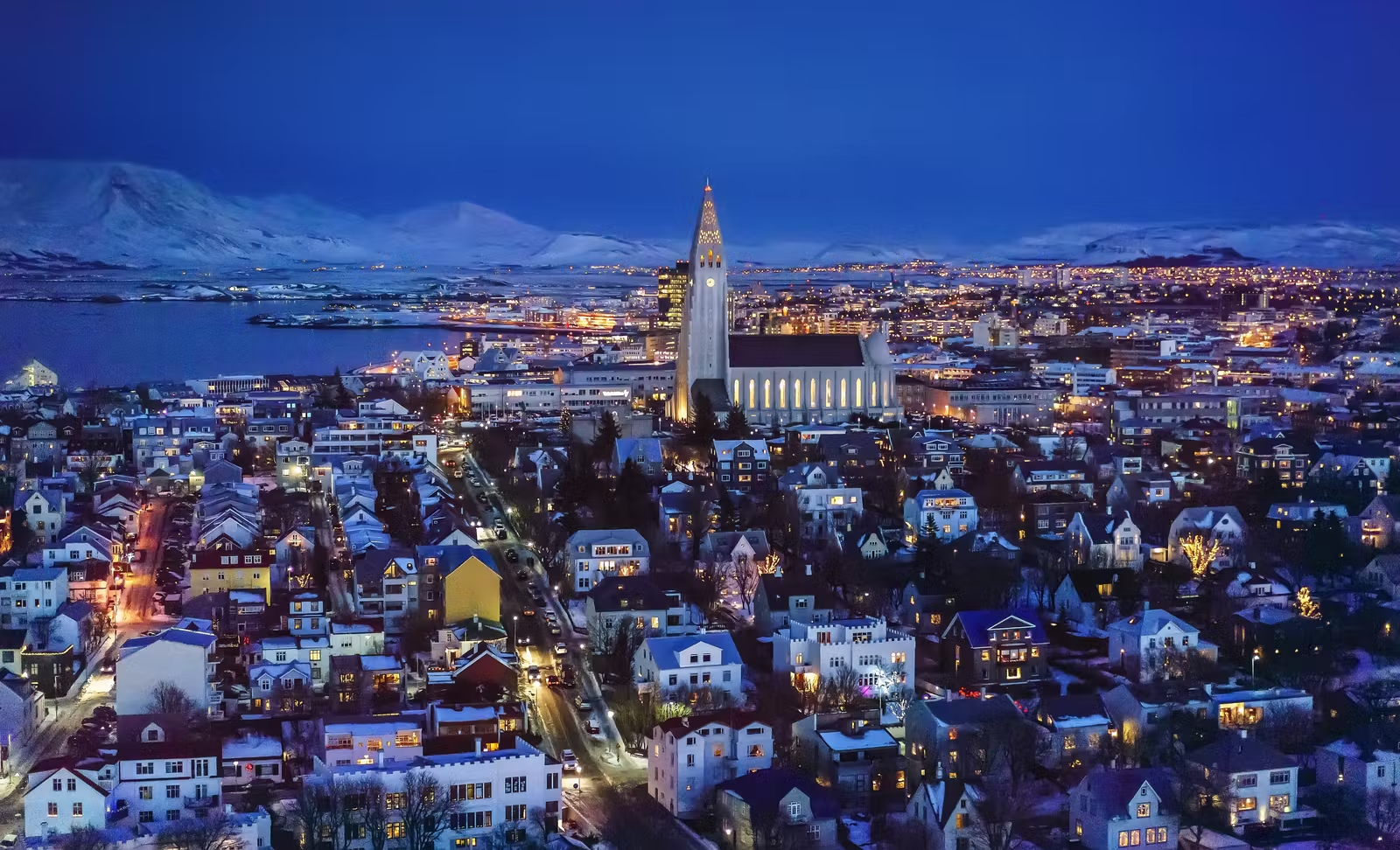
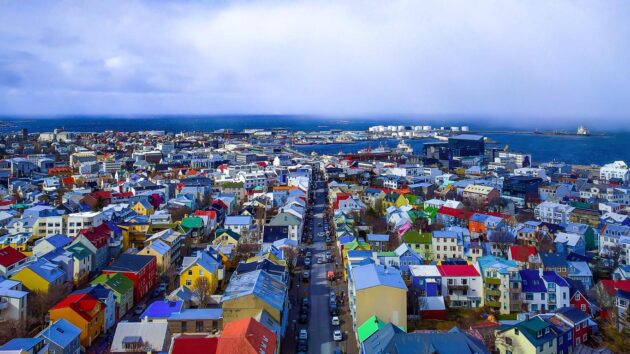
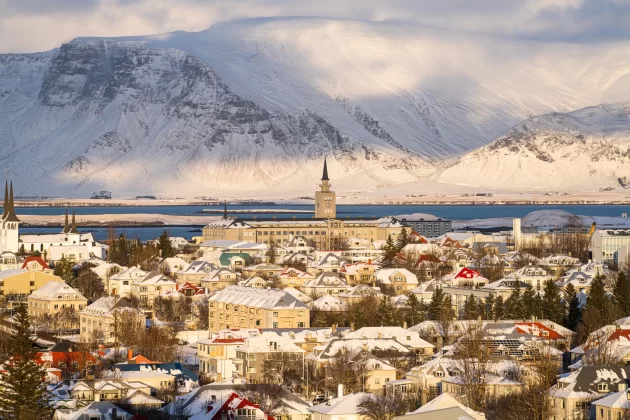
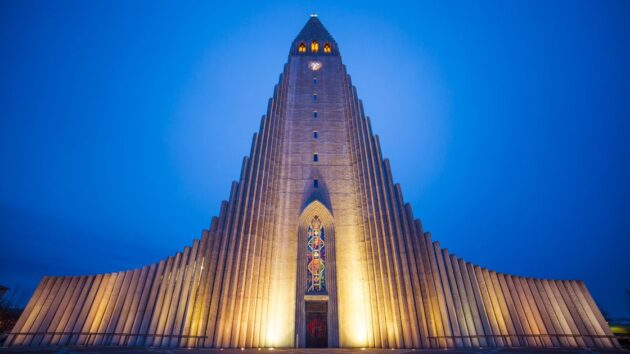
Reykjavík, the world’s northernmost capital, is a vibrant gateway to Iceland’s otherworldly landscapes. Nestled between the Atlantic Ocean and snow-capped mountains, this compact city blends quirky urban charm with easy access to geothermal wonders, glaciers, and the Northern Lights. Home to about two-thirds of Iceland’s population, Reykjavík pulses with creative energy—think street art, craft breweries, and a thriving music scene.
Top Attractions
Golden Circle
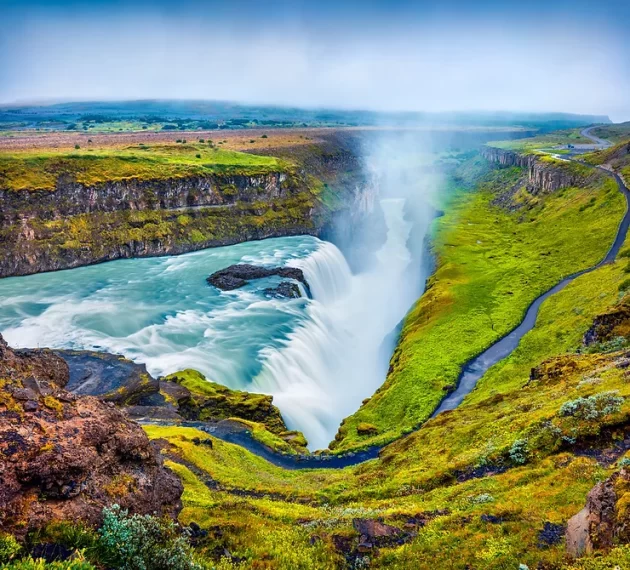
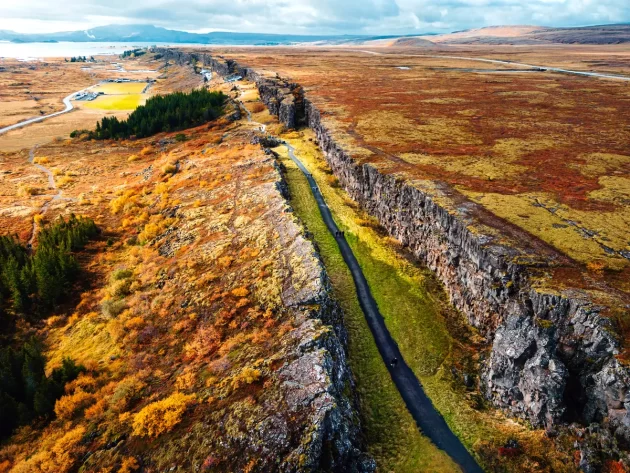
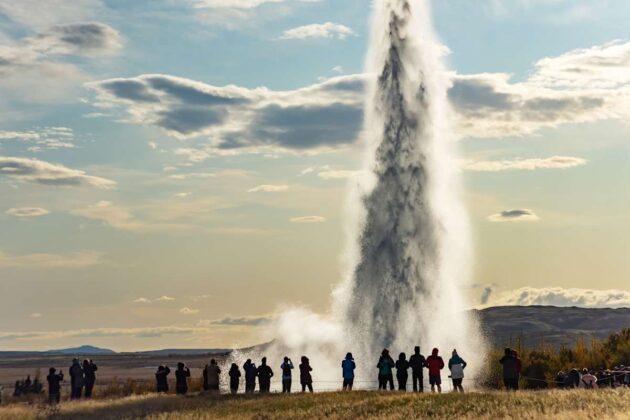
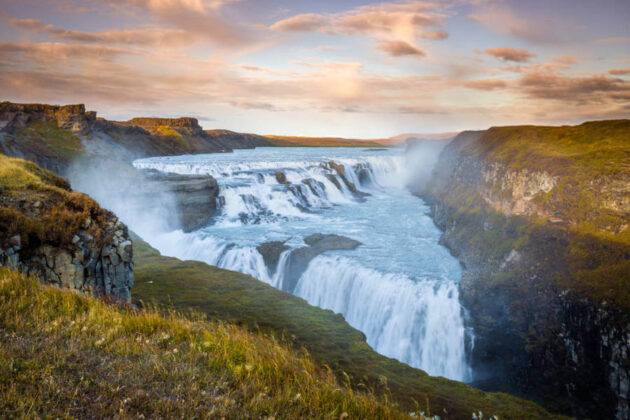
Nestled in the heart of Iceland’s dramatic landscapes, the Golden Circle is one of the world’s most iconic road trips—a 190-mile (300 km) loop that showcases the country’s raw natural beauty, geological wonders, and rich history. Starting and ending in Reykjavík, the route connects three must-see landmarks: Thingvellir National Park, the Geysir Geothermal Area, and Gullfoss Waterfall.
Reynisfjara Beach
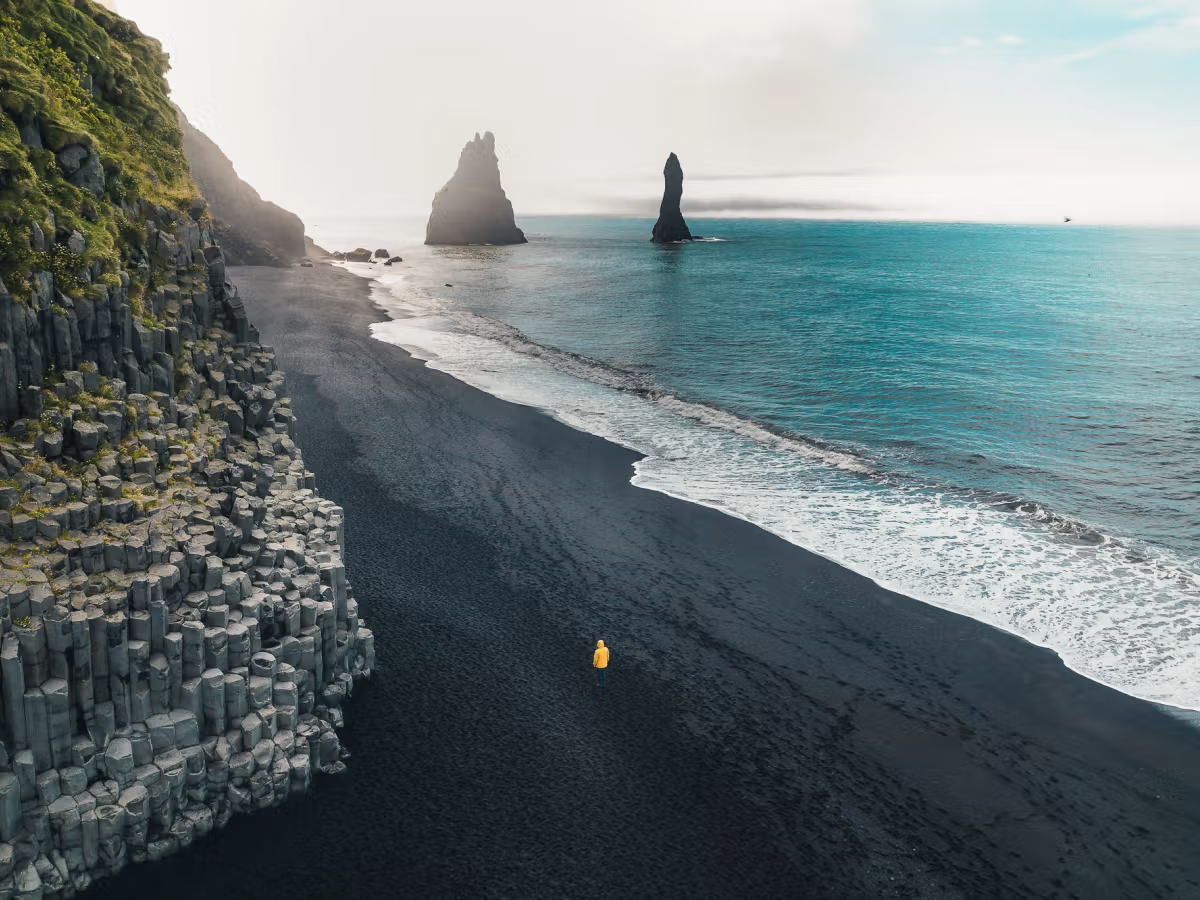
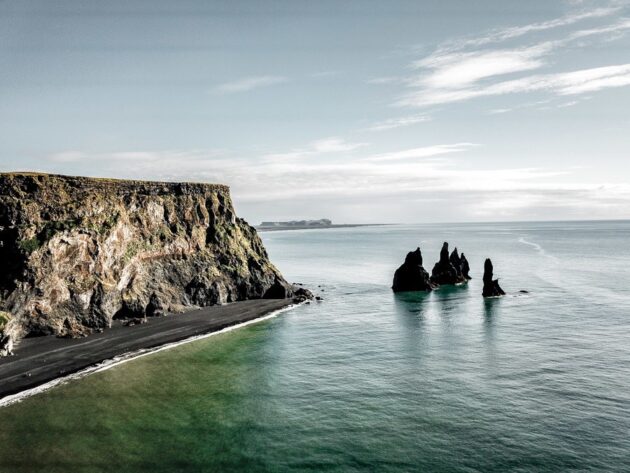
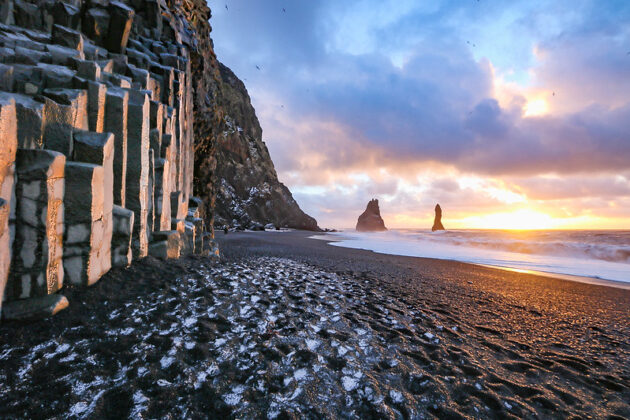
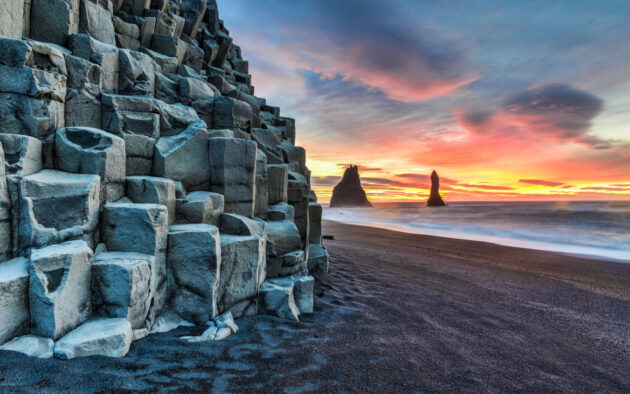
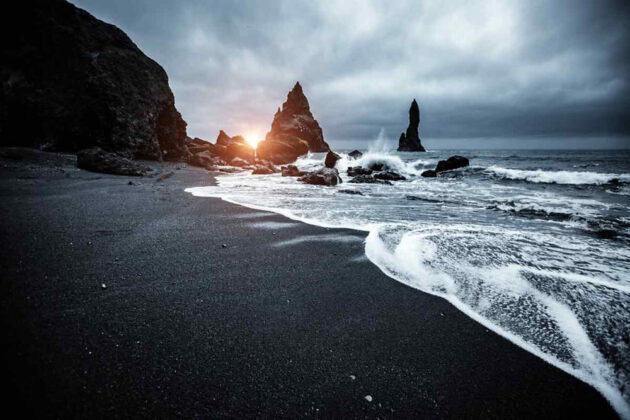
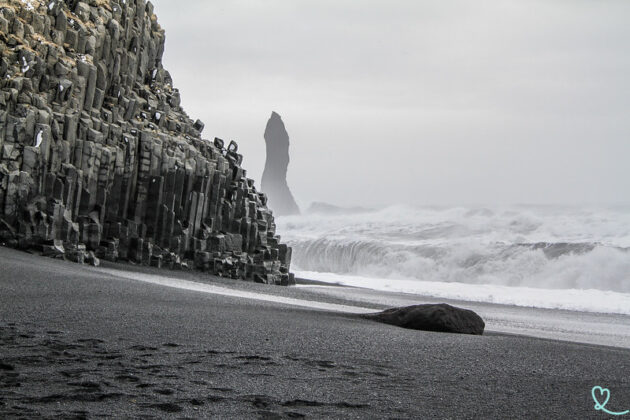
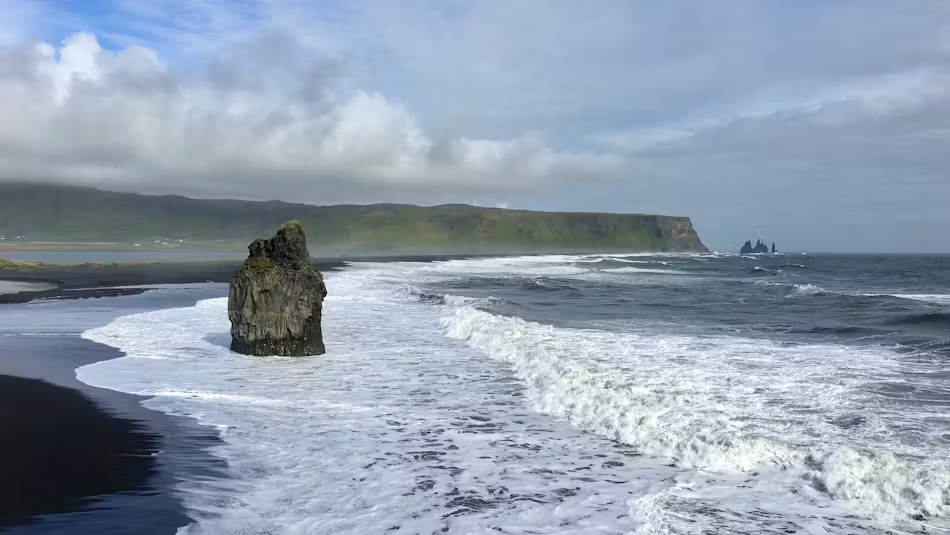
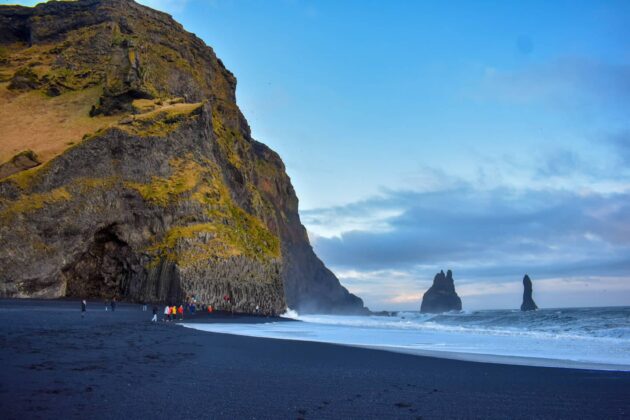
Nestled along Iceland’s dramatic South Coast, Reynisfjara Beach is a mesmerizing black sand beach that captivates visitors with its otherworldly landscapes. Famous for its jet-black volcanic sands, towering basalt columns, and the iconic Reynisdrangar sea stacks rising from the Atlantic Ocean, this UNESCO Global Geopark site feels like a scene from a fantasy film. Featured in Game of Thrones and ranked among National Geographic’s top non-tropical beaches, Reynisfjara draws thousands annually for its raw beauty and geological wonders.
Seljalandsfoss
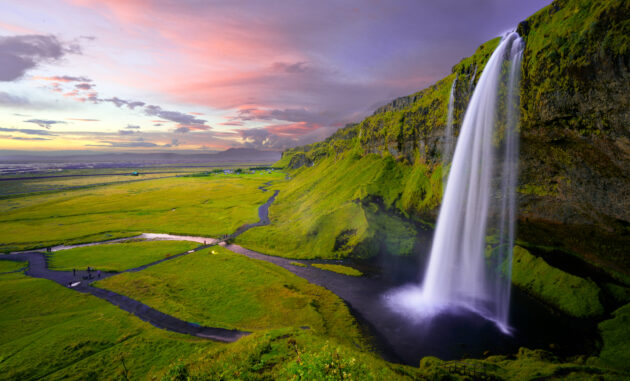
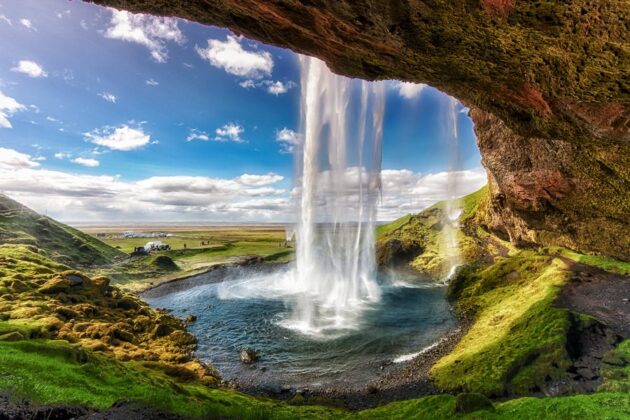
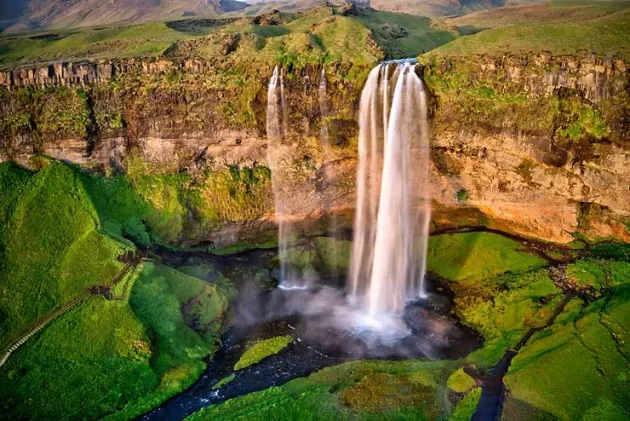
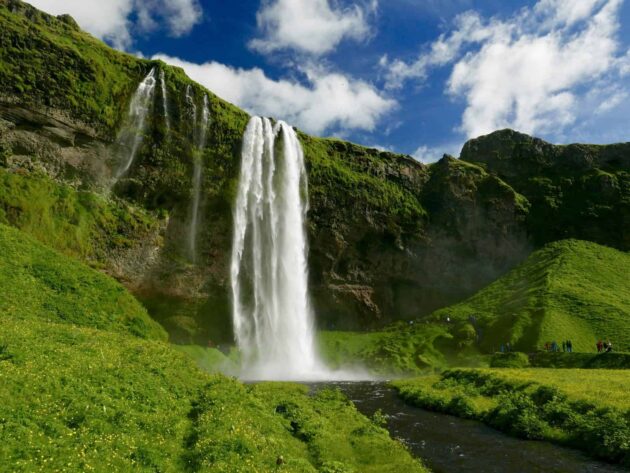
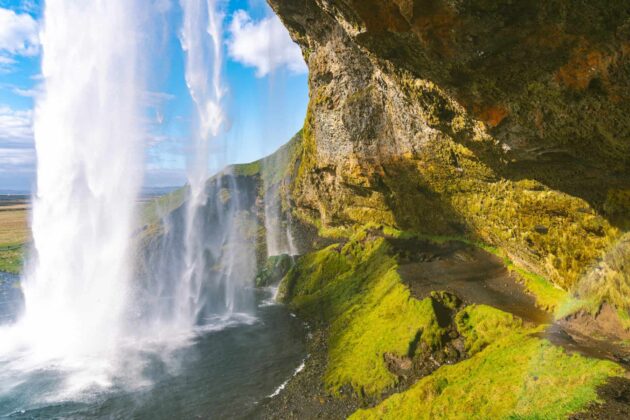
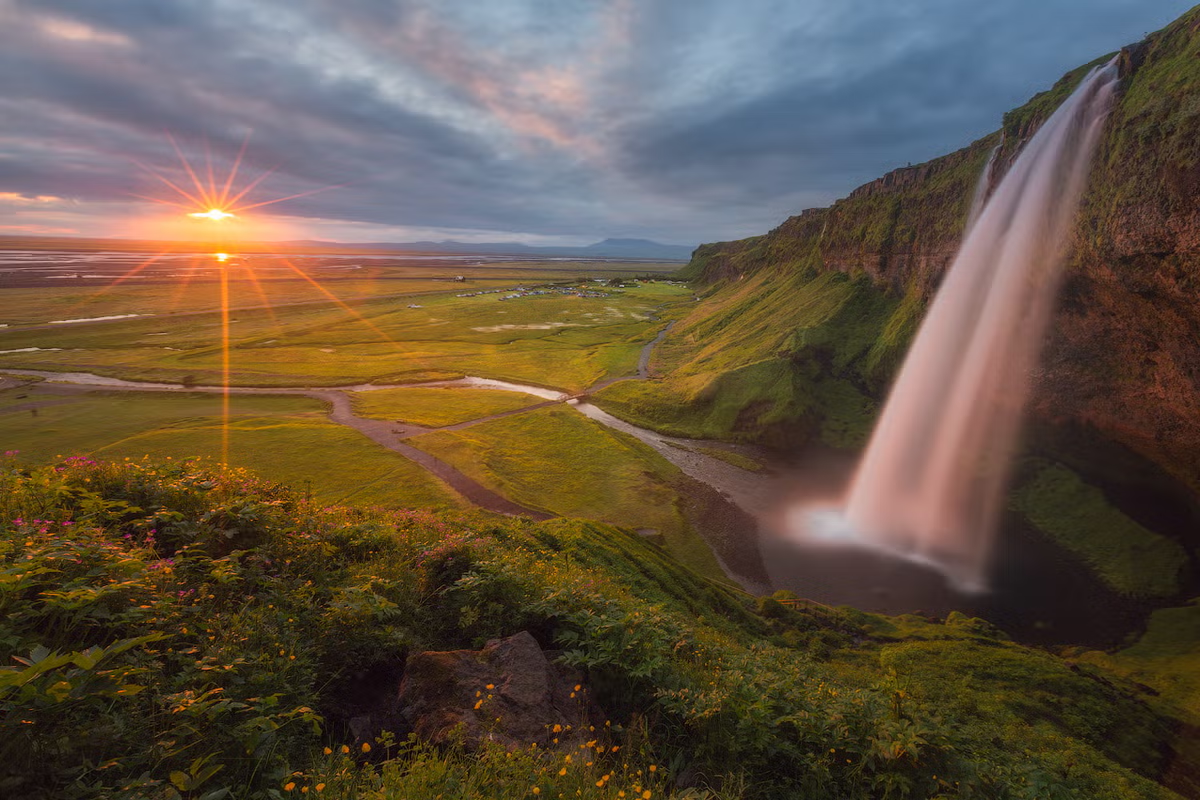
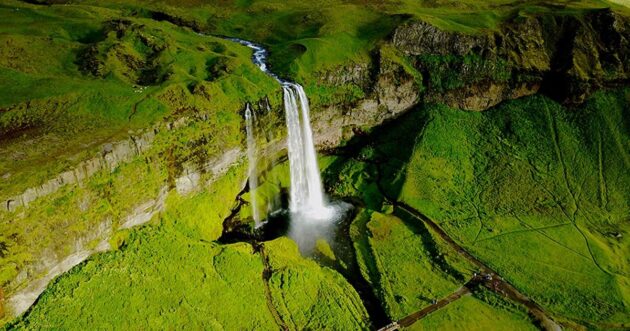
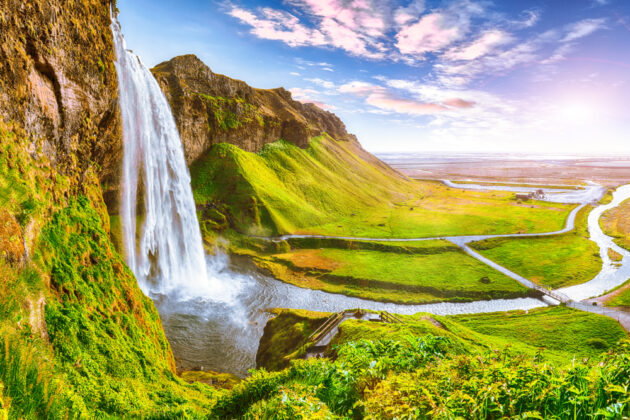
Seljalandsfoss, one of Iceland’s most iconic waterfalls, is a breathtaking 60-meter (200-foot) cascade plunging over an ancient sea cliff on the South Coast. Fed by meltwater from the Eyjafjallajökull glacier, this natural wonder stands out not just for its dramatic height and roaring power, but for the rare opportunity to walk behind the curtain of water, offering a misty, immersive view of the surrounding meadows and distant mountains.
Vík Village
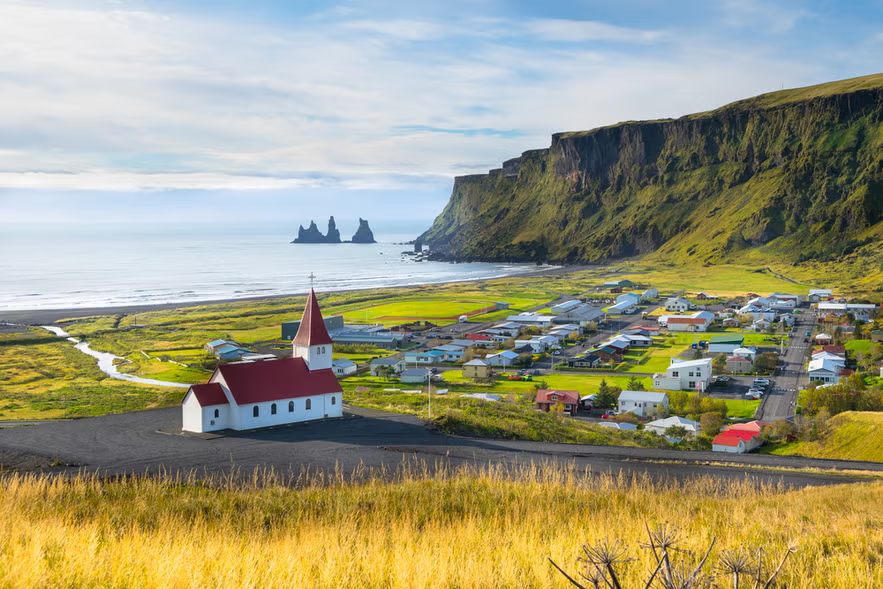
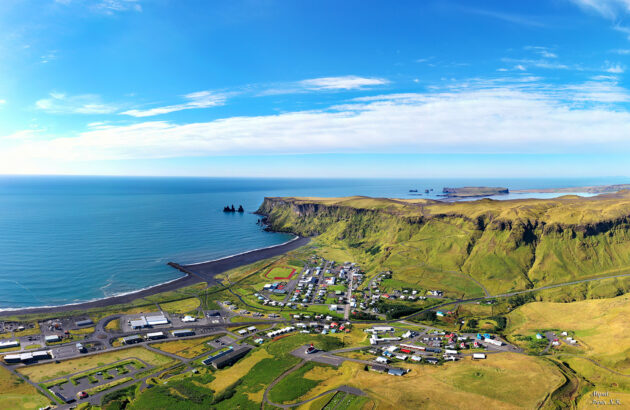
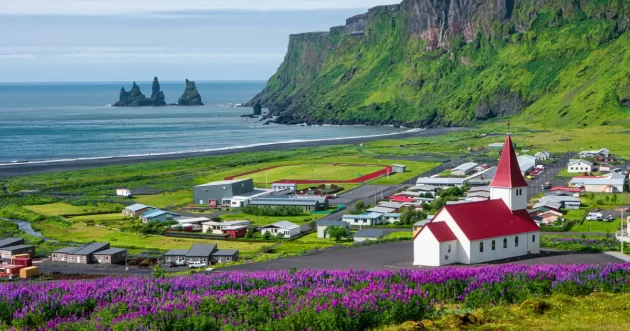
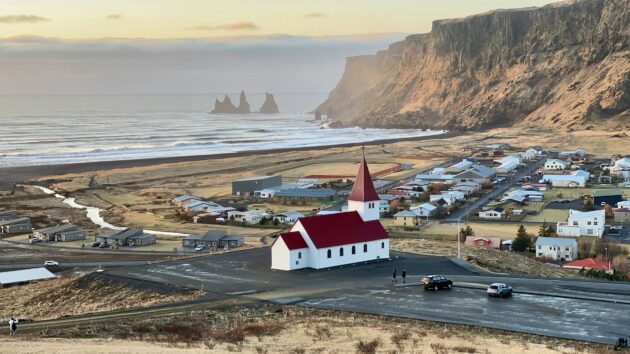
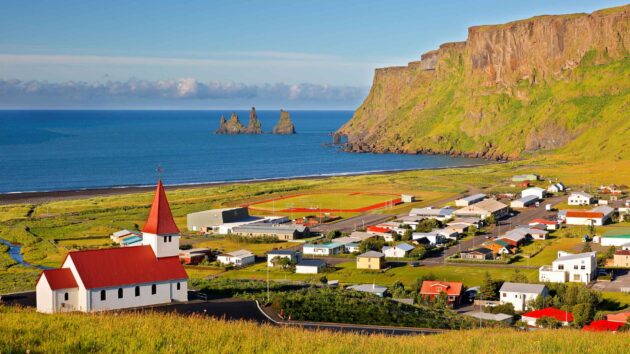
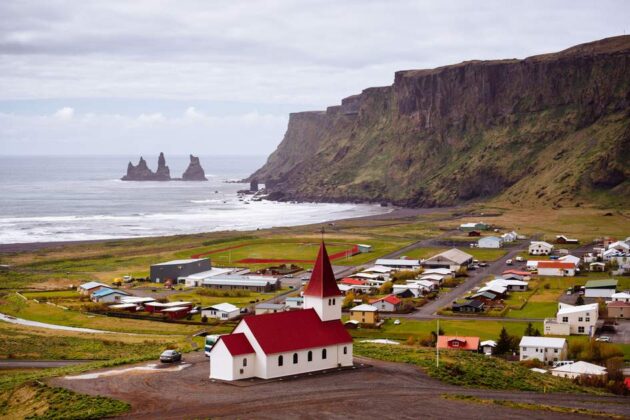
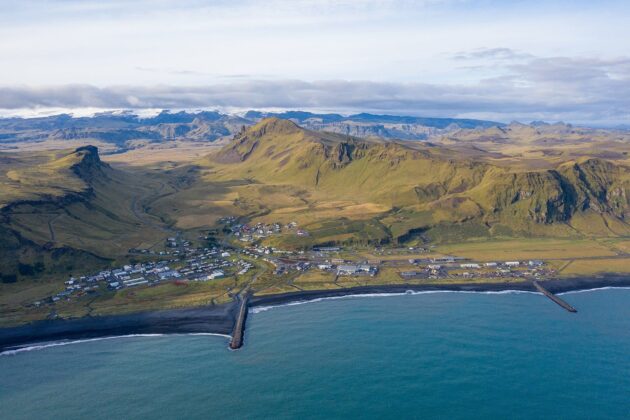
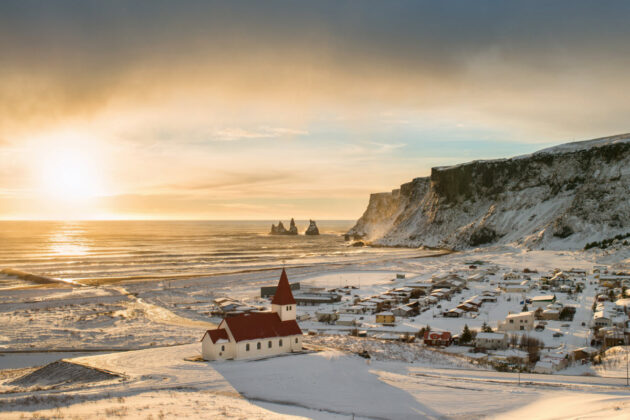
Nestled on the dramatic South Coast of Iceland, Vík í Mýrdal—simply known as Vík—is a quaint seaside village that serves as a gateway to some of the country’s most iconic natural wonders. With a population of around 300, this southernmost village on the Icelandic mainland is framed by black sand beaches, basalt sea stacks, and the looming Mýrdalsjökull glacier. Famous for its rugged beauty and folklore-inspired landscapes, Vík is a must-stop for anyone driving the Ring Road.
Jökulsárlón Glacier Lagoon
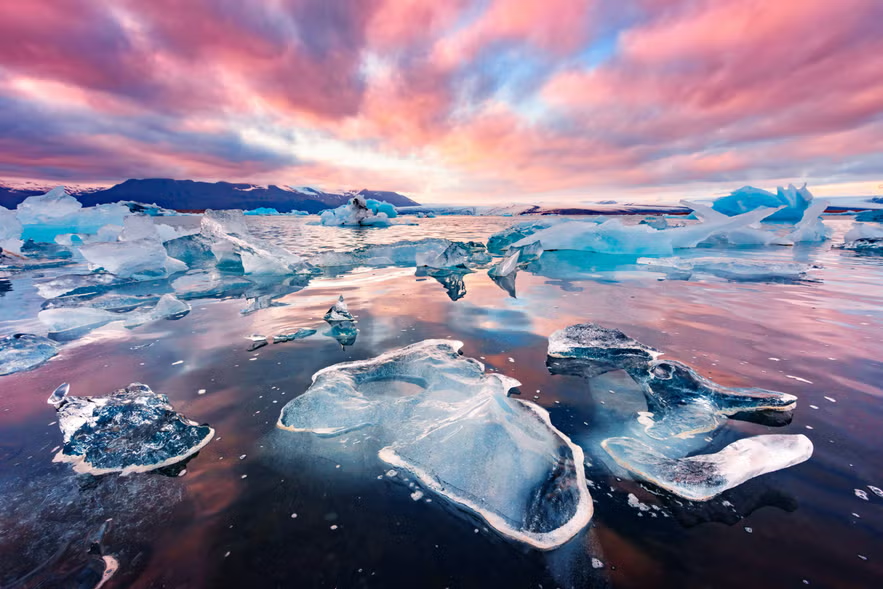
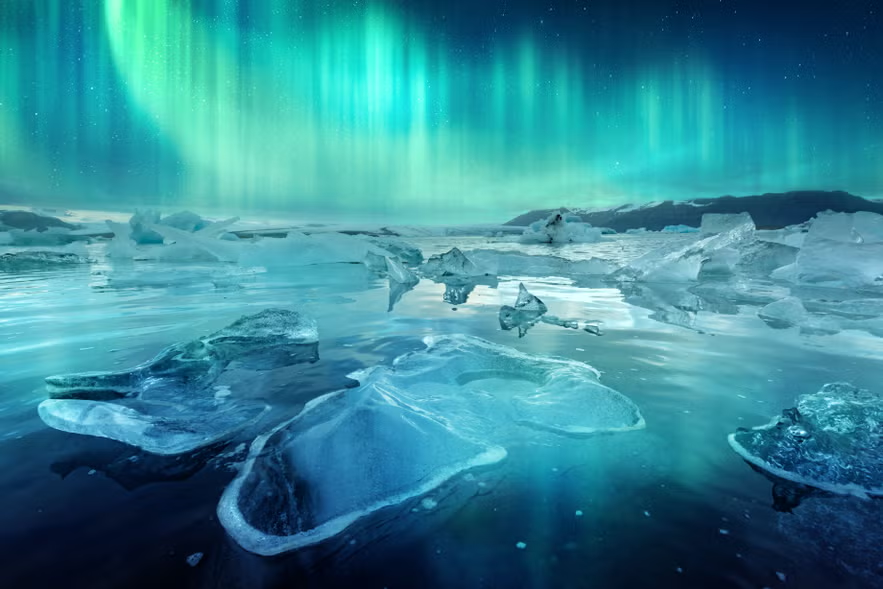
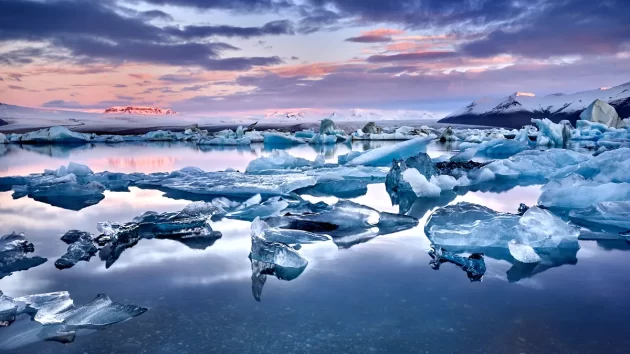
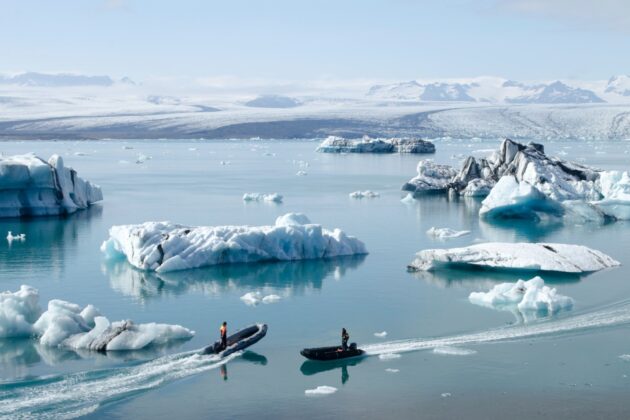
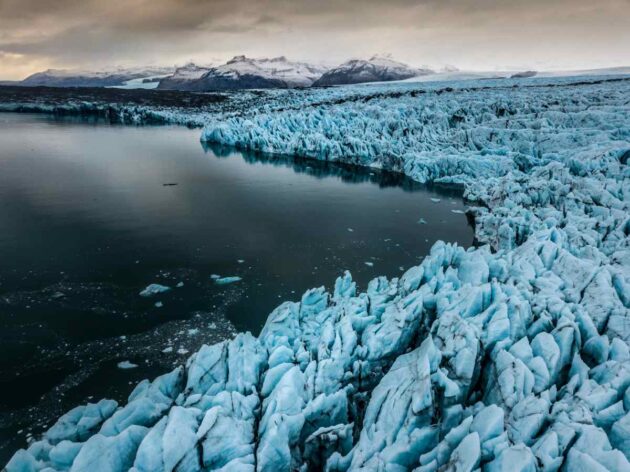
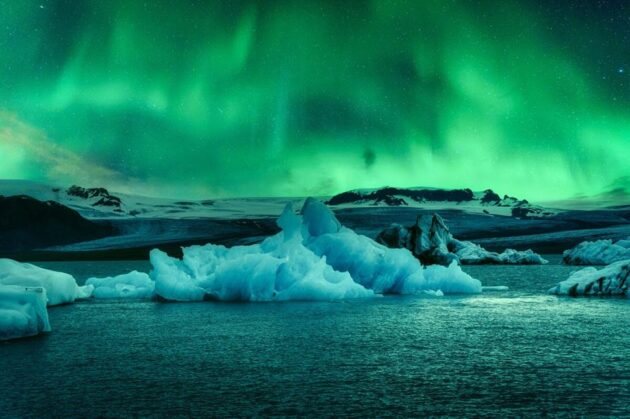
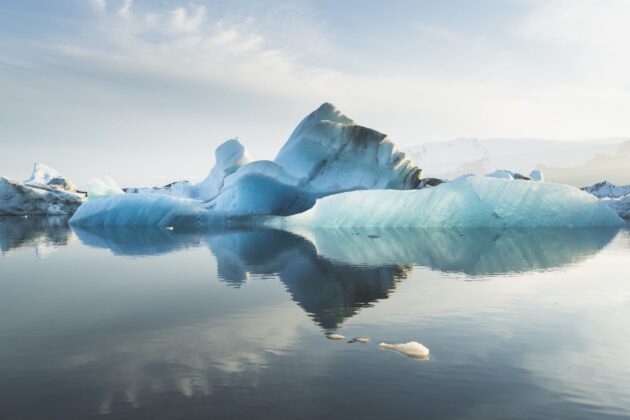
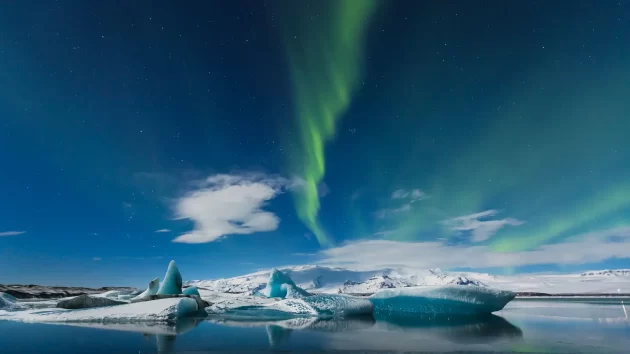
Nestled in the southeast corner of Iceland within Vatnajökull National Park, Jökulsárlón Glacier Lagoon is a mesmerizing natural wonder where massive icebergs calve from the Breiðamerkurjökull glacier and drift serenely across turquoise waters toward the Atlantic Ocean. Often called the “Crown Jewel of Iceland,” this deep (up to 280 meters) and ever-expanding lagoon—formed in the early 20th century due to glacial melt—offers an otherworldly landscape of shimmering ice in shades of blue, white, and turquoise.
Goðafoss Waterfall
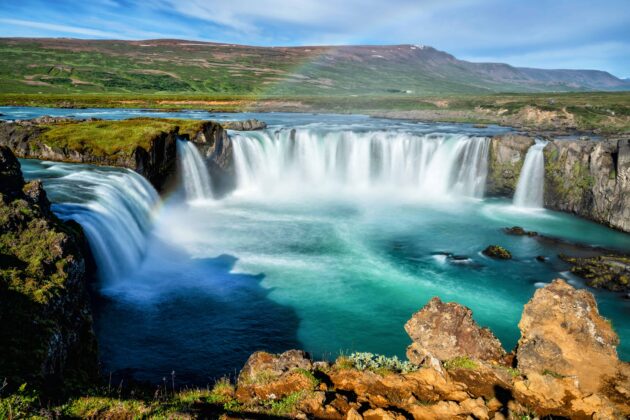
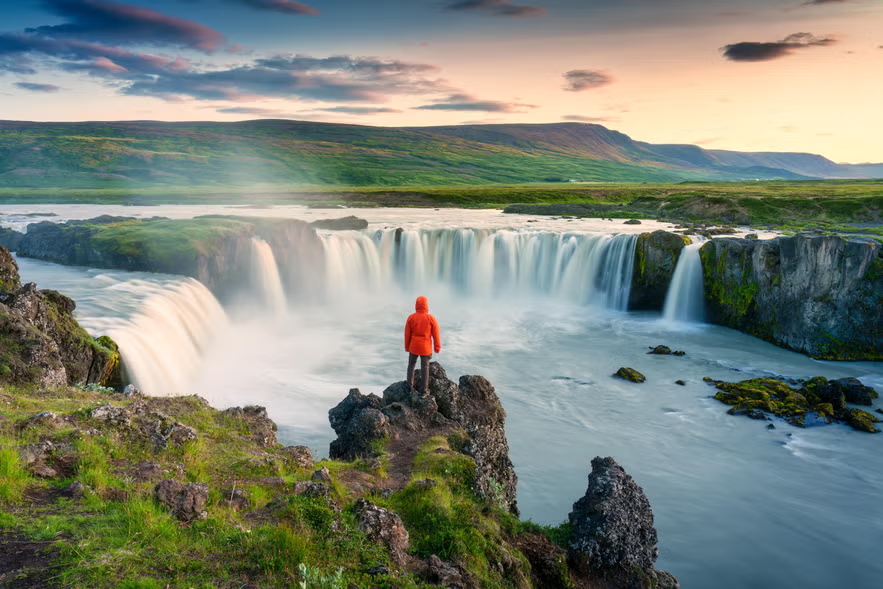
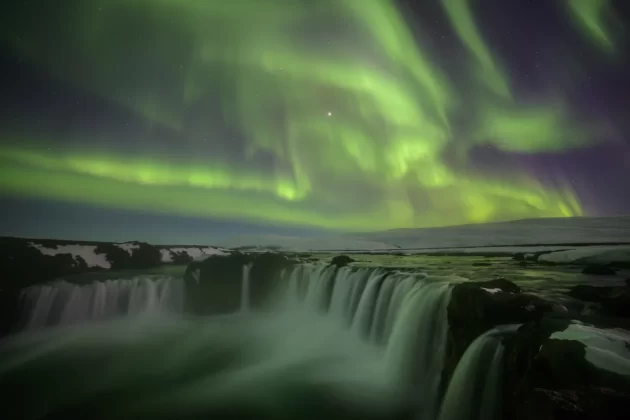
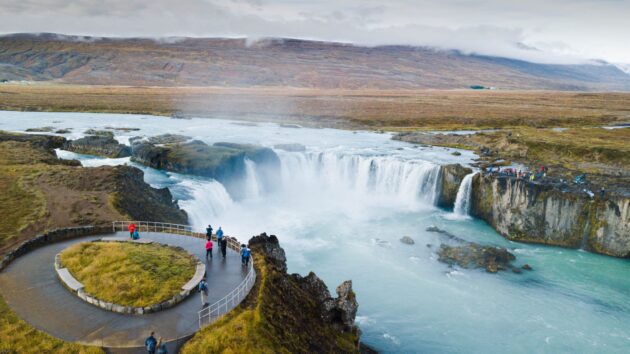
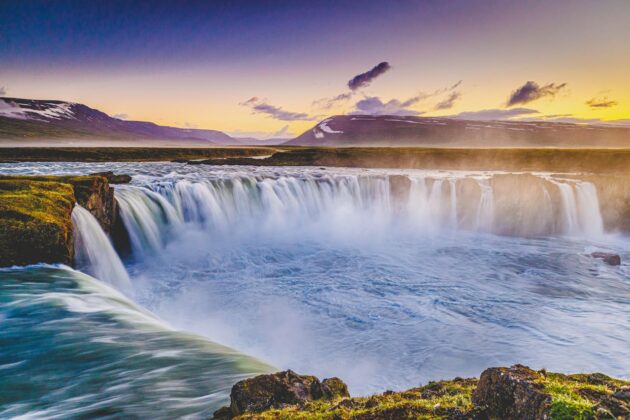
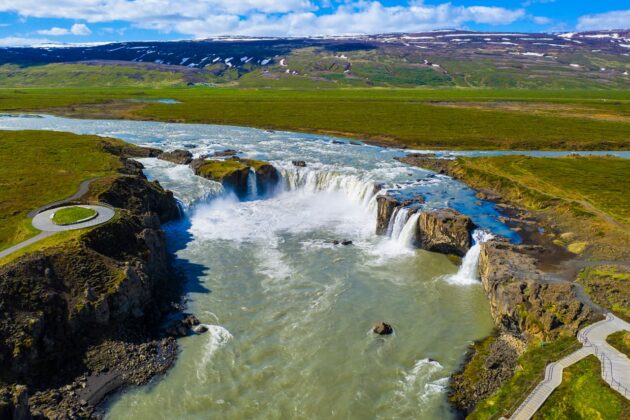
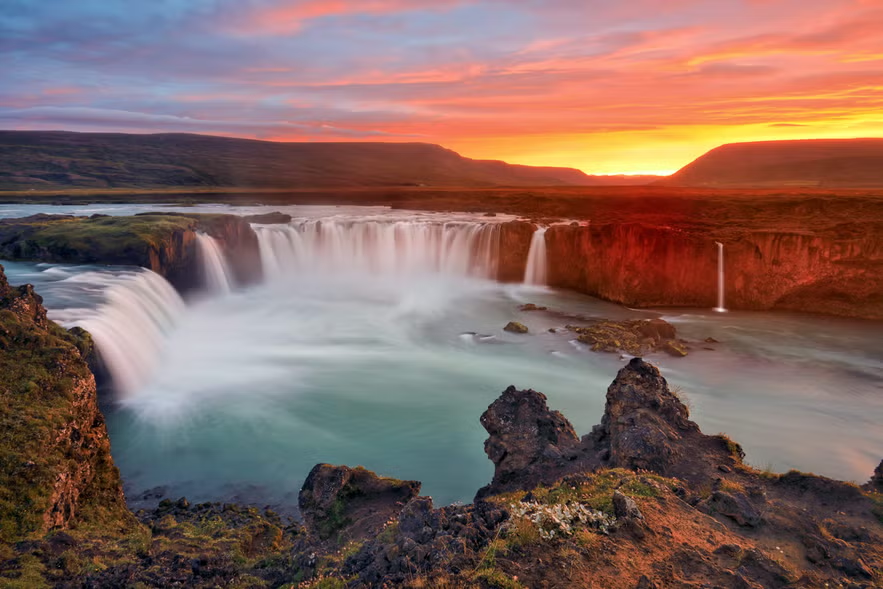
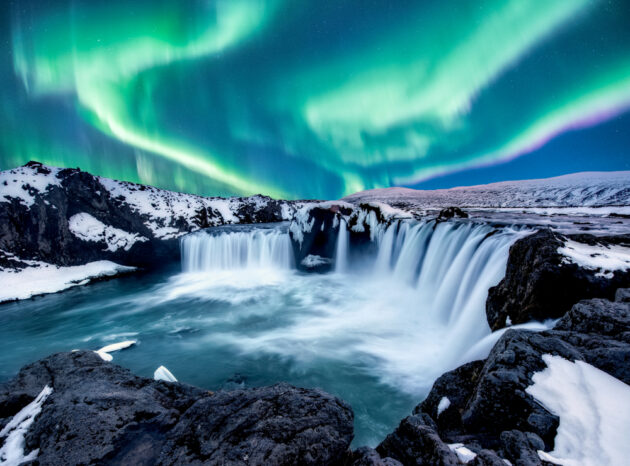
Nestled in the dramatic landscapes of North Iceland, Goðafoss Waterfall—known as the “Waterfall of the Gods”—is a mesmerizing natural wonder that blends breathtaking beauty with profound historical significance. Plunging 12 meters (39 feet) over a 30-meter-wide (98 feet) horseshoe-shaped basalt ledge formed by ancient volcanic activity, the Skjálfandafljót River creates a thundering cascade that contrasts starkly against the surrounding lava fields and green hills.
Hengifoss Waterfall
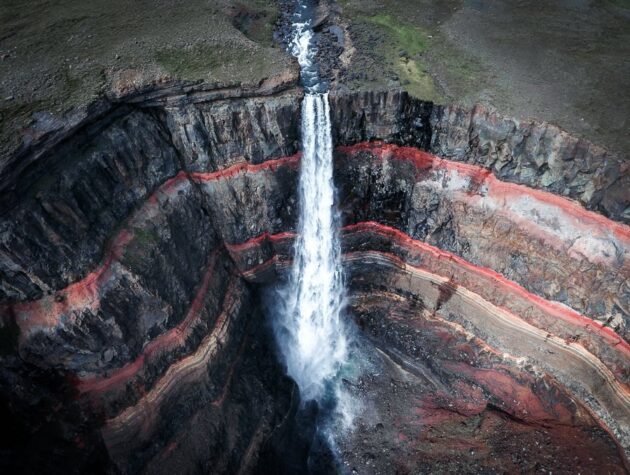
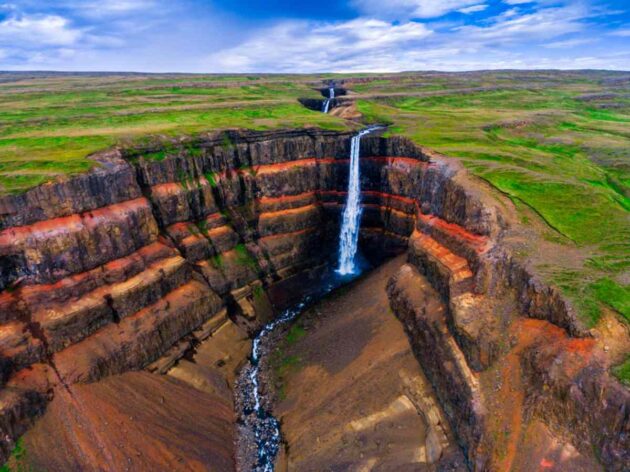
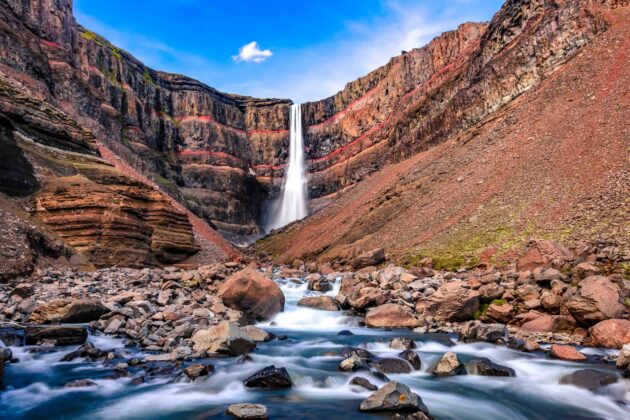
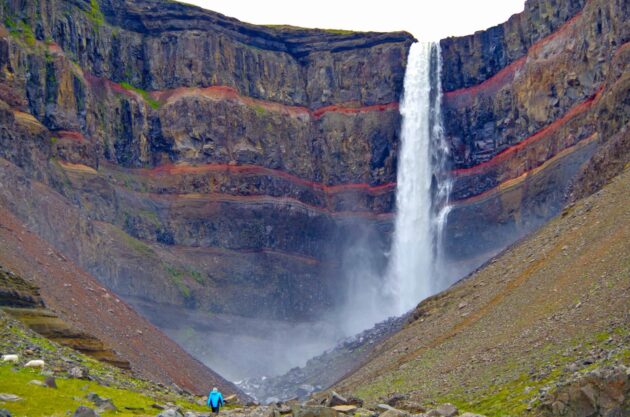
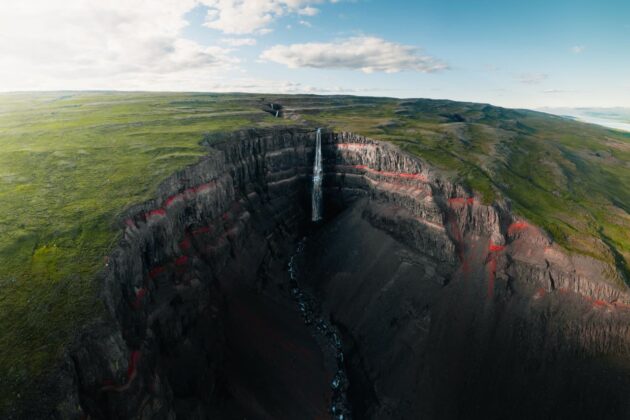
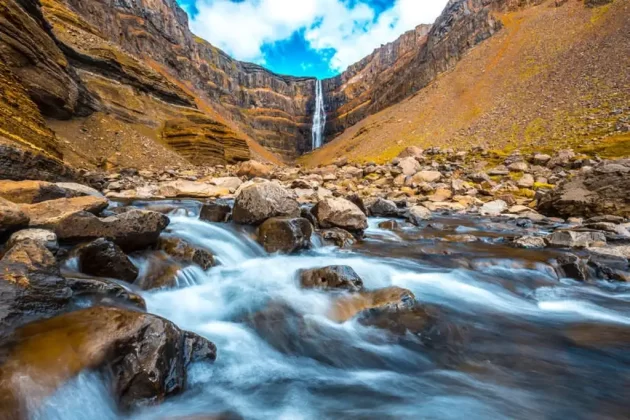
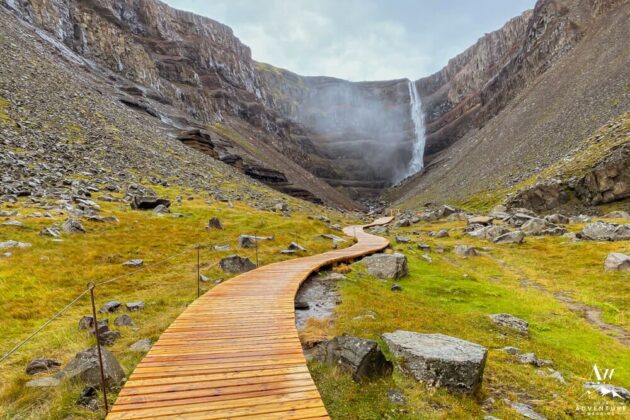
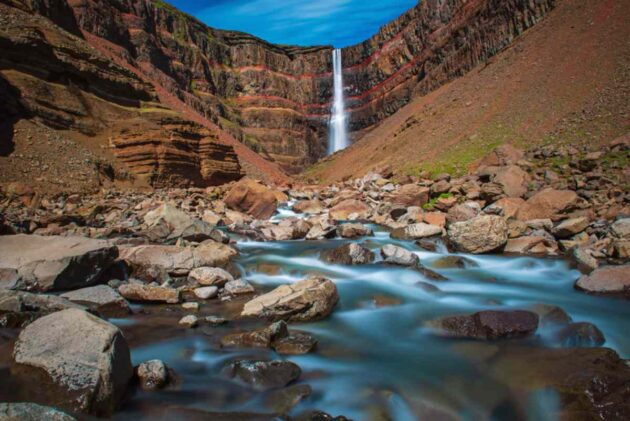
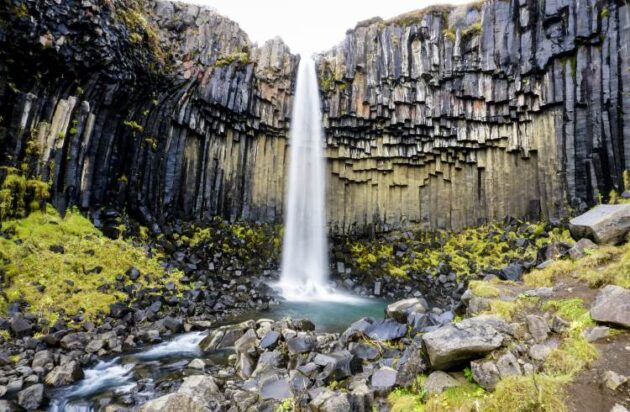
Nestled in the dramatic landscapes of East Iceland, Hengifoss Waterfall stands as one of the country’s most striking natural wonders. At 128 meters (420 feet) tall, it’s Iceland’s third-highest waterfall (or second, depending on the source), plunging over a sheer basalt cliff into a deep gorge. What sets Hengifoss apart are the vivid red clay layers striped between black basalt rock formations, creating a geological masterpiece that hints at Iceland’s ancient volcanic past—evidence of warmer climates millions of years ago.
Blue Lagoon
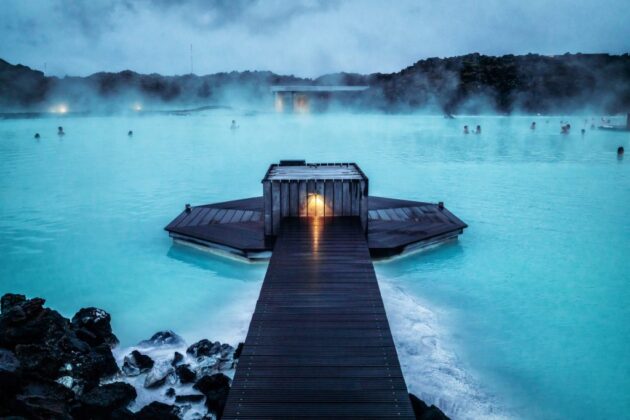
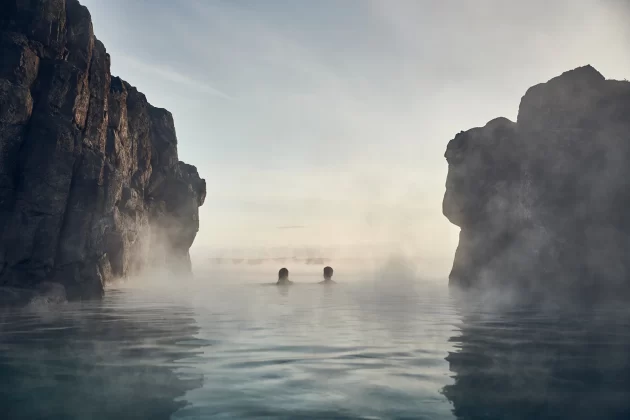
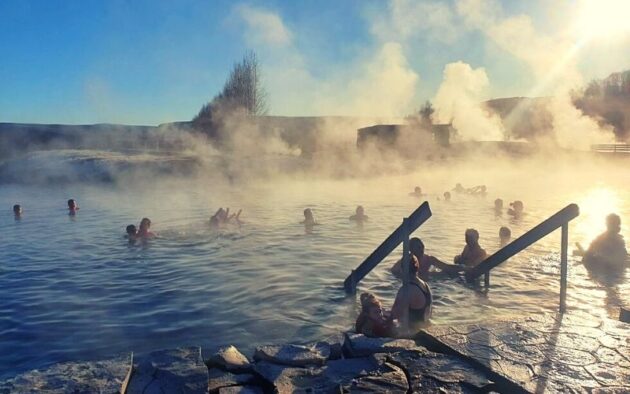
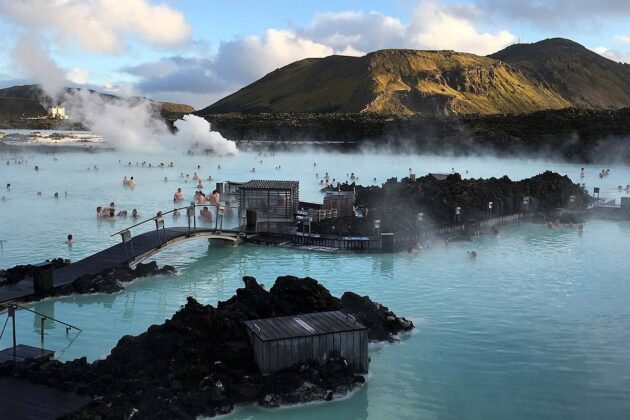
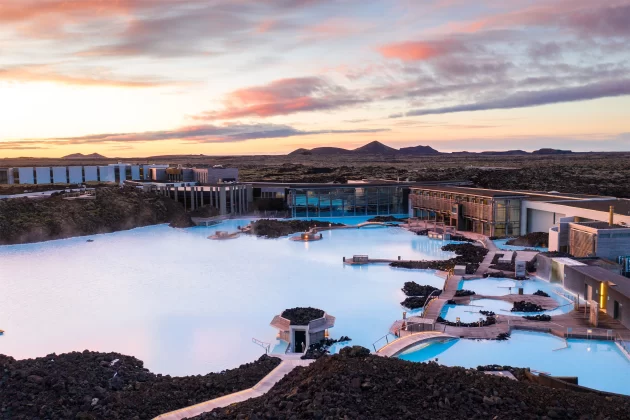
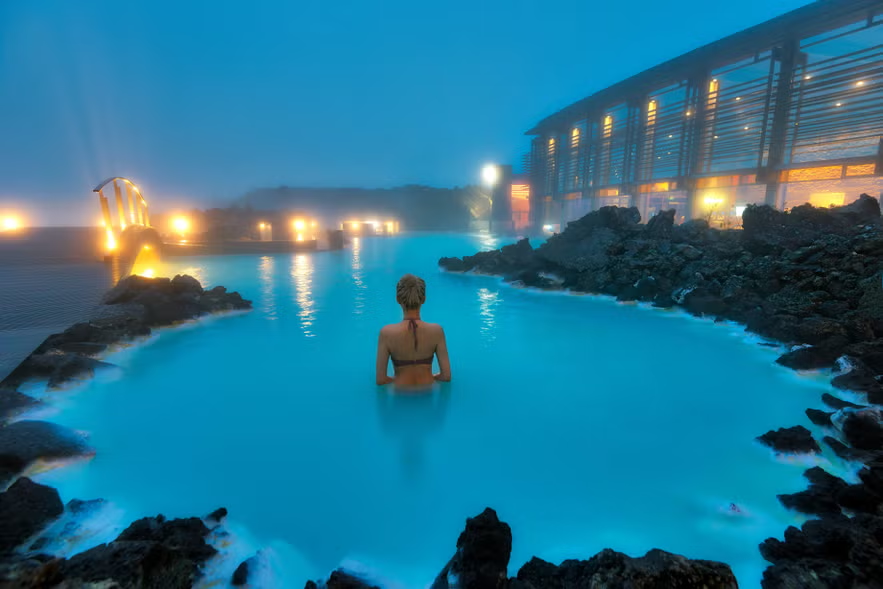
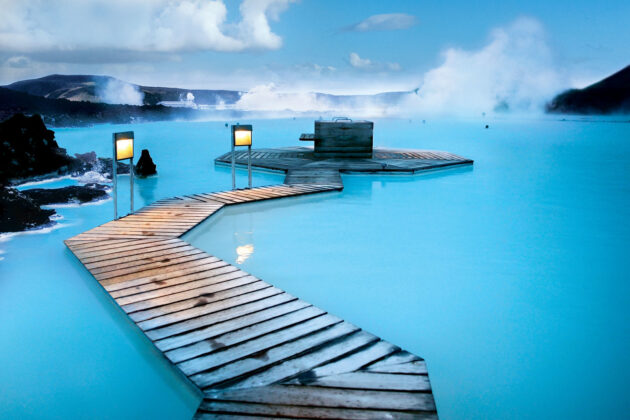
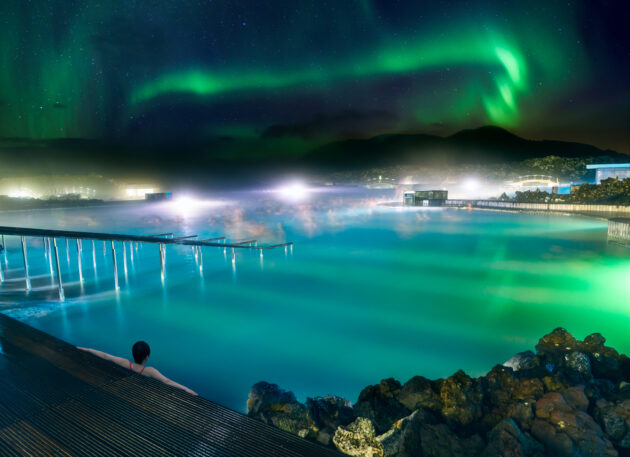
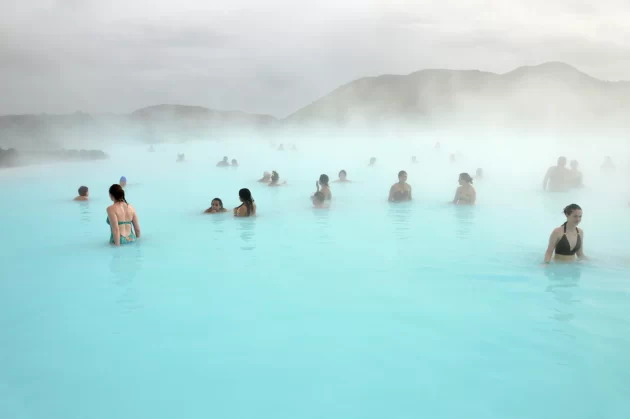
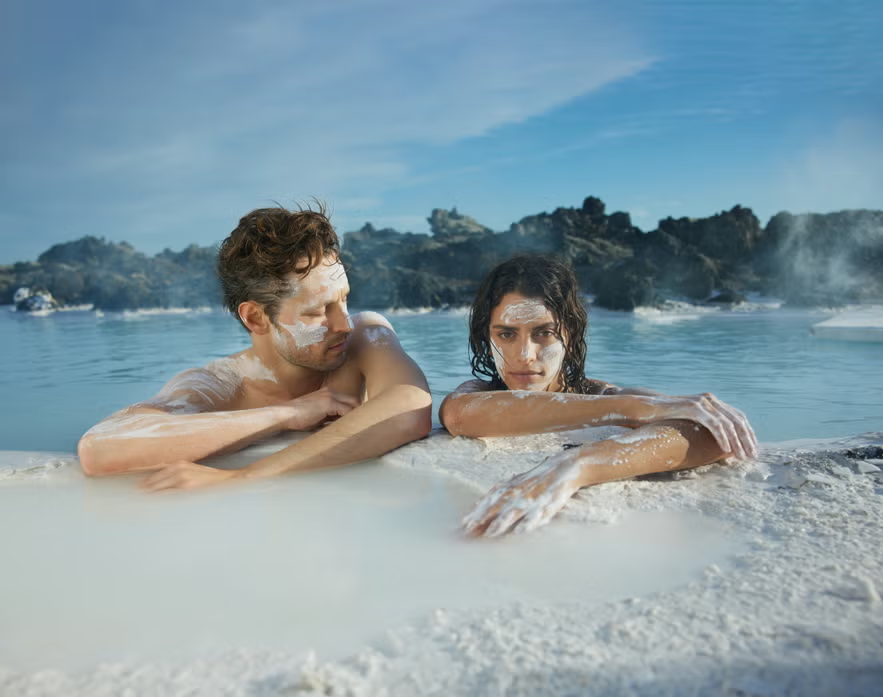
Nestled in the otherworldly lava fields of the Reykjanes Peninsula, the Blue Lagoon is Iceland’s most iconic geothermal spa and a bucket-list destination for travelers worldwide. This man-made wonder, formed accidentally in the 1970s from the byproduct of a nearby geothermal power plant, features milky-blue, mineral-rich waters heated to a soothing 37–40°C (98–104°F). Surrounded by stark black volcanic rock and steam rising like ethereal mist, it offers a surreal blend of relaxation, natural beauty, and skin-nourishing silica masks.
Vatnajökull National Park
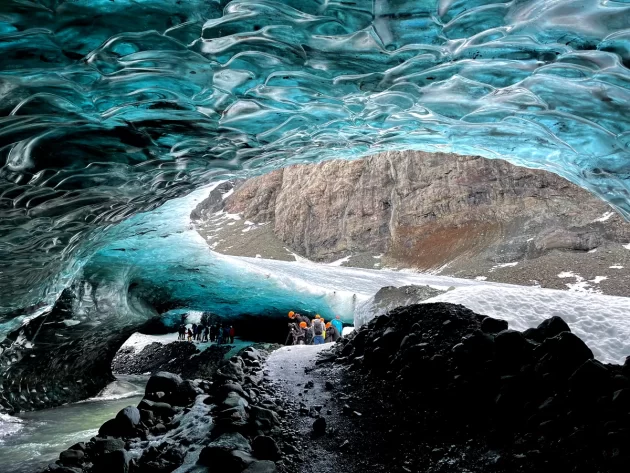
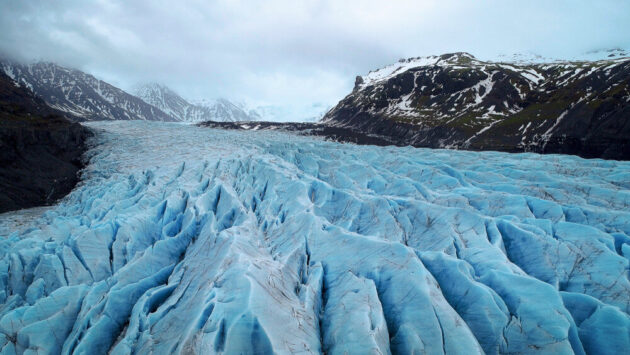
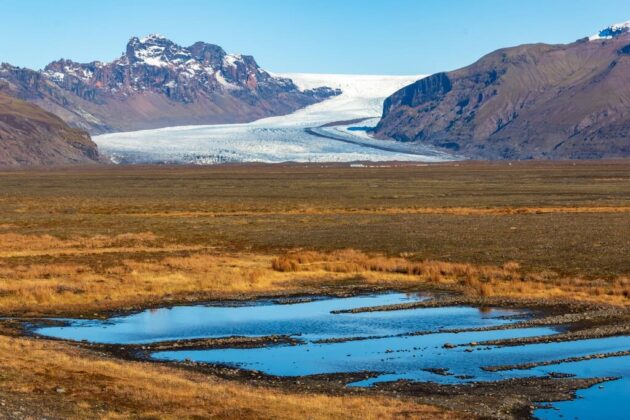
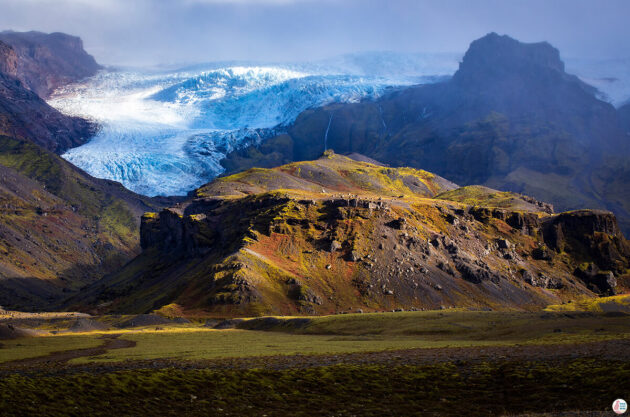
Nestled in the southeastern and northeastern reaches of Iceland, Vatnajökull National Park is a breathtaking testament to the raw power of nature, where fire meets ice in a dramatic symphony of volcanoes, glaciers, waterfalls, and canyons. Established in 2008 by merging the Skaftafell and Jökulsárgljúfur national parks with the vast Vatnajökull ice cap—Europe’s largest glacier—the park spans over 14,000 square kilometers, covering about 14% of Iceland’s landmass. Designated a UNESCO World Heritage Site in 2019, it features diverse landscapes shaped by volcanic eruptions and glacial forces, from the thundering Dettifoss waterfall to the ethereal Jökulsárlón Glacier Lagoon.
Volcanoes in Iceland
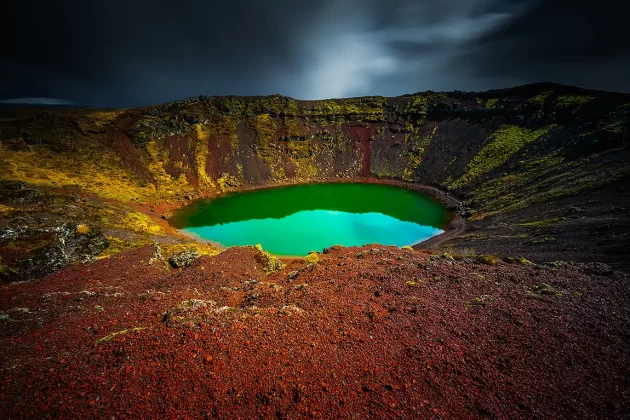
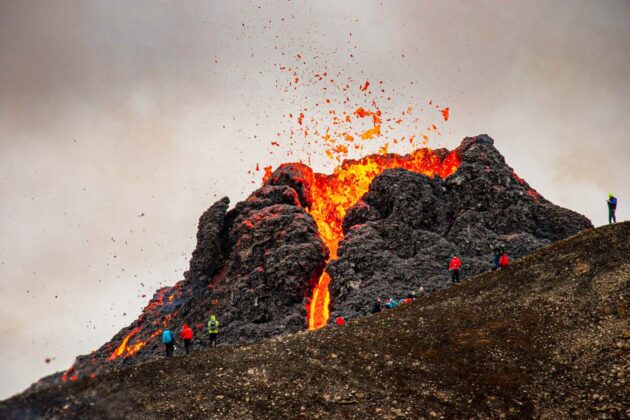
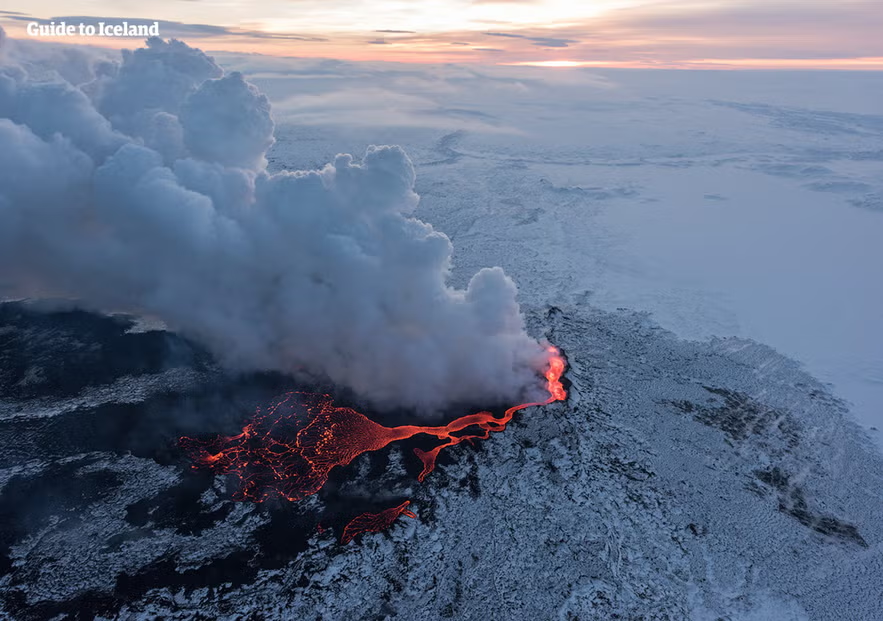
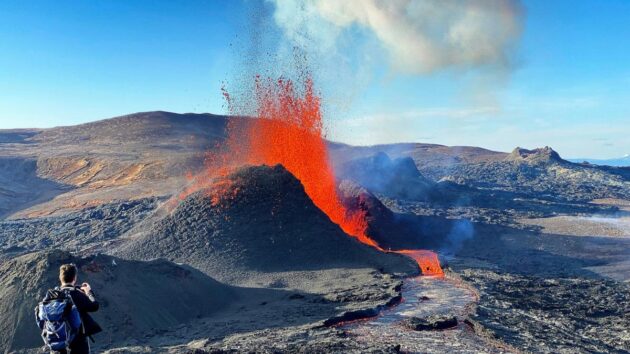
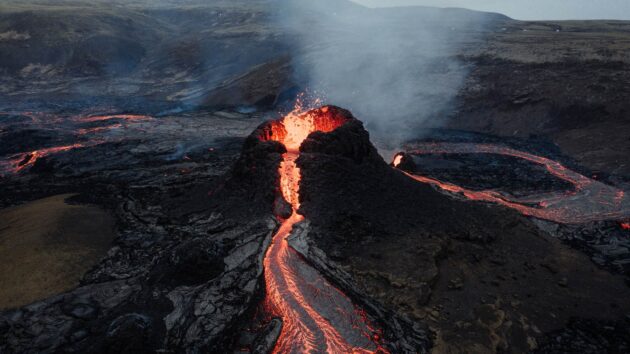
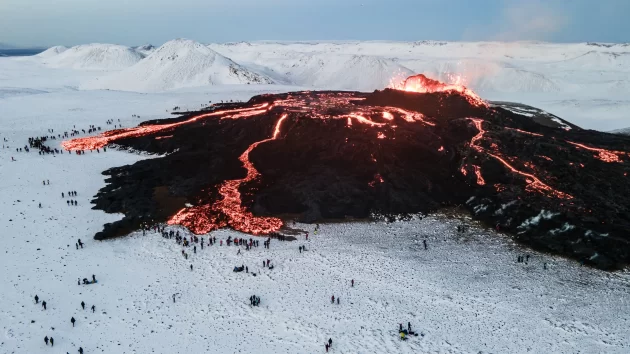
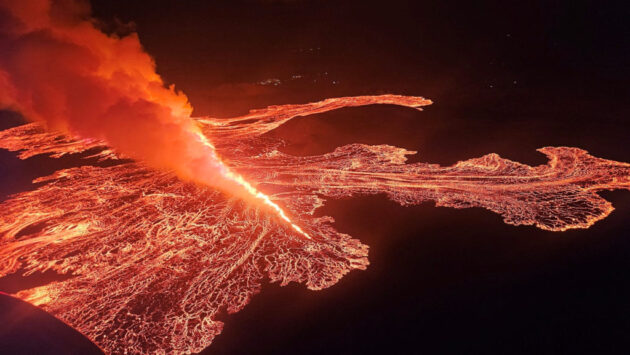
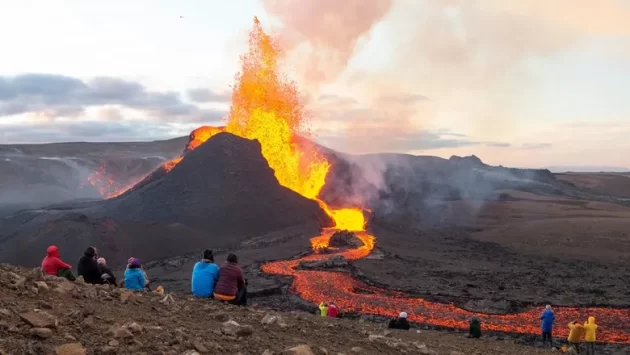
Iceland, the “Land of Fire and Ice,” is a volcanic hotspot where the Earth’s raw power is on full display. Straddling the Mid-Atlantic Ridge, the island hosts over 30 active volcanic systems, shaping its dramatic landscapes of lava fields, craters, and geothermal wonders. Last event at Sundhnúkur crater row (July 16–August 5, 2025), but seismic activity persists, including a recent swarm at the Katla system on October 20. Volcano tourism thrives here, offering safe, guided ways to explore fresh lava flows, dormant chambers, and iconic sites.
Food and Drink
Icelandic cuisine is hearty and seafood-forward, but pricey—budget 5,000–10,000 ISK (~$36–$72) per meal.
Must-Tries: Skyr (creamy yogurt), fermented shark (hákarl—if daring), lamb stew, fresh Arctic char. Reykjavík’s food halls like Hlemmur Mathöll offer affordable variety.
Where to Eat: Bæjarins Beztu Pylsur for hot dogs (iconic, 800 ISK); Icelandic Street Food for soup in bread bowls (2,000 ISK).
Vegetarian/Vegan: Growing options—try Gló for bowls or Reykjavík’s plant-based scene.
Drink: Craft beers at Ölvisholt Brugghús; try Brennivín schnapps. Tap water is pristine—refill everywhere.
Tip: Shop at Bónus supermarkets for self-catering to save 50% on food costs.
Where to Stay
Options range from luxury lodges to guesthouses—book 6+ months ahead for summer.
| Budget | Mid-Range | Luxury |
|---|---|---|
| Hostels/Camping (~5,000 ISK/night) | Guesthouses like Fosshotel (~15,000 ISK) | Icelandair Hotels (~30,000+ ISK) |
| Examples: Kex Hostel (Reykjavík), campsites nationwide | Hotel Rangá (South Coast, northern lights views) | ION Adventure Hotel (geothermal chic) |
Pro Tip: Stay in guesthouses for authentic vibes; Airbnbs are common but check for tourist taxes.
Practical Tips
Costs: Expect $150–$300/day per person (mid-range). Currency: Icelandic Króna (ISK); cards widely accepted, but carry cash for rural spots. ATMs at gas stations.
Safety: Low crime, but watch for strong winds, hidden lava cracks, and hypothermia. Register your itinerary at safetravel.is.
Sustainability: Stick to paths, use reef-safe sunscreen, support local operators. No drones in national parks without permits.
Connectivity: Free Wi-Fi everywhere; get a SIM from Siminn (~2,000 ISK for 5GB).
Health: Tap water safe; no major vaccines needed. Travel insurance essential for adventure activities.
Budget Hacks: Fly mid-week, camp, cook meals, join group tours.
Final Thoughts
Iceland is primed for epic adventures, from aurora-charged skies to blooming highland trails. It’s a place that humbles and inspires, reminding us of nature’s raw power. Whether you’re road-tripping the Ring Road or soaking in secret hot springs, embrace the unpredictability—it’s what makes Iceland unforgettable. Pack your sense of wonder, and let this island of contrasts steal your heart.
Safe travels, and takk fyrir (thanks) for reading!