
A Travel Guide to Reykjavík (2026)
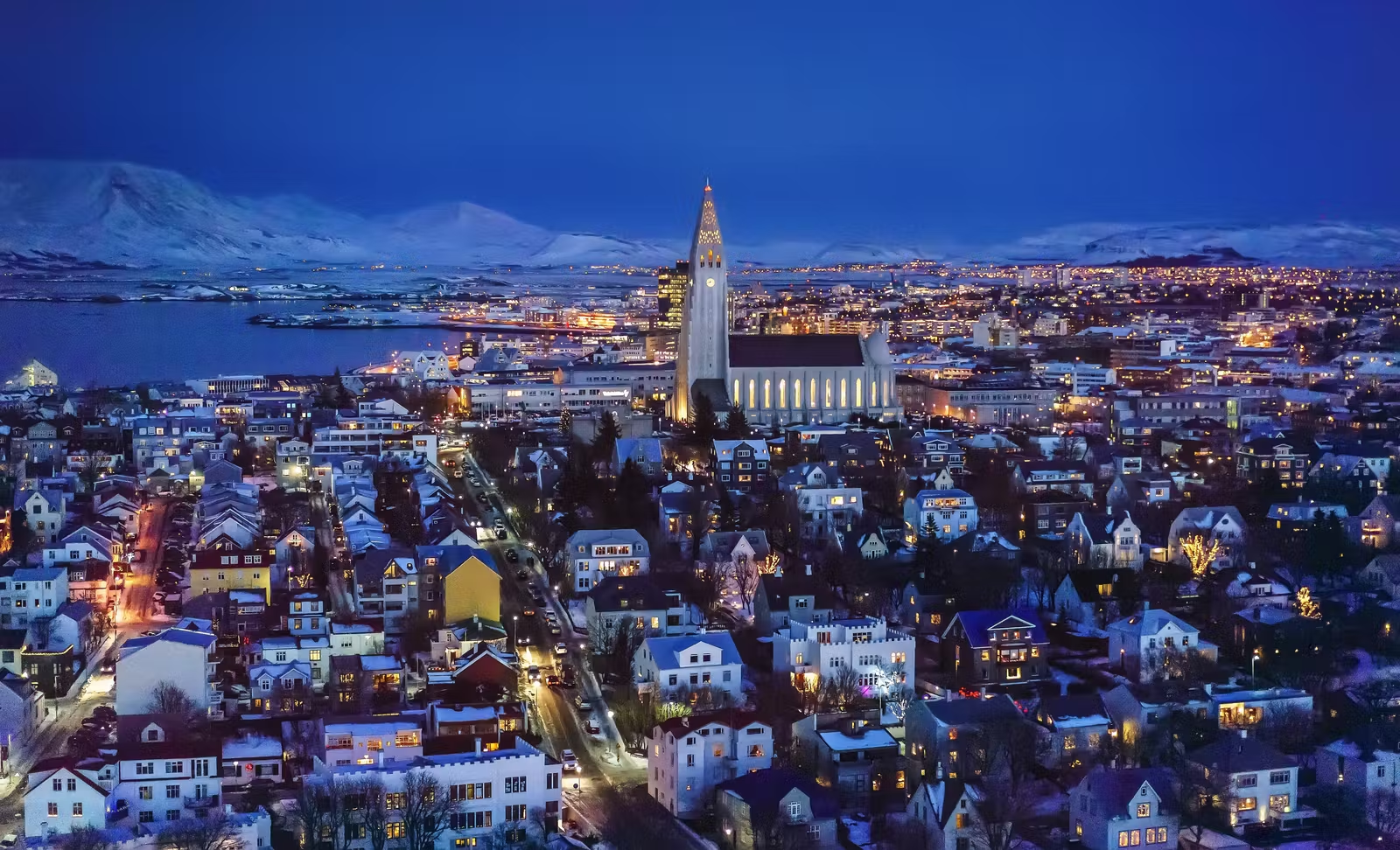
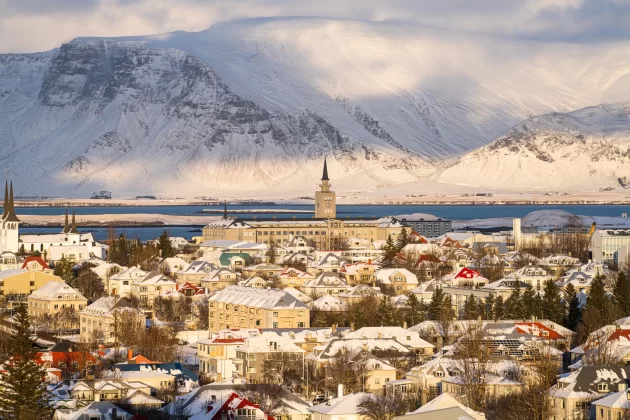
Reykjavík, the world’s northernmost capital, is a vibrant gateway to Iceland’s otherworldly landscapes. Nestled between the Atlantic Ocean and snow-capped mountains, this compact city blends quirky urban charm with easy access to geothermal wonders, glaciers, and the Northern Lights. Home to about two-thirds of Iceland’s population, Reykjavík pulses with creative energy—think street art, craft breweries, and a thriving music scene.
Why Visit Reykjavík?
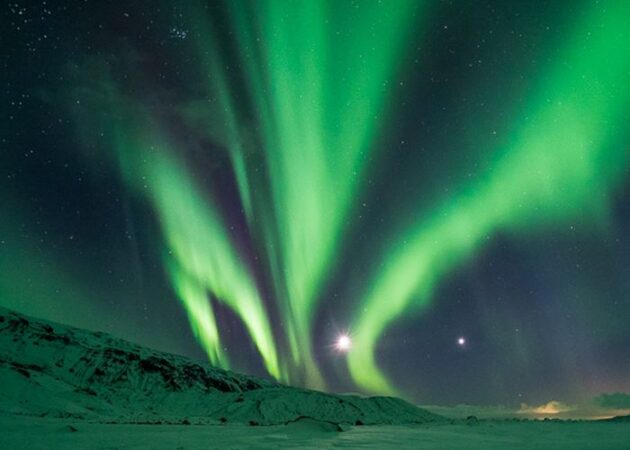
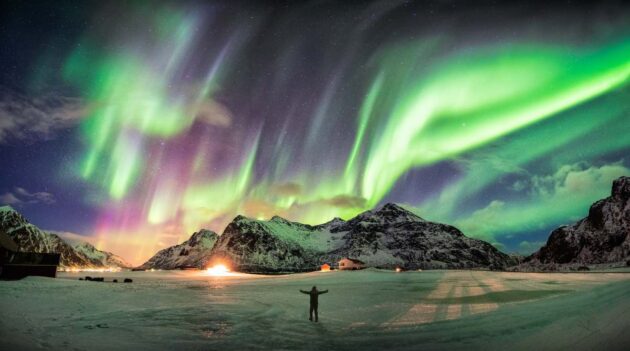
Reykjavík is more than a pit stop; it’s a cultural hub where Viking history meets modern design. UNESCO’s City of Literature, it boasts colorful street murals, geothermal pools for relaxation, and a food scene evolving from fermented shark to Michelin-starred Nordic cuisine. With a solar maximum boosting Northern Lights displays, it’s prime time for aurora hunters. The city’s walkable core makes it ideal for first-timers, while day trips unlock Iceland’s raw beauty—waterfalls, black-sand beaches, and volcanoes—just a short drive away.
How to Get There
Reykjavík is served by Keflavík International Airport (KEF), about 45 minutes from the city center.
By Air: Direct flights from major North American and European hubs via Icelandair, Delta, or United. Expect increased routes due to tourism rebound—flights from New York take about 5.5 hours.
From the Airport: Flybus or Gray Line Shuttle: Reliable and affordable (¥4,000–5,000 round-trip), departing every 30–60 minutes. Book via their apps. Taxi or Private Transfer: ¥15,000–20,000 one-way; use apps like Hopp for rideshares. Rental Car: Pick up at KEF for flexibility on day trips—companies like Hertz or Blue Car Rental offer 4x4s essential for off-road adventures.
Getting Around Reykjavík: The downtown is highly walkable. Use the Strætó app for buses (¥500 per ride), bikes via B-t Reykjavík (¥1,000/day), or taxis for late nights.
Best Time to Visit
Iceland’s weather is famously unpredictable, but timing matters for activities and crowds.
Summer (June–August): Peak season with “midnight sun” (up to 24 hours of daylight) and mild temps (50–60°F/10–15°C). Ideal for hiking and festivals like Iceland Airwaves (November, but summer vibes linger). Expect crowds and higher prices.
Shoulder Seasons (May–June & September–October): Balanced weather (40–55°F/4–13°C), fewer tourists, and chances for Northern Lights in fall. March and October offer ice caves and auroras with accessible roads.
Winter (November–April): Cheapest and darkest (4–8 hours daylight), perfect for auroras (solar maximum peaks) and cozy geothermal soaks. Temps hover around 30–40°F (-1–4°C), but wind chill bites—pack layers.
Tip: Solar activity enhances auroras through the year, but clear skies are key. Avoid National Day (June 17) for fewer crowds.
Tickets and Opening Hours
Most attractions are affordable, but tours add up. The Reykjavík City Card (¥6,500 for 24 hours) covers museums, pools, and buses—great value.
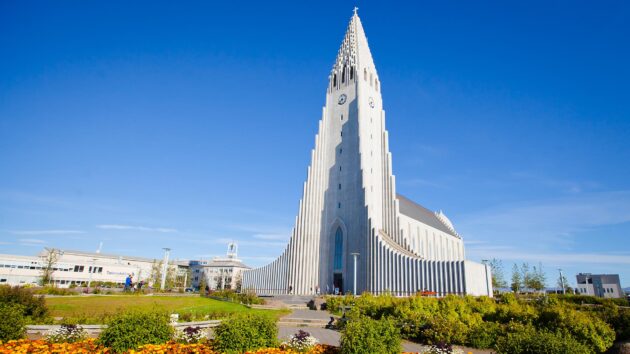
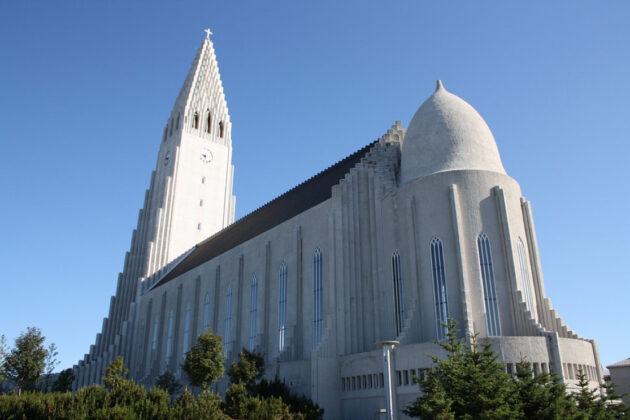
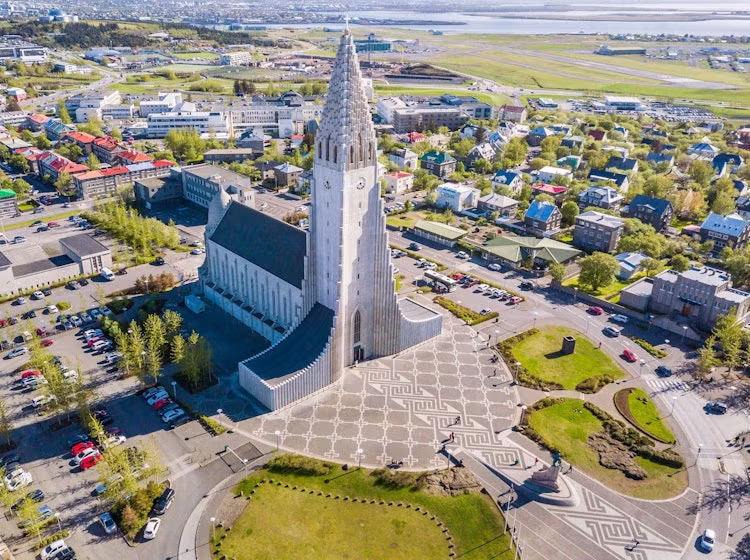
Hallgrímskirkja: Open daily 9 AM–5 PM; tower access ¥1,200.
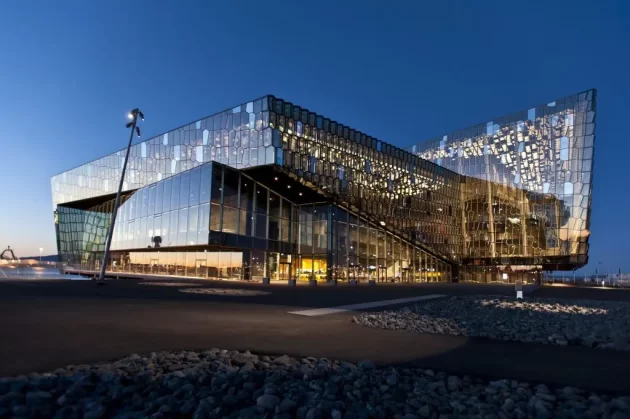
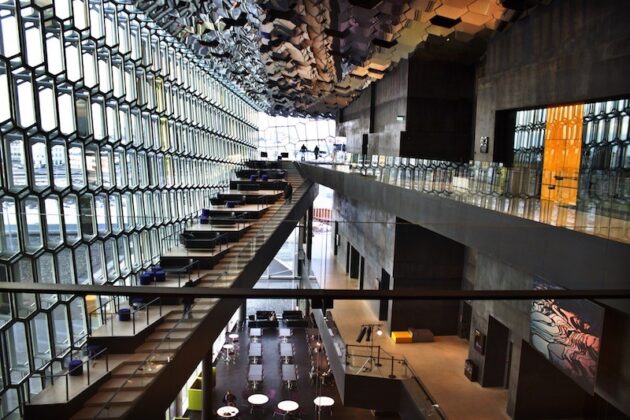
Harpa Concert Hall: Free entry; events vary—check for 2025 shows.
Blue Lagoon: Book ahead (¥8,000–15,000); open 8 AM–10 PM year-round.
Northern Lights Tours: From ¥10,000; evening departures.
Top Attractions in Reykjavík
Hallgrímskirkja Church
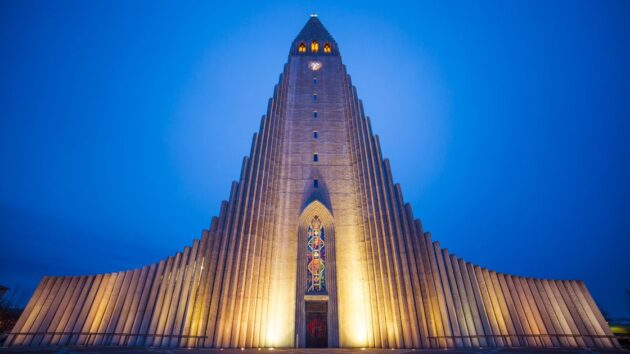
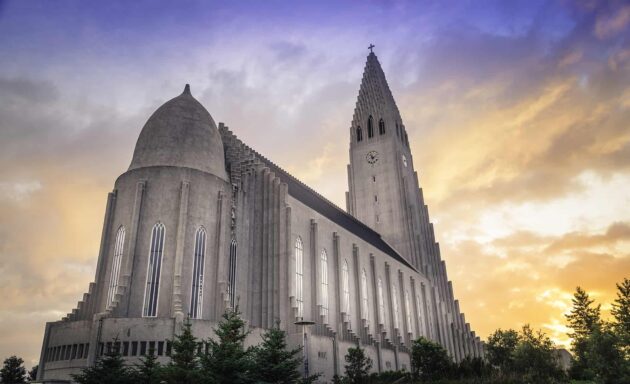
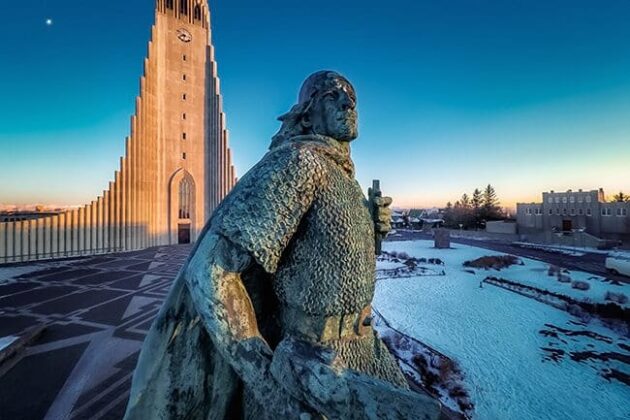
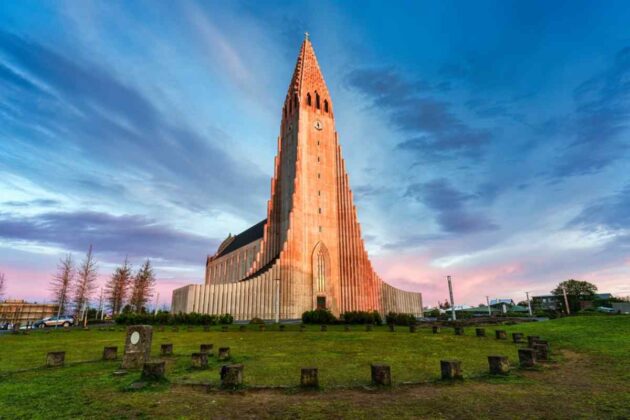
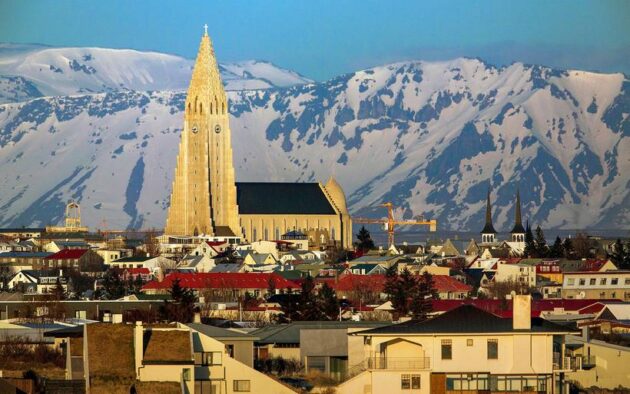
Hallgrímskirkja Church is Reykjavík’s most iconic landmark, a striking modernist structure that dominates the city’s skyline. Named after the 17th-century Icelandic poet and clergyman Hallgrímur Pétursson, this Lutheran church is not only a place of worship but also a cultural and architectural gem. With its unique design, panoramic observation tower, and central location, it’s a must-visit for anyone exploring Iceland’s capital.
Harpa Concert Hall
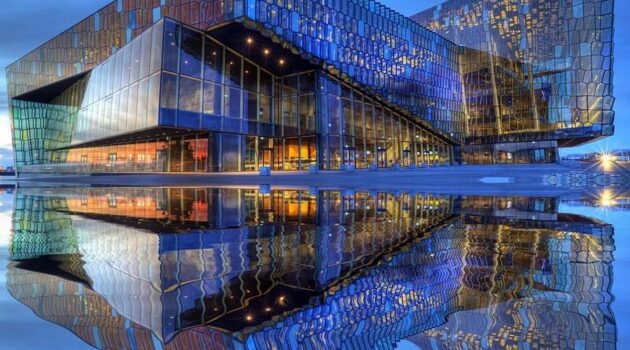
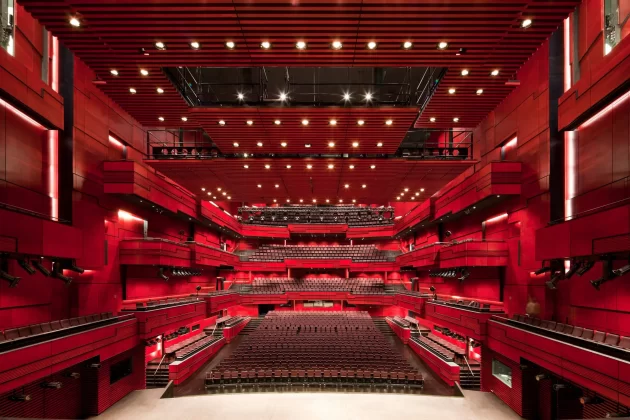
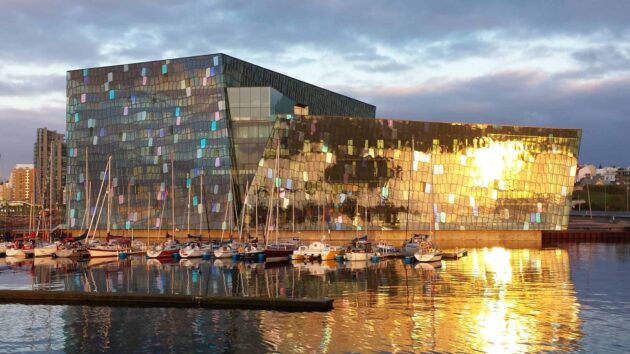
The Harpa Concert Hall is a renowned concert hall and conference centre in Reykjavík, Iceland, celebrated for its striking architecture. Designed by Henning Larsen Architects in cooperation with artist Ólafur Eliasson, its most distinctive feature is a façade made of geometric, colored glass panels inspired by Iceland’s basalt landscape. Opened in 2011, it serves as the home for the Iceland Symphony Orchestra and The Icelandic Opera. Harpa has won several awards, including the Mies van der Rohe Award for contemporary architecture in 2013, and has become a major cultural landmark in the heart of the city.
Sun Voyager Sculpture
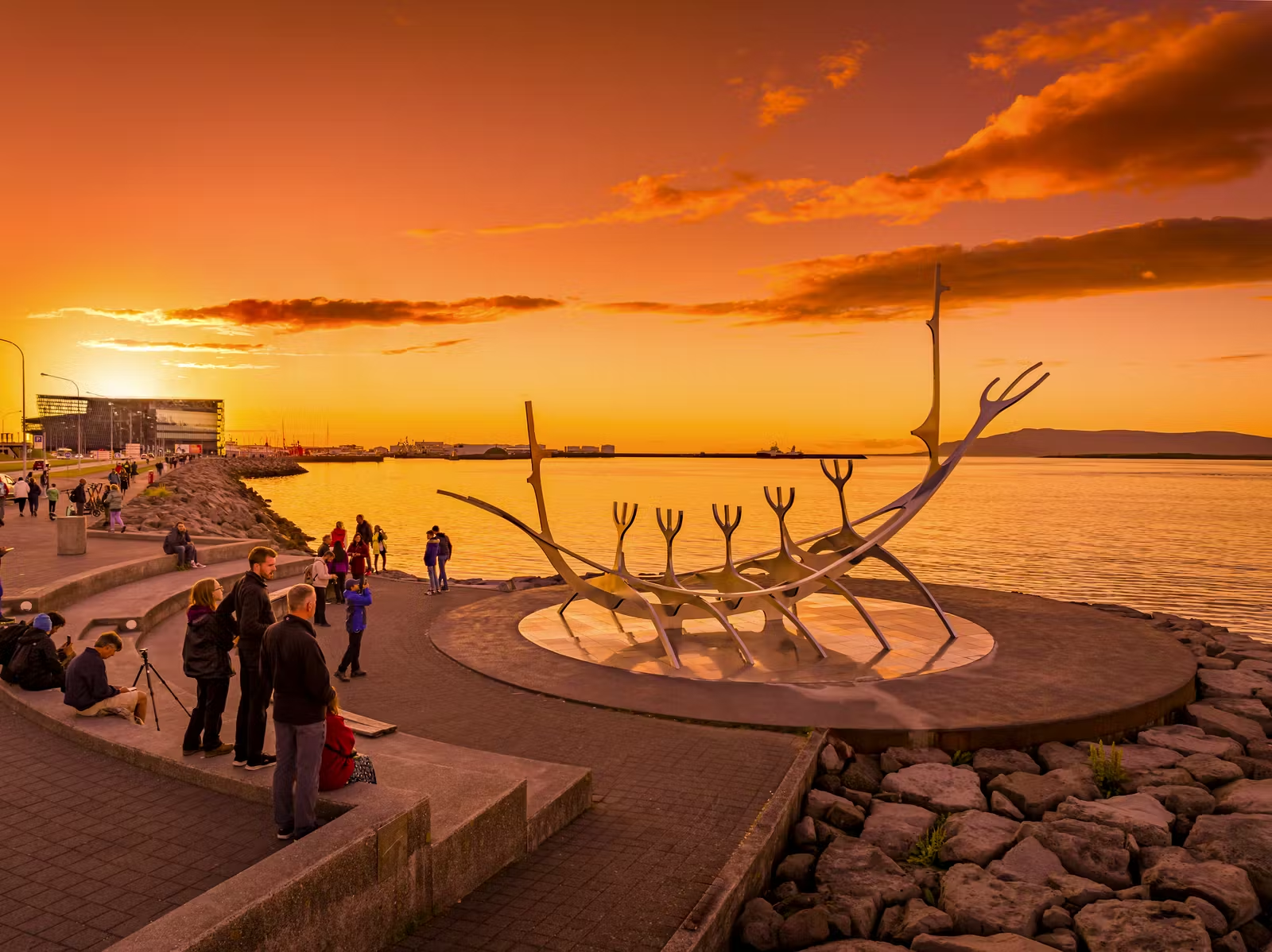
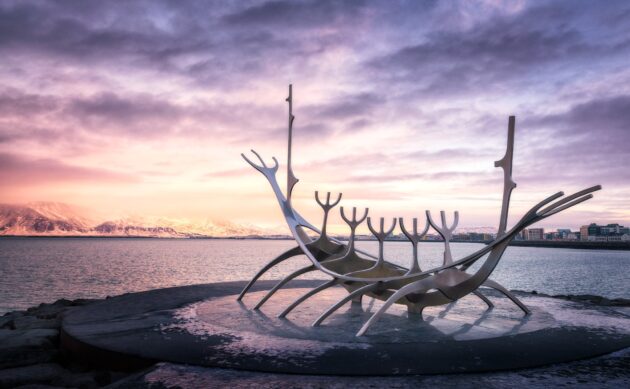
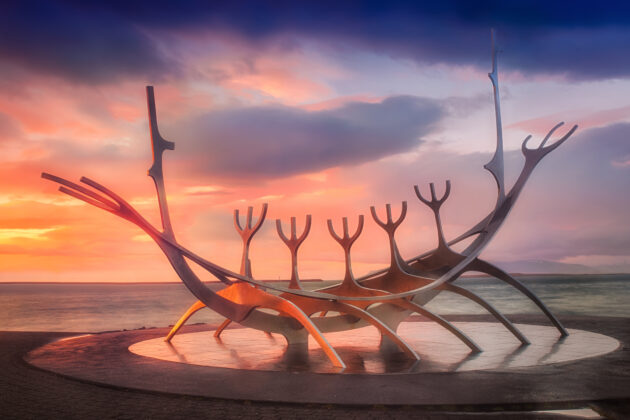
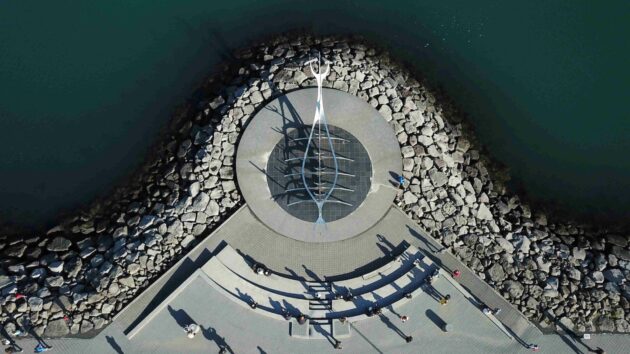
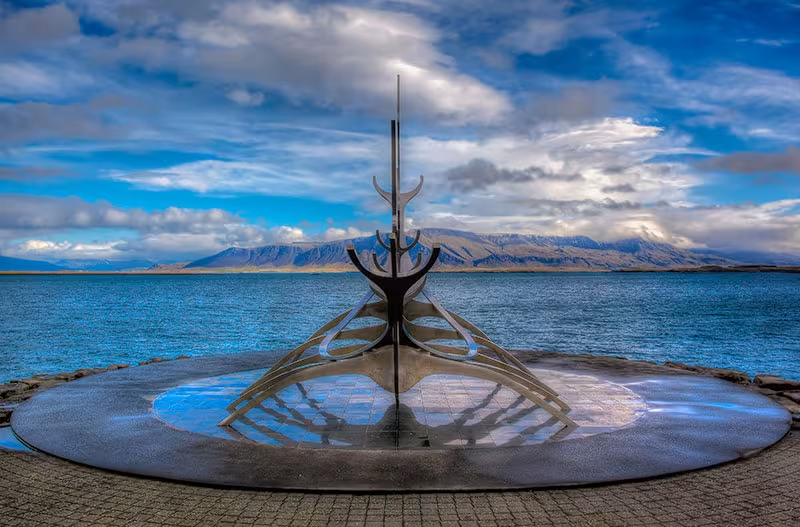
The Sun Voyager (Sólfar) in Reykjavík, Iceland, is a renowned stainless steel sculpture created by artist Jón Gunnar Árnason. Situated along the Sæbraut coastline, it is commonly mistaken for a Viking ship but is designed as a “dreamboat,” or an ode to the sun. The artwork symbolizes the promise of undiscovered territory, and embodies a dream of hope, progress, and freedom. Unveiled in 1990, it has become one of the city’s most visited and photographed landmarks.
Laugavegur Street
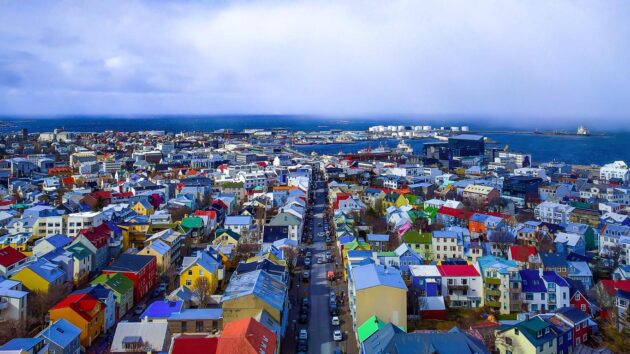
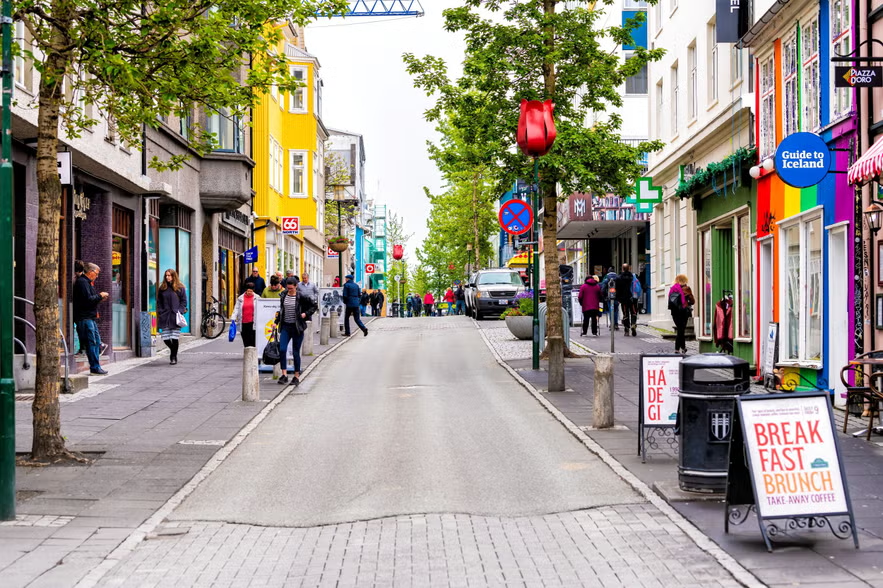
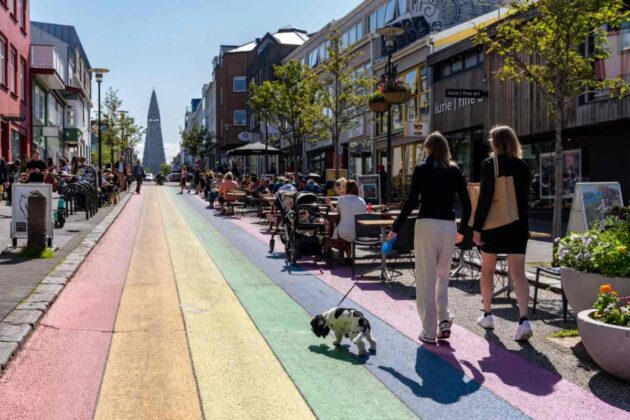
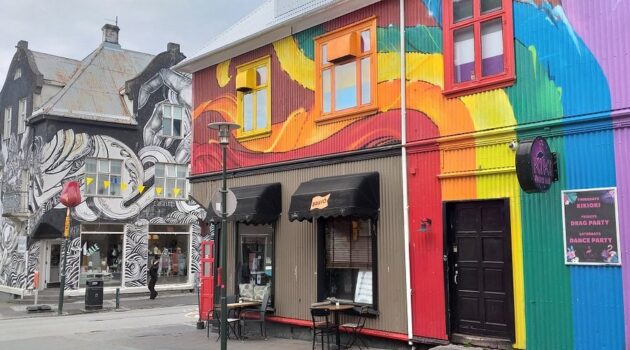
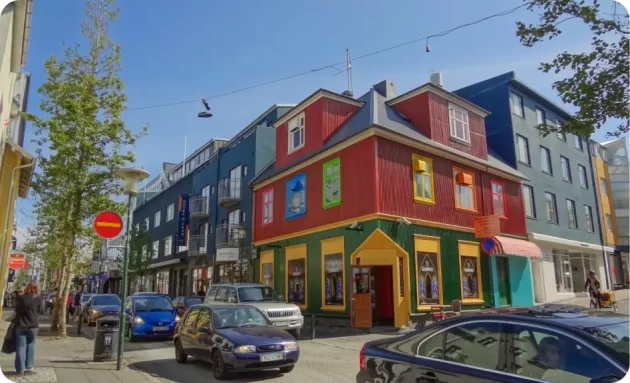
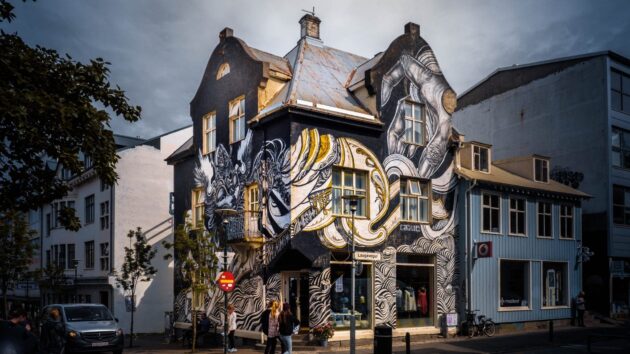
Laugavegur Street is the main commercial and cultural artery in downtown Reykjavík, Iceland. As one of the city’s oldest streets, its name translates to “Wash Road,” harkening back to its history as a path where women carried laundry to the hot springs in Laugardalur Valley. Today, this vibrant street is a bustling hub known for its diverse array of shops—from high-end boutiques and Icelandic design stores to souvenir shops—as well as numerous cafes, restaurants, and lively bars. Lined with colorful buildings and street art, Laugavegur is a central point for shopping, dining, and experiencing Reykjavík’s famous nightlife.
Sky Lagoon
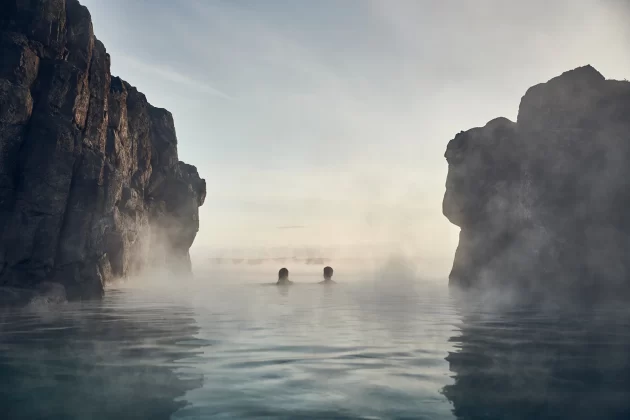
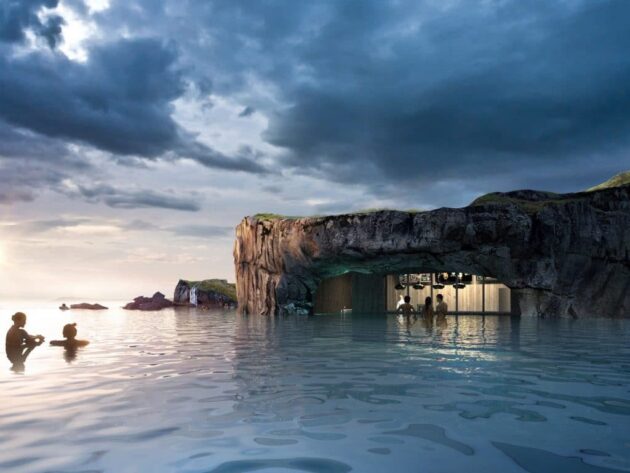
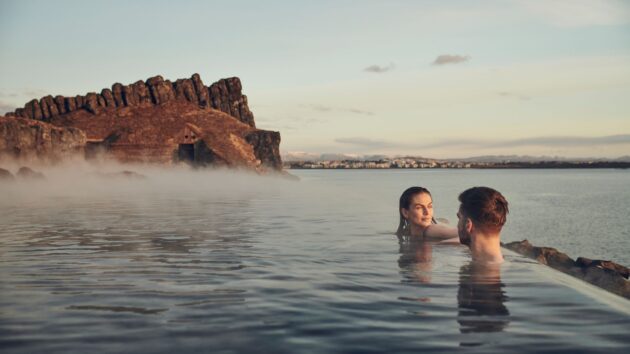
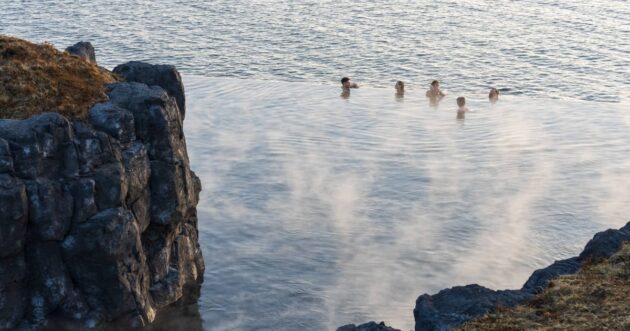
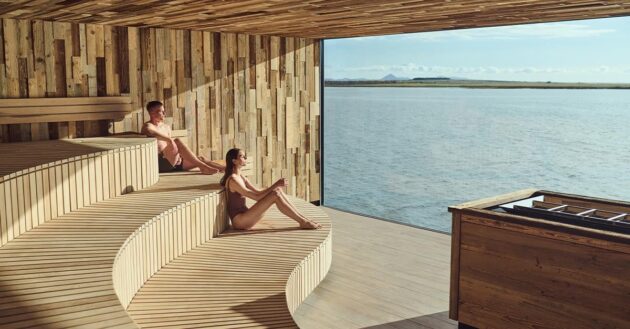
Sky Lagoon is a stunning geothermal spa in Reykjavík, Iceland, offering a breathtaking oceanfront infinity edge. It provides a luxurious and modern Icelandic bathing experience, featuring a dramatic cliff-facing design and a signature seven-step ritual that includes a cold plunge, sauna, and steam room, all while showcasing spectacular North Atlantic views.
Perlan
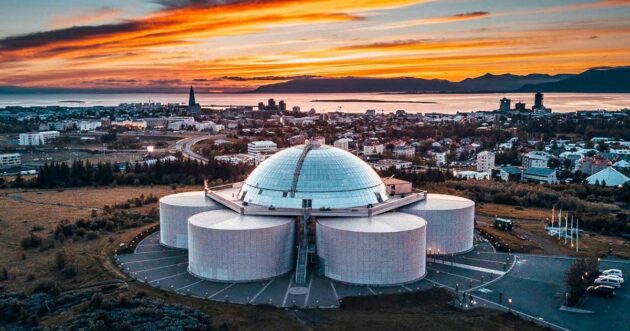
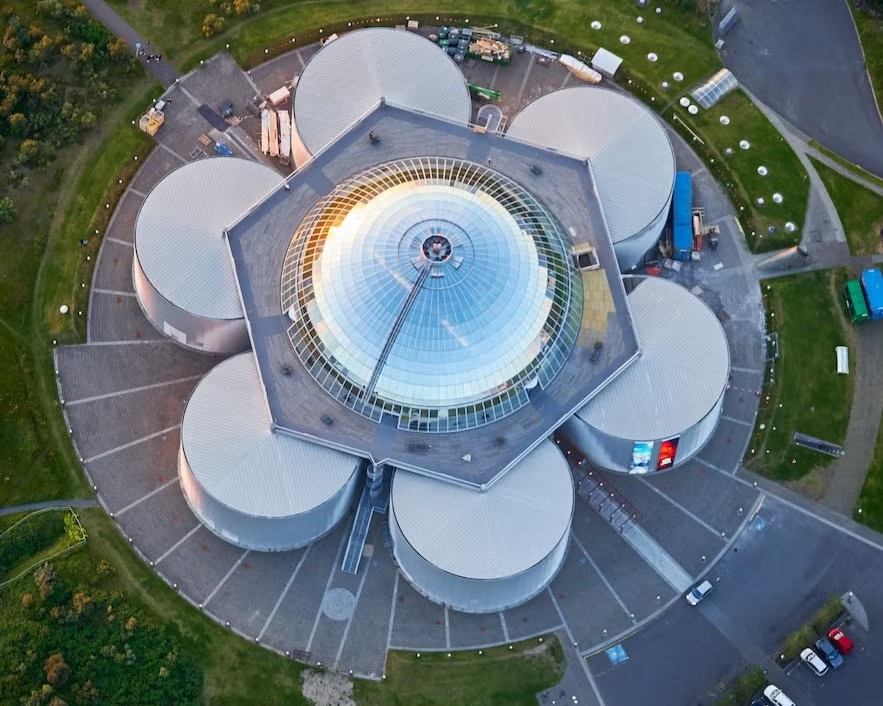
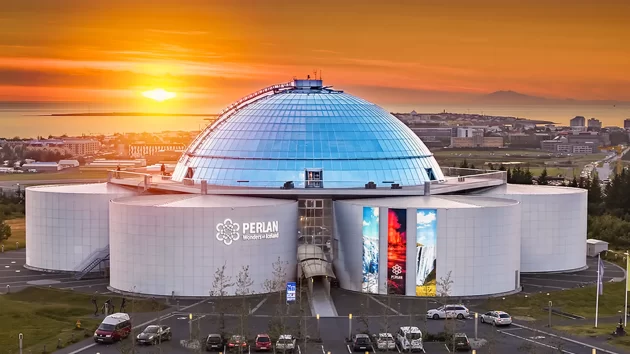
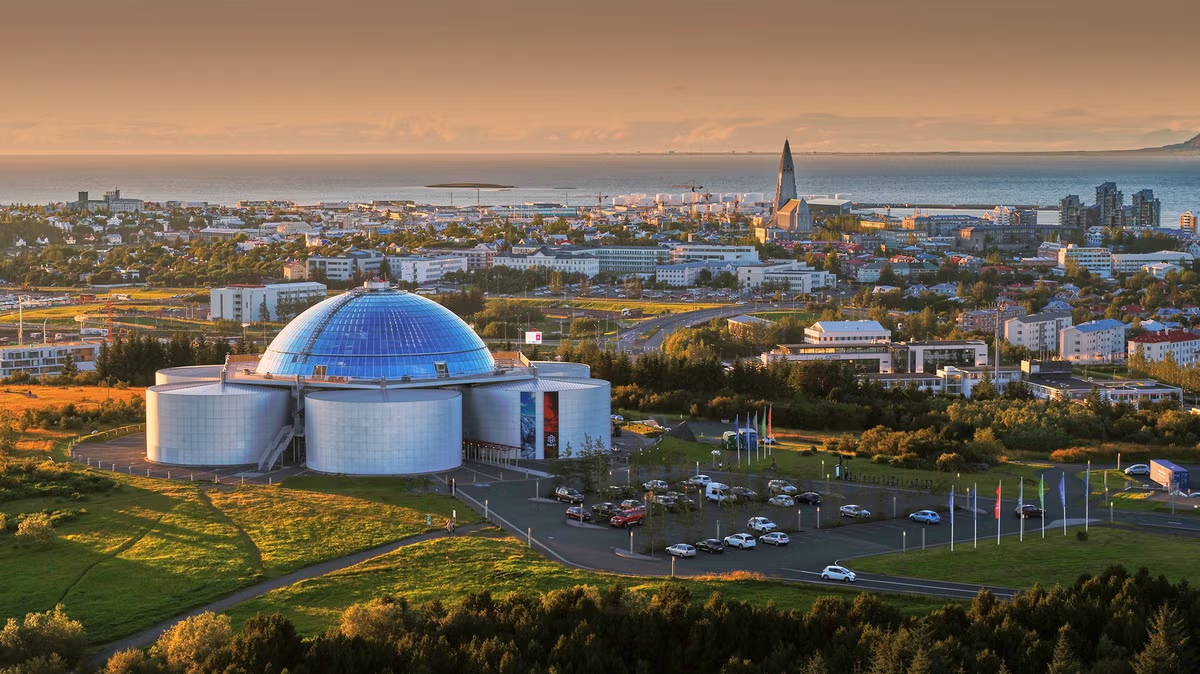
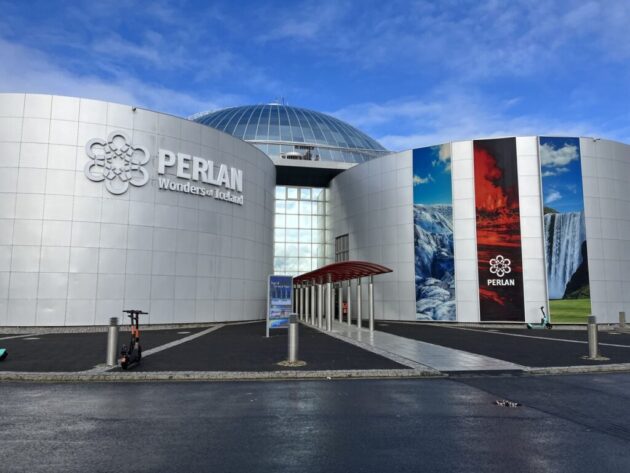
Perlan, meaning “The Pearl,” is a prominent landmark and museum in Reykjavík, Iceland. Housed in a distinctive glass-domed structure atop Öskjuhlíð hill, it offers panoramic views of the city and surrounding landscapes. The museum features fascinating exhibits on Iceland’s natural wonders, including an artificial ice cave, and is a popular attraction for visitors.
Top Attractions around Reykjavík
Golden Circle
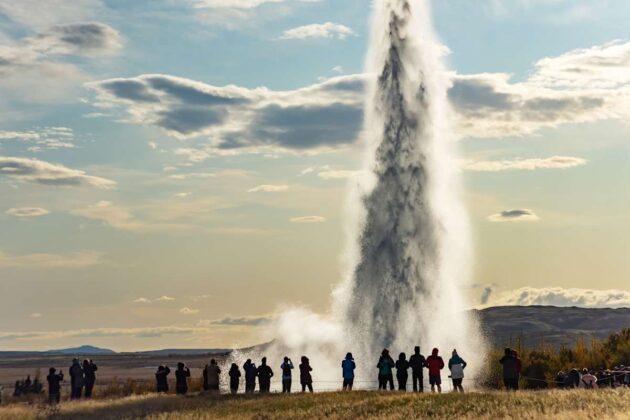
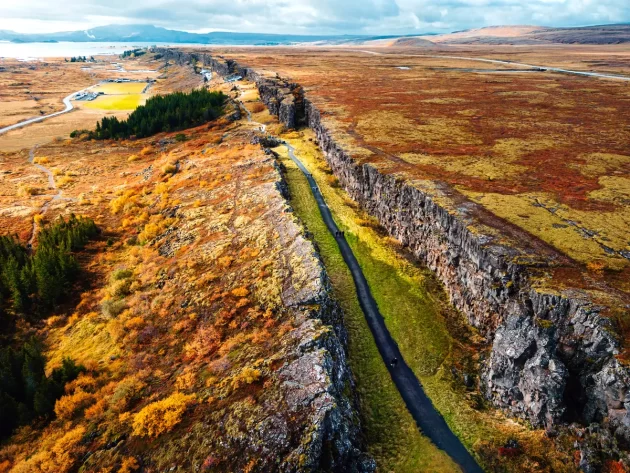
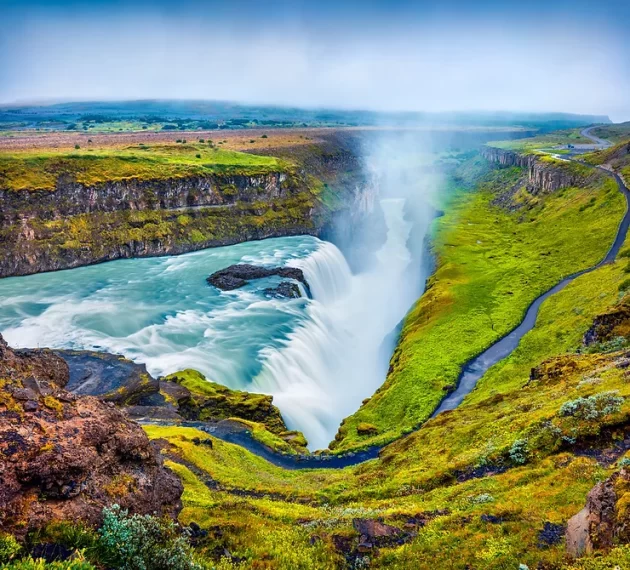
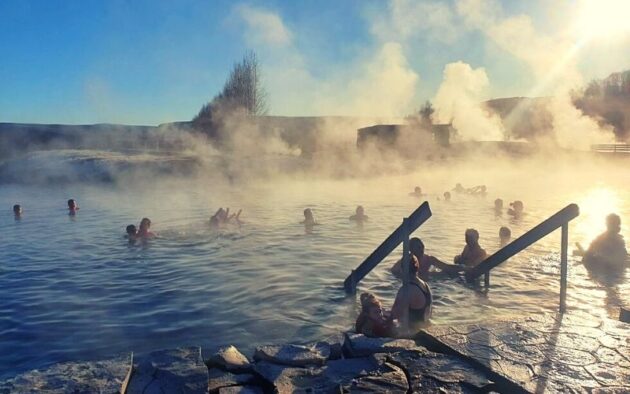
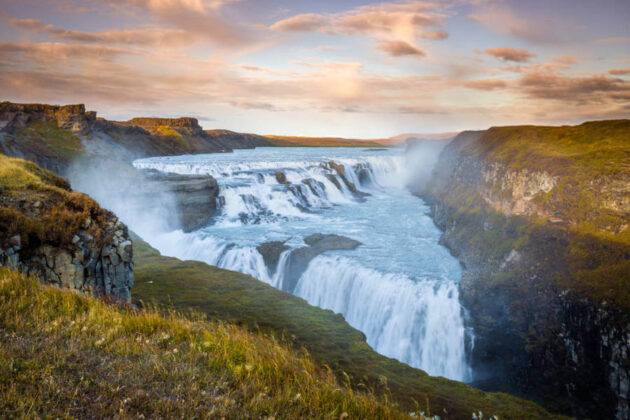
Nestled in the heart of Iceland’s dramatic landscapes, the Golden Circle is one of the world’s most iconic road trips—a 190-mile (300 km) loop that showcases the country’s raw natural beauty, geological wonders, and rich history. Starting and ending in Reykjavík, the route connects three must-see landmarks: Thingvellir National Park, the Geysir Geothermal Area, and Gullfoss Waterfall.
Reynisfjara Beach
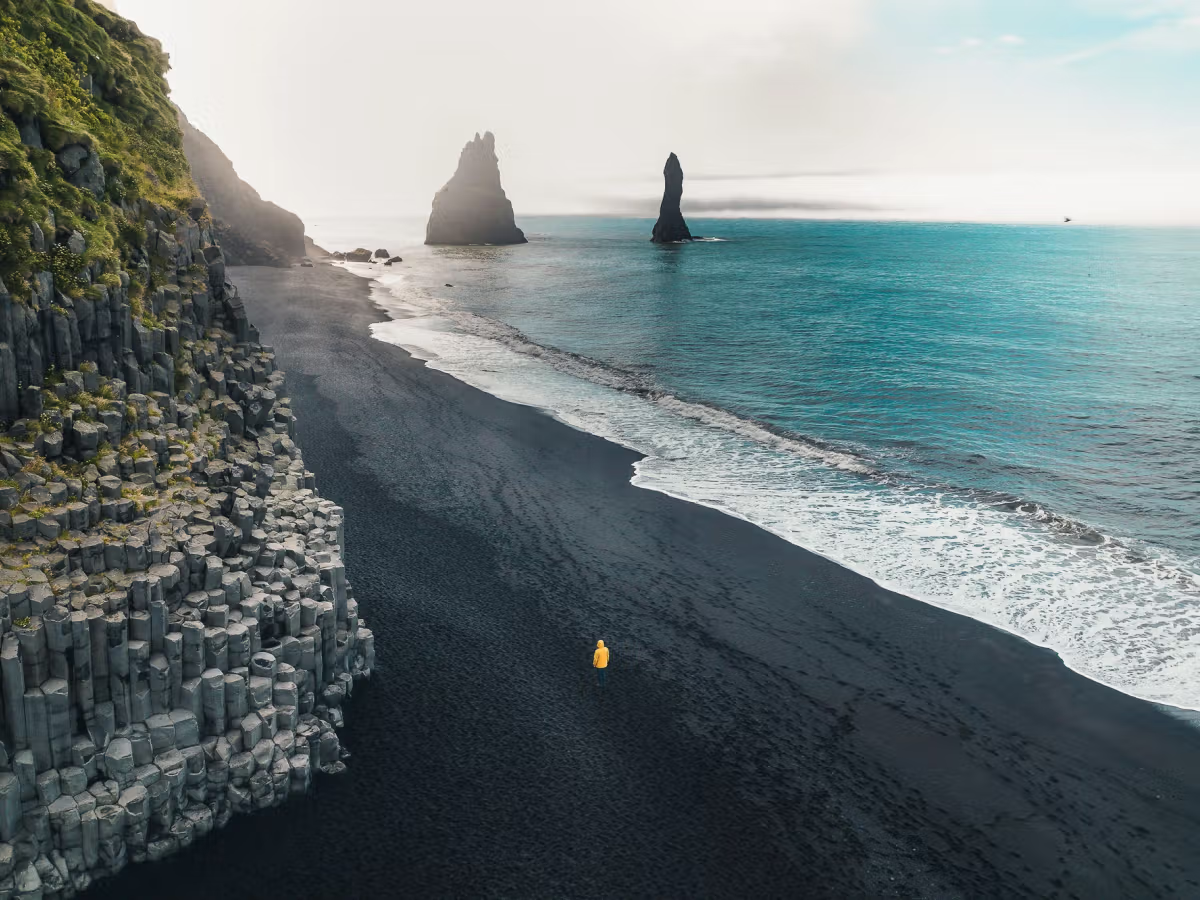
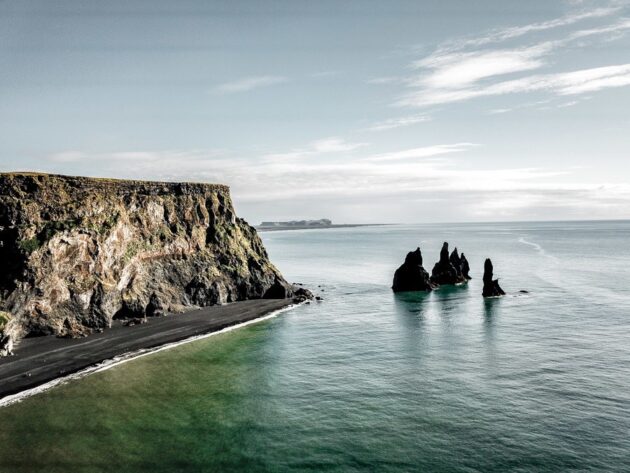
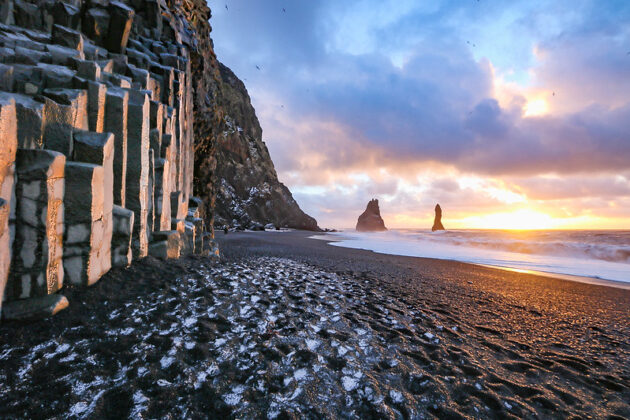
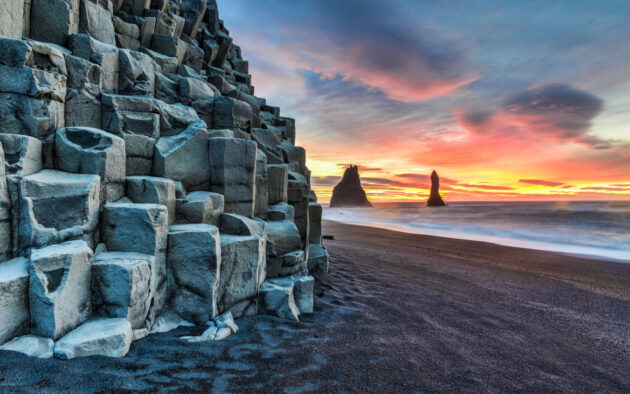
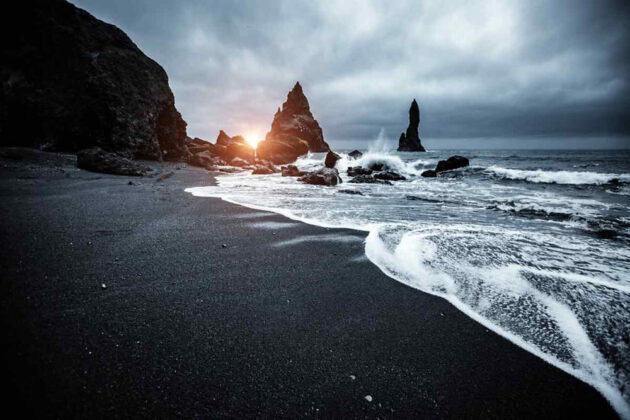
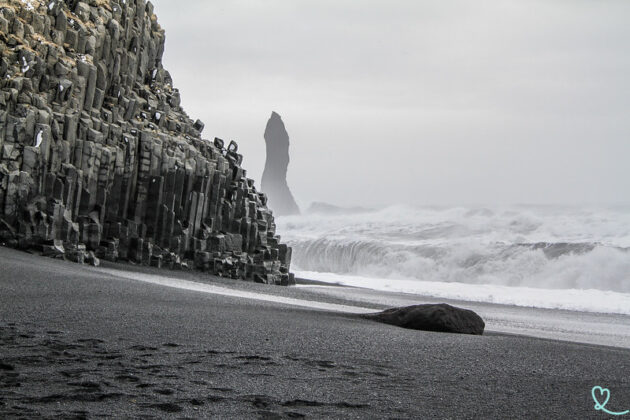
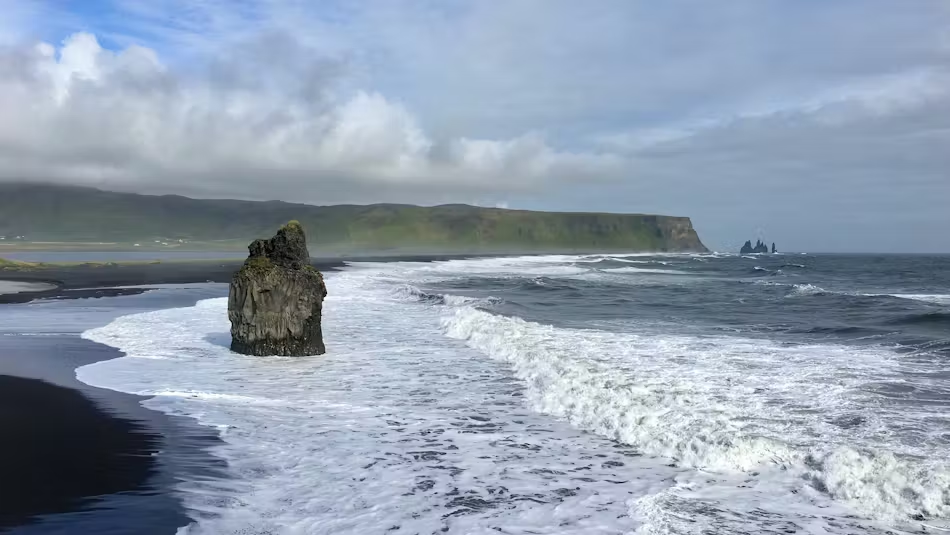
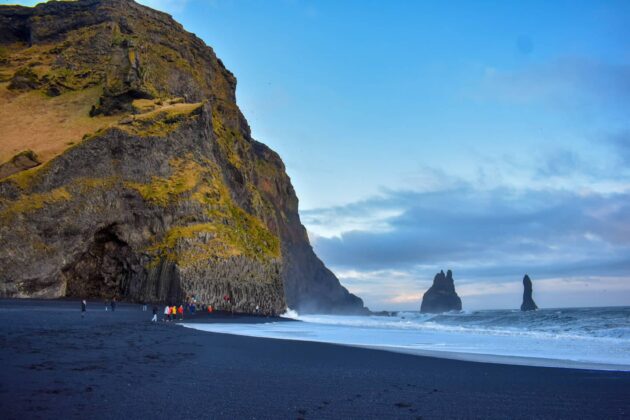
Nestled along Iceland’s dramatic South Coast, Reynisfjara Beach is a mesmerizing black sand beach that captivates visitors with its otherworldly landscapes. Famous for its jet-black volcanic sands, towering basalt columns, and the iconic Reynisdrangar sea stacks rising from the Atlantic Ocean, this UNESCO Global Geopark site feels like a scene from a fantasy film. Featured in Game of Thrones and ranked among National Geographic’s top non-tropical beaches, Reynisfjara draws thousands annually for its raw beauty and geological wonders.
Seljalandsfoss
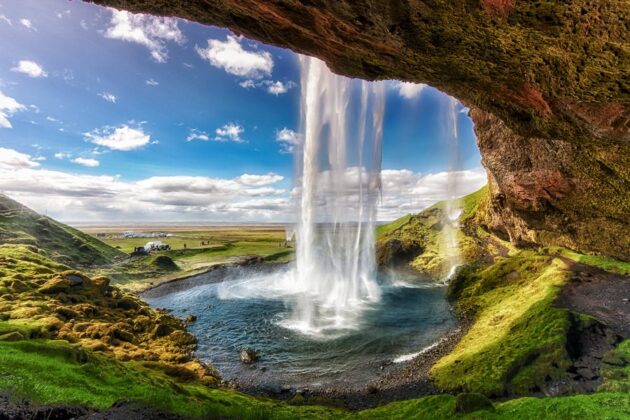
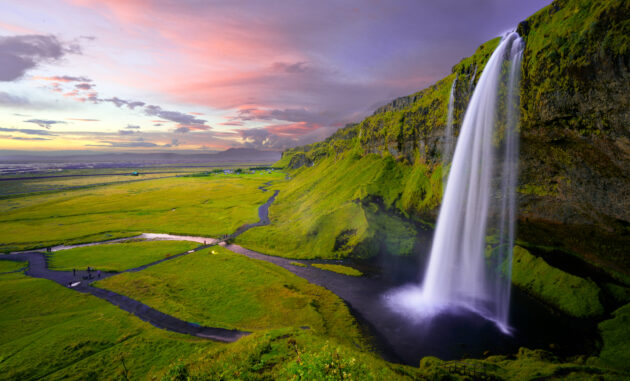
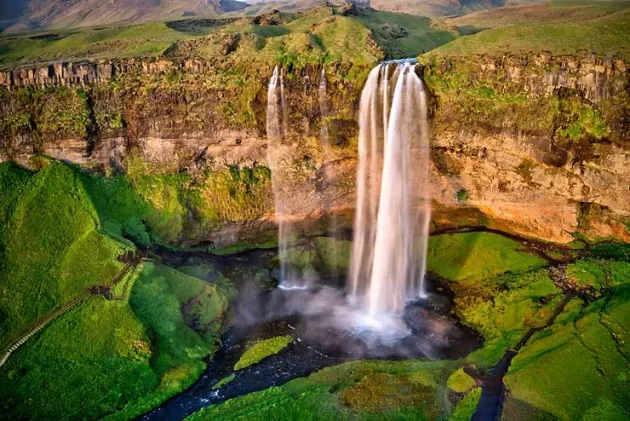
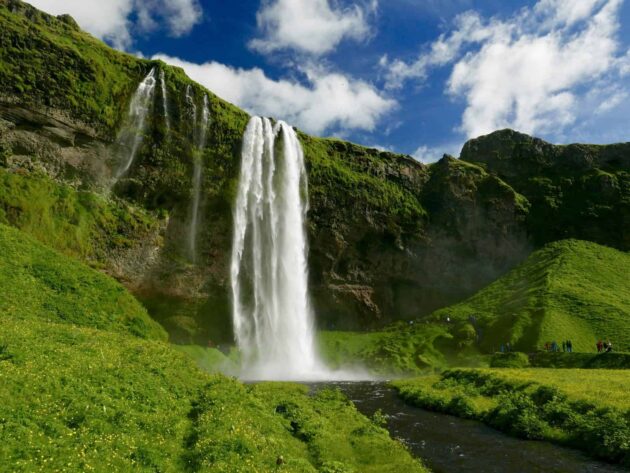
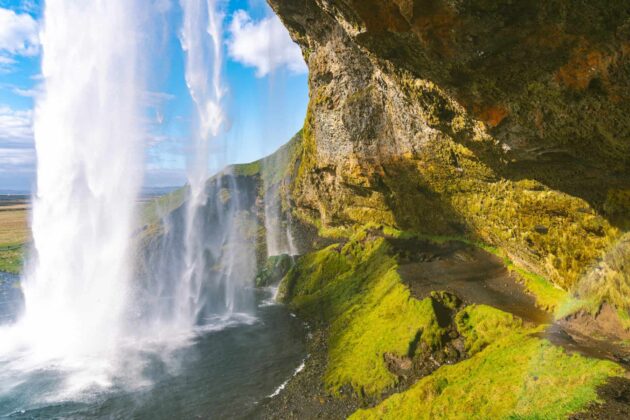
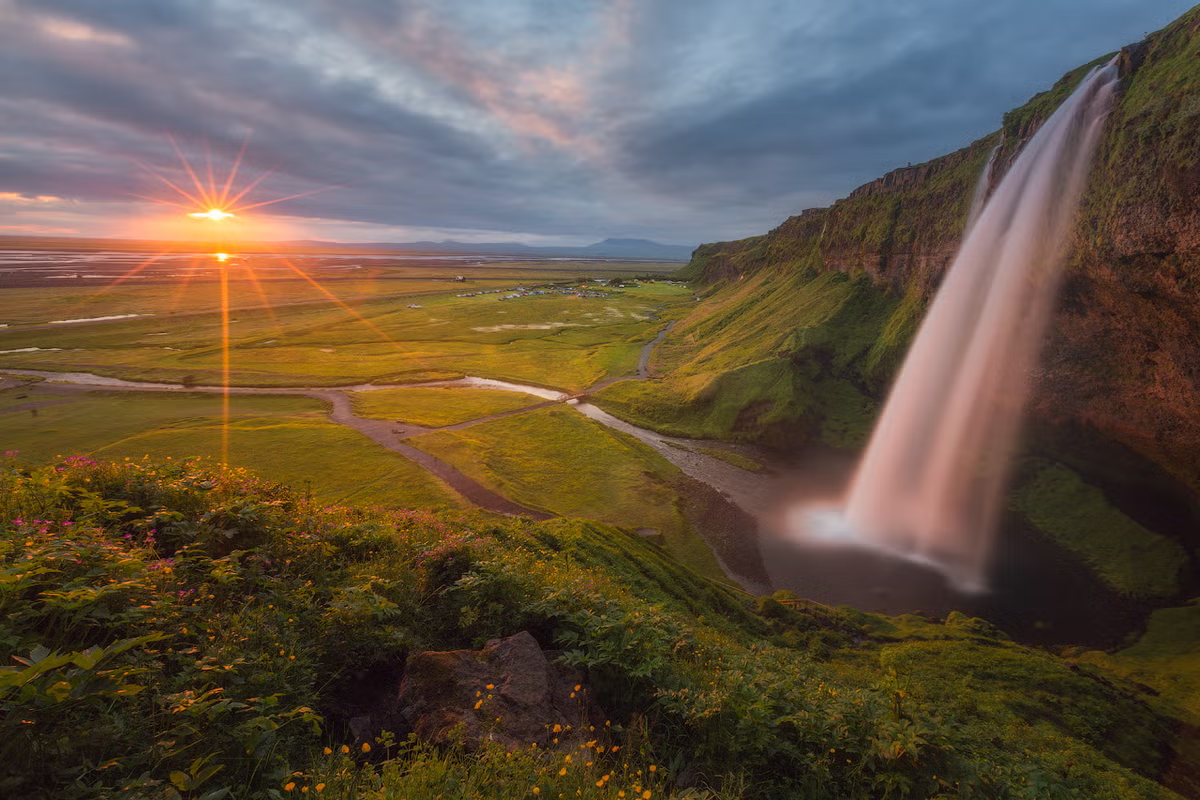
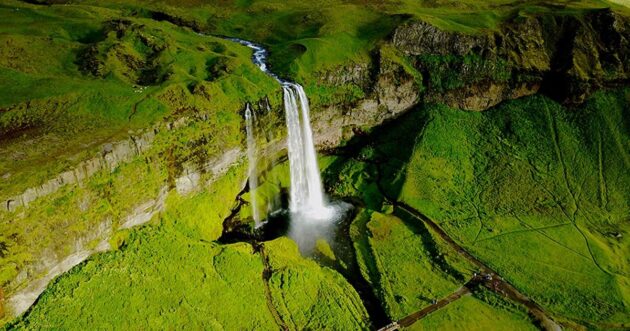
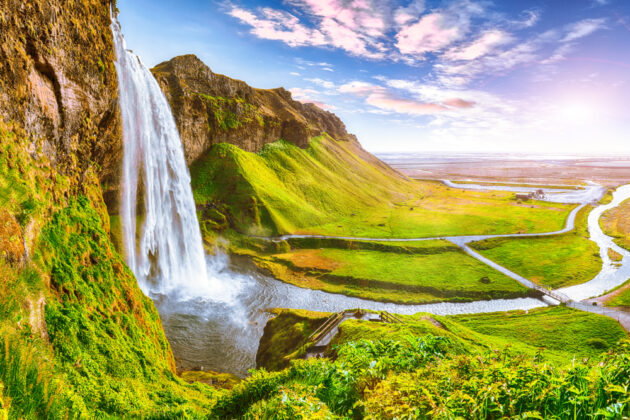
Seljalandsfoss, one of Iceland’s most iconic waterfalls, is a breathtaking 60-meter (200-foot) cascade plunging over an ancient sea cliff on the South Coast. Fed by meltwater from the Eyjafjallajökull glacier, this natural wonder stands out not just for its dramatic height and roaring power, but for the rare opportunity to walk behind the curtain of water, offering a misty, immersive view of the surrounding meadows and distant mountains.
Kirkjufellsfoss
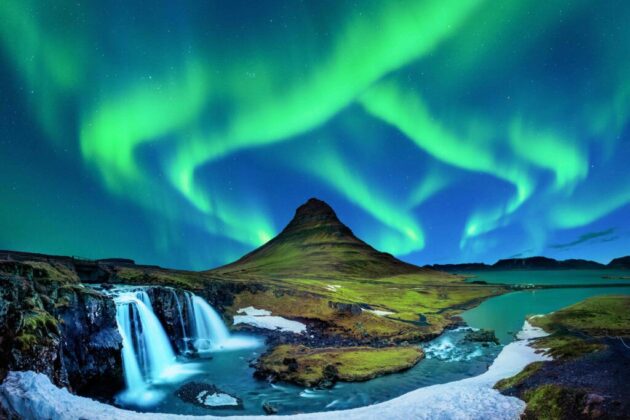
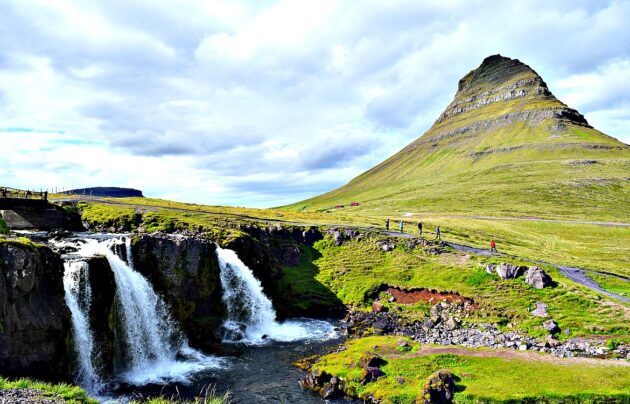
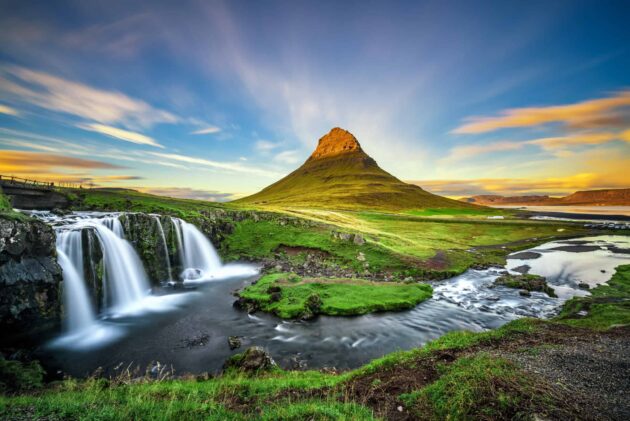
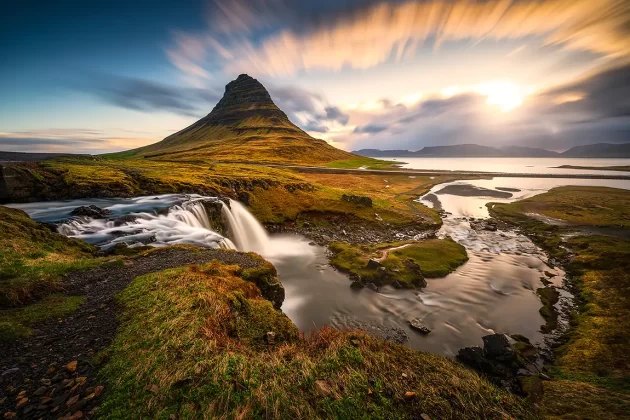
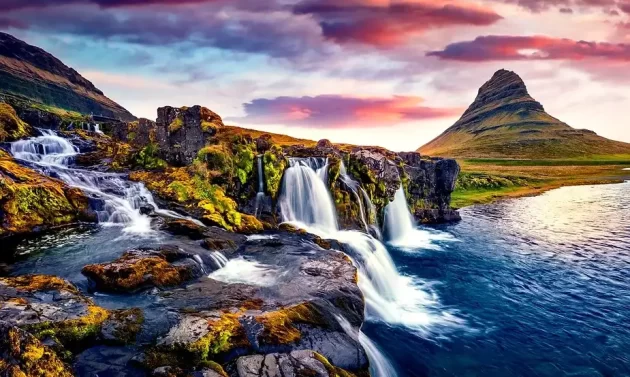
Nestled near the iconic, arrowhead-shaped Mount Kirkjufell on Iceland’s Snæfellsnes Peninsula, Kirkjufellsfoss is a charming three-tiered waterfall. While not large in scale, its breathtaking setting makes it one of the country’s most photographed scenes. The waterfall’s elegant cascades flow directly towards the majestic mountain, creating a quintessentially Icelandic and unforgettable vista, especially stunning when captured in a single frame.
Whale Watching
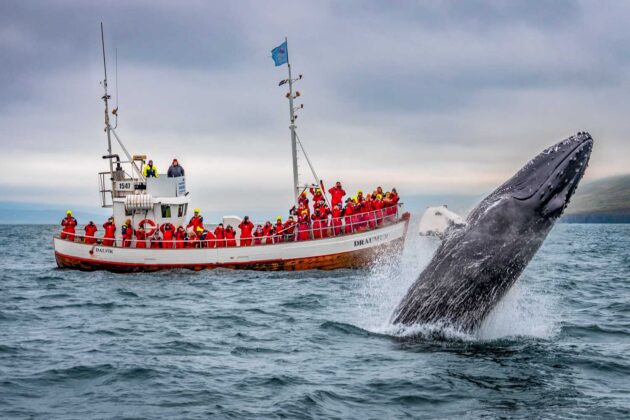
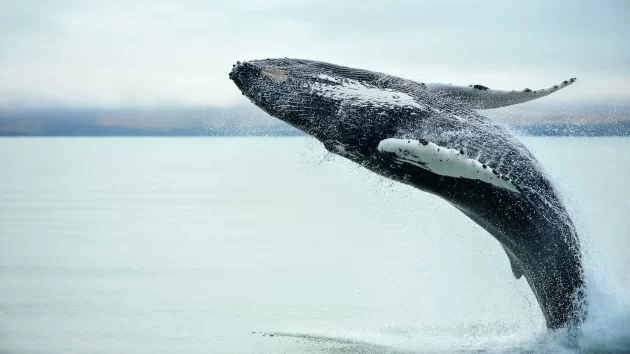
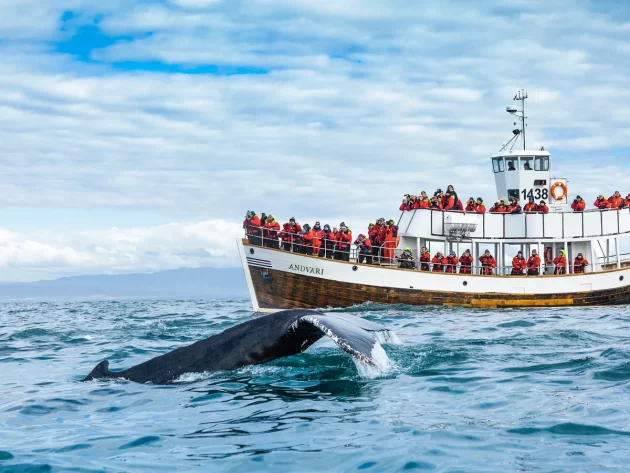
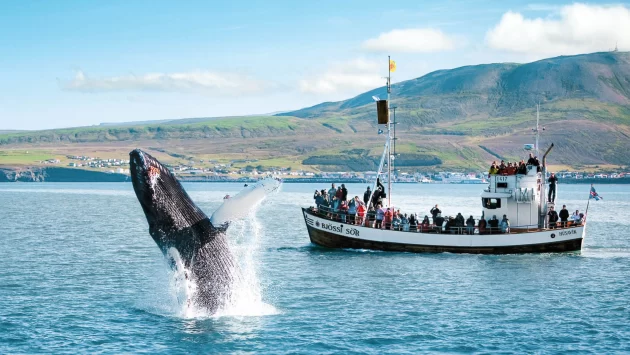
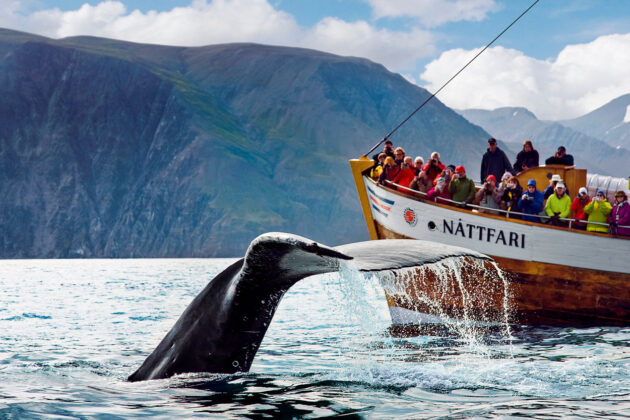
Whale watching in Iceland offers a remarkable opportunity to witness majestic marine giants, primarily humpback and minke whales, in their natural habitat. The most popular departure points are from Reykjavik in the west and Húsavík in the north, often called Iceland’s whale watching capital. Excursions navigate through stunning fjords and bays, where the combination of abundant food sources and clean Arctic waters creates ideal conditions for these creatures.
Where to Eat
Icelandic cuisine mixes fresh seafood, lamb, and foraged ingredients—expect high prices (¥3,000+ per meal).
Budget: Bæjarins Beztu Pylsur for iconic hot dogs (¥800).
Casual: Reykjavik Food Walk tour (¥10,000) samples skyr, rye bread, and fermented shark.
Mid-Range: Sandholt Bakery for cinnamon buns (¥500) or Brauð & Co for pastries.
Fine Dining: Dill (Michelin-starred, tasting menu ¥25,000) or seafood at Reykjavik Fish (¥4,000 mains).
Vegan Options: Gló for plant-based bowls (¥2,500).
Tip: Coffee culture thrives—grab a flat white at Kaffibarinn.
Where to Stay
Stay in Miðborg for walkability; book 6 months ahead for summer.
| Category | Hotel Recommendation | Price/Night (2025 Est.) | Why Stay Here |
|---|---|---|---|
| Luxury | The Reykjavik EDITION | ¥50,000+ | Waterfront chic with spa, spa, and Michelin dining; steps from Harpa. |
| Mid-Range | Sand Hotel | ¥30,000–40,000 | Stylish on Laugavegur; bakery next door, modern rooms. |
| Budget | Kex Hostel | ¥15,000–25,000 | Converted biscuit factory with hip vibe, shared dorms or privates. |
| Boutique | Hotel Borg | ¥35,000+ | Art Deco icon with central location and excellent breakfast. |
Tip: Guesthouses like Freyja Suites offer value (¥20,000) with kitchens.
Tips for a Great Visit
Pack Smart: Layers, waterproof gear, and sturdy shoes—weather changes fast. Swimsuit mandatory for pools.
Currency & Costs: Use ISK; cards accepted everywhere. Iceland’s pricey—budget ¥20,000/day excluding lodging.
Sustainability: Stick to paths, use reusable bottles (tap water’s pristine), and support eco-tours.
Connectivity: Free Wi-Fi widespread; get a SIM from Siminn (¥2,000 for 10GB).
Combine Trips: Pair Reykjavík with a Ring Road self-drive for the full Iceland experience.
Final Thoughts
Reykjavík captures Iceland’s essence in a bite-sized package: fiery creativity amid icy calm. From soaking in thermal bliss to chasing ethereal lights, it’s a city that rewards the curious. Embrace the unpredictability, savor the slow pace, and let this northern jewel recharge your soul. Skál to your adventure!
Happy travels!