
A Travel Guide to Iceland’s Golden Circle (2026)
Nestled in the heart of Iceland’s dramatic landscapes, the Golden Circle is one of the world’s most iconic road trips—a 190-mile (300 km) loop that showcases the country’s raw natural beauty, geological wonders, and rich history. Starting and ending in Reykjavík, the route connects three must-see landmarks: Thingvellir National Park, the Geysir Geothermal Area, and Gullfoss Waterfall. Beyond these highlights, it offers opportunities for geothermal soaks, hidden hikes, and glimpses of Viking heritage.
Why Visit the Golden Circle?
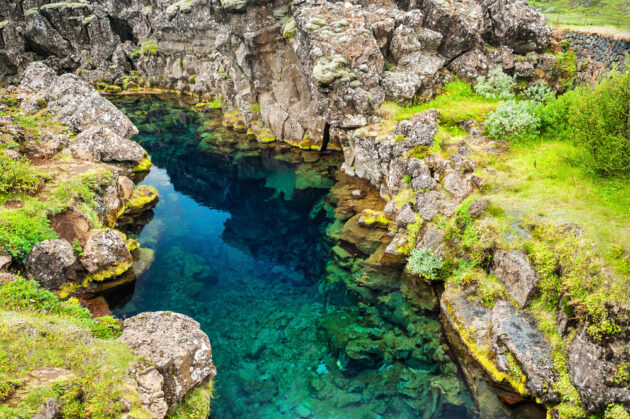
The Golden Circle isn’t just a drive; it’s a crash course in Iceland’s “Land of Fire and Ice.” Marvel at tectonic plates pulling apart at Þingvellir, witness explosive geysers at Geysir, and feel the thunder of Gullfoss’ cascading waters. The route’s accessibility makes it perfect for first-timers, while add-ons like snorkeling in crystal-clear fissures or relaxing in hot springs add layers of excitement.
How to Get There
The Golden Circle is easily accessible from Reykjavík, Iceland’s capital and main gateway (Keflavík International Airport is 45 minutes away).
By Rental Car (Recommended for Flexibility): Rent a 4×4 vehicle from Keflavík or Reykjavík (e.g., via Hertz or local outfits like Blue Car Rental). Costs start at $50–$100/day in shoulder seasons. Drive north on Route 1, then Route 36 to Þingvellir (45 minutes from Reykjavík). The full loop takes 3–4 hours without stops.
Guided Tours: Day tours from Reykjavík cost $80–$150/person, including transport and narration. Options from Reykjavik Excursions or Gray Line often bundle extras like snowmobiling. For private tours, expect $500+ for a small group.
Public Transport: Limited; buses like Strætó Route 57 connect Reykjavík to Selfoss, but you’ll need to hitch or tour for the full route.
Pro Tip: Download the Vedur.is app for real-time weather and road.is for conditions. In October, roads are generally open but can be icy—stick to paved routes.
Best Time to Visit
Iceland’s weather is unpredictable, but each season transforms the Golden Circle:
Summer (June–August): Midnight sun means 20+ hours of daylight for endless exploration. Mild temps (10–15°C/50–59°F) and blooming landscapes, but peak crowds and higher prices.
Autumn (September–October): Shoulder season magic—vibrant fall foliage in golds and reds, fewer tourists, and northern lights potential. Temps drop to 0–8°C (32–46°F), with 8–13 hours of daylight in October. Ideal for visits, as Laugaras Lagoon opens then. Roads are drivable but watch for early snow.
Winter (November–March): Snow-dusted wonders and aurora hunting, but shorter days (4–7 hours) and possible closures. Best for cozy vibes if you’re prepared for cold (-5–5°C/23–41°F).
Spring (April–May): Awakening nature with swollen waterfalls, but variable weather and some icy paths.
Tickets and Opening Hours
Most sites are free or low-cost, open year-round (weather permitting):
Thingvellir National Park: Free entry; parking ¥800 (~$6). Visitor center 9 AM–5 PM.
Geysir Geothermal Area: Free; open 24/7.
Gullfoss Waterfall: Free; trails always accessible.
Add-Ons: Secret Lagoon ¥3,500 (~$25); Silfra Snorkeling ¥15,000 (~$110).
National Park Pass: Optional ¥9,000 (~$65) for multiple sites.
Book tours/hot springs in advance via Guide to Iceland or Viator, especially in shoulder seasons.
What to See and Do
The classic loop is counterclockwise from Reykjavík for optimal views. Allow 8–10 hours for a full day, or split over 2–3 days. Here’s a suggested itinerary:
Thingvellir National Park
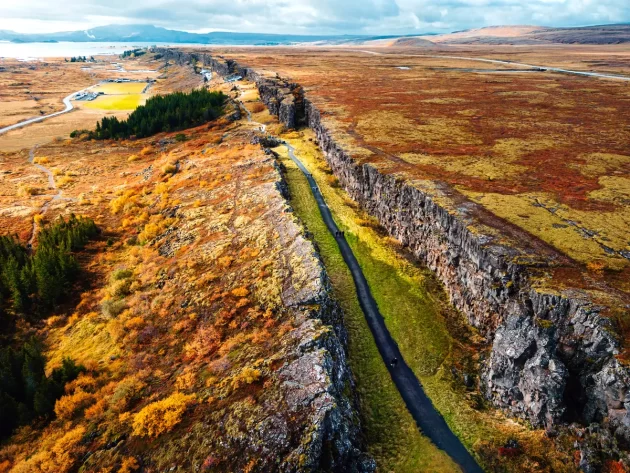
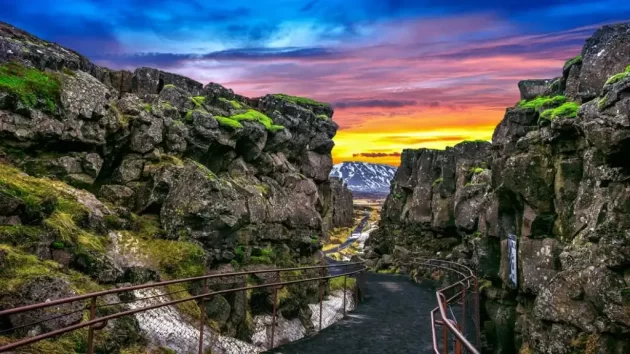
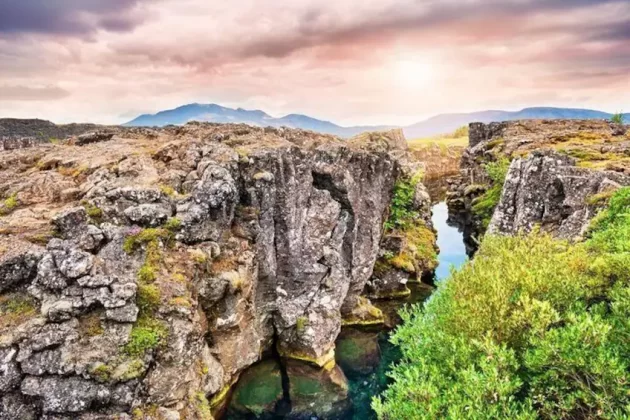
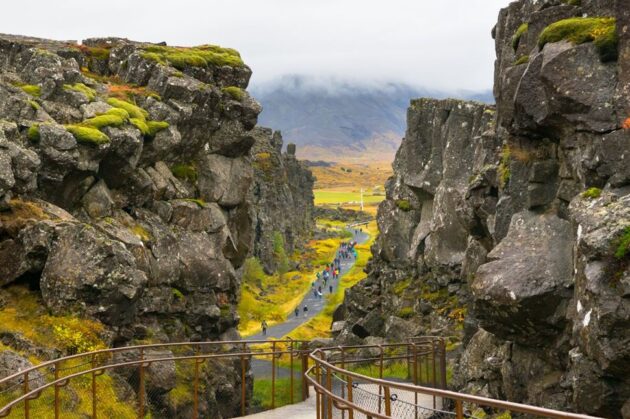
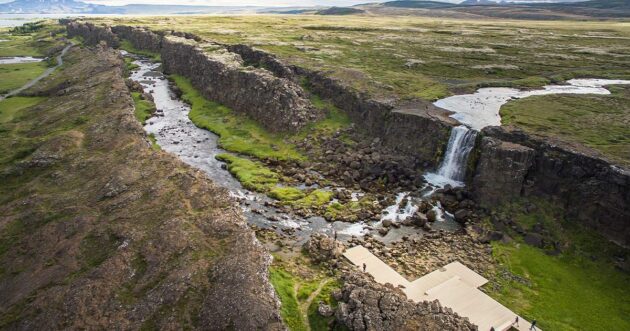
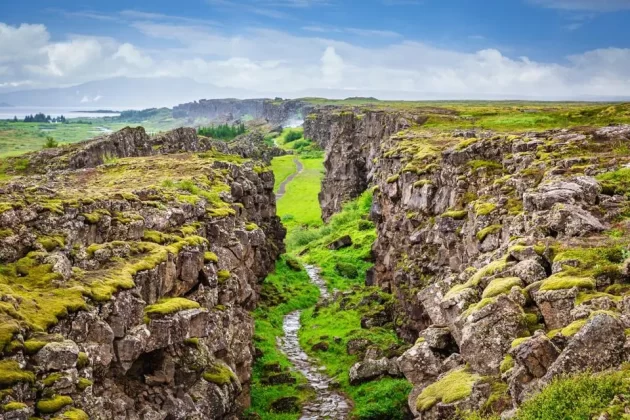
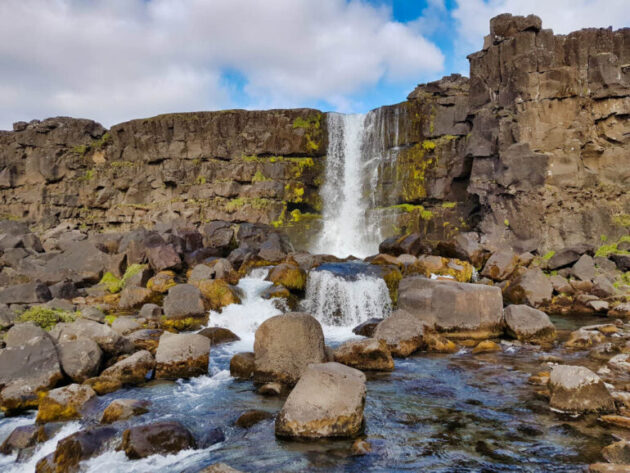
Nestled in southwestern Iceland, Thingvellir National Park is a UNESCO World Heritage Site where the North American and Eurasian tectonic plates dramatically pull apart, creating a rift valley of stunning geological drama. This 237-square-kilometer park is also the birthplace of Iceland’s democracy, site of the ancient Alþing parliament established in 930 AD, and a symbol of national independence celebrated here in 1944. Just 45 minutes from Reykjavik, it’s the first stop on the iconic Golden Circle route, blending Viking history, crystal-clear fissures, and serene landscapes.
Geysir
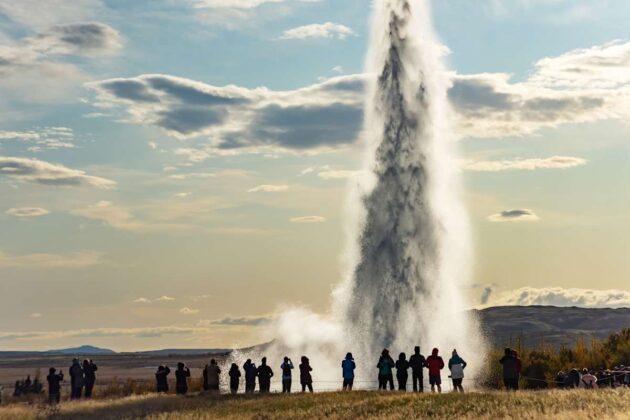
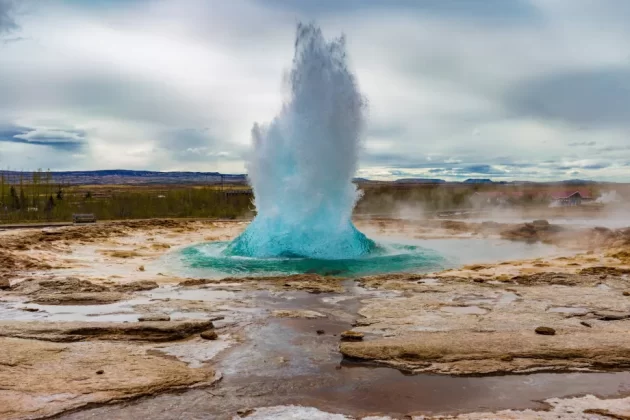
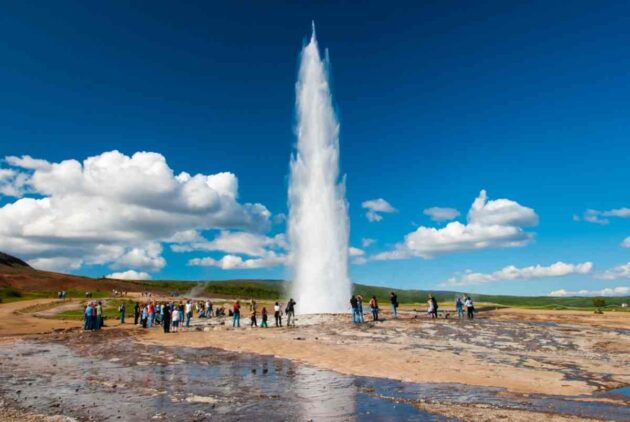
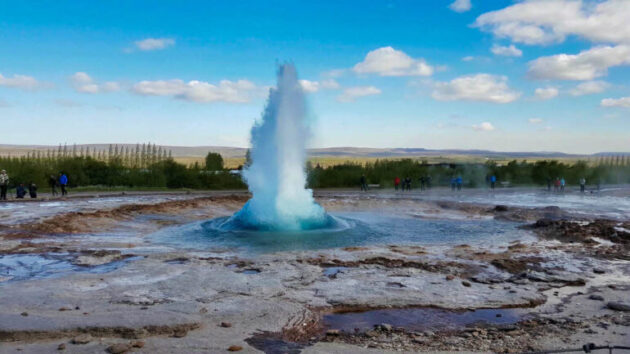
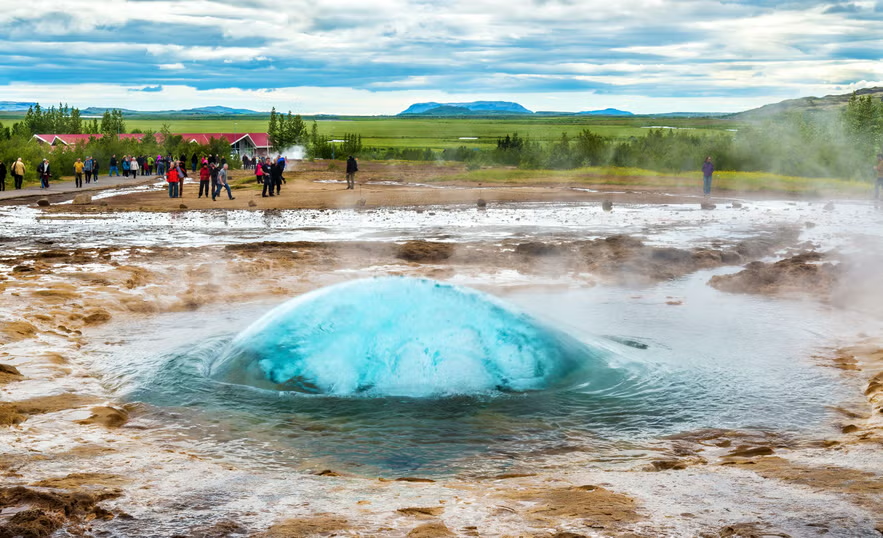
Located in Iceland’s Haukadalur Valley, the Great Geysir is the namesake for all geysers worldwide. Although this legendary hot spring is currently mostly dormant, it has historically erupted, shooting boiling water up to 70 meters into the air. Its neighbour, Strokkur, reliably erupts every few minutes, offering a spectacular display for visitors and making the area a premier natural wonder of Iceland.
Gullfoss Waterfall
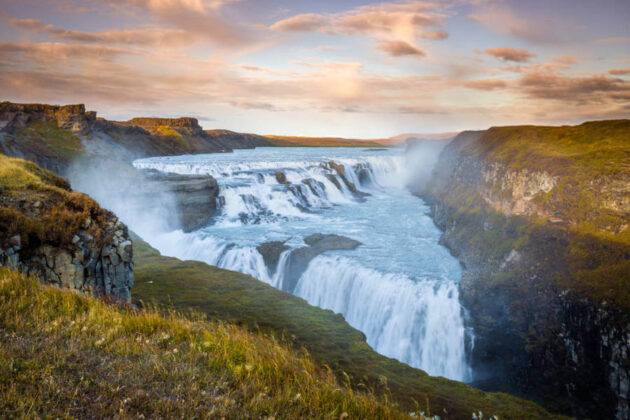
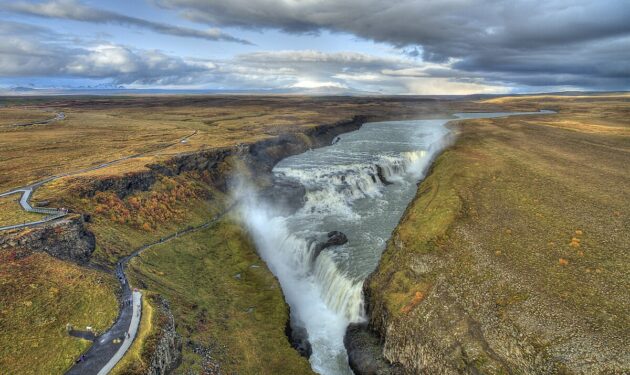
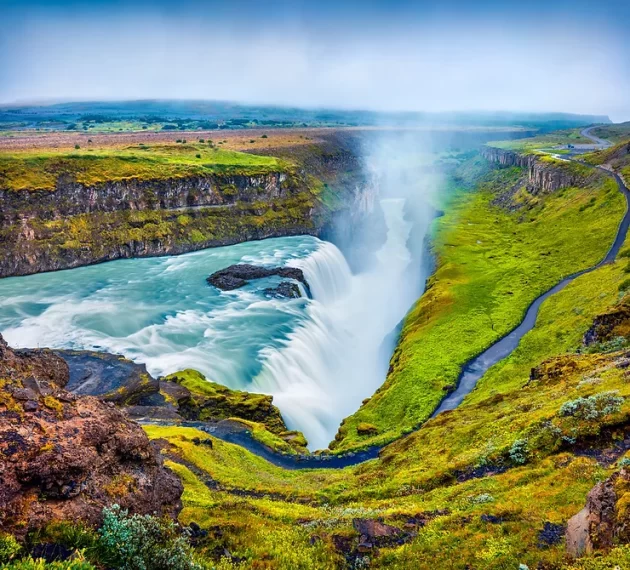
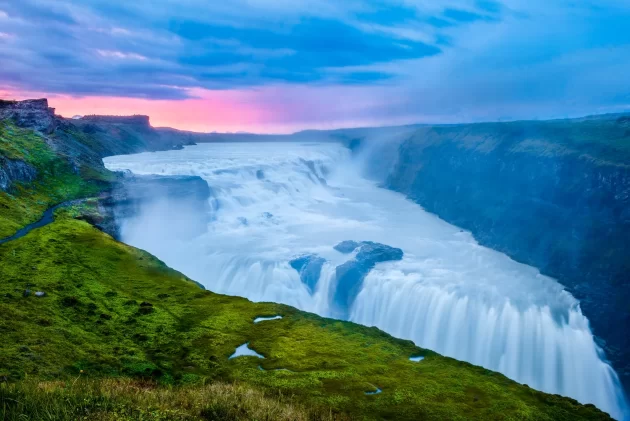
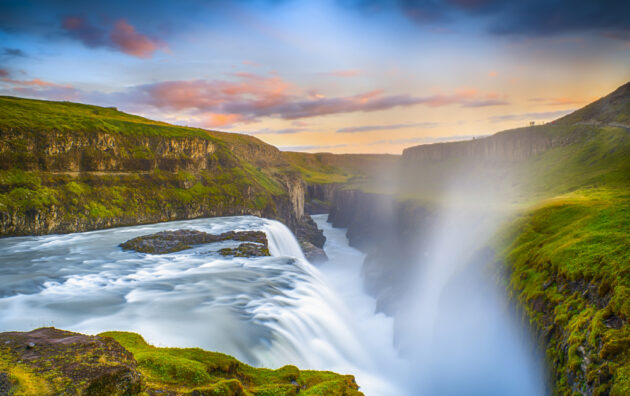
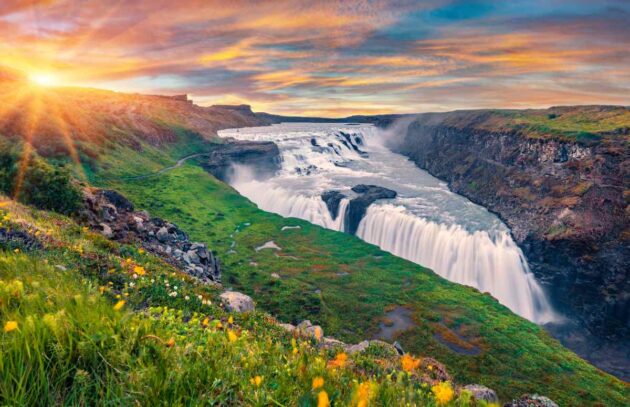
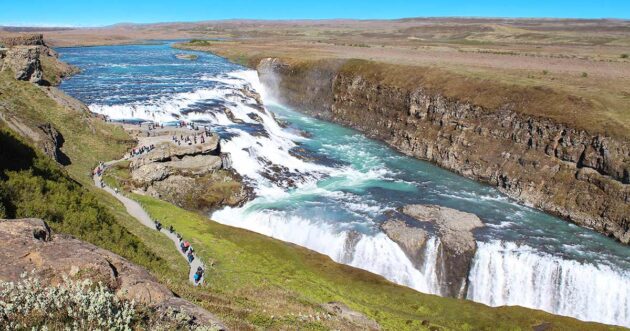
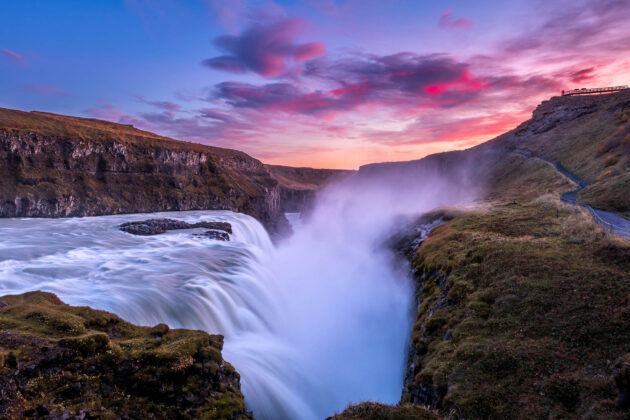
Gullfoss Waterfall, often called the “Golden Waterfall,” is one of Iceland’s most iconic natural wonders and a highlight of the famous Golden Circle route. Located in the Hvítá River canyon in southwest Iceland, this majestic two-tiered waterfall plunges 32 meters into a dramatic gorge, creating a breathtaking spectacle often accompanied by rainbows in its mist.
Kerid Crater
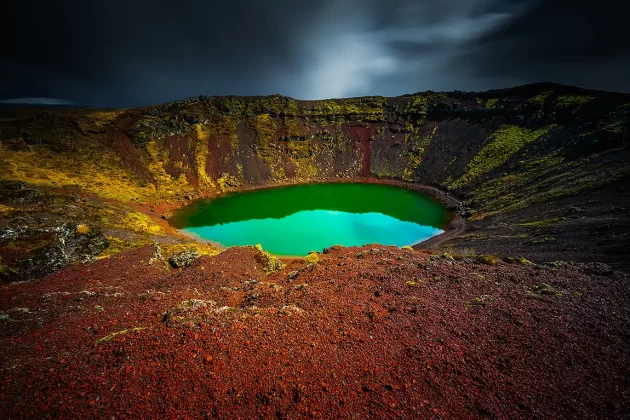
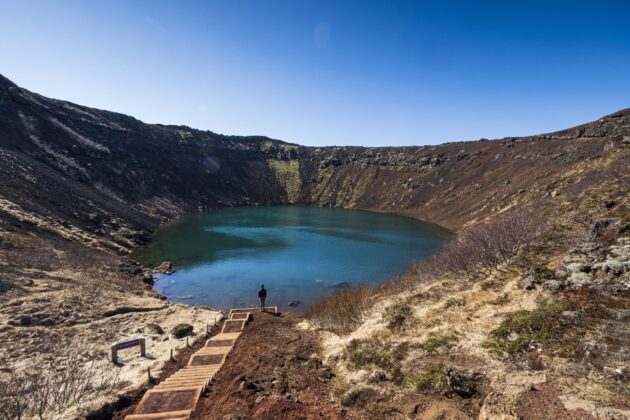
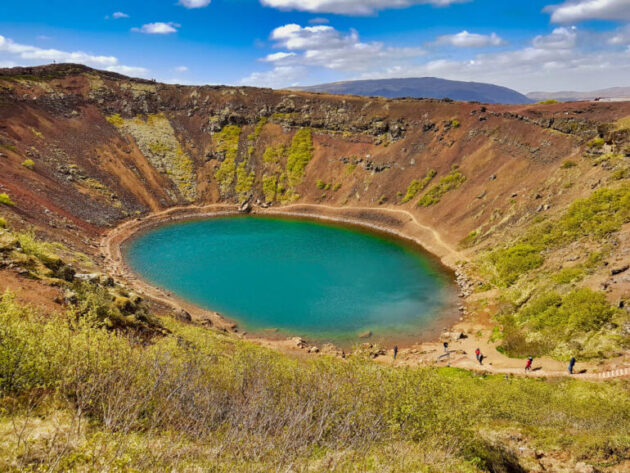
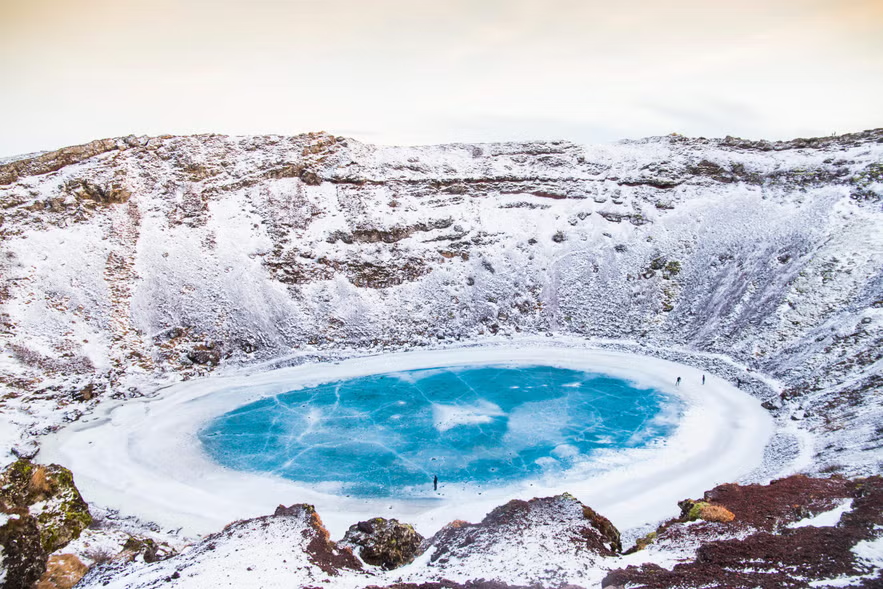
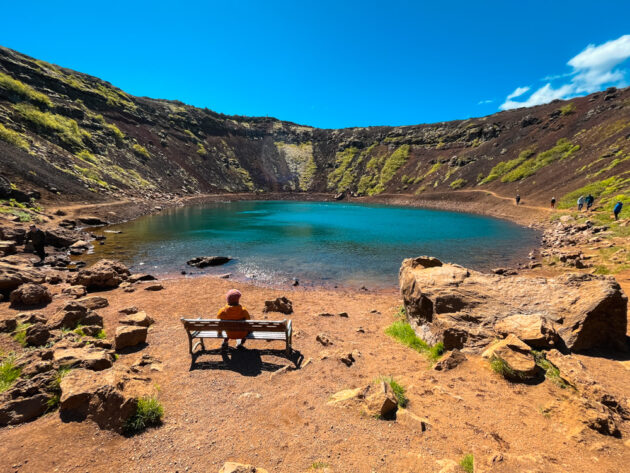
The Kerið Crater in Iceland is a striking volcanic caldera, renowned for its dramatic and vivid colors. Unlike many similar formations, it is relatively young, approximately 3,000 years old. Its steep, red volcanic rock slopes contrast sharply with its base, which is often filled with an ethereal, aquamarine lake whose water level fluctuates with the groundwater table. A remarkable and easily accessible natural wonder, Kerið offers visitors a stunning glimpse into Iceland’s dynamic geology.
Fridheimar Tomato Farm
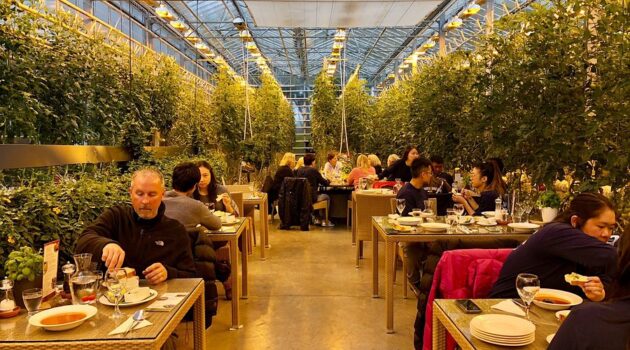
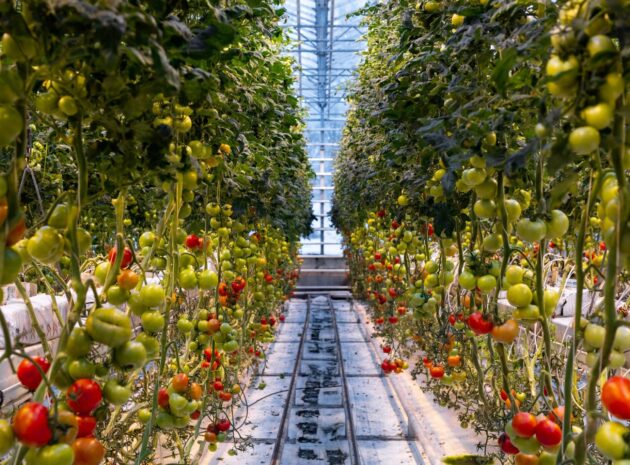
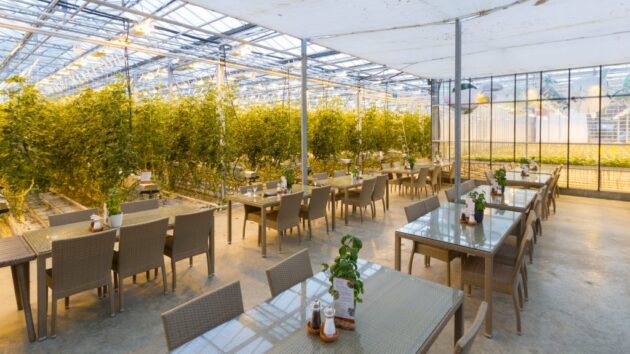
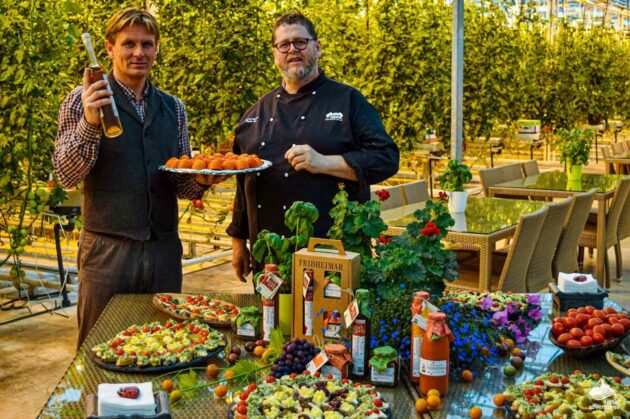
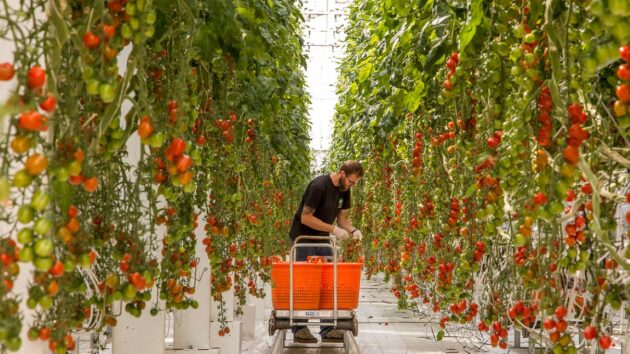
Nestled in Iceland’s Golden Circle, Friðheimar is a unique family-run farm that cultivates tomatoes year-round in geothermally heated greenhouses, defying the country’s long, dark winters. By harnessing sustainable geothermal energy and employing advanced horticultural technology, the farm creates Mediterranean conditions for its tomatoes. Visitors can enjoy a unique dining experience in the greenhouse restaurant, savoring tomato-based dishes like soup and bread amidst the plants.
Secret Lagoon
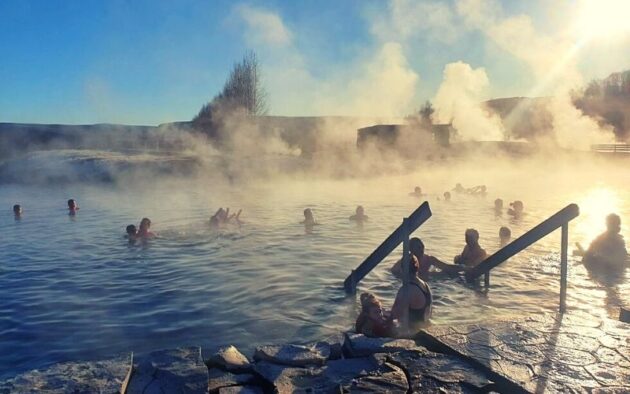
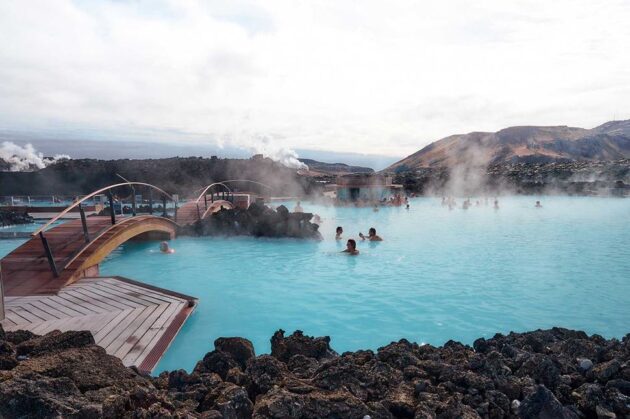
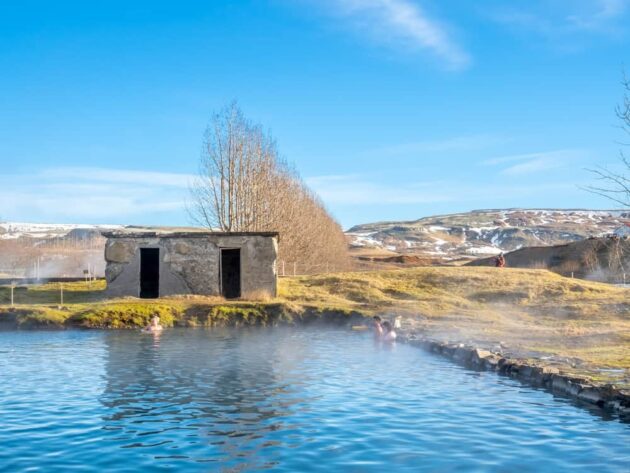
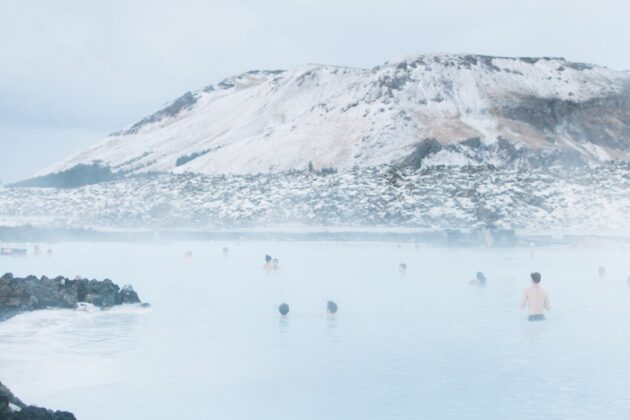
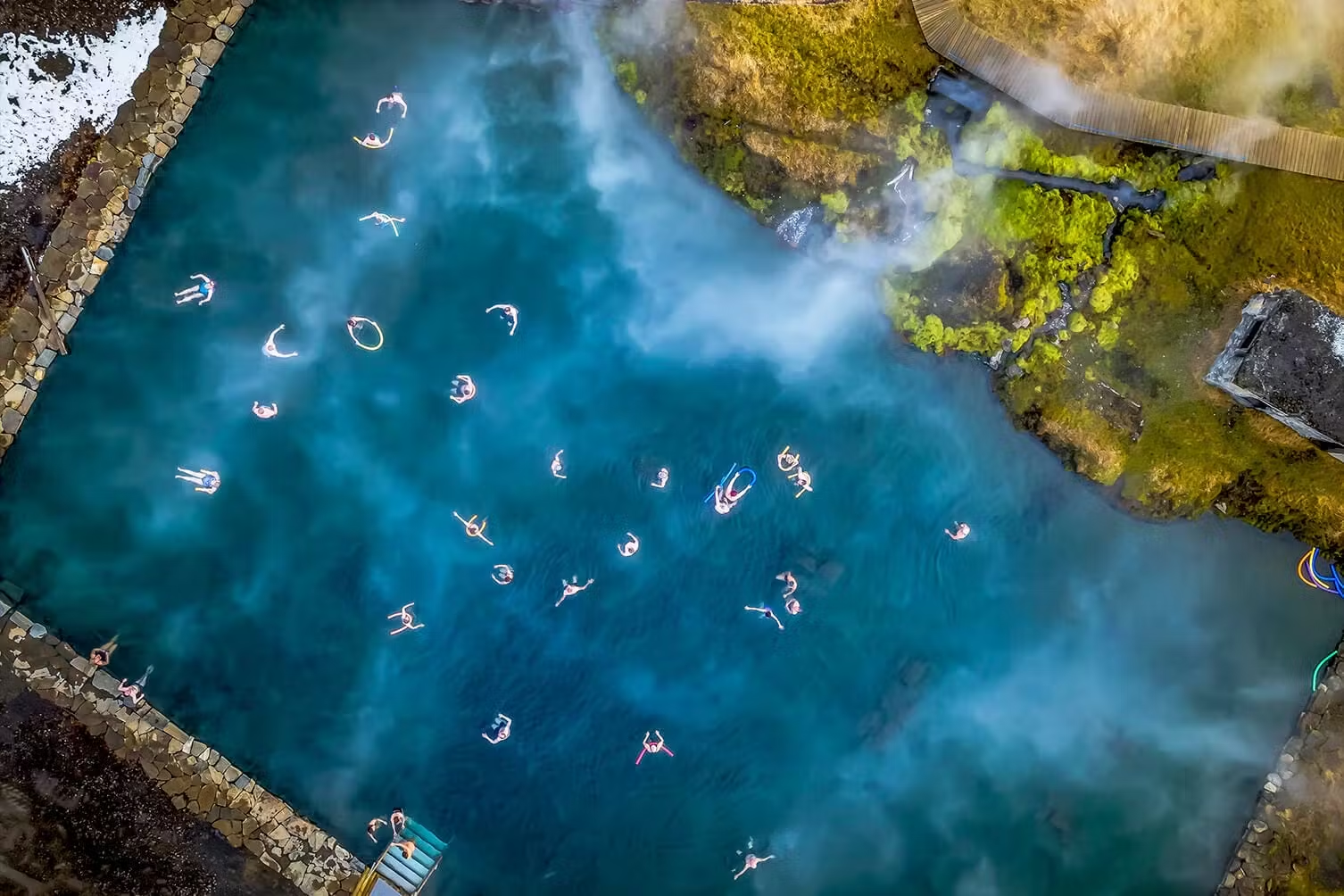
Nestled in Iceland’s geothermal Golden Circle, the Secret Lagoon is the country’s oldest natural pool. This tranquil, man-made geothermal pool is fed by naturally hot springs, maintaining a comfortable temperature year-round. Surrounded by steaming vents and rugged landscapes, it offers a more authentic and peaceful alternative to the famous Blue Lagoon.
Northern Lights
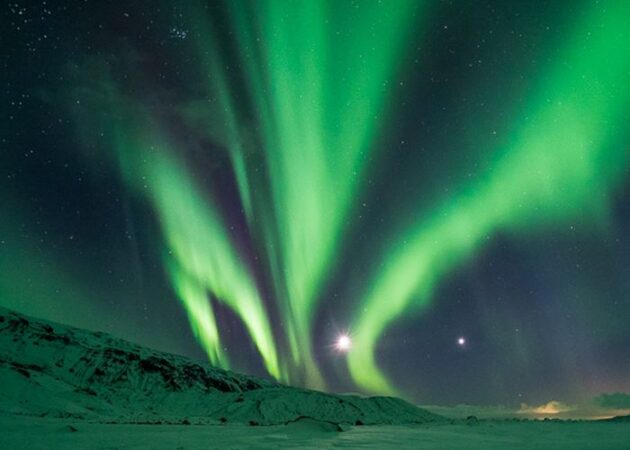
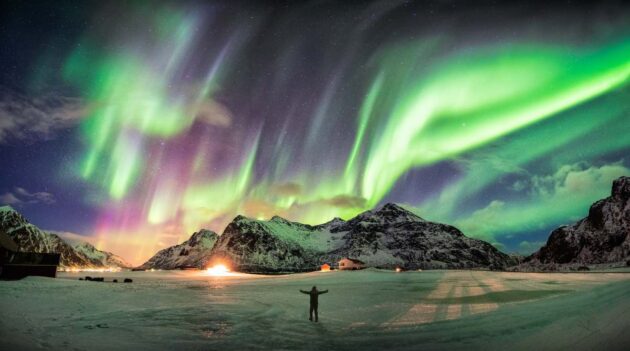
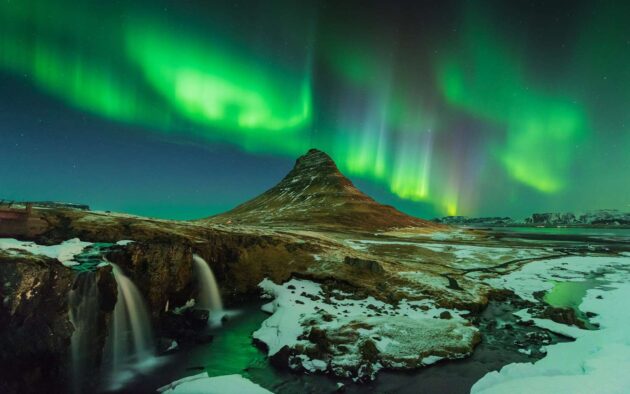
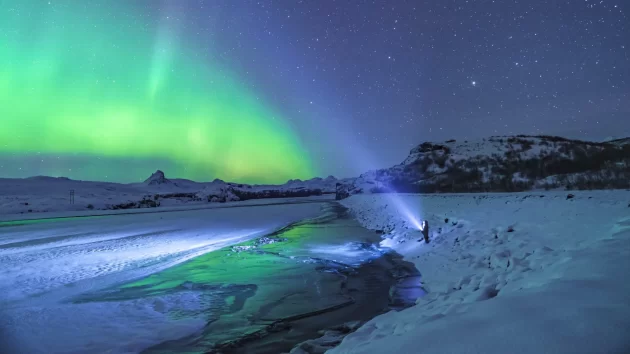
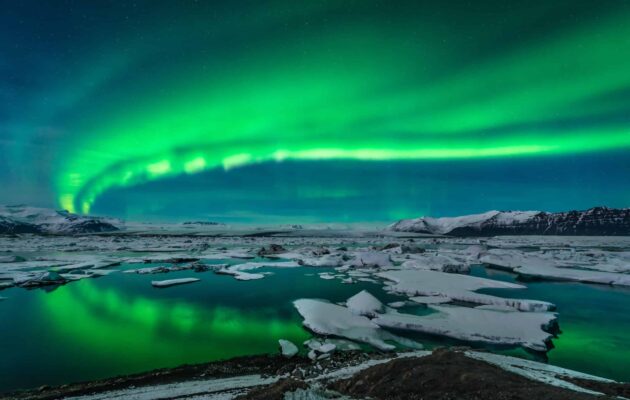
The Northern Lights in Iceland, or Aurora Borealis, are a breathtaking natural spectacle where shimmering curtains of green, pink, and violet light dance across the Arctic sky. This phenomenon occurs when charged particles from the sun collide with Earth’s atmosphere, best visible on clear, dark nights from September to April. Iceland’s minimal light pollution and vast, open landscapes make it one of the world’s premier destinations for witnessing this magical and unforgettable display.
Where to Eat
Icelandic fare shines here—fresh seafood, lamb, and skyr (yogurt). Expect high prices ($20–$40/meal); tip 10% if service is great.
On the Route: Gullfoss Café: Hearty soups and sandwiches with waterfall views. Friðheimar Restaurant: Tomato-based dishes in a flower-filled greenhouse (reservations essential). Geysir Glíma Café: Lamb stew and fresh bread near the geysers. Reykjavík Base: Try Baejarins Beztu pylsur for hot dogs or Icelandic Street Food for soup in bread bowls.
Pro Tip: Pack snacks; grocery stores like Bónus in Reykjavík are cheaper.
Where to Stay
Base in Reykjavík for day trips, or overnight en route for immersion:
Reykjavík: Hotel Borg (luxury, ~$250/night): Historic Art Deco in the city center. Kex Hostel (budget, ~$100/night): Hip vibe with shared dorms.
Along the Route: ION Adventure Hotel (near Þingvellir, ~$200/night): Modern with lava views and spa. Hotel Geysir (by Geysir, ~$180/night): Geothermal-heated pools. Fosshotel Húsafell (detour option, ~$220/night): Family-friendly near waterfalls.
Book via Booking.com; shoulder season deals abound in October.
Tips for a Great Visit
Drive Smart: Left-side driving; speed limits 90 km/h (55 mph). Fuel up often—stations are sparse.
Pack Essentials: Waterproof jacket, hiking boots, gloves (October chill), and a power bank. Download offline maps (Google Maps or Maps.me).
Sustainability: Stick to paths to protect fragile moss; use reusable water bottles (tap water is pristine).
Health/Safety: Northern lights apps like Aurora Forecast; check for volcanic activity (active in 2025).
Extend It: Combine with South Coast for a 2-day trip or Blue Lagoon return.
Final Thoughts
The Golden Circle captures Iceland’s essence in a single, mesmerizing loop—tectonic drama, geothermal fury, and cascading power that feels otherworldly. With autumn hues and emerging auroras, it’s a poetic time to go, especially with new spots like Laugaras Lagoon beckoning. Whether solo-driving the twists or touring with tales of sagas, this route will ignite your wanderlust. Embrace the elements, chase the light, and let Iceland’s golden heart steal yours.
Safe travels!