
A Travel Guide to North York Moors National Park (2026)
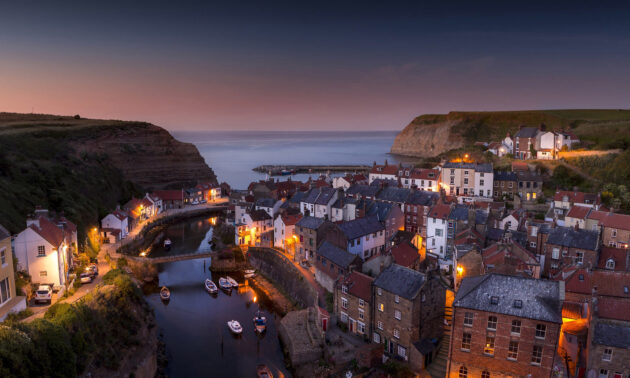
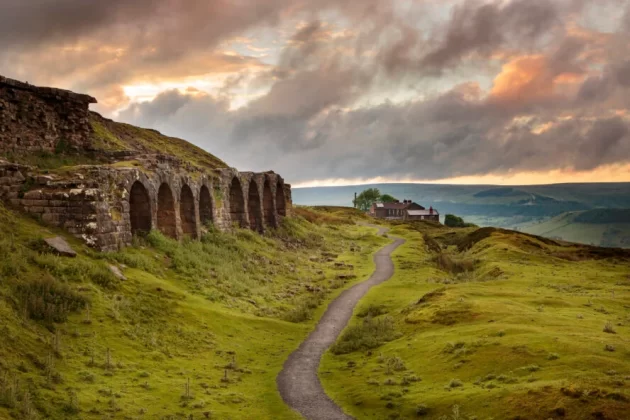
Nestled in the heart of North Yorkshire, the North York Moors National Park is a breathtaking expanse of wild moorland, dramatic coastlines, and charming villages that embodies the rugged beauty of England’s countryside. Established in 1952, this 554-square-mile (1,430 km²) protected area is home to the largest continuous tract of heather moorland in the UK, rolling hills, ancient forests, and a stunning heritage coast along the North Sea. Whether you’re hiking epic trails, riding heritage steam trains, or stargazing under one of Europe’s darkest skies, the North York Moors offers endless adventures for nature lovers, history buffs, and families alike. As an International Dark Sky Reserve, it’s also a haven for astronomy enthusiasts.
Why Visit North York Moors National Park?
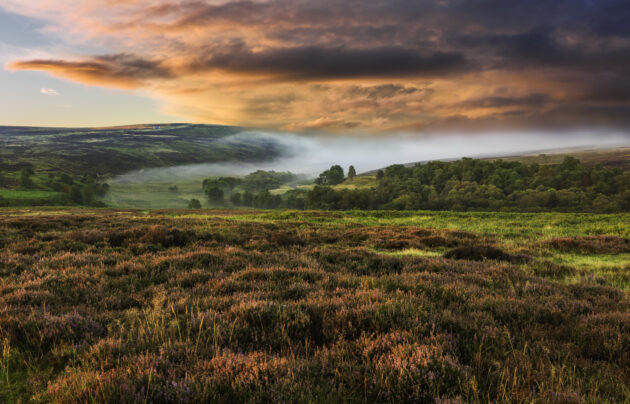
The park’s diverse landscapes—from purple-heather-blanketed moors in summer to golden autumn foliage and serene winter snowscapes—provide a perfect escape from urban life. It’s ideal for outdoor pursuits like walking the 109-mile Cleveland Way National Trail, cycling the Moor to Sea Network, or exploring coastal paths teeming with wildlife. Cultural highlights include Gothic ruins like Whitby Abbey (inspiration for Dracula), steam train journeys on the North Yorkshire Moors Railway, and quaint market towns brimming with local cuisine. With its blend of solitude and accessibility, it’s a year-round gem, especially for those seeking sustainable, low-impact travel in a responsibly managed park.
How to Get There
The North York Moors is easily accessible from major UK hubs, with York serving as the primary gateway (just 30–45 minutes away). No car? Public transport is excellent, thanks to scenic rail and bus routes.
From London (King’s Cross Station): By Train: Direct LNER or Grand Central trains to York take about 1 hour 45 minutes–2 hours (fares £55–£170 one-way). From York, hop on the Coastliner 840 bus (voted Britain’s most scenic bus route) to Pickering or Whitby (30–60 minutes, £5–£10). By Bus: National Express coaches from London Victoria to York (4–5 hours, £20–£40), then connect via bus. By Car: Drive north via the A1(M) (about 4.5 hours, 230 miles); parking in the park is £1–£5/hour via the PayByPhone app.
From York: By Train/Bus: The Esk Valley Railway runs from York to Whitby (1.5–2 hours, £10–£20), stopping at park highlights like Grosmont. By Bus: Coastliner 840 or Moorsbus services (summer weekends) connect York to Helmsley, Pickering, and coastal spots (30–90 minutes, £3–£8). By Car: A quick 30–45-minute drive via the A170.
Airports: Fly into Leeds Bradford (1-hour drive) or Teesside International (45 minutes). Newcastle or Manchester are farther but viable with trains.
Tip: For eco-friendly travel, use the Moorsbus network (summer only) or cycle paths. Download the Traveline app for real-time schedules.
Best Time to Visit
The North York Moors shines year-round, but timing depends on your interests:
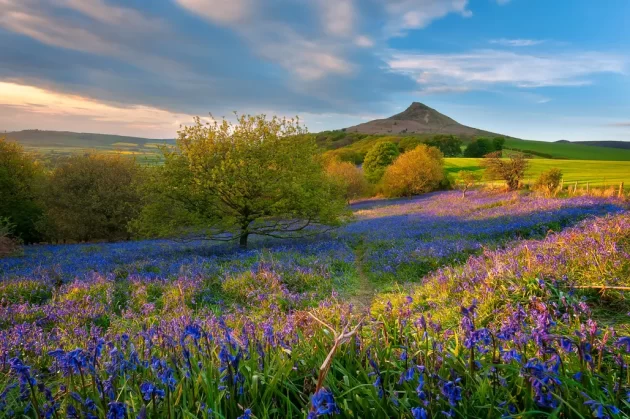
Spring (March–May): Wildflowers like daffodils in Farndale bloom vibrantly; milder weather for hiking. Ideal for birdwatching (e.g., red grouse).
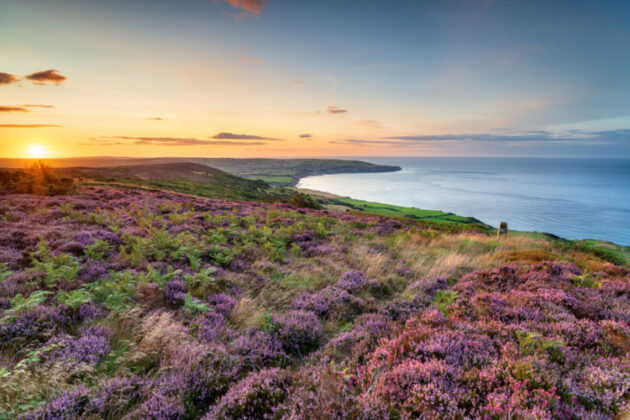
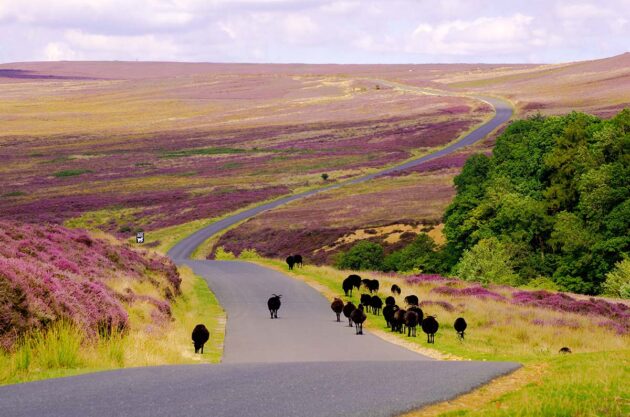
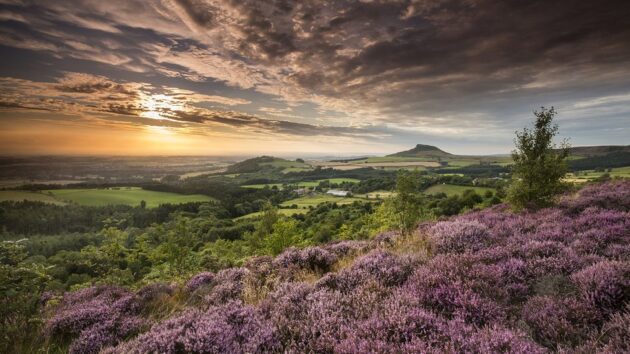
Summer (June–August): Heather moors explode in purple (peak mid-August–September); longest days for exploring. Expect crowds and midges—pack repellent.
Autumn (September–November): Golden foliage and fewer visitors; perfect for cozy walks and foraging. The Dark Skies Festival in February extends the stellar viewing into early spring.
Winter (December–February): Crisp, snowy landscapes and minimal crowds; stargazing is magical under clear skies. Note shorter days and potential moorland closures due to weather.
Tickets and Opening Hours
The North York Moors National Park is free to enter, with no general admission fee—it’s funded for public access and conservation. However:
Specific Attractions: Fees apply for sites like Whitby Abbey (£12 adult, open daily 10 AM–6 PM in summer; shorter in winter) or Rievaulx Abbey (£11 adult, 10 AM–5 PM).
North Yorkshire Moors Railway: Steam train tickets £25–£40 (return from Pickering to Whitby; runs year-round, more frequent April–October).
Parking: £1–£5/hour at lots like Sutton Bank or Goathland; use PayByPhone.
Visitor Centres: Open year-round (e.g., Sutton Bank 9:30 AM–5 PM daily); free entry with maps and exhibits.
Book timed tickets for popular sites via English Heritage or the NYMR website, especially in peak season. No reservations needed for trails or moors.
What to See and Do
The park’s highlights span moors, coast, and culture. Prioritize based on your base—Helmsley for inland, Whitby for coast.
North Yorkshire Moors Railway (NYMR): Ride a heritage steam train through 24 miles of stunning scenery from Pickering to Whitby (2–3 hours round-trip). Highlights include Goathland Station (Heartbeat and Harry Potter filming location). Best for families.
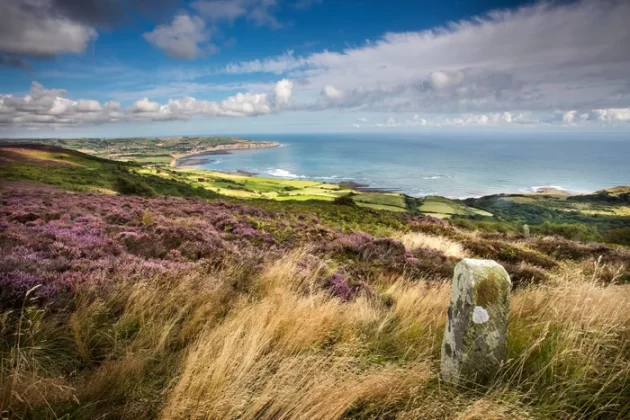
Cleveland Way National Trail: Tackle sections of this 109-mile epic, like the 6-mile Newtondale Gorge walk or coastal paths from Robin Hood’s Bay to Scarborough. Dramatic cliffs, beaches, and rock pools await.
Whitby Abbey and Coast: Explore the 7th-century ruins perched on cliffs, with panoramic sea views. Pair with a stroll in Whitby town for fish and chips, or surf at nearby beaches.
Rievaulx Abbey: Wander the evocative 12th-century Cistercian ruins in a serene valley—Yorkshire’s most atmospheric historical site.
Hole of Horcum and Sutton Bank: Hike into this massive glacial valley (a 4-mile loop) or glide the Hang Glider’s Slope at Sutton Bank for glider views and James Herriot-inspired panoramas.
Dalby Forest: Cycle or walk 40 miles of trails; spot red squirrels or join adventure activities like zip-lining.
Stargazing and Wildlife: As a Dark Sky Reserve, join guided night walks (February festival). Spot adders, orchids, or peregrine falcons on moorland rambles.
Other Gems: Roseberry Topping hike (steep but rewarding views), Falling Foss Waterfall, Helmsley Castle, and foraging workshops.
Where to Eat
The park emphasizes local, seasonal fare—think Yorkshire curd tart, heather honey, and Whitby kippers.
On-Site/Quick Bites: Visitor centres offer packed lunches (£5–£10); Goathland’s tea rooms serve scones amid Heartbeat nostalgia.
Local Pubs and Inns: The Lion Inn at Blakey Ridge (traditional roasts, £15–£25) or The Board Inn in Robin Hood’s Bay (seafood specials).
Fine Dining: Michelin-starred spots like The Black Swan at Oldstead (tasting menus £100+) or Tommy Banks’ The Black Bull in Moulton.
Markets: Helmsley or Pickering for street food and artisanal cheeses.
Tip: Many eateries use park-sourced ingredients; vegetarians will love foraged mushroom dishes in autumn.
Where to Stay
With options from glamping to luxury manors, base yourself in gateway towns like Helmsley, Pickering, or Whitby for easy access.
Budget (£50–£100/night): YHA Helmsley Hostel (dorms from £20) or campsites like those in Dalby Forest (pitches £15–£30). Quirky glamping pods and yurts abound.
Mid-Range (£100–£200): Cozy B&Bs like Feversham Arms in Helmsley (farm-fresh breakfasts) or The Pheasant Hotel near Pickering (historic charm).
Luxury (£200+): Raithwaite Sandsend (beachfront spa, £250+) or Gisborough Hall (manor house elegance). For unique stays, try treehouse lodges or renovated railway carriages.
Book via Sykes Cottages or Canopy & Stars for self-catering. Many spots are dog-friendly and eco-certified.
Tips for a Great Visit
Pack Smart: Waterproofs, sturdy boots, and binoculars—weather changes fast. Insect repellent for summer moors.
Sustainable Travel: Stick to paths to protect heather; use public transport or e-bikes. Download OS Maps app for offline navigation.
Accessibility: Many trails (e.g., Sutton Bank) have wheelchair-friendly sections; check VisitEngland for “Access for All” accommodations.
Combine Trips: Pair with York (day trip via bus) or the Yorkshire Dales (1-hour drive). For families, add Dalby’s playgrounds.
Events: Time for heather blooms (Aug–Sep) or Dark Skies Festival (Feb).
Health Note: Moorland ticks can carry Lyme disease—wear long sleeves and check after hikes.
Final Thoughts
The North York Moors National Park is a timeless tapestry of wild beauty and whispered history, where every ridge reveals a new vista and every village tells a story. From steam-chugging adventures to starlit serenity, it’s a destination that restores the soul. Whether chasing heather waves or coastal sunsets, embrace the moors’ wild spirit—responsibly—and leave with memories as enduring as its ancient crosses.
Happy trails!