

A Travel Guide to Edinburgh (2026)
Edinburgh, the capital of Scotland, is a city steeped in history, culture, and natural beauty. Known for its stunning medieval and Georgian architecture, vibrant festivals, and dramatic setting atop seven hills, it’s a must-visit destination for travelers. Edinburgh seamlessly blends history with modernity, offering something for everyone.
Why Visit Edinburgh?
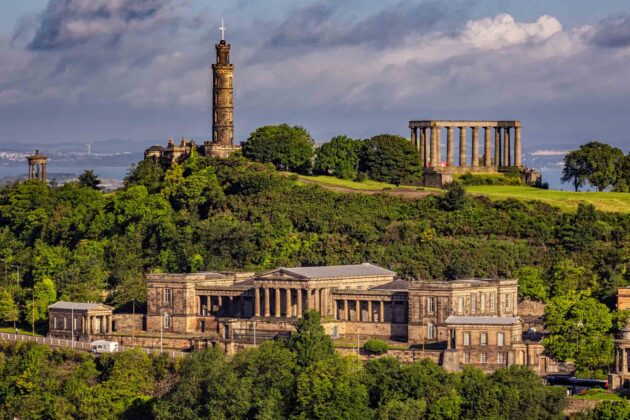
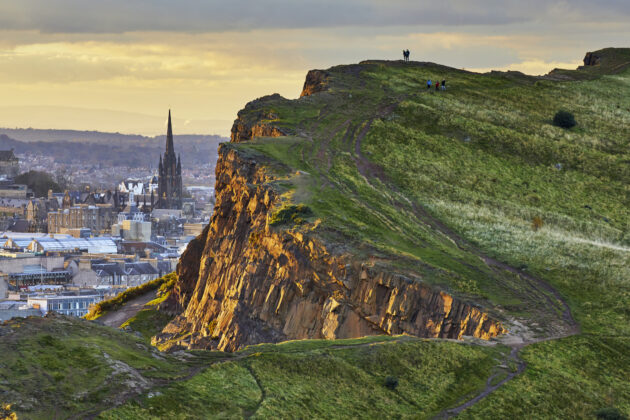
Its UNESCO-listed Old Town and New Town showcase contrasting architectural styles, while landmarks like Arthur’s Seat provide breathtaking views. The city is a cultural hub, famous for the Edinburgh Festival Fringe, the world’s largest arts festival, held every August. With its rich literary heritage, cozy pubs, and proximity to Scotland’s rugged landscapes, Edinburgh is perfect for history buffs, foodies, and adventurers alike.
How to Get There
Edinburgh is well-connected and easily accessible:
By Air: Edinburgh Airport (EDI) is 8 miles west of the city center. Direct flights are available from major European cities, North America, and beyond. To the City Center: Take the Airlink 100 bus (20–30 minutes, £5.50 one-way) or the Edinburgh Tram (30 minutes, £7.50 one-way) to central locations like Princes Street. Taxis or ride-hailing apps (e.g., Uber) cost £20–30 and take 20–25 minutes.
By Train: Edinburgh Waverley Station is the main rail hub, located in the heart of the city. Direct trains connect to London (4.5–5.5 hours via LNER), Glasgow (50 minutes), and other UK cities. Book tickets in advance on Trainline or National Rail for savings (e.g., London to Edinburgh from £50).
By Bus: Long-distance buses (e.g., National Express, Megabus) serve Edinburgh Bus Station near St Andrew Square. A bus from London takes 8–10 hours but can be as cheap as £15 if booked early.
By Car: Edinburgh is accessible via the M8 (from Glasgow) or A1 (from England). However, parking in the city center is limited and expensive (£3–5/hour). Consider park-and-ride options outside the city.
Best Time to Visit
Summer (June–August): Warm weather (15–20°C) and long daylight hours make this ideal for sightseeing. The Edinburgh Festival Fringe and other festivals draw large crowds, so book accommodations early. Expect higher prices and busier attractions.
Spring (March–May) and Autumn (September–November): Mild weather (8–15°C) and fewer tourists make these seasons great for exploring. Spring brings blooming gardens, while autumn offers colorful foliage.
Winter (December–February): Colder (0–7°C) but festive, with Christmas markets and Hogmanay (New Year’s) celebrations. Attractions are quieter, and accommodation is cheaper outside holiday periods.
Tip: August is peak season due to festivals; book 6–12 months in advance. For fewer crowds, visit in September or May.
Tickets and Opening Hours
Many attractions require tickets, and booking online saves time:
Edinburgh Castle: £19.50 (adults, online); open 9:30 AM–6:00 PM (summer), 9:30 AM–5:00 PM (winter). Last entry 1 hour before closing.
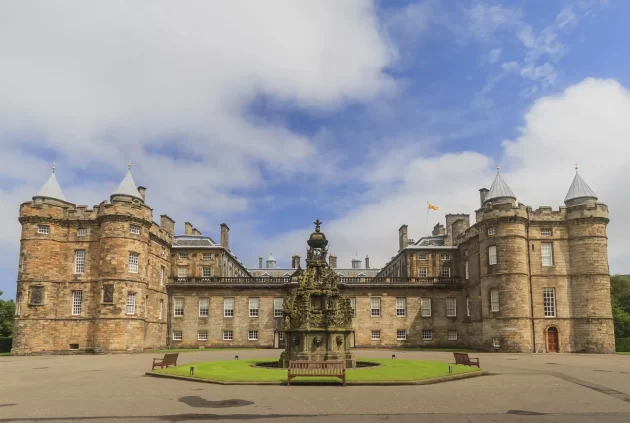
Palace of Holyroodhouse: £20 (adults); open 9:30 AM–6:00 PM (summer), 9:30 AM–4:30 PM (winter).
Royal Yacht Britannia: £18.50 (adults); open 10:00 AM–5:00 PM (varies seasonally).
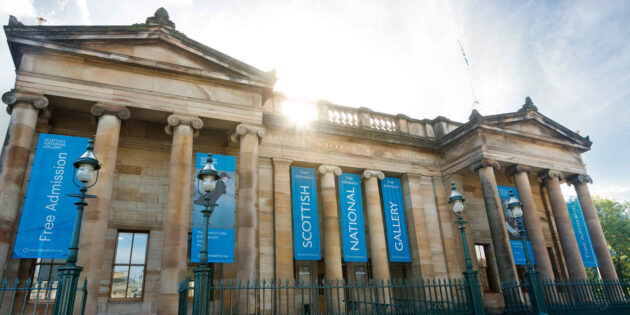
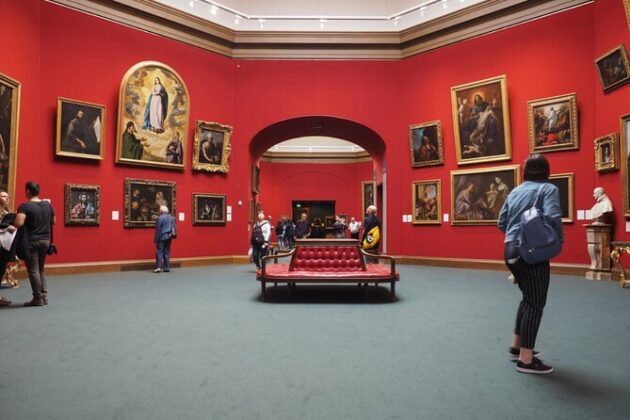
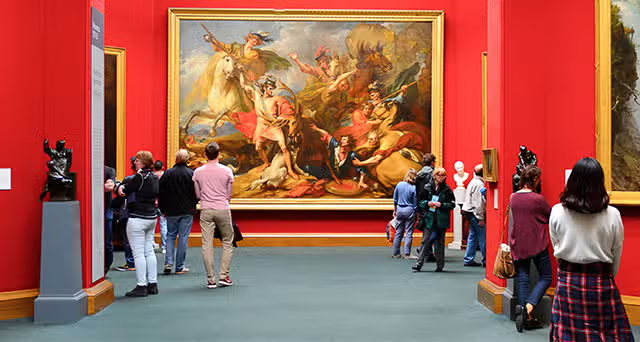
Free Attractions: National Museum of Scotland, Scottish National Gallery, and many churches are free, though donations are appreciated.
Tip: Consider the Historic Scotland Explorer Pass (£40–50) for access to multiple sites, including Edinburgh Castle, if visiting several attractions.
Top Attractions
Edinburgh Castle
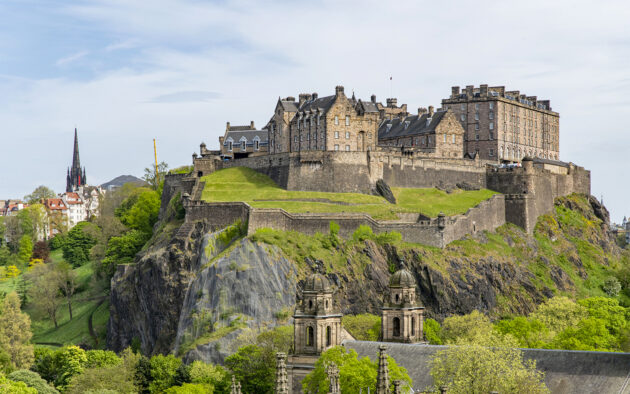
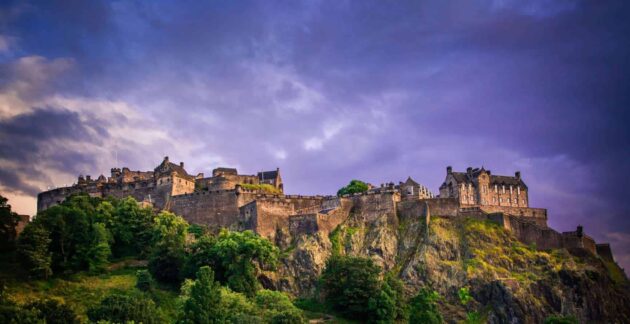
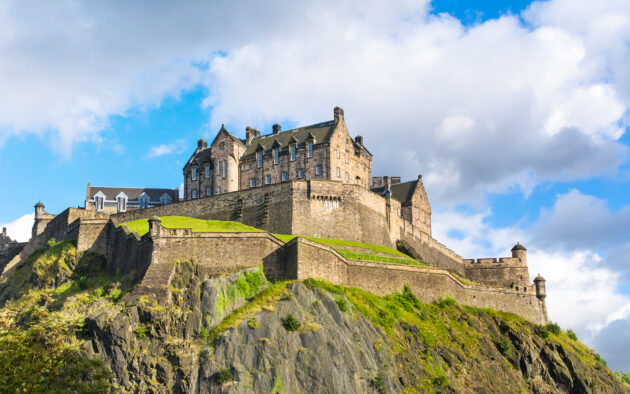
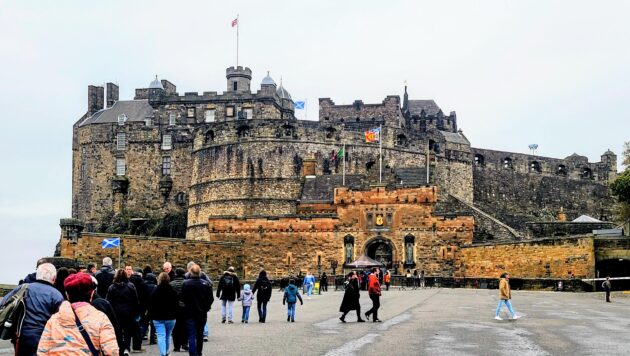
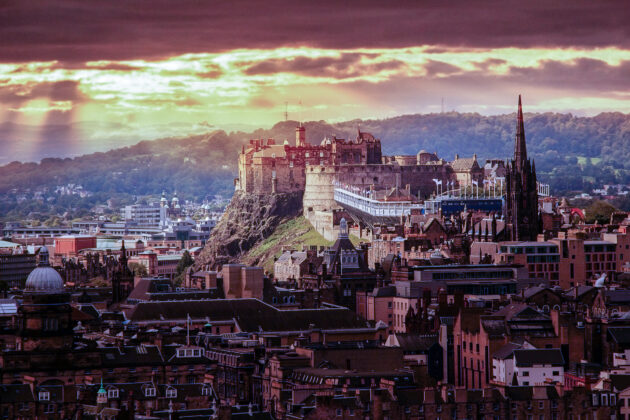
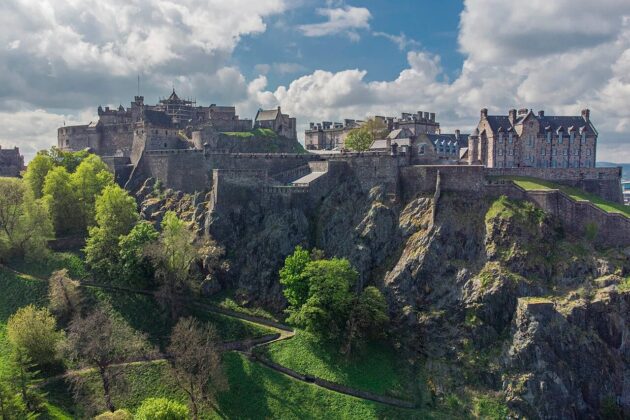
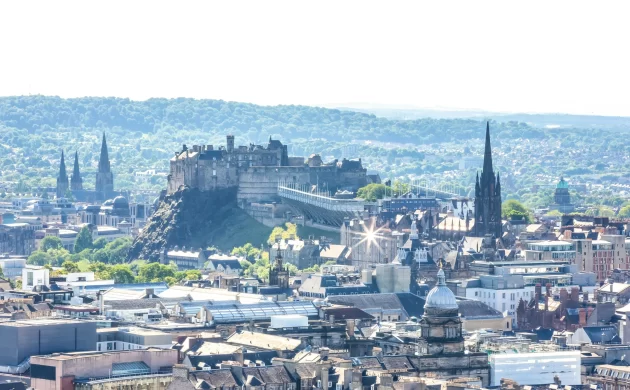
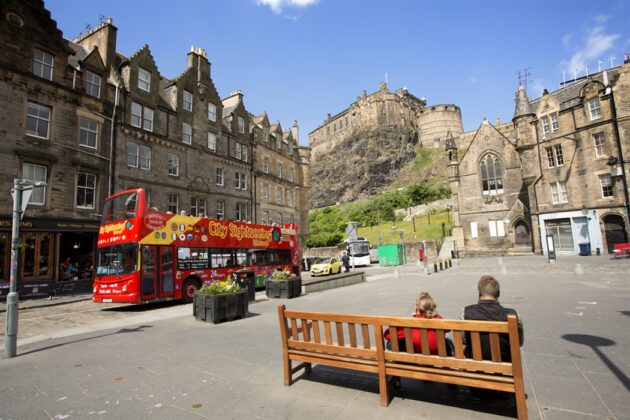
Perched atop Castle Rock, Edinburgh Castle is an iconic symbol of Scotland’s history and one of the United Kingdom’s most visited landmarks. This ancient fortress, with roots dating back to the 12th century, offers a captivating blend of history, architecture, and breathtaking views over Edinburgh’s Old and New Towns.
Royal Mile
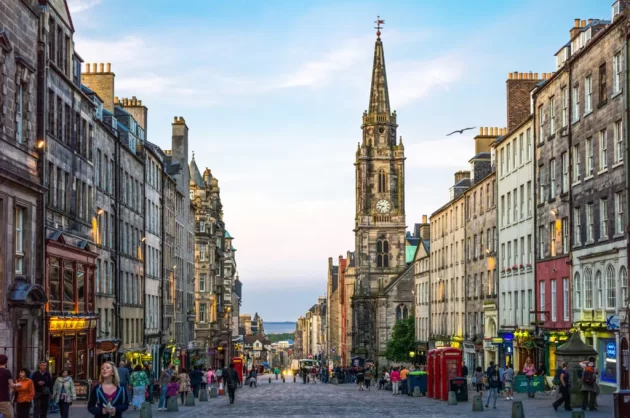
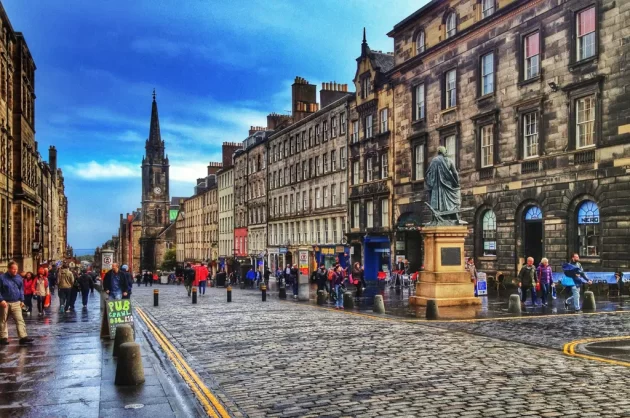
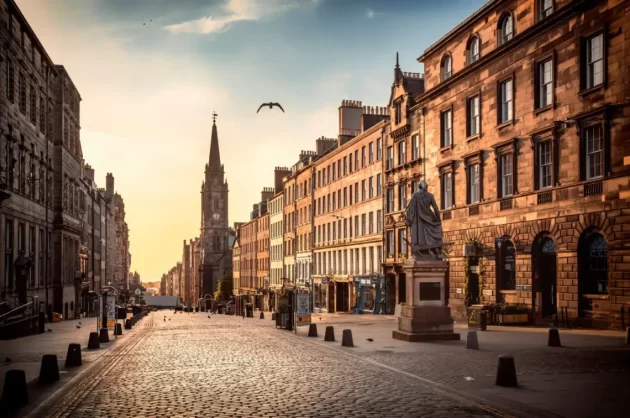
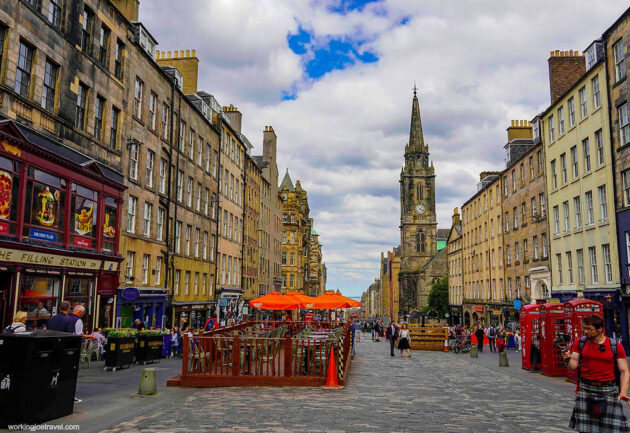
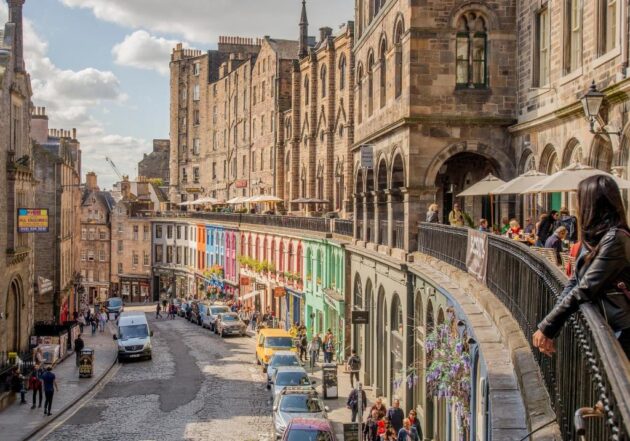
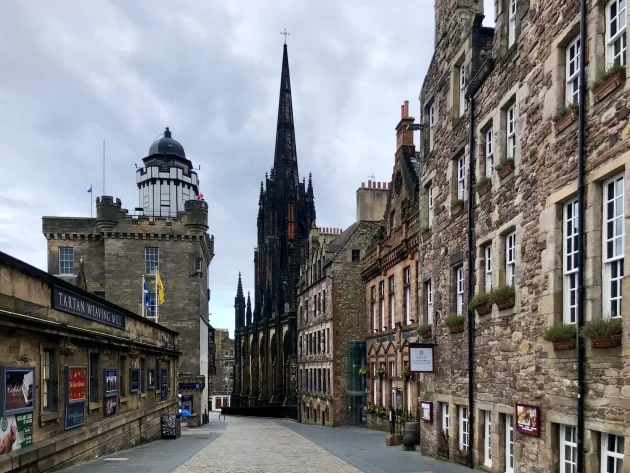
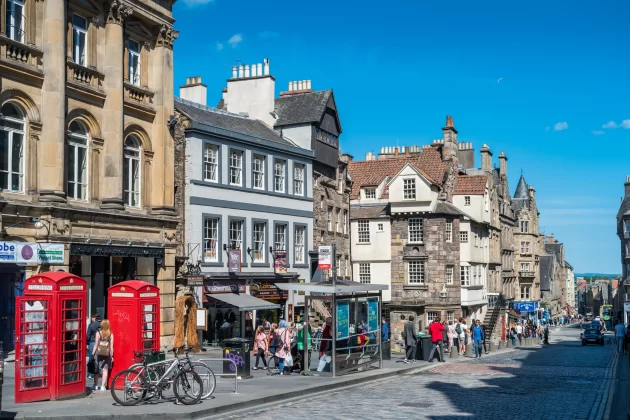
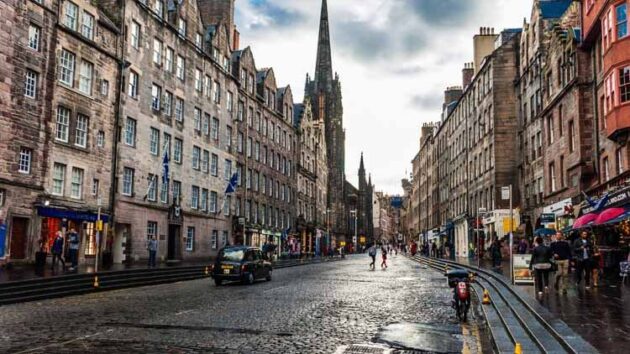
The Royal Mile is the historic heart of Edinburgh’s Old Town, a vibrant and iconic stretch of cobblestone streets connecting Edinburgh Castle at its highest point to the Palace of Holyroodhouse at its base. This mile-long artery, actually measuring 1.81 kilometers (1.13 miles), is steeped in history, culture, and Scottish charm, offering visitors a blend of medieval architecture, bustling shops, and hidden alleys.
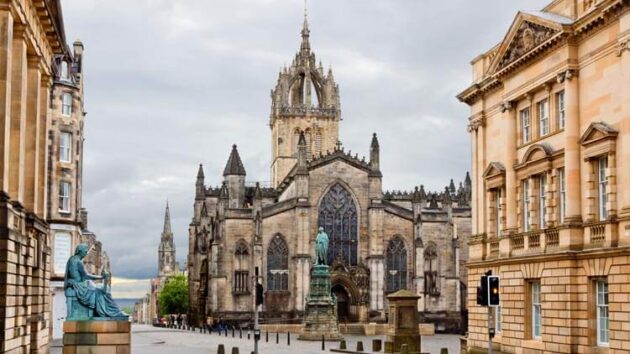
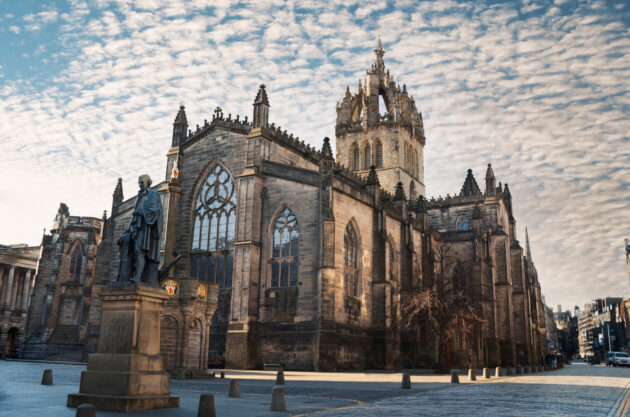
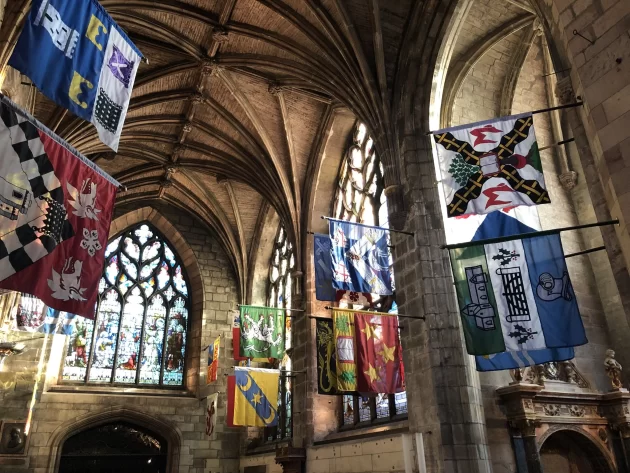
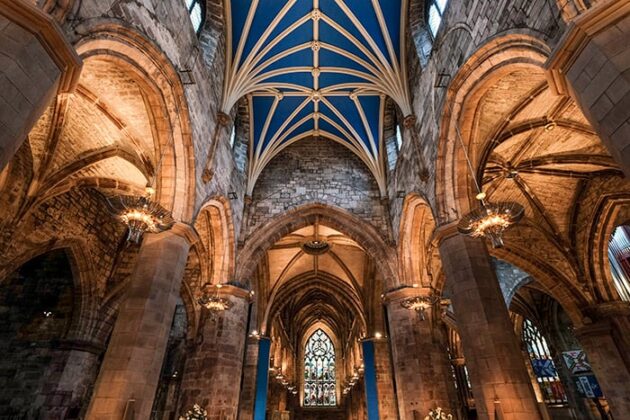
St Giles’ Cathedral
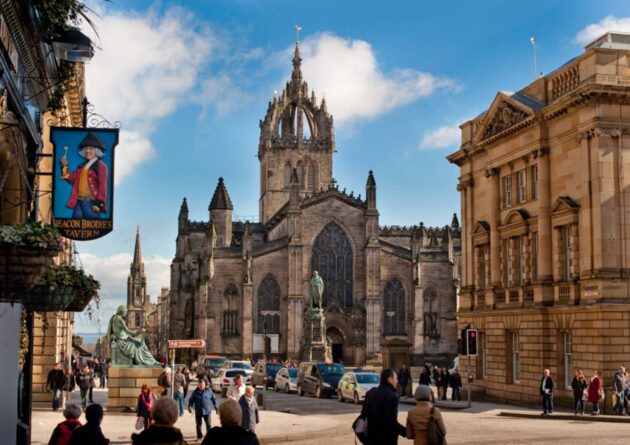
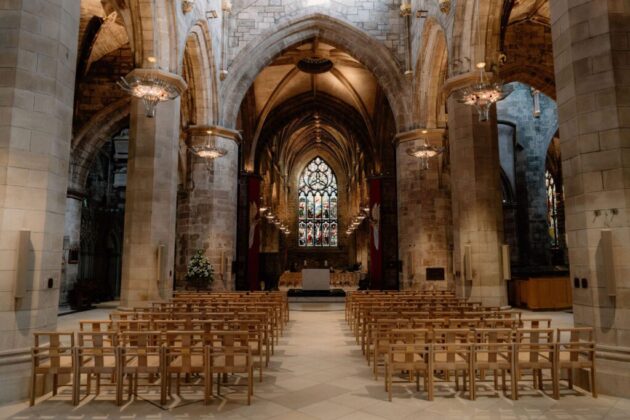
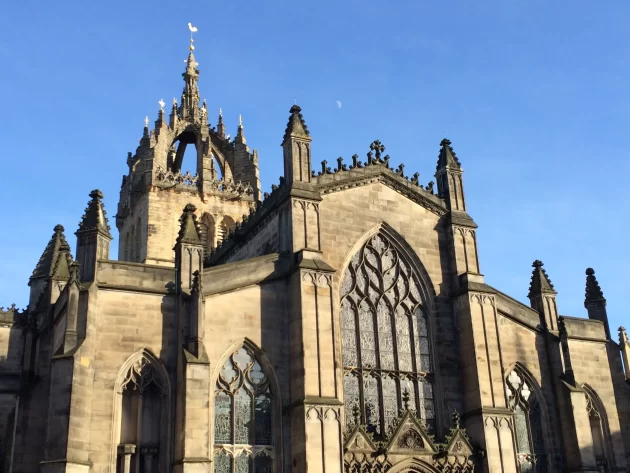
St Giles’ Cathedral, often referred to as the High Kirk of Edinburgh, is a historic and iconic landmark located on the Royal Mile in the heart of Edinburgh’s Old Town. Founded in the 12th century, this magnificent Gothic cathedral is not only a place of worship but also a repository of Scotland’s religious, cultural, and political history.

National Museum of Scotland
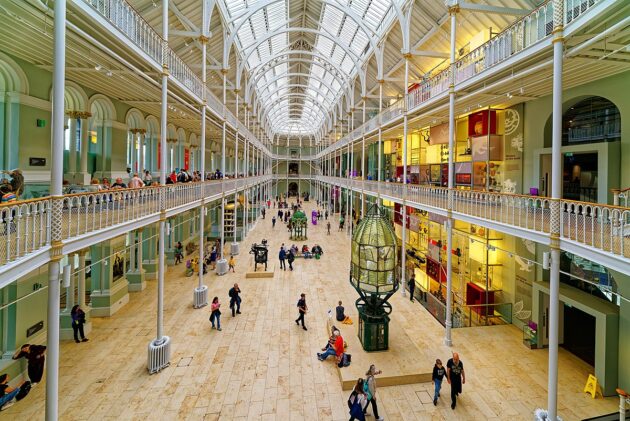
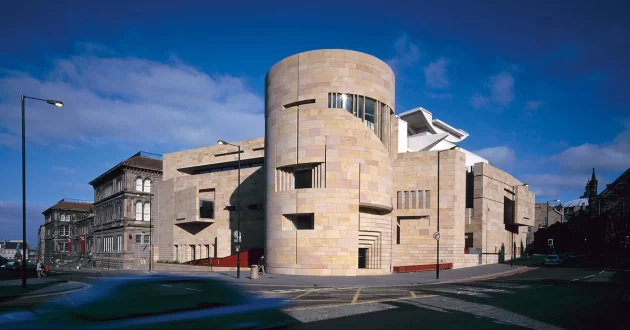
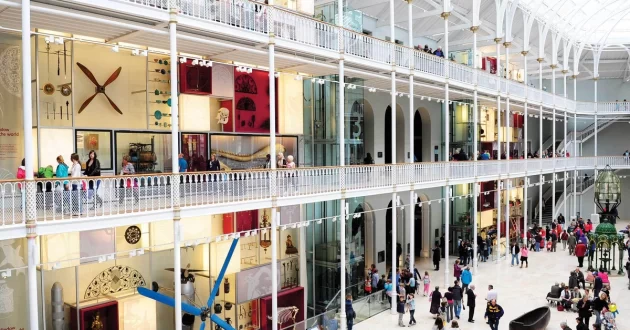
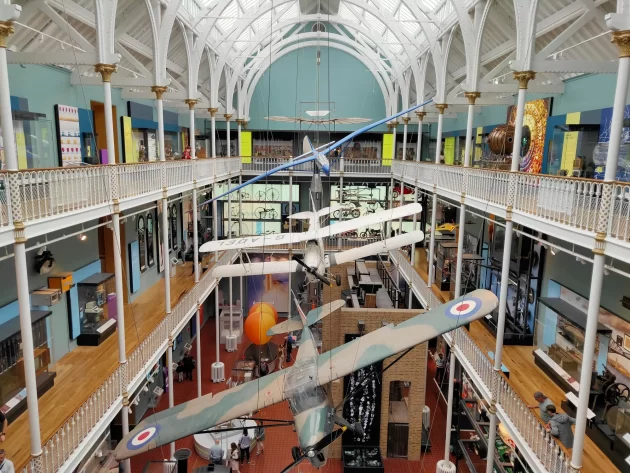
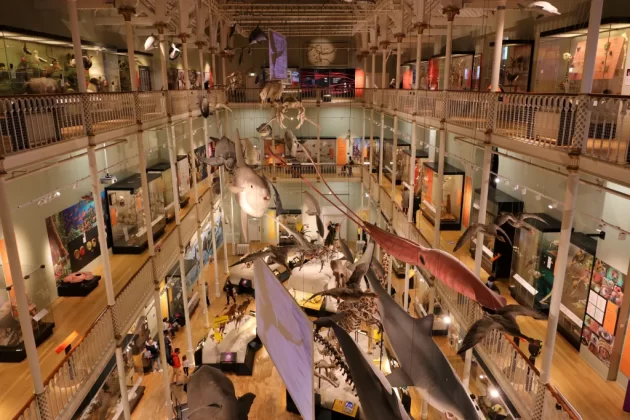
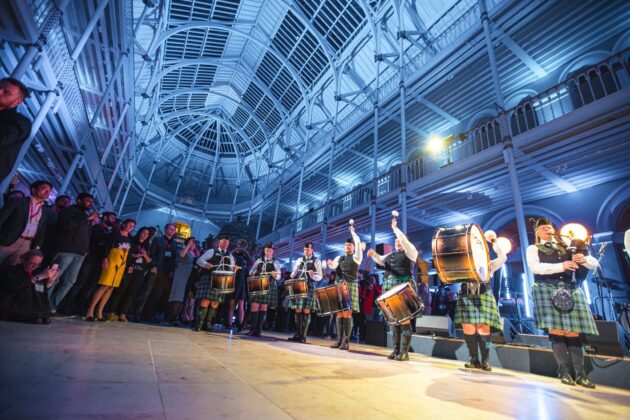
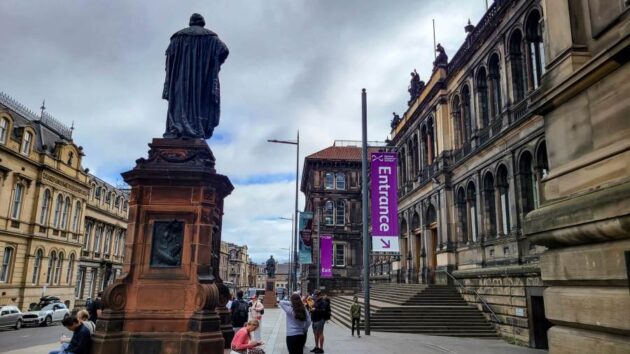
Nestled in the heart of Edinburgh’s historic Old Town, the National Museum of Scotland is a world-class institution that brings Scotland’s rich history, science, and culture to life. Formed by the merger of the Royal Scottish Museum (built in 1861) and the National Museum of Antiquities of Scotland (1783), this architectural marvel features a Victorian-era red sandstone facade alongside a modern granite and glass extension, creating a seamless blend of past and present.
Scottish National Gallery
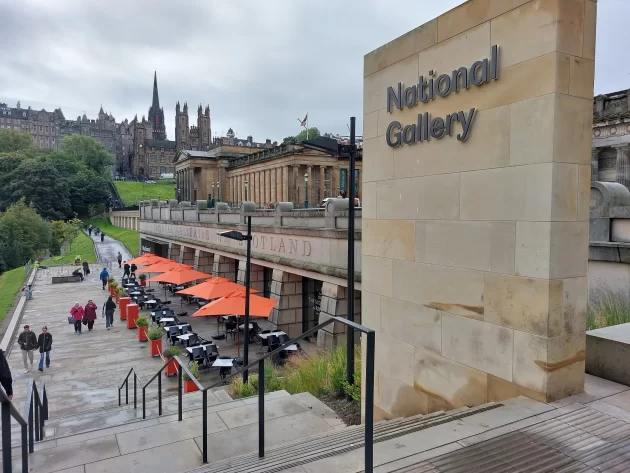
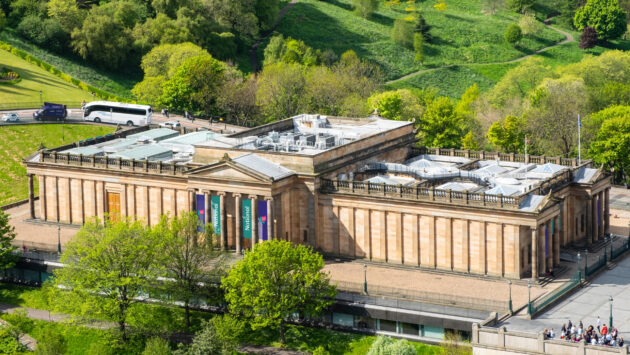
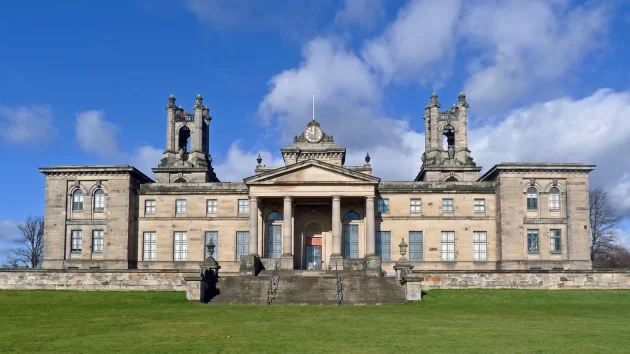
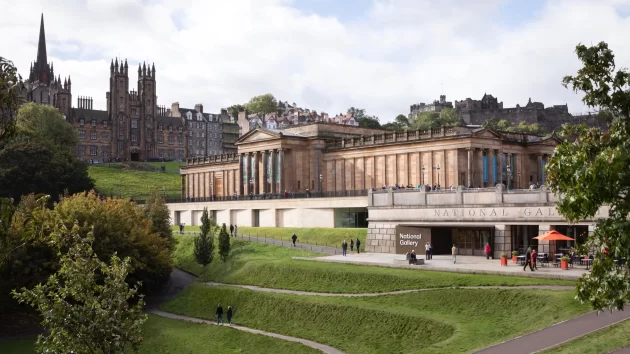
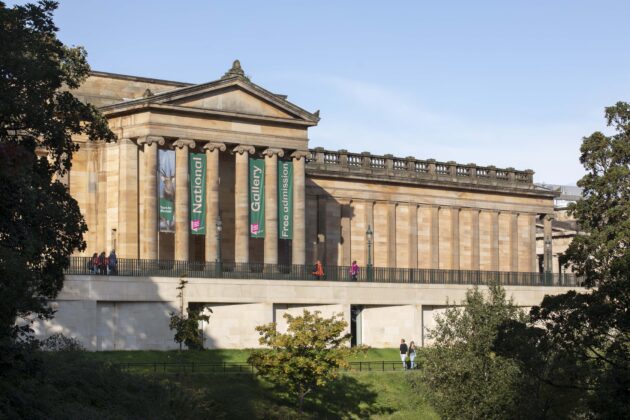
Located in the heart of Edinburgh, the Scottish National Gallery is a cultural gem showcasing an impressive collection of fine art from the Renaissance to the early 20th century. Situated on The Mound, with stunning views of Princes Street Gardens and Edinburgh Castle, this iconic museum is a must-visit for art lovers and travelers exploring Scotland’s capital.
Edinburgh Festival Fringe (August)
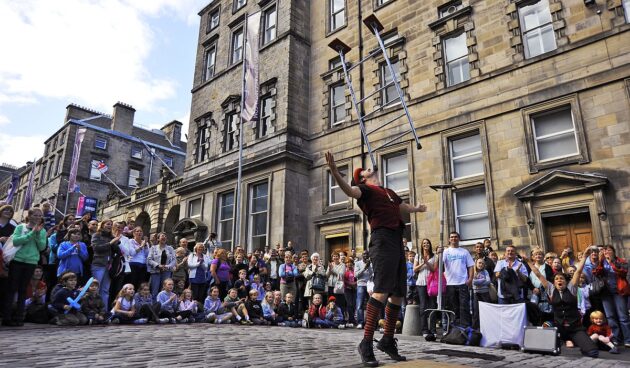
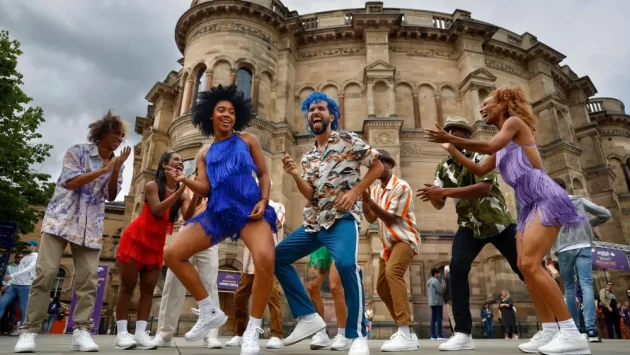
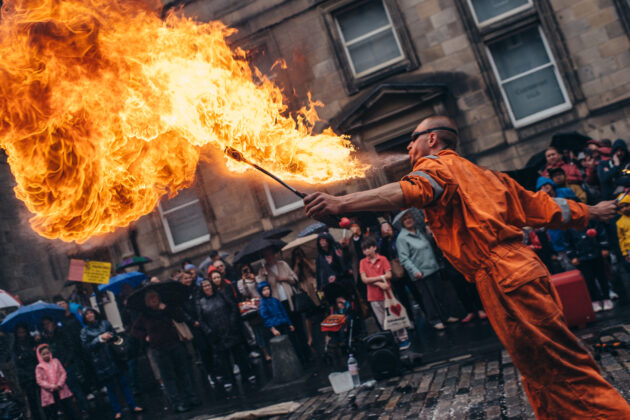
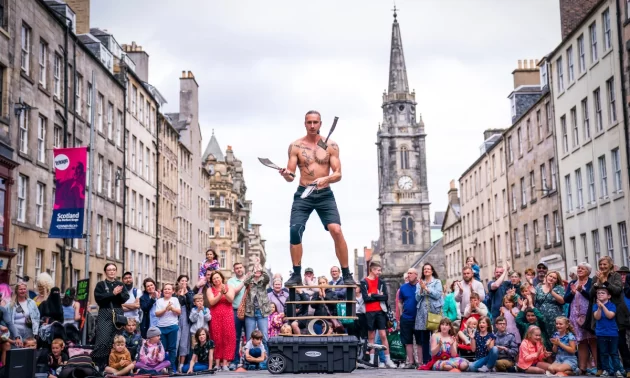
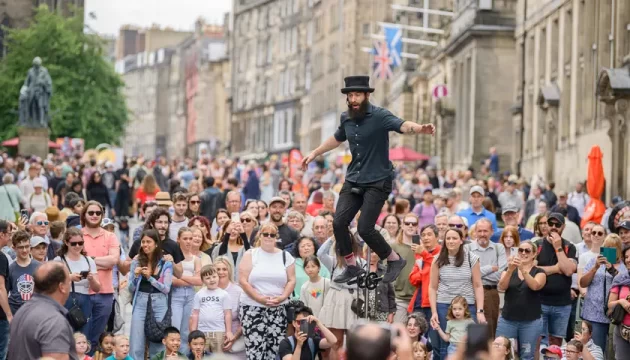
The Edinburgh Festival Fringe, held annually in August in Scotland’s capital, is the world’s largest performing arts festival. An open-access event, it famously has no selection committee, allowing anyone to participate with any type of performance. This results in an explosion of artistic diversity, featuring thousands of shows across theatre, comedy, dance, circus, and cabaret in hundreds of unconventional venues throughout the city, creating a uniquely vibrant and democratic cultural atmosphere.
Hogmanay (December 31)
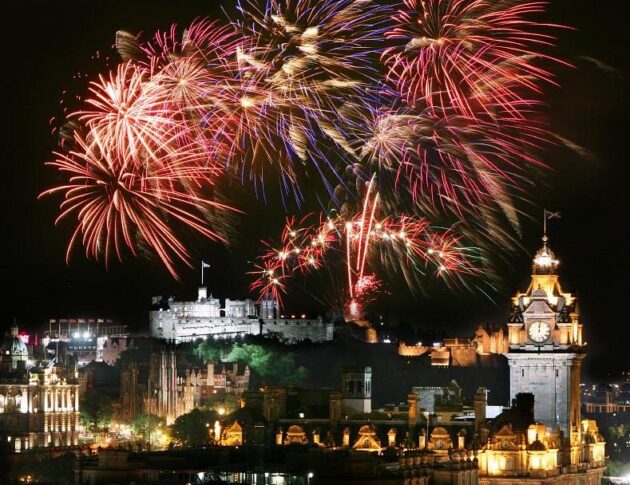
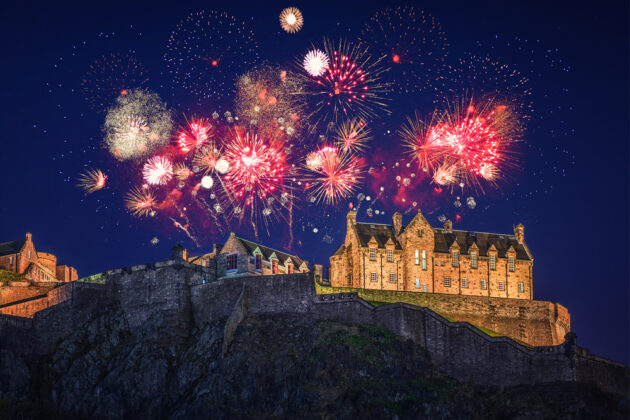
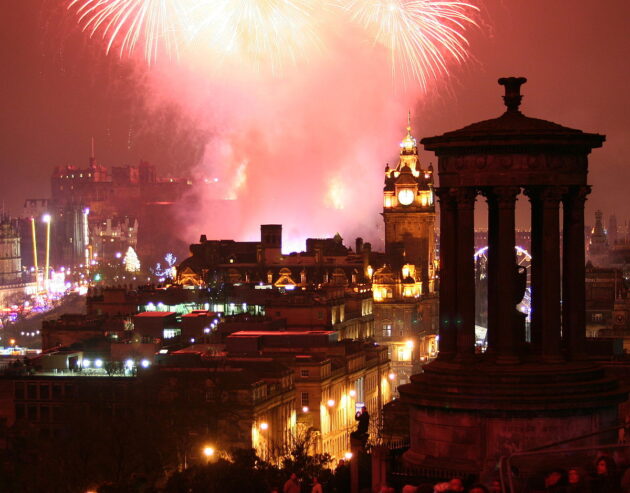
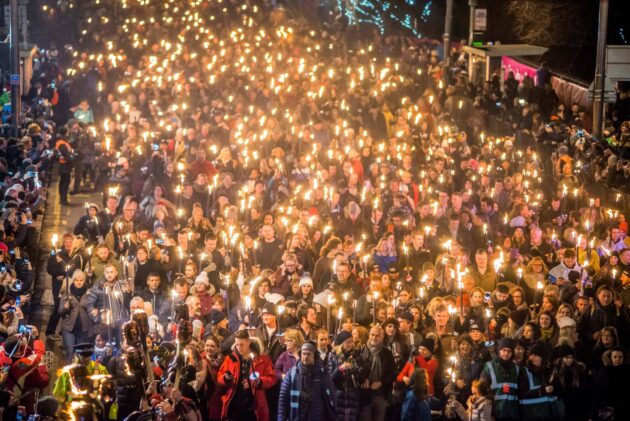
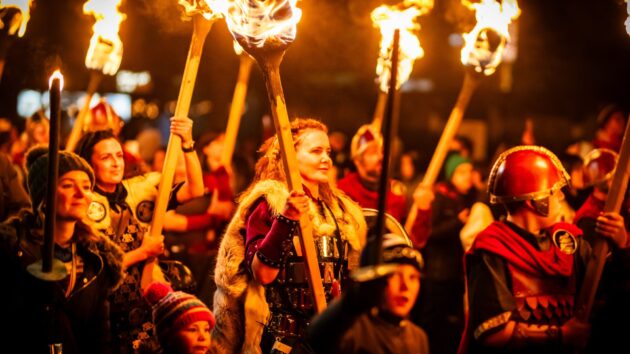
Hogmanay is Scotland’s world-famous New Year celebration, with Edinburgh hosting one of its most spectacular events. The capital city transforms into a massive street party, featuring live music, traditional dancing, torchlight processions, and a breathtaking fireworks display over Edinburgh Castle. Rooted in ancient Viking and Celtic winter solstice traditions, it’s a vibrant and unforgettable experience marking the arrival of the new year.
Where to Eat
Edinburgh’s food scene ranges from traditional Scottish fare to international cuisine:
Budget: Oink (Royal Mile) for hog roast rolls (£5–8); Mums Great Comfort Food (Old Town) for hearty dishes like haggis with neeps and tatties (£10–15).
Mid-Range: The Witchery by the Castle (Old Town) for upscale Scottish dining in a historic setting (£20–40/main). Dishoom (New Town) offers Indian cuisine with a Scottish twist (£15–25/main).
Fine Dining: The Kitchin (Leith, Michelin-starred) for modern Scottish tasting menus (£100–150/person). Book weeks in advance.
Cafes: The Edinburgh Larder (Old Town) for coffee and local pastries (£5–10).
Tip: Try haggis, a traditional Scottish dish, and pair it with a local ale or whisky. Many pubs offer vegetarian haggis options.
Where to Stay
Edinburgh offers accommodations for all budgets, but book early during festival season:
Old Town: Central, historic, and walkable. The Balmoral Hotel (5-star): Iconic luxury near Waverley Station, from £300/night. Grassmarket Hotel (3-star): Quirky and affordable, from £100–150/night.
New Town: Elegant and quieter, ideal for shopping. Eden Locke (4-star aparthotel): Stylish, from £120–200/night. Ibis Styles Edinburgh Centre (3-star): Budget-friendly, from £80–120/night.
Hostels: Castle Rock Hostel (Old Town) offers dorms from £20–40/night, perfect for backpackers.
Tip: Use Booking.com or Airbnb for deals, and consider staying in Leith (10-minute tram ride) for cheaper options.
Tips for a Great Visit
Wear Comfortable Shoes: Edinburgh’s hilly streets and cobblestones require sturdy footwear, especially for Arthur’s Seat or the Royal Mile.
Pack for Weather: Scotland’s weather is unpredictable—bring layers, a waterproof jacket, and an umbrella (even in summer).
Book Attractions Early: Popular sites like Edinburgh Castle and the Royal Yacht Britannia sell out during peak seasons.
Public Transport: Use Lothian Buses (£2 single, £4.50 day pass) or trams for affordable travel within the city.
Combine Your Trip: Take day trips to nearby attractions like the Rosslyn Chapel (30 minutes by bus) or Stirling Castle (1 hour by train).
Final Thoughts
Edinburgh is a city that captivates with its dramatic skyline, rich history, and lively cultural scene. Whether you’re exploring the medieval alleys of the Old Town, hiking Arthur’s Seat, or immersing yourself in the Fringe’s creative energy, Edinburgh offers endless discoveries. Plan your visit around the seasons, embrace the city’s charm, and savor the warmth of Scottish hospitality.
Happy travels!